


Today we’d like to introduce you to Linda Bergstrom.
Hi Linda, it’s an honor to have you on the platform. Thanks for taking the time to share your story with us – to start maybe you can share some of your backstory with our readers?
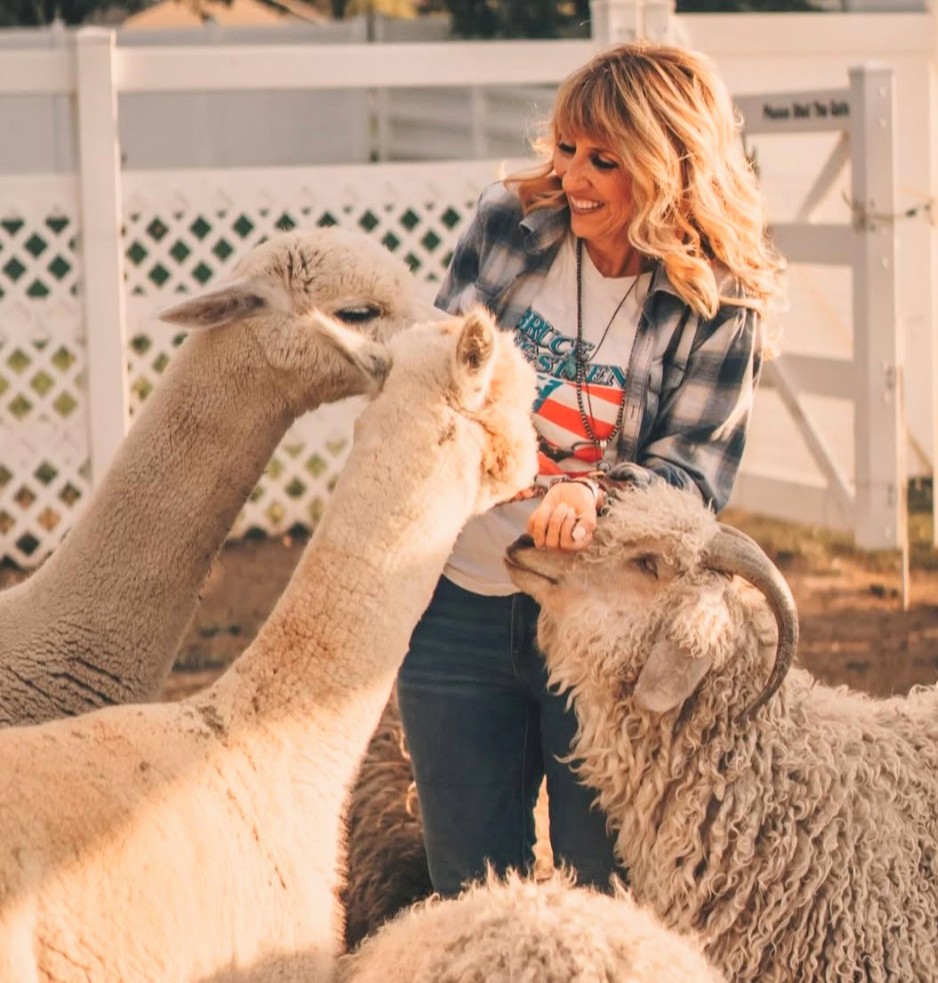
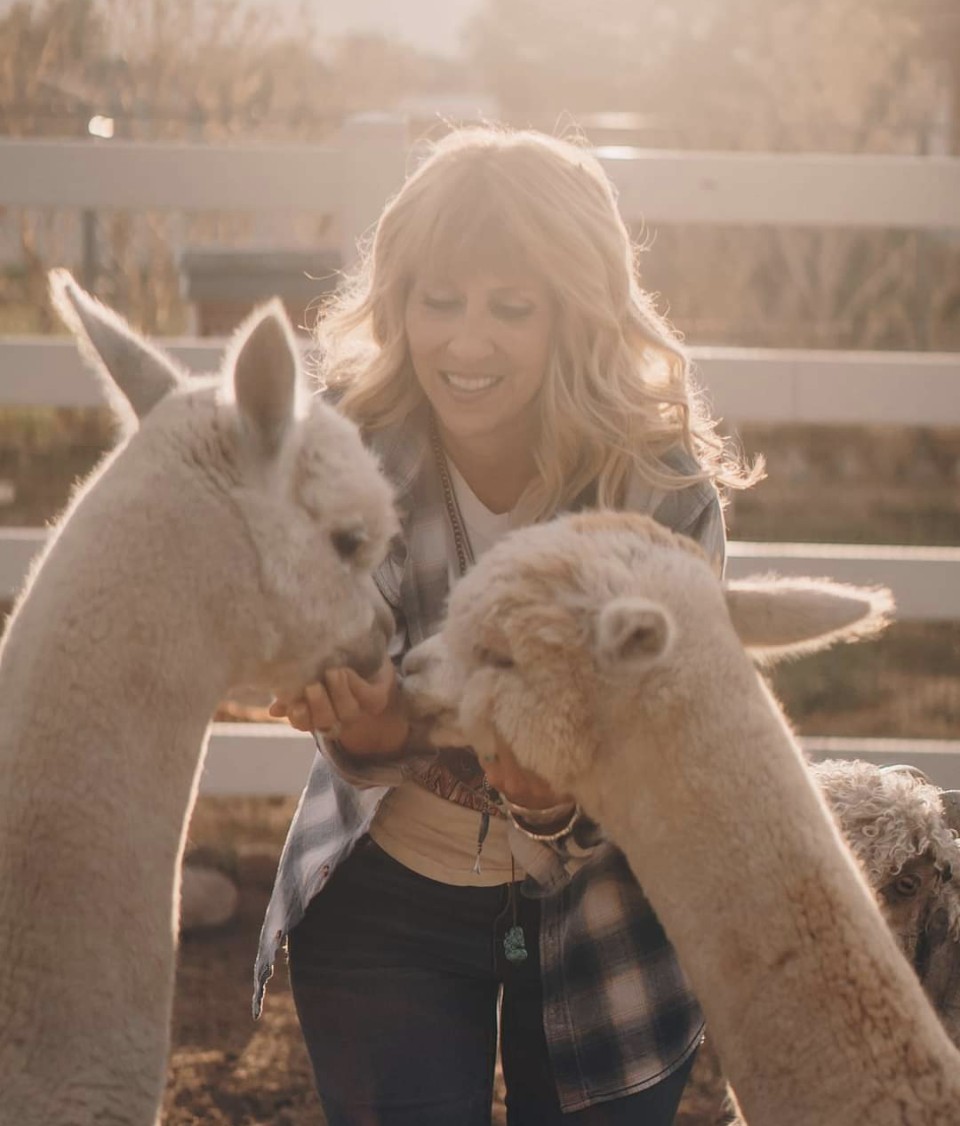
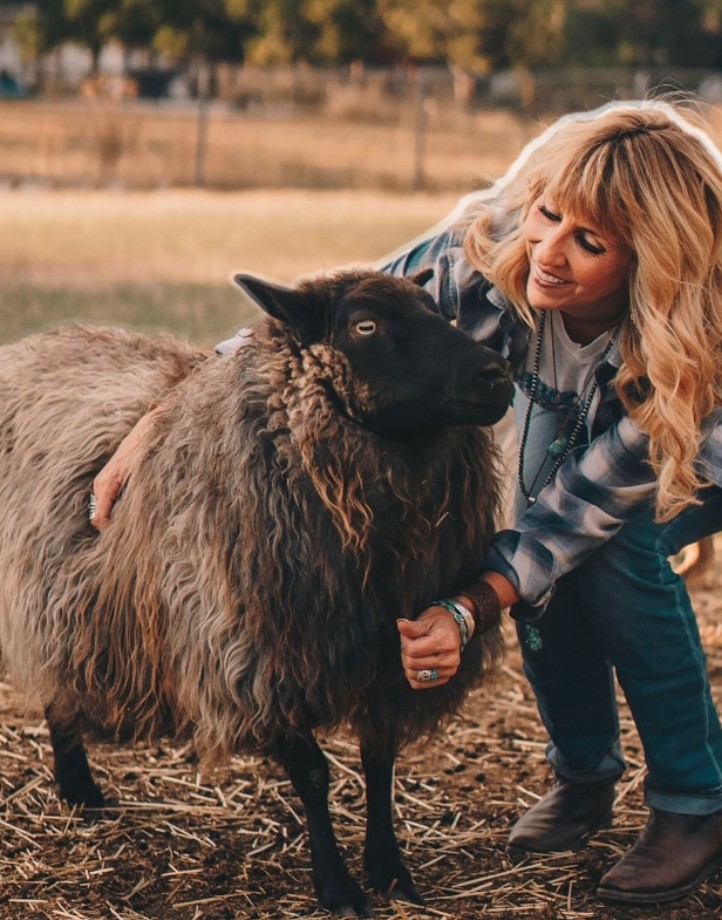
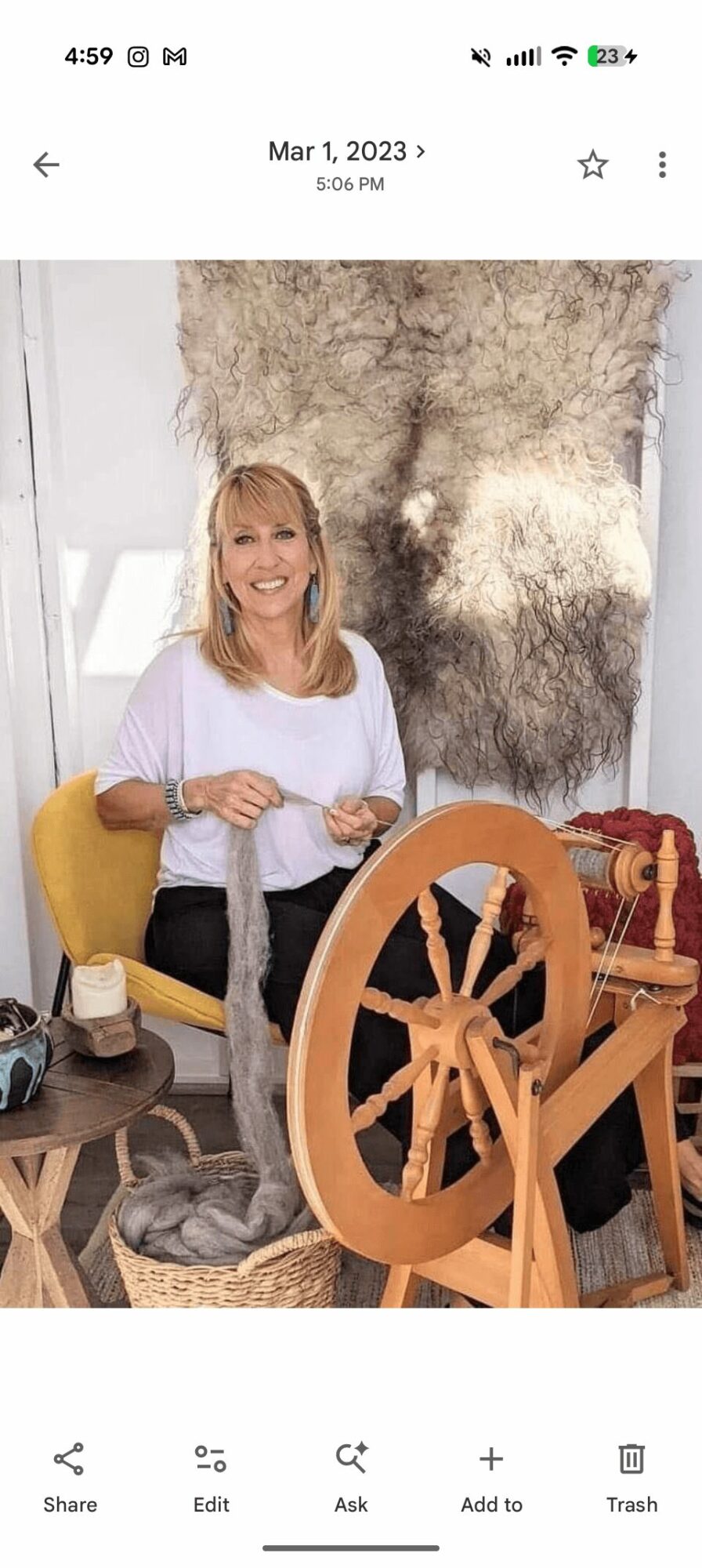
For more than 30 years, I carried a vivid dream with me: a vision of myself, middle-aged, sitting at a spinning wheel in front of a field of sheep. At the time, I knew nothing about spinning or fiber arts, but the dream stayed with me and slowly shaped the direction of my life. As an artist and longtime art teacher, I became increasingly fascinated by textiles, texture, and the idea of tracing a material back to its source. Over the years, I learned to spin, weave, dye, and felt, preparing for a future I somehow felt called to create. Eventually, that dream became reality when my family and I moved to a small piece of land in Bluffdale, Utah, and founded Bergstrom Farms, a fiber farm centered around alpacas, Icelandic sheep, Angora goats, chickens, and bees.
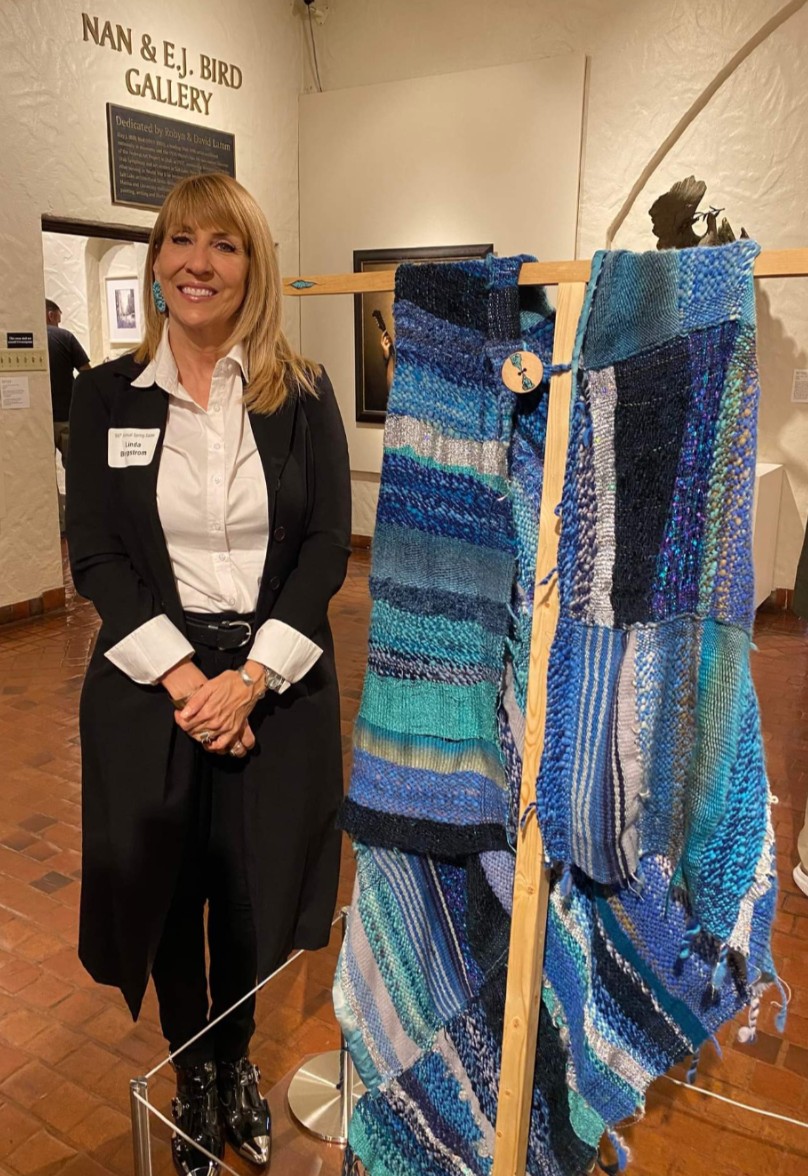
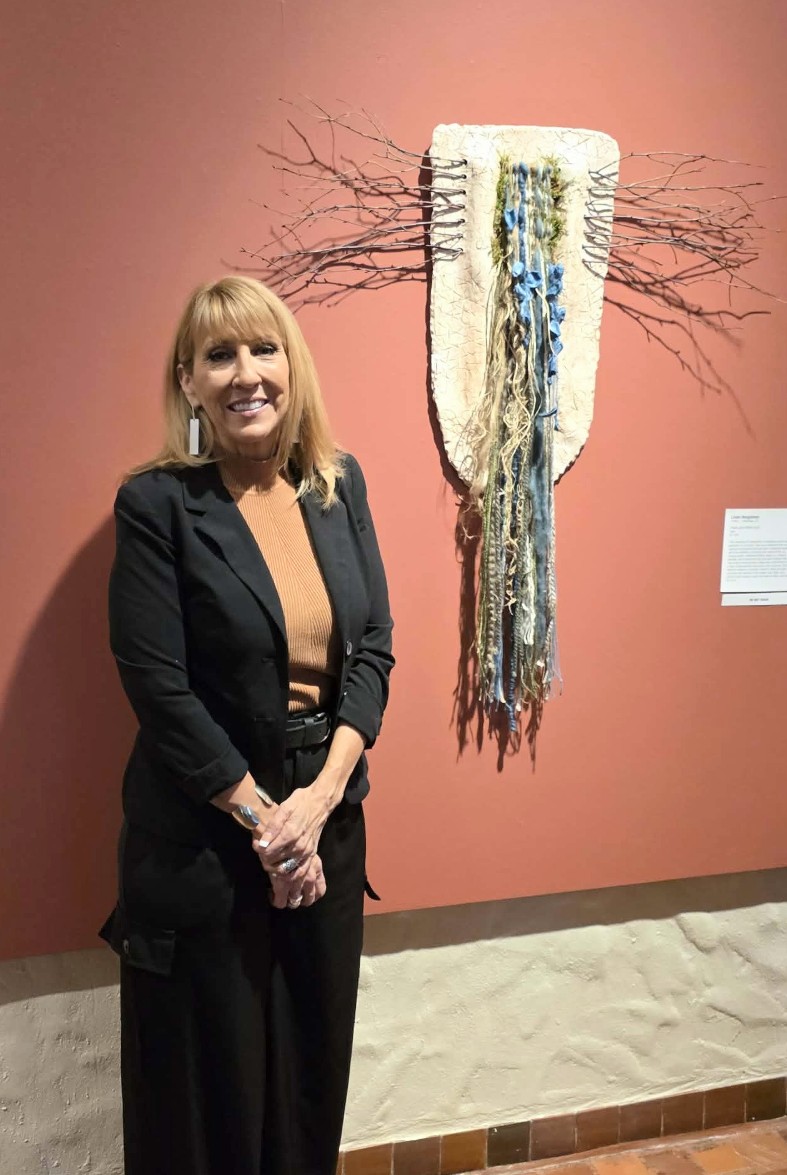
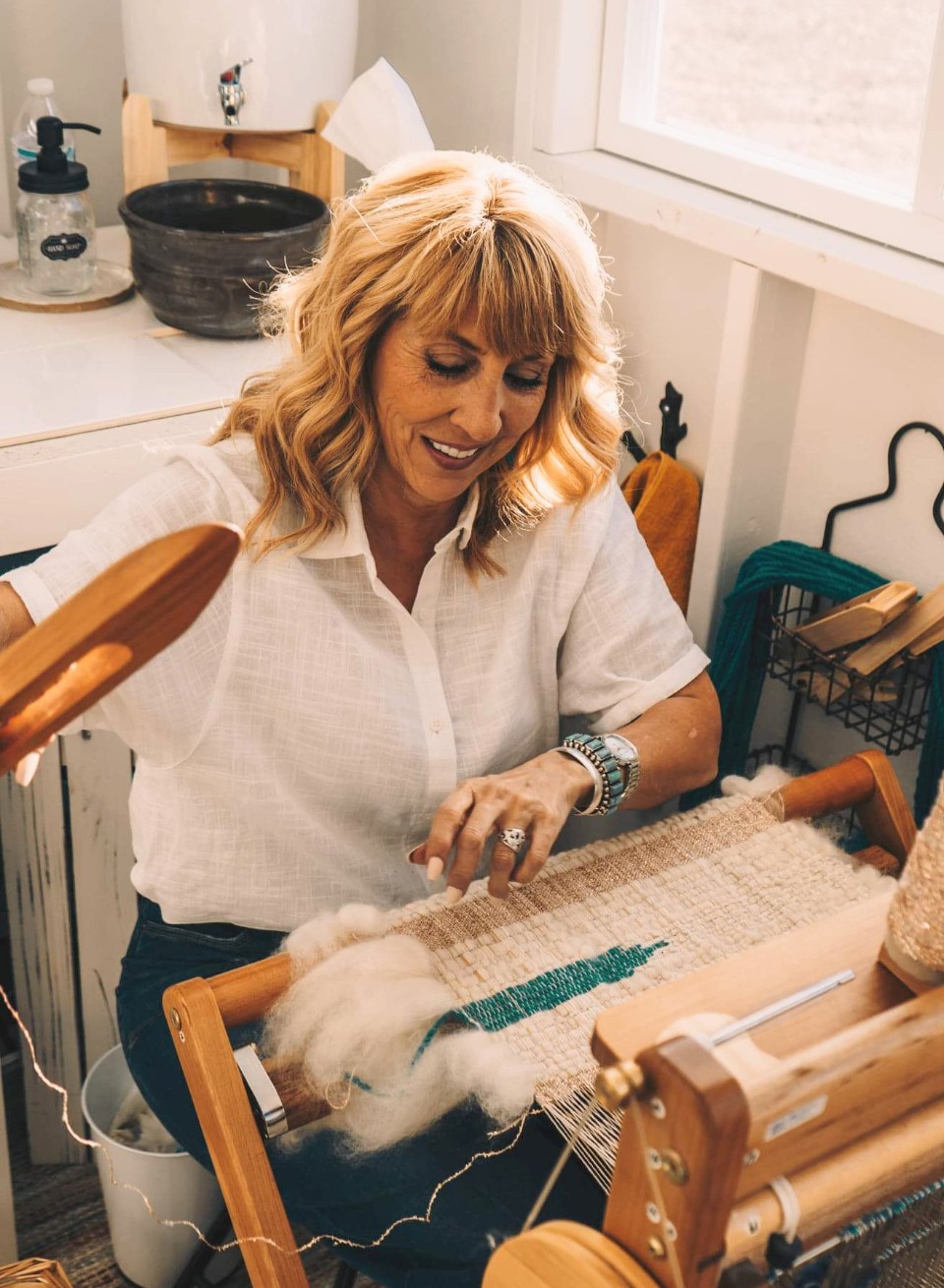
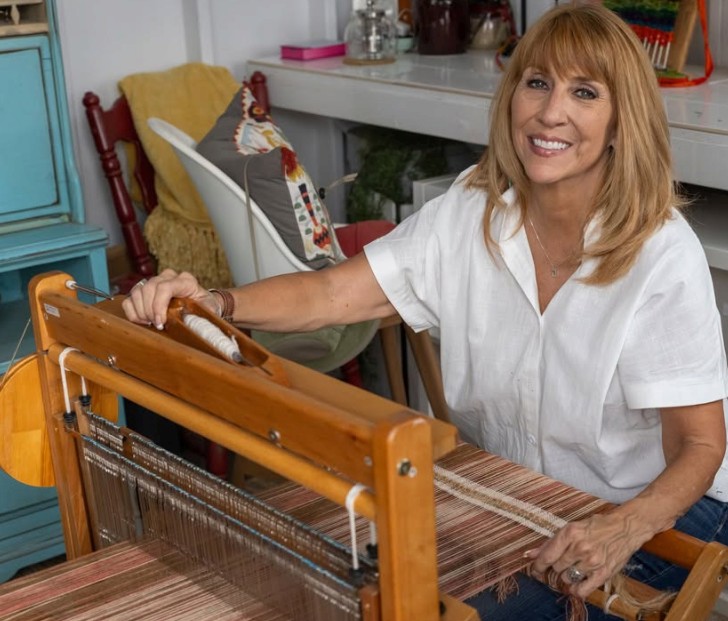
What began as a dream quickly evolved into a deep commitment to the ancient traditions of fiber farming and handmade textile arts. My artistic practice shifted dramatically once I started the farm, moving away from painting and toward weaving, spinning, and creating work directly connected to the animals and natural materials I raise myself. I embraced every part of the “barn to yarn” process, caring for animals, shearing fleece, washing and carding wool, spinning yarn, dyeing with homegrown indigo, and weaving one-of-a-kind textiles and art pieces. Along the way, I also cultivated flax for linen and began incorporating organic materials such as grapevine, clay, and natural fibers into my woven artwork. My work reflects my desire to reconnect people with slow, intentional craftsmanship and the origins of the materials we use every day.
Today, I feel incredibly grateful that the farm has become not only a place for creating art, but also a place for teaching and community. Through workshops, farm visits, and hands-on classes, I have been able to share my passion for sustainable fiber arts and traditional skills with children, families, artists, and visitors from across Utah. My vintage camper shop, filled with handspun yarns, woven goods, and fiber art, reflects the heart of this journey: creating beauty through meaningful connection to animals, land, and handmade process. What started as a dream decades ago has grown into a life centered on creativity, education, sustainability, and the joy of transforming raw fleece into art.
Alright, so let’s dig a little deeper into the story – has it been an easy path overall and if not, what were the challenges you’ve had to overcome?
One of the biggest surprises about starting a fiber farm was realizing how emotionally and physically difficult it would be. I began this journey in middle age with very little practical knowledge about livestock, despite growing up in Wyoming. I hadn’t grown up around farm animals and knew almost nothing about animal care, pasture management, predators, illness, birthing, or the constant demands of running even a small farm. Nearly everything I know has been learned through trial and error, late nights, heartbreak, research, and simply refusing to quit. There has been an enormous learning curve, and at times it has felt overwhelming trying to balance the physical labor of farming with the emotional responsibility of caring for living creatures that depend entirely on me.
There have also been many painful losses and setbacks along the way. Losing beloved animals, including one of my alpacas, was heartbreaking and reminded me how fragile farm life can be. Predators are a constant threat, especially to chickens, and there have been many mornings where I have walked outside fearing what I might find. The bees, too, have taught me humility. Beekeeping is deeply tied to weather, environment, and circumstances outside of my control, and last year I went an entire season without harvesting honey. Because honey sales help pay for hay and feed, that loss had a significant financial impact on the farm. During the pandemic, another major source of income disappeared almost overnight when agritourism, workshops, and farm visits came to a halt. Those events not only brought community connection, but also helped cover veterinary bills, feed, and daily farm expenses. There were moments when it felt impossible to keep everything afloat.
Even the creative side of the farm has come with repeated failures and persistence. I spent two growing seasons trying to successfully cultivate flax for linen, only to have crops fail or become unusable before finally producing fiber I could work with. Farming and fiber arts have both taught me patience in ways I never expected. So much of this life depends on weather, timing, animals, seasons, and forces outside your control.
But through all of the setbacks, losses, exhaustion, and uncertainty, I have continued because this life feels deeply meaningful to me. The struggles have shaped not only the farm itself, but also my artwork, my resilience, and my understanding of what it means to create something slowly and honestly from the ground up.
Appreciate you sharing that. What else should we know about what you do?
What sets my work apart is that I do not simply create fiber art, I live every part of the process from beginning to end. The animals are not separate from the artwork; they are part of the story of each piece. I help shear fleece, wash and card fiber, handspin yarn, grow dye plants, cultivate flax for linen, grow indigo for dyeing, and often incorporate organic materials directly into my woven pieces. My artwork reflects not only the finished textile, but also the labor, unpredictability, and relationship-building that happens long before something reaches the loom. I think people are drawn to the authenticity of that process and the way the farm itself becomes part of the art.
I am also deeply passionate about education and preserving traditional skills that are slowly disappearing. I spent most of my career as an art teacher for grades 1 through 8 and loved teaching until I began to focus solely on the farm. Through workshops, farm tours, school presentations, and hands-on experiences, I try to help people reconnect with handmade processes and understand the incredible amount of work and beauty behind natural fibers.
One of the things I am most proud of is creating a space where people can experience wonder. Whether it’s a child meeting an alpaca for the first time, someone learning to spin yarn, or weave, or visitors realizing that cloth and fiber begin with animals, plants, and human hands. I feel proud that the farm has become not just a place to make art, but a place that encourages creativity, curiosity, sustainability, and meaningful connection.
What do you like and dislike about the city?
One of the things I love most about living near Salt Lake City is the access to nature. I have always been an outdoor person, and I feel incredibly lucky to be surrounded by mountains, trails, and desert landscapes that I can escape to whenever I need inspiration or restoration. Hiking, biking, and spending time outdoors have always been important parts of my life. I am especially drawn to the desert, and the colors, textures, erosion, and raw beauty of Utah’s desert landscapes have deeply influenced my artwork and weavings over the years.
I also really value the sense of community that exists here, especially through the homeschooling and nature school groups that visit the farm. Bluffdale has been a wonderful place to create opportunities for children and families to experience fiber animals, textile arts, and hands-on learning. Many of our farm visits center around fiber units, where students can learn how fleece becomes yarn and cloth, and those experiences have become one of the most meaningful parts of what I do. I love seeing children connect with the animals and discover that art, agriculture, science, and history are all intertwined. The people who come to the farm have helped create a strong sense of purpose and community around the work I do.
The hardest part for me has been watching the area lose much of its rural identity over the past nine years. When we first moved to Bluffdale, it still felt very agricultural and open, with a slower pace and a stronger connection to farming life. Since then, development has exploded, and large homes and subdivisions have replaced many of the open fields and small farms that once defined the area. I understand that growth is inevitable, but it has been difficult to watch so much farmland disappear. Sometimes it feels like the rural lifestyle and sense of space that originally drew me here are slowly slipping away.
Contact Info:
- Website: https://Bergstromfarms.com
- Instagram: Bergstrom_Farms
- Facebook: Bergstrom_Farms