



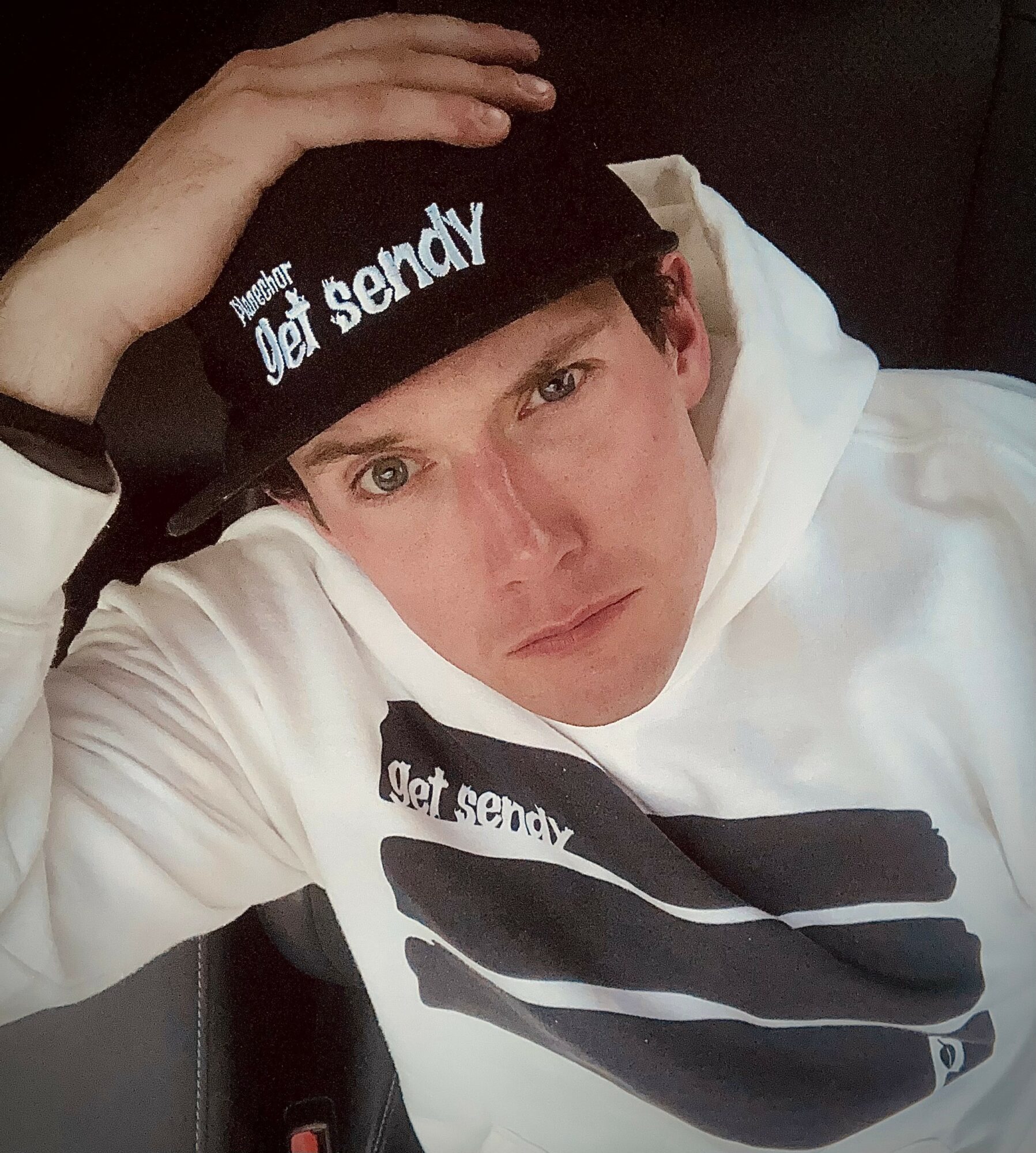
Cal Ram shared their story and experiences with us recently and you can find our conversation below.
Cal, it’s always a pleasure to learn from you and your journey. Let’s start with a bit of a warmup: What are you being called to do now, that you may have been afraid of before?
The calling is to build something that isn’t a brand at all; more like a fracture in the culture. For a long time, stepping into that felt risky, because what we’re doing with Planechor pushes against everything modernity tells young people to be. Kids get eaten alive out there. They’re told to shrink, to blend in, to settle for mediocrity. We want to give them a place to be anticultural, to chase exceptionalism with a community that actually has their backs. We’re sparking a movement where we’re so good to each other that we’re hated for it; where we bring trust and support and kindness for each other. Be kind, it’s gangster.
And honestly, that mission used to intimidate me. It felt too big, too loud, too much against the grain. But Planechor isn’t “selling” anything. We’re protecting something. Giving young riders and athletes a home where cutting against the grain isn’t just allowed, it’s expected; where doing good is an act of defying modern individualism and self interest; where community is stronger than modern culture.
So the calling now is to stop pretending this is a small project and fully step into the movement it’s becoming. Not a brand. A place where youth can rewrite the rules and find people who rise with them, not against them.
Can you briefly introduce yourself and share what makes you or your brand unique?
I’m Cal, and Planechor started as a simple idea: create a space where young riders and athletes are anticultural in the best way: loud, kind, exceptional, and unashamed of caring about each other. Where they can push back against isolating and individualistic modernity.
Planechor supports young athletes and donates part of every sale to humanitarian and youth-sports causes. But more than anything, we’re building a community that rises together. Extreme sports culture can be ruthless on kids financially, socially, mentally. Planechor exists to push back.
What makes us different is our mission: to be generous, to help people. To give young riders a place where they can rewrite the rules with their friends at their side. We’re not chasing trends or aesthetics; we’re building a movement around trust, support, and exceptionalism.
Right now we’re working on new apparel drops, growing our rider support program, and expanding the ways we give back to youth who are grinding to pursue their dreams. Planechor is small, but our culture is getting louder. And that’s exactly how we like it.
Thanks for sharing that. Would love to go back in time and hear about how your past might have impacted who you are today. What breaks the bonds between people—and what restores them?
What breaks the bonds between people is the lie that we’re supposed to be fine alone. Modernity tells us reaching out is weakness, community is optional. So we break in silence, pretending we’re fine on screens, fine carrying pressures no one should face solo.
What restores those bonds is anything real enough to require trust. In extreme sports and the raw outdoors, you rely on each other, watch each other’s lines, and learn presence because the mountain or the park doesn’t care about your image: only who’s beside you.
Planechor exists because those bonds shouldn’t be rare. We’re building a place where riders don’t have to fracture themselves to fit modern culture. Where leaning on each other is normal and strong enough to carry us through what culture says we should handle alone.
Restoring those bonds is simple: be radically genuine. That’s Planechor.
What did suffering teach you that success never could?
Suffering taught me something success never could: the truth about isolation. So many young riders disappear from the mountain because they simply can’t afford to stay. Extreme sports are brutally expensive, and modern culture tells kids that if they can’t keep up on their own, it’s their personal failure. “Work harder. Do it alone.” That lie breaks them.
Suffering exposes the myth of individualism. It shows you how unhealthy it is to pretend you’re fine alone, how quickly young riders collapse under pressures they’re expected to carry in silence. Pain reveals the thing culture tries hardest to hide: we are built to depend on each other.
Planechor wasn’t inspired by success, but because failure made the truth impossible to ignore. Young riders deserve a place where they don’t have to fracture themselves to survive modernity.
Alright, so if you are open to it, let’s explore some philosophical questions that touch on your values and worldview. What important truth do very few people agree with you on?
The truth very few people want to admit is that modernity is killing extreme sports. Passes get more expensive every year, and young and underprivileged athletes are getting priced out before they ever get the chance to ride. We pretend talent “rises,” but access decides everything.
When you shut young people out financially, you don’t just lose athletes; you lose the entire chain of mentorship and community the sport was built on.
The mountain was never meant to be navigated alone. Modernity keeps pretending otherwise, and the culture is breaking because of it.
Okay, we’ve made it essentially to the end. One last question before you go. What do you understand deeply that most people don’t?
What we understand deeply is that greatness should be earned—but the chance to pursue it should belong to everyone.
We’ve confused meritocracy with gatekeeping. We’ve built a culture where only the privileged get to try, and then we call the outcomes “fair.” That’s not merit; that’s selection bias dressed up as virtue.
Athletes earn respect, skill, excellence, and mastery. But young riders shouldn’t have to earn the right to show up in the first place. Access is the soil greatness grows from. When we deny that soil to young or underprivileged riders, we’re not protecting standards; we’re killing potential.
Excellence should be hard.
Entry should not.
Most people don’t see the difference. We do.
Contact Info:
- Website: https://www.planechor.com
- Instagram: https://www.instagram.com/planechor/
- Other: TikTok: https://www.tiktok.com/@planechor

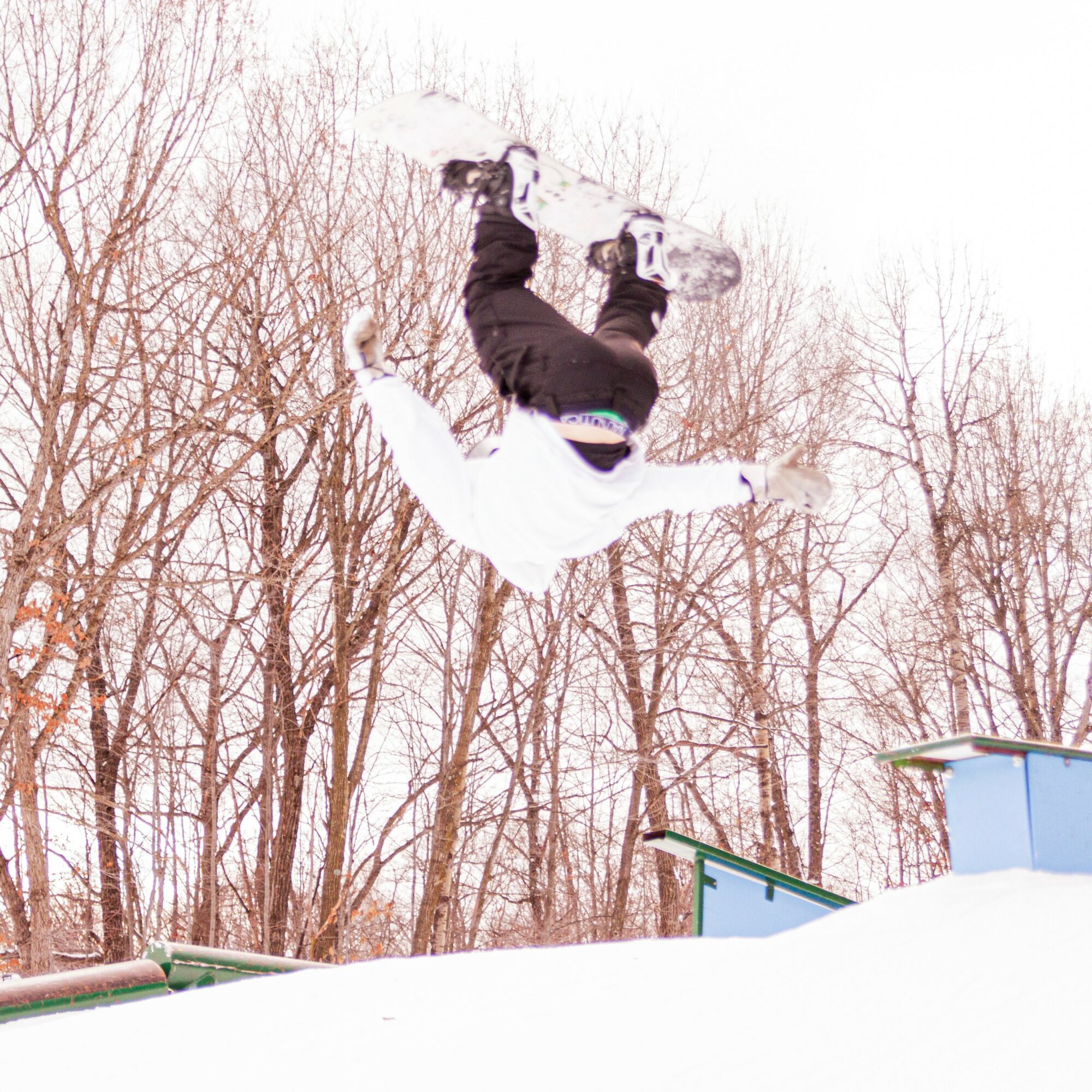



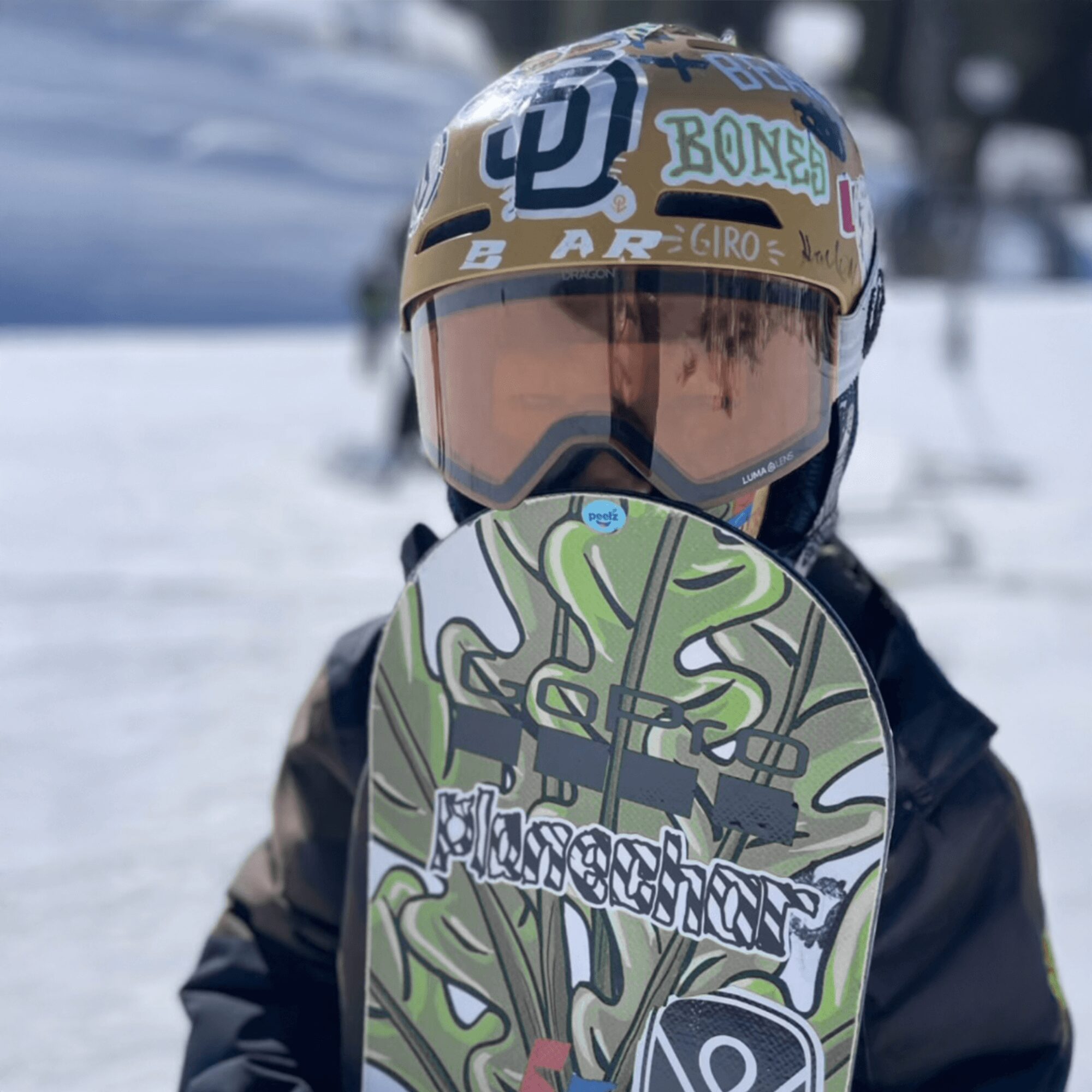
Image Credits
Austin Jamarillo
Jack Trochinski (Max Acker)
Elwood
Andrew Pierson (Max Acker)
Maiko Kaneshige (Koi & Maru)