


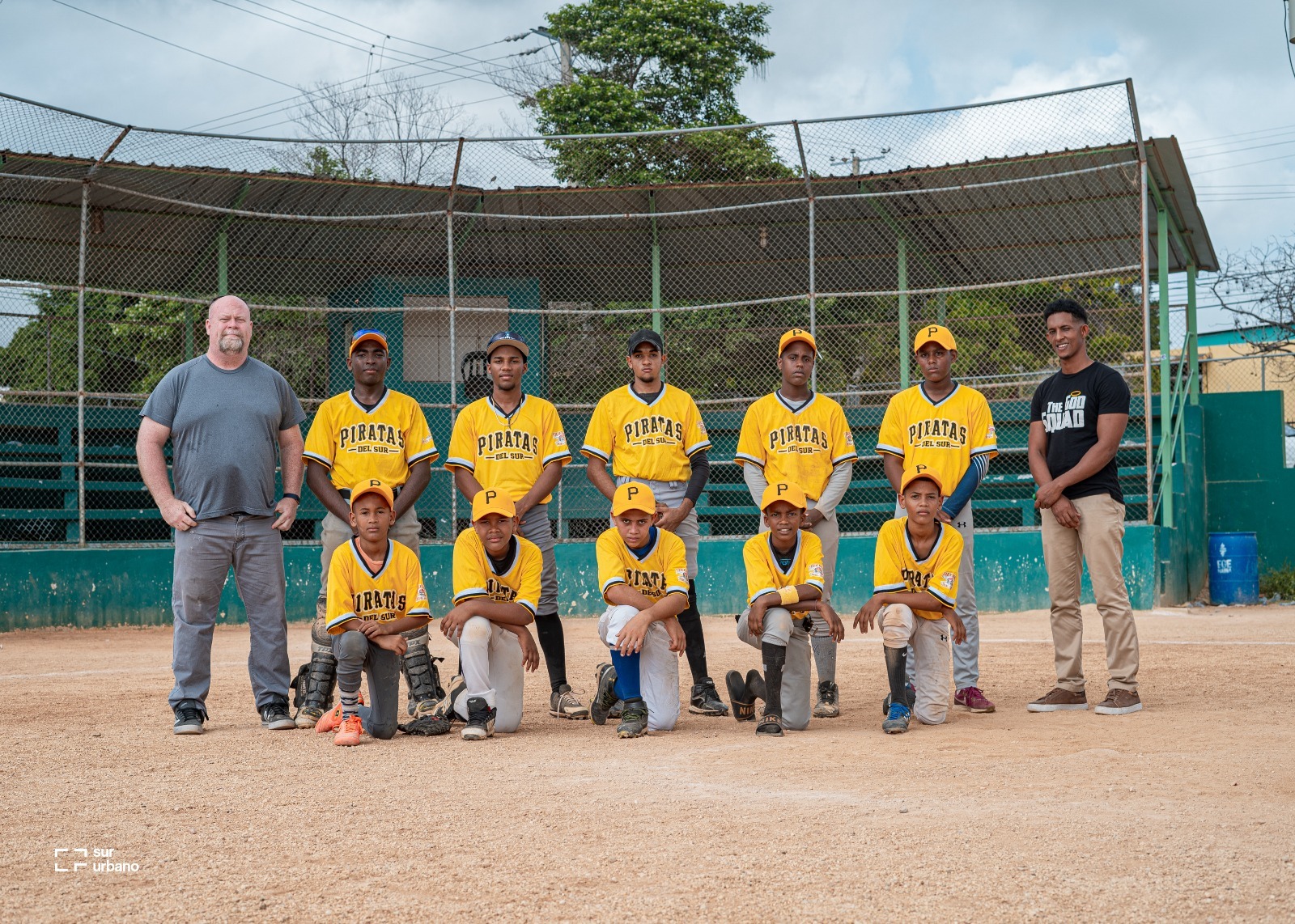
Today we’d like to introduce you to Brian Straley.
Brian, we appreciate you taking the time to share your story with us today. Where does your story begin?
I grew up in northern Utah, in the Logan/Cache Valley area, and I’ve lived here most of my life. I had a pretty normal upbringing in the 90s. My dad was a huge baseball fan from Ohio and my brothers and I grew up playing baseball. My dad was the type of die-hard baseball fan that going and seeing “Field of Dreams” counted as a Family Home Evening lesson! Funny how things happen and come full circle.
I graduated from Logan High in 1997 and after high school, like a lot of LDS kids, I put in my mission papers immediately. I was called to serve my mission in the best mission in the world, the Santo Domingo West Mission in the Dominican Republic. At the time, I knew very little of the DR other than baseball was the national pastime and they spoke Spanish. I went genuinely curious and completely oblivious to the culture and how it would change me forever. So, I packed up and I brought my glove and baseballs with me, expecting to find baseball everywhere, or at least find kids playing pick-up games on the fields.
Saying that baseball was popular in the DR is an extreme understatement. Baseball is life! They watch the MLB and they have their own profession league (LIDOM) during the winter that they follow. Go Aguilas!
The atmosphere at the games is very different from games in the States. Baseball is somewhat of a boring game, but not in the DR. I would compare it to watching professional soccer in Europe vs in the States. There is so much more energy and cheering and they even have dancers or cheerleaders. If you ever have the opportunity I would definitely make time and go see one.
I was there during the Sammy Sosa and Mark Mcgwire home run battles. Every night we would get harassed about who was hitting more home runs and of course they wanted Sammy to win. Everyone would go out of their way to tell us if Sammy ever hit another dinger.
What surprised me the most was how poorly organized youth baseball there actually was. Fields were often empty. Occasionally I would see a practice or a small group playing, but there wasn’t a real system—no Little League seasons, no consistent structure. I saw little kids playing street ball with a broom stick for a bat and a bottle cap for a ball more than I saw organized youth or high school baseball. It was more like a never-ending practice.
I met many kids who had already been through the Dominican baseball pipeline and had been spit out by the system either in the DR or in the States. A lot of them had signed minor league contracts, played briefly, and ended up back home. You could feel it: baseball had been the plan and when it didn’t work out there wasn’t much of a backup plan.
Most didn’t graduate high school or go to much of school at all. The only work that they could find was hard labor like working in fields, drive motoconchos, work in construction or join the military, security, or police force. The options were very limited and very low paying.
But the biggest impact of my mission wasn’t baseball—it was the people. I built friendships I’ve now had for over 25 years. I have watched my friends struggle for decades just to build a stable life and never quite reach it. I have watched them struggle to leave poverty behind. They have expressed how there is no opportunity for work that provides the basic needs. They lived in stick houses with tin roofs and dirt floors, with no running water and outhouses. They don’t eat 3 meals a day. If a kid gets sick, they struggle to pay for a doctor and medications.
I always felt helpless and a little embarrassed because while life was a struggle at times, it was nowhere near what they experienced. Something always stayed with me: we go serve, we build real relationships, we love these people—and then we come home, and life moves on. For me, that never felt quite right. I always felt like there had to be a way to give back that was more consistent and lasting. Because if I really called these people my friends, I would try and find a way to help even after the mission was over. My core beliefs from my parent’s example, my personal experiences and having been raised LDS always were:
1. Love God with all thy heart, with all thy soul, and with all thy mind – and the 2nd is like unto it. Thou shalt love thy neighbor as thyself
2. The Good Samaritan
3. When you are in the service of your fellow beings you are only in the service of your God
4. King Benjamin’s speech in Mosiah of the Book of Mormon – ye will teach them to love one another, and to serve one another, ye yourselves will succor those that stand in need of your succor; ye will administer of your substance unto him that standeth in need; and ye will not suffer that the beggar putteth up his petition to you in vain and turn him out to persih…For behold, are we not all beggars?
So I finally woke up after a serious health scare and decided to do something about it. In 2020, at the beginning of the pandemic I started Empower Baseball as a 501(c)(3) nonprofit. The timing wasn’t ideal—the pandemic was in full swing—but it forced me to move carefully and intentionally. I work full time as an Operation Manager, how could I do something like this on the side? It was a big undertaking.
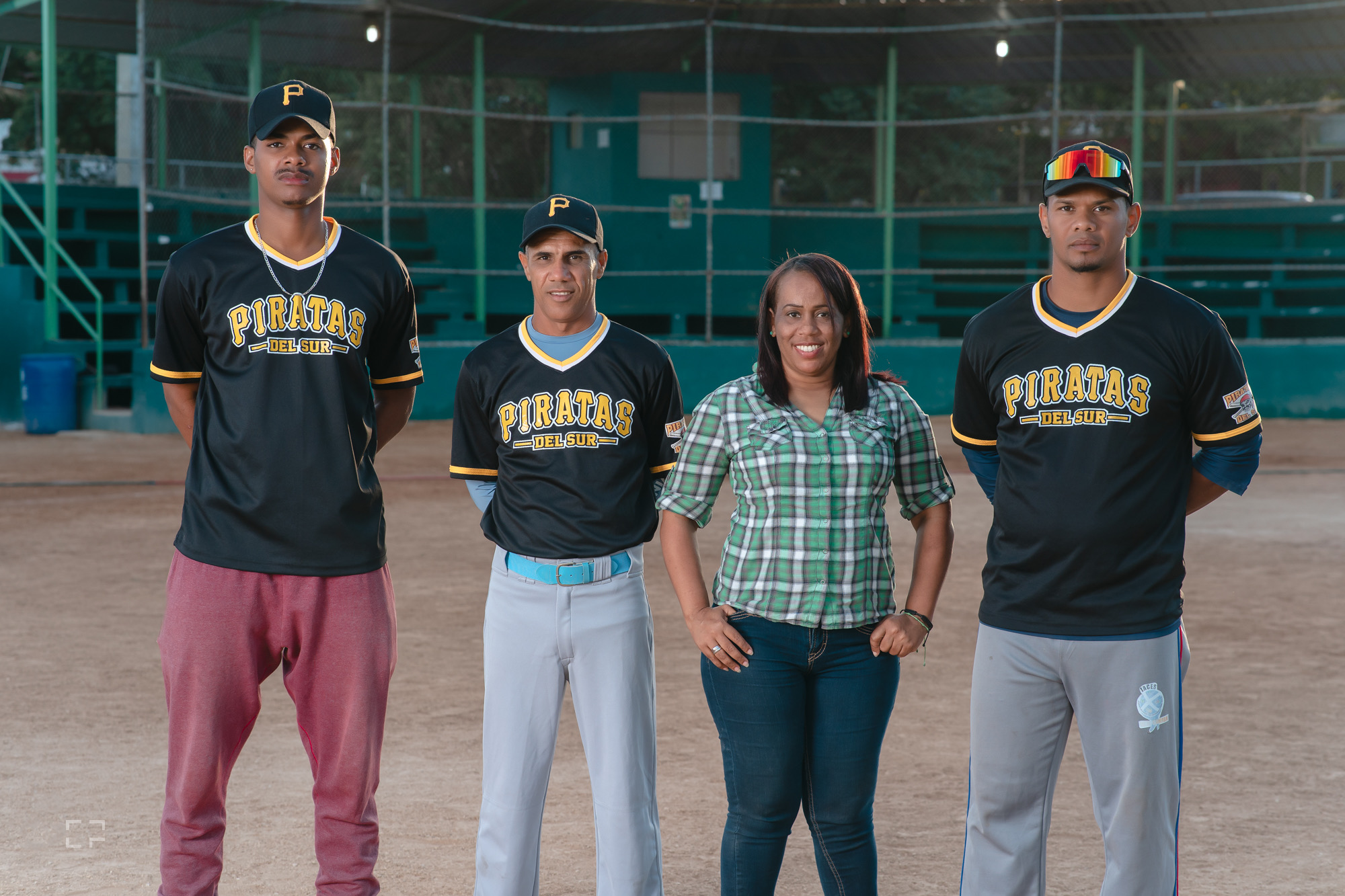
I called my buddy Bernarda Acosta, who I met during my time in Barahona. She helped open doors and became the person who could help us build something real on the ground. Today, she’s our General Manager and the backbone of the organization. She is la jefa, in a male dominated industry.
One of her connections was a local coach who wanted to step away from his baseball academy and retire. With personal savings and early donations from people who believed in the mission—including returned missionaries and my Mission President’s wife—we were able to purchase his small baseball academy. That gave us a starting point: equipment, uniforms, practice time, and trust within the community.
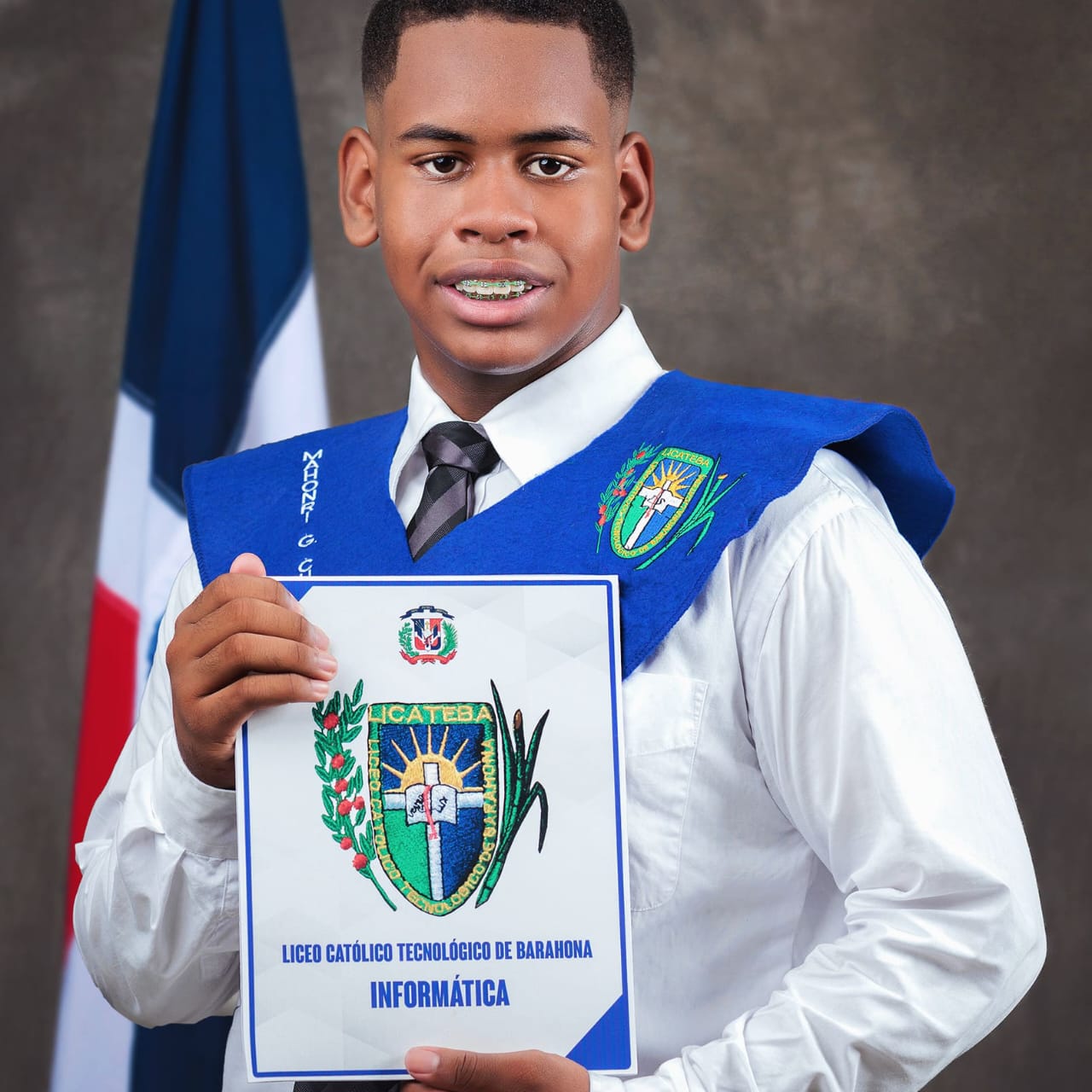
From the beginning, our mission was clear: the price to play baseball was going to be education. We’re not a traditional for-profit Dominican baseball academy. We use baseball as the incentive or the hook, but staying in school, keeping grades up, and graduating high school are non-negotiable.
“Education is the most powerful weapon which you can use to change the world” – Nelson Mandela.
Less than 50% of Dominican kids graduate high school. That means they can’t take advantage of programs like the LDS’s PEF or other government programs. We must FIRST get them to graduate so that in phase 2 we can help them attend a university where less than 21% of Dominicans will finish their secondary education. We know that with a secondary education, they can break their chains of generational poverty and live a life that we all deserve.
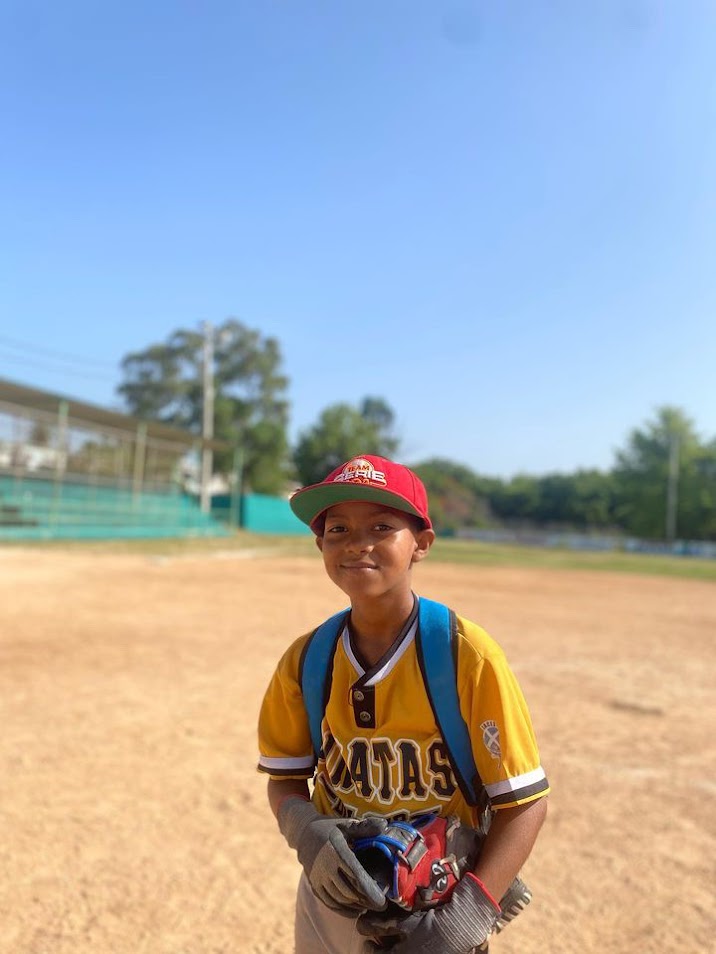
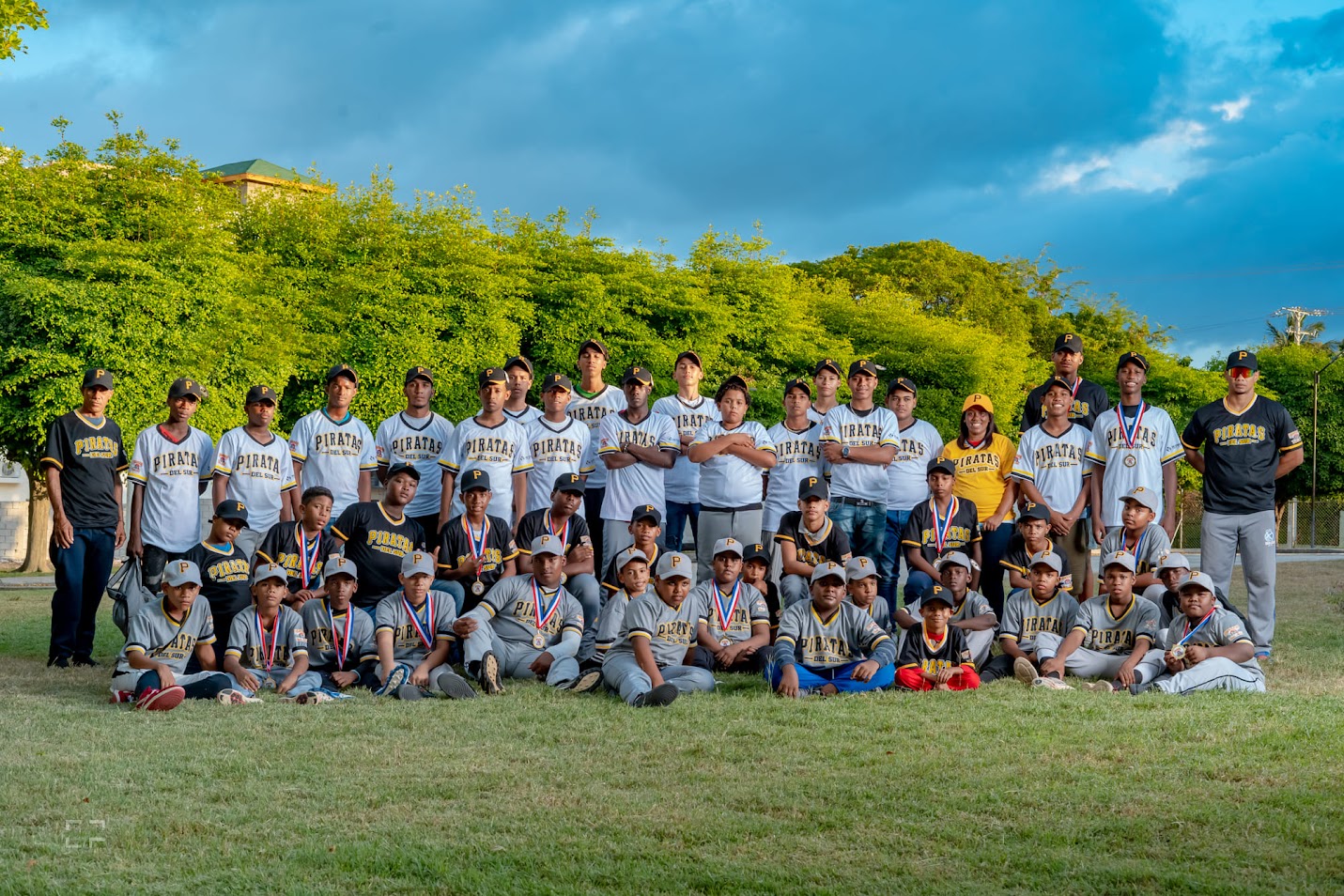
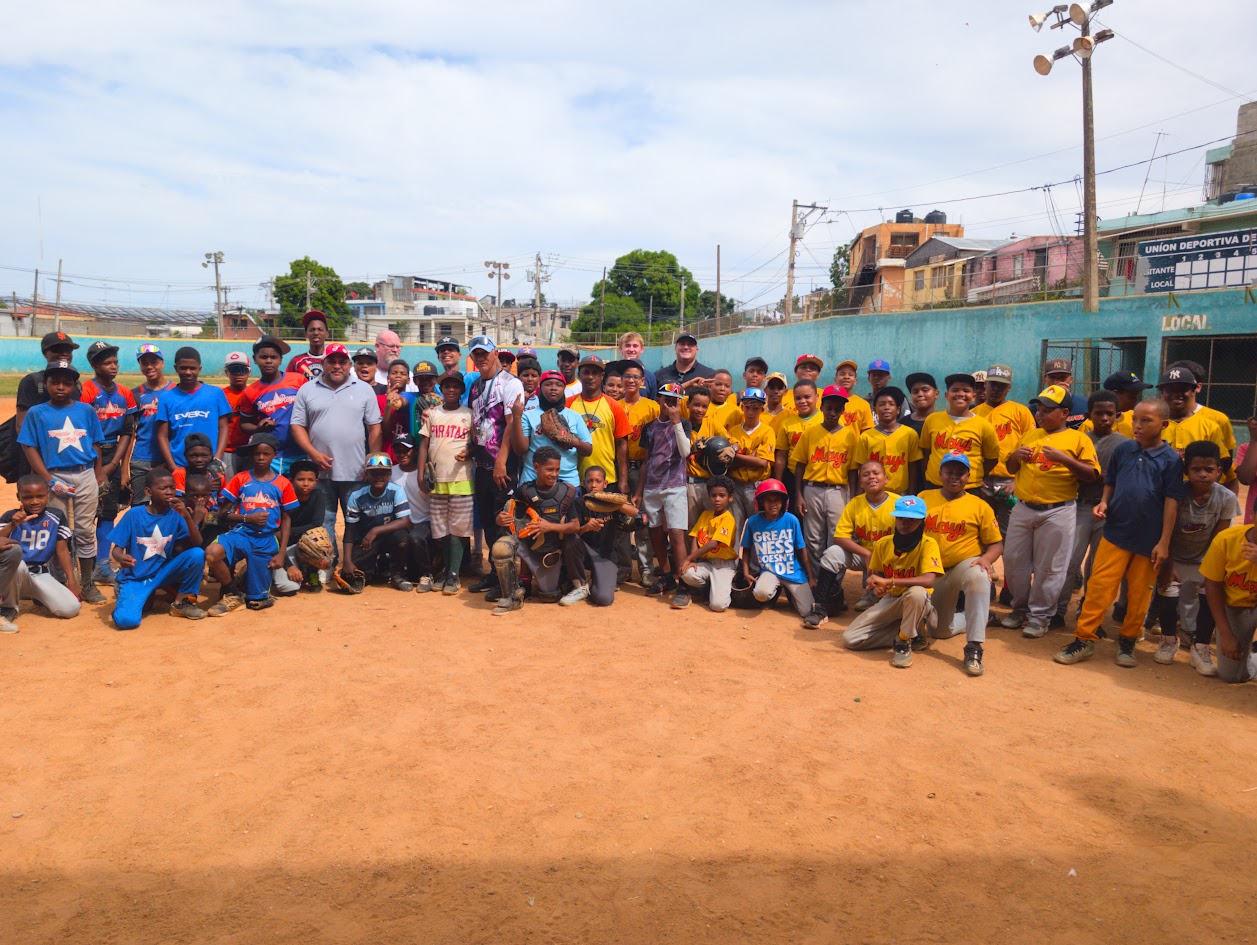
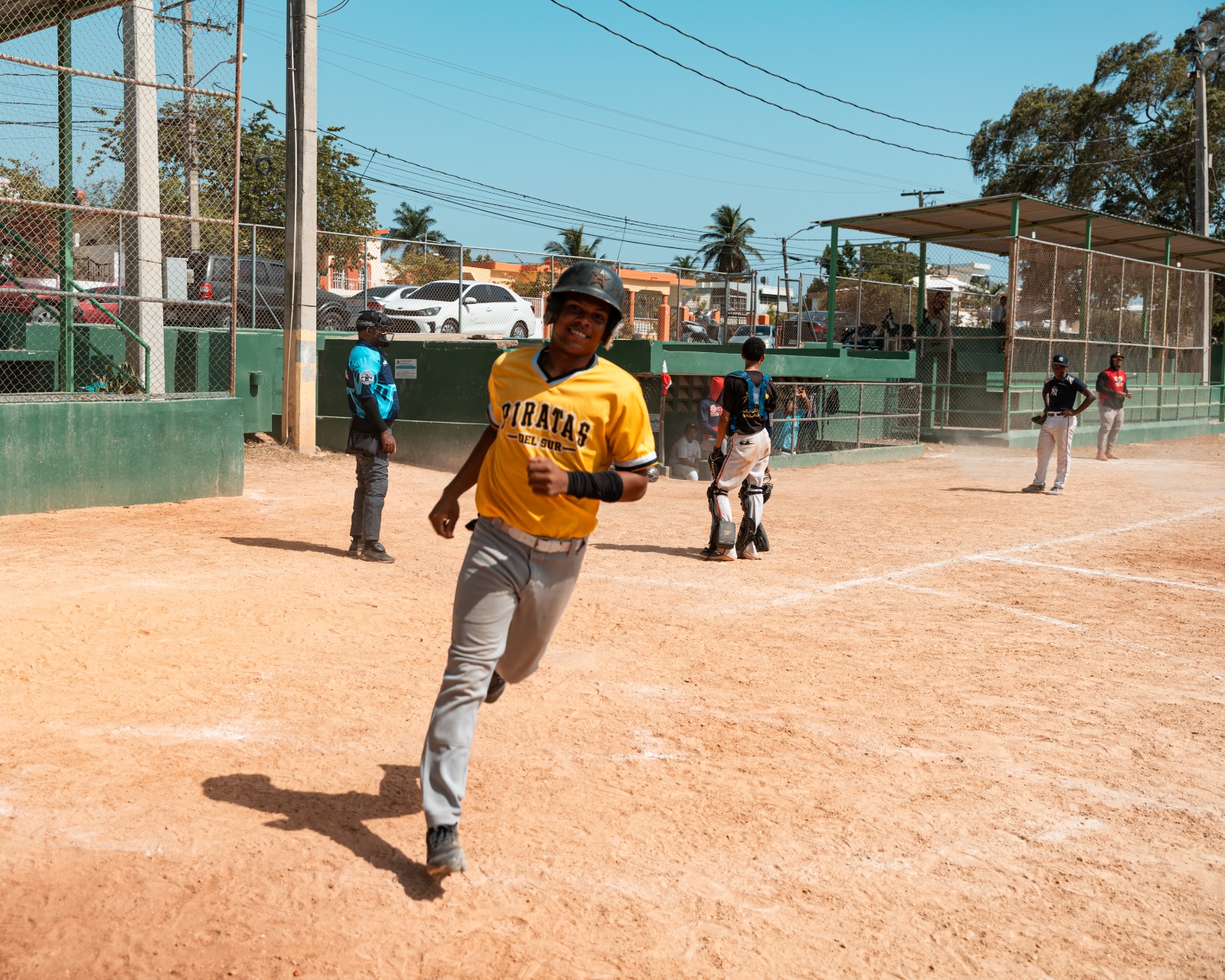
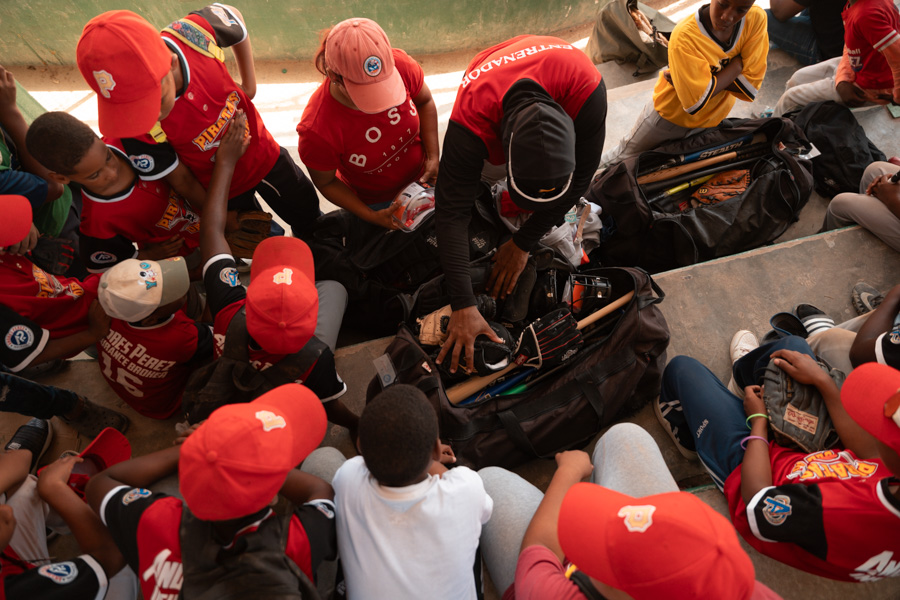
Today, we serve around 50 kids. We could serve more, but funding is the limiter. We are currently raising funds to start girls softball the summer of 2026 and will grow to 70 kids. Our focus moving forward is sustainable growth and keeping this locally led. If we can find consistent funding through generous donors, sponsorships and grants we could easily serve multiple cities and other sports like volleyball.
The program is still about 95% self-funded. I work for free and I am hoping that “if you build it…they will come” will eventually come true for me as well. In the meantime, I am focused on empowering Dominican leaders to run and grow the program. I don’t care if we ever send a kid to Major League Baseball. If we can help these kids graduate, attend college, or trade school, and break generational poverty, then we’ve done something that truly matters.
If we can do that — even for a few — then maybe we can leave the world a little better than we found it.
We all face challenges, but looking back would you describe it as a relatively smooth road?
No, it definitely hasn’t been smooth. A lot of the challenge hasn’t been one big failure, but the weight of trying to build something meaningful while figuring it out in real time.
I had never started a nonprofit before. I have an MBA and a background in production management, but none of that teaches you how to launch, fund, and sustain a mission-driven organization. Early on, everything was learning by doing — paperwork, compliance, finances, fundraising — and constantly asking myself if I was doing things the right way, not just the easy way.
One of the hardest lessons has been realizing that good intentions don’t automatically translate into impact. I assumed that if people understood what we were doing — especially those familiar with the Dominican Republic — they would immediately want to help. What I learned instead is that clarity matters more than passion. If you can’t explain the mission simply and consistently, people don’t know how to engage, even if they care.
Another real struggle has been trying to do too much myself. I work full-time, and for a long time I treated Empower Baseball like something I had to personally carry — funding gaps, staffing needs, problem-solving — all while trying not to burden anyone else. That approach isn’t sustainable, and it took me a while to admit that growth requires shared ownership, not just personal sacrifice.
There’s also been the challenge of perception. People hear “baseball” and often assume it’s recreational or optional. In the Dominican Republic, baseball is tied to identity and survival, and that creates pressure that can pull kids away from school instead of keeping them in it. Trying to explain that nuance — especially in a short conversation — has been one of the biggest communication hurdles. These families literally believe that baseball will save them from poverty and desperation. When they quit school to join a baseball academy, they don’t just quit school. That usually means leaving their families and living at an unregulated baseball academy, facing all sorts of atrocities throughout the years. The struggles of dominican kids verses the experience in the US are night and day.
Looking back, none of this feels wasted. The friction forced clarity. Every misstep made the mission sharper. Every slow season taught me where the weak points were — in structure, in communication, and in leadership. It hasn’t been easy, but I don’t think it should have been. I wouldn’t trust what we’re building now if it hadn’t been tested along the way.
Thanks – so what else should our readers know about Empower Baseball?
Empower Baseball is a nonprofit youth organization in the Dominican Republic that uses baseball and softball as tools to keep kids in school and graduate. In a culture where baseball is often seen as the only way out, we emphasize that education is what creates long-term opportunity.
We run year-round programming that includes practices, games, mentoring, and close involvement with each child’s academic progress. Our local General Manager works directly with families and schools to collect grades and step in early when kids need support. Staying in school and working toward graduation is required to participate.
What sets us apart is that we are not a pipeline academy chasing professional signings. We don’t take money from players, and we don’t participate in the buscón system. What I’m most proud of is seeing kids graduate high school and gain real options for their future—whether that’s college, trade school, or stable employment.
Is there any advice you’d like to share with our readers who might just be starting out?
The biggest lesson I’ve learned is to say yes when people offer to help. Early on, I didn’t always know what to ask for, so I hesitated—and momentum was lost. Looking back, I wish I had invited people in sooner and figured things out together.
I also learned not to be embarrassed about starting small. People don’t expect perfection—they want clarity and a meaningful way to contribute, whether that’s time, skills, or financial support.
My advice is : let people help, be honest about what you need, and don’t try to carry everything alone. Building something that lasts takes community, not just individual effort.
Oh and lastly, don’t wait 25 years to do something like I did. If you feel passionately about something, take the risk and do it. The world needs you.
Pricing:
- Become a monthly donor! https://secure.qgiv.com/for/empowerbaseball/
- https://empowerbaseball.org/softball/
- https://empowerbaseball.org/baseball-camp/
- https://empowerbaseball.org/the-dugout/
- https://empowerbaseball.org/corporate-sponsorship/
Contact Info:
- Website: https://www.empowerbaseball.org
- Instagram: https://www.instagram.com/empowerbaseball/
- Facebook: https://www.facebook.com/empowerbaseball
- LinkedIn: https://www.linkedin.com/company/empowerbaseball/
- Twitter: https://x.com/empowerbaseball
- Youtube: https://www.youtube.com/@empowerbaseball