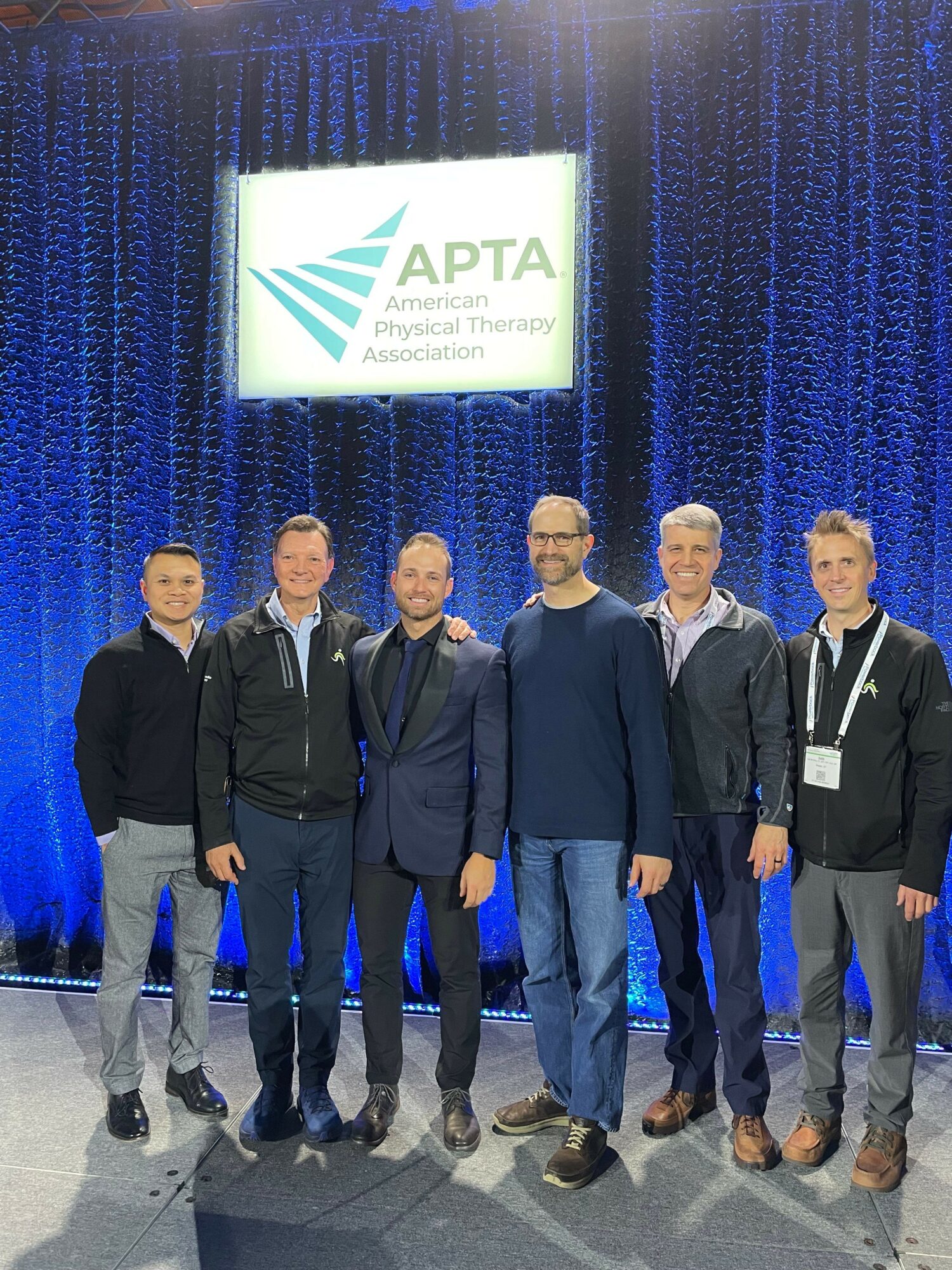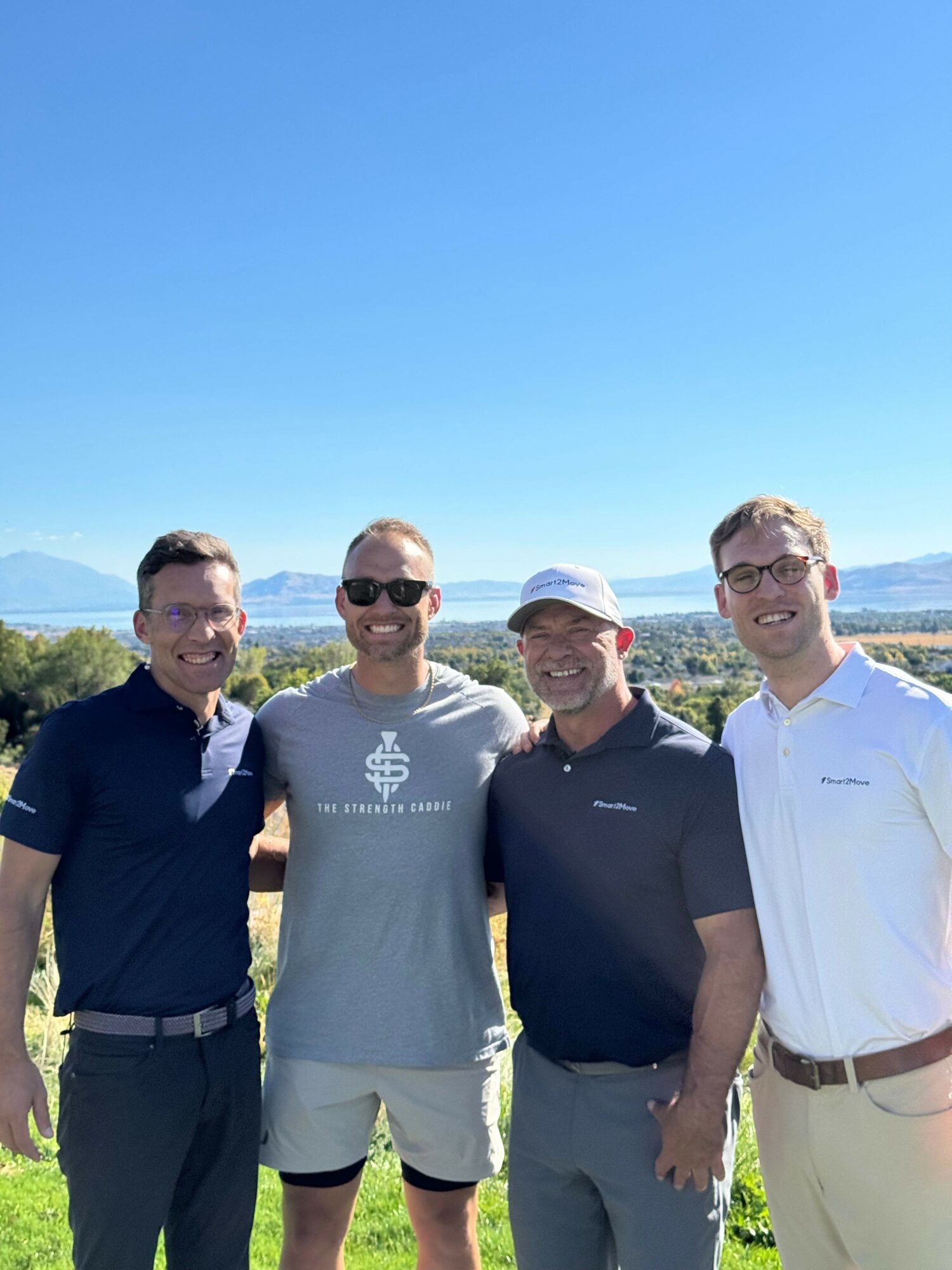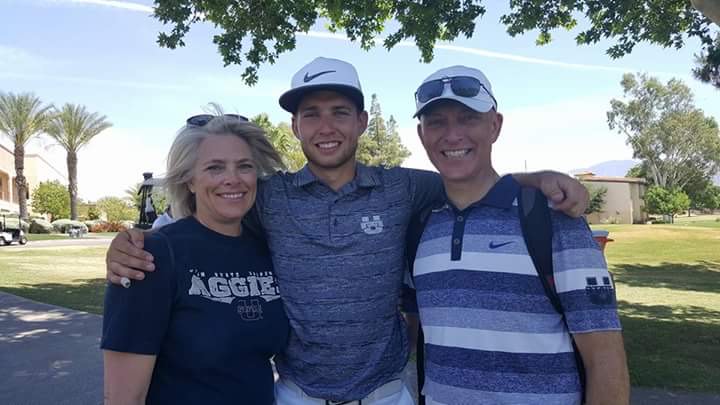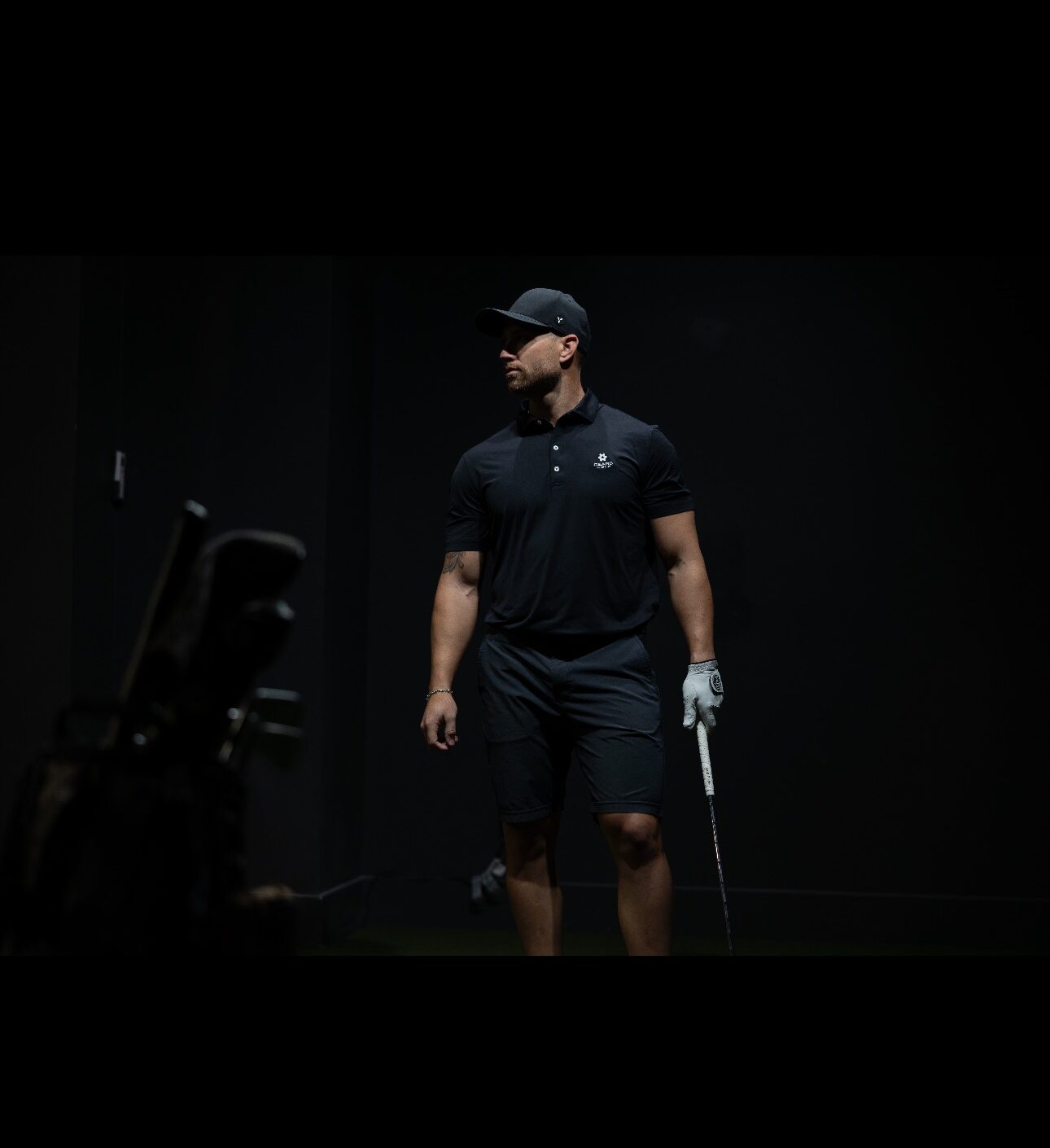



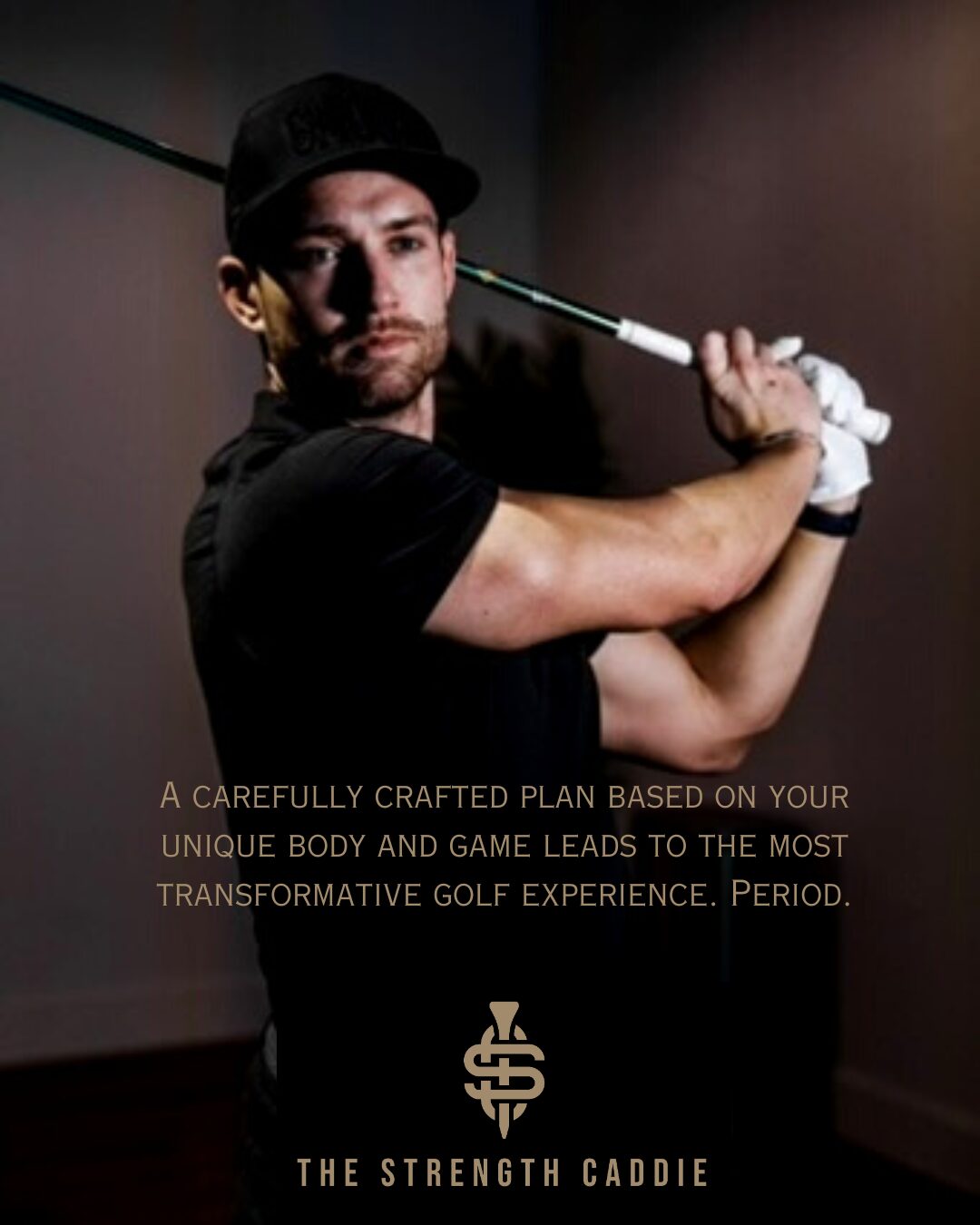
Today we’d like to introduce you to Dr. Eli Rogers.
Hi Dr. Eli, we’re thrilled to have a chance to learn your story today. So, before we get into specifics, maybe you can briefly walk us through how you got to where you are today?
I grew up in a small town in Montana, and I didn’t have access to high-level coaching or the kind of training resources a lot of athletes have now. A lot of my early development was self-taught — figuring things out through reps, mistakes, and learning what actually moved the needle.
When I was younger, I honestly hated working out. I was smaller and skinnier than a lot of other kids, and I had enough natural athleticism that I convinced myself I didn’t really need to lift. Plus, back then, golf fitness was basically “do some balance exercises” and call it good. I had barely touched a weight before I got to college.
But when I got to Utah State, I redshirted my first year, and I had to find something productive to focus on — especially in the cold winter in Logan. That’s when everything changed. I started training seriously for the first time, and I got obsessed with doing it right. I didn’t want to just lift to lift — I wanted to understand how to train without getting hurt and how to build real, transferable performance.
That’s where guys like Ben Pakulski and Charles Poliquin had a big influence on me early on. Their focus on form, technique, intent, and structure really resonated with me because I was cautious about injury, and I wanted a system that actually made sense.
Over time, that obsession turned into a deeper interest in biomechanics, rehab, and performance. I eventually went down the physical therapy route because I wanted to take everything I was learning and apply it at a higher level — not just to train harder, but to train smarter and keep people playing without breaking down.
And I wasn’t just studying it from the outside — I tested it on myself. Through years of refining my training, mobility, and swing mechanics, I took my swing speed from around 115 mph to 135 mph and hit 203 mph ball speed. That wasn’t an accident. It came from having a plan, measuring progress, and understanding what actually matters.
That’s ultimately why I started The Strength Caddie Rehab & Performance. My goal is to help golfers stop wasting time doing things that don’t fit their body, don’t match their swing, or were just flat-out bad advice. Most people aren’t failing because they aren’t working hard — they’re failing because they never addressed the WHAT, the HOW, and the WHY.
Once you identify what’s actually limiting you, understand how to train it properly, and know why it matters to your swing and your body, everything gets simpler — and results come a lot faster.
I’m sure it wasn’t obstacle-free, but would you say the journey has been fairly smooth so far?
No, it definitely hasn’t been a smooth road.
Early on I dealt with a lot of imposter syndrome. Even as I got more educated and started getting real results with people, there was always that voice in my head questioning if I was truly good enough to do this at a high level. I think a lot of that came from being self-taught for so long and not having the “perfect” path into this world.
Another big struggle was learning how to filter out noise. The golf and fitness worlds are full of trends, strong opinions, and one-size-fits-all programs that sound good but don’t actually solve the problem. I had to learn that doing more isn’t always doing better, and that the best plan is the one that matches the person in front of you — based on what they actually need, not what’s popular.
From a training standpoint, I also had to get over the fear of getting hurt in the gym. I wasn’t the big strong kid growing up, so I never felt comfortable in weight rooms. I had to build trust in the process and learn technique, control, and progression the right way. That experience is a big reason I coach the way I do now.
But honestly, the biggest struggle overall has been learning how to manage myself so I can do what’s best for the business — not just what’s easiest in the moment.
As we’ve grown, I’ve had to think bigger than just helping the client in front of me. I’ve had to ask how I expand my reach and build something that lasts. How do I create a culture my employees resonate with so they become passionate about delivering the same standards and values that I care about? That part has been a challenge, and I’m still figuring it out as I go.
But I know for a fact I wouldn’t trade this for anything.
I’m living a dream. It’s just a way busier dream than I imagined it would be. And I believe it’ll pay off in the end because I’m aligned with a mission to help others — not myself.
And to be real — even if I lose my house during this venture, I’ve already come to terms with the fact that I’m aligned with what I want. That alignment gives me a lot of confidence in my decisions and the acceptance of whatever consequences come with it.
We’ve been impressed with The Strength Caddie Rehab and Performance, but for folks who might not be as familiar, what can you share with them about what you do and what sets you apart from others?
Two things I’m most excited about with what I’m building are pretty clear.
First — I’m bringing the highest level of golf analysis and training to the everyday golfer.
Not just professionals. Not just elite juniors. Not just people who “have access.” I’m taking the same tools, standards, and systems that I use with high-level players — 3D analysis, force plates, performance testing, true movement assessment, and structured training progressions — and making it available to the golfer who simply wants to improve without wasting years chasing the wrong things.
Most golfers aren’t lacking effort. They’re overwhelmed by noise. They’re getting pulled in ten different directions: a YouTube drill here, a random mobility routine there, a strength program that doesn’t match their body, swing changes that don’t hold up, and a constant cycle of confusion. My goal is to cut through that and give them a plan that actually makes sense — based on the WHAT, the HOW, and the WHY. What’s limiting you, how we fix it, and why it matters to your swing and your long-term health.
Second — I’m intentionally going against the typical physical therapy system I was trained in.
I was educated in it, I worked in it for years, and I understand why it exists. But I don’t believe it’s in the best interest of the patient.
I believe the system has been diluted by insurance companies to make physical therapy businesses profitable — and I get the reality of that pressure. I’m sitting on around $200,000 of school debt, and the system is basically built to push volume so clinics can survive.
But the real question is: who is actually paying the price for that structure?
Yes, there’s burnout in my profession because of it — long days, nights of paperwork after clinic hours, going home still thinking about patients, trying to problem solve complex symptoms, and always feeling like you could’ve done more.
But the person paying the biggest price isn’t the therapist. It’s the patient.
In a lot of standard models, the PT evaluates the patient on day one, then follow-up visits become 10–20 minutes of actual therapist time while assistants or technicians carry out the plan. And I want to be clear — this isn’t a knock on assistants or techs. I’ve worked with incredible assistants and had great support staff. The problem is the structure.
Because the reality is: the best care is never truly “set it and forget it.”
Every session should be adjusted based on what’s happening that day — pain presentation, movement quality, fatigue, stress, lifestyle, training volume, and how the person is adapting. I found myself making constant micro-adjustments to individualize the plan, and naturally that can create frustration or confusion for support staff because the patient needs something different every time. If anything, that experience taught me how detailed I need to be — but it also reinforced what I believe at my core:
If I can focus entirely on the individual for the full session, I can optimize every second of that time.
And beyond that, there’s so much misinformation out there that people are trying to navigate while they’re injured or struggling. In the traditional model, you often don’t have enough time or real contact to address it. You end up treating symptoms and doing your best to solve the physical components, while not always being able to fully address the psychological side, the emotional side, or what “healthy” and high quality of life actually means for that person.
That’s what I’m building. A model that respects the athlete and the everyday person, values time, delivers real 1-on-1 care, and combines performance-level training with real clinical decision-making — without letting insurance companies dictate what’s best.
Are there any apps, books, podcasts, blogs or other resources you think our readers should check out?
To be honest, I’ve been overwhelmingly blessed by the people around me.
I can’t even count — or begin to name — the individuals I’m grateful for and how they shaped me, my decisions, and who I am today. And the truth is, not all of those memories were “pleasant.” A lot of them were supportive and uplifting, but just as valuable were the moments where I learned a lesson I didn’t know I needed… or I made the wrong decision… and made mistakes.
So. Many. Mistakes.
I sometimes struggle to give my younger self grace for some of the mistakes I made. And what really annoys me is when I make mistakes recently — when I thought I had matured or grown out of making those same mistakes. But I digress.
One thing I’ve always known about myself is that I have a real passion for learning and improving. I’m not wired to stay stagnant — I’m always trying to refine how I think, how I coach, how I train, and how I lead. And a lot of that growth has come from the resources and people I’ve leaned on over the years.
As far as resources that help me do my best, these have been the most valuable lately:
1) Pen and paper
This is probably the biggest one. I write down my schedule, my goals for the week, and my goals for the month. I just use a regular college-sized notebook as my planner. I could never quite find the organization I wanted in my phone, on an app, or in a premade planner — but writing things down forces clarity and focus, and it helps me stay accountable.
2) MASS (Monthly Applications in Strength Sport)
This has been one of my favorite resources for years. Greg Nuckols and Eric Trexler have been huge influences for me — even though they have no idea who I am. The way they analyze and critically appraise research has fundamentally shaped how I interpret studies and how I filter what’s actually worth applying.
3) Q Willey (Instagram @coach_q_physio)
Q was my best friend in physical therapy school and genuinely one of the biggest influences on how I think. He taught me how to question concepts that get presented as “fundamental” or “fact” — and to keep asking why and how until you actually understand the truth of it at the core. He also helped expand my understanding of training and programming way beyond what I learned through basic certifications.
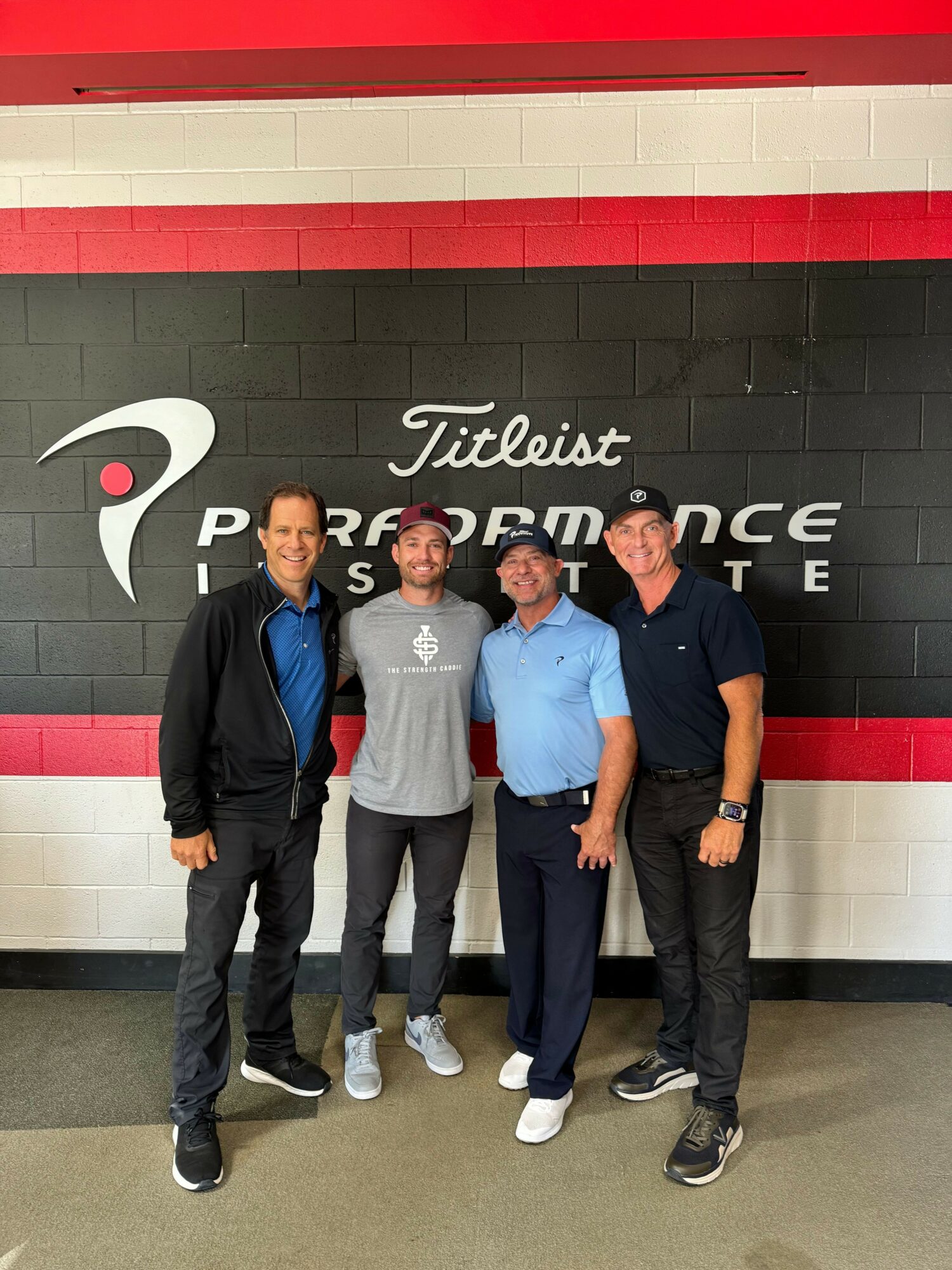
4) Titleist Performance Institute (TPI)
TPI helped build awareness within the golf world around movement, screening, and the value of understanding the body in relation to the swing. Whether people realize it or not, they created a foundation that allows someone like me to do what I do. I’m also fortunate that over time I’ve been able to build relationships with some of them as friends and mentors.
5) Physio Network (https://www.physio-network.com/
)
This is a great resource on the rehab side to stay sharp and stay up to date — assessments, interventions, modalities, and the clinical reasoning behind what’s current and what’s effective.
6) Strength coaches that shaped my standards early on
I’ve mentioned Ben Pakulski and Charles Poliquin already, but people like Chase Sanders (@chasing_strength7), Alan Bishop (@coachalanbishop), and Joey Bergles (@joeybergles) were strength coaches at Utah State during my time there. Even brief interactions with them helped solidify my work ethic and commitment to being better — and taking the process seriously.
7) Books and mindset influences
I’ve always enjoyed Grit by Angela Duckworth, and I’ve always looked to Kobe Bryant as an example of work ethic and mindset. Not just motivation, but alignment — waking up early, doing the work before the day starts, and building your life around what you care about most.
At the end of the day, I’m not trying to be perfect. I’m just trying to keep learning, keep improving, and keep getting closer to the standard I know I’m capable of — while being grateful for the people and experiences that shaped me along the way.
Contact Info:
- Website: https://www.thestrengthcaddie.com
- Instagram: @thestrengthcaddie
- LinkedIn: https://www.linkedin.com/in/eli-rogers-8b12a5bb