



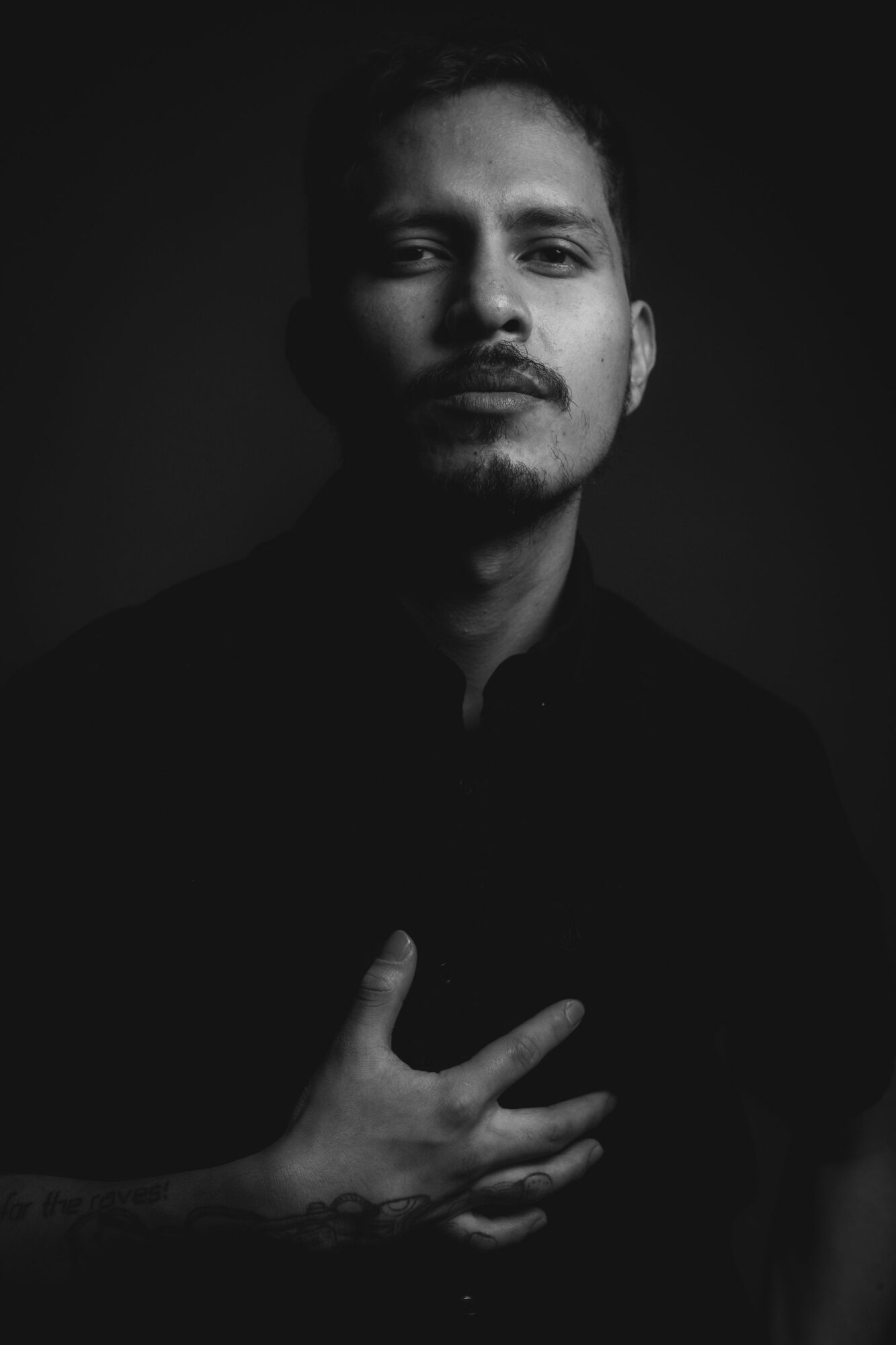
We recently had the chance to connect with Alex Cordova and have shared our conversation below.
Alex, it’s always a pleasure to learn from you and your journey. Let’s start with a bit of a warmup: What are you being called to do now, that you may have been afraid of before?
Years ago, an acquaintance told me something I couldn’t wrap my teenage head around: ‘You might not understand what you have now, but later down the road, life will blow a wind toward you to wake you up. That’s when you’ll realize your true calling has been in front of you the whole time.’
At the time, I didn’t get it. I was just addicted to the hype—the traveling, the crazy locations, and the noise. But recently, after years of attending ‘events,’ I realized my fuel to just be another face in the crowd had run dry. My younger, hungrier self woke up. I told myself, ‘I’m going back to my roots. I’m actually going to push myself to master this craft.’ And let me tell you—the ‘hype’ is only 10% of what music and art truly are.
The more I’ve studied the complexities of Techno and observed the cycle of attending shows, supporting acquaintances, and even throwing my own events, the more I’ve realized something no one wants to talk about: we live in a society that is too comfortable and too stagnant to let artists truly evolve.
We live in a time where the algorithm matters more than the art, and where ‘momentary dopamine’—constant buildups and drops with zero substance—is the standard. I’ve watched venues and promoters abuse the trust of artists by offering ‘exposure’ or telling them to ‘be thankful’ just to be on a lineup. It’s laughable. Beyond that, there is shady behavior that the artists and the crowds see, but no one speaks up. Why? Because they are terrified of losing their ‘contacts’ or their ‘relevancy.’ They are scared that the truth will destroy their friendships.
I’m here to tell you right now: I am not part of that. This is my wake-up call. I am saying these things so the audience can finally see the distortion for themselves. It is about the music, but there is no progression if we allow people like this to monopolize and control the scene. This is the foundation of who I am in 2026. This is ‘The Distorted Reality.’
Can you briefly introduce yourself and share what makes you or your brand unique?
I’m Alex Cordova—a Techno artist, producer, and DJ originally from Jackson, Wyoming, and currently based in Salt Lake City.
As my dedicated listeners know, I build intense, cinematic sets that mirror the tension of our society and the reality of my own journey. For me, music is a narrative, not just ‘party music.’ It’s about moving beyond the ‘getting wasted’ culture and finding a moment where we can dance in unison, feeling a true sense of freedom from the outside world. Behind the scenes, I am someone who organizes and strategizes in the shadows, using Techno as a tool to explore complex emotions that words can’t reach.
Modern society often tries to label an artist as a ‘brand,’ but that is the last thing I will ever be. What you see on my social media is who I am in person. My ideas, my views on music, and my critique of the scene all come from the heart. I express that through my sets, my storytelling, and my visuals.
I don’t sell a life of luxury. Like many of you, I work a stressful job and I’m building my own story from the ground up. Lately, I’ve been integrating my philosophy of ‘The Distorted Reality.’ If you look closely, you’ll see we are living in a dystopian time. My work is an invitation to stop ignoring the cracks in our society and start paying attention to what truly matters.
Great, so let’s dive into your journey a bit more. What part of you has served its purpose and must now be released?
For me, it isn’t just one part—it is a collection of old habits that have served their purpose and must now be released to make room for the truth.
First, I have released the version of myself that accepts ‘low fees’ or plays for free just to be seen. My sets hold a standard, and I want the audience to feel that every time I step on stage. There is no point in me playing every week if I am just providing ‘momentary dopamine.’ I want to mean more. I want to play organized events with purpose. Unless an event serves a movement or a proper underground cause, I am no longer donating my craft to unorganized messes disguised as ‘culture.’
Second, I have released the ‘People Pleaser.’ If something is wrong, I am going to say it. I refuse to stay stagnant just because I’m afraid of being labeled ‘difficult’ or ‘an asshole.’ I’m speaking the truth because I’m tired of seeing people lie their way through this industry. It isn’t fair to the artists or the audience. We need leaders who inspire, not people who just take.
Third, I have released the need for validation. I have walked this road by trusting my own decisions, even when they seemed ‘dumb’ to others. Those choices have taken me to places I never thought I’d reach. If your primary purpose as an artist is seeking validation, you have to ask yourself why you became an artist to begin with.
Finally, I have released the fear of ‘missing out.’ I’ve learned that walking a path of truth can be lonely, but I know there are people out there looking for a deeper source of music and admiration. I am willing to do whatever it takes to evolve and change the current scene. The ‘Old Alex’ was a participant; the ‘New Alex’ is an architect.
What did suffering teach you that success never could?
Suffering is the most underappreciated teacher in existence. It sounds extreme, but it is the only way to build true resilience. I’ve seen things in this scene that have completely reshaped my perspective. I used to talk about ‘community’ and the ‘underground,’ but I realized that for many, those are just marketing terms used to look ‘cool’ or ‘caring.’ To me, that is just preaching. If you claim ‘community,’ you have to do more than just chase ticket sales; you have to share the space in unison with artists and audiences alike. Suffering taught me that you have to do the work yourself to ensure the audience gets a once-in-a-lifetime experience, rather than a recycled one.
Second, the hard truth is that the scene often looks for self-benefit before it ever looks to have your back. We see the sugarcoated posts saying, ‘I’ve never been more proud of this community,’ but look at the reality: the same rotation of artists, the same lineups, the same venues. Ask yourself: Is it because they are the best? Or is it because they have the most IG followers and are willing to play for free in exchange for ‘exposure’? I’ve talked to the audience and other artists—they are tired of the stagnation. This suffering taught me that I have to open a new path for those who aren’t allowed to grow in the current loop.
Finally, I realized that trying to fit into the ‘Hard Techno / Neo-Rave’ trend was making me miserable. I was losing my identity just to fit a mold. I reached a breaking point where I realized I wanted something more complex and meaningful—something that might not be understood by everyone. I made the controversial move to step away from the hype and return to the depth of true Techno. It was a move that made me feel like an outsider to certain promoters, but it was my true calling. I am done stopping myself to please others. I’m moving toward the light, even if I have to walk toward it in silence.
I think our readers would appreciate hearing more about your values and what you think matters in life and career, etc. So our next question is along those lines. What are the biggest lies your industry tells itself?
The biggest lies in this industry? We could be here all day. It starts with the fake promise: ‘If you come help us out, there might be a chance for you to play.’ On the surface, it sounds like an opportunity. In reality, it’s just free labor disguised as ‘community.’ Volunteering should be a choice, not a hook to keep you dangling for a set time that never comes.
Then there are the people with the fake smiles who say, ‘I’m the one who can get you in.’ Being around that energy always made me uncomfortable because it’s usually followed by the ultimate red flag: ‘We’re one big family.’ In any other job, if a manager says ‘we’re a family,’ you run the other direction. It’s a tactic used to make you slave away for someone who only cares about being surrounded by people they can control. My advice? Build your own path. It takes longer, it’s lonelier, but the payoff is yours alone and you stay true to your roots.
Finally, never believe the excessive hype. When people tell you certain sounds or drops are ‘exclusive,’ they usually aren’t. I’ve learned to ignore the noise and look for the depth and complexity in music instead. I’ve seen the true sense of unison, and it doesn’t happen through hype; it happens through authenticity.
My commitment for 2026 is simple: I am looking for the next revolution. I am focused on building a movement that creates a truly safe, honest space for all of us in these dark times. I’m not interested in the ‘loop’ or the ‘family’—I’m interested in the truth.
Okay, so before we go, let’s tackle one more area. What are you doing today that won’t pay off for 7–10 years?
Back in high school, when they asked the classic question, ‘Where do you see yourself in 10 years?’, I had the same answer as everyone else: playing big stages and traveling the world. Now, at the age of 26, I realize I’m seeking something much deeper than a stage. I’m seeking a legacy.
People tell me I’m taking a gamble—that I’m risking my career by speaking openly about the scene’s flaws or by committing to a niche like pure Techno. But if I were still that person-pleaser from years ago, I wouldn’t feel successful; I would feel miserable. There is a profound satisfaction in speaking the truth. If we want to change the culture of this country, we have to start at the local level. If we don’t, we’ll stay stuck in the same stagnant loop until someone finally decides to act.
That is why I’m doing the work now—learning the deep roots of Techno, producing with intention, and raising the bar. It’s why I’ve adopted the philosophy: ‘Playing Less, Meaning More.’ I’m not interested in being a name that just passed through for a season. I want to be timeless.
As I was once told, ‘The best things in life are never easy to obtain.’ I’m okay with the long road, because the view from the top of something you built yourself is better than anything a gatekeeper could ever give you.
Contact Info:
- Website: https://linktr.ee/ImAlexCordova
- Instagram: https://www.instagram.com/iamalexcordova/
- Facebook: https://www.facebook.com/profile.php?id=61562248751177
- Youtube: https://www.youtube.com/@IAmAlexCordova
- Soundcloud: https://soundcloud.com/alex_cordova
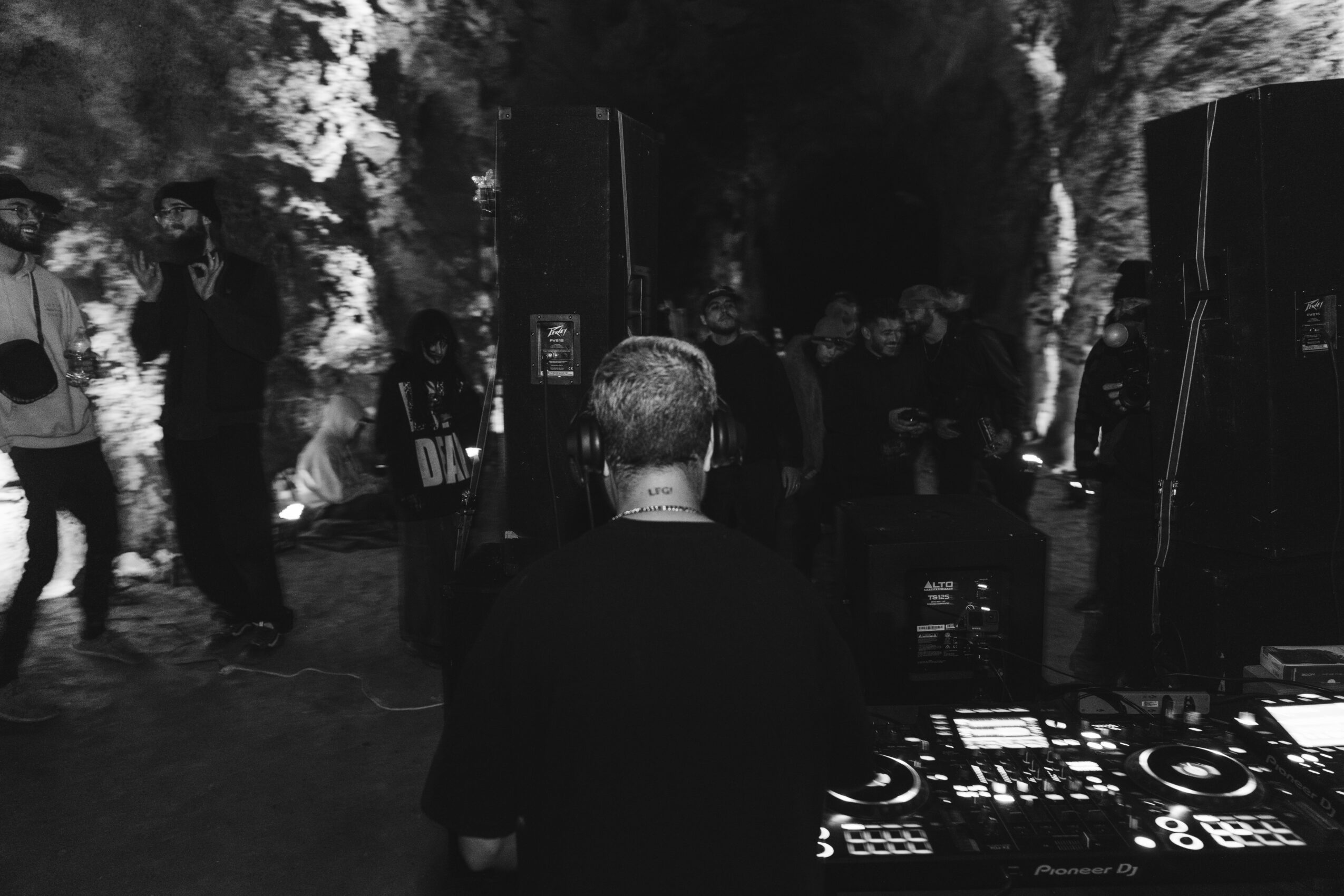
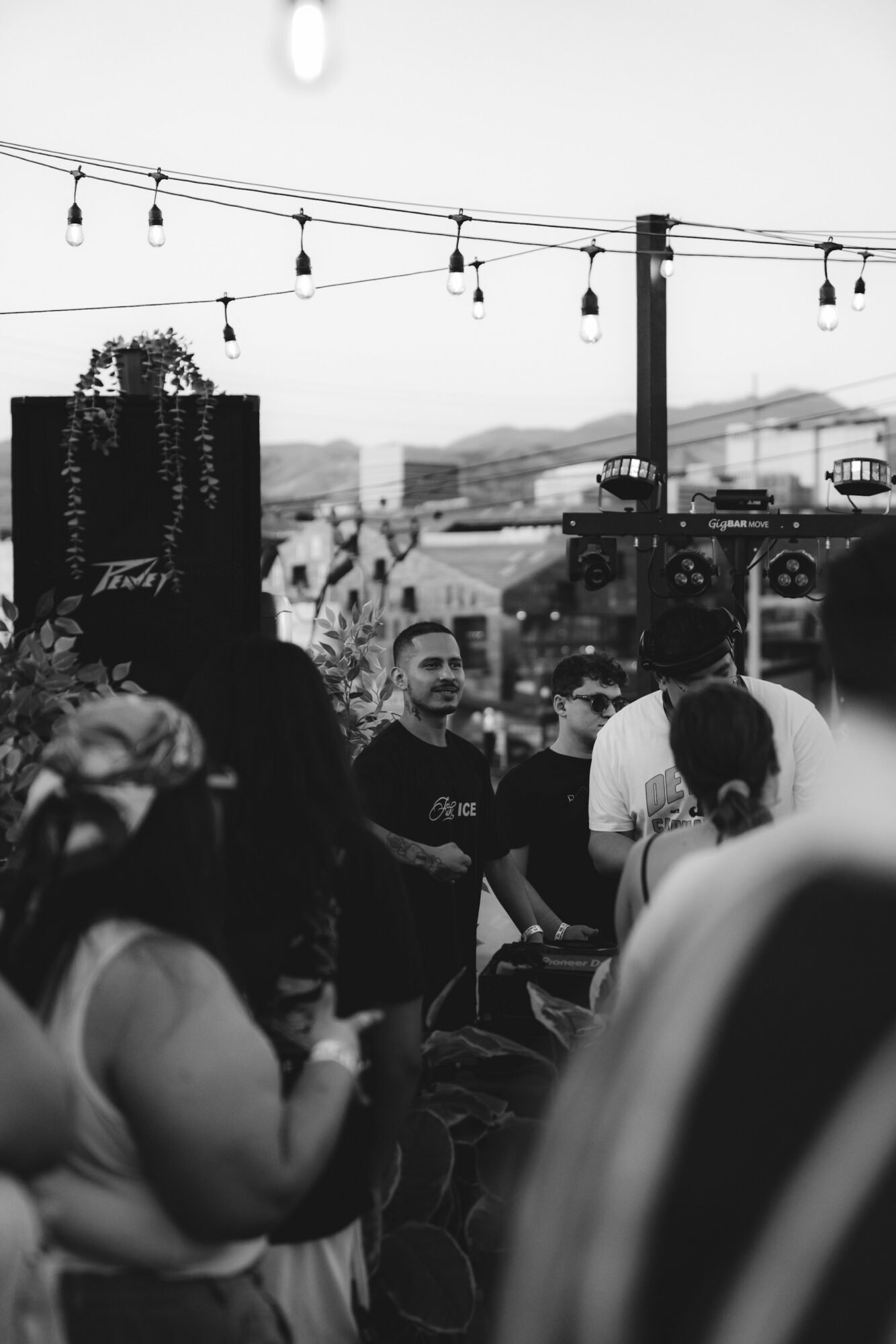
Image Credits
Josue Mejicanos