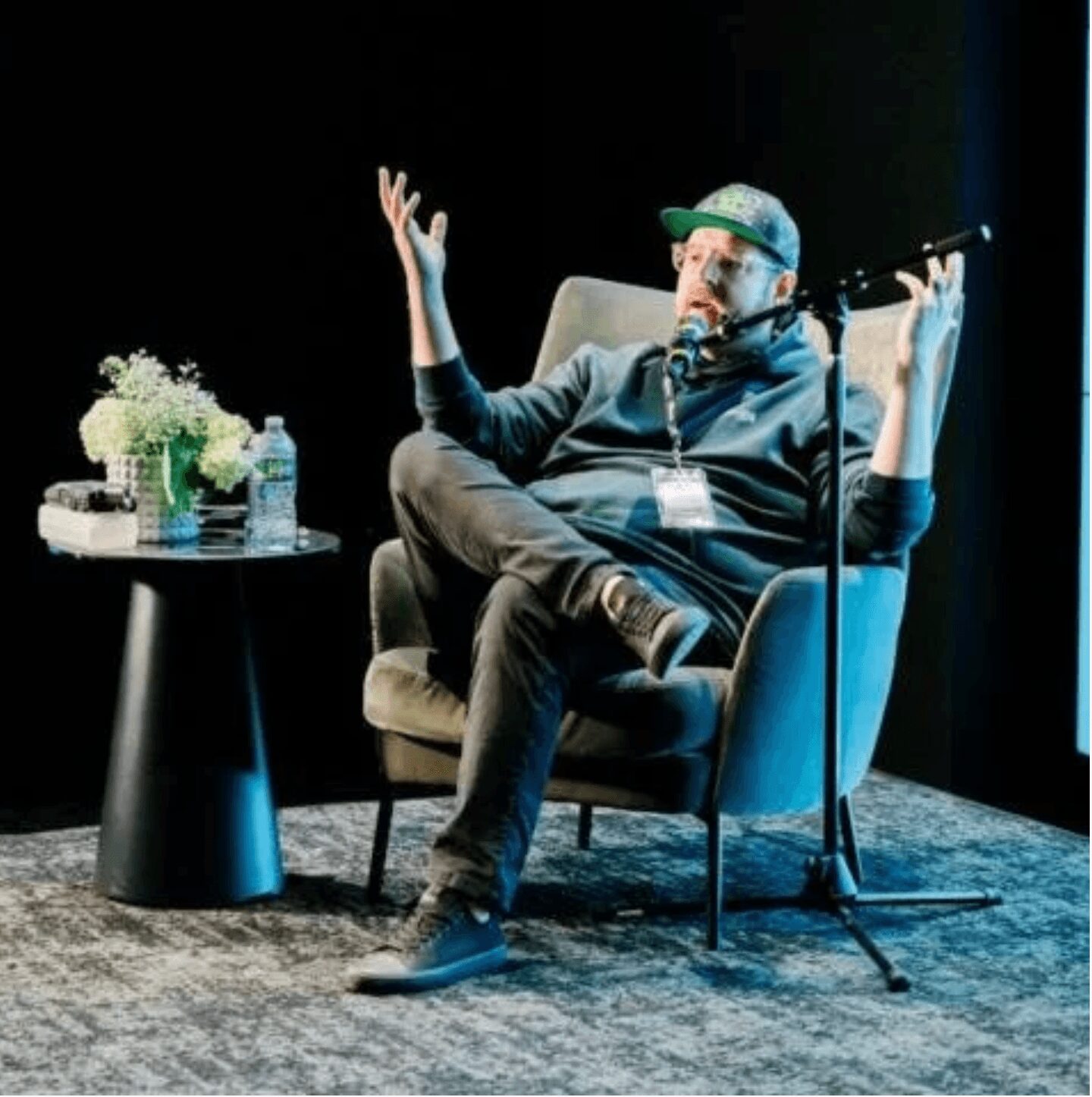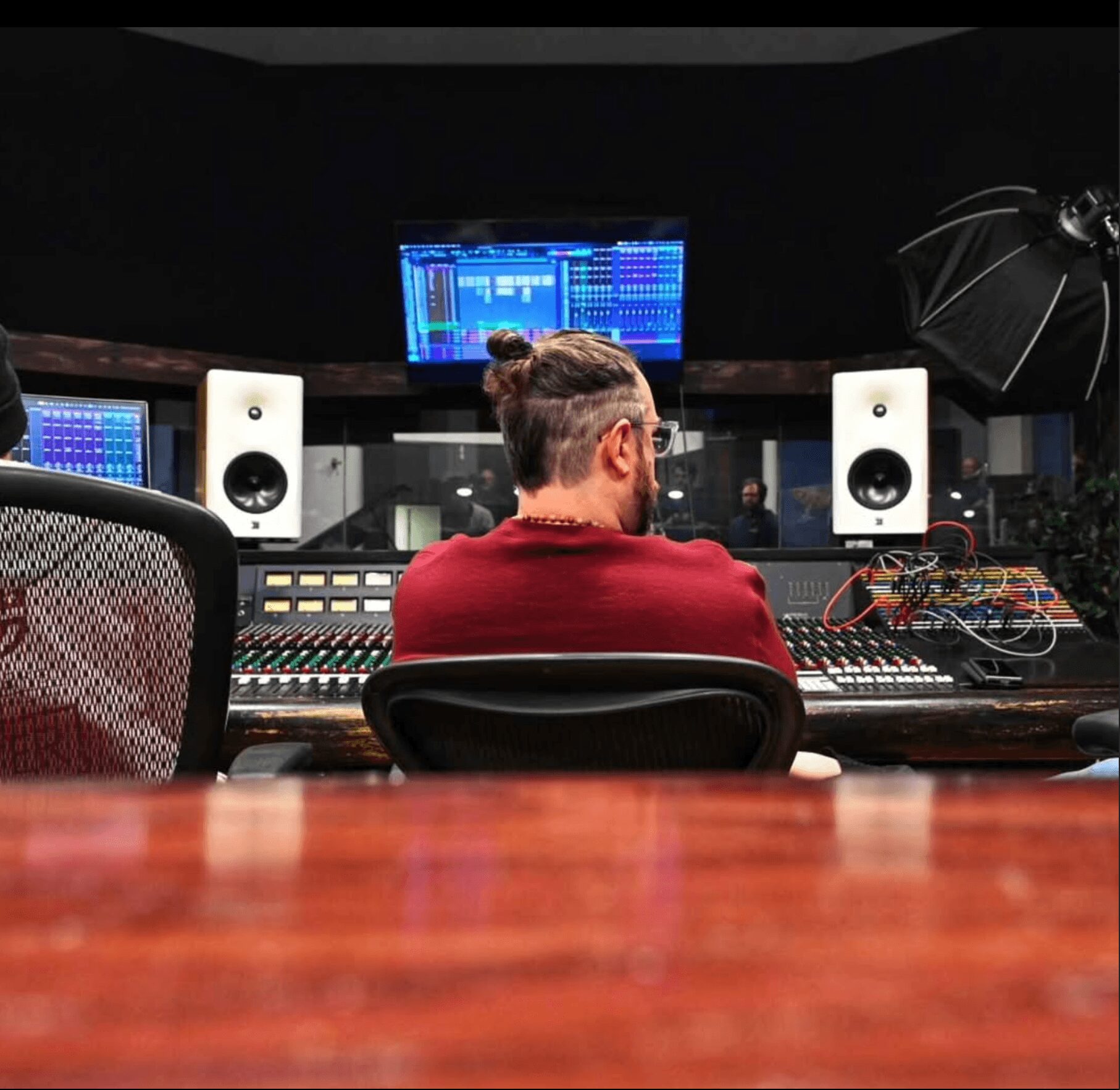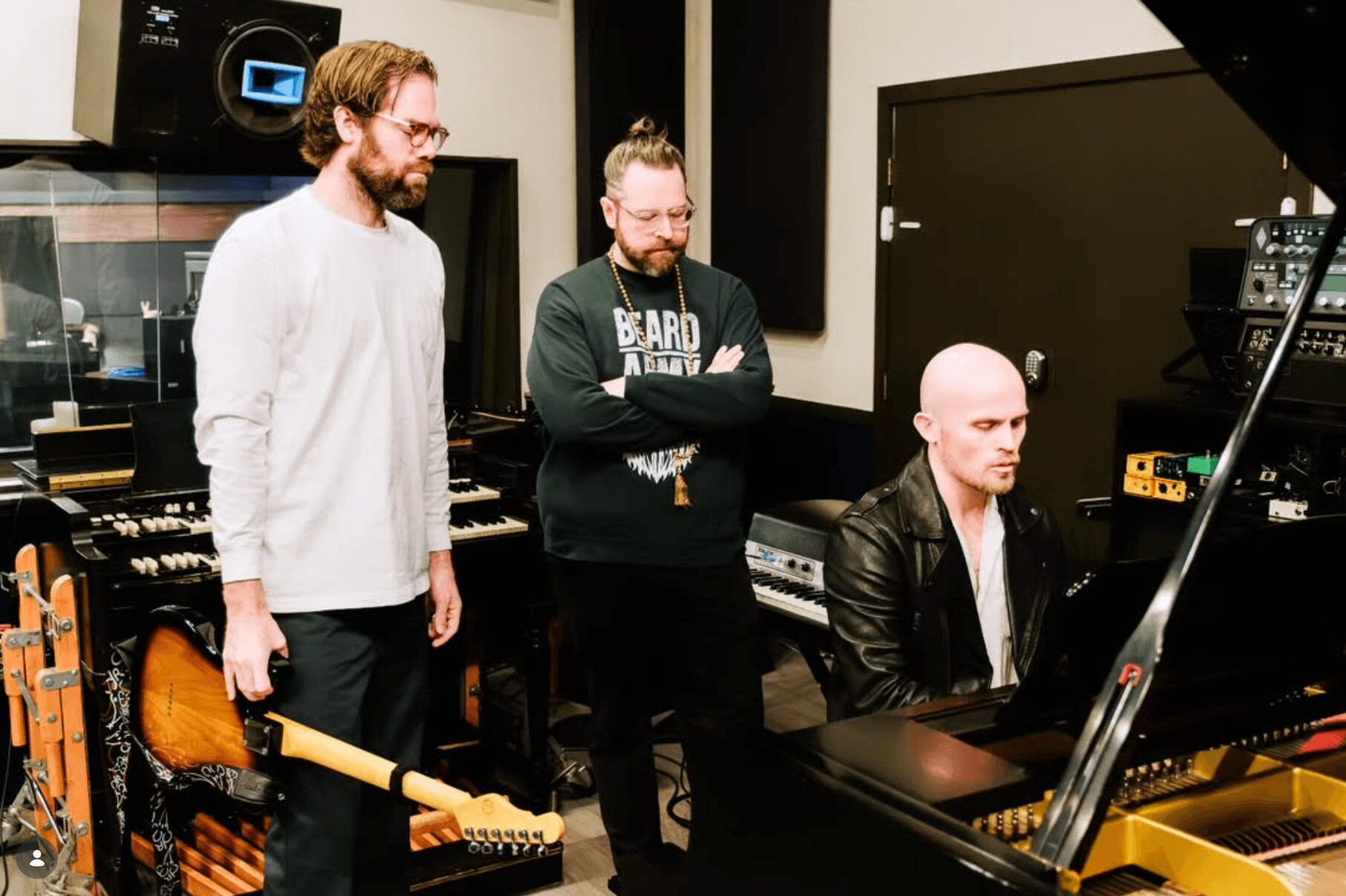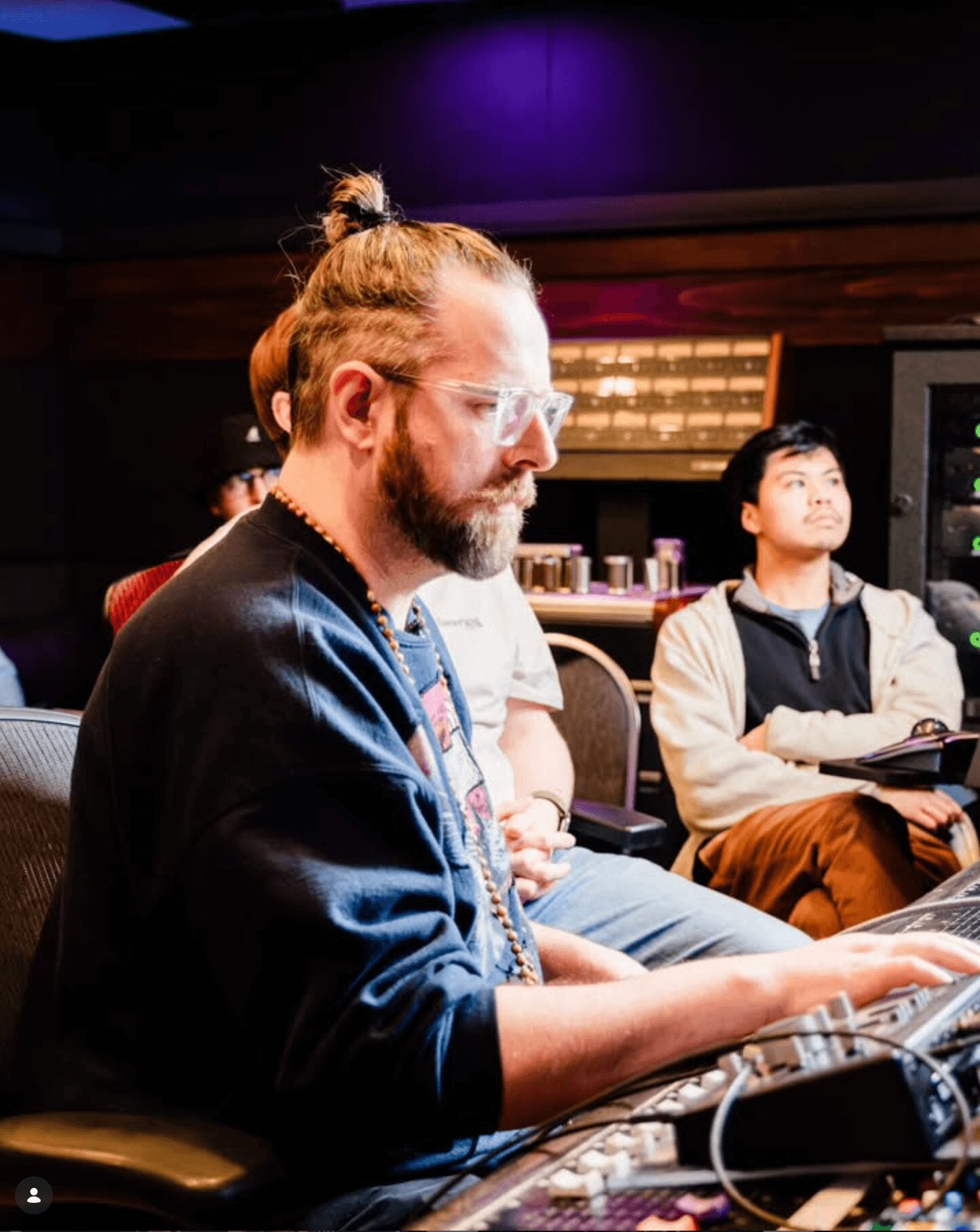



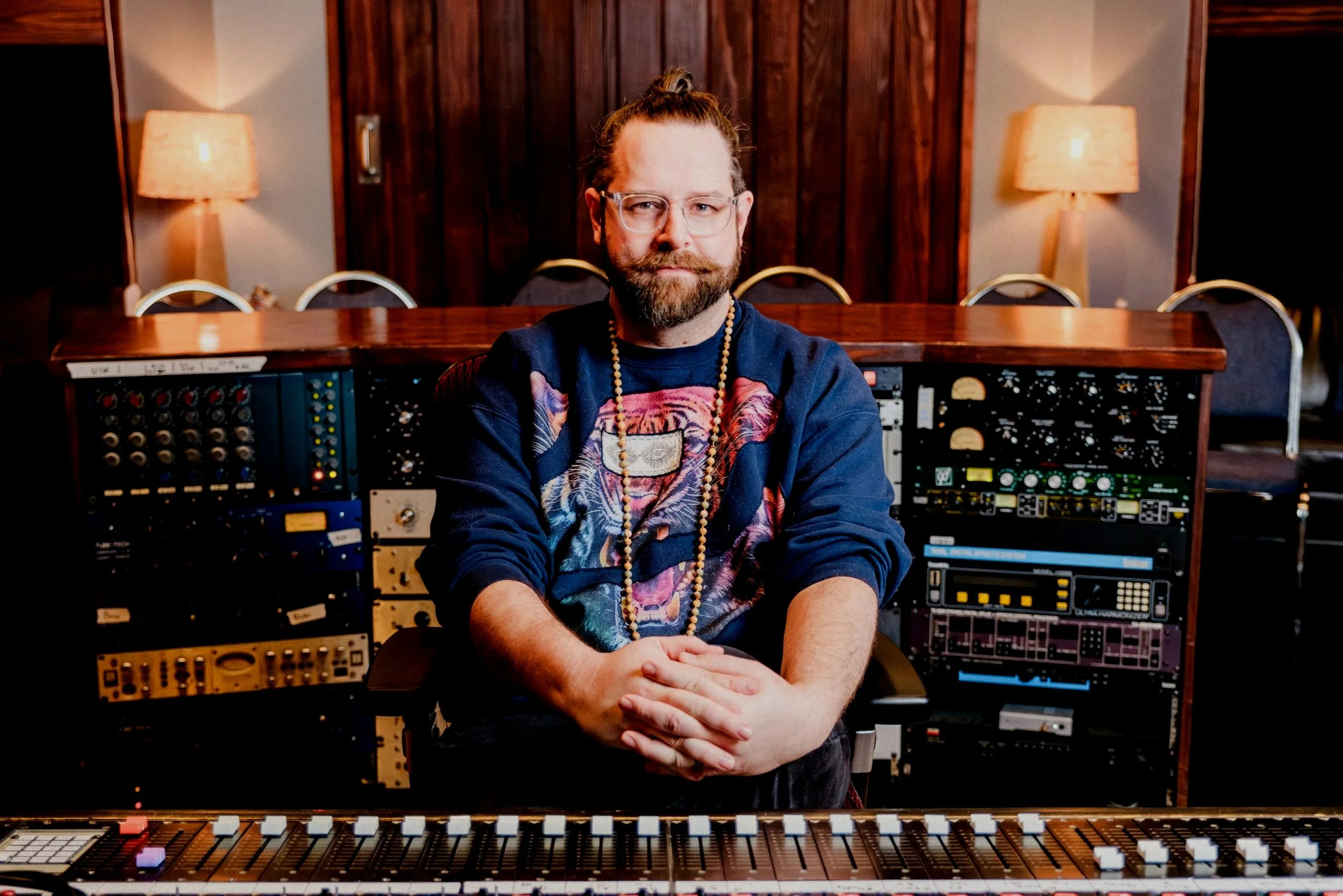
Today we’d like to introduce you to Caleb Loveless.
Hi Caleb, so excited to have you on the platform. So before we get into questions about your work-life, maybe you can bring our readers up to speed on your story and how you got to where you are today?
I started young with music, before I had any sense of what a career in it might look like. Back in the 90s, I was already making full albums on DAWs that don’t even exist anymore. I wasn’t thinking about releases or audiences. I was just chasing a feeling. I’d write songs, record them, bounce mixes, listen back, and then try again. Even at that age, I was fascinated by how sound could be shaped, not just performed. I cared less about showing off and more about understanding why something worked when it did.
That curiosity followed me into my early adult years. About fifteen years ago, I dropped out of college to go on tour with my band VanLadyLove. At the time, it felt like the obvious move. The band was gaining momentum, we were playing bigger shows, and things were lining up in a way that made the future feel wide open. For a while, it worked. We found real success, built a fanbase, and got close to getting signed.
But as the stakes rose, so did the pressure. Money entered the picture, expectations shifted, and slowly the thing that made the band special started to erode. People began looking at the opportunity differently, pulling in different directions. What started as a shared creative vision turned into tension, and eventually the band fell apart right around the moment it seemed like everything was about to happen.
In hindsight, that period clarified something important about me. I was never truly in love with touring or being on stage. I enjoyed the connection with people, but the lifestyle never felt natural. I was always the one hanging back at the studio after shows, asking engineers questions, watching sessions, trying to understand the mechanics of what we were doing. While everyone else was out celebrating, I was drawn to the quiet, focused work of building records.
When the band ended, it didn’t feel like the end of music for me. It felt like a pivot. I threw myself into production. I started working with artists locally, learning how to translate ideas into sound, how to guide performances, how to make decisions that served the song rather than my own taste. That’s when I really fell in love with audio production. It wasn’t about being seen anymore. It was about listening.
Around twelve years ago, I began producing a local band called OKKAH. During that time, I met Dane Holmes, who was a member of the band and also producing alongside me. There was an immediate creative chemistry. We challenged each other, pushed ideas further, and shared a similar obsession with detail and emotional impact. Even after OKKAH eventually came to an end, Dane and I kept working together. That collaboration grew into a long-term creative partnership, and to this day we continue producing together under the name danger.less.
Parallel to all of this, I started getting involved in the sync world. That introduced a completely different set of constraints and expectations. Writing for sync taught me how music functions when it’s not the center of attention. It has to communicate quickly, translate instantly, and work across a wide range of playback systems. Over time, that work led to placements with brands like Coke, Cadillac, Airbnb, Meta, Intel, MTV, TLC, and others.
That experience was incredibly formative. It forced me to develop objectivity, to think about music beyond personal attachment, and to understand how technical decisions affect emotional impact in real-world contexts. You don’t get infinite revisions in sync. You have deadlines. You have specs. You have to deliver something that works, period. That mindset ended up being a bridge toward mastering, even though I didn’t realize it at the time.
About six to eight years ago, I made a deliberate decision to deepen my technical understanding and began studying under a Grammy-winning mastering engineer. That environment was humbling. Mastering stripped away any illusion I had about what I knew. It forced me to confront gaps in my understanding of frequency, dynamics, translation, and critical listening. More than anything, it trained me to hear problems clearly and quickly, without getting emotionally tangled in them.
Eventually, that mentor asked me to start working with him and to help mentor others through his education business. Over the next several years, I had the opportunity to mentor thousands of mastering engineers from all over the world. That experience changed how I viewed education entirely. No matter the genre, background, or level of experience, people were struggling with the same core issues. They didn’t lack passion. They lacked clarity.
Seeing those patterns again and again made something click. Most people weren’t failing because they didn’t have good tools. They were failing because they didn’t know how to listen yet. Traditional education was teaching techniques without teaching perspective.
Not long after, I was given the opportunity to become a partial founder of Mastering.com and help build an online music education platform for engineers and producers. From the beginning, the goal wasn’t to create just another course library. We wanted to build something foundational, something that actually reshaped how people think and hear. Today, Mastering.com has grown into one of the largest and most respected music education platforms in the world.
I now serve as the Director of Education and wrote our main university-level program, The Reverse Engineer, which trains students in mastering, mixing, and production. That program exists because of everything that came before it: the touring, the production work, the sync placements, the mastering sessions, and the years of mentoring. It’s all informed by real-world experience rather than theory alone.
Looking back, nothing ever really worked out like I thought it would. I see a series of obsessions that kept deepening over time. I didn’t set out to build an education company. I was just trying to understand music more clearly, to remove friction between what I heard in my head and what came out of the speakers. Mastering.com is simply the natural result of that lifelong pursuit.
I also have a studio which I do production, mixing and mastering from called Blackfox Mastering.
I’m sure it wasn’t obstacle-free, but would you say the journey has been fairly smooth so far?
Not at all. It hasn’t been a smooth road, and I don’t think it’s supposed to be.
Most of the struggle wasn’t obvious from the outside. There were long stretches where things looked like they were working, but internally I was questioning whether I was actually moving in the right direction. Dropping out of college, watching a band fall apart right as it was gaining momentum, and then starting over without a clear roadmap forces you to confront a lot of self-doubt. You’re constantly asking yourself if you made the wrong call or if you just haven’t figured it out yet.
One of the biggest challenges early on was identity. I didn’t fit neatly into any one box. I wasn’t fully chasing the artist path anymore, but I wasn’t a traditional engineer either. For a long time, it felt like I was standing between worlds. That can be isolating, especially when everyone around you seems to have a clearer definition of success than you do.
There were also very real financial struggles. Touring doesn’t exactly set you up with a safety net, and starting over in production and audio meant saying yes to a lot of work just to stay afloat. Sync helped, but it’s unpredictable. Some months are great, others are silent. Learning how to survive creatively without burning out or compromising your values was a constant balancing act.
When I moved deeper into mastering, there was another kind of struggle. Mastering has a way of stripping you down. It exposes what you don’t know very quickly. There were moments where I had to let go of confidence I’d built in other areas and become a beginner again. That’s uncomfortable, especially when you’re already established in other parts of the industry.
Building Mastering.com came with its own challenges. Teaching at scale is very different. You’re not just responsible for your own decisions anymore, you’re responsible for how thousands of people understand and apply what you’re teaching. That pressure is real. We were constantly refining, reworking, and questioning whether we were actually helping people become more independent or just giving them information.
Probably the most ongoing struggle has been learning to be patient. Creative growth doesn’t move in straight lines, and neither does building something meaningful. There were times where it felt like progress was happening too slowly, or where setbacks felt personal. Over time, I’ve learned that most of the meaningful breakthroughs come after periods of frustration, confusion, and uncertainty.
So no, it hasn’t been smooth. But I also wouldn’t trade the difficult parts. Every struggle forced clarity. Every setback sharpened my perspective. In the end, the hard parts are what made the work honest — and without that, none of this would mean very much.
Thanks for sharing that. So, maybe next you can tell us a bit more about your business?
At the simplest level, both Mastering.com and Black Fox Mastering exist for the same reason: to help artists and engineers make music that actually translates. The difference is scale and context.
Black Fox Mastering is my personal mixing and mastering studio. It’s where I work directly with artists one-on-one, from all over the world. That might mean finishing a record, helping solve a problem that’s been holding a song back, or guiding an artist toward a clearer vision of what they’re trying to say. The work there is very hands-on and very human. Every project is different, and every decision is made in service of the song, not a template or a trend.
Even though I work globally, I’ve always cared deeply about my local scene. I’ve lived in Provo for a long time, and I have a real love for the community here. Places like Velour and people like Corey Fox have been essential in creating a space where music actually lives and grows. When I work with local artists, I make a point to offer an extra generous discount. That’s not a business strategy, it’s personal. I want the people creating music around me to have access to high-level support without it feeling out of reach.
Mastering.com operates at a different level, but it’s built on the same values. It’s an education platform for engineers, producers, and artists who want to understand audio deeply rather than rely on guesswork. What we do differently is focus on perspective first. Instead of teaching people what buttons to push, we teach them how to listen, how to diagnose problems, and how to think objectively about sound.
We’re probably best known for our reverse-learning approach, where students start by learning how finished records work before working backward into mixing and production. That framework didn’t come from theory. It came from years of real-world mastering and mentoring, watching the same mistakes repeat themselves, and realizing that most people aren’t struggling because they lack talent. They’re struggling because no one ever taught them how to hear clearly.
What sets Mastering.com apart is that we’re not trying to create dependency. Our goal is independence. We want students to walk away knowing how to make decisions on their own, with confidence, across genres and tools. That’s why the education is structured the way it is, and why we spend so much time refining it.
Brand-wise, what I’m most proud of is trust. People trust Black Fox Mastering with their art, and they trust Mastering.com with their growth. Neither of those things can be bought or rushed. They come from consistency, honesty, and doing the work the right way even when it’s harder.
What I want readers to know is that behind both brands is the same mindset. This isn’t about shortcuts, hacks, or chasing trends. It’s about understanding music at a fundamental level and respecting the creative process. Whether someone is coming to Black Fox to finish a song, or to Mastering.com to learn how to make better ones, the goal is the same: clarity, intention, and music that feels true to the person who made it.
We all have a different way of looking at and defining success. How do you define success?
I define success very differently than I used to.
For me, success is often tied to how frequently I’m failing. That might sound strange, but failure usually means I’m pushing beyond my comfort zone. It means I’m attempting things that stretch me, challenge me, and force me to grow. If everything feels easy or predictable, it’s usually a sign that I’m not evolving.
I’ve come to value failure because it reveals where the edges are. It shows me what I don’t know yet and where there’s still room to expand. Overcoming failure is one of the few things I actually have control over. I can’t control outcomes perfectly, but I can control how I respond, how I adapt, and whether I keep moving forward.
Success isn’t a destination for me. It’s not a milestone you arrive at and then get to relax. It’s a process, and it’s measured by effort, integrity, and willingness to engage with discomfort. It’s about doing the best you can with what’s in your control at any given moment.
If I’m learning, growing, and becoming more capable over time, even through setbacks, that feels like success.
Contact Info:
- Website: blackfoxmastering.com / mastering.com
- Instagram: real_caleb_loveless
- LinkedIn: https://www.linkedin.com/in/caleb-loveless-36063ba0/
- Youtube: https://www.youtube.com/@masteringcom
- Other: https://calebloveless.com