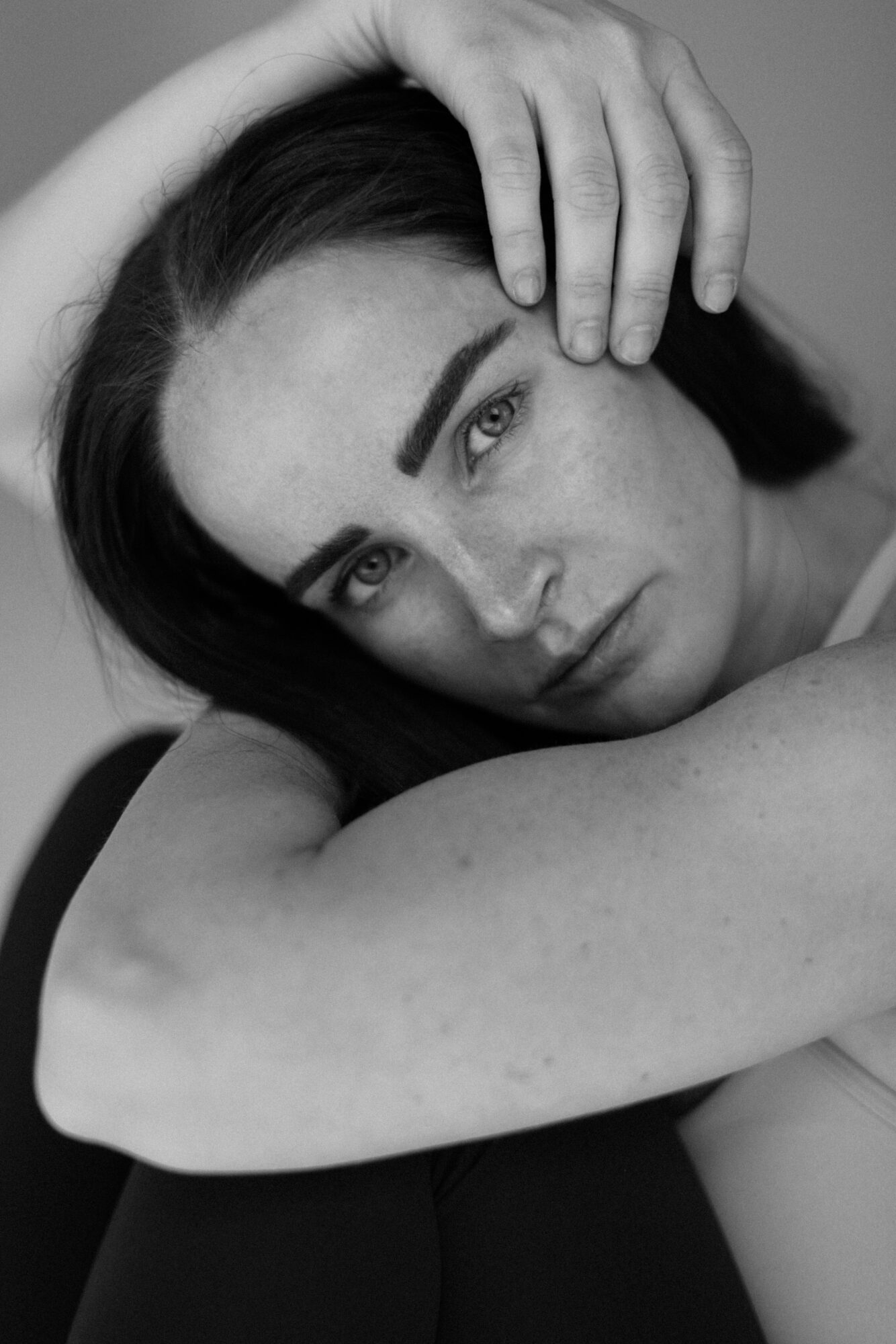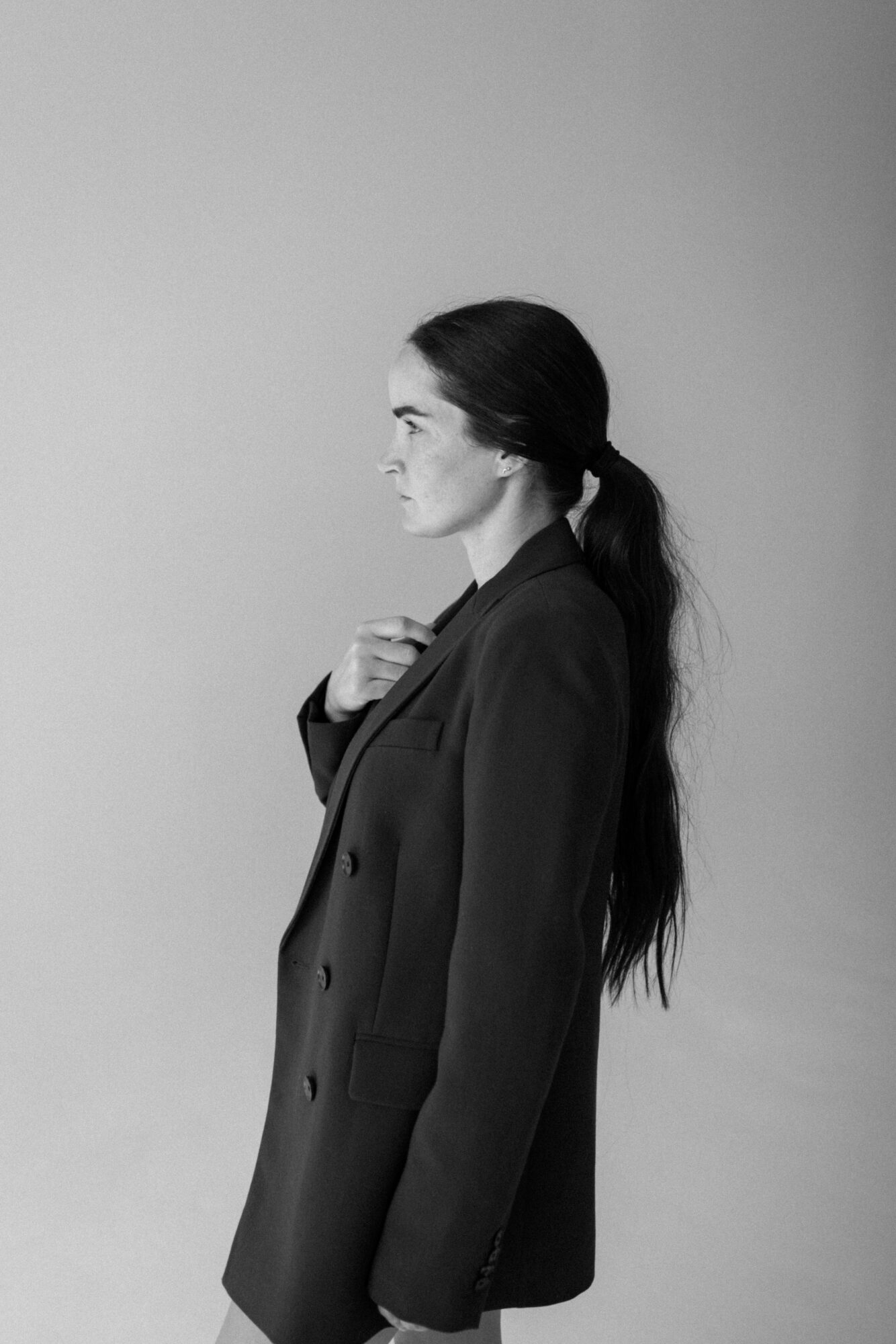



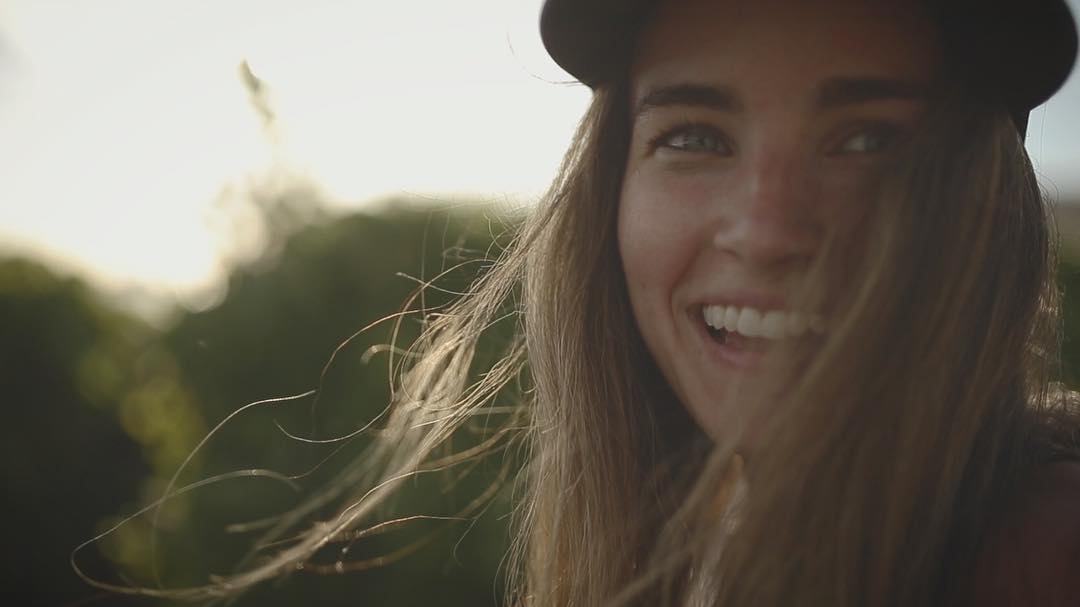
Today we’d like to introduce you to Meredith Nilsen.
Hi Meredith, thanks for sharing your story with us. To start, maybe you can tell our readers some of your backstory.
I grew up in Texas in a small-town environment where hard work, integrity, and community mattered. My parents are two of the smartest, hardest-working people I know. My mom taught me to be a lifelong learner — always reading, researching, asking questions, expanding. My dad taught me the beauty of puzzles — how to look at a problem from different angles and creatively piece together a solution. Between the two of them, I learned discipline and curiosity. Structure and imagination.
I was involved in sports, cheer, and community activities, and from the outside it looked like I was following a very traditional path. But even then, I was observant. I paid attention to energy — to what made people light up and what quietly drained them.
As I got older, I pursued the corporate path because, on paper, that’s what success is supposed to look like. Structured career. Stability. Achievement. I was good at it. I could solve problems, build systems, and perform at a high level.
But over time, it began to drain me. The pace, the constant output, the pressure to measure worth by productivity — it felt like I was slowly trading aliveness for approval. And for a long time, I told myself that was just adulthood. That was success. Work hard. Climb. Endure.
Then I was in a major car accident that almost took my life — and very nearly took my ability to walk. Recovery forced me to slow down in a way I never had before. When you’re confronted with the fragility of your body, the metrics shift quickly.
During that season, one truth became very clear: anything that consistently drains your life force isn’t worth much. No title or salary is worth sacrificing your health, your nervous system, or your sense of self.
That experience didn’t make me anti-work or anti-business. It refined how I see them.
Business, to me, isn’t just about making money or being the best in a category. It’s an environment. It shapes the people inside it — employees, partners, customers, the broader community. If that environment is misaligned, it extracts from people. But if it’s built intentionally, it enriches them.
The problem-solving part of me — the part my dad nurtured — still loves systems and strategy. The learner in me — the part my mom modeled — still loves growth and expansion. But now, everything I build is filtered through a different question: does this create more life or less?
Two years after my accident, I’ve found a beautiful niche in business consulting that feels fully aligned. I now have the opportunity to work alongside some incredible business leaders, helping them refine not just what they do — but how they do it. We look closely at operations, culture, systems, and experience from every angle. How does it feel for the employee? For the partner? For the customer? Where can it be strengthened? Where can it be simplified? Where can it be made more human?
That’s what I try to weave into every project I touch. I stay open. I observe. I learn the nuances of the people and the environment. And then I help create something unique — something that enhances the experience of the business holistically, not just financially.
Today, my work blends operational strategy, creative thinking, and wellness principles because I don’t see structure and humanity as opposites anymore. Sustainable success requires both. When people feel grounded and aligned, they naturally perform at a higher level. When a business supports life instead of draining it, success becomes a byproduct. The money follows. The growth follows. But they aren’t the foundation — they’re the result.
After almost losing everything, I became very clear about one thing: if it costs you your aliveness, it’s too expensive.
Alright, so let’s dig a little deeper into the story – has it been an easy path overall and if not, what were the challenges you’ve had to overcome?
It definitely hasn’t been a smooth road.
The most defining and disruptive moment was the car accident. It wasn’t just a scare — it was life-altering. I was very close to losing my life, and there was real uncertainty around whether I would fully recover physically. For a period of time, even walking normally again wasn’t guaranteed.
When something like that happens, everything slows down whether you want it to or not. Your body becomes the priority. Healing becomes the priority. And in that stillness, you’re confronted with the life you were living before the impact.
Recovery wasn’t just physical therapy appointments and incremental milestones. It was humbling. It was frustrating. It was deeply emotional. I had built so much of my identity around being capable and high-performing. Suddenly I couldn’t move the way I was used to. Even small things required effort. There’s a vulnerability that comes with losing independence, even temporarily.
Healing also isn’t linear. There were setbacks. There were days I felt strong, and days I felt discouraged. There were moments of fear about whether my body would ever feel the same again.
But there was also perspective.
After about a year of recovery — physical therapy, rebuilding strength, relearning trust in my own body — I decided to do something I never would have imagined before the accident. I trained for my first half marathon. Running 13.1 miles had never been a goal of mine. It wasn’t even on my radar. But something in me wanted proof that my body was not fragile — that it was capable.
Training for that race wasn’t about speed or competition. It was about reclaiming agency. It was about showing myself that I could rebuild, step by step, mile by mile. Crossing that finish line meant more than any professional milestone I had achieved up to that point. It wasn’t about the medal — it was about resilience.
That experience reshaped how I approach everything now.
The accident didn’t make me less ambitious — it made me more intentional. It clarified that success without health is hollow. That output without alignment is expensive. That resilience isn’t about pushing harder; it’s about rebuilding smarter.
Two years removed from that moment, I see it as a rupture that became a reset. It forced me to slow down enough to listen — to my body, to my intuition, to what I actually wanted to build. And now, whether I’m working with business leaders or building something of my own, that perspective is always present.
I don’t want to create environments that burn people out. I want to create systems that make people stronger over time — the way my own body had to.
Great, so let’s talk business. Can you tell our readers more about what you do and what you think sets you apart from others?
At its core, my work sits at the intersection of strategy and humanity.
I specialize in business consulting with a focus on operational refinement, digital growth strategy, and experience design. I work closely with founders and leadership teams to strengthen how their businesses function from the inside out — whether that’s refining systems, optimizing digital presence and SEO, implementing marketing infrastructure, or clarifying brand positioning.
But what truly sets my work apart is the lens I bring to it.
I have a deep love for people. I’m fascinated by how environments shape behavior — how team dynamics, systems, and structure influence not only performance, but well-being. When I step into a business, I’m not just looking at revenue and metrics. I’m observing how it feels to work there. How it feels to partner there. How it feels to be a customer.
I believe business is an ecosystem. And if it’s built thoughtfully, it can enrich everyone inside it.
Many consultants focus purely on scale or speed. I focus on alignment and sustainability. I ask questions like: Where are we overcomplicating? Where are we leaking energy? Where are we following industry templates that may not actually serve this particular brand? And where can we creatively design something better?
My background in both structured corporate environments and wellness-centered work allows me to bridge logic and intuition. I’m known for seeing patterns quickly, simplifying complexity, and building systems that feel both efficient and human.
Brand-wise, what I’m most proud of is that my work reflects my values. I don’t believe success has to look rigid or exhausting. I don’t believe burnout is a badge of honor. I believe we can get creative when it comes to defining growth and success. We can build profitable, well-run organizations that also protect vitality — for leaders, teams, and customers alike.
What I want readers to know is this: you don’t have to choose between ambition and alignment. It’s possible to build something refined, scalable, and financially strong without sacrificing your health or your integrity.
That’s the standard I hold for my own brand — and the standard I bring into every business I help shape.
So maybe we end on discussing what matters most to you and why?
What matters most to me is aliveness — in myself and in the people around me.
After nearly losing my life and spending a year rebuilding my body, my priorities shifted in a permanent way. Health matters. Integrity matters. How something feels matters. I care deeply about building a life and career that don’t require me — or anyone else — to trade vitality for validation.
I also care deeply about people feeling empowered to define success for themselves. So many of us follow paths that look impressive but feel misaligned. What matters to me is helping people see that there are other ways — creative ways — to build something meaningful without burning themselves out in the process.
In business, in relationships, in personal growth, I value alignment over appearance. I value sustainability over speed. I value environments that enrich the people inside them rather than extract from them.
Because at the end of the day, success without health, integrity, or joy is hollow.
And once you’ve come close to losing everything, that becomes very clear.
Contact Info:
- Website: https://mernilsen.com
- Instagram: mernilsen
- Facebook: https://www.facebook.com/mernilsen
- LinkedIn: https://www.linkedin.com/in/mernilsen/