


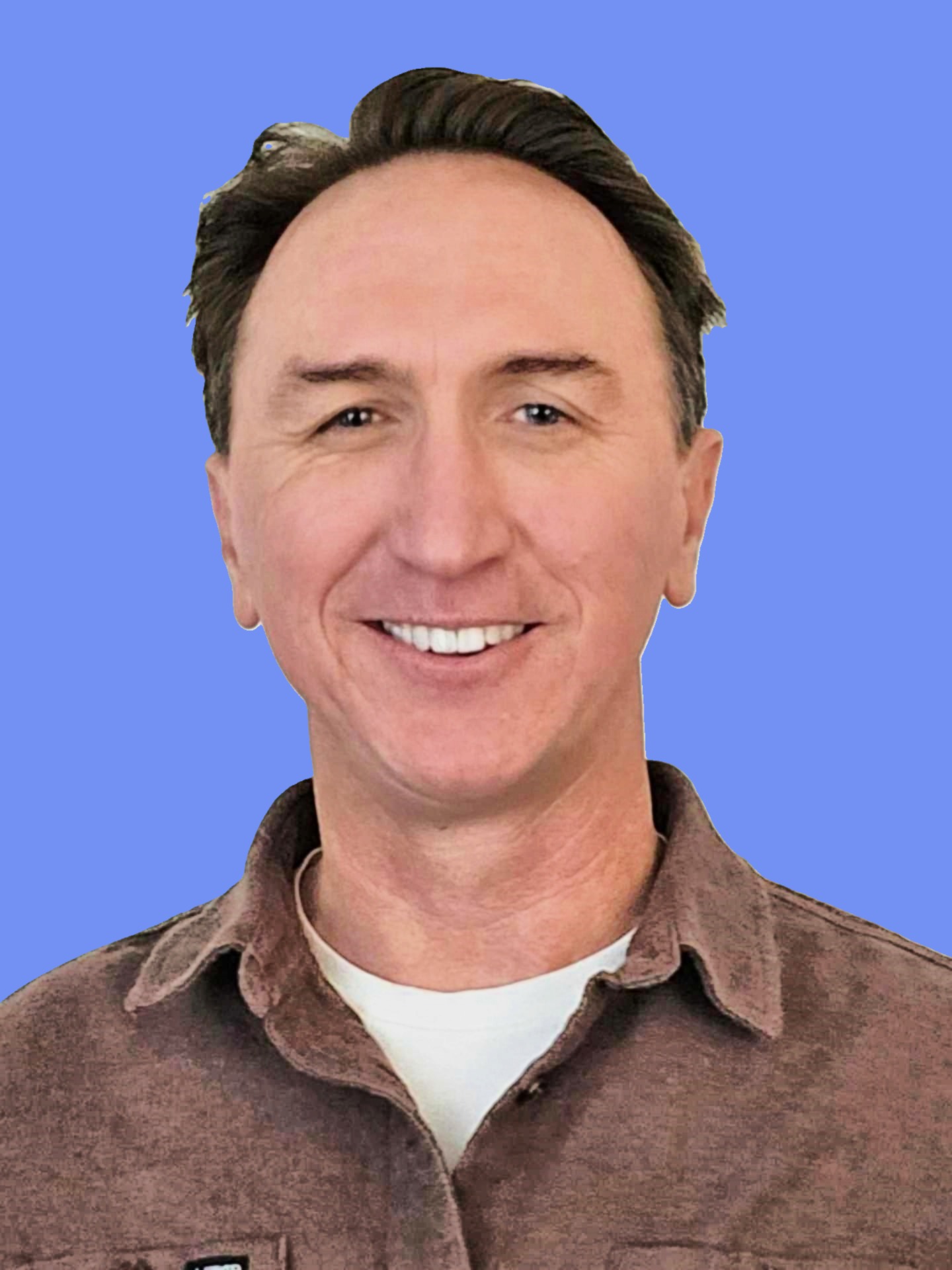
Today we’d like to introduce you to Jed Thorpe.
Alright, so thank you so much for sharing your story and insight with our readers. To kick things off, can you tell us a bit about how you got started?
I’m kinda weird about the whole “what’s your story” angle because I think everyone has a formative and impressive story…plus therapists are typically better at listening to other people than going on about themselves. But in the interest of doing uncomfortable things; here goes.
My biological father died in a motorcycle accident when I was three. A few years later, my Mom and I moved from Del Mar, California to a single-wide trailer in the high desert of Southern Utah. Wood-burning stoves in the winter. Swamp coolers in the summer. It wasn’t glamorous, but it was formative…and frankly, Southern Utah was a really cool place for a boy to grow up 45 years ago (not sure how much fun it’d be these days).
I’ve lived through loss, instability, near-death experiences, and seasons of chaos that most people never see from the outside. Those chapters shaped me — but they don’t define me. What defines me is what came after: rebuilding, learning, and discovering that clarity often comes through pressure.
I didn’t even start college until the age of 24 and finished with a bachelors degree when I was 29…which is also when I married my wife of over 20 years. Things started out rough – what does one do with a bachelors in psychology? So, I started a career in recruiting for the legal field, which was a phenomenal experience. I loved the pace, the strategy, and helping people find the right fit professionally. But when the 2008 economic crash hit, the industry shifted dramatically…I knew things were bad when I couldn’t find work for a Harvard Law graduate. That season forced me to reassess where I was headed long term.
I already had a bachelor’s degree in psychology, and the downturn gave me the opportunity to go back to school and earn my master’s degree in counseling. Actually, we had our first child on the way and the only work I could find was an on-call position with a local crisis center which prompted my wife to spur me into doing something I’d been avoiding. I’ll never forget what she said, “you’ve got to do SOMEthing”. Which is when I made the move towards getting a masters degree in clinical counseling.
What began as a practical pivot turned into something much deeper. The more I trained and worked with clients, the more I realized this was where I was meant to be.
Today, I run Meaning To Live Counseling, working primarily with high-functioning professionals and first responders who want clarity, emotional strength, and better relationships. My approach is direct, practical, and grounded in honesty. I focus on helping people identify distorted thinking patterns, build resilience, and stop labeling every struggle as pathology.
Over time, I expanded my work online through Jed Said Therapy, where I create accessible mental health content that blends insight with humor. At the core of it all is a belief I stand by: you are not broken — and people can change.
We all face challenges, but looking back would you describe it as a relatively smooth road?
It definitely hasn’t been a smooth road. Thank goodness.
Transitioning careers during an economic downturn wasn’t easy. Going back to school while navigating financial uncertainty required a lot of discipline and humility. Starting a private practice from scratch brought its own challenges — building a referral base, navigating insurance panels, managing the business side of things, and learning that being a good clinician and being a good business owner are two very different skill sets.
On a personal level, life has had its share of loss and setbacks. Those experiences shaped me, but they also forced me to confront my own thinking patterns and blind spots long before I ever sat across from clients. That process wasn’t comfortable — but it was and continues to be refining.
Building an online presence added another layer. Putting your ideas out publicly invites criticism, misunderstanding, and projection. Learning to stay grounded while being visible has been a growth process in itself.
But in hindsight, the obstacles were the training ground. They clarified my values, strengthened my resilience, and reinforced something I tell clients often: discomfort isn’t the enemy — it’s usually the doorway. Like I say frequently, “life happens for you, not to you.”
Great, so let’s talk business. Can you tell our readers more about what you do and what you think sets you apart from others?
Meaning To Live Counseling is a private practice focused on helping high-functioning adults who look stable on the outside but feel overwhelmed, frustrated, or stuck internally. I work with professionals, first responders, and individuals navigating anxiety, burnout, trauma, relationship strain, and major life transitions.
I specialize in practical, evidence-based approaches including Cognitive Behavioral Therapy (CBT) and EMDR. CBT helps clients identify distorted thinking patterns and build healthier mental frameworks. EMDR allows us to process unresolved trauma and experiences that continue to create emotional reactivity in the present. Together, these approaches provide both insight and real neurological relief.
What often sets my work apart is the directness. I’m not overly clinical, and I’m not passive. Therapy with me is collaborative, honest, and action-oriented. We clarify values, challenge blind spots, and build tools clients can use in everyday life.
I’m also known for pushing back on the idea that every struggle is a disorder. Not all distress is pathology. Sometimes it’s stress, grief, poor boundaries, or unexamined beliefs. My focus is on strengthening resilience rather than reinforcing labels.
Brand-wise, I’m proud of building Jed Said Therapy alongside the clinical practice. Through social media and YouTube, I’ve created a space where mental health conversations are accessible, grounded, and occasionally humorous. Therapy should feel human — not sterile.
What I want readers to know is simple: you are not broken and people are more resilient than they think.
What sort of changes are you expecting over the next 5-10 years?
Over the next 5–10 years, I see mental health care becoming more tech-integrated, accessible, and preventative.
Telehealth and AI-assisted tools will continue expanding access and early support. (I’ve even built an AI page on my own site because I believe technology, when used responsibly, can strengthen—not replace—human insight.) At the same time, clients will expect more personalized care and less over-pathologizing.
The future isn’t less human—it’s smarter tools supporting better human connection.
Lastly, I think there’ll be a push for taking accountability for our actions and a more resilient mind-set vs. the victim mentality.
Anti-fragility. That’s what I hope happens, at least.
Pricing:
- Individual Counseling 150.00 per session
- Couples counseling 200.00 per session
- JedSaidTherapy 0.00 (free)
Contact Info:
- Website: https://www.meaningtolive.com/
- Instagram: https://www.instagram.com/jedsaidtherapy/
- Facebook: https://www.facebook.com/jedsaidtherapy
- LinkedIn: https://www.linkedin.com/in/jedthorpe/
- Twitter: https://x.com/JedSaidTherapy
- Youtube: https://www.youtube.com/@JedSaidTherapy
- Other: https://www.tiktok.com/@jedsaidtherapy