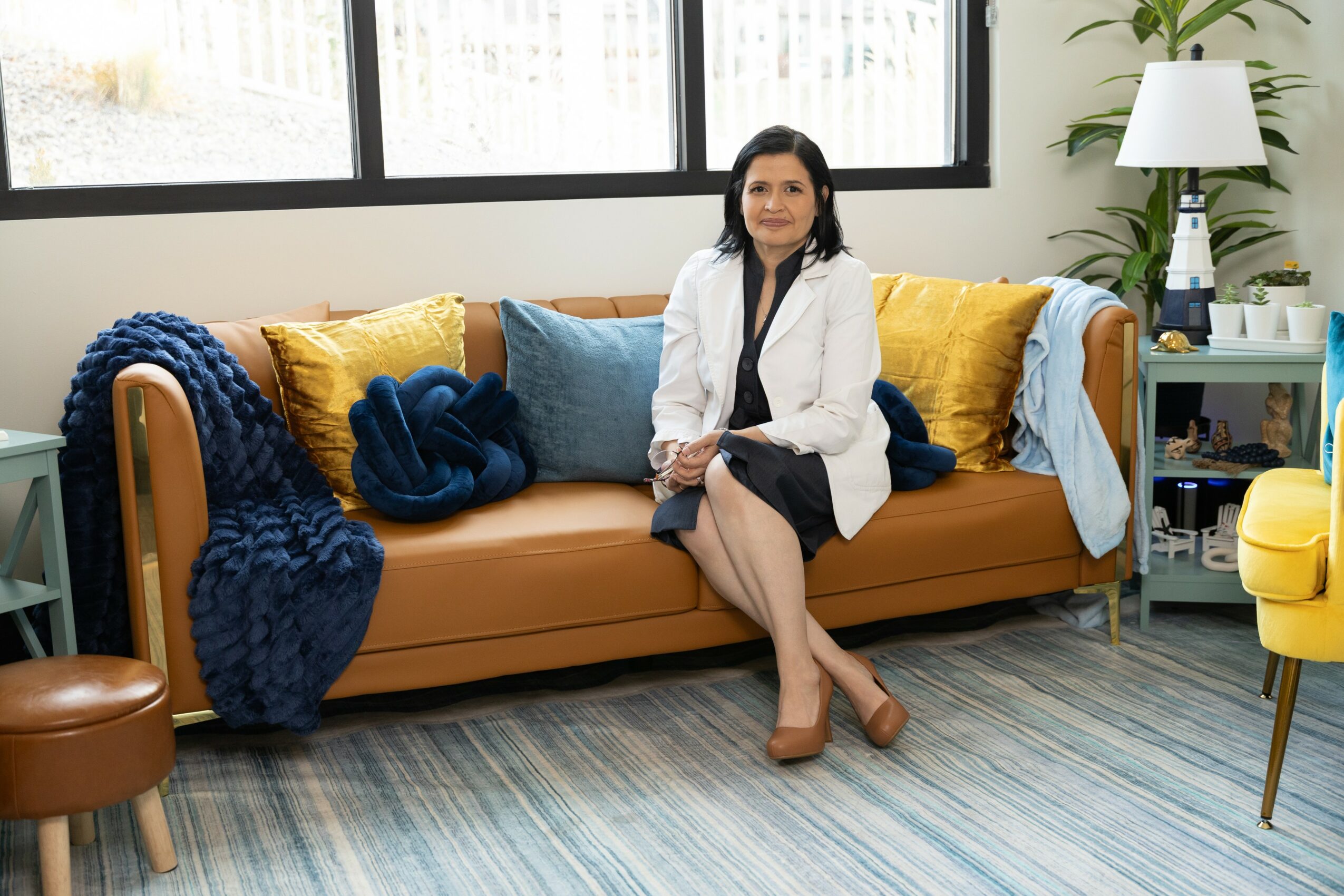



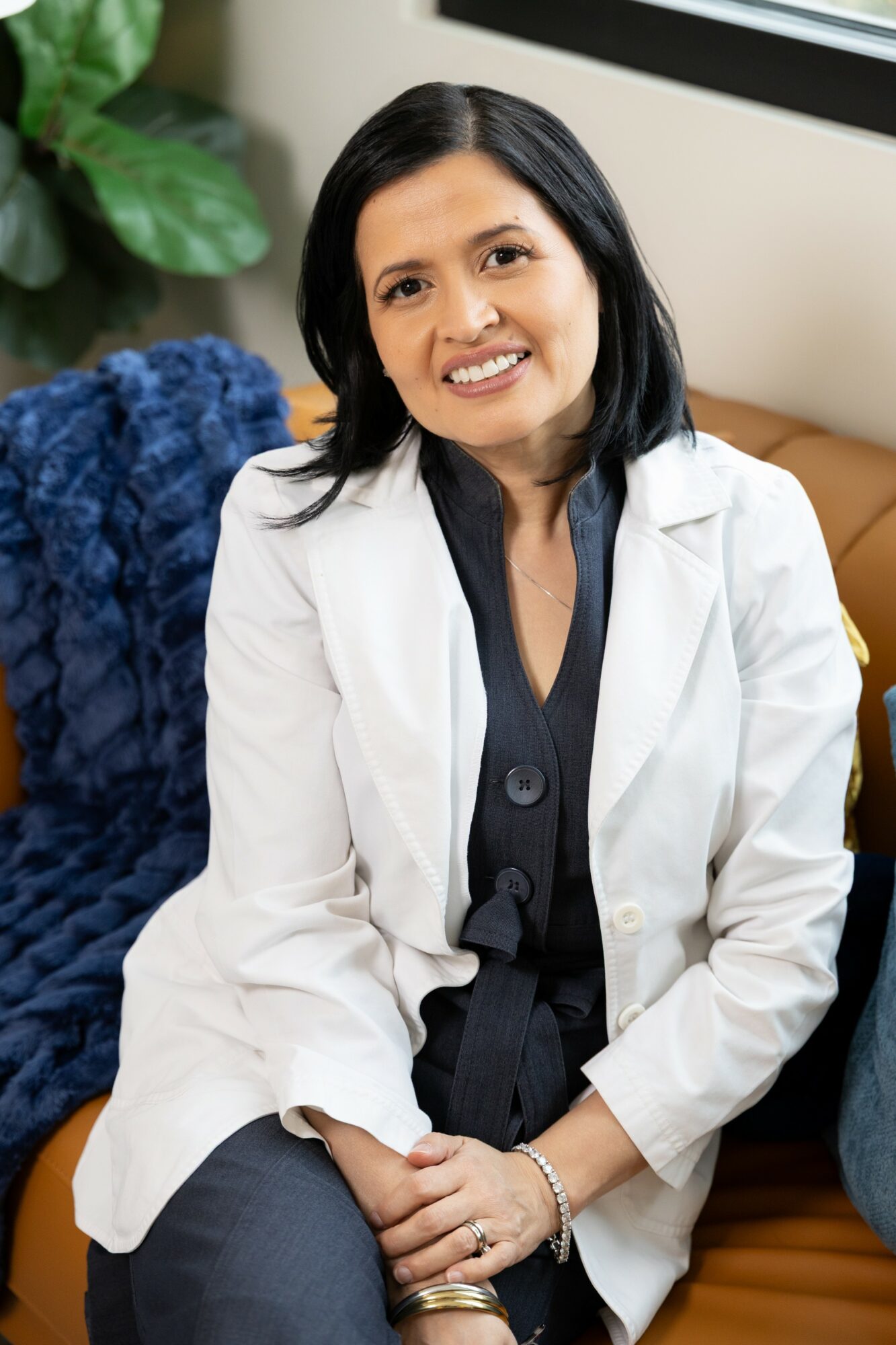
Today we’d like to introduce you to Wendy Edwards.
Hi Wendy, thanks for sharing your story with us. To start, maybe you can tell our readers some of your backstory.
I was born in Honduras, where I was first exposed to a different way of understanding health. As a child, I watched my grandmother use natural medicine to care for my brother, who had chronic asthma. He never owned a nebulizer, yet he went into remission through her care. That experience stayed with me, even if I didn’t fully understand it at the time.
After immigrating to the United States, I pursued a career in nursing. My perspective on health deepened when my third daughter developed failure to thrive and asthma. At that time, I followed conventional, evidence-based care strictly, as I had been trained. Like many providers, I followed guidelines and standard protocols, trusting that they would lead to the best outcomes.
I continued on that path through my training as a Family Nurse Practitioner. However, over time, I began to see the limitations of a one-size-fits-all approach. I also became a patient myself—seeing physician after physician without clear answers. I was told I had depression and was prescribed medications, including stimulants for ADHD, without a thorough evaluation. At one point, I even saw a neurologist because I feared I was developing something serious like Alzheimer’s.
At the same time, my own children began experiencing challenges with depression and ADHD. That was a turning point for me. I realized that something was missing in the way we were approaching care—not just for my patients, but for my own family.
That’s when I was introduced to Functional Medicine. It immediately resonated with me because it aligned with what I had witnessed as a child—looking deeper, asking why, and addressing the root causes rather than just symptoms.
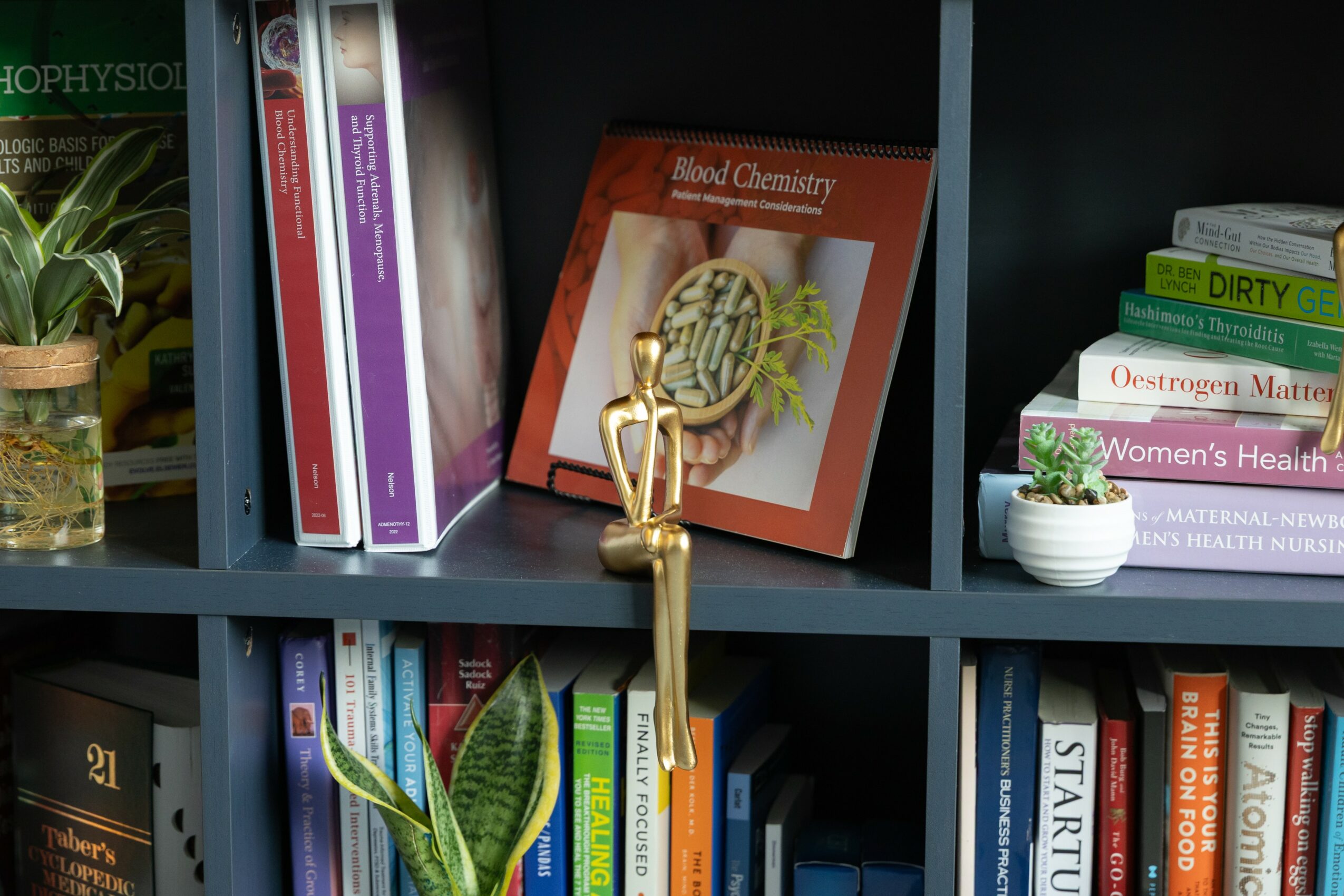
Over time, I began transitioning my practice into a more comprehensive model. Today, I integrate Functional Medicine with Psychiatry to provide a more individualized, whole-person approach. My goal is not to replace conventional care, but to expand it—so patients feel seen, understood, and truly supported in their healing.
Can you talk to us a bit about the challenges and lessons you’ve learned along the way. Looking back would you say it’s been easy or smooth in retrospect?
It has not been a smooth road. The transition was challenging on many levels. It required not only extensive additional training, but also a complete shift in mindset. My graduate education was deeply rooted in conventional medicine, and moving beyond that framework was both uncomfortable and, at times, overwhelming.
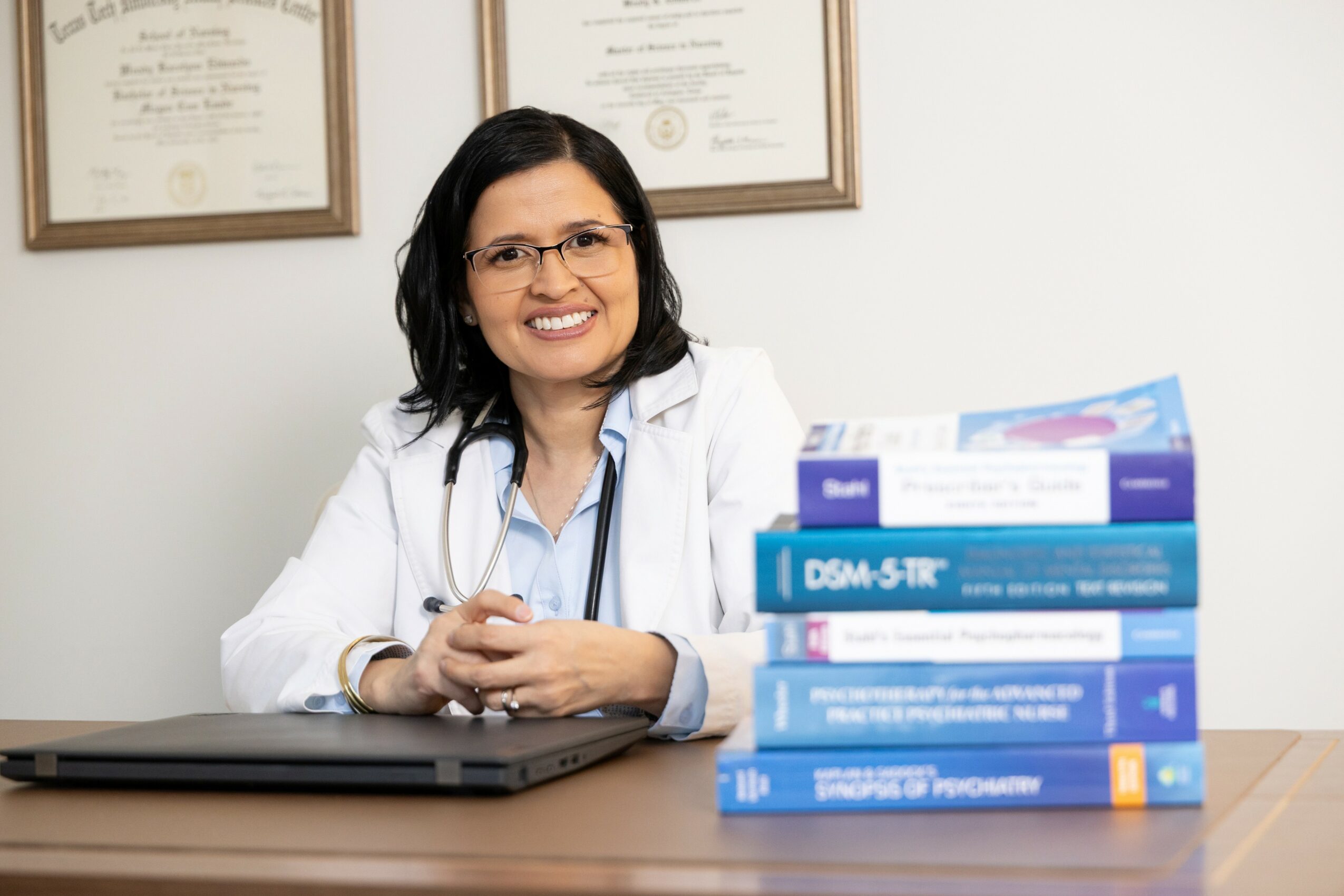
There was a steep learning curve. I realized how much I didn’t know and how much more there was to understand about the body as a whole system. Since 2022, I have continuously invested in advanced training programs to expand my knowledge. I also made the decision to return to school to complete my Psychiatric Mental Health Nurse Practitioner certification. For me, it was essential to have the proper training to treat patients in a truly comprehensive and integrative way.
At the same time, I stepped into entrepreneurship—something I had no formal training in. That came with its own set of challenges. Building a practice from the ground up, navigating business decisions, and trying to create something sustainable while staying true to my vision has been difficult.
The sense of failure has been a constant companion at times, especially after opening my first practice, Aniron Wellness. It was not sustainable in the way I had hoped, and that was hard to face. However, that experience forced me to reevaluate, grow, and rebuild.
Aniron Functional Medicine and Integrative Psychiatry was created from that place. It represents both resilience and a renewed vision. Today, my services are more robust and comprehensive than what is typically offered in traditional mental health or primary care settings. That growth came from choosing to keep going, learning from setbacks, and staying committed to treating the individual in front of me—not just following a standard approach for the masses.
Thanks – so what else should our readers know about Aniron Functional Medicine and Integrative Psychiatry?
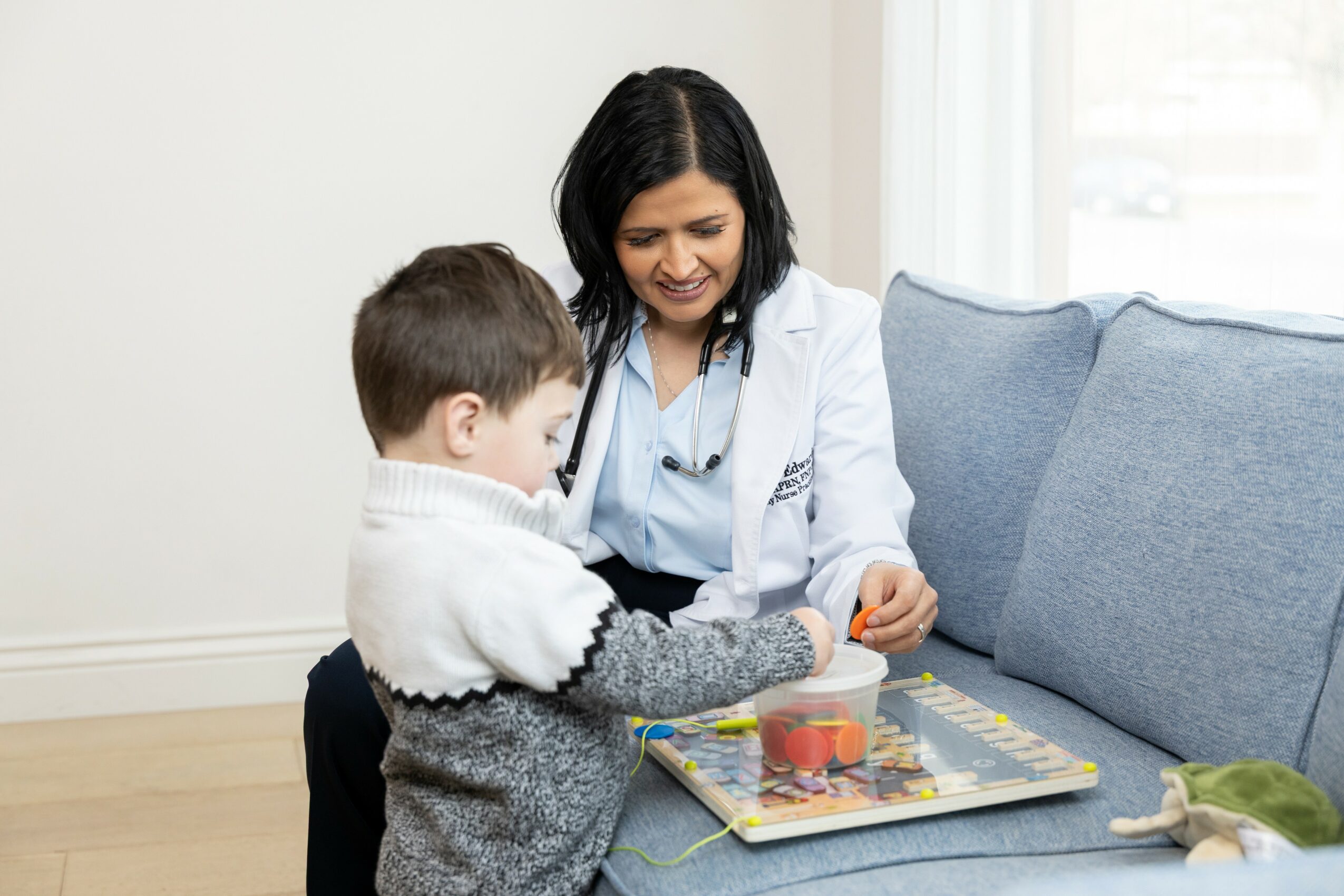
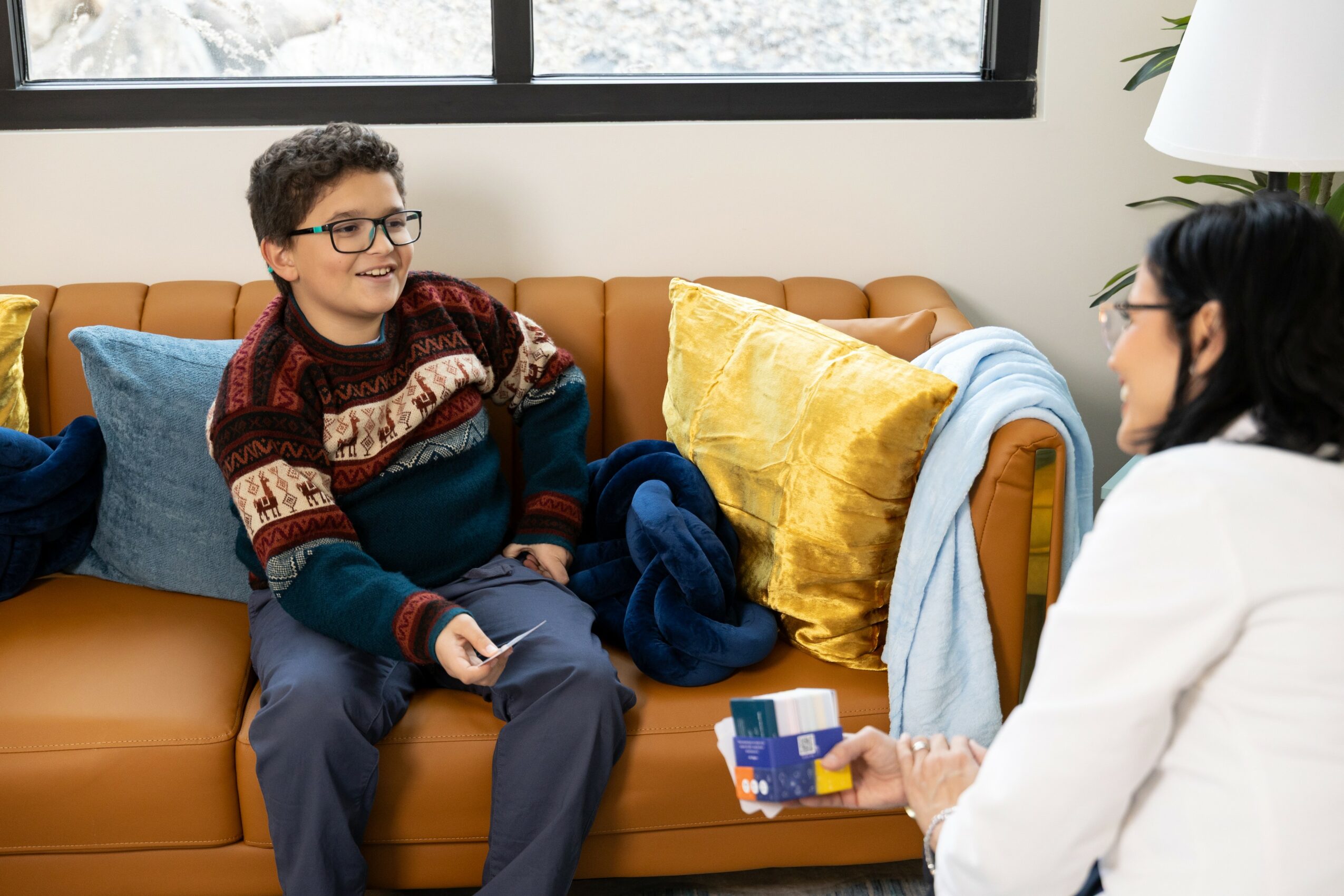
Aniron Functional Medicine & Integrative Psychiatry was created to offer a more comprehensive and thoughtful approach to both mental and physical health. I work with children, teens, and adults who are struggling with conditions such as anxiety, depression, ADHD, and mood disorders, as well as more complex and often overlooked presentations.
In my practice, I also address underlying contributors such as metabolic dysfunction, inflammation, nutritional deficiencies, hormonal imbalances, and immune-related conditions that can significantly impact both mental and physical health. I have a particular interest in more complex cases, including conditions such as PANS and PANDAS, where traditional approaches may fall short without a deeper evaluation.
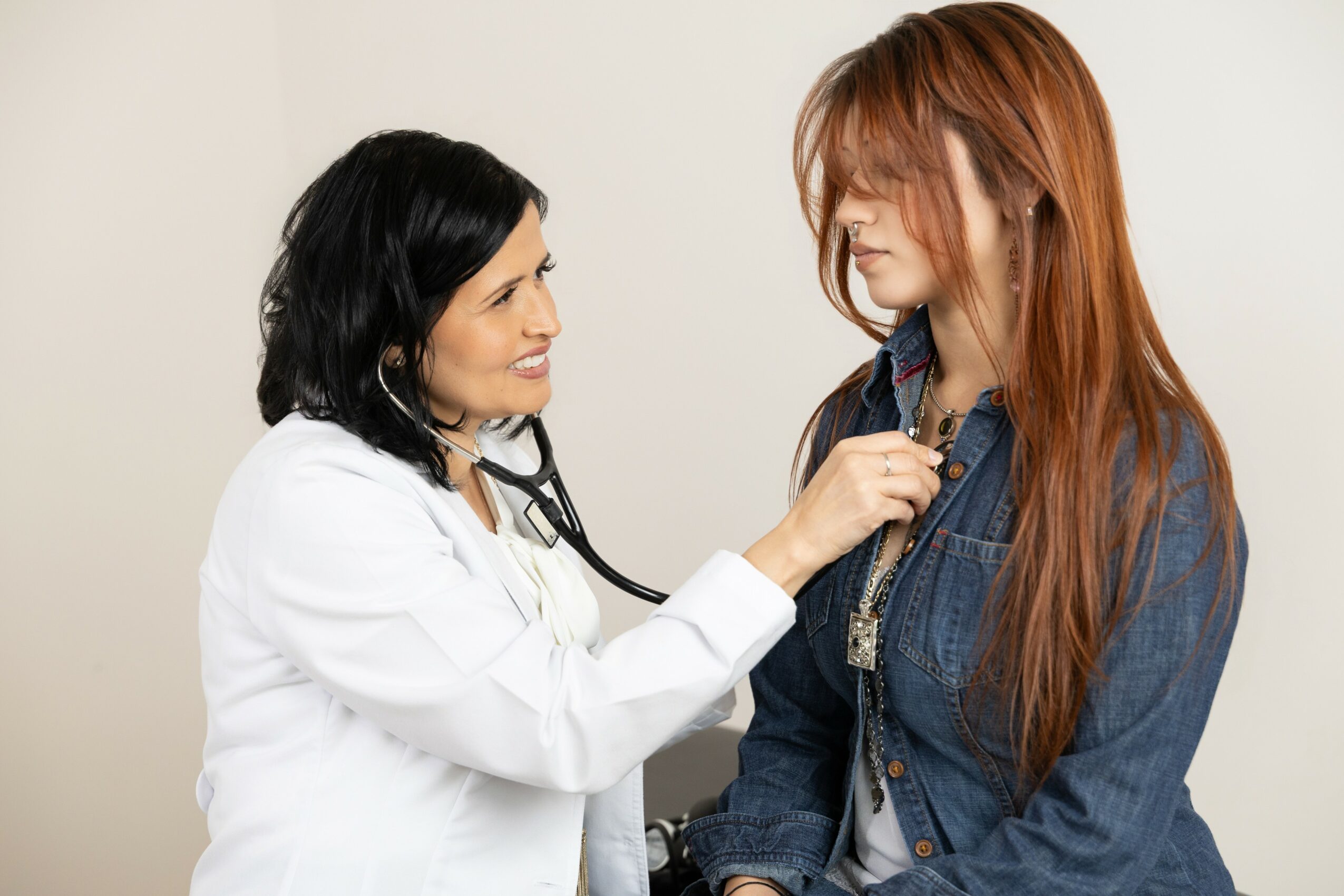
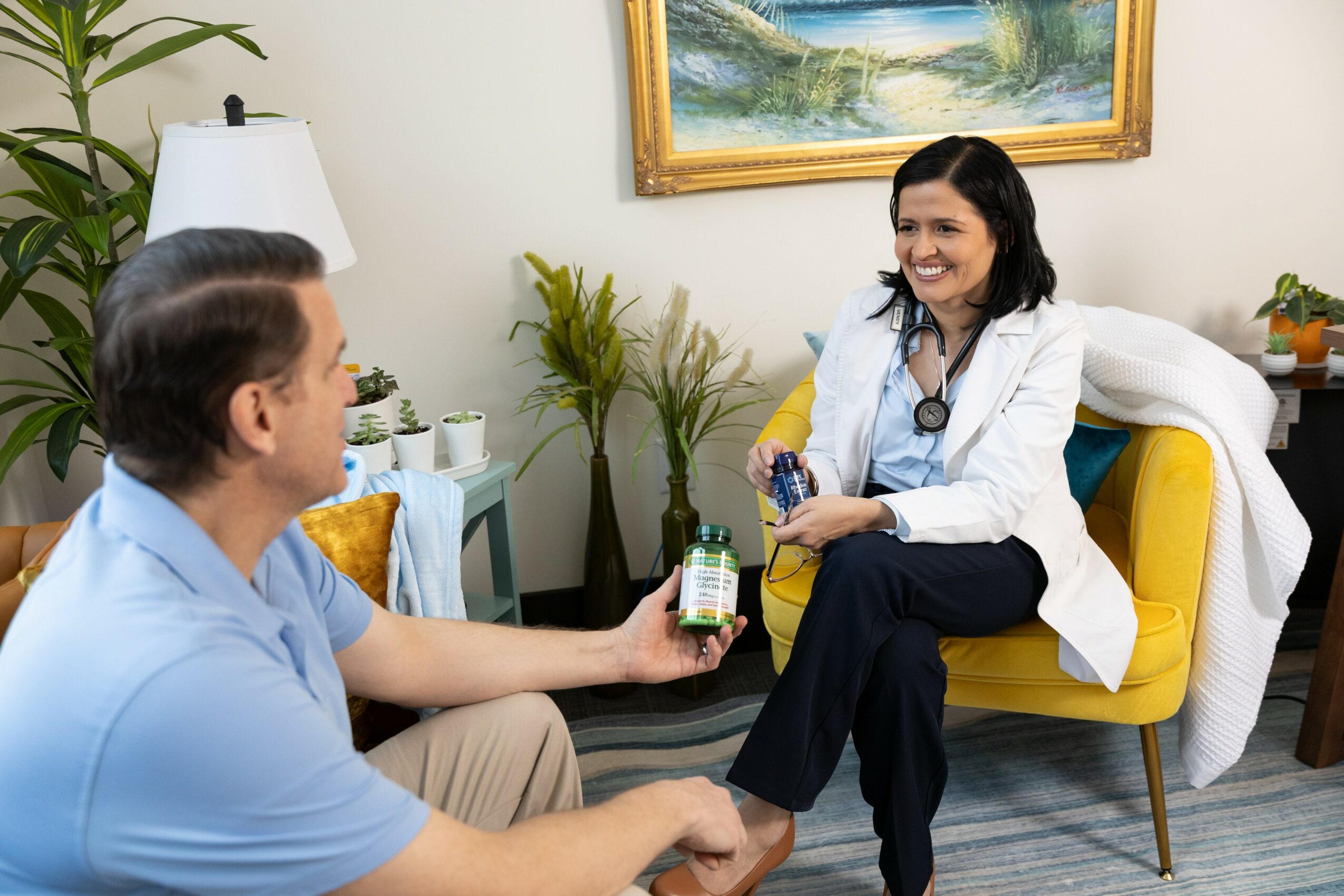
What sets my practice apart is the integration of conventional psychiatry with a functional medicine perspective. While I provide evidence-based psychiatric care, including evaluation and medication management, I also look beyond symptoms to understand the “why” behind them.
This approach allows for more personalized and effective treatment plans. My goal is not to replace traditional care, but to expand it—so patients who have not improved with standard approaches have another path forward.
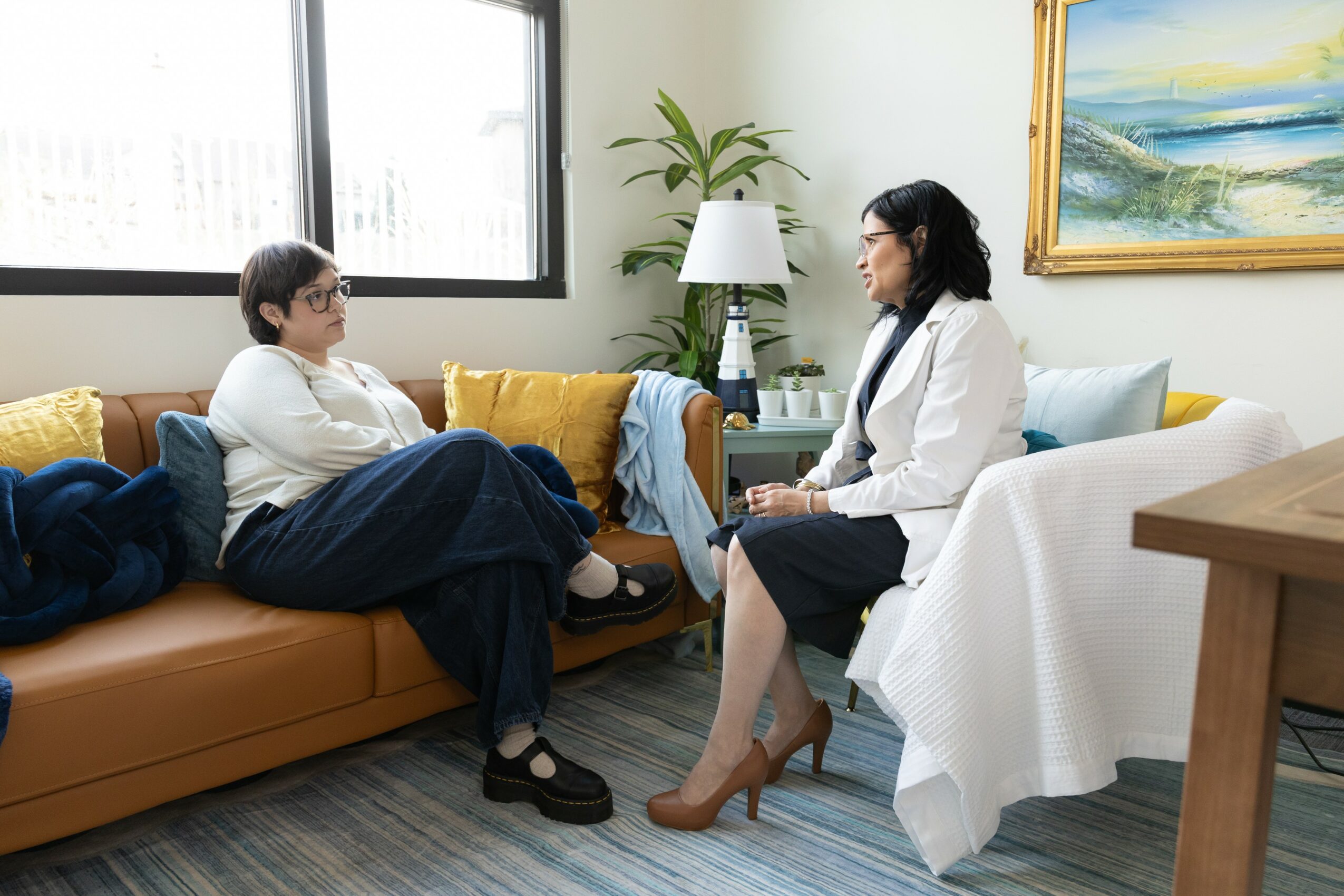
What I am most proud of is building a practice that reflects both science and compassion. I have created a space where patients feel heard, supported, and not reduced to a diagnosis. Every treatment plan is tailored to the individual, not the masses.
I often tell patients that if they have felt dismissed, stuck, or like they are not improving despite treatment, there may be more to explore. My practice exists to help bridge that gap and provide care that truly looks at the whole person—both mind and body.
What was your favorite childhood memory?
As a child, I remember life being simple. There were no cell phones, no computers, and no digital TV—just time spent playing and being present. If you wanted to talk to a friend, you walked to their house. If you wanted something creative, you made it yourself. Meals were prepared at home, not taken from a box or can. I remember only having boxed macaroni and cheese once in my lifetime in Honduras—those types of foods simply didn’t exist in our daily lives.
I miss that simplicity. It brought a sense of ease and connection that feels harder to find today.
I also feel nostalgic about the television shows I grew up watching. They often focused on family values like forgiveness, compassion, and togetherness—messages that felt grounding and meaningful. Those experiences shaped how I see the world and how I value relationships today.
Contact Info:
- Website: https://anironfmip.com/
- Instagram: https://www.instagram.com/anironfmip/
- Facebook: https://www.facebook.com/anironfmip/
- Other: https://headway.co/providers