


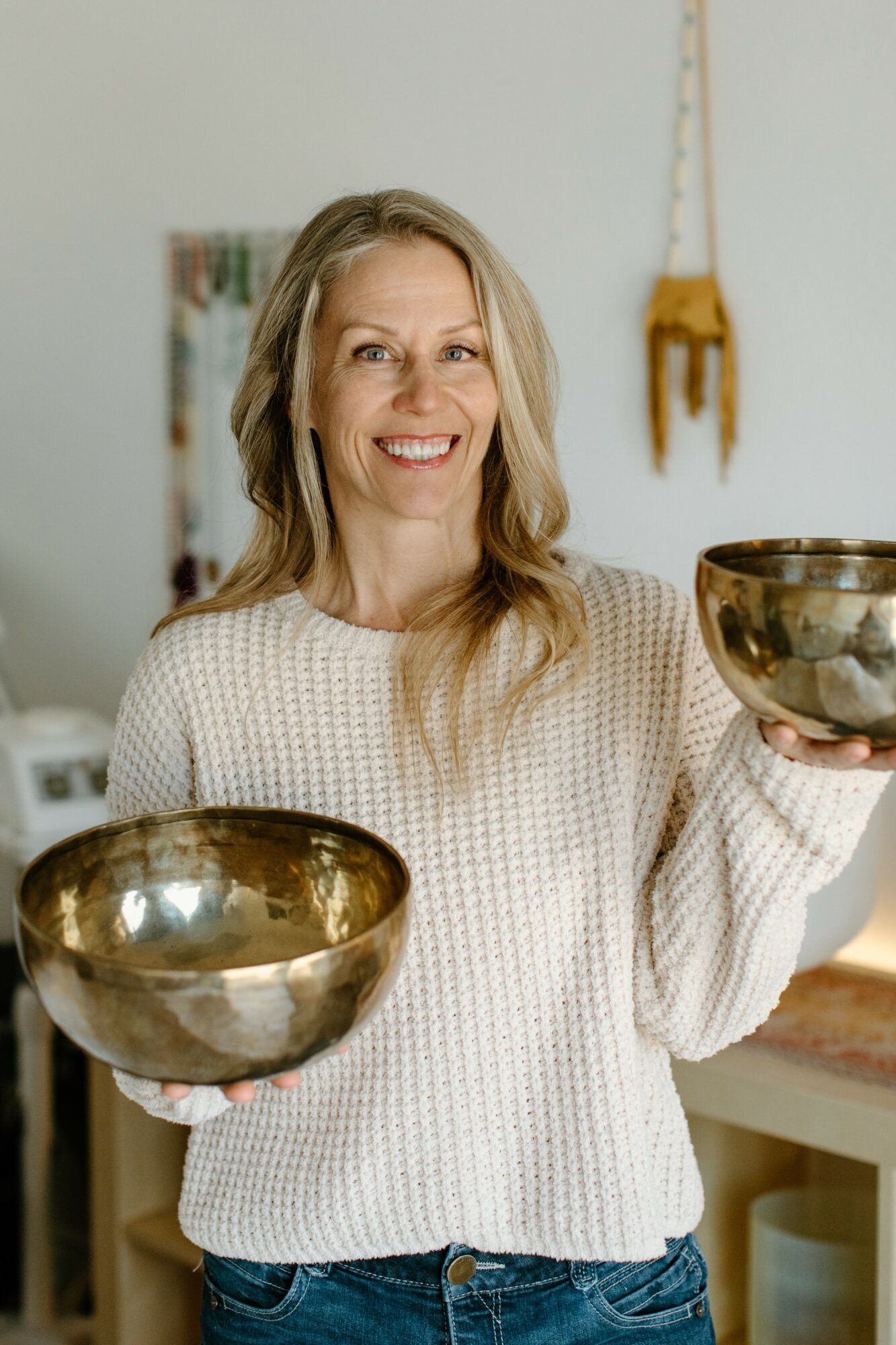
Today we’d like to introduce you to Malynda Madsen.
Hi Malynda, please kick things off for us with an introduction to yourself and your story.
I was introduced to the Heart Walk Foundation—a nonprofit supporting the Indigenous Q’ero communities of Peru—in 2018 after completing a year-long course in Andean spirituality. Shortly after, I joined my first humanitarian expedition as a translator for a small team of volunteers and a board member.
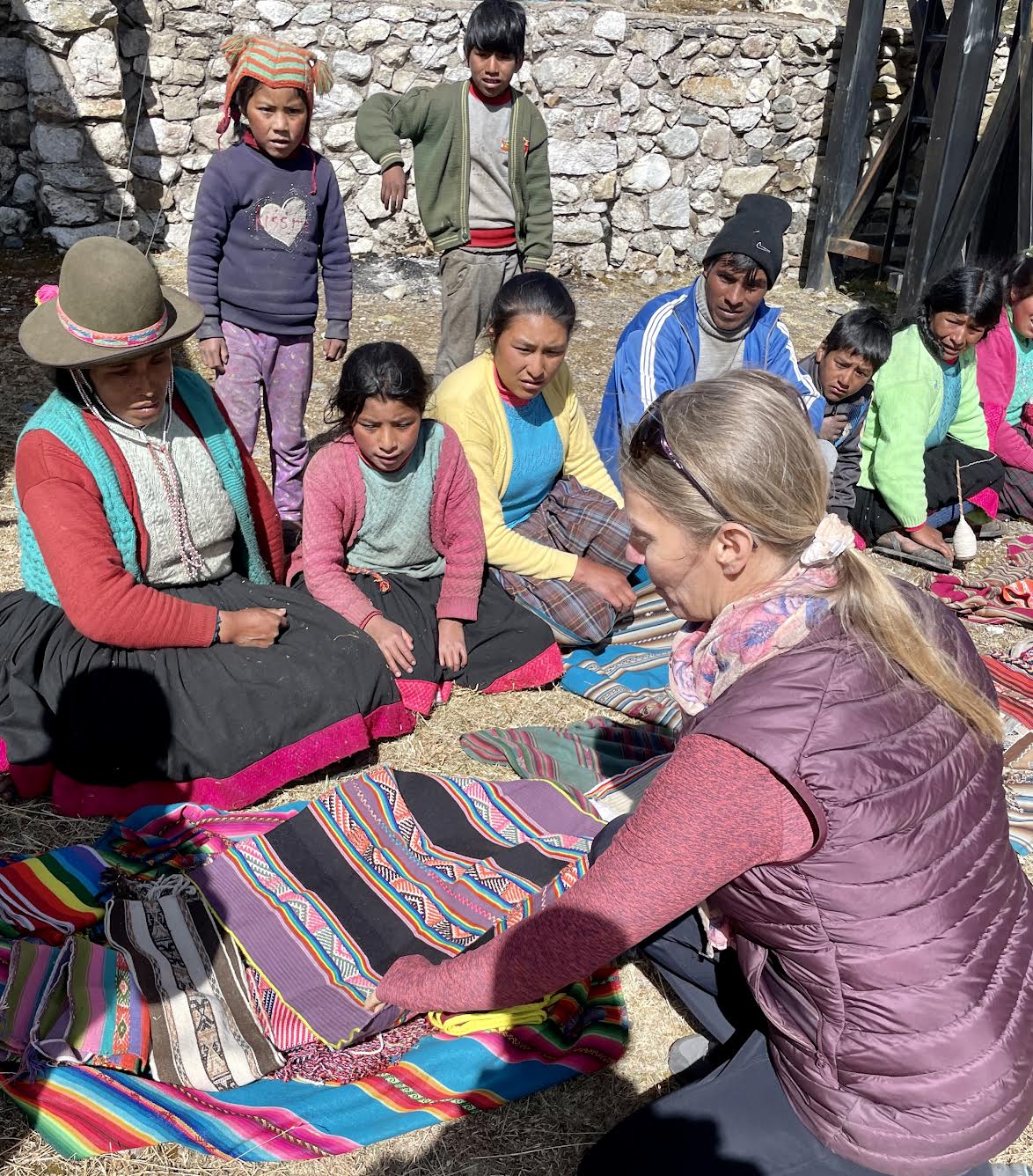
Serving as the translator meant I was present for nearly every conversation—between elders, weavers, field staff, and volunteers. That level of immersion gave me a deep understanding of the community’s needs and traditions, which felt like a true privilege. It also sparked a strong desire to continue contributing in a more meaningful way.
I was in university at that time, and I began applying my studies to support the foundation—writing newsletters and grant proposals, creating video fundraisers, and organizing marketing events. In 2019, I was invited to join the board of directors and take on a more active leadership role.
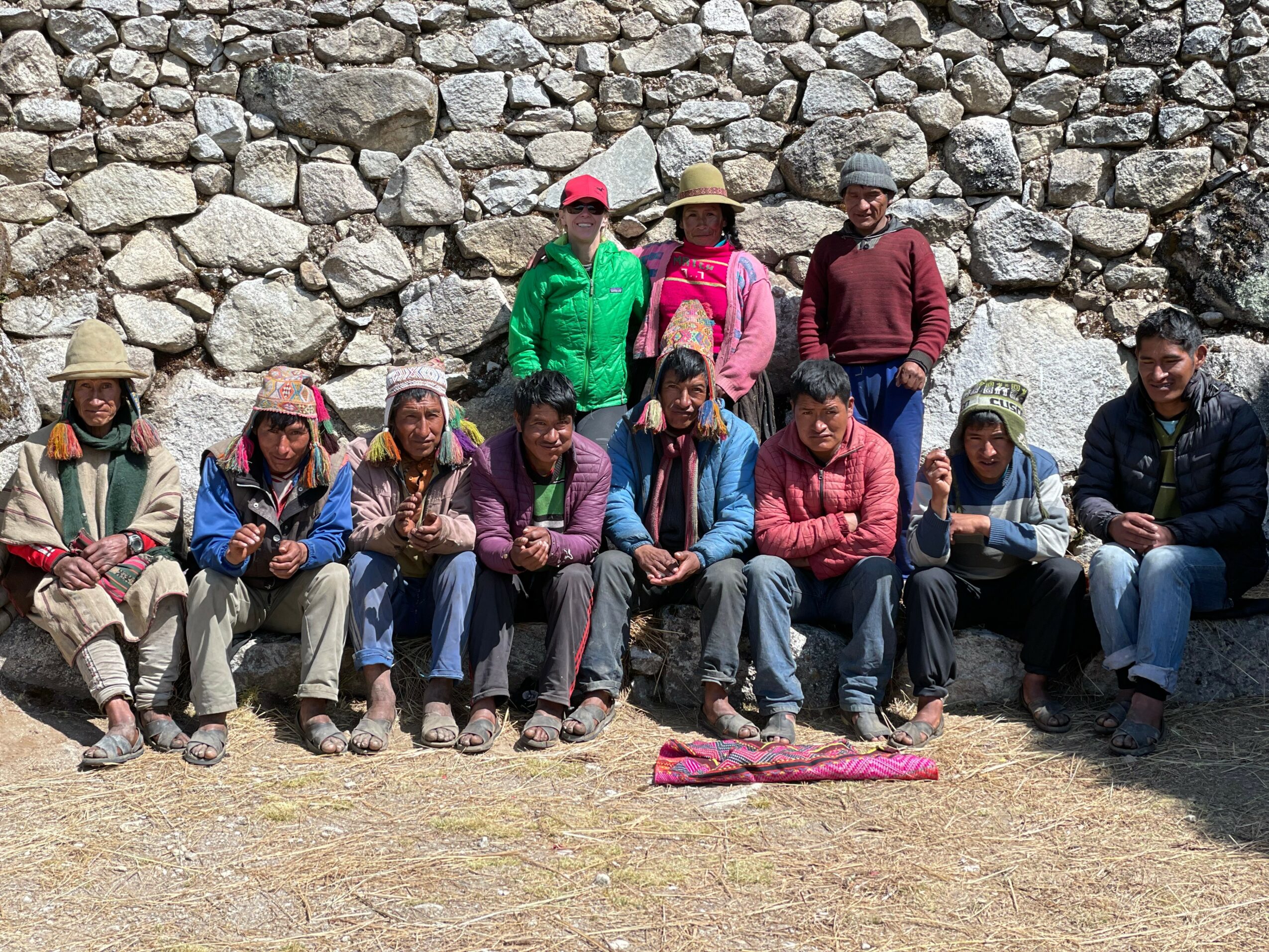
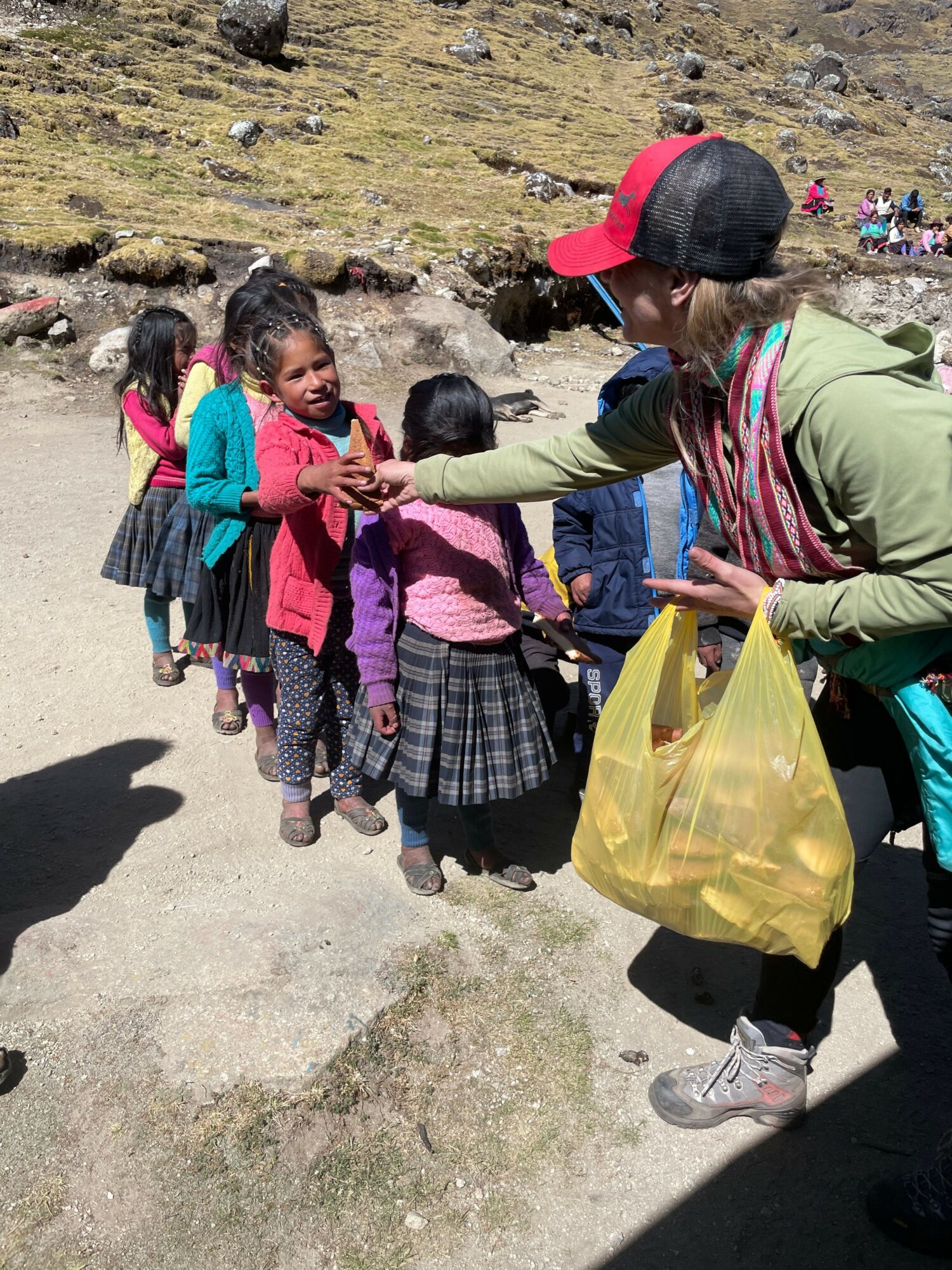
Since then, I’ve helped lead our annual expeditions to the four villages we serve, where we conduct community meetings, evaluate ongoing projects, and support economic sustainability and cultural preservation by purchasing textiles directly from every weaver. I also manage our online platform, tribalstore.org, which helps bring their work to a broader audience and generate consistent income for the communities.
This work continues to shape how I see service, community, and responsibility.
Alright, so let’s dig a little deeper into the story – has it been an easy path overall and if not, what were the challenges you’ve had to overcome?
It definitely hasn’t been a smooth road. One of the first challenges I faced was a strong sense of imposter syndrome.
When I was invited on my first service expedition, I was told the team was “a little light on translation.” Once we arrived in the mountains, I realized that meant there was no translator—I was it. As an introvert with no experience translating formal community meetings, I felt completely unprepared, self-conscious, and honestly terrified.
As the meetings began, I realized that if I didn’t roll up my sleeves and put my insecurities aside, communication would break down entirely. That necessity pushed me to step out of my comfort zone. I realized my Spanish didn’t need to be perfect to be effective. Because Spanish is also a second language for the Q’ero people, we were meeting each other at a similar level—and my more conversational, informal approach actually made communication clearer and more accessible.
Beyond that initial challenge, working in remote regions of the developing world comes with constant unpredictability. Plans rarely unfold exactly as expected—transportation can be unreliable, timelines shift, and conditions change quickly. Instead of saying “everything is going to plan,” we’ve learned to say “the plan is adapting to how things are going.”
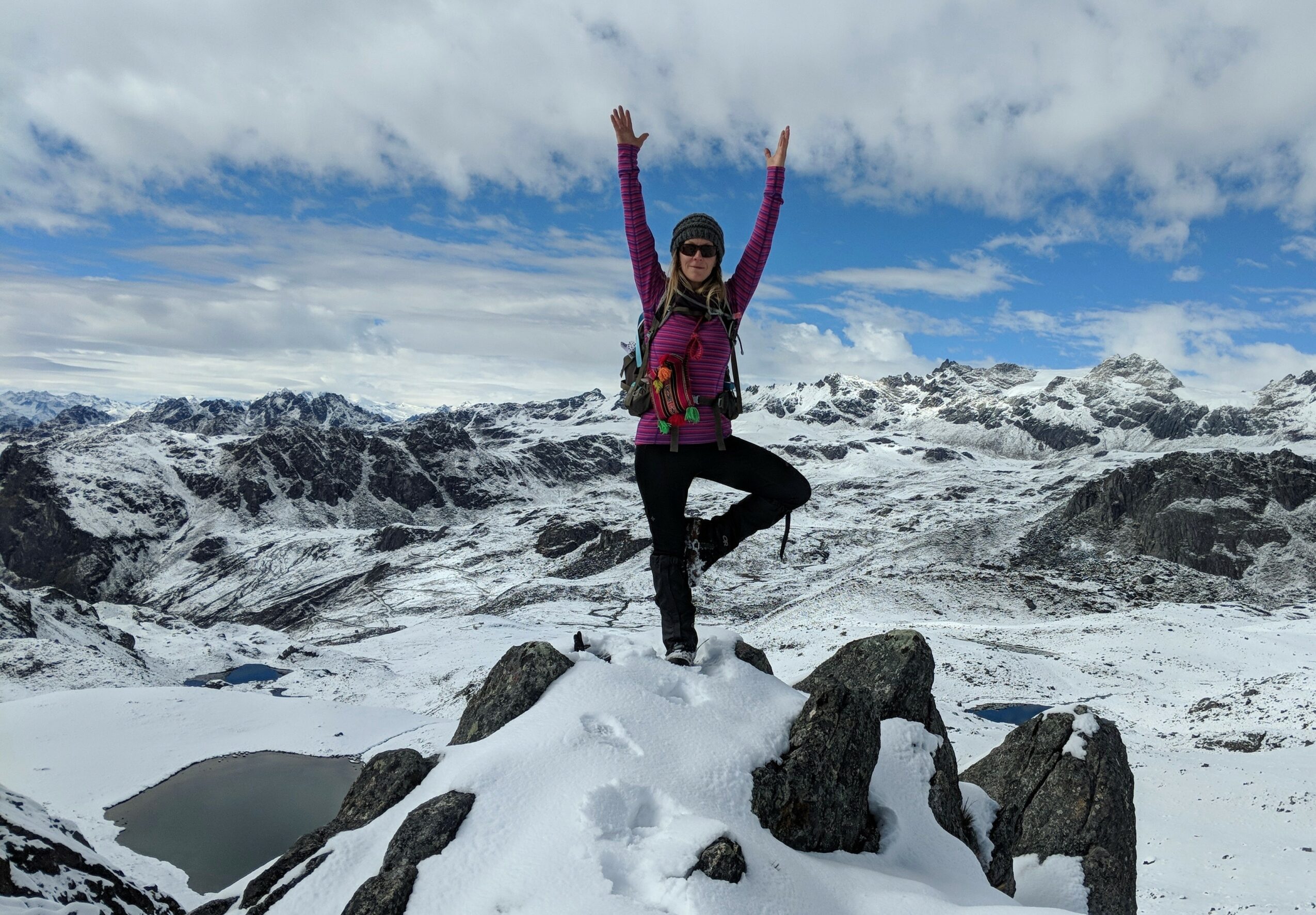
Even physically reaching the communities is a challenge. The villages sit between 12,000 and 16,000 feet in elevation, and until recently, required hiking in on foot through steep, mountainous terrain due to lack of roads. That level of remoteness adds another layer of complexity, but it also deepens the commitment and respect we have for the communities we serve.
Alright, so let’s switch gears a bit and talk business. What should we know about your work?
My work with the Heart Walk Foundation is entirely volunteer-based, and it’s something I’ve committed to alongside my professional career. I’ve been a massage therapist and energy-based healer for over 30 years, working at renowned luxury properties such as Amangiri Resort, and starting a private practice of my own.
I often reflect on the contrast in my work: in my professional life, I serve some of the most resourced individuals in the world, while in my volunteer work, I serve communities with very limited access to basic resources. And in my private practice, I serve my local community. That spectrum has given me a unique perspective on shared human needs, we all need care, connection, and to feel supported.
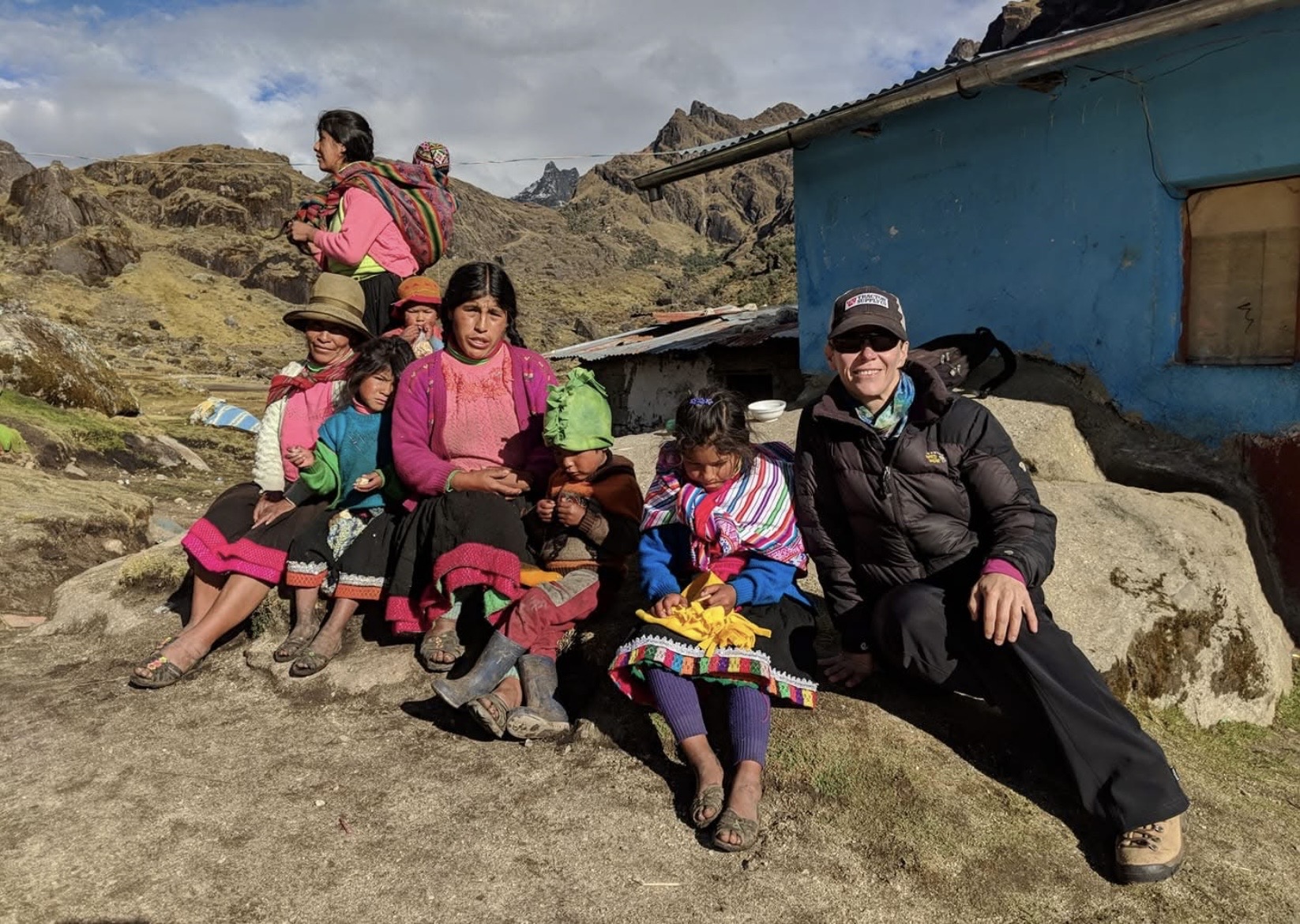
While my professional work is very fulfilling, the nonprofit work gives me the most pride. I’m most proud of the trust we’ve built within the communities we serve. Our work is not about imposing solutions, but about listening, collaborating, and supporting initiatives that are guided by the people themselves.
I think my ability to move between very different worlds while staying grounded in the same intention is what sets me apart. I strive to serve with respect, presence, and humility. Whether I’m in a treatment room or a remote mountain village, the work is ultimately the same: helping people feel seen, supported, and valued.
What does success mean to you?
Success looks very different in this type of work. Progress in these communities is often slow, and much of the work happens quietly, without recognition. Success in the remote villages isn’t measured by speed or visibility—it’s measured by consistency, trust, and presence over time.
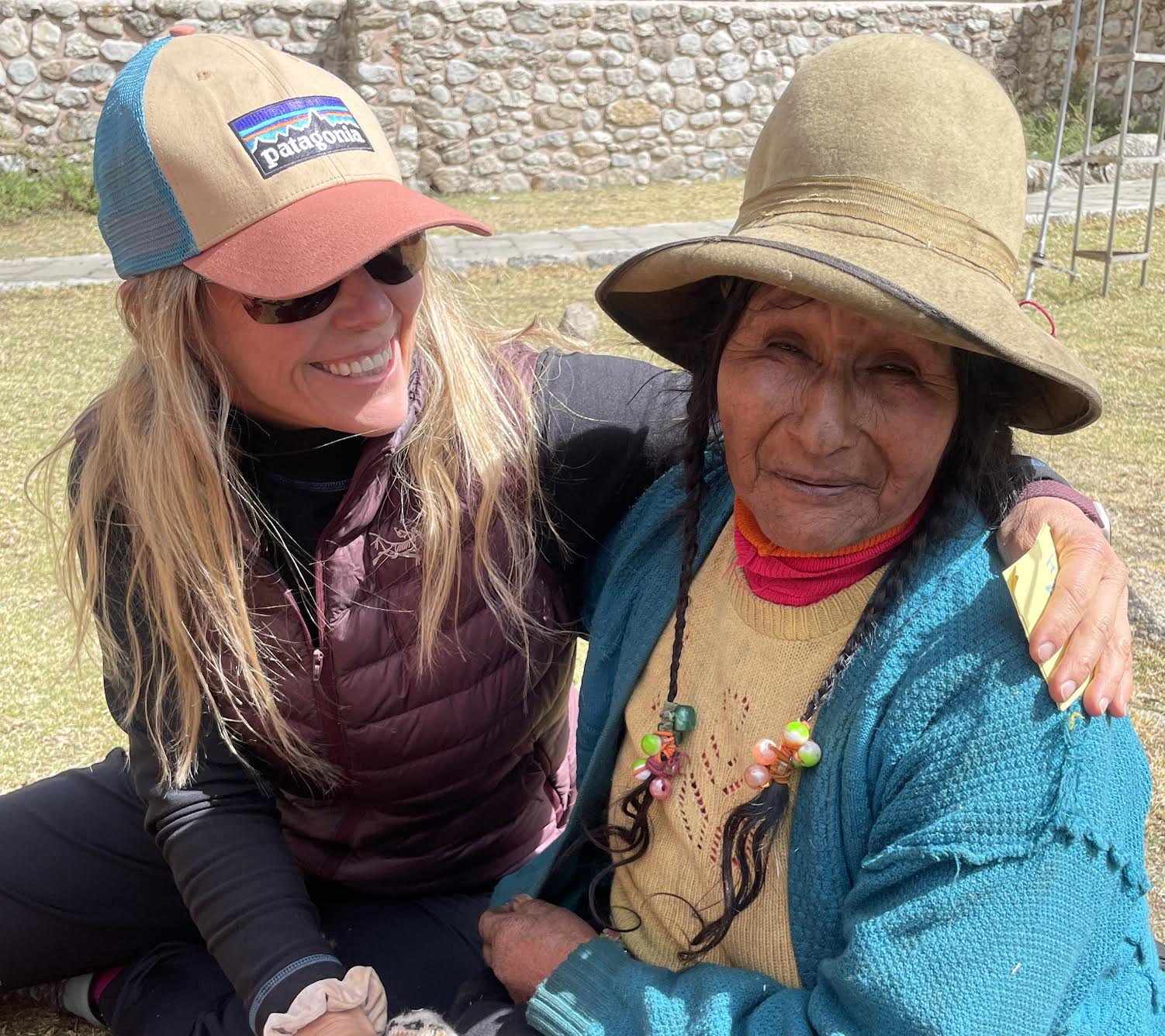
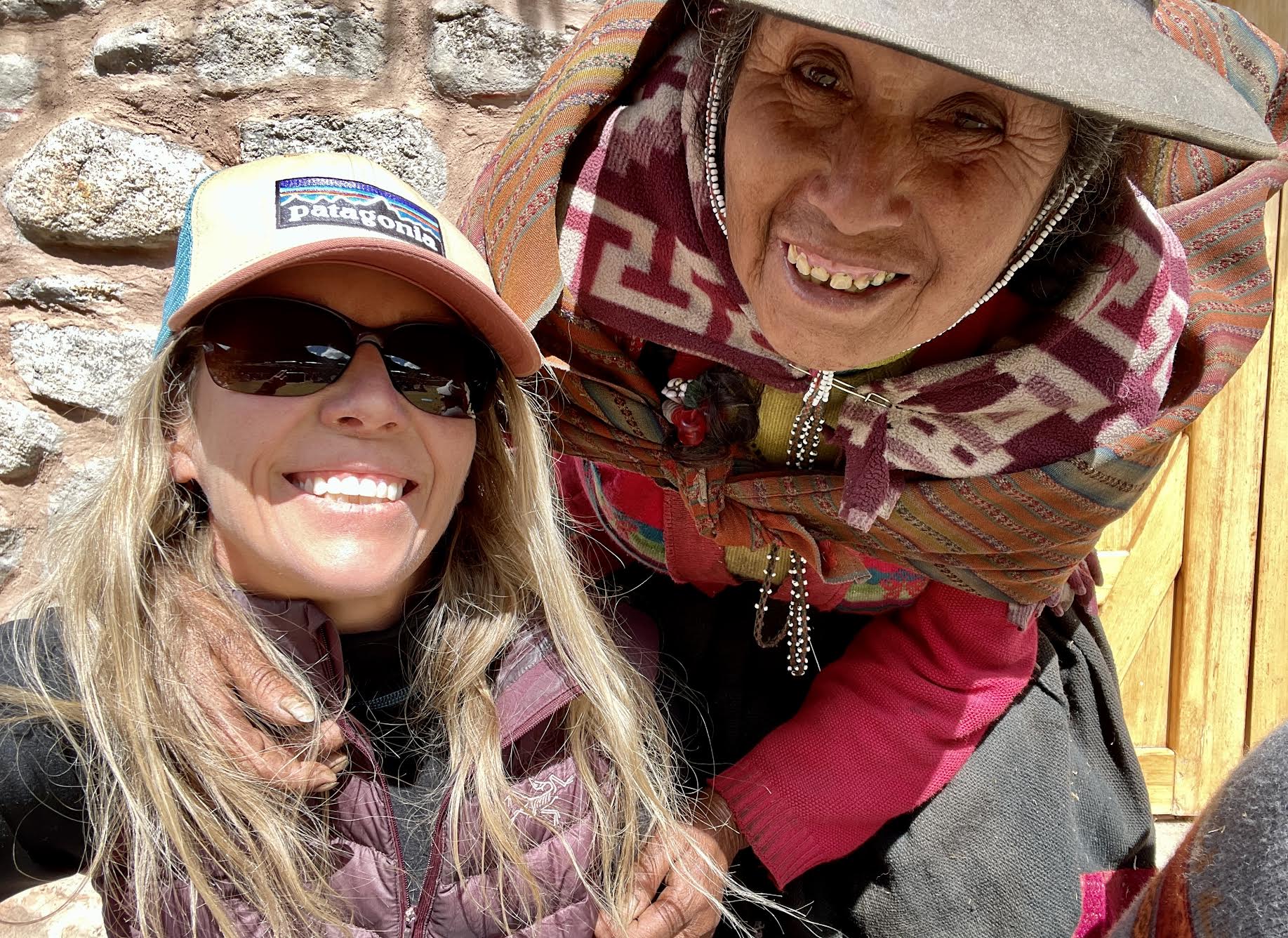
For most of the year, the work can feel unseen. But when I return to the communities and am welcomed back—when people remember me, when they’re happy I’ve come again—that’s when I’m reminded what success really is. It’s about showing up, year after year, and building relationships that matter.
We are a small, grassroots organization with limited funding, so success also means being resourceful—finding ways to create meaningful impact with what we have. It’s making thoughtful, sustainable decisions that truly support the community, even on a modest scale.
Ultimately, success is knowing that our work is needed, that it’s improving people’s lives, and that we’re doing it in a way that respects their culture, their autonomy, and their voice.
Pricing:
- Donations: www.heartwalkfoundation.org
- Purchase textiles: tribalstor.org
Contact Info:
- Website: https://www.heartwalkfoundation.org
- Facebook: https://www.facebook.com/share/1B6YX18goR/?mibextid=wwXIfr
- Youtube: https://www.youtube.com/@HeartwalkfoundationOrg