


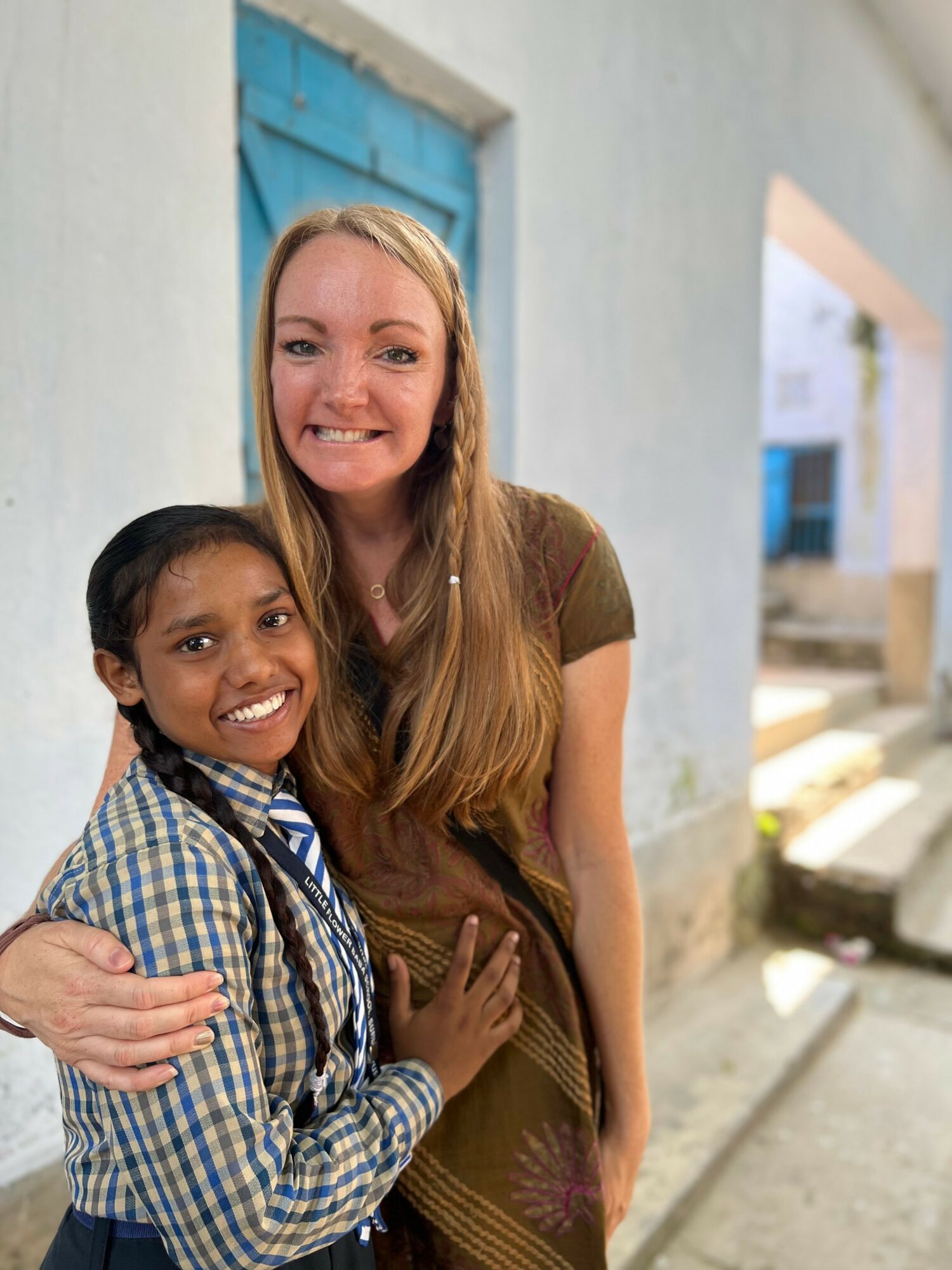
Today we’d like to introduce you to Tawna Fowler.
Hi Tawna, thanks for joining us today. We’d love for you to start by introducing yourself.
I received my Master’s in Public Administration from BYU, with an emphasis in nonprofit management and international development. I’ve always been interested in both international and domestic humanitarian work, and have spent much of my life volunteering with or working for different nonprofits.
I first heard about Rising Star Outreach through a friend who was working there at the time, and I was immediately intrigued. Like many people, I didn’t even realize leprosy still existed – I mostly associated it with Biblical times. When an opening came up for their Development Director position, I applied and was fortunate to be given the opportunity.
I’ve now been in that role since 2018, and over time my work has expanded to include more involvement in data collection and analysis alongside one of my coworkers. It’s been incredibly meaningful to be part of an organization that is working so directly with marginalized communities and helping create long-term opportunities for children and families affected by leprosy.
Can you talk to us a bit about the challenges and lessons you’ve learned along the way. Looking back would you say it’s been easy or smooth in retrospect?
I have been able to learn a lot in this role, and to see the organization grow, as well. One of the exciting things about international nonprofit work is the chance to learn from the culture and people in the country where your programs take place. This is one of my favorite pieces of my work. India and the people we work with there are incredible!
At the same time, international work naturally comes with challenges. We regularly navigate differences in culture, language, expectations, and even time zones – India is about 11.5 hours ahead of us. Some challenges are simple but interesting, like learning the differences between the types of photos American audiences tend to connect with versus the styles preferred by our Indian photographers. Other challenges are trickier, such as how to collect program data in remote leprosy colonies without reliable internet access and with cultural barriers, or working together to create educational programs that honor both Indian and U.S. teaching approaches while still best serving our students.
While those differences can be challenging, they’ve also become one of the most meaningful parts of the work. Our teams in the U.S. and India have learned to truly collaborate and “sit down” together, along with our beneficiaries – whether that means late-night meetings across time zones or conversations during special visits to India – to listen, learn, problem-solve, and grow together. I genuinely love that part of the work.
Appreciate you sharing that. What else should we know about what you do?
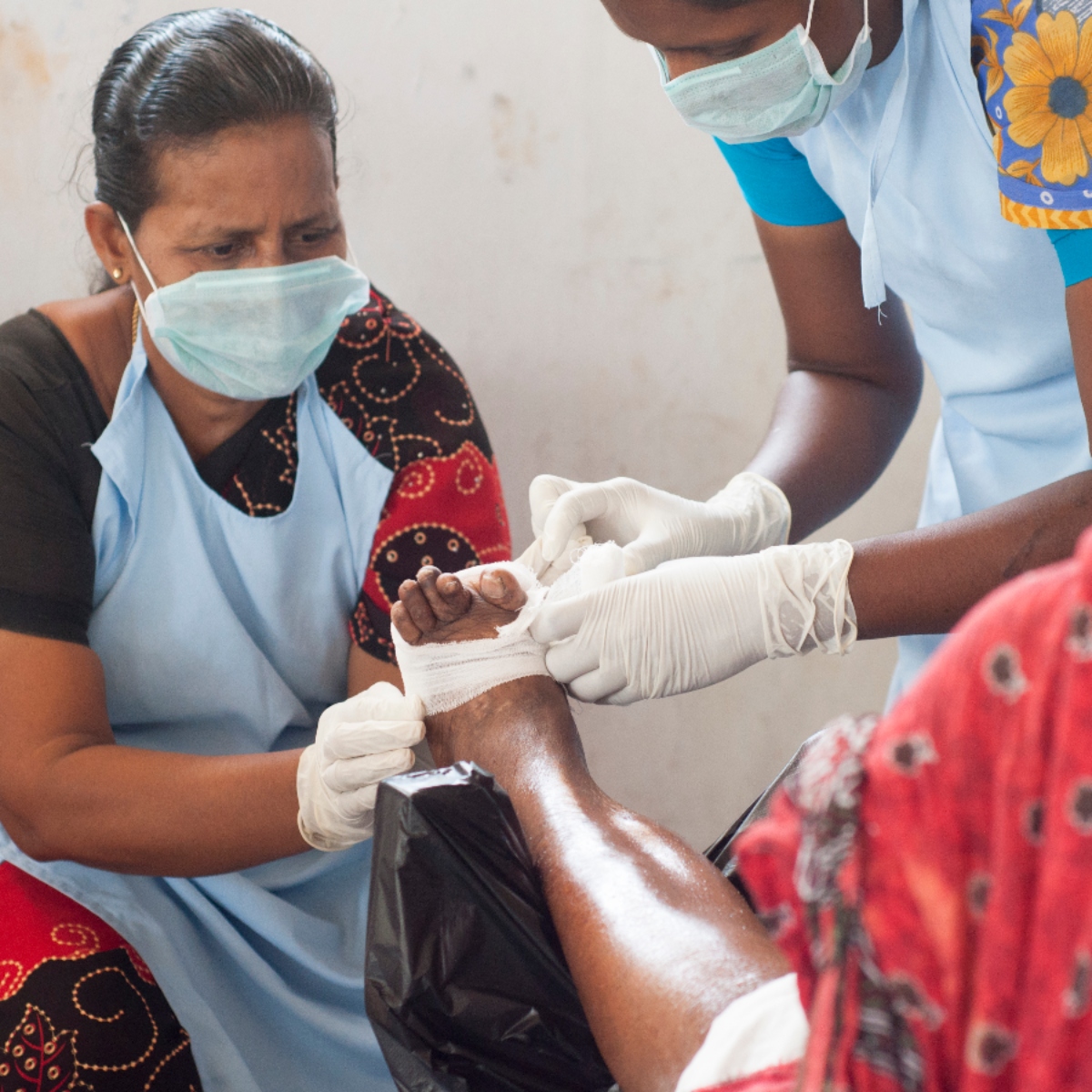
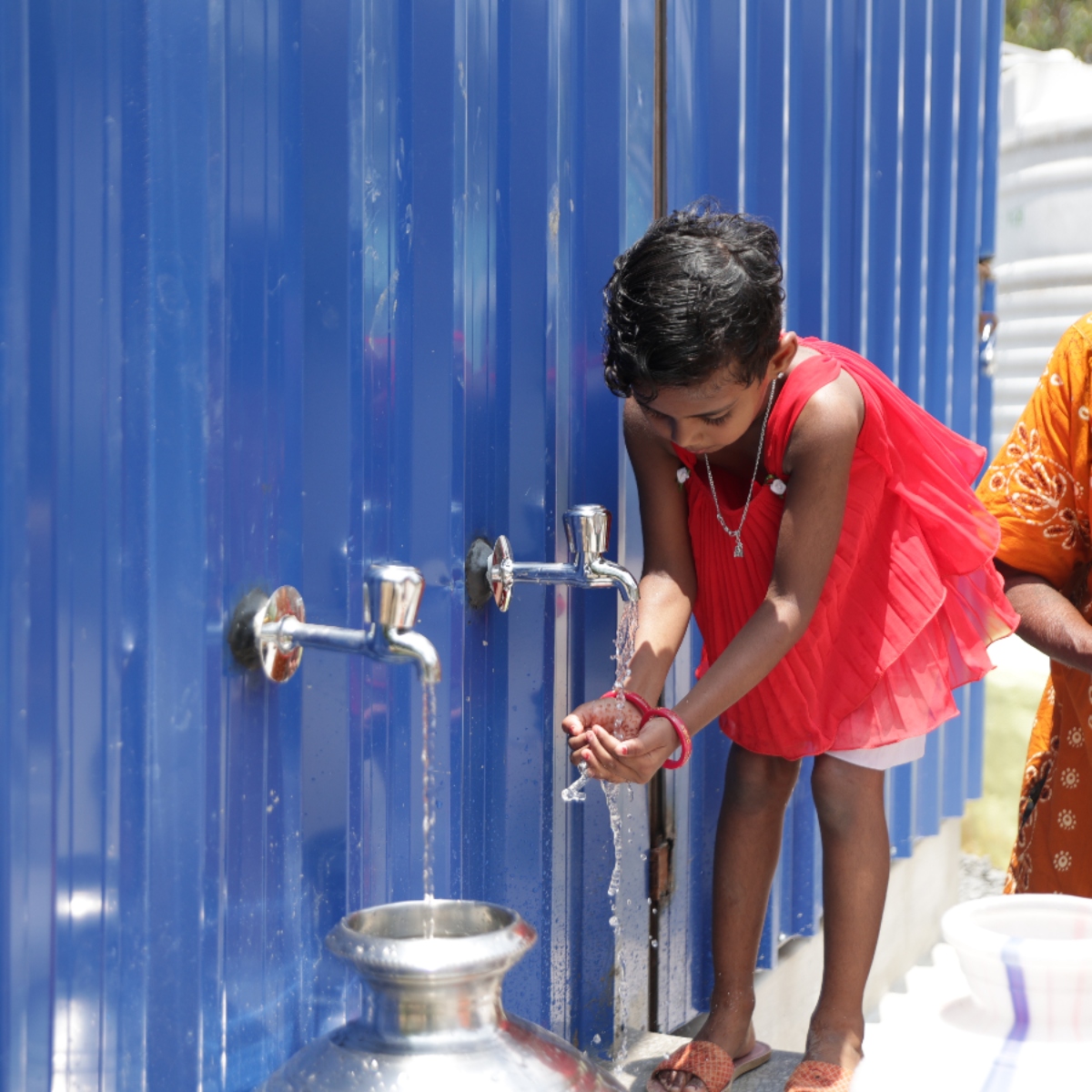
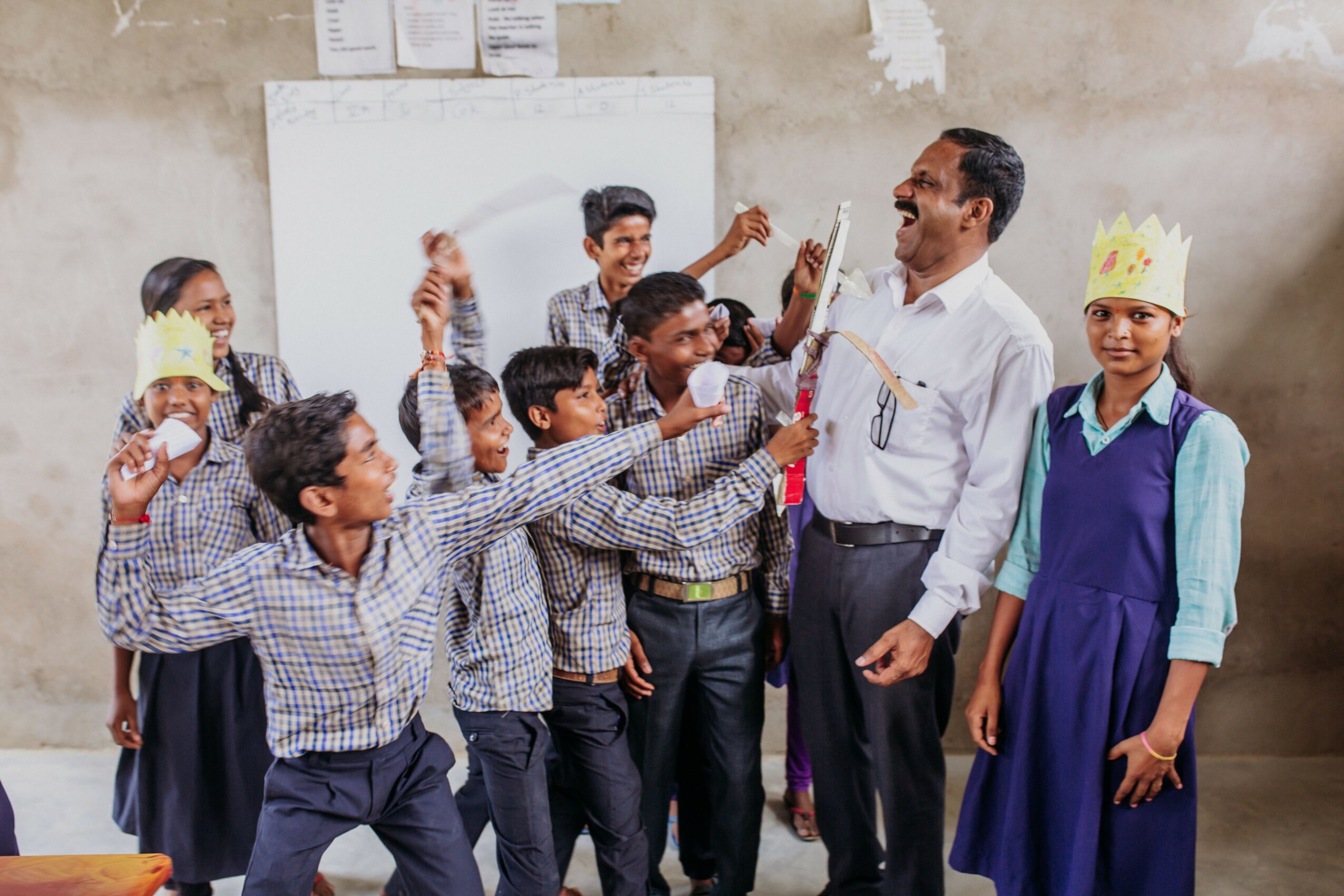
Currently, I serve as the Development Director for Rising Star Outreach, an international nonprofit organization that works to empower people affected by leprosy (Hansen’s Disease) through quality education, medical care, and community development.
One of the things about nonprofit work is that you get the chance to wear many hats. Along with development and donor relations, I’ve also become heavily involved in refining our project models and data collection so that we can better report back to donors and, more importantly, continue improving the services we provide to those we serve. We want to make sure that we not only know anecdotally that lives are being changed — which we see every day — but that we can also demonstrate that impact on paper and analyze where we can grow and improve our programs even further.
I’m really grateful for how closely we get to work with our “boots on the ground” team in India, as well as the emphasis our organization places on listening to beneficiaries and understanding what they actually need. I’m proud of this work because I know, and have personally seen, the difference it is making in people’s lives. I’ve seen it in powerful ways.
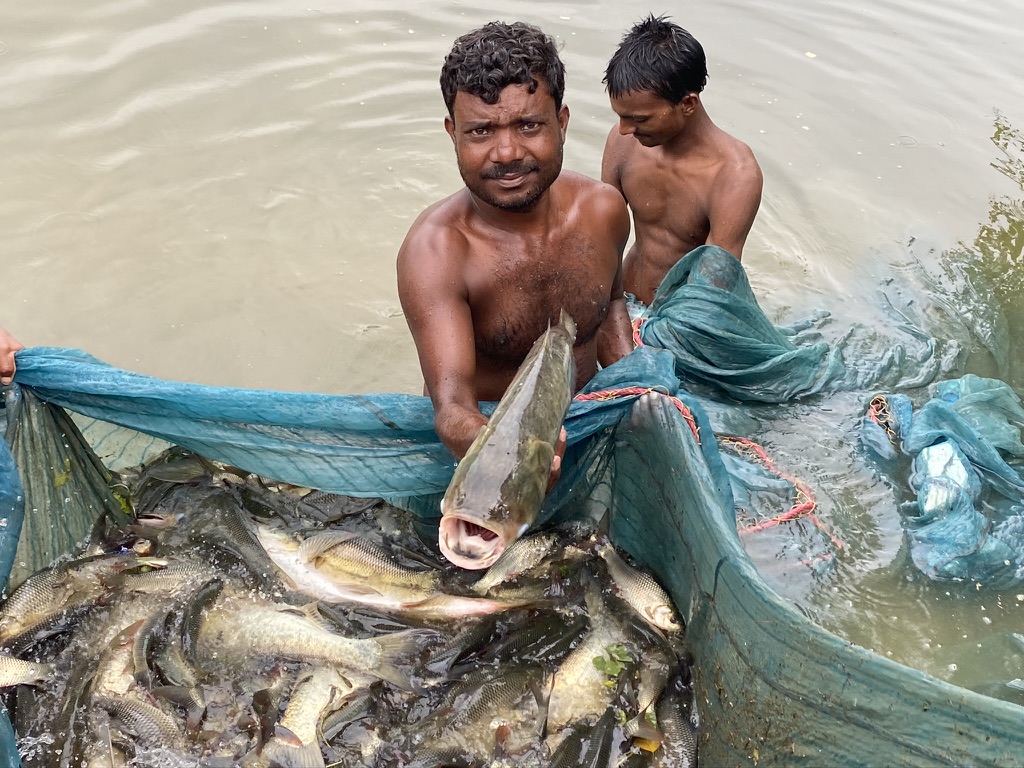
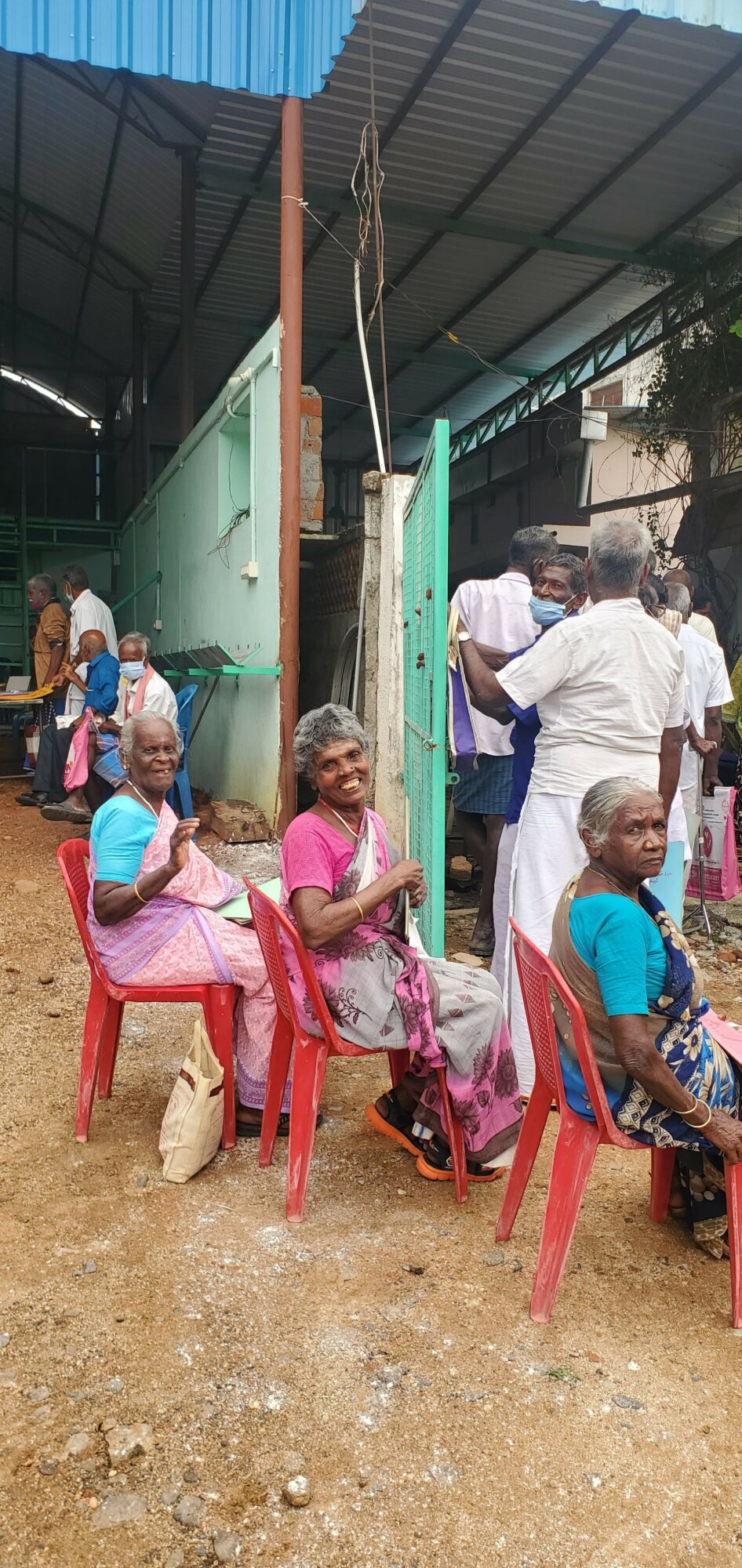
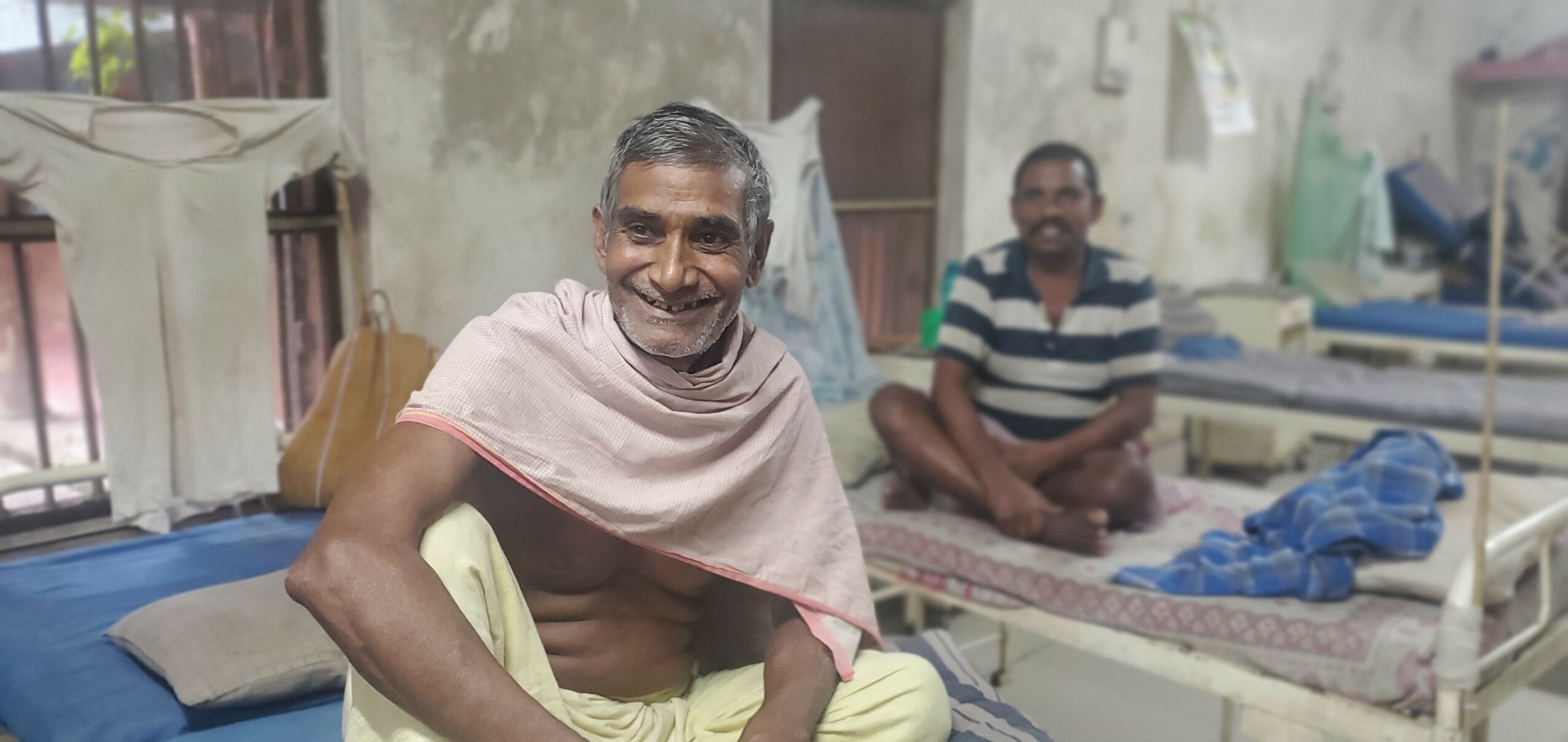
I remember one trip to northern India when I visited several leprosy colonies and a hospital we help support. While we were there, my colleagues and I met a 10 year-old girl who had been abandoned by her family after they discovered she had leprosy. The stigma surrounding the disease is still so strong and real, especially in more rural areas, but it was still heartbreaking to realize that someone could do this to their child. Sadly, stories like this are not uncommon among many of the children at our schools.
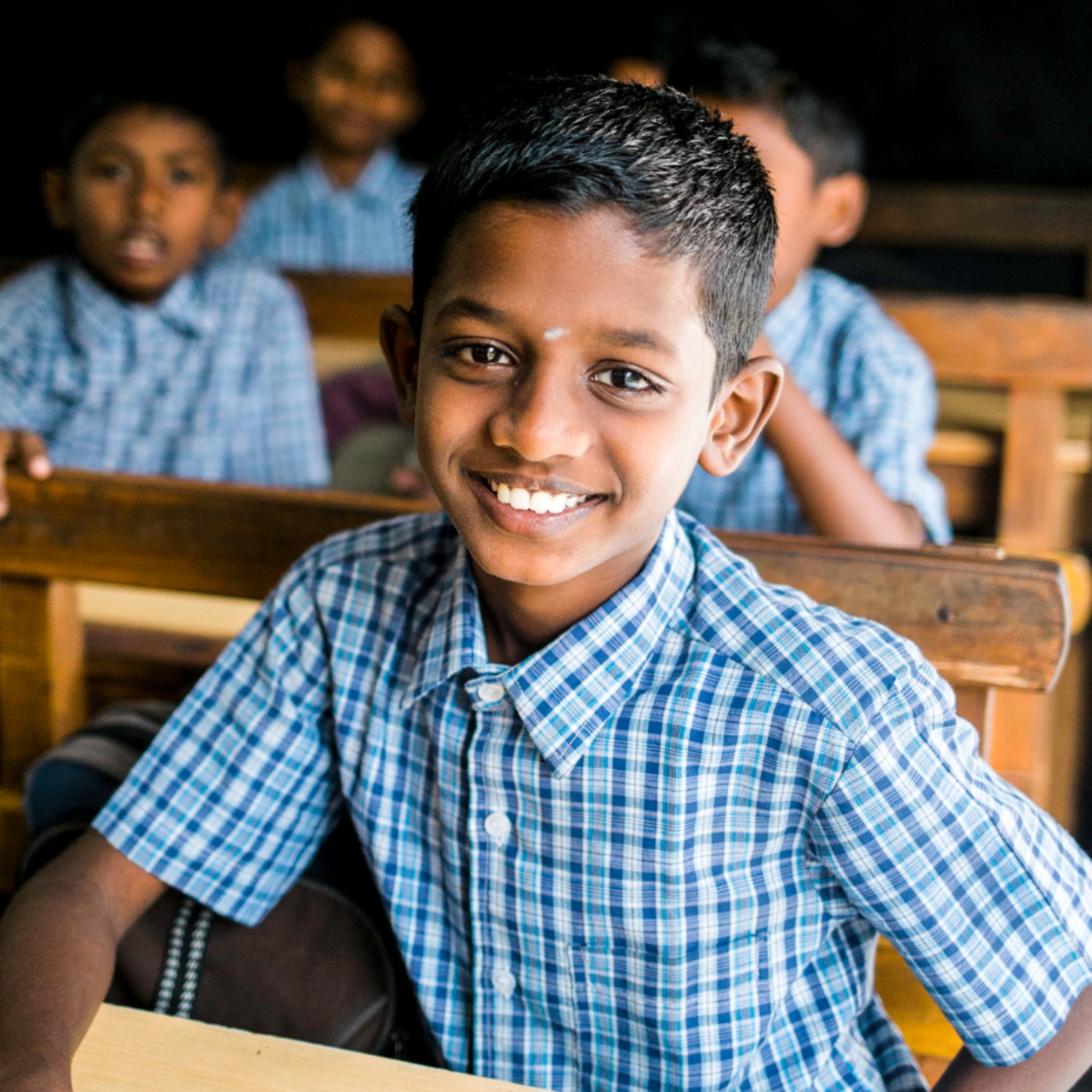
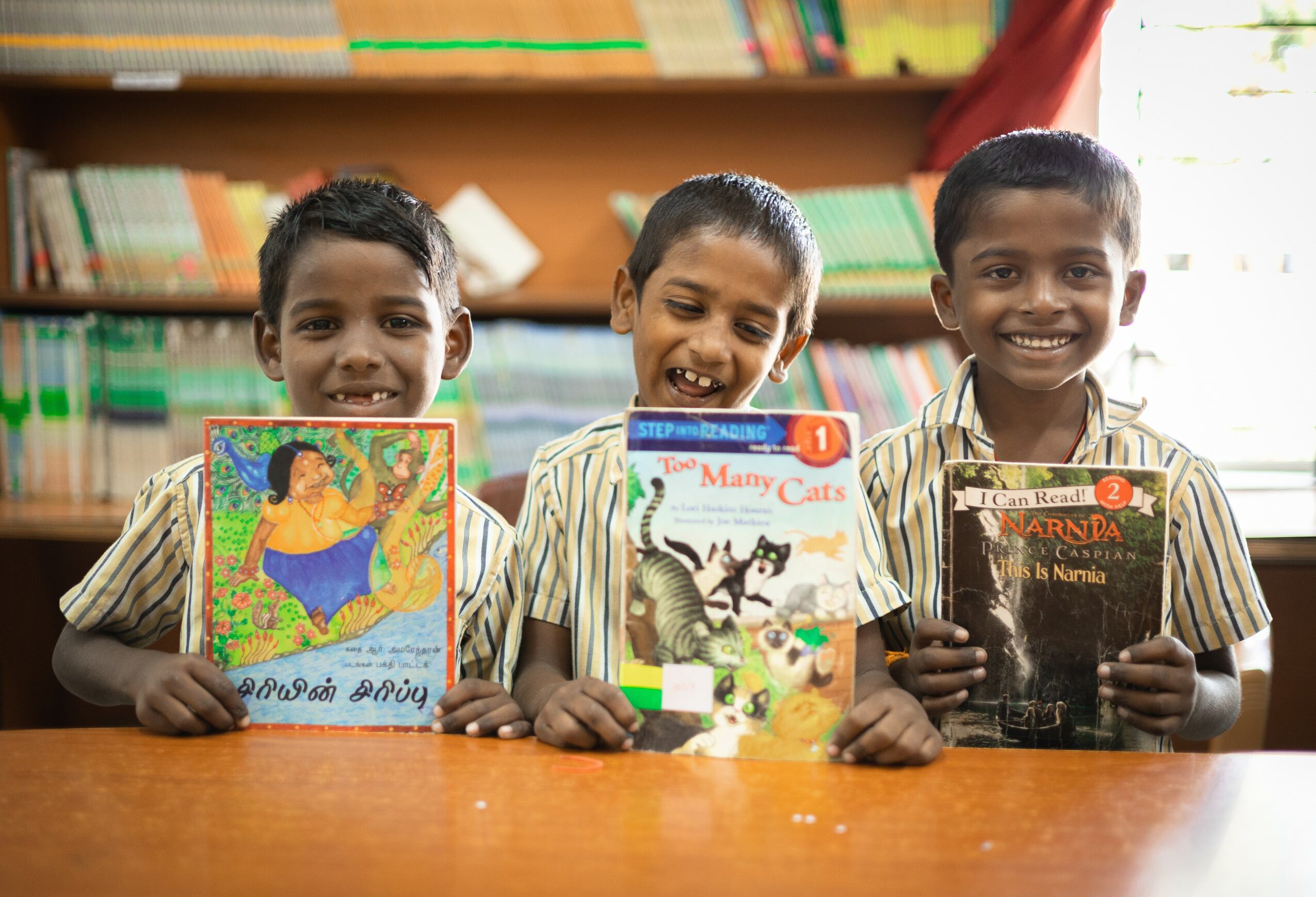
We were able to let her know that she had a place at our school if she wanted it, along with consistent medical care through our programs. I knew we could offer her a home, food, friendships, and the opportunity to receive an education all the way through college if she chose – opportunities that are incredibly rare for children in her situation. I was able to help secure the funding needed to get her enrolled immediately, and today she is healthy and thriving on our campus in Bihar. Seeing the giant smile on her face now compared to the scared, shy, despondent little girl we first met is something I will never forget.
At work, I’m probably best known for my writing skills, ability to connect with people, and my tendency to quickly spot holes in logic and jump into problem-solving mode. And of course, my team also loves to tease me for typing incredibly fast – they always know when I’m in the office. 😉
More than anything, though, I’m proud of the meaningful relationships of trust and friendship I’ve been able to build with our team in India. That spirit of collaboration and mutual respect has helped us better work through differences, support one another, and ultimately serve people more effectively together.
Can you talk to us about how you think about risk?
I think risk-taking is inherently part of nonprofit work, especially in development. There’s a certain level of boldness involved in constantly reaching out to people and inviting them to connect with a mission and trust in the work you are doing.
Personally, though, I tend to be more of the “Protector” on our team. I’m naturally detail-oriented and like to make sure we’ve explored potential risks, thought through implications, and have plans in place to address challenges if they arise. I love a good strategic plan, and I’m often the person asking more of the “how?” and “what about…?” questions. I also tend to naturally look for holes in the logic – not because I want to shut ideas down, but because I want to strengthen them and help set us up for success.
Other members of our team are more visionary and naturally inclined toward bigger risks, and honestly, I think we balance each other really well. I help make sure we don’t get too far ahead without thinking through the details and long-term implications, while they help push me not to get stuck overanalyzing something before taking the first step. Together, I think that balance has made our team stronger.
Pricing:
- $30/month to sponsor a child
Contact Info:
- Website: https://risingstaroutreach.org
- Instagram: https://www.instagram.com/risingstaroutreach/
- Facebook: https://www.facebook.com/RisingStarOutreach/
- LinkedIn: https://www.linkedin.com/company/rising-star-outreach
- Youtube: https://www.youtube.com/@risingstaroutreach