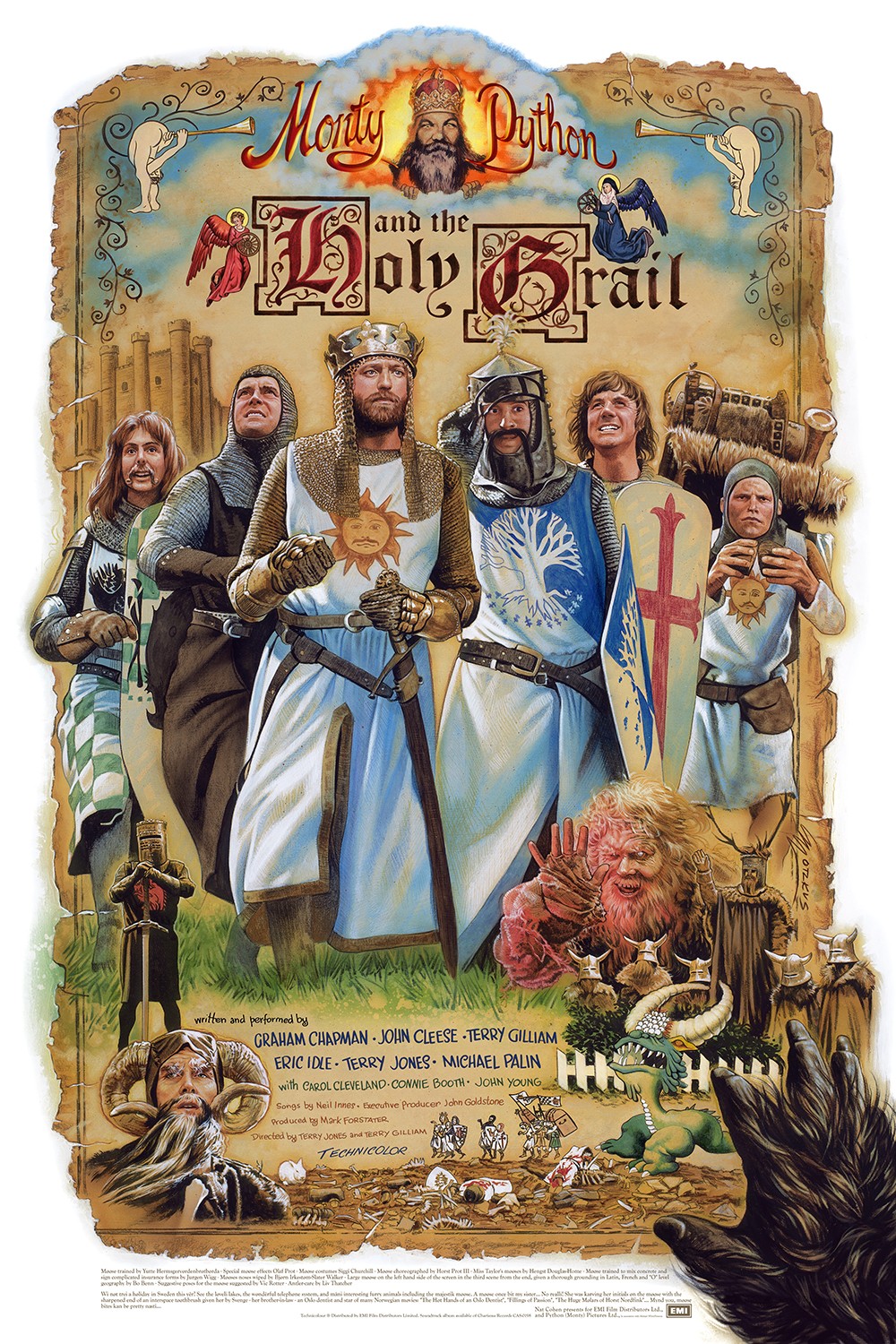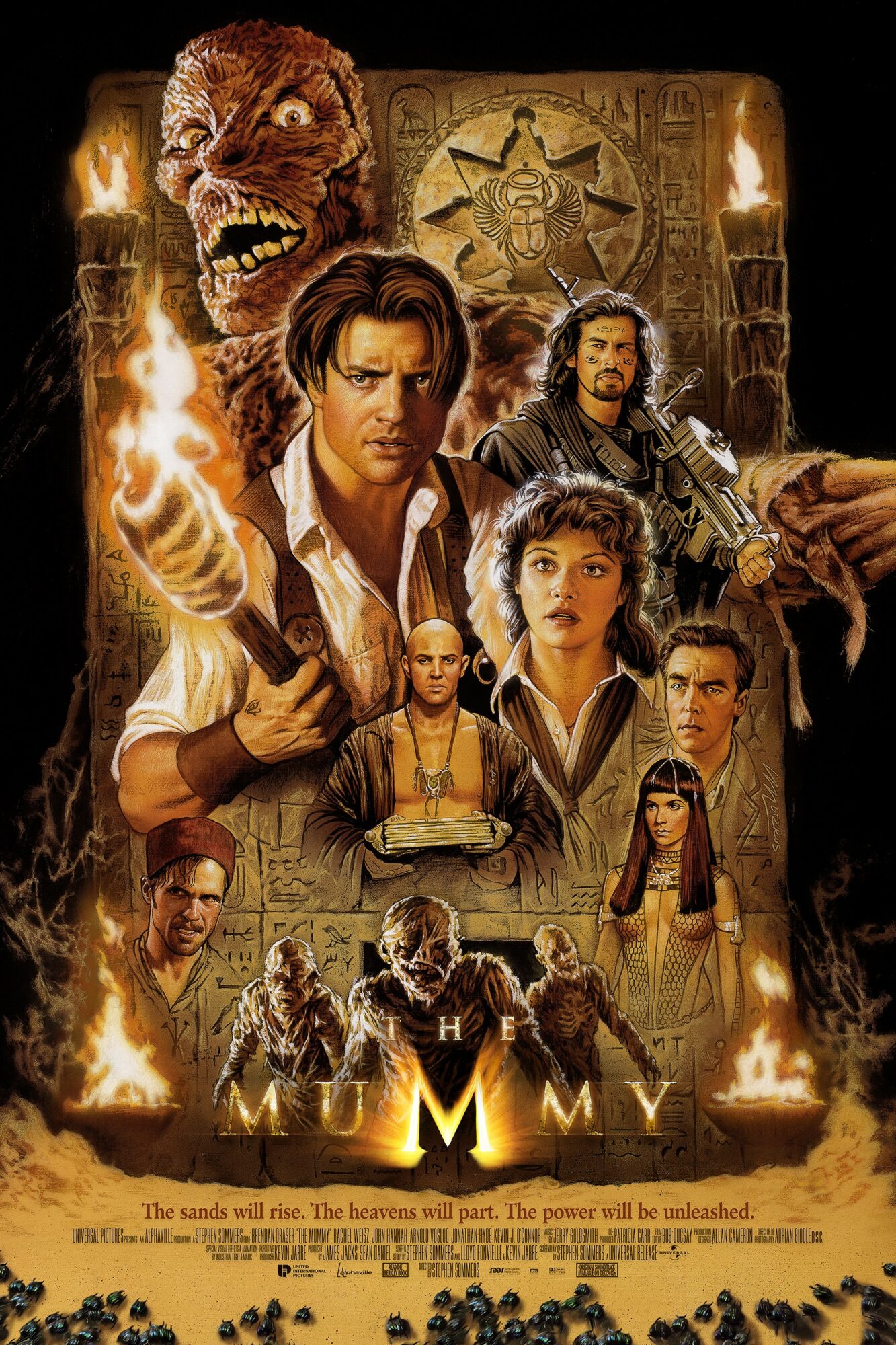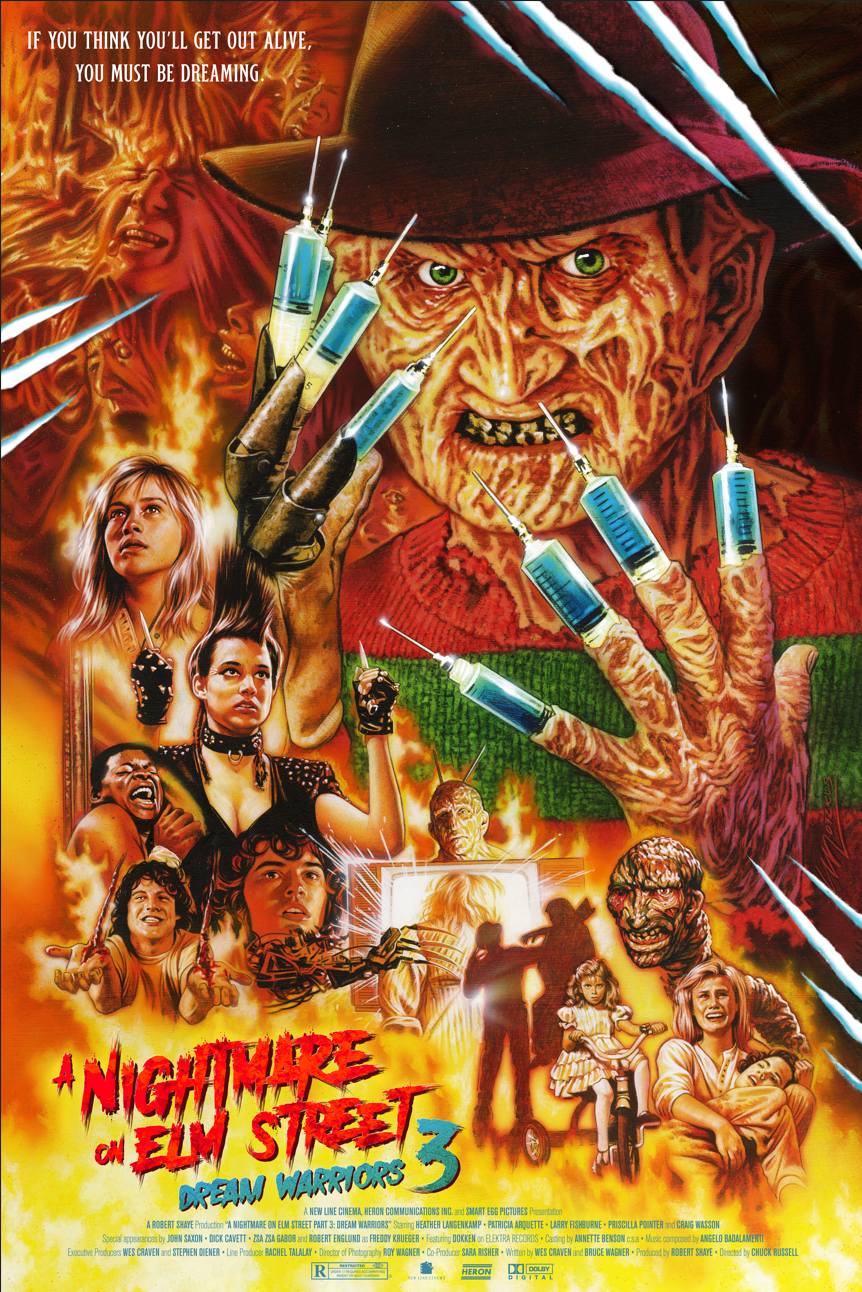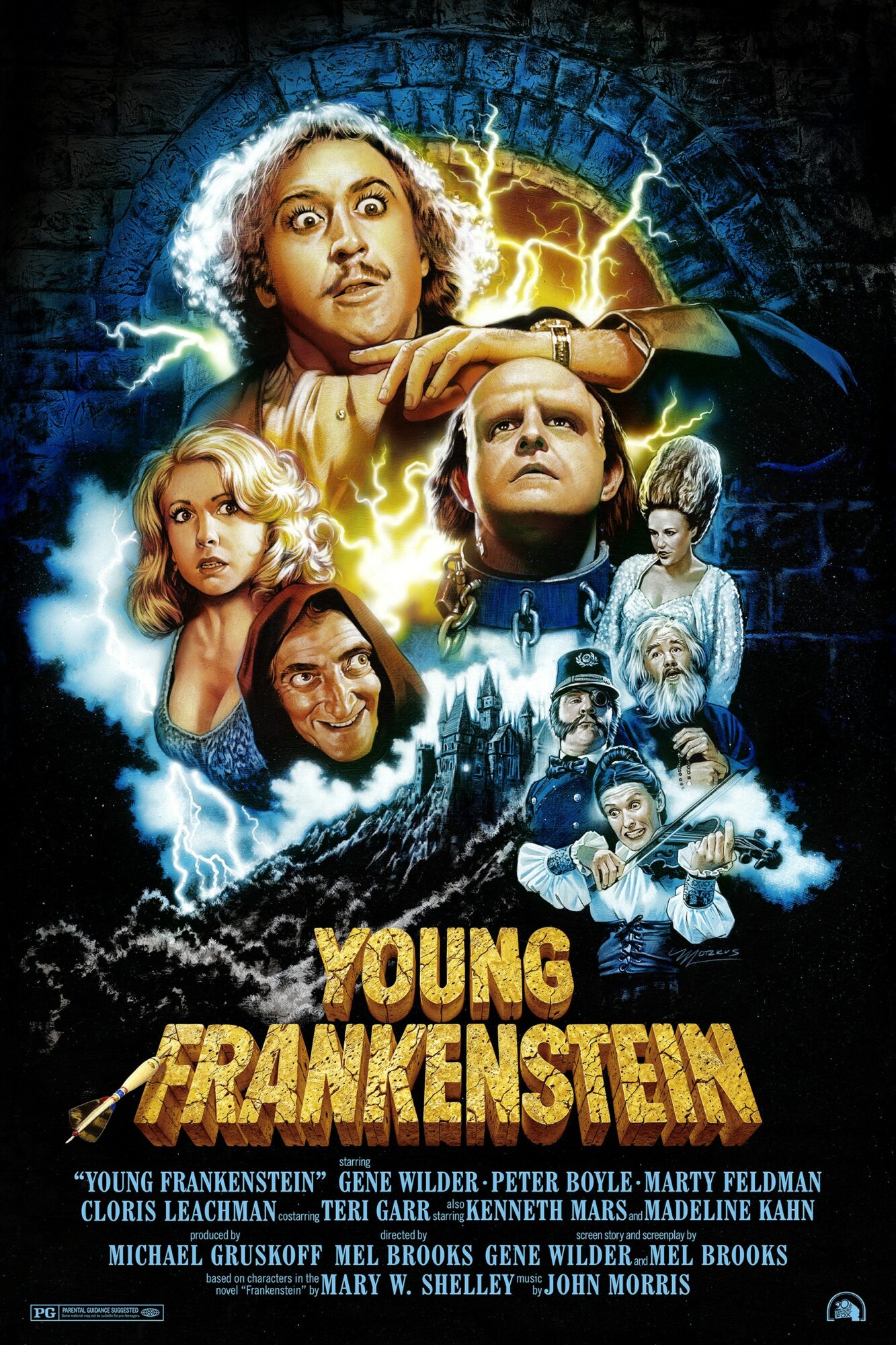



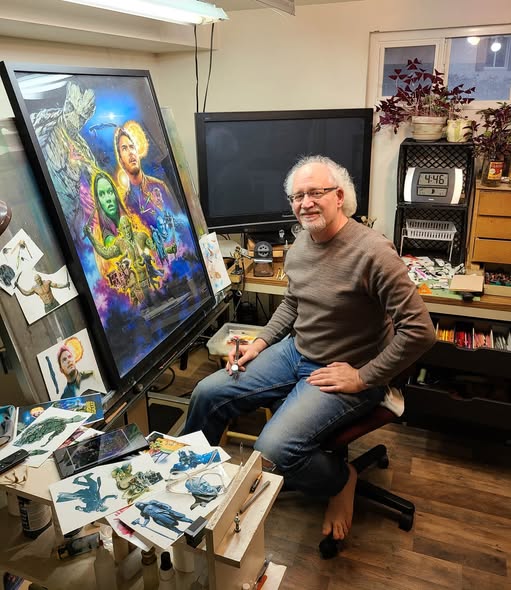
Today we’d like to introduce you to Roger Motzkus.
Hi Roger , can you start by introducing yourself? We’d love to learn more about how you got to where you are today?
I have always loved drawing from when I was a child, mostly cartoons. I had a very good High School instructor that fueled my desire to learn and gave validation. There I was exposed to various mediums of acrylic, oil and using an airbrush. The artwork I did earned a full-ride scholarship and a Bachelors in Fine Art from the University of Utah. While in college I worked as a layout and storyboard artist for television animation, which included episodes produced by Marvel, Thundercats, and Teenage Mutant Ninja Turtles. This allowed me to learn how to be professional, meet deadlines and work under an Art Director. However, I primarily liked drawing and painting people, and am most inspired by illustration where my work was the final product, not just part of a process.
After graduation, I took my portfolio to local Advertising agencies and those that used art, including publishers of book covers and magazine illustrations. Fortunately, I got enough freelance work to keep me busy. After a few years I was picked up by an Art Rep in NYC, and from there my work went national in my client base. I also started advertising my work in artist sourcebooks, and got an artist Rep in Los Angeles. I moved to Southern California, which allowed me to work in person with high profile companies and associate with other influential artists and pursue the work I wanted to do most, movie posters. I believe the best education can be through the mentorship of other artists. I sought out those like Drew Struzan and Steve Chorney, and my association with them was indispensable.
Unfortunately, by the time I got to LA, the digital transformation was well underway. Many illustrators struggled to get work, and entire art markets disappeared or became very low paying. To adapt, I moved back to Utah where it was more affordable, and I became an Adjunct Professor at a Community College. By this time, all my illustrations had become digital, but it was important to me to retain a traditional look and feel.
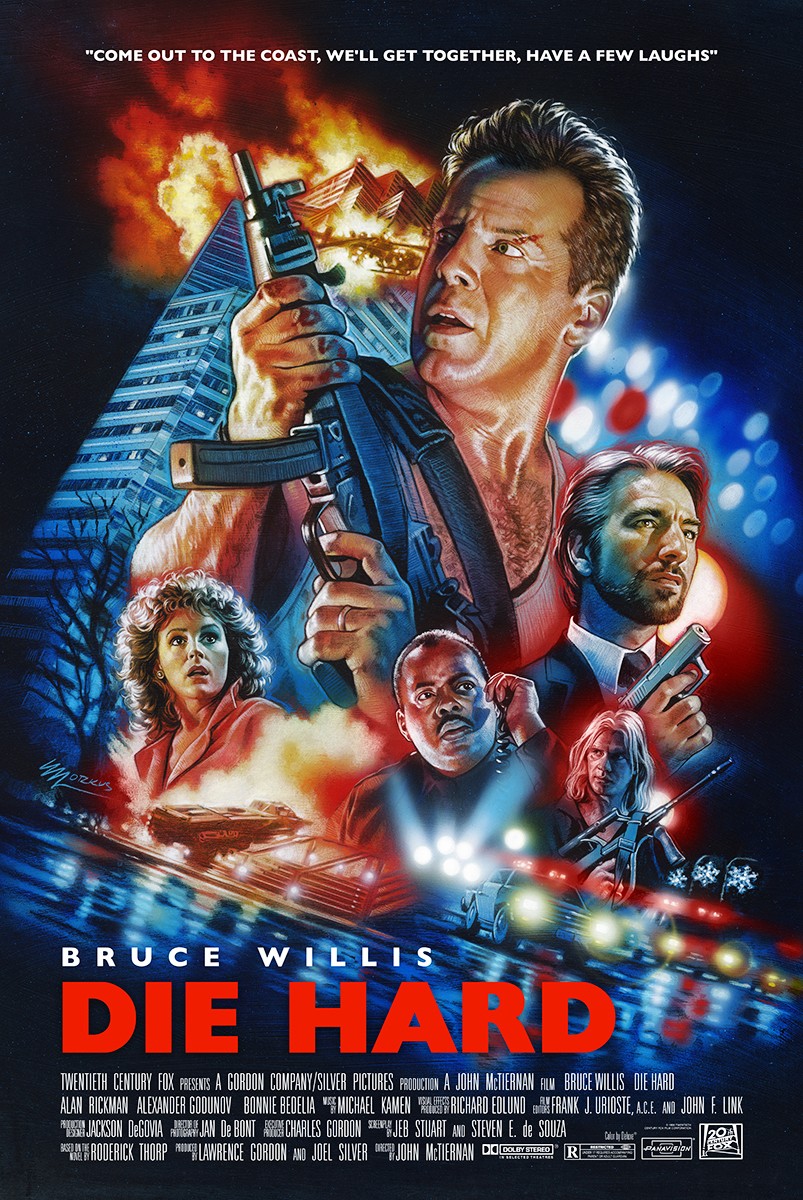
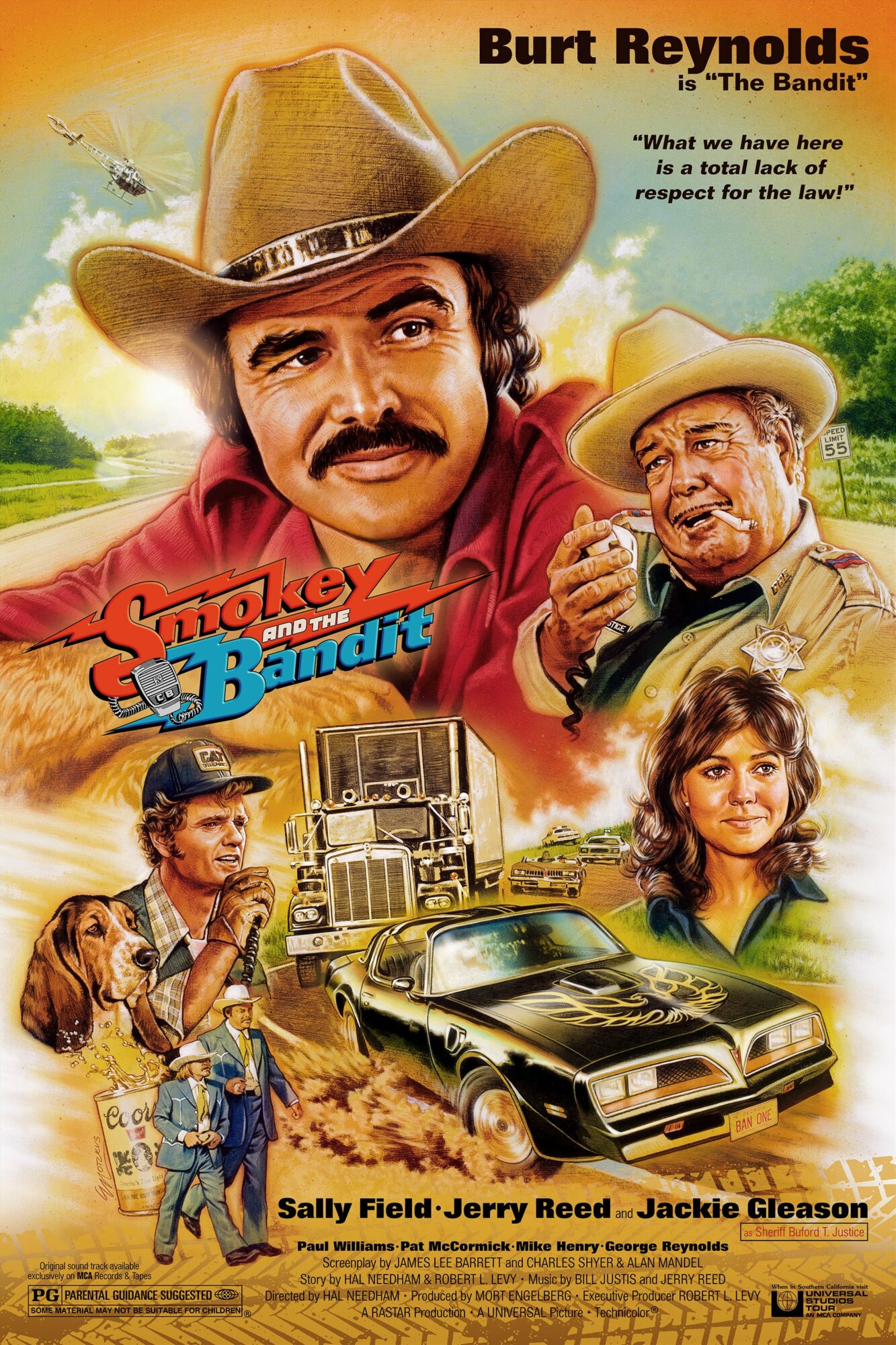
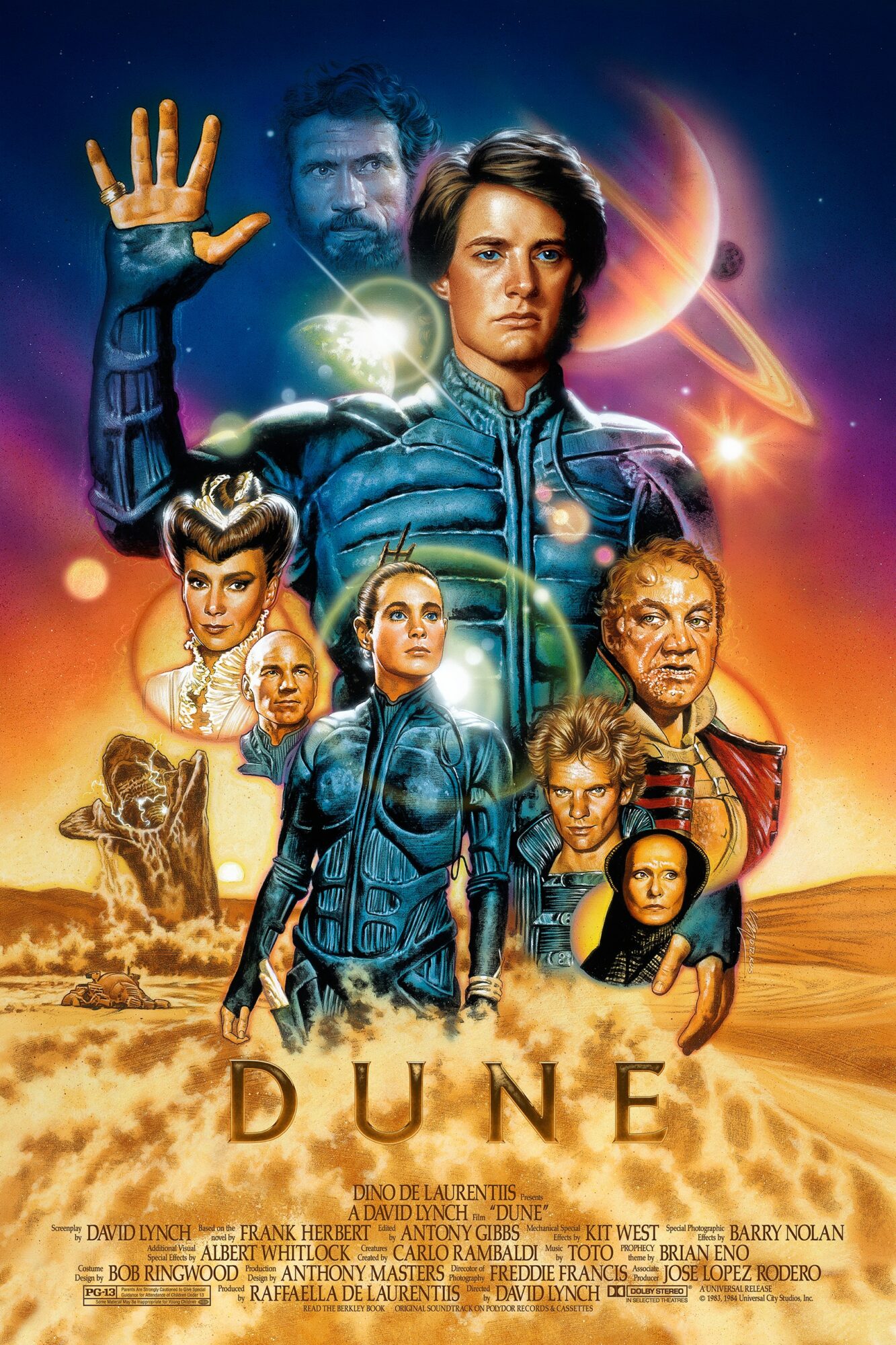
I discovered the opportunity of “Comic Cons” and the “Alternative Movie Poster” print market, where traditional artwork is celebrated. Most of my work now comes from that, and gratefully the markets of new movie posters and video game art have cycled back to wanting work that is made by hand. So, I’m doing what I set out to do so many years ago.
Can you talk to us a bit about the challenges and lessons you’ve learned along the way. Looking back would you say it’s been easy or smooth in retrospect?
Not at all smooth. While art of high quality does tend to rise to the top – with diligence and time, and some luck – art markets change and shift, as do styles and taste. The digital shift changed everything for illustrators. For artists that weren’t at the level to do freelancing, Photoshop reduced the skill needed to produce professional looking work, and that transitioned to working in-house. It was said that “Once there are enough images out there on the net, illustrators won’t be needed anymore.” Not only did “digital frankensteining” drive prices down, many skills of basic drawing a painting – that take years to develop – became a “lost art.” The very first art class I taught, I had a student ask what an eraser was.
Being a commercial artist demands adapting. And, there’s no guarantee of financial success. Fortunately, because I took the time to develop the skills and knowledge, transition from market to market was more smooth. The ability to draw and paint people, with facial expressions and tell a story, could be said to be timeless. Some transitions are one of simply changing the creation tool. In hindsight, I wished I’d have adapted to being able to produce digital work sooner!
Can you tell our readers more about what you do and what you think sets you apart from others?
I specialize in “people and products.” Those are things that ‘sell’ for an artist to build a successful career.
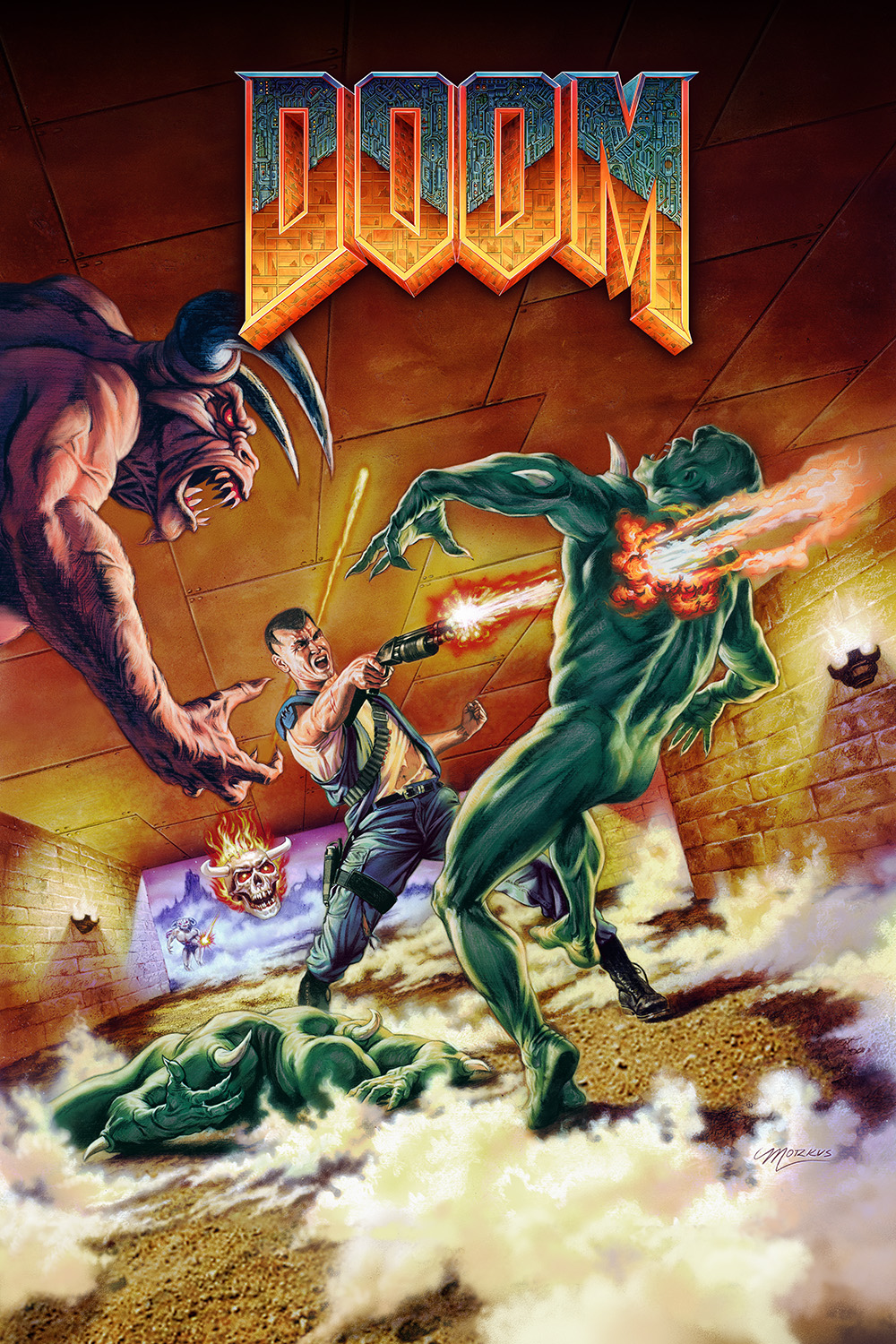
I’m perhaps best known for the artwork I did for video game box covers. I did the art for the cover of DOOM for the Playstation and Sega platforms. I also did the first “Streets of Rage” art, and many other covers. I also developed a reputation for my Young Adult book covers. My most recent recognition is for my “Alternative Movie Poster” limited edition prints, where my collector base has become international.
I’m told that what is most liked about my work is the ability to create a pleasing composition, of complexity and with attractive colors that unify or contrast – and my ability to render the human form traditionally. This ability, which includes spot-on likeness of famous people, has served me well.
Is there something surprising that you feel even people who know you might not know about?
That I’ve been referred to as a “Renaissance man.” When I do something, it do it with all my heart and soul, or not at all. I’ve developed expert level skills in music and performing. I do competitive a cappella singing at the international level and have done stadium level shows in large chorus’ and in a quartet. I’ve been a yoga instructor for over a decade, serving in studios and the prison system with a trauma sensitive certification. I could also qualify as a “master gardener.”
I don’t think of these as “many things.” It’s really just one thing, and it’s not “talent” as some suppose. I define myself by my love of learning and being a “life-long student.” As I teach my students as a professional educator “Hard work will surpass talent that doesn’t work hard – all it takes is time.” In some cases, I’m a late developer, with some things coming after the diligence of decades of effort.
Contact Info:
- Website: https://www.motzkusart.com/
- Instagram: https://www.instagram.com/rogermotzkus/
- Facebook: https://www.facebook.com/rogermotzkusart/ and the “Fans of Roger Motzkus” group: https://www.facebook.com/groups/454601649148511