

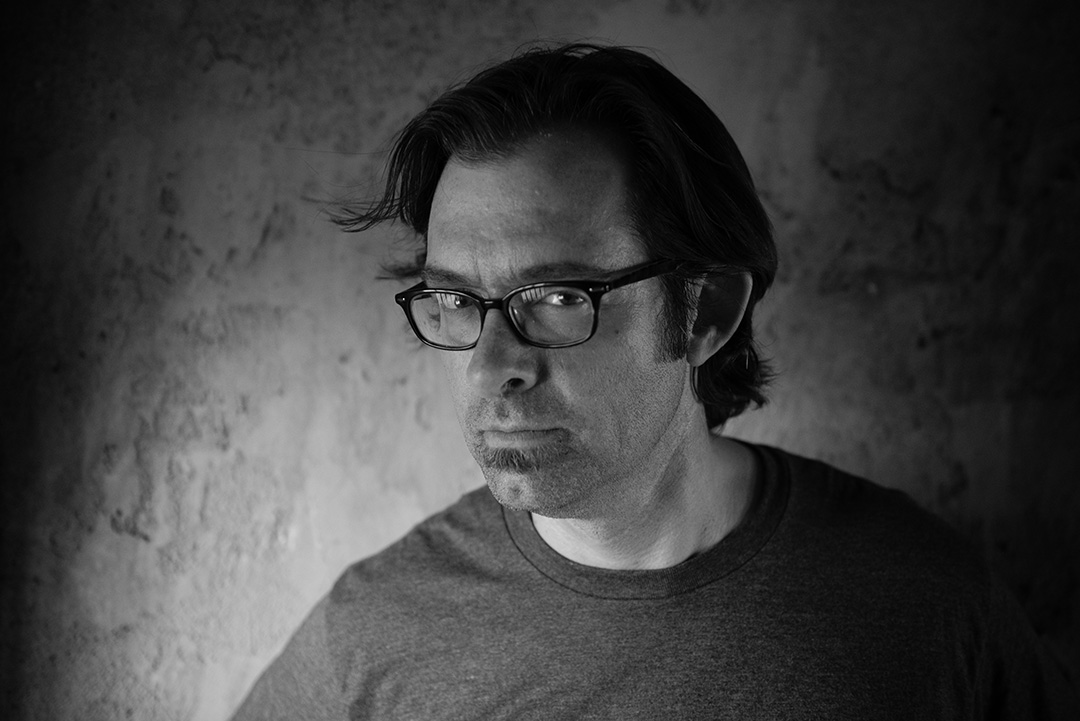
Today we’d like to introduce you to Brett Erickson.
Hi Brett, it’s an honor to have you on the platform. Thanks for taking the time to share your story with us – to start maybe you can share some of your backstory with our readers?
My mother tells a story that when I was four years old and visiting my grandmother’s house, I ran upstairs holding an open copy of National Geographic. I thrust it out and said, “This is what I want to do,” pointing to an image by Sam Abell called “The Dorymen, Newfoundland”. My mother recalls she thought I meant I wanted to go fishing—I corrected her, telling her I wanted to be a photographer. I began working for the local newspaper when I was 16. I became photo editor of my college newspaper as a freshman. Photography drove me.
Unfortunately, along the way, as it often happens for college students, other interests, distractions, and financial worries got in the way. I sold my beloved camera and lens, something I regretted immediately (and for the next few decades). But something kept drawing me back to photography. Local advertising agencies asked me to do promotional shoots. Friends asked me to photograph them (I borrowed a camera). Later, my wife’s maid of honor, another photographer, kept looking at my portfolio and gasping, saying, “Why do you fight what you do so well?” Eventually, I gave in when the opportunity came: I had finished my master’s degree in English education, but I took a job as a photography teacher on the Oregon coast. Even before school started, both the local newspapers approached me, asking if I would be a staff photographer; I accepted one offer. (After all, free film at that time was quite the temptation.) I kept up with my focus on photojournalism, and it eventually led to a freelance bureau chief position with public radio. I know radio and photojournalism don’t seem to mix, but the reality was I was the first photographer they had who could also “do radio.” This was at the same time Hastings College recruited me to fill a position as Assistant Professor of New Media, one that combined visuals, motion, and digital systems. Of course, that role encompassed a substantial degree of photography.
About the same time, Sam Abell and I connected personally through a program sponsored by Canon USA. We took a liking to each other immediately, in part due to our shared “anvil-flat horizons” in Nebraska and Ohio. Sam eventually recommended me for a position on the faculty of Santa Fe Workshops, and he had a very considered heart-to-heart with me that my images were of a caliber that deserved a book and much wider recognition. He agreed to collaborate on that book with me, one about the people and the myths of one of the great dark corners of the United States, northwest Nebraska. Another National Geographic photographer, Richard Olsenius, also agreed to collaborate on the book, and in 2013, “PlainSky, Nebraskans” was published in a limited edition. That book opened up possibilities, including Richard championing a much more involved role with National Geographic for me. However, he also gave me good counsel that were I to surrender my artistic focus to the magazine, I would lose control of my work, and thus, I rejected the possibility of that relationship. Sam championed only books and personal control, and that was the road I chose.
It was at that time that I began focusing in earnest on the idea of photographs not seen. I continued to teach at Santa Fe Photographic Workshops, and in one class had a student named George Nobechi, who became my one of my closest friends. In 2020, George asked me to be one of the 35 photographers featured on Nobechi Creative’s Evenings with the Masters; now I teach exclusively for Nobechi and work solely on my pursuit of visual philosophy, or photography that examines the ideas of mythology, memory, and belonging.
Can you talk to us a bit about the challenges and lessons you’ve learned along the way. Looking back would you say it’s been easy or smooth in retrospect?
To answer that, I would first quote my fellow photographer, Alex Webb, who likes to say, “Photography is 99.5% frustration.” There is such a litany of challenges and doubts that a photographer must face, the first and most glaring being, “Am I even good at this?” That’s not helped by the profound number of photographs that are perpetuated in our digital society. For me, self-doubt has been a demon that has stalked me my entire career. As my wife would say, “It would be easier if you made pretty pictures of flowers.” But I’m not that person. I am on a quest to understand and perpetuate my own ability to make photographs that say something about what we call the concrete universal: abstract ideas made visible and relatable. It has certainly meant that I have become accustomed to gallery rejection. What has not changed, however, is my quiet notion that somehow my photographs look different. That is what kept me going through all of the challenges.
Appreciate you sharing that. What else should we know about what you do?
I am a photographer, educator, and writer whose work examines the relationship between people and place. My background is rooted in teaching and documentary photography, but my life’s work moves beyond description toward a more conceptual and humanistic use of the medium. I am especially interested in how environments are assigned purpose and value, and how those decisions become metaphors for the ways we understand and treat one another.
I am perhaps best known for long-form photographic projects such as “PlainSky, Nebraskans”, “Rural Rodeo”, “A Giant Thirst”, and “New Voluminographics”. The latter uses architecture, landscape, light, and constructed space to explore a kind of human geography: why certain places are protected, celebrated, or allowed to define themselves, while others are neglected or rendered peripheral. Although the photographs may initially resemble landscapes or studies of the built environment, their central subject is human worth and belonging. My newest work, “The Places That Name Themselves”, expands this idea into the conflict between language, landscape, and labeling.
My professional life has included work connected to academia, national media, teaching at the Santa Fe Photographic Workshops, and my current role as a Nobechi Creative Master. Teaching and mentoring photographers internationally have become inseparable from my own creative practice. Helping other photographers recognize and develop an authentic visual voice is one of the most meaningful things I do.
I am pleased that the work has continued to evolve rather than settle into a recognizable formula. Both “A Giant Thirst” and “New Voluminographics” were selected for Photolucida’s Critical Mass Top 200 (that was certainly rewarding and humbling), but I am most proud of having developed a photographic language that feels distinctly my own—one that can be visually compelling while also carrying ethical, philosophical, and emotional weight.
What sets me apart may be the combination of observation, conceptual structure, and patience that I bring to the work. I do not photograph places merely because they are beautiful, unusual, or historically significant. I photograph them because they reveal something about human behavior. I want the image to operate on several levels at once: as a specific place, as a carefully constructed visual experience, and as a parable about identity, hierarchy, vulnerability, or belonging.
In terms of your work and the industry, what are some of the changes you are expecting to see over the next five to ten years?
Like many forms of human endeavors, AI will change photography in ways we cannot imagine. Obviously, I don’t know what that looks like, either, but I know that my own creative voice is not one I have seen as “AI threatened.” I have great hope for the future of fine art photography; a cultural revolution is underway, considering the fundamental differences between AI imagery and high-level human creation. Where it will go is unseen, but I do know that AI cannot take my own voice and style.
Contact Info:
- Website: https://brettlerickson.com
- Instagram: brett.l.erickson
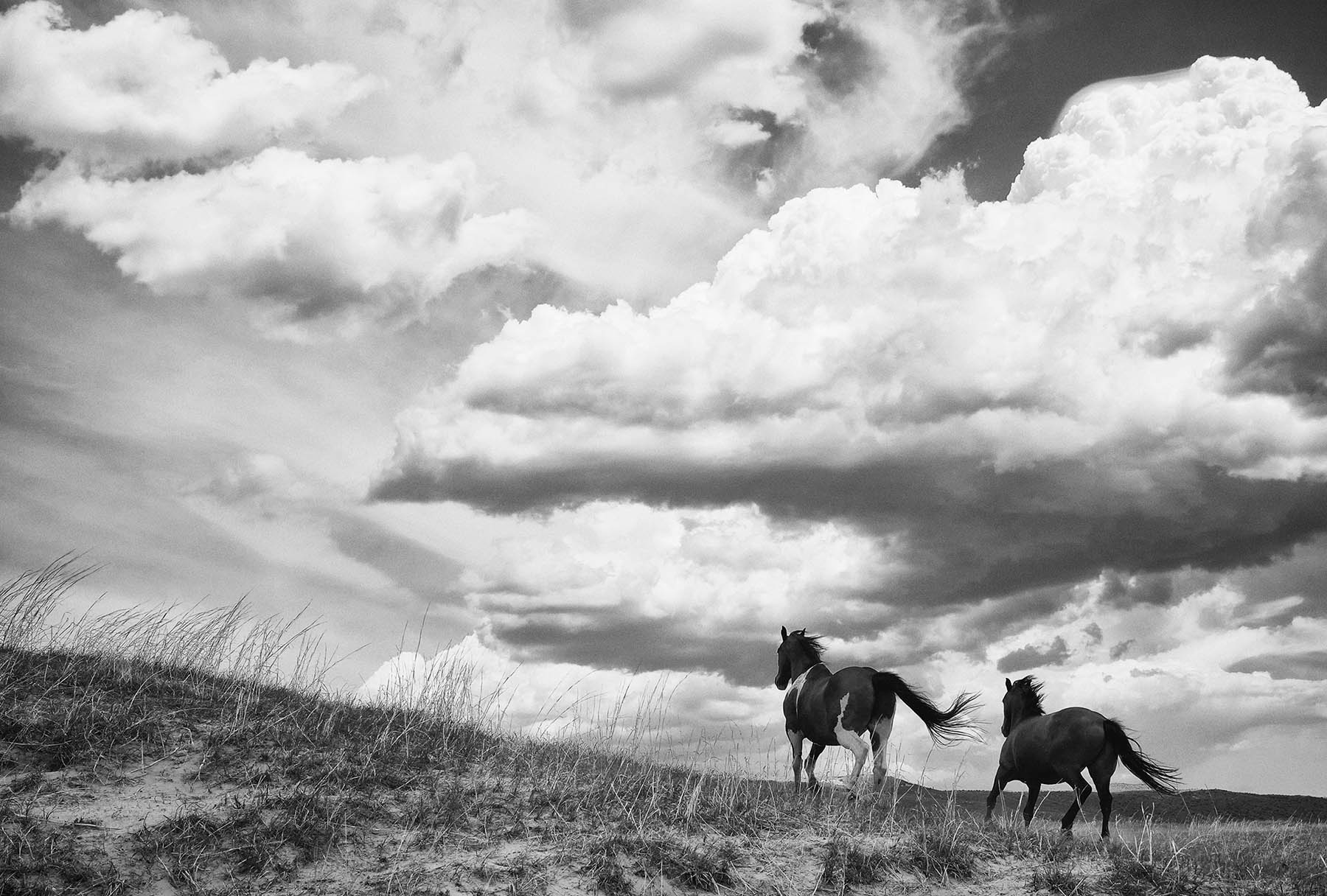
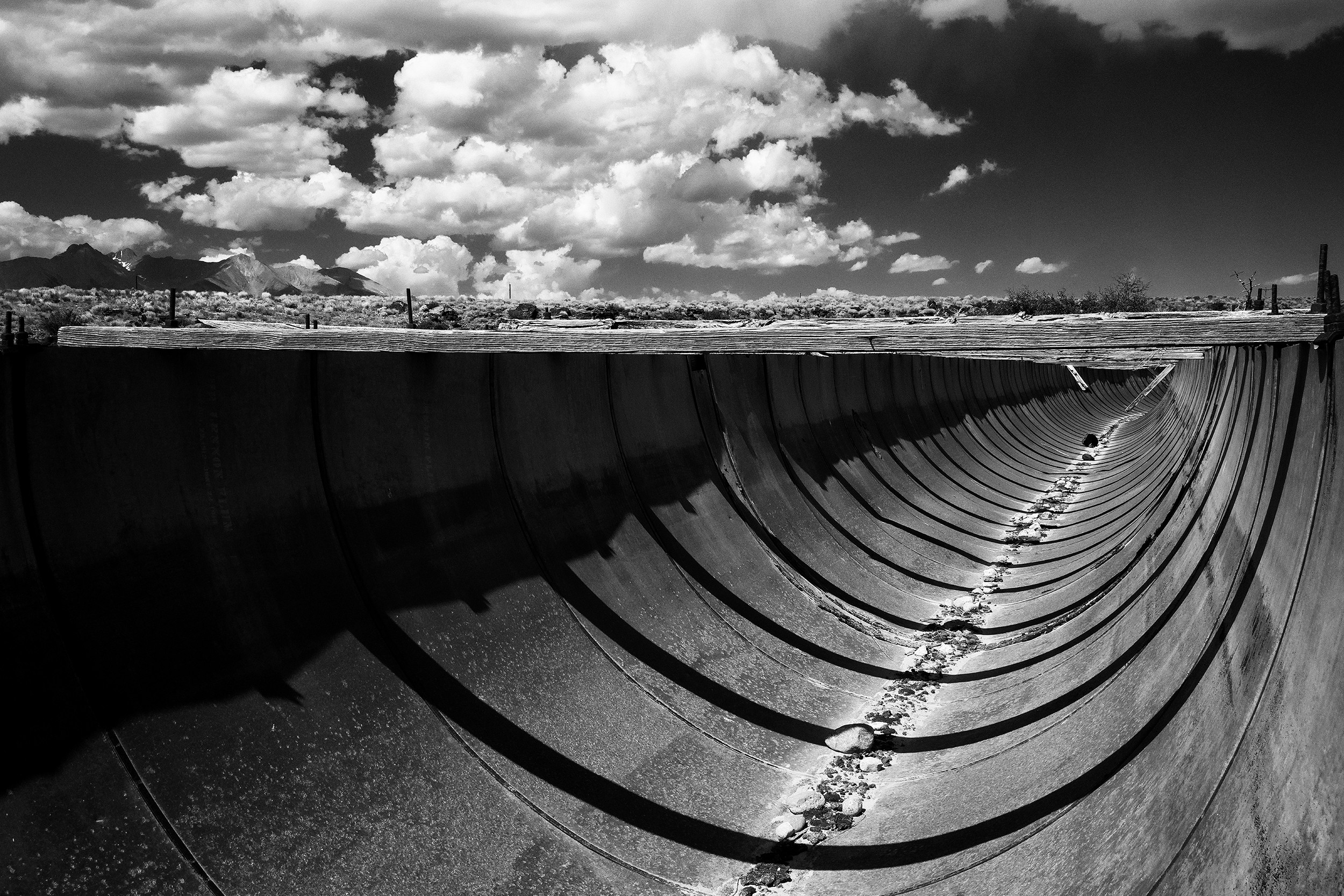
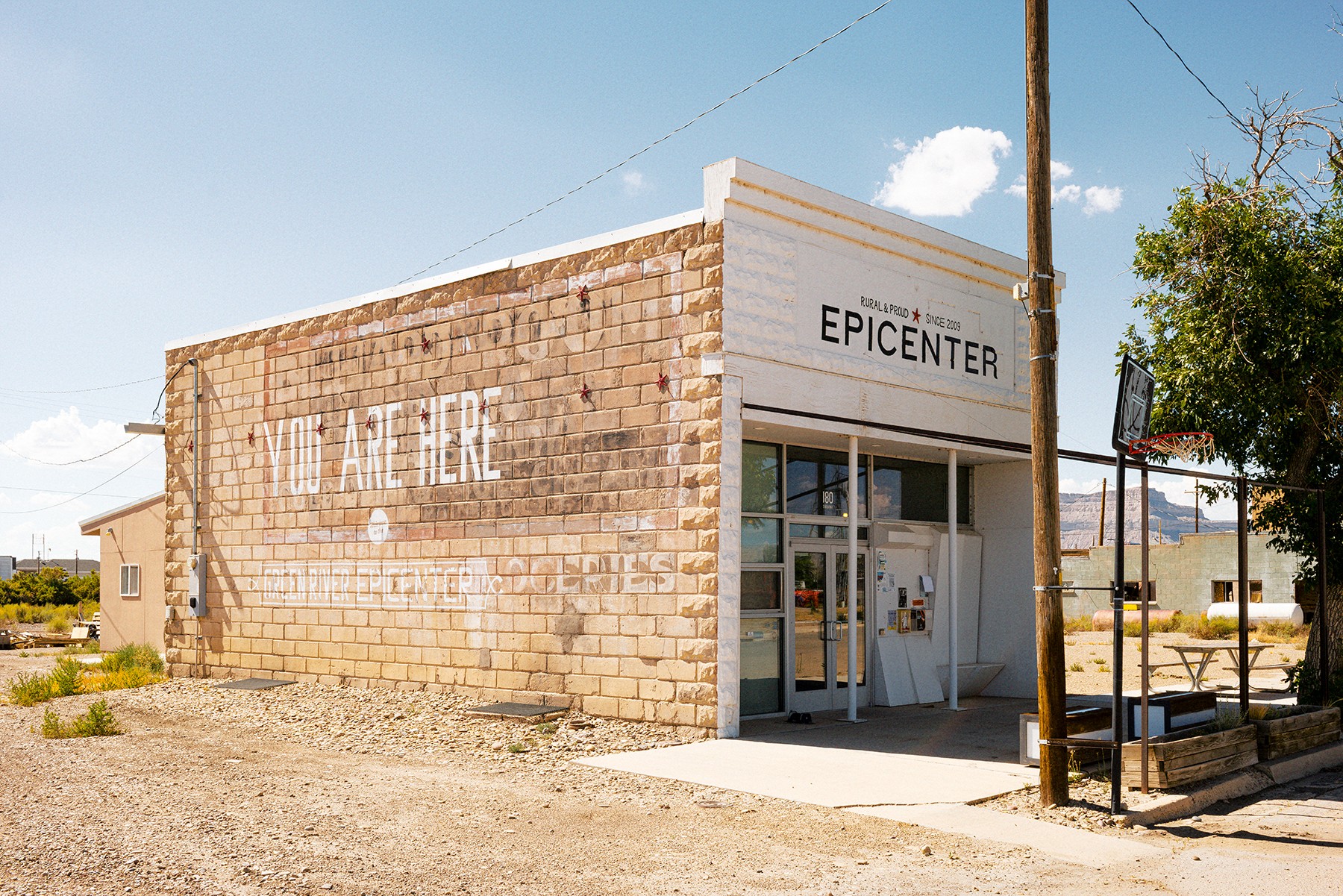
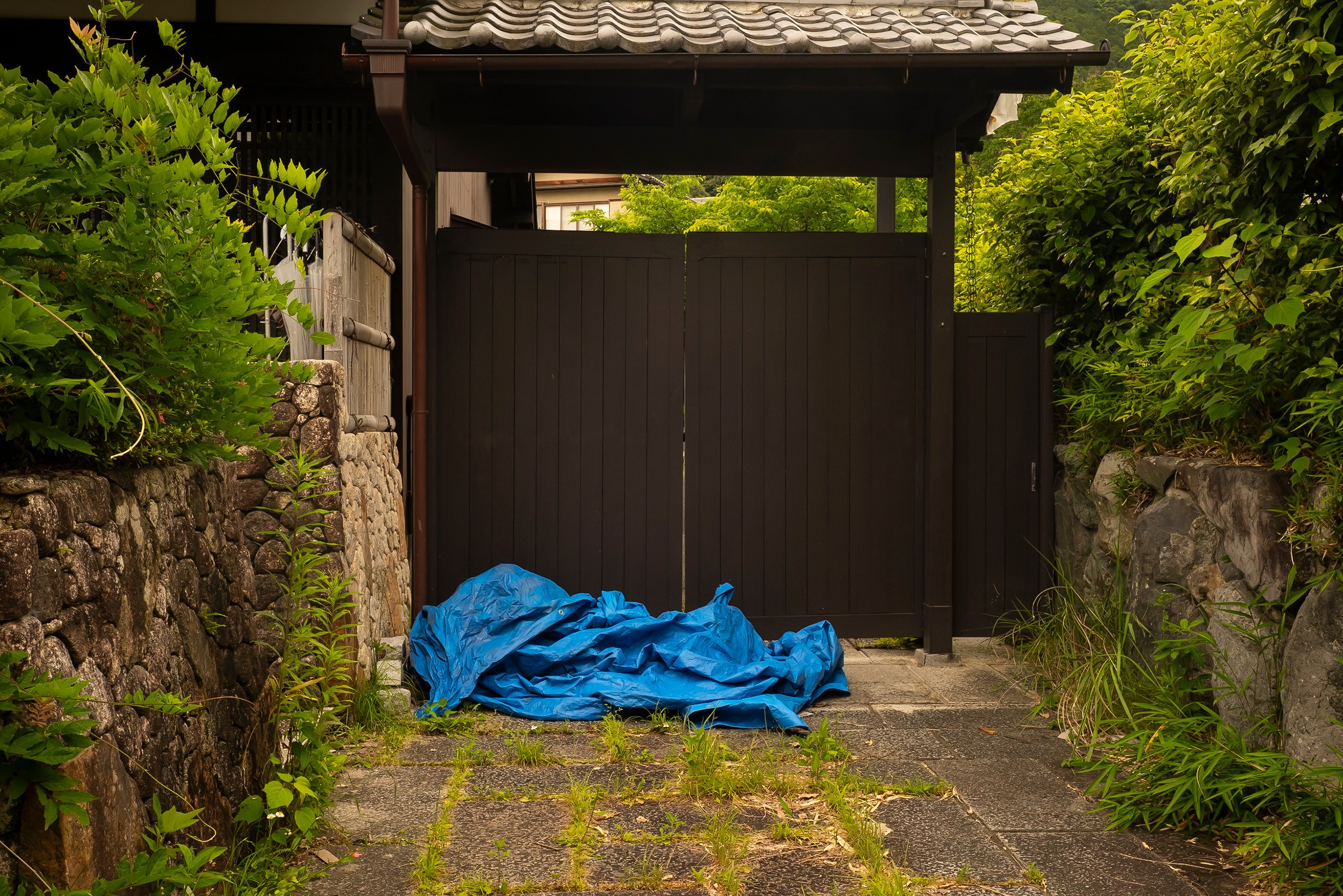
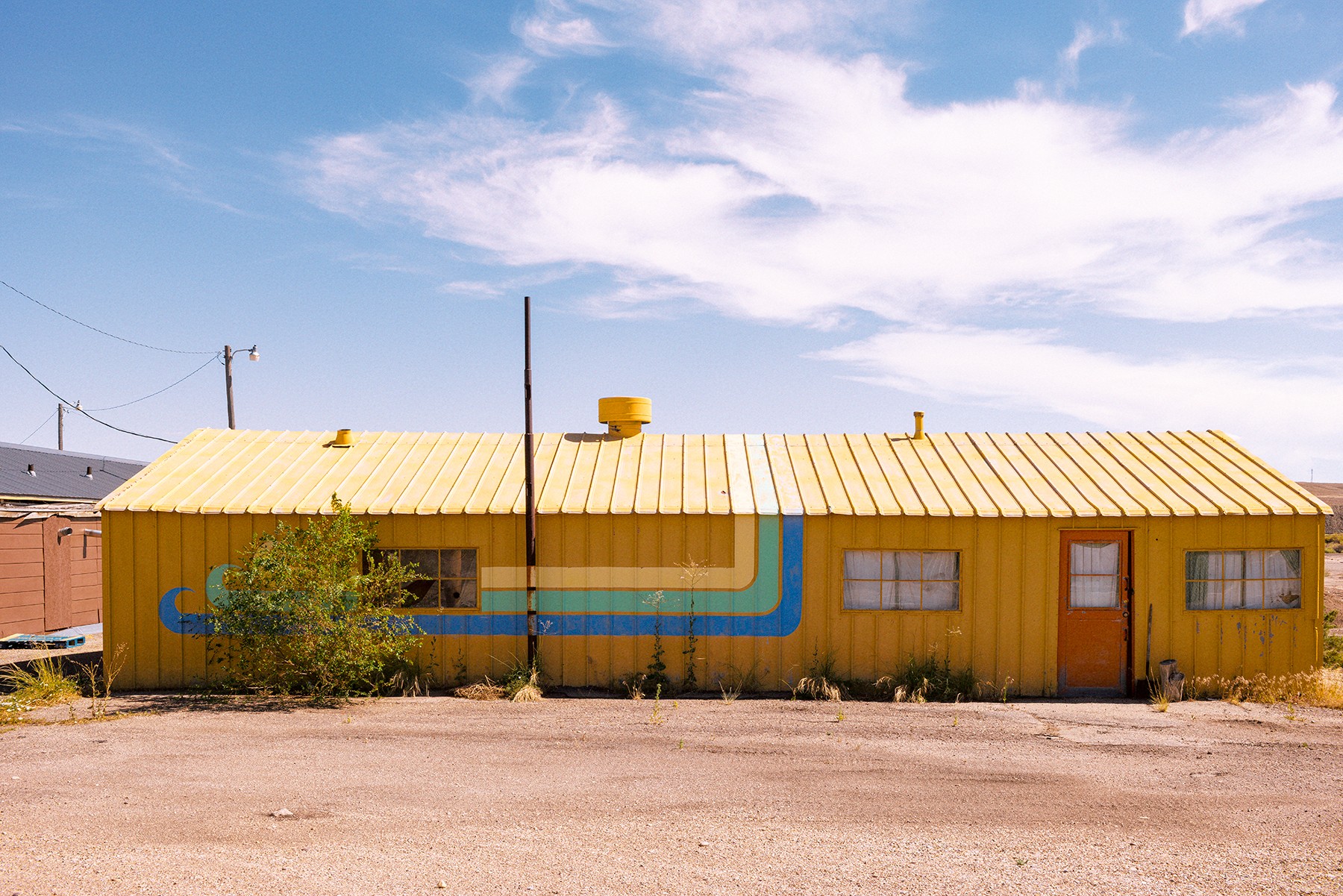
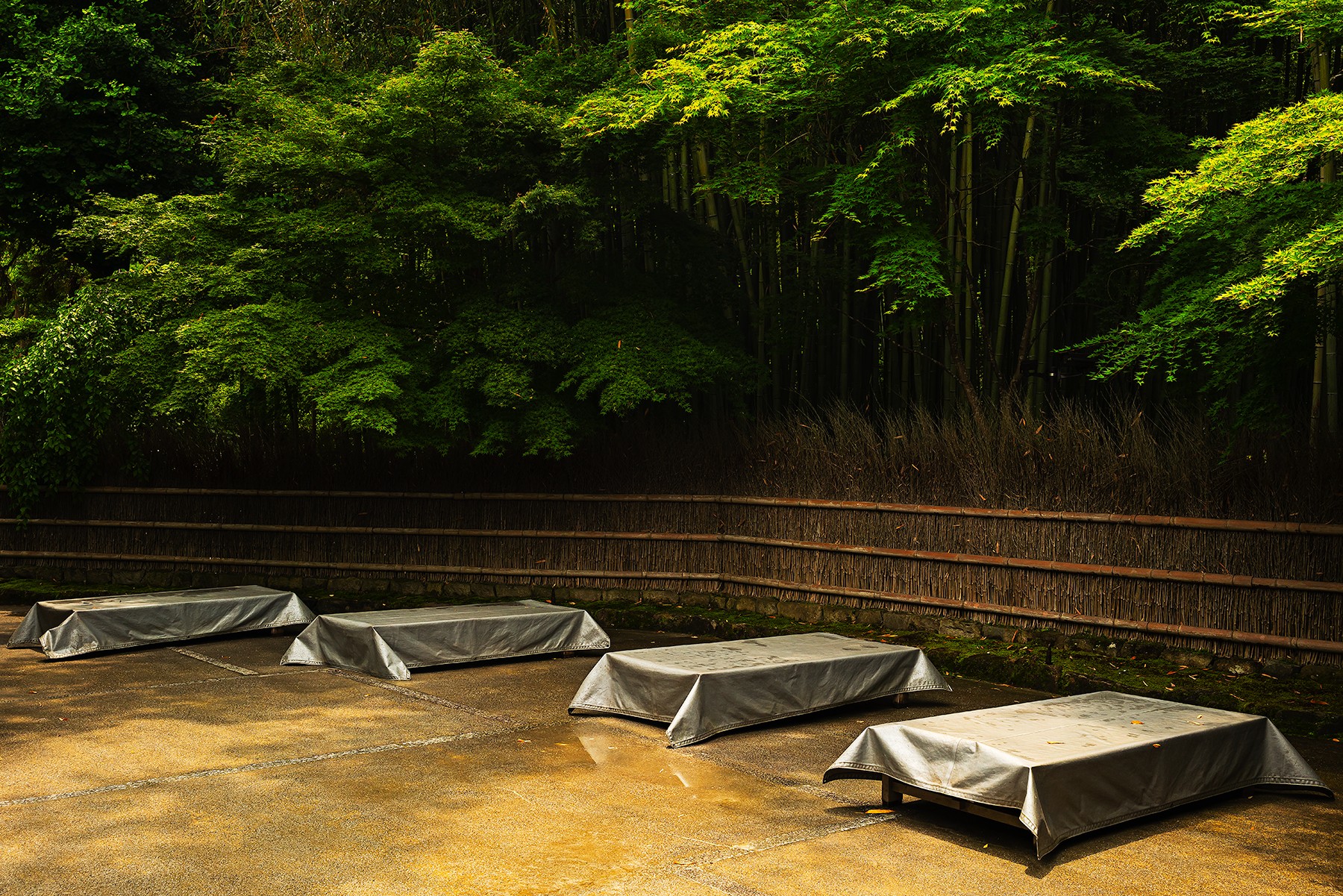
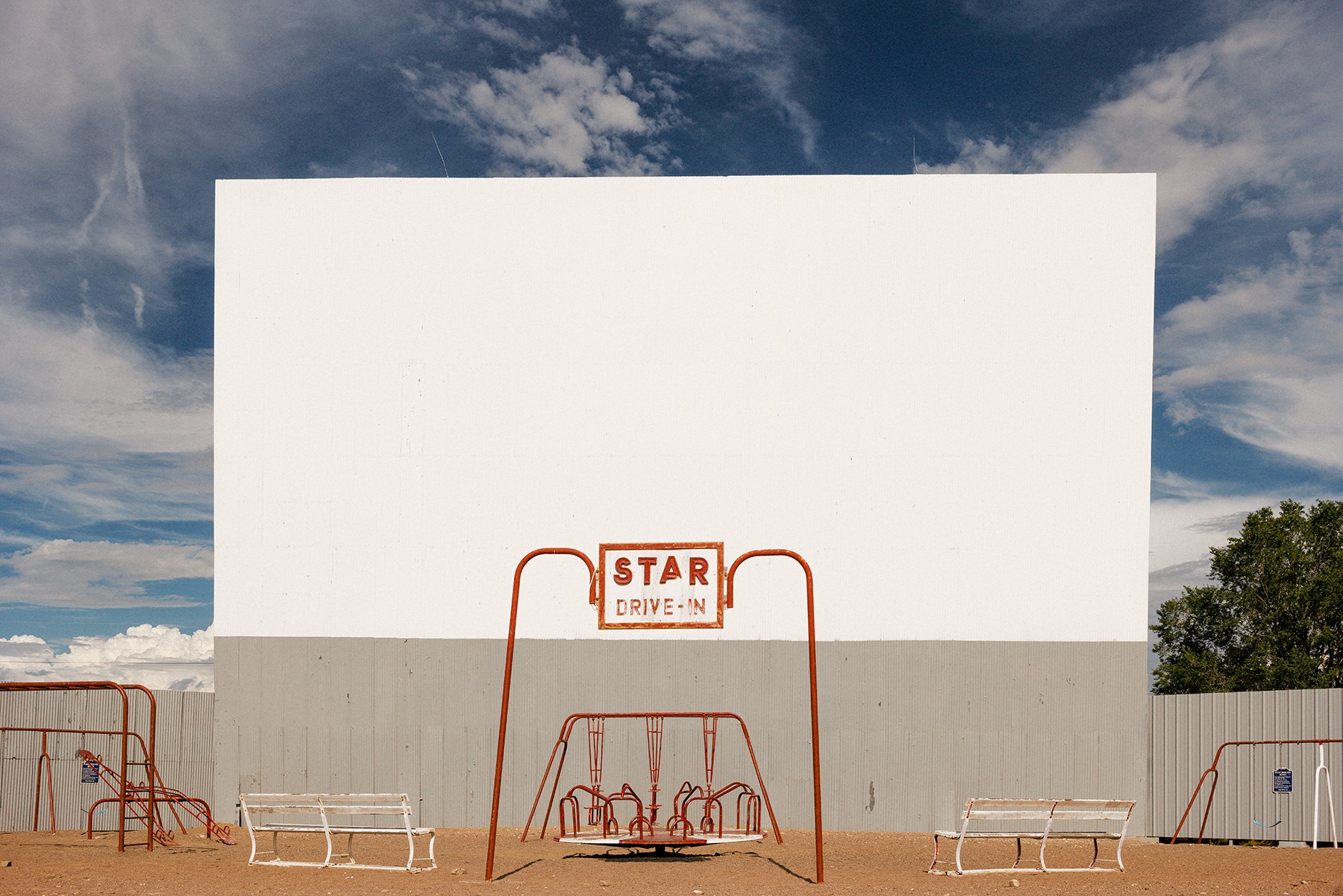
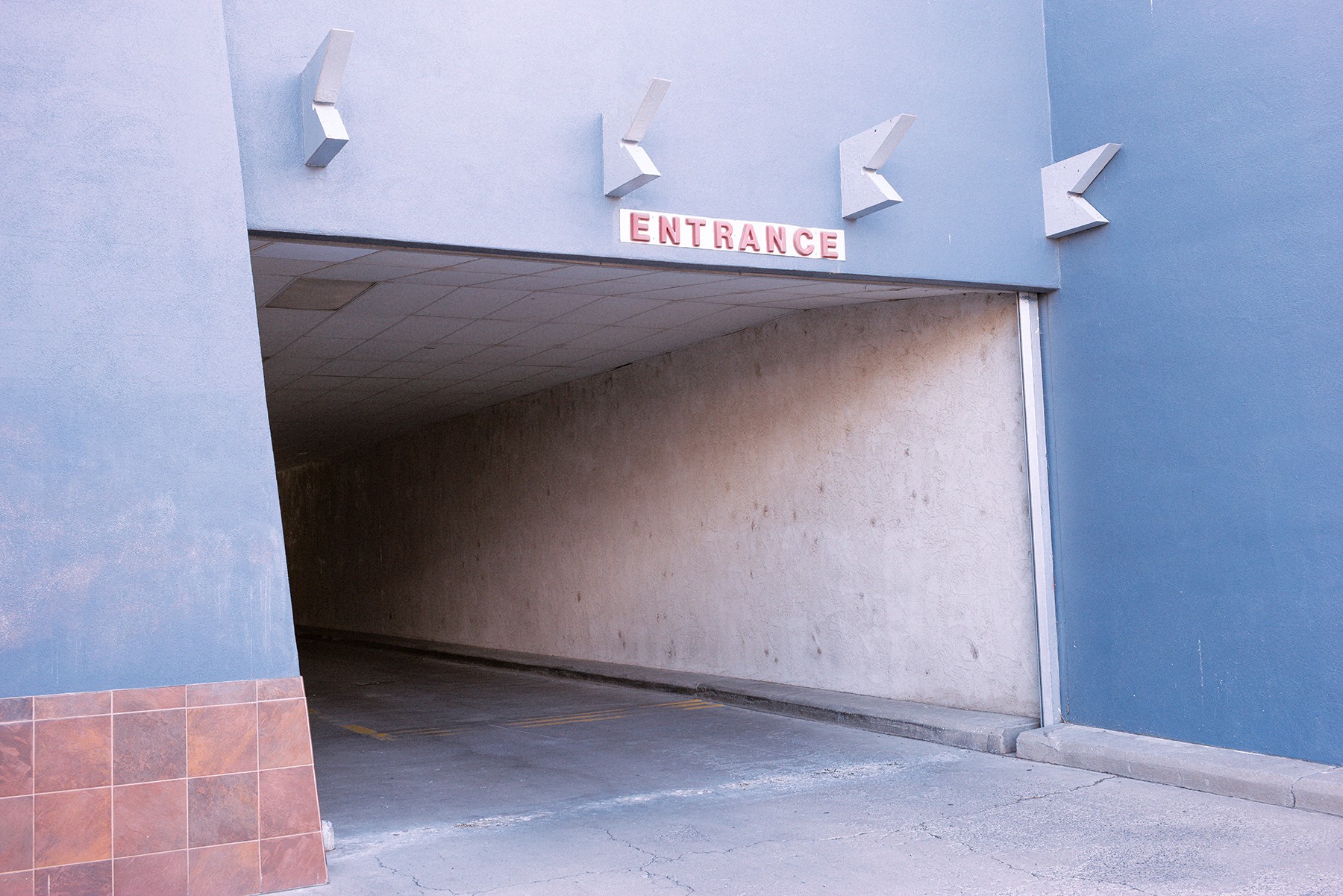
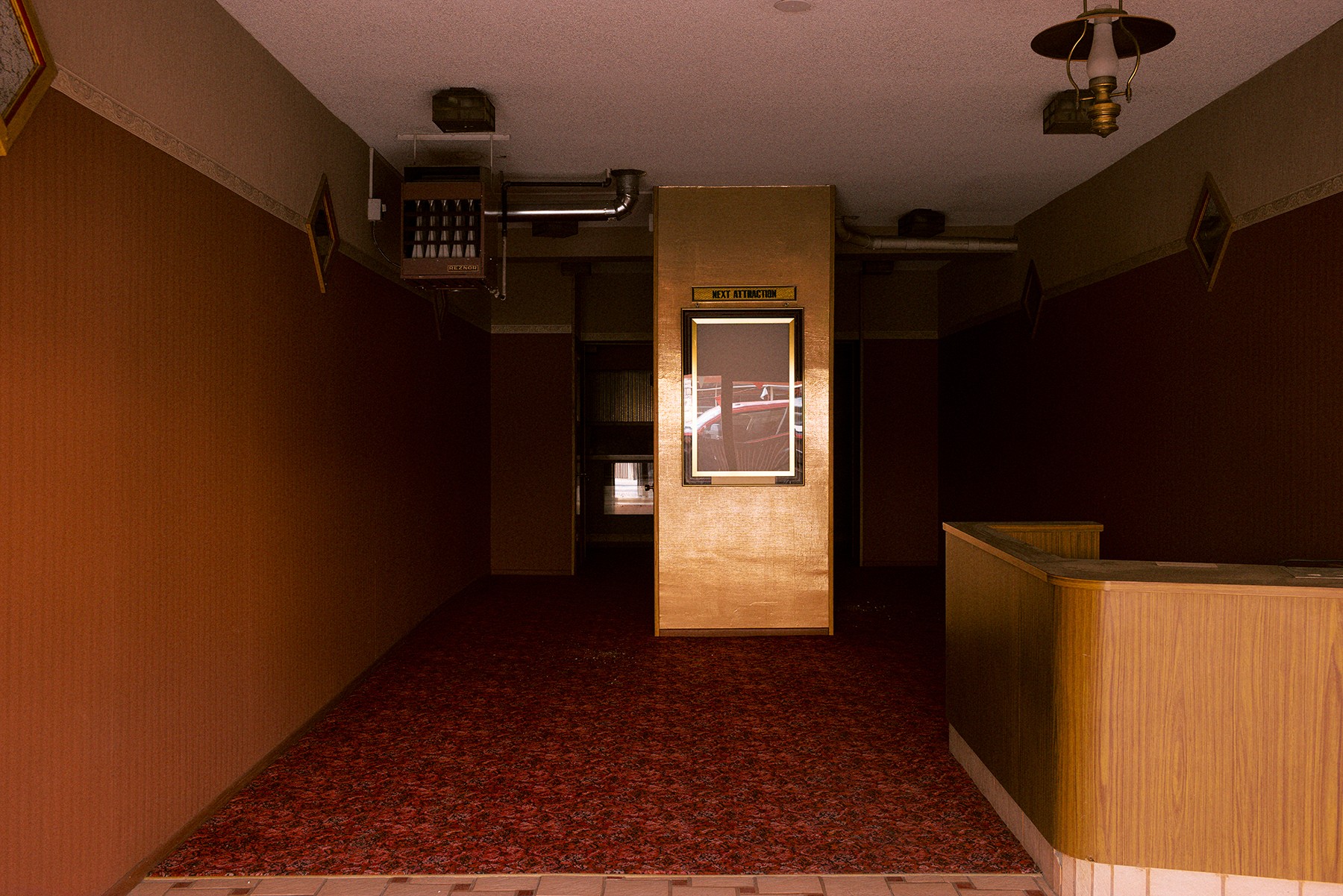
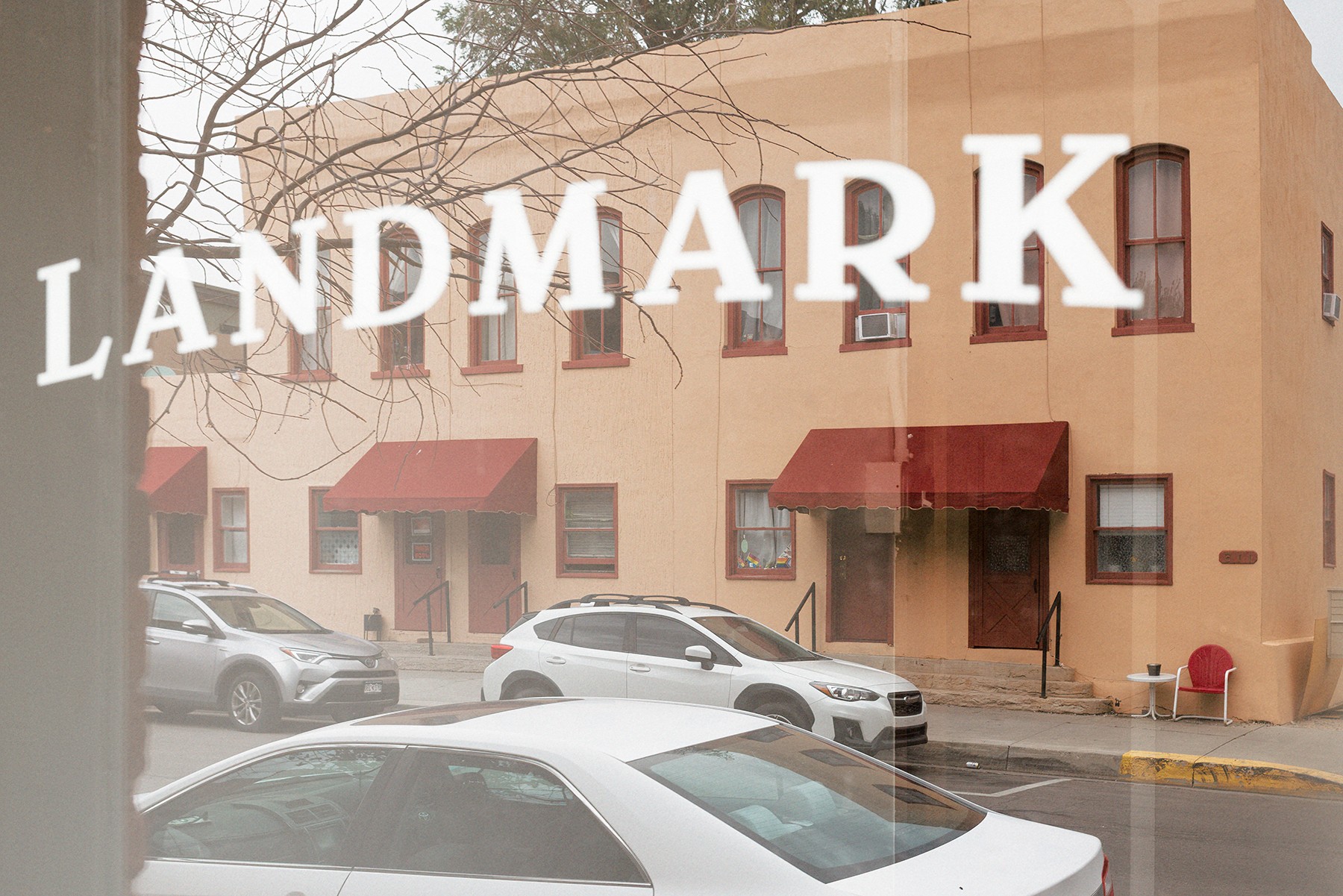
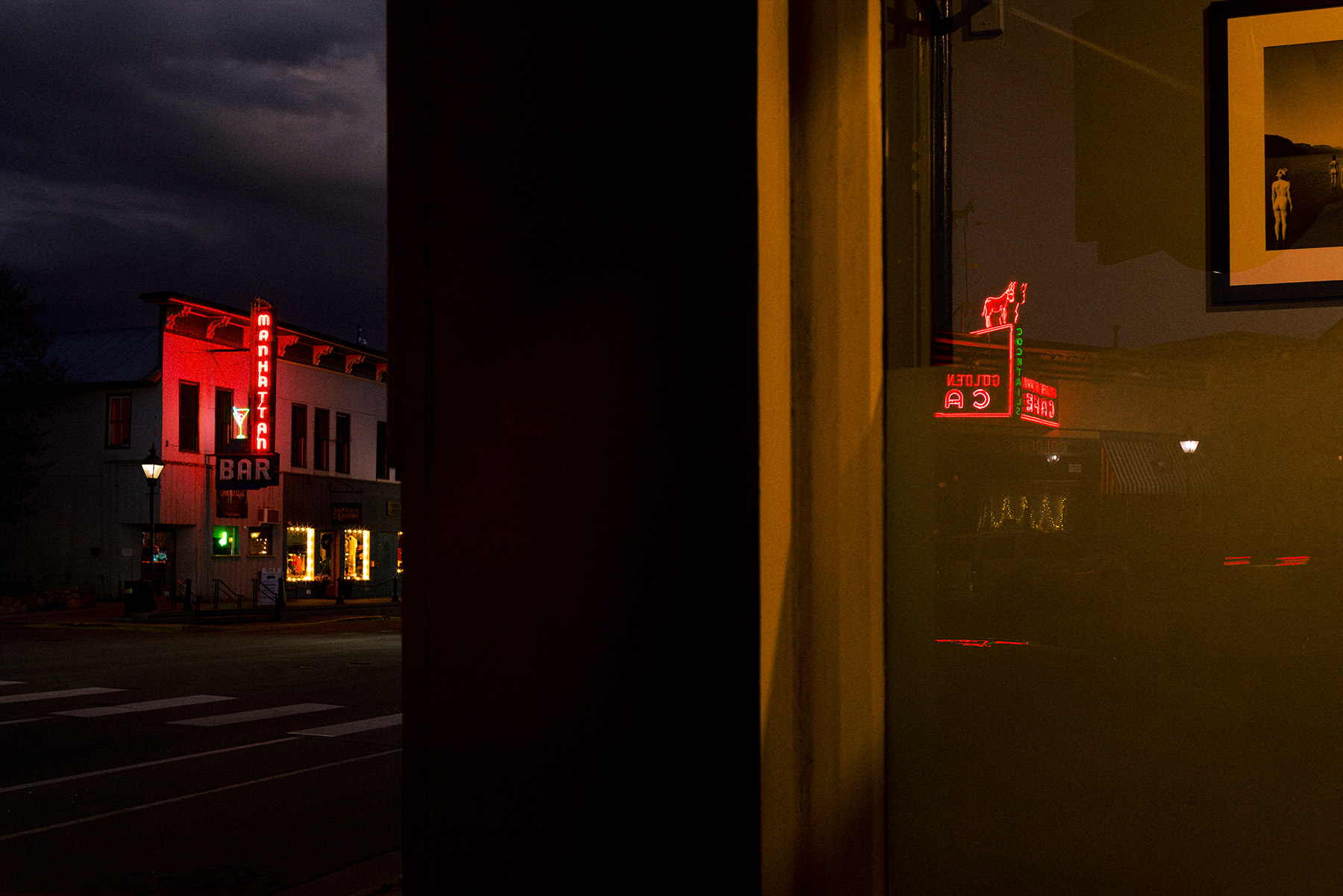
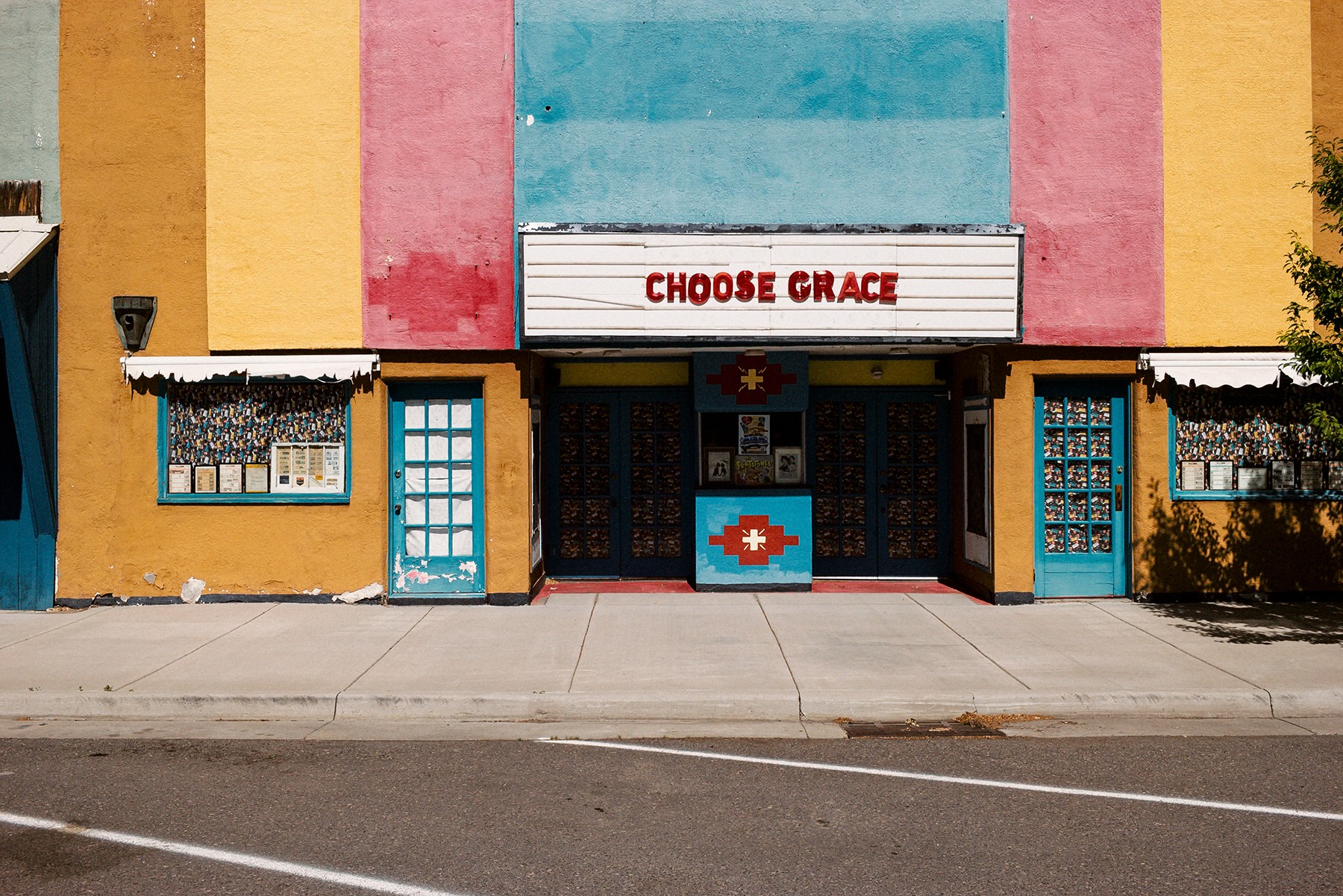
Image Credits
Portrait: Lisa Cates; all others, Brett L. Erickson