


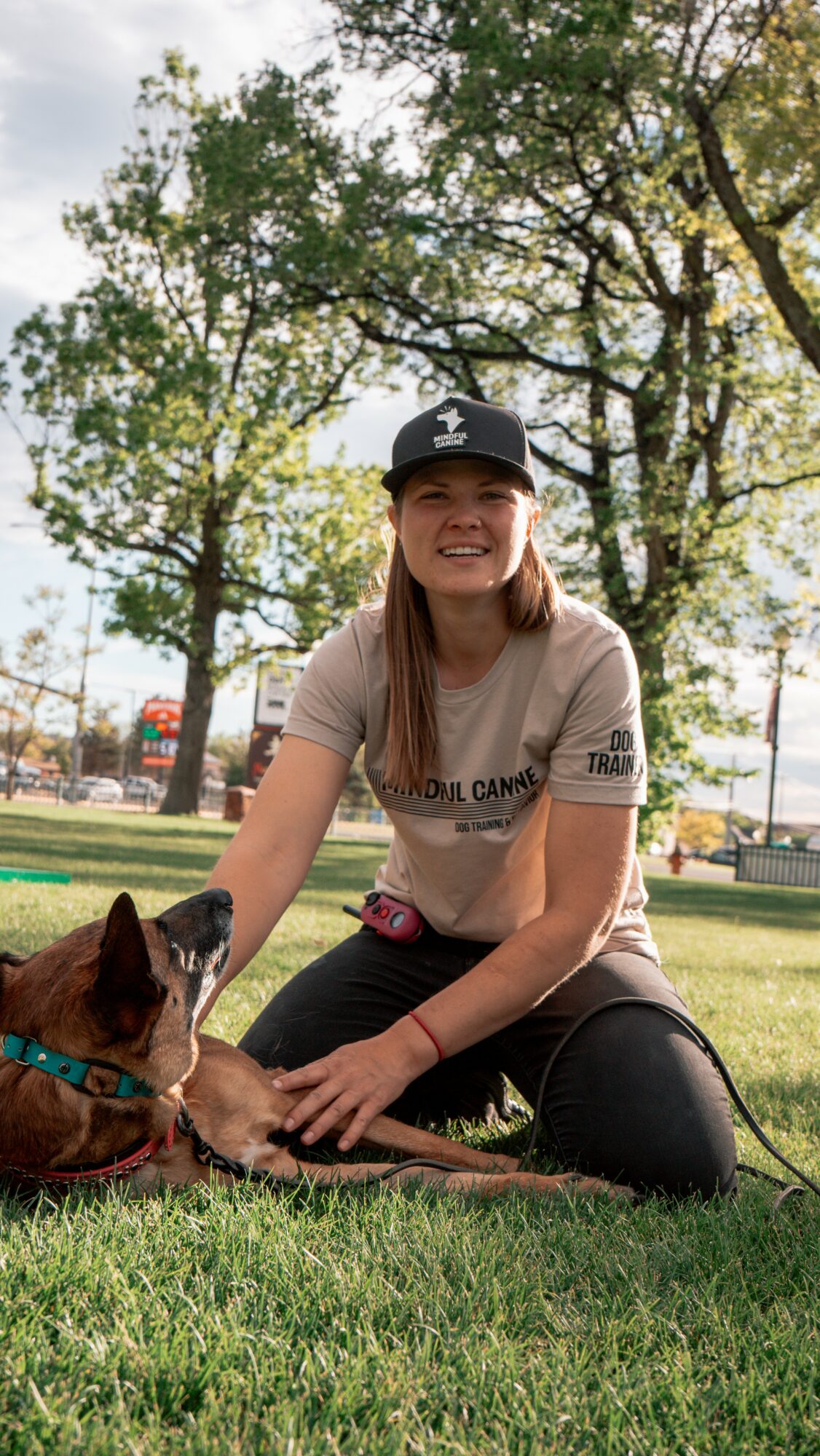
Today we’d like to introduce you to Brandi Nielsen.
Hi Brandi, we’d love for you to start by introducing yourself.
I feel like a lot of people grow up with a pretty good sense of what they want to be, but that was never me. As a kid, I was constantly reinventing myself—teacher, lawyer, artist, dancer, therapist, inventor. My favorite games, though, usually involved being some kind of merchant. My brother and I would sell and trade unwanted toys, and I was always looking for an excuse to set up a lemonade stand near the soccer games down the street.
As I got older, choosing one direction didn’t get any easier. I was a strong student and earned a full-ride scholarship to Southern Utah University for theater and performance, but once I got there, it no longer felt like the right path. I moved into Secondary Education with an English focus, then realized pretty quickly that the bureaucracy of public education wasn’t a good fit for me either. Eventually, I just graduated Magna Cum Laude to check the box in Creative Writing with absolutely no minor.
But then, like a lot of people, I never did anything with my BA.
Right after college, I took a part-time cashier job at a local pet supply store. It was supposed to keep me afloat while I figured out what I was actually going to do with my life. At the time, I was obsessed with aquariums—particularly betta fish—and thought working somewhere that sold fish sounded fun.
I ended up staying for eight years.
I worked my way into management and spent six years as the general store manager. I learned an enormous amount about leadership, business, animal nutrition, customer relationships, and eventually, what kind of working life I did—and did not—want for myself.
The COVID years changed something in me. Between supply-chain problems, managing young employees through a crisis, and the increasing weight of working as a tiny cog inside a large corporate system, I could feel myself becoming someone I didn’t want to be- I felt like a shell of a person. I had met the longtime retail veterans at company conferences. Almost every single one seemed exhausted, pessimistic and resigned to spending their lives counting down the hours until the next smoke break- soulless, in a way.
Then one particularly bad day, I walked outside and asked an employee if I could bum a cigarette.
I didn’t even smoke.
Sitting there with that borrowed cigarette, I had this incredibly clear realization: I have to leave. Now.
So I did. No carefully constructed exit plan. No two weeks of talking myself out of it. I called my boss, turned my keys over to my assistant manager, packed up my things, and walked away from the “career” I had spent eight years building.
It was devastating because I genuinely loved that job. I had simply reached the point where it wasn’t right for me anymore.
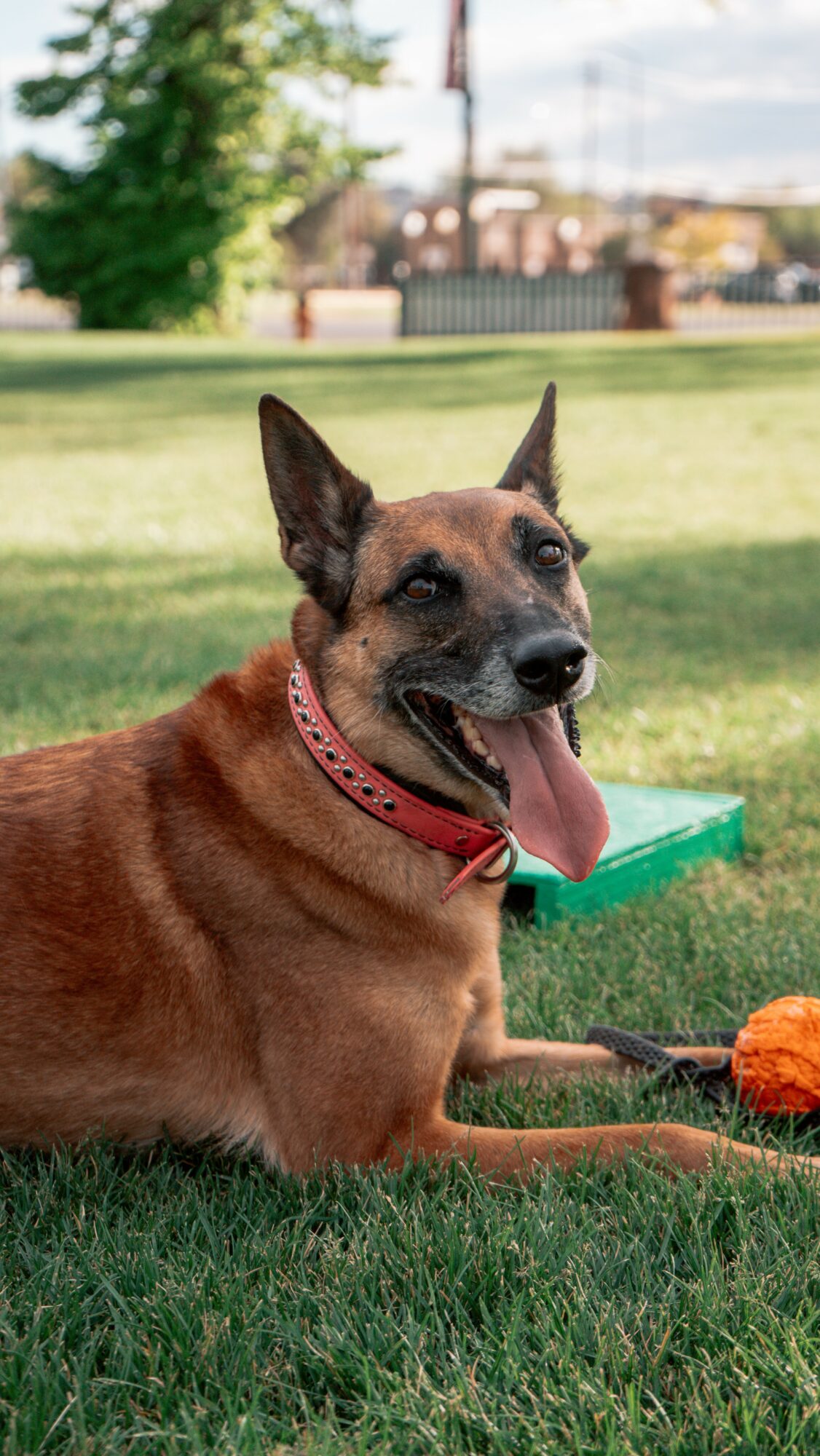
By then, during my final years at the store, I had become fascinated with dog training and behavior. I launched and managed the store’s first basic obedience program, and I had adopted my first dog as an adult, Boo, whose serious behavioral challenges forced me to learn far beyond basic obedience. Working through those problems with him turned dog training from an interest into something I couldn’t stop thinking about. I started fantasizing about becoming a professional trainer someday- which turned out to be the next morning.
Less than 24 hours after leaving my steady corporate job with benefits, I was walking my dog Boo around my neighborhood when a neighbor I’d lived near for years spoke to me for the very first time.
“Are you a dog trainer?”
Without even thinking about it, I said, “Yep! I am a dog trainer.”
And that was that.
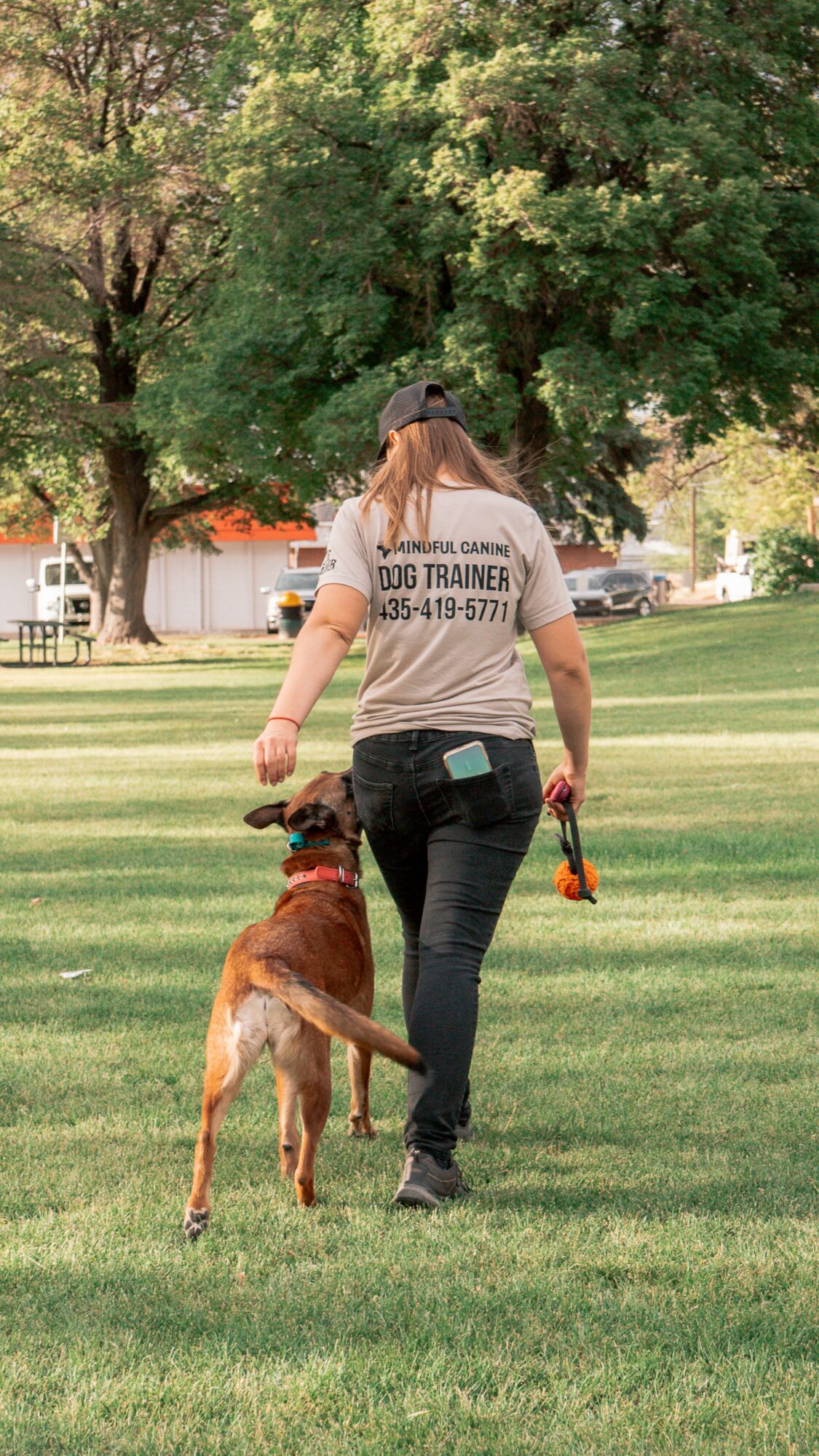
I began building Mindful Canine with my then-business partner, Emmah Ort, with very little certainty about what would happen next and a whole lot of faith and grit.
Looking back, I don’t think my path was as directionless as it felt while I was living it. The kid playing store, the performer, the writer, the would-be teacher, the therapist of sorts, the animal-obsessed cashier, the manager, and the person fascinated by behavior all ended up here. I didn’t choose one of those versions of myself and abandon the others. I just built a career that needed all of them.
Can you talk to us a bit about the challenges and lessons you’ve learned along the way. Looking back would you say it’s been easy or smooth in retrospect?
I think if you go into entrepreneurship expecting anything other than copious amounts of blood, sweat and tears, you’re in for a serious wake-up call. In my case, there has been plenty of literal blood, sweat and tears.
Business ownership takes everything you’ve got sometimes, and more often than not, it asks things of you that you don’t even have yet. When I started my training business, the only dog I had ever really trained was my own dog, Boo. My strengths were in management, so suddenly becoming a content creator, accountant, salesperson, marketing specialist, website builder and dog trainer all at once was a massive learning curve. I was essentially teaching myself how to do the job while already being responsible for getting results and generating income.
In the beginning, I worked a second job on a local farm, usually starting my days around 4:00 a.m. and not stopping until I finally went to sleep around 11pm. I cleaned Airbnbs, washed thousands of dishes, baked more loaves of bread than I can count, and worked 60–70 hour weeks until my business could sustain me. Since then, I’ve kept it moving through a divorce, the end of a business partnership, friendships gained and lost, and all the loneliness and uncertainty that can come with building something of your own. The business still has needs when your personal life falls apart. Clients are depending on you, dogs need you, bills still come—you just keep moving.
But two experiences fundamentally shaped the trainer I became.
One of the first dogs I trained was a high-drive dog named King. At the time, I was committed to training him in a way that my education and credentials told me was right, but it was labor-intensive and ultimately wasn’t practical for his family. One day King escaped, got into a flock of sheep, and was shot by the farmer after injuring and killing several of them. I was devastated. I asked his family if I could keep his collar, and I still keep it on my nightstand today. King taught me that being theoretically correct isn’t enough. Training has to actually work in the real life that dog and family are living, because sometimes the consequences when it doesn’t are enormous.
Not long after my divorce, I was mauled by a dog. I wasn’t even working that day—I was an innocent bystander in a complicated situation that went terribly wrong. I ended up with around 30 stitches, internal muscle damage and severe bruising across the entire left side of my body. I was lucky to be alive.
That experience tested my love of dogs in a way nothing else ever has. For a while, even my own dogs could make me flinch. I remember sitting alone in my dark living room the next day, physically wrecked and terrified, knowing I was at a turning point: this was either going to make my career or break it. Ten days later, when my stitches came out, I put on long sleeves and pants in the middle of summer and went back to work.
Recovering mentally took much longer. I had to rebuild my own trust in dogs while continuing to work with them every day. But going through that gave me a respect for the animal—and for what can happen when things go wrong—that I don’t think I could have learned any other way.
Running a business reminds me a lot of marriage: you have to keep waking up and choosing it through the high highs and low lows. None of these experiences were easy, but I wouldn’t remove them from my story. They built the company I run today, but more importantly, they built me into the person and trainer capable of running it.
Alright, so let’s switch gears a bit and talk business. What should we know?
Mindful Canine is really an extension of how much I love living life with dogs. My goal has never been to create perfectly obedient little robots— I want to bring out the absolute best in the dog already standing in front of me, while giving their people the freedom and confidence to actually enjoy them. That’s probably what sets us apart most: there isn’t one type of dog, one type of owner, or even one training philosophy that everyone gets squeezed into.
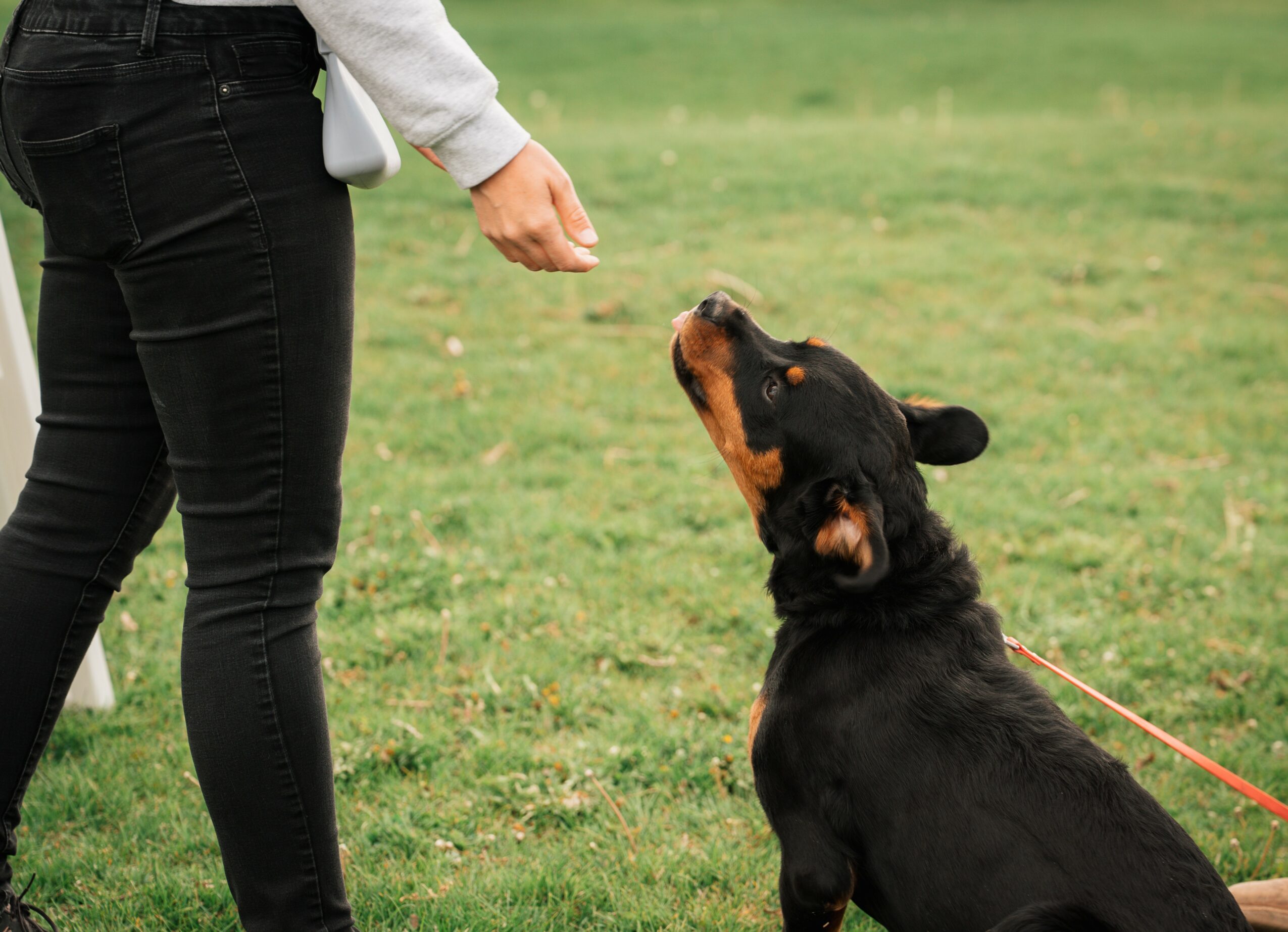
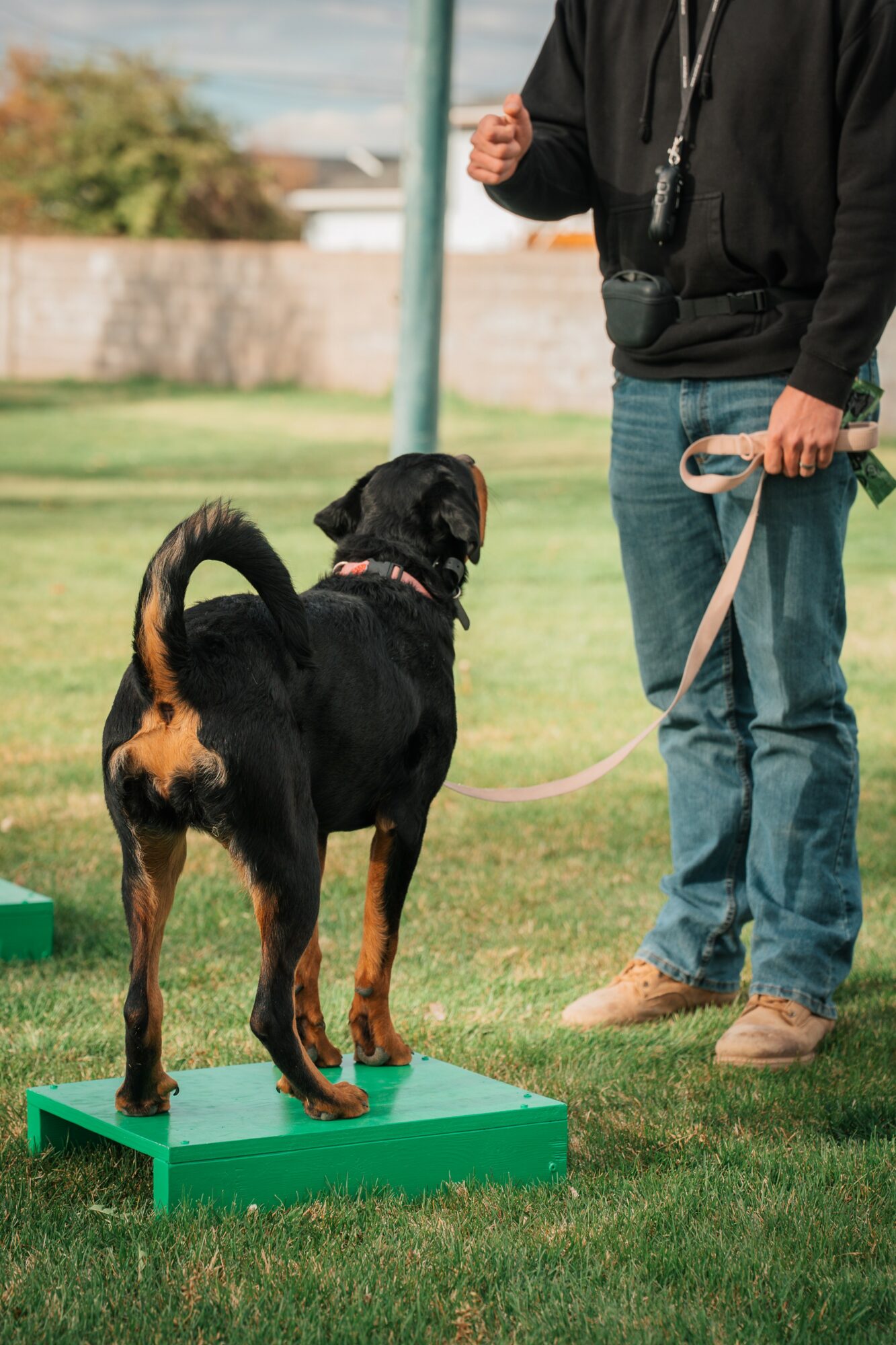
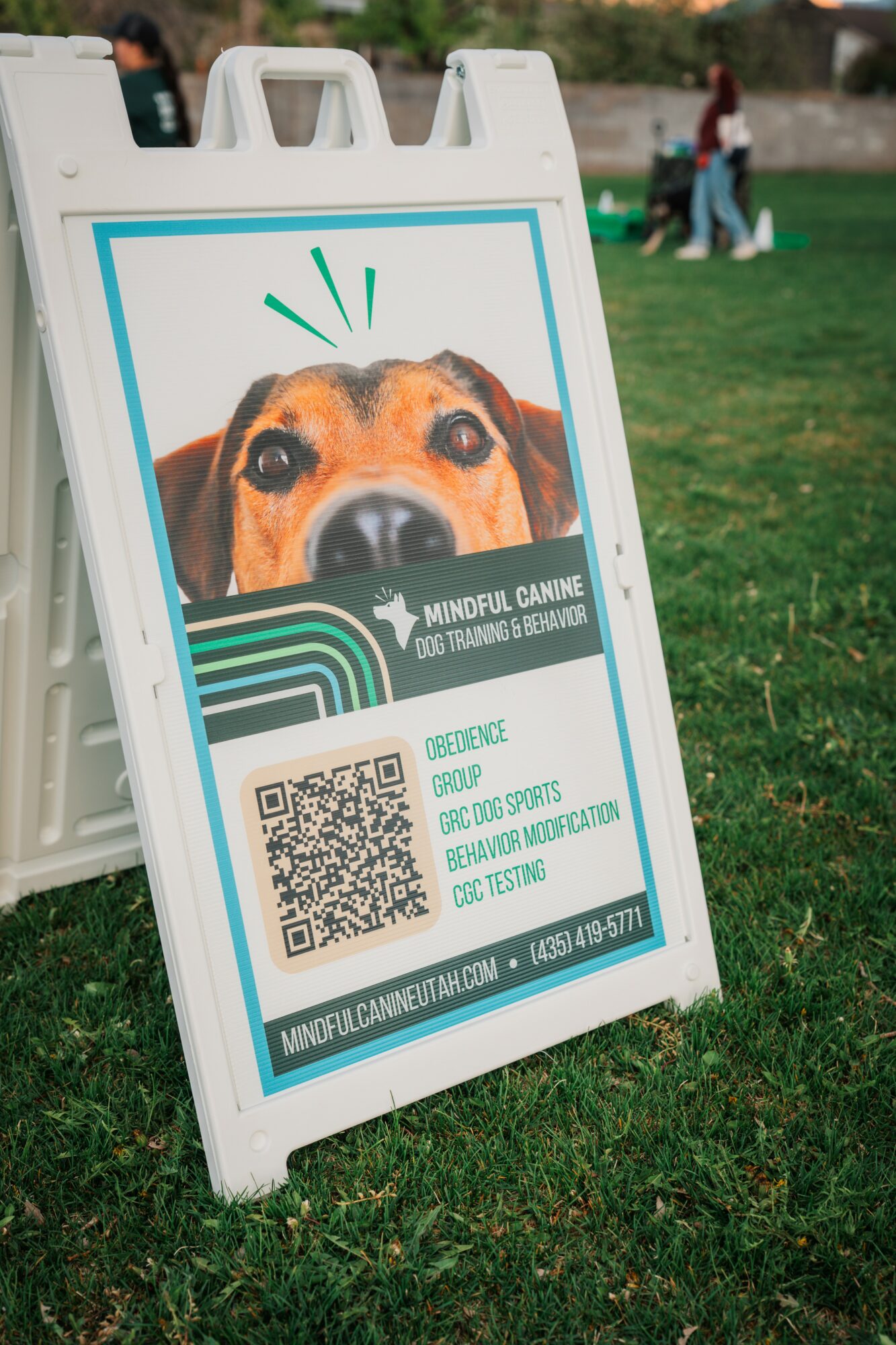
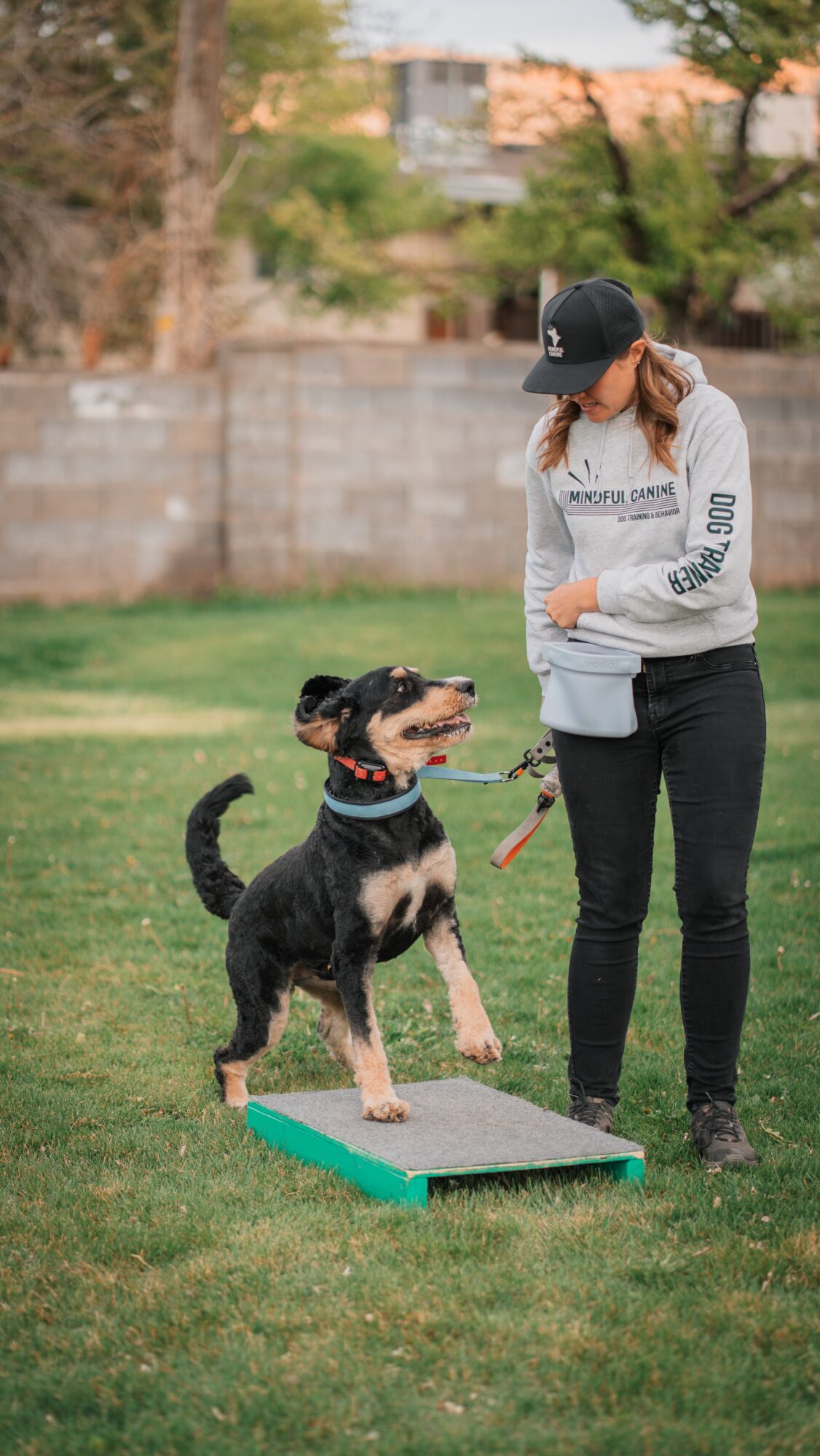
I work with everything from puppies learning how to exist in a world built for humans, to family dogs that need better manners, dogs struggling with serious behavioral issues, and high-drive dogs whose owners want to explore what they’re truly capable of. We offer private lesson training, group classes, day training, board and trains, CGC testing, behavior modification, and even dog sports through our local GRC club. Some people come to me because they simply want their dog to stop jumping up or to take their dog around the block without being dragged down; others want reliable off-leash obedience, help with aggression or reactivity, or an outlet where their dog can climb walls, pull weight, run a slatmill and bite things on purpose. I love all of it!
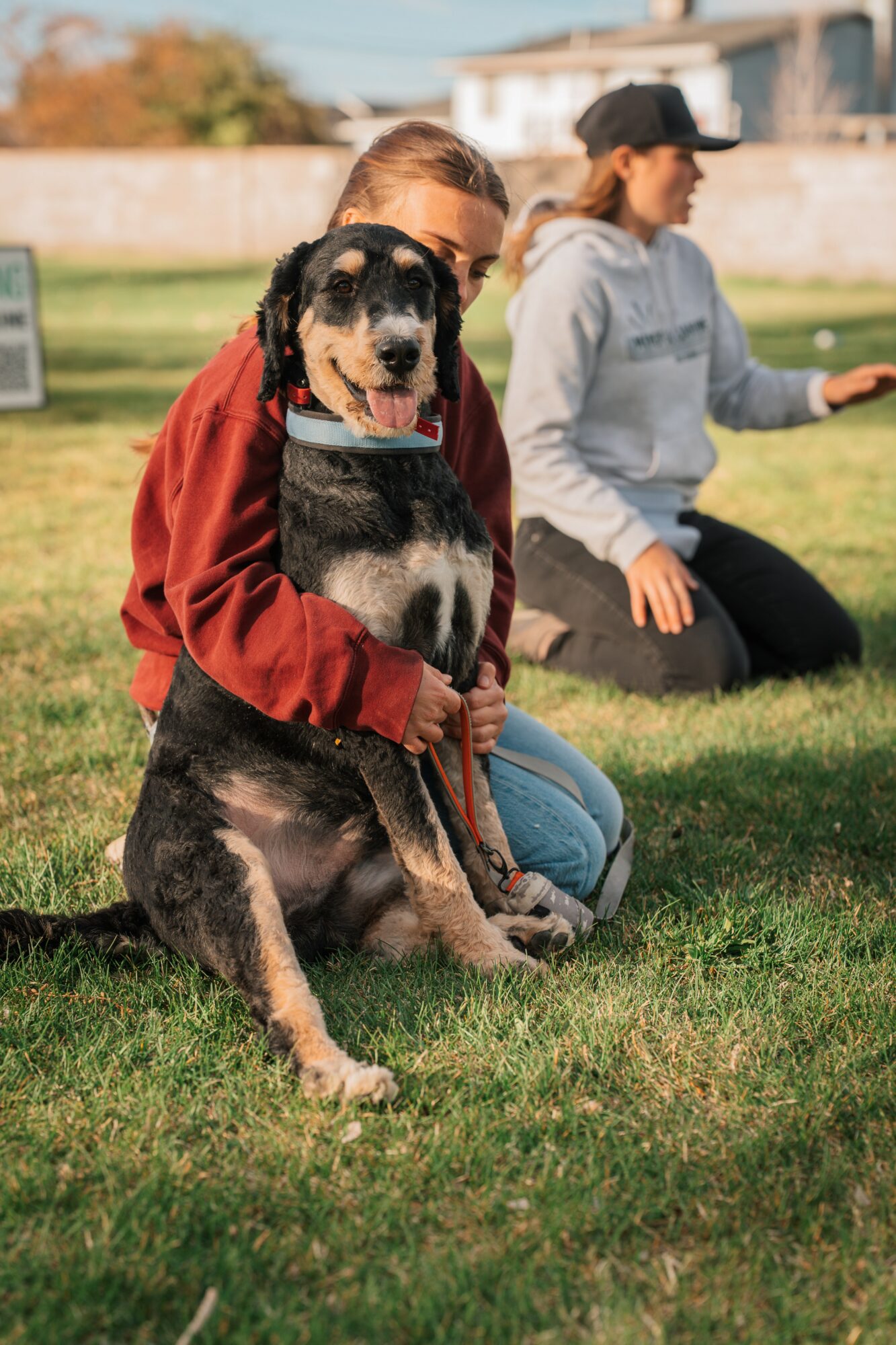
I’m probably most proud that Mindful Canine has grown into a place where people don’t have to choose between loving who their dog naturally is and having a dog they can actually live with. I don’t want to suppress personality, drive or individuality for the sake of obedience—I want to develop those things alongside communication, self-control and real-world reliability. At the end of the day, I want other people to experience what I have with my own dogs: a relationship where your dog isn’t just something you own or manage, but a genuine partnership in your life. My dogs have made my world infinitely bigger, more interesting and more joyful, and if Mindful Canine can help other people love living life with their dogs even half as much as I love living mine with mine, that’s something I’m incredibly proud to have built.
If you had to, what characteristic of yours would you give the most credit to?
Faith.
Not just courage, or hope. Not just adaptability or passion. Those things are all incredibly important, but at the end of the day, I think you have to believe—like, really believe—that what you want is possible.
Faith is different from believing everything is going to be easy, or even believing things are going to happen exactly the way you planned. It’s moving forward as though there is a pathway even when you can’t see one yet. It’s being able to lose something you thought you needed, encounter a problem you have absolutely no idea how to solve, or feel completely out of your depth and still believe there is a door somewhere in the dark if you’re willing to keep looking for it.
Entrepreneurship will put you in impossible situations. You’ll experience imposter syndrome. You’ll fail at things you were sure would work and occasionally succeed at things you weren’t sure you were capable of. There have been plenty of moments when the evidence directly in front of me suggested I should probably give up.
But I’ve always had this deep, almost unreasonable belief that I’ll figure it out.
I think that’s been the difference. You don’t have to know exactly how you’re going to get where you’re going. You just have to believe strongly enough that it’s possible to keep moving until you can see the next step.
Contact Info:
- Website: https://www.mindfulcanineutah.com/
- Instagram: https://www.instagram.com/mindfulcanineutah/
- Facebook: https://www.facebook.com/mindfulcanineutah/
- Other: https://www.tiktok.com/@mindfulcanineutah