


Today we’d like to introduce you to Katie Manhart.
Hi Katie, so excited to have you on the platform. So before we get into questions about your work-life, maybe you can bring our readers up to speed on your story and how you got to where you are today?
Lucky Ones Coffee’s story began long before there was coffee involved.
I grew up with three younger cousins who have Down syndrome and another cousin on the autism spectrum. They are some of my favorite humans on the planet. Because of them, I learned early that disability comes with both challenges and incredible strengths. I also volunteered with Special Olympics, so inclusion was never an abstract idea to me. It was simply part of my life.
After college, many of my friends were miserable in their first “real” jobs. Watching them made me determined to find work I genuinely loved, preferably something that allowed me to be outside. Naturally, I became a Class IV whitewater rafting guide on Colorado’s Arkansas River, guiding through the Royal Gorge. I spent the off-seasons bouncing between Breckenridge and the Virgin Islands, but I always found my way back to the river.
During a fall rafting trip, another guide told me about his job at Breckenridge Adaptive, where he worked with people with disabilities. It was a complete light-bulb moment: Wait, you can get paid to do that?
That fall, I applied to adaptive recreation programs across the West, including Crested Butte and Park City. I connected so strongly with the program director in Park City that, by my second interview, I had already moved there.
Working at the National Ability Center became a defining chapter of my life. I learned how to support and motivate neurodiverse people as they tried hard, sometimes intimidating things. By the time I left, I was the Camps and Community Coordinator, overseeing camp programs as well as adult and family programming. I also managed a 10-week internship program for neurodiverse individuals.
The internship was wonderful, but I kept seeing the same problem: participants learned valuable skills, yet there often wasn’t a meaningful next step waiting for them.
During that time, I met and lived with Taylor Matkins, who would become my co-founder. Taylor exudes warmth and shares a deep passion for this work. Together, we began asking what it would look like to create more paid, meaningful jobs where people with disabilities could keep learning, leading, and being seen for what they bring to the workplace.
That question became Lucky Ones Coffee.
The name comes from something people often told us while we worked at the National Ability Center: “You’re angels for what you do.” It was always well intentioned, but we wanted to flip that idea. We are not rescuing anyone. We are the lucky ones because we get to work alongside people with diverse minds, talents, humor, and ways of seeing the world.
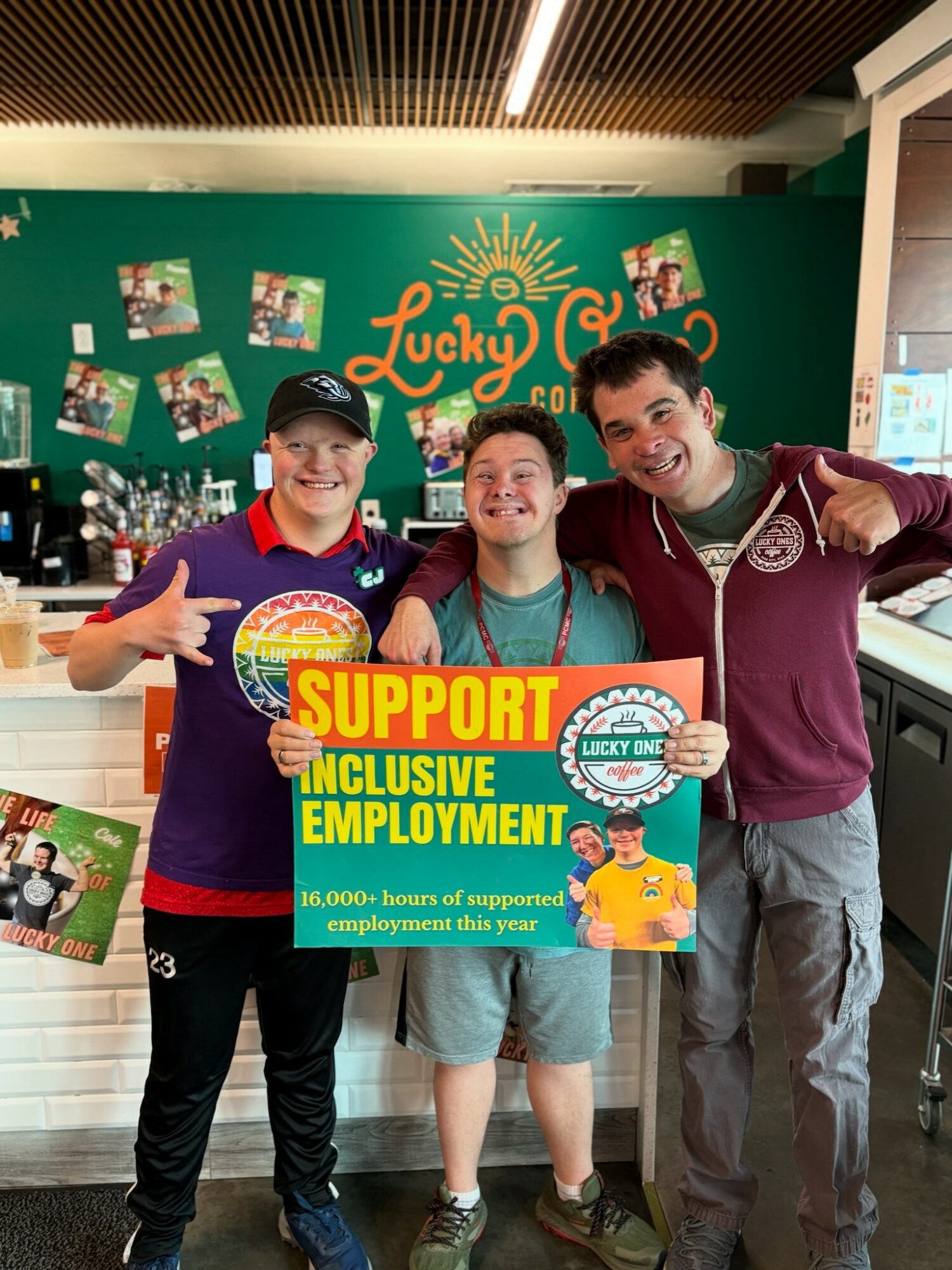
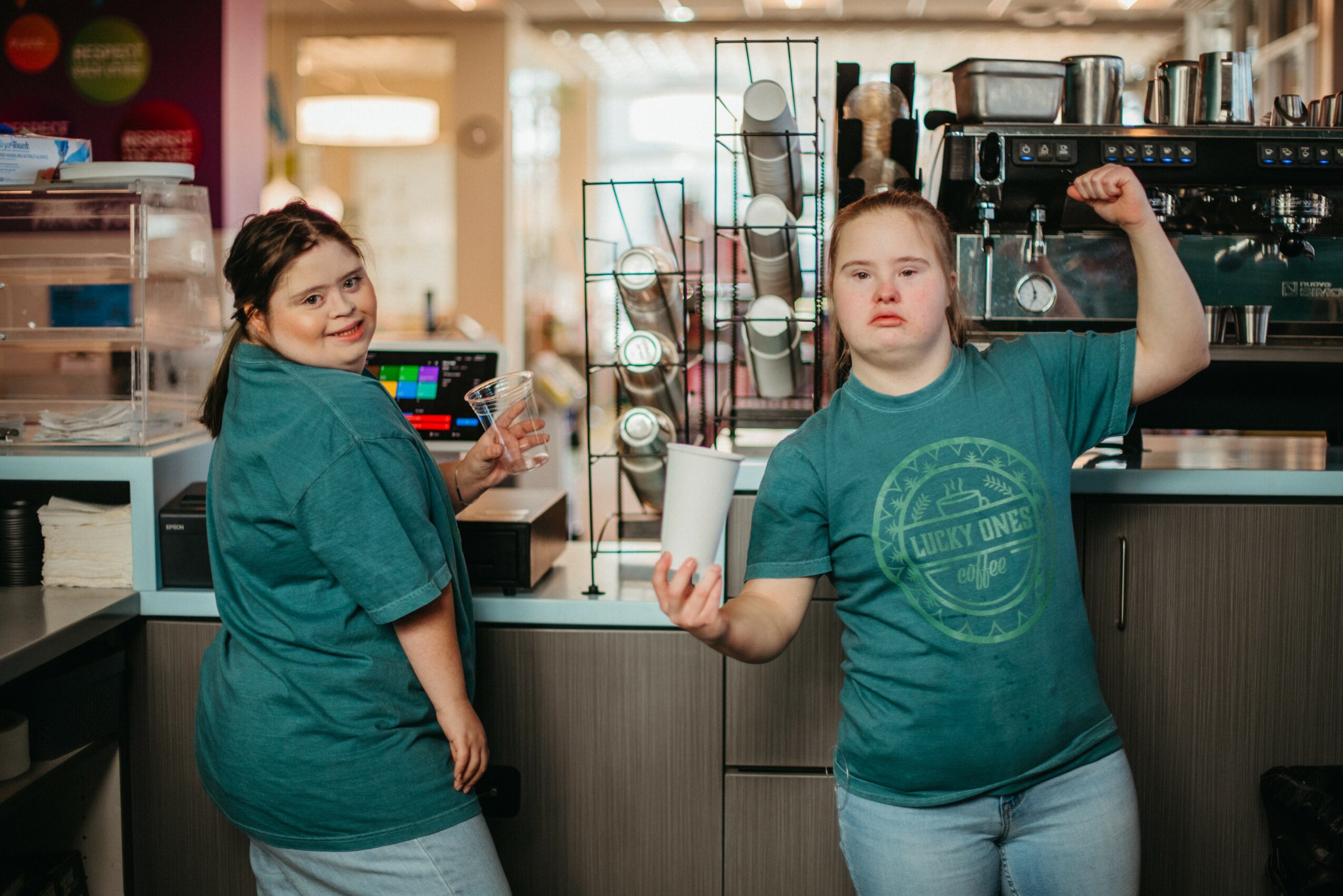
Today, Lucky Ones has cafés in Park City and Salt Lake City, a mobile coffee truck, and approximately 40 employees with disabilities. We are on track to provide more than 40,000 hours of supported employment this year.
I feel proud every day to help platform neurodiverse voices and talents. The coffee may bring people through the door, but building futures is why we are here.
I’m sure it wasn’t obstacle-free, but would you say the journey has been fairly smooth so far?
Smooth would not be the word I would use. Meaningful, joyful, occasionally chaotic, and absolutely worth it? Yes.
Our first major hurdle came before we had brewed a single cup of coffee. The café space inside the Park City Library was awarded through a competitive bid process. At that point, Lucky Ones Coffee was still a concept, and Taylor and I had exactly zero coffee experience. We had to stand in front of City Council and the Library Board and convince them that two young women with no background in running a café were the right people to take over their coffee shop.
What we did have was energy, determination, and a grand idea we believed we could make work. We were young, hungry, and willing to learn everything required to bring it to life. More importantly, we understood the kind of place we wanted to create: a real business where people with disabilities could do meaningful work, build skills, and be known for their talents.
Winning that bid was only the beginning. There is no instruction manual for building an organization that is simultaneously a coffee business, a nonprofit, a workforce-development program, and a public community space. In the early years, Taylor and I were learning nearly everything as we went. On any given day, we might be baristas, job coaches, fundraisers, HR managers, maintenance staff, and problem-solvers, sometimes all before lunch.
One of our biggest challenges has been balancing mission and sustainability. We want to create as many meaningful jobs as possible, but every position requires wages, individualized support, thoughtful training, and strong managers. Coffee sales help fund the mission, but cafés operate on slim margins, and grants do not always arrive on the same timeline as payroll. We have had to learn that growing responsibly sometimes means saying “not yet,” even when the need is urgent.
We have also learned that inclusive employment is not about lowering expectations. It is about changing how we teach, communicate, and support people so they can meet those expectations. Every employee learns differently. What motivates one person may overwhelm another. A training method that works beautifully for one employee might make no sense to the next. Building systems that are both individualized and operationally consistent takes patience, creativity, and a lot of listening.
Today, Lucky Ones means so much to the Park City community, and that is because our entire team works incredibly hard to cultivate its warm, inclusive environment every single day. What began as a bold idea presented in a meeting room has become a place where people gather, employees grow, and customers experience inclusion firsthand.
One of the hardest realities now is simply not being able to say yes to everyone. We average about 10 new employment applicants each week, and more than 100 people are waiting through our Salt Lake City program alone. Every application represents a person who wants to work, contribute, and be part of a team.
The road has not been smooth, but every challenge has made us clearer about who we are and more determined to build something that lasts. The people counting on these jobs deserve more than a temporary feel-good idea. They deserve meaningful work, high expectations, strong support, and a future.
As you know, we’re big fans of Lucky Ones Coffee. For our readers who might not be as familiar what can you tell them about the brand?
Lucky Ones Coffee is a nonprofit café and workforce-development organization specializing in meaningful employment, hands-on training, and community connection for neurodiverse people and individuals with disabilities. We serve excellent coffee and food, but what we are really building is representation.
One experience from my time running the COACH internship program at the National Ability Center has stayed with me throughout this entire journey. I asked one of the young men in the program about his goals for the future. He became angry and said, “Katie, dumb people push carts.”
It broke my heart. Not because there is anything wrong with pushing carts or doing any honest job, but because he had absorbed the message that this was all someone like him could aspire to do. That was the representation he had seen of his neurodiverse peers in the workforce. The world had shown him a very narrow picture of what was possible, and he believed it.
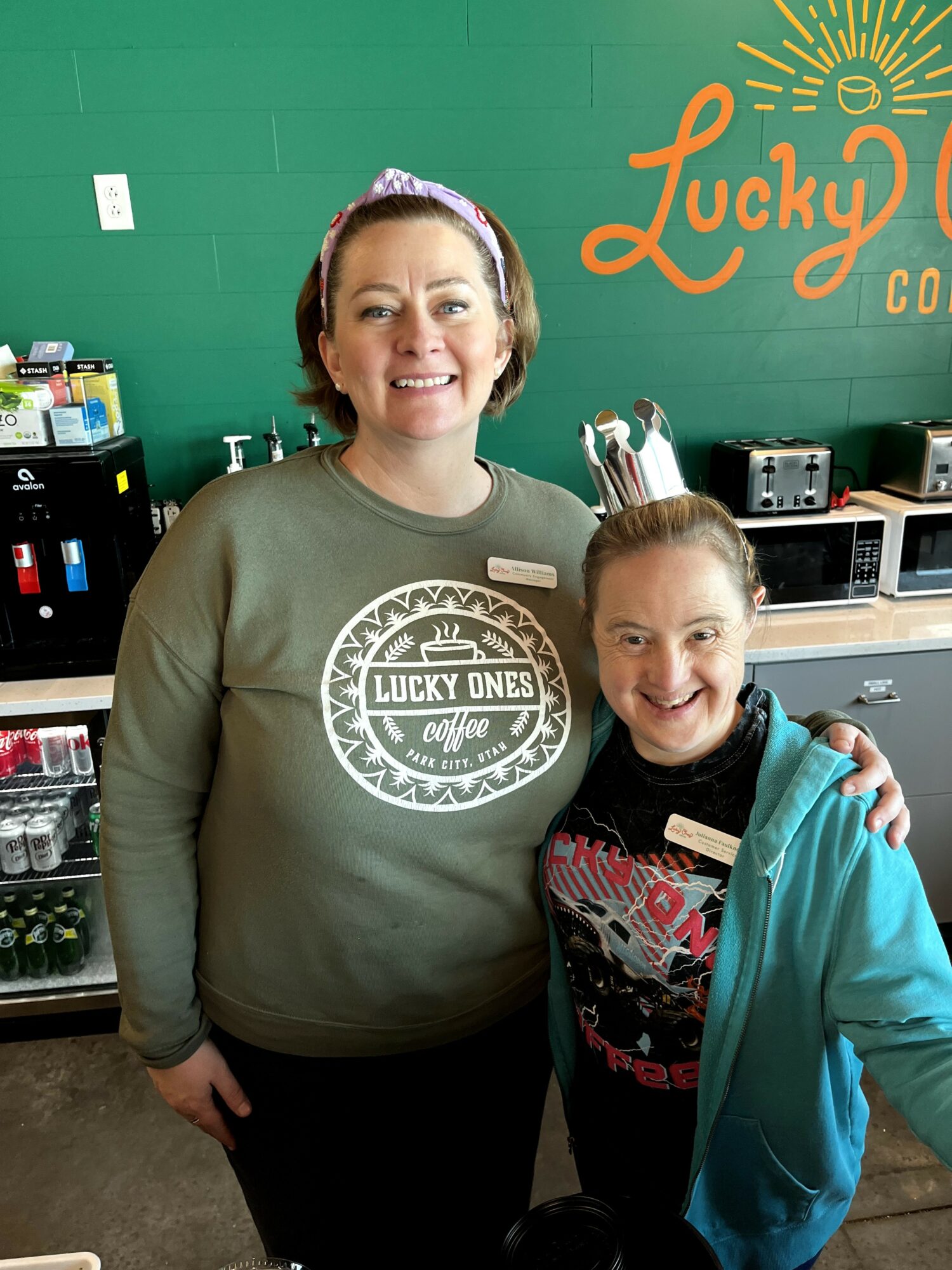
Taylor and I wanted to create something different. We wanted a community-based workplace where people with disabilities could be visible as skilled baristas, leaders, trainers, coworkers, friends, and valued members of a team. We wanted customers to experience their capabilities firsthand, not through a brochure or awareness campaign, but through everyday human connection.
That is what sets Lucky Ones apart. Our cafés are not simulations or programs hidden away from the public. They are busy, customer-facing businesses where employees learn real skills, earn a paycheck, take on responsibility, and form relationships with the people they serve. Customers return because they love the coffee, food, atmosphere, and our baristas. The mission becomes part of the experience naturally.
In fact, we have occasionally been criticized for doing this too well. People walk into a polished café, receive great service from confident employees, and do not always recognize that many disabilities are invisible. Sometimes they question whether we are truly a nonprofit or whether our staff really need support. To us, that reaction proves an important point: disability does not look one particular way, and an inclusive workplace should look like any other successful business.
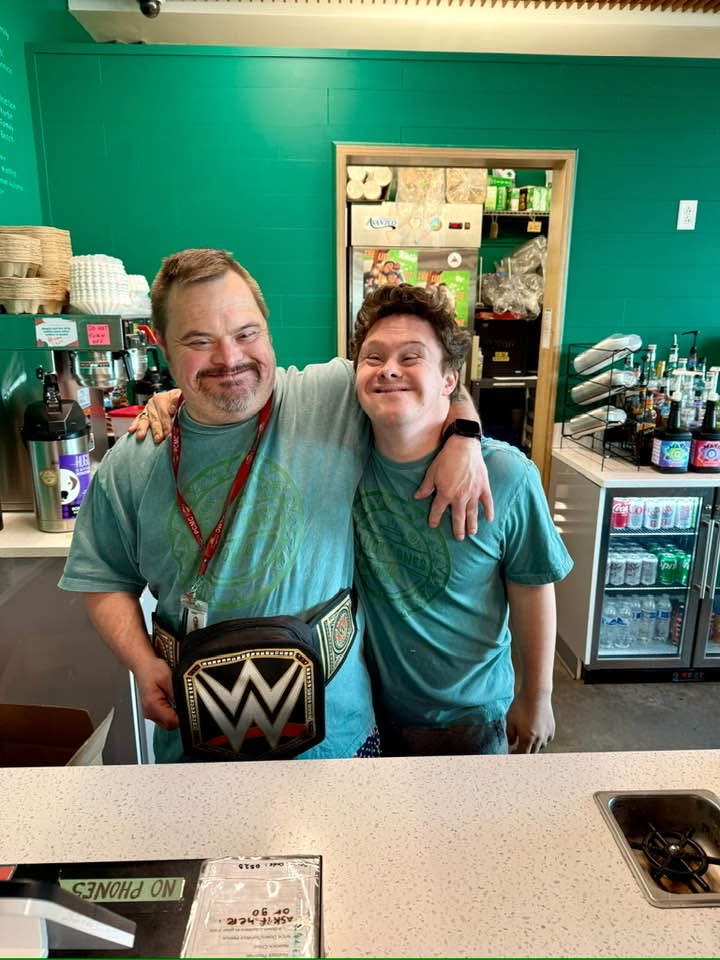
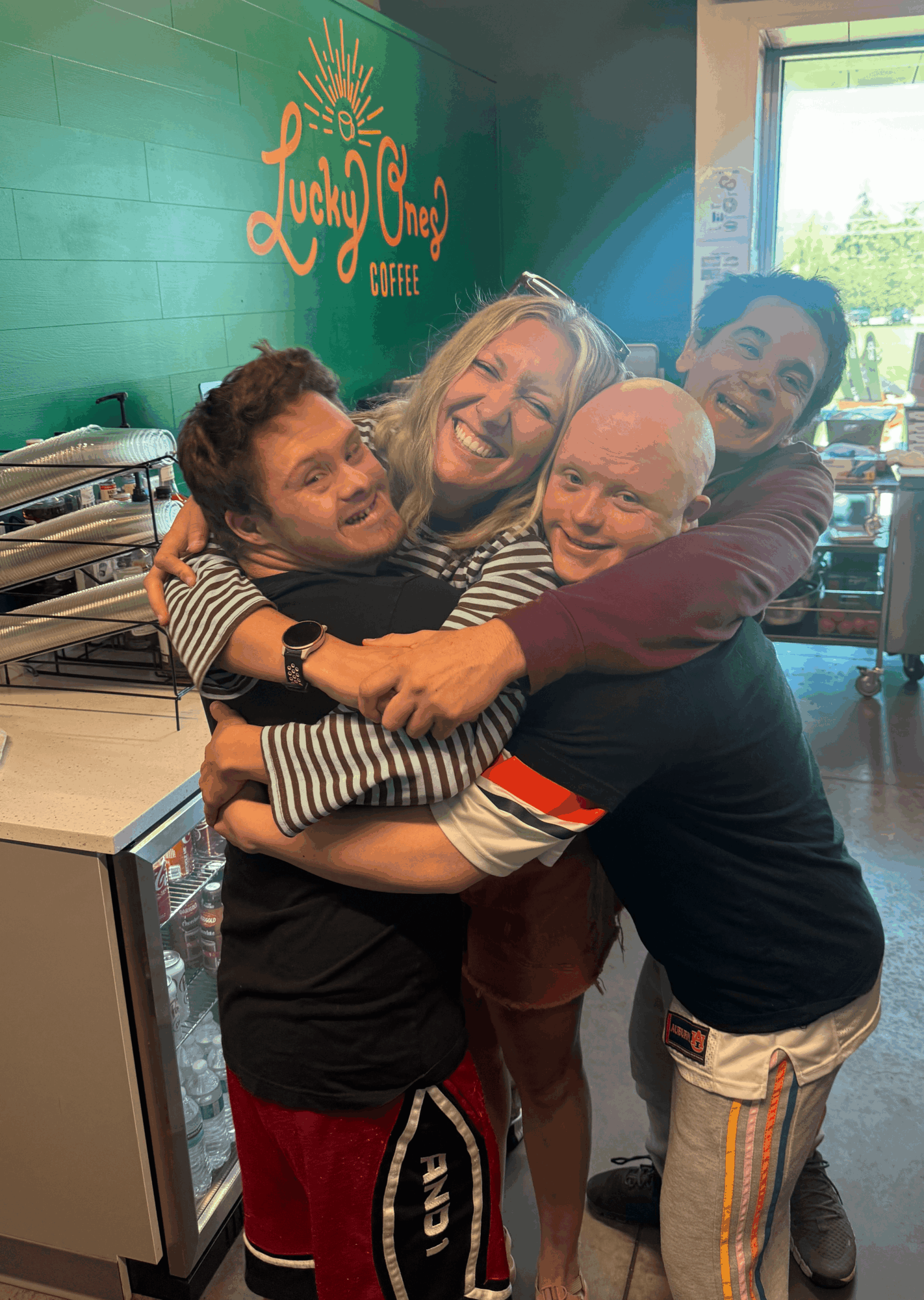
What I am most proud of, brand-wise, is the culture our team has created. We have remarkably little turnover. In almost nine years, only a handful of employees have left. At many workplaces, a person with a disability may be the only one and feel like the “token” employee. At Lucky Ones, our team members work alongside peers who share similar experiences. They are not expected to explain or minimize who they are.
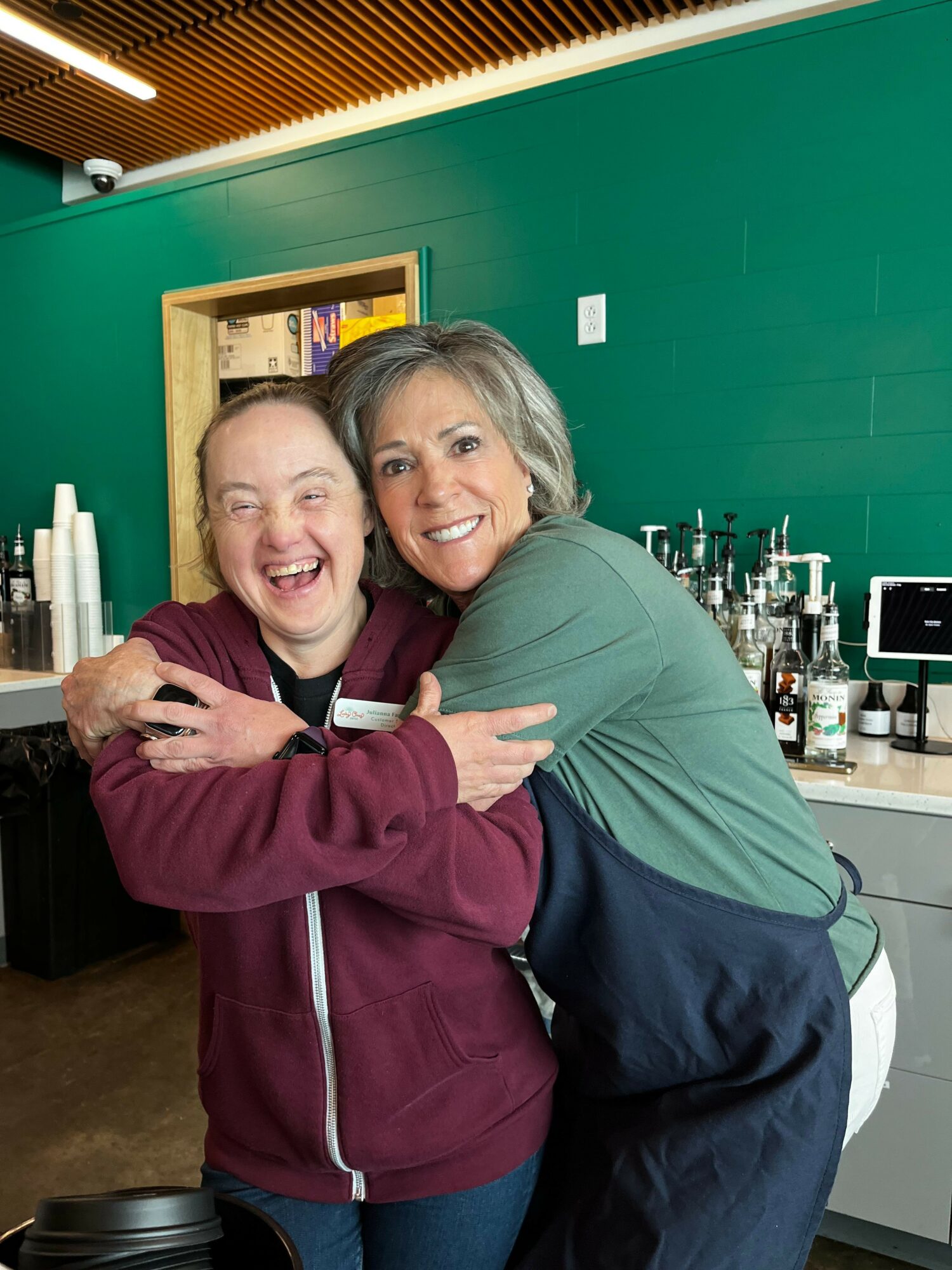
That belonging extends beyond a shift. When someone has a birthday, they often ask to work because they want to celebrate with their friends at the café. Coworkers invite one another to birthday parties, holiday gatherings, and activities outside of work. Everyone is included. That may sound simple, but many people with disabilities rarely experience that kind of social belonging in a traditional workplace.
Today, Lucky Ones operates cafés in Park City and Salt Lake City, along with a mobile coffee truck. We are known for great coffee, creative drinks, fresh food, warm community spaces, and a team that genuinely enjoys being together. We also provide individualized job coaching, internships, leadership development, and workforce-readiness education.
The coffee gives people a reason to walk through the door. What they discover is a different picture of disability, one centered on talent, friendship, leadership, humor, and possibility. That is the brand we are most proud to have built.
Before we go, is there anything else you can share with us?
If there is one thing I would want readers to take away, it is that inclusion is not charity. People with disabilities want what most of us want: meaningful work, friendship, responsibility, a paycheck, and the chance to be known for what they contribute.
Lucky Ones cannot meet this need alone. We average about 10 new employment applicants each week, and more than 100 people are currently waiting through our Salt Lake City program. Our larger vision is to expand Lucky Ones across Utah while also helping create a future where inclusive employment exists in every industry and community.
We are actively searching for new spaces where the Lucky Ones model can grow. Our strongest locations are created through community partnerships in spaces such as libraries, municipal buildings, recreation centers, and other public gathering places. When a city or community partner has real buy-in and can help keep facility costs low, we can direct more resources toward wages, individualized coaching, and creating additional jobs.
We would love readers to keep their eyes open. If you know of an available or underused community-facing space, or if you work with a city, library, developer, or public organization interested in bringing inclusive employment into its community, we would love to connect.
Businesses can also be part of this work without having everything figured out. Start with one position. Listen. Be willing to teach differently. Set meaningful expectations, provide the right support, and recognize that different does not mean less capable.
For anyone who wants to experience our community firsthand, we are hosting our first Building Futures Fun Run and FREE Community Party on October 3 at the Marmalade Library Plaza in Salt Lake City. People can run, walk, roll, cheer, or simply join us for music, local vendors, advocacy organizations, and a joyful celebration of every ability.
We believe the future of work should include everyone. Together, we can build it.
Contact Info:
- Website: https://luckyonescoffee.com
- Instagram: https://www.instagram.com/luckyonescoffee/ and https://www.instagram.com/luckyonescoffee.slc/
- Facebook: https://www.facebook.com/luckyonescoffee/
- LinkedIn: https://www.linkedin.com/in/katie-manhart-936aaa17a
- Youtube: https://www.youtube.com/@luckyonescoffee6812
- Other: https://share.google/BQcsF8RHMyGOO5SeV