


Today we’d like to introduce you to Halie Camacho.
Hi Halie, can you start by introducing yourself? We’d love to learn more about how you got to where you are today?
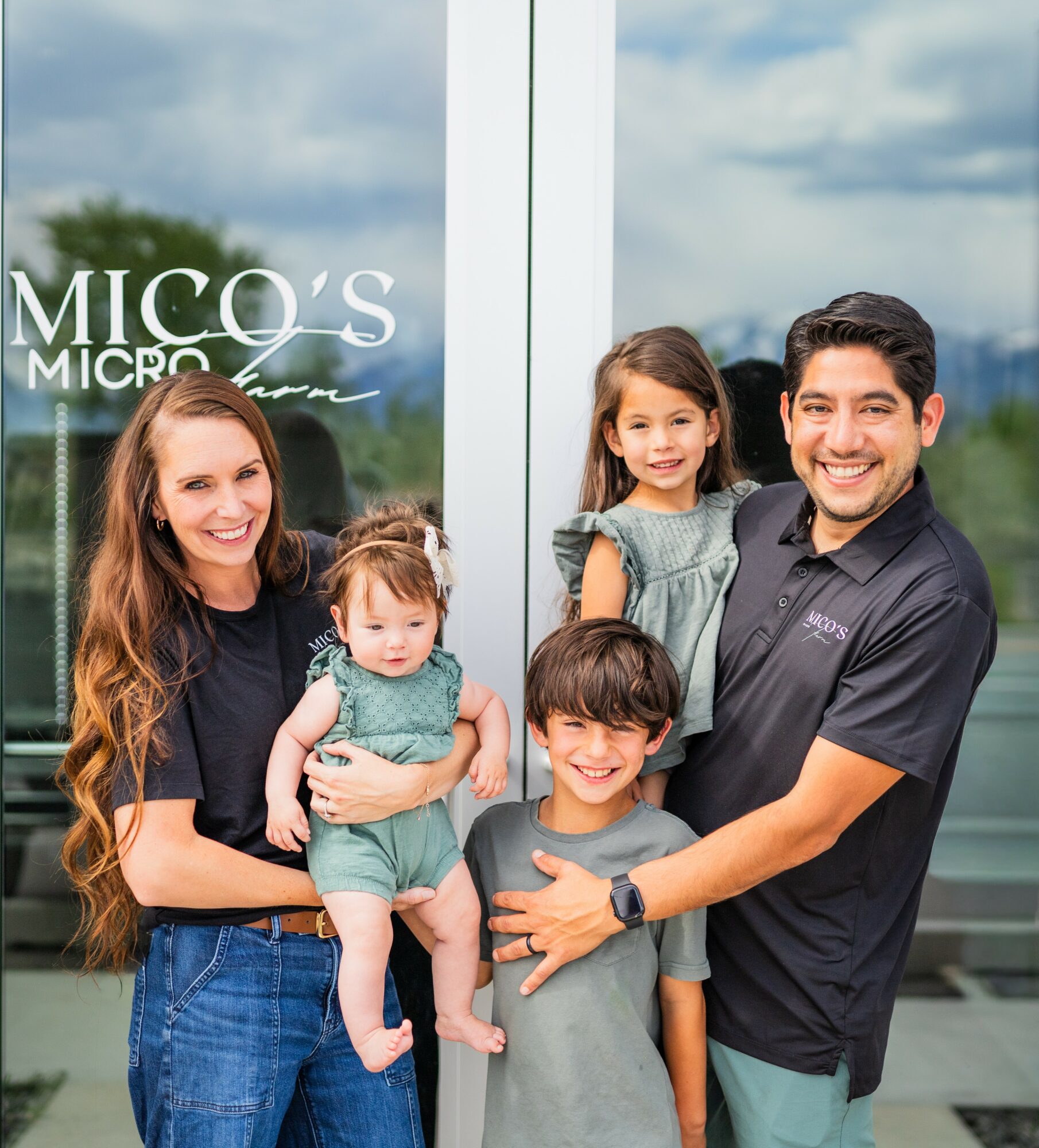
Mico’s Micro Farm exists because of our son, Mico.
A few years ago, Mico was exposed to heavy mold. If you’ve ever watched your child’s body struggle with something you can’t see, you know it rearranges your priorities pretty fast. My husband Ricardo and I went looking for anything that would help him rebuild from the inside out, and everything we found kept pointing back to the same place: nutrient density. Real,
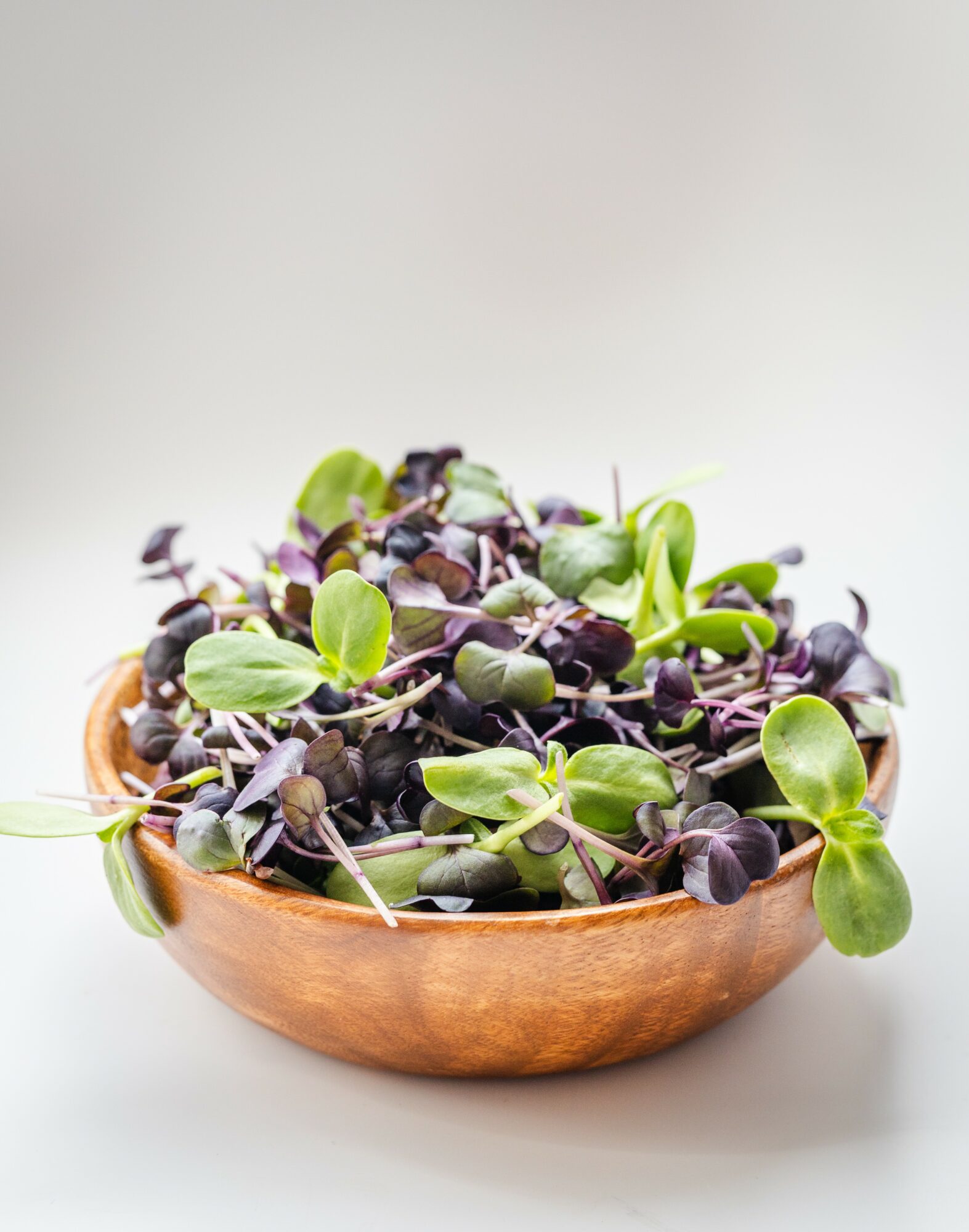
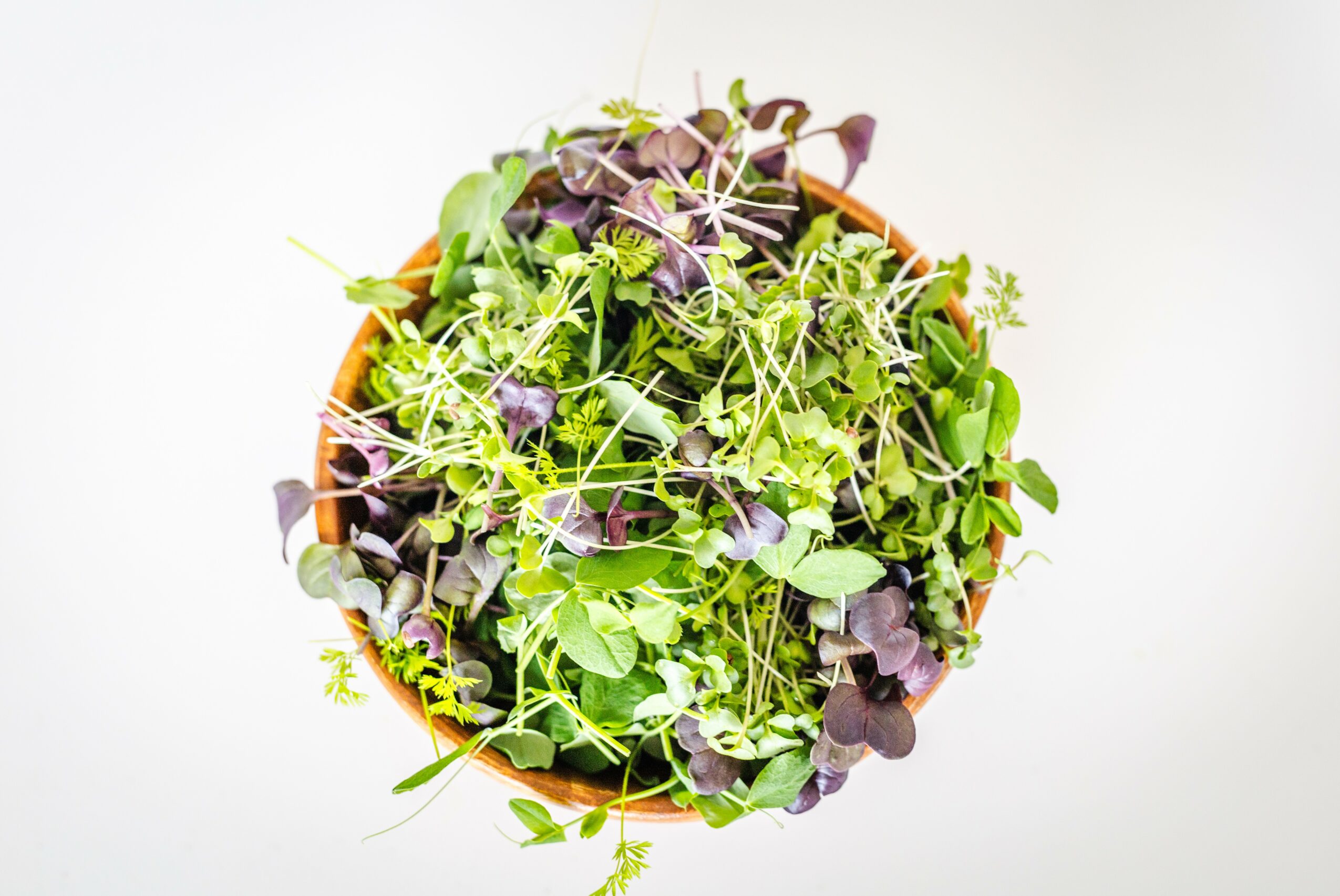
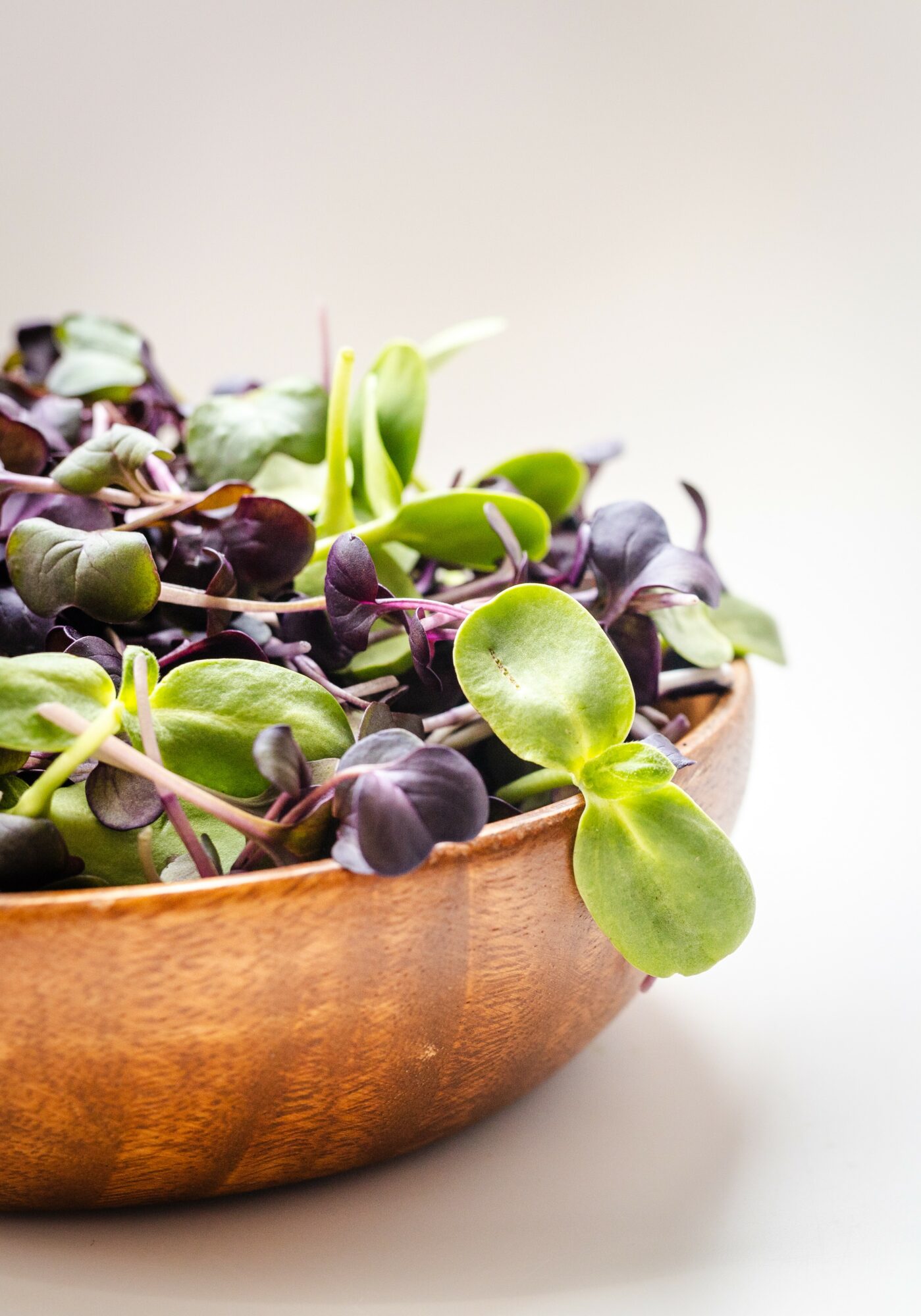
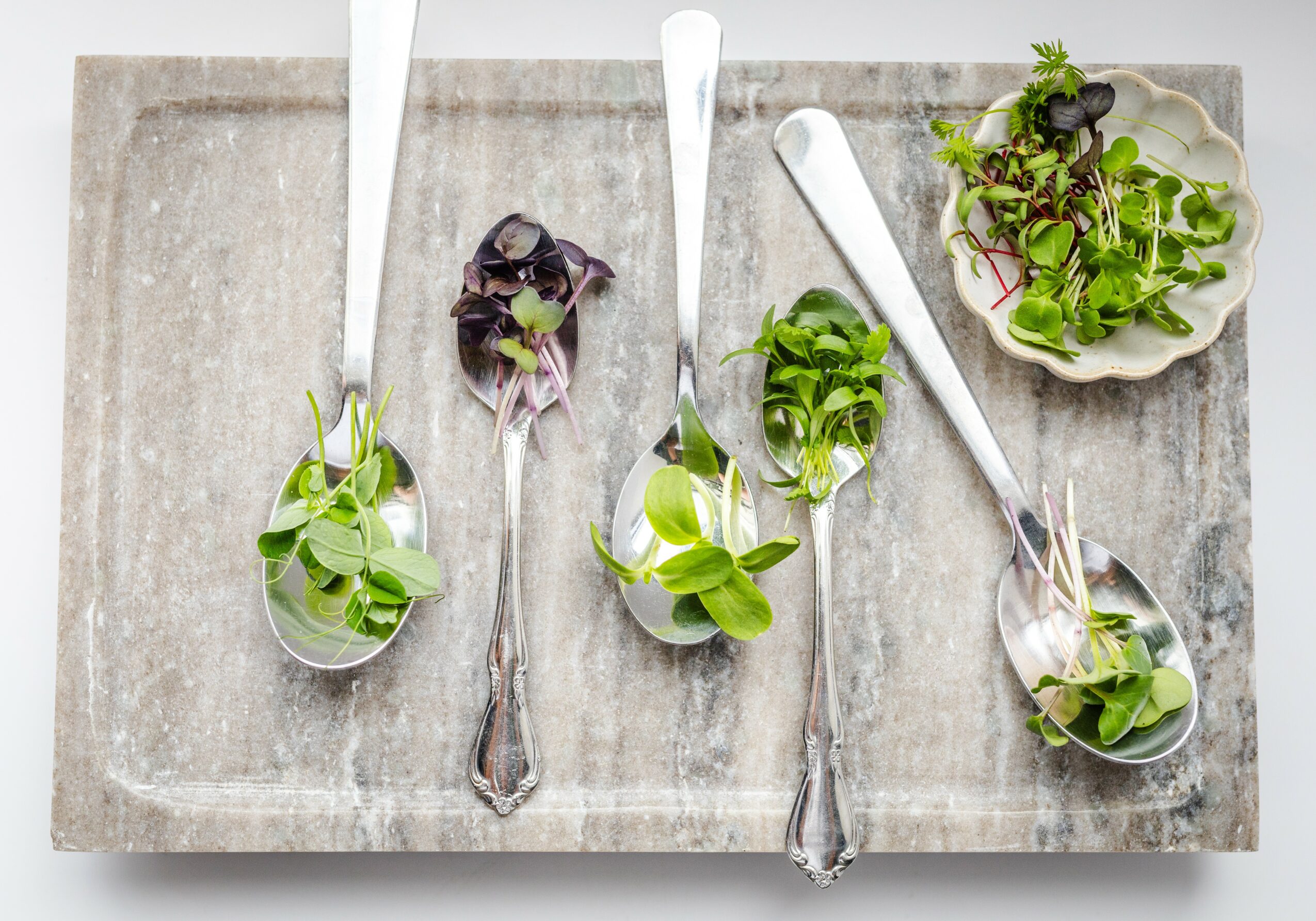
living food. That’s how we found microgreens. Same plants people already know – broccoli, radish, kale, peas, just harvested young, when the nutrients are most concentrated. We started growing them in our home for him. Not as a business. As a way to get our son well. He got better and then the neighbors started asking. Then their friends. Then a chef.
We began in our spare bedroom then transitioned to a 2,000 square foot facility, learning as we went and reinvesting every dollar back into the farm. Today we grow in an 18,000-square-foot indoor facility in Springville with the capacity to harvest more than 8,000 pounds a week, which makes us one of the largest indoor microgreen growers on the West Coast. Our greens go to more than 50 Utah restaurants, into grocery and health food stores, out through distributors like US Foods and Kessimakis Produce, and in freeze-dried powder form, into products made by national wellness brands.
The growth has been steep: roughly $250,000 two years ago, about $1 million last year, and we’re on track for $2 million-plus this year. Mico is nine now. He walks through the grow rooms like they’re his backyard, because they are. Someday he’s going to be old enough to understand that a whole company got built around getting him being well — and that thousands of
families eat greens now because he got sick. I want him to be proud of what his name is on. That’s the only pressure I actually feel.
Can you talk to us a bit about the challenges and lessons you’ve learned along the way. Looking back would you say it’s been easy or smooth in retrospect?
Not even close to smooth! Growing food is biology on a deadline. There’s no pausing a harvest. Early on we lost crops to things outside of our control and every one of those losses was product we’d already promised somebody. We learned our standards the hard way, which is honestly why they’re so high now.
Scaling from 2,000 square feet to 18,000 was its own kind of hard. Everything that worked at small scale broke at large scale: our systems, our processes, our equipment. We’ve had vendors and machines that didn’t perform the way we were told they would, and we’ve eaten those costs. Our team peaked at 16 people, and we’ve had seasons where we had to bring it down to a small core crew and rebuild — those are the decisions that keep you up at night, because they’re people, not line items.
Cash has always been tight in the way it is for anyone who grows something. Money goes back into soil, seed, racks, refrigeration, and payroll long before it comes back out.
And we compete with reality: most of the microgreens sold in Utah still ship in from California. Cheaper freight, bigger scale, older relationships. Making the case for fresher, cleaner, local product takes a hundred conversations, not one.
The biggest turn came when we stopped waiting for someone else to solve our processing. We had a supplier project come through that needed 20,000 pounds of finished freeze-dried greens powder, and nobody could handle it the way it needed to be handled. So we figured out the processing and brought the whole chain in-house — growing, harvest, freeze-drying, testing, and logistics. That one decision changed what kind of company we are.
All of it, by the way, while raising and homeschooling our kids. The farm and the family aren’t separate things around here.
Appreciate you sharing that. What should we know about Mico’s Micro Farm?
We’re an organic microgreens farm – but the short version undersells it, because we’re really three businesses that feed each other.
What we grow and sell:
● Fresh organic microgreens — soil-grown on vertical racks, harvested and delivered at peak freshness
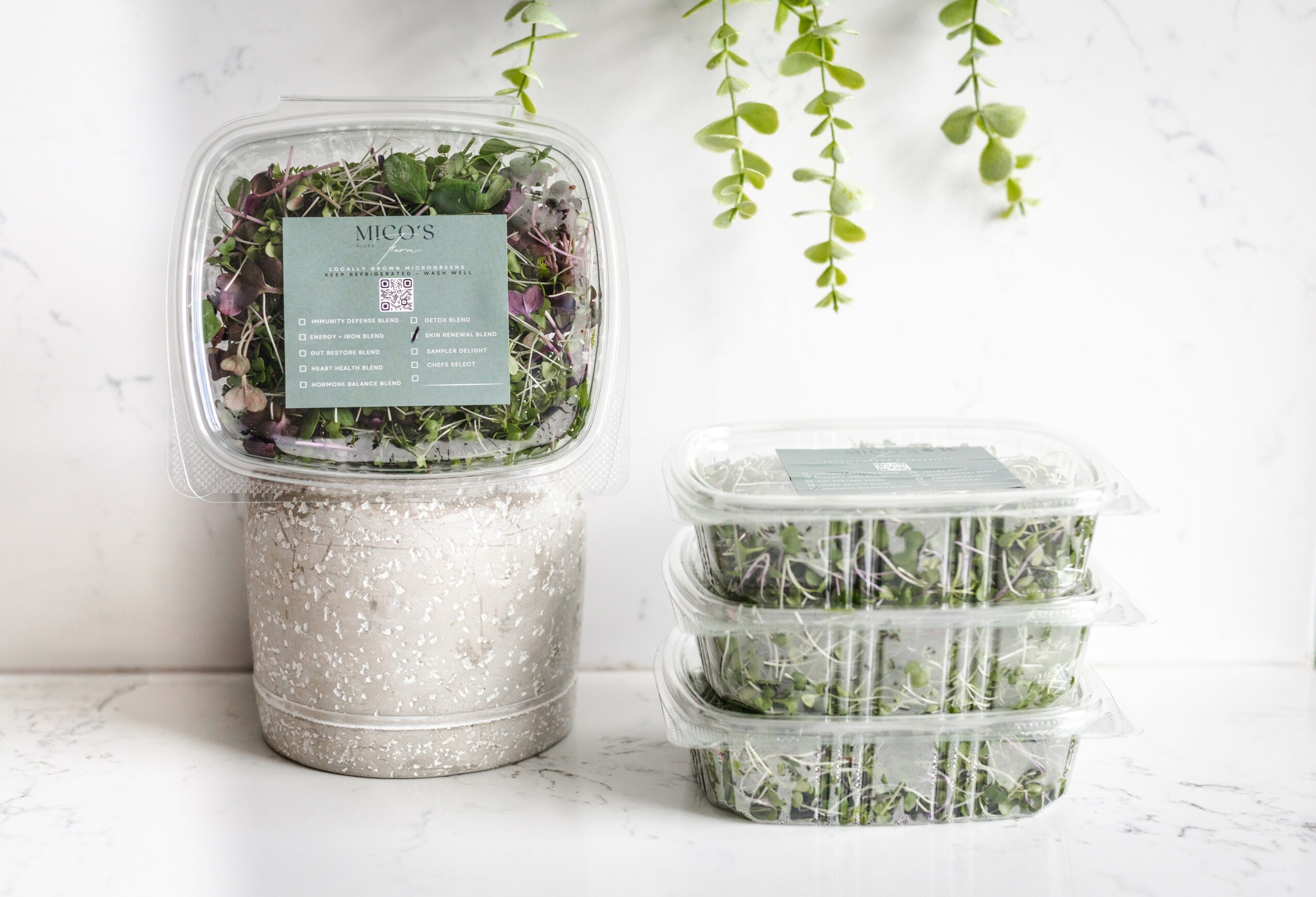
● Targeted wellness blends — Gut Restore, Hormone Balance, Immunity Defense, Heart Health, Skin Renewal,
Detox, and Energy + Iron, each formulated around what specific varieties actually do in the body
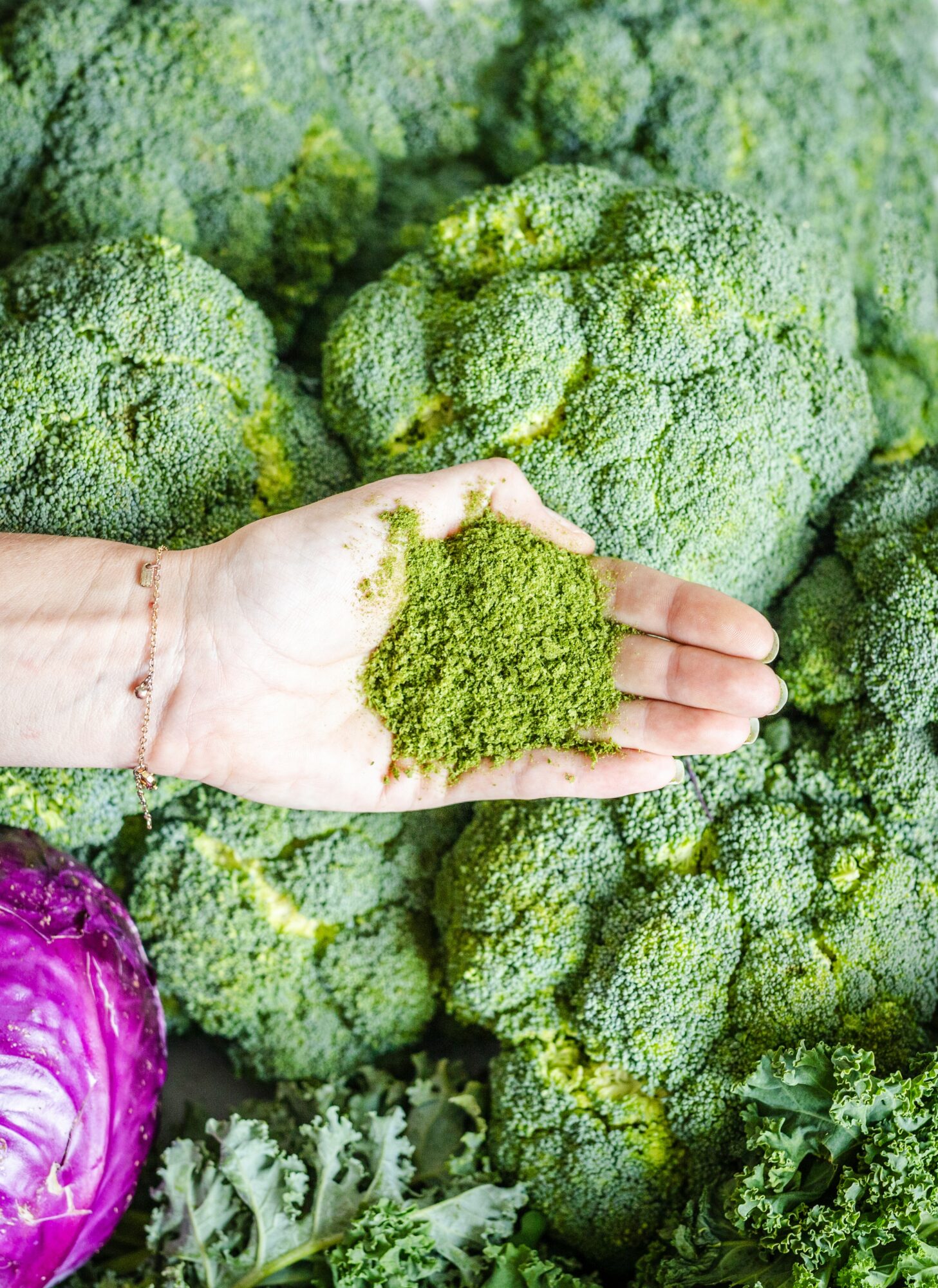
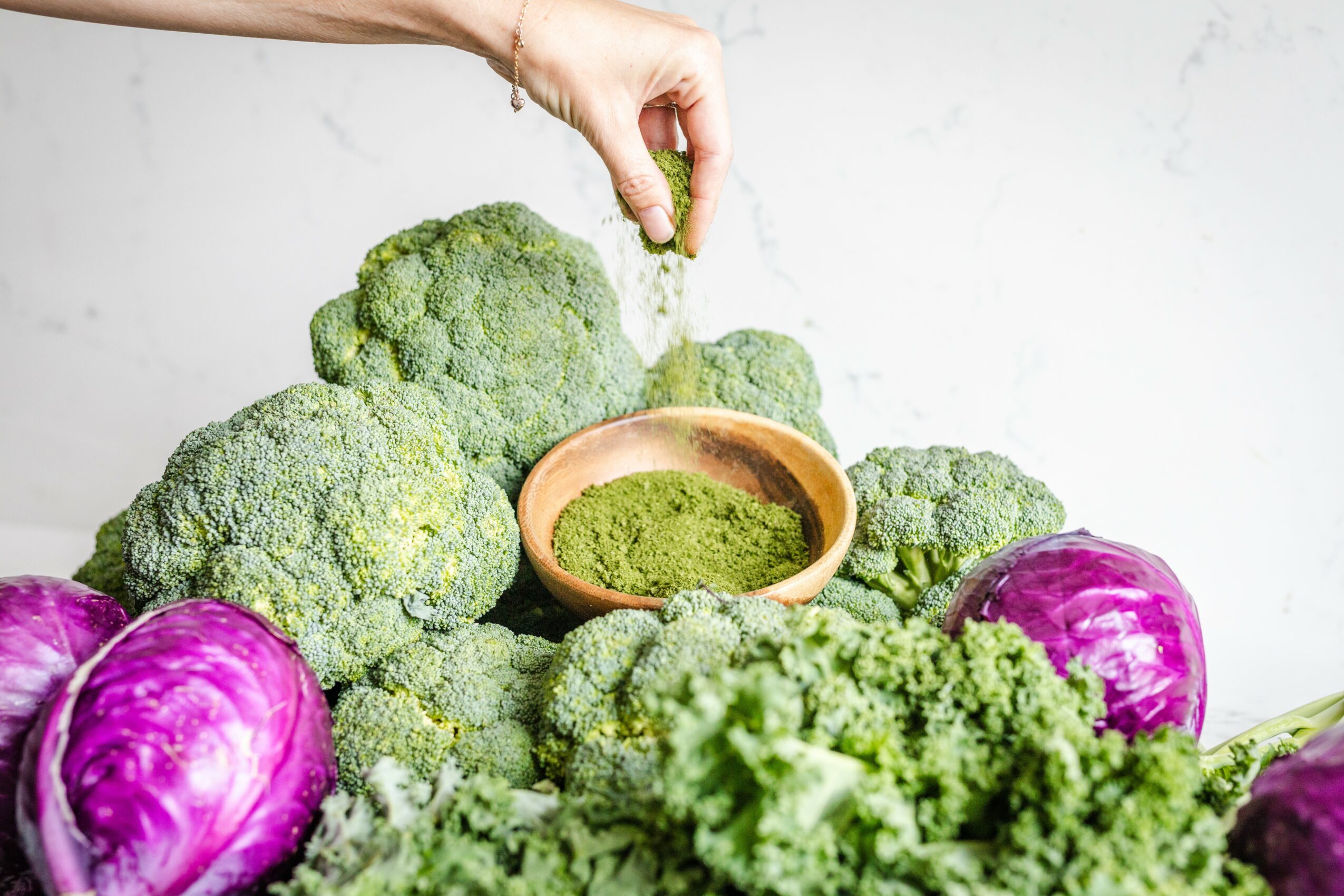
● Freeze-dried microgreens and greens powders — all the nutrition, shelf-stable, for people who travel or just want it
easy
● At-home grow kits — so families can grow their own on a kitchen counter in about a week
● The 30-Day Restore Together Challenge — a guided gut-health reset people do as a family or with a friend
● Ingredient-grade freeze-dried greens powder for other brands — the part most people never see
What sets us apart:
Anyone can call a green “healthy.” We can prove it. We grow in Bio365 soil, one of the purest growing mediums available, and every drop of water on our greens goes through a seven-stage filtration system. Our product carries a clean certificate of analysis: zero glyphosate, heavy-metal free, lead free. When you’re growing food for your own kid, you don’t get to cut corners.
The other thing that sets us apart is that we’re fully vertically integrated. We grow it, harvest it, freeze-dry it, high-pressure it, test it, and ship it. That means a national wellness brand can hand us a spec and get back a finished, tested, clean-COA powder with logistics handled. Very few farms our size can do that. It’s the reason we can supply the shelf and be on the shelf at the same time.
What I’m most proud of:
That the clean COA isn’t a marketing line — it’s a standard we hold when it costs us money. And that we get messages from moms telling us their kid will eat our greens. That’s the whole thing. That’s why we do it.
What I’d want your readers to know:
microgreens aren’t a garnish or a trend. They’re one of the simplest ways to add real nutrition to a normal family dinner. Our mission is to get microgreens into as many homes as we can — grown clean, grown here, grown by a family who needed them first.
Is there anyone you’d like to thank or give credit to?
Ricardo, first — my husband and co-founder. He’s the one in the facility at hours nobody sees, building and fixing and hauling. There is no version of this farm without him.
Trey Hughes, our Director of Operations, who has carried this farm through every scale-up and every hard season and made our systems actually work.
Our farm team — the people who seed, water, harvest, and pack at 5 a.m. so a restaurant can plate it that night. They’re the business.
The chefs who took a chance on us when we were tiny. A few local chefs said yes to a two-person operation with no track record, and those early yeses built our reputation.
Our affiliate community — more than 40 people, mostly moms, who share Mico’s with their own audiences because they actually use it. They’ve grown this brand more than any ad ever has.
Our distributor and retail partners, for betting on local product over the easy California order.
And our customers — the families who reorder every week and tell us what it’s done for them. They’re the reason we’re still here.
Last, our families, who watched us pour everything into a wild idea named after our son and never once told us to be more reasonable.
Pricing:
- Single-variety fresh microgreens (broccoli, radish, kale, mustard, sunflower, pea tendrils, cabbage): $8–$12 for a 3–4 oz clamshell
- Targeted wellness blends: $11–$12 (2 oz), $21–$24 (4 oz), $34–$38 (8 oz) — Gut Restore, Hormone Balance, Immunity Defense, Heart Health, Skin Renewal, Detox, Energy + Iron
- Sampler Delight — a curated intro pack of our best-selling varieties: $24
- Freeze-dried microgreens: $24.99–$29.85 (small), $44.99–$48.85 (large)
- Microgreens Starter Kit — grow your own at home: $44.99 ($54.99 with extra seed and soil)
Contact Info:
- Website: https://www.micosmicrofarm.com/
- Instagram: @MicosMicroFarm
- Other: TikTok: @MicosMicroFarm