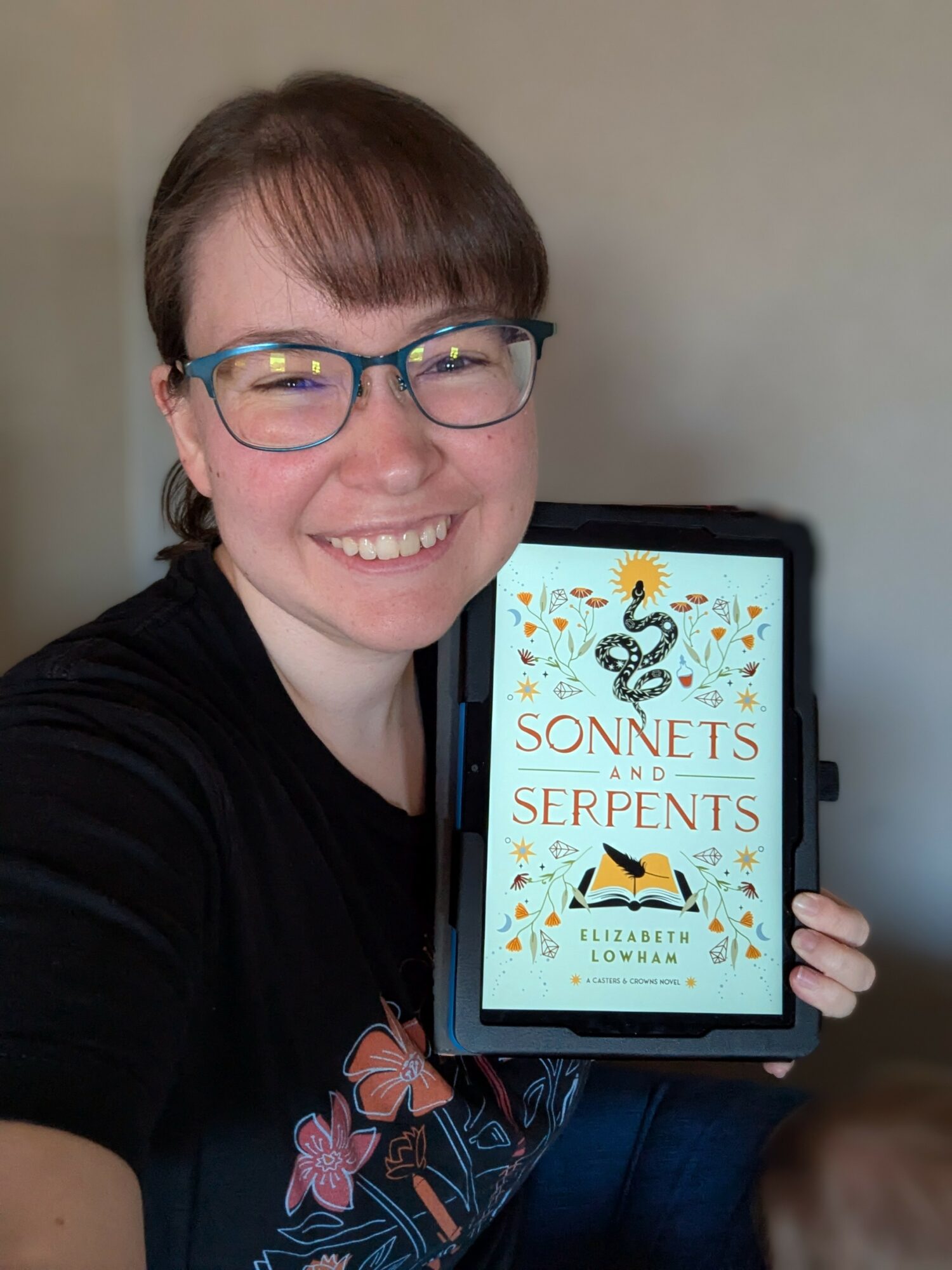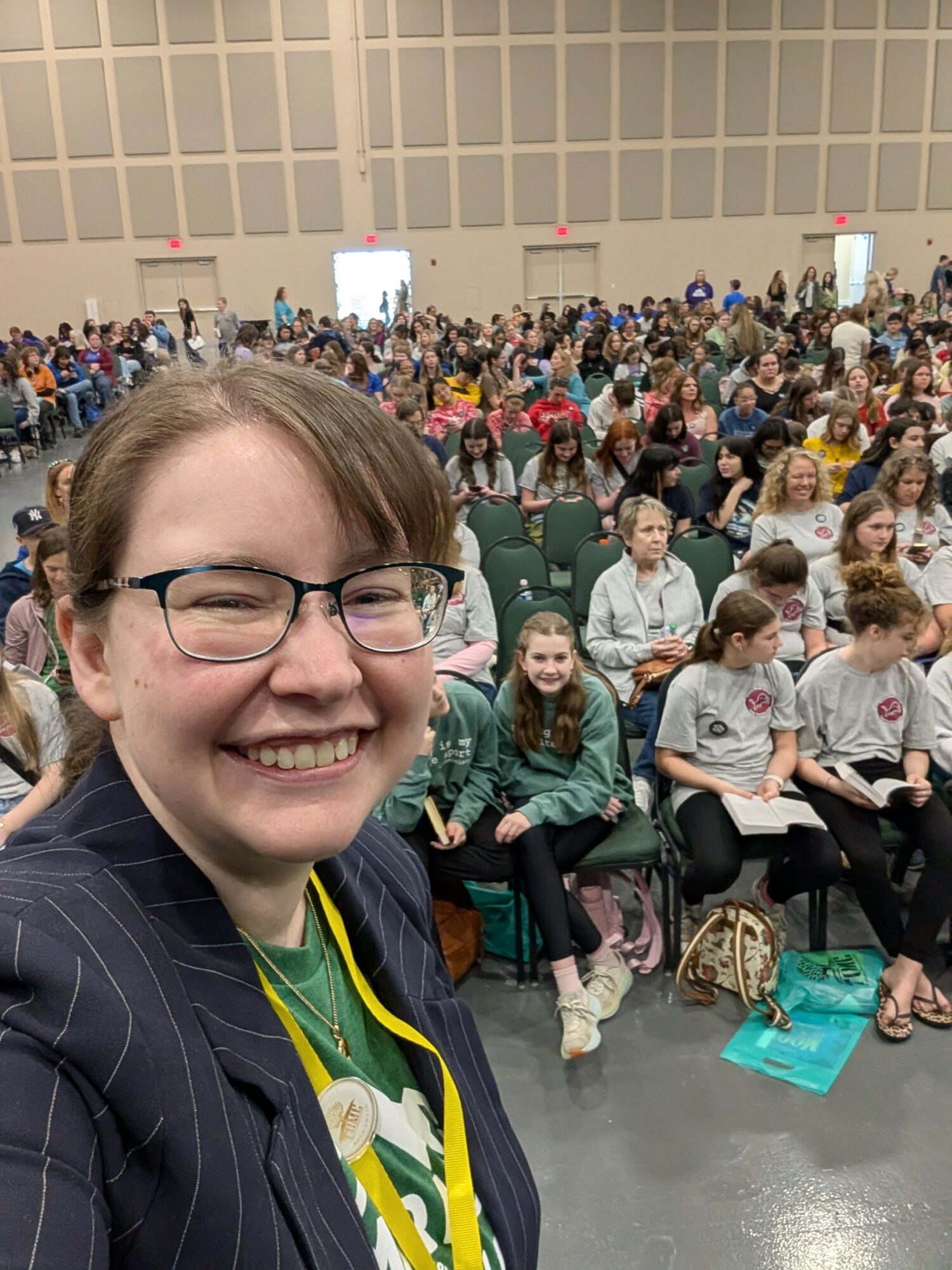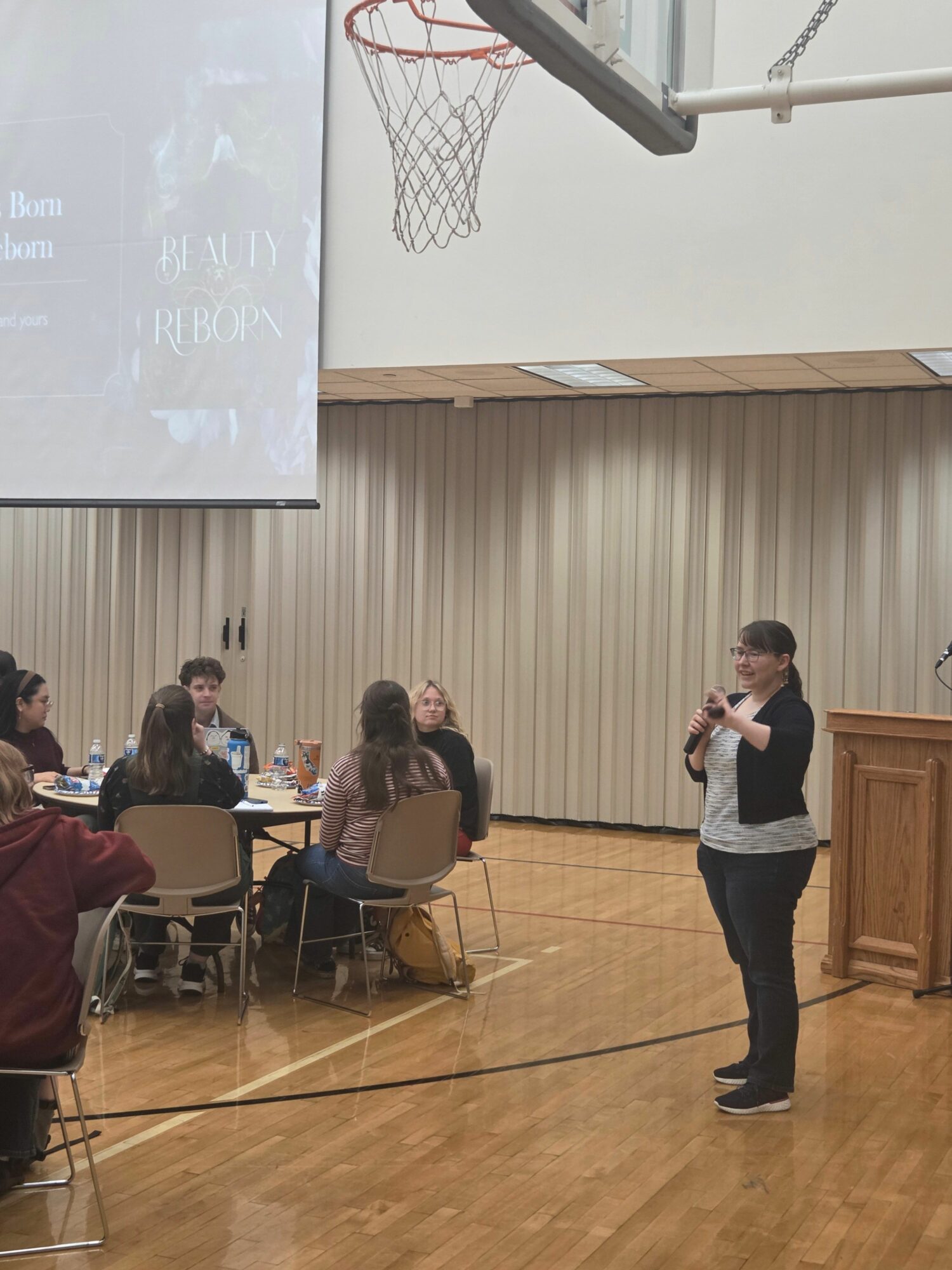



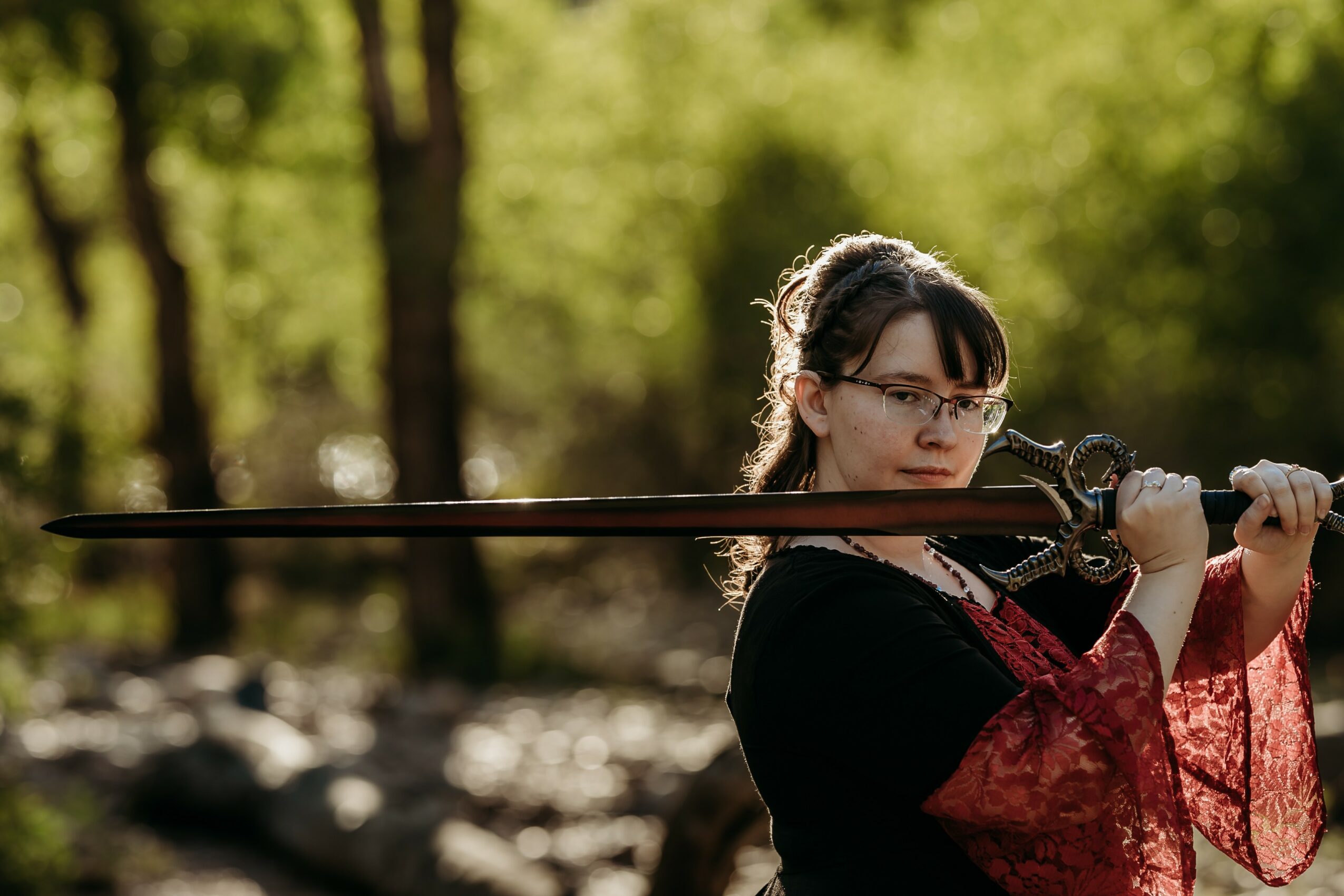
Today we’d like to introduce you to Elizabeth Lowham.
Hi Elizabeth, can you start by introducing yourself? We’d love to learn more about how you got to where you are today?
“The Jumping Jack-O-Lantern”—my first story was passionately written and illustrated by me at six years old, then lovingly stapled by my mother, who also helped with spelling. It told the harrowing tale of a Jack-O-Lantern who came alive on Halloween night and started jumping, much to the delight of the little girl who had carved it.
Until it jumped out into the street and got hit by a car.
Don’t worry; this story has a happy ending. The girl and her mom gathered up all the pieces and glued them back together. When they placed a candle inside, the Jack-O-Lantern came back to life, and, together with the little girl, jumped off to go Trick-or-Treating. The end.
I like to joke even now that I write stories with happy endings that come after the characters have been demolished and put back together.
At six years old, I loved stories, but I had no idea I would pursue an author career. That dream didn’t come about until ten years later. As a teenager, I took an after-school community writing class, and the teacher, Karen Hoover, gave me information for a writing conference geared toward teens. When I attended, I met authors—real, published authors—who sat and talked with me, who taught classes about how to do what they did, who seemed to believe it was possible for me, little old me, to become like them. Dan Wells, Lisa Mangum, Julie Wright, Heather Moore, Annette Lyon, and others—these people became my mentors and idols.
For the first time, I didn’t just think, “I like writing stories,” but I started to think, “I’m going to become a published author.”
Can you talk to us a bit about the challenges and lessons you’ve learned along the way. Looking back would you say it’s been easy or smooth in retrospect?
Writing a book sounds easy in theory. Just tell a story. You know words, and you know sentences, so turn the words into sentences, and put the sentences together, and then it’s done! Teenage author Liz started out with a lot of assumptions and unearned self-confidence, only to quickly discover that her easy path to publication was not so easy after all. Writing the book was hard enough, but even after I’d done that—after I’d written my very first original novel, an epic fantasy adventure that ended with no resolution after a hundred pages—for some unfathomable reason, I couldn’t get anyone in the industry to buy it.
I know what you’re asking. “Did you actually send that book to industry professionals?” Oh, yes, my friend, I did. I shopped that “one-hundred-page epic fantasy about dragon people” to real editors. I was eighteen years old.
I regret nothing. Passion makes a writer, and there’s nothing wrong with shouting from the rooftops that you have created something. There’s nothing wrong with loving what you’ve created and wanting to share it with people.
The tricky thing is, if they don’t love it the way you do, what then?
No one loved my first book. It was clumsily written, emotionally overwrought, and there were no structural bones to hold the floppy mess up to any scrutiny. Not to mention it was several hundred pages too short for its genre. The rejections were kind but firm.
I could have kept trying to perfect that story, but I made the choice to do something that I honestly believe was the best move I ever made for my career: I chose to set it aside and write another book. I also enrolled in an undergraduate creative writing degree, so while professional academics taught me how to create the bones of story structure and the meat of emotional connection, I took a crack at book number two, a contemporary fantasy novel about a girl who saw grim reapers. That one came in at a genre-appropriate length, and I knew, I knew, “This is the one.”
It wasn’t. It received kind-but-firm rejections, same as the first, and now my worries began. As part of my degree, I wrote constantly. I sank my hands into creative fiction, and I was buried alive in words. I wrote piles of short stories, and I submitted them to magazines, and, always, the response was rejection. I branched out into poetry and screenwriting. I even took on an internship and subsequent job as a screenwriter—my writing was GOOD. People liked it. They hired me for it. I presented twice at the National Undergraduate Literature Conference with stories deemed exemplary. One of my professors told me I was doing graduate-level work with my nonfiction literary analysis essays. But when it came to publication? I couldn’t land anything.
“Woe is me” is a very tempting mindset, especially when it feels like you’re doing everything right and still falling short. I got a little self-pitying there for a while. I took a break from personal writing and only did what was required for assignments.
If I could go back in time, I wish I could tell myself two things: “Stop measuring your quality by outward acceptance,” and also, “You’re not as good as you think.”
It’s okay—I would very lovingly deliver the harsh news.
The lesson I had to eventually learn was to put my head down and just keep writing. Feedback can be difficult to navigate because rejection kills motivation while praise puffs ego. I was fixating on both the positive and negative feedback I was receiving, and I let the positive tell me I was better than I was, and I let the negative frustrate and de-motivate me. I wish I would have let go of both sooner and taken on the accountability for my own growth and passion.
Eventually, the love of writing won out, and I wrote a third book. I shopped it around. It was rejected. I shelved it, but I didn’t quit; I didn’t take another break. I wrote the next book.
That’s it. That’s the process.
At fifteen years old, I said, “I’m going to be a published author.”
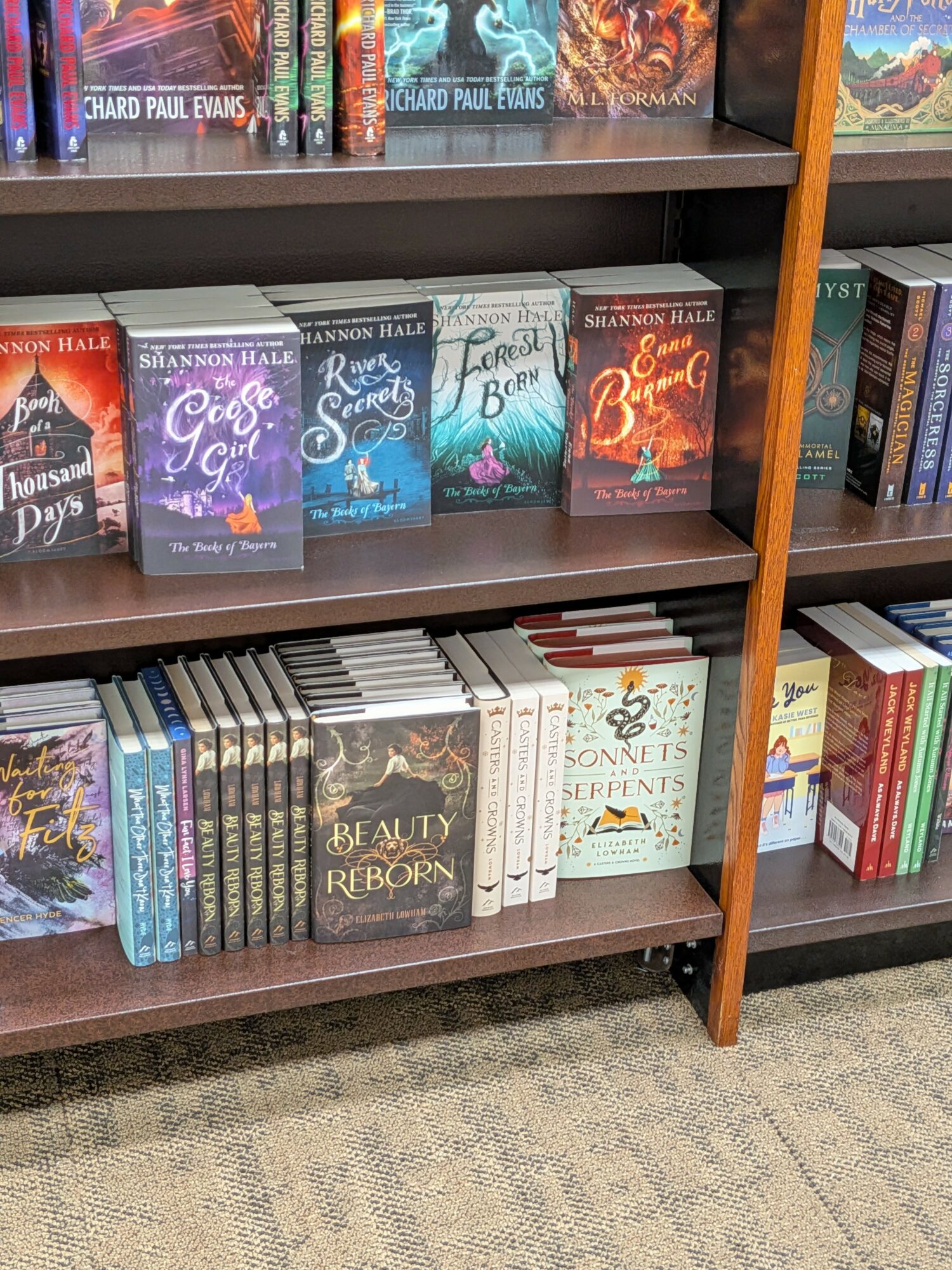
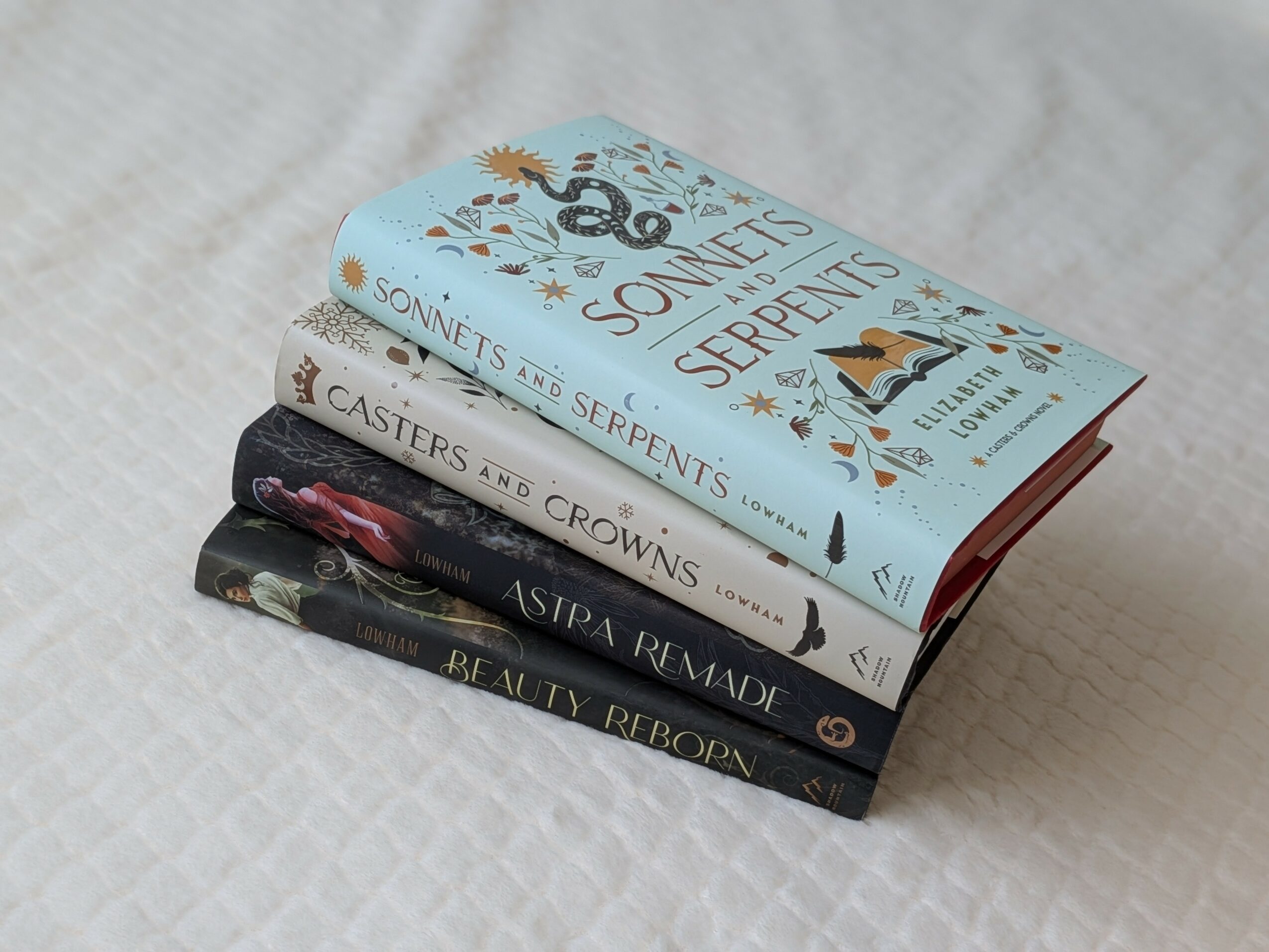
The week before I turned thirty, my first book, BEAUTY REBORN, hit the shelves. Now I have four published novels and four published short stories in anthologies. And, most importantly, I’m writing the next one.
Appreciate you sharing that. What else should we know about what you do?
I write clean fantasy romance. My most well-known book is CASTERS AND CROWNS, which received a starred review from Foreword Reviews along with six awards, most notably the Foreword INDIE Gold Medal for Best Young Adult Novel of the Year. CASTERS AND CROWNS tells the story of a kingdom on the verge of civil war and the two people who can save it—Aria, the crown princess cursed to die in 100 days, and Baron, a powerful Caster trying to protect his younger brothers from a secret that might kill them. Sometimes, saving yourself requires trusting someone else.
So, before we go, how can our readers or others connect or collaborate with you? How can they support you?
My books are available at all major online retailers, at Deseret Book locations, and at Barnes & Noble. They are available in print, ebook, and audiobook formats.
Contact Info:
- Website: https://elizabethlowham.com
- Instagram: https://www.instagram.com/lizlowham/