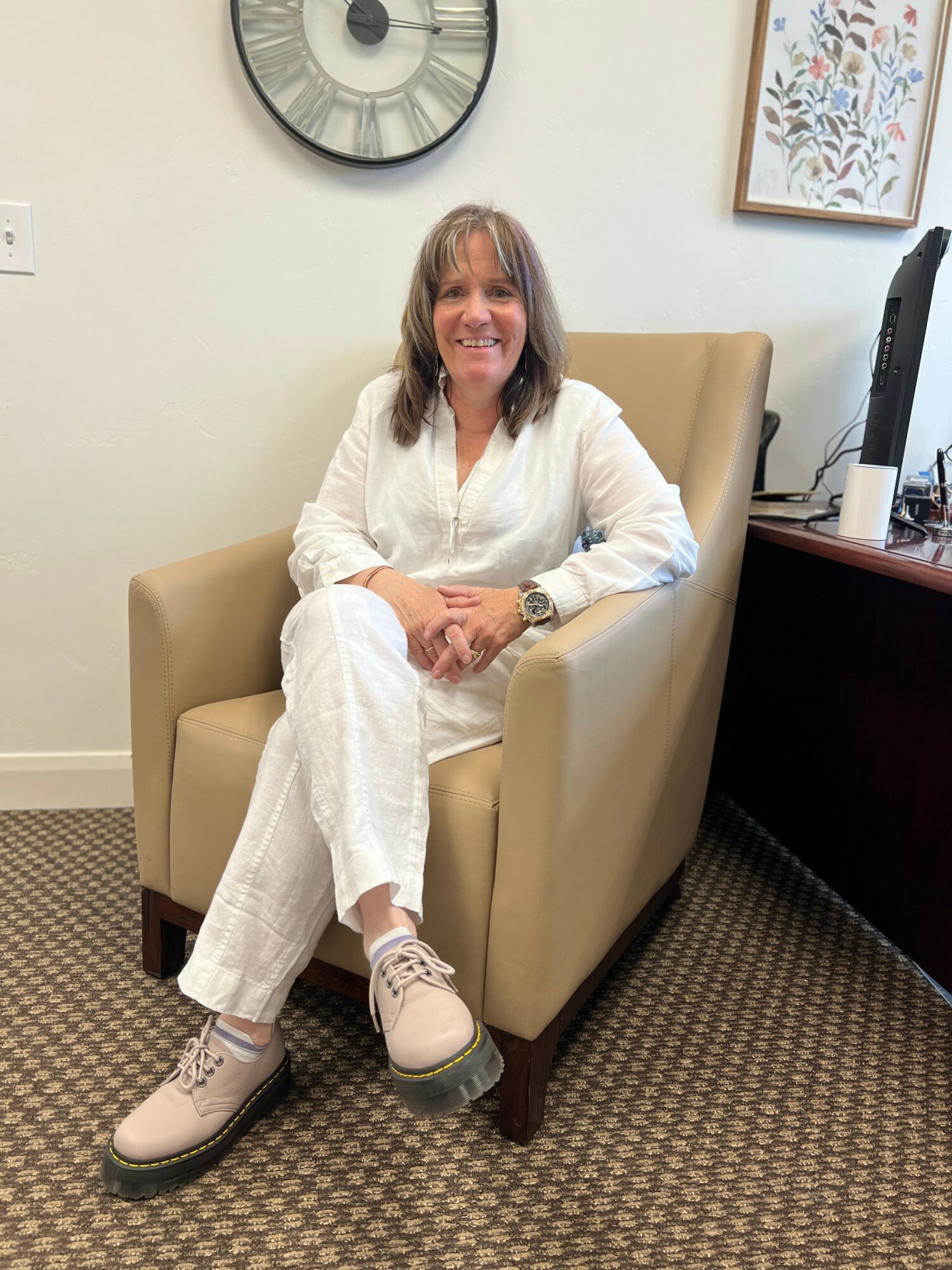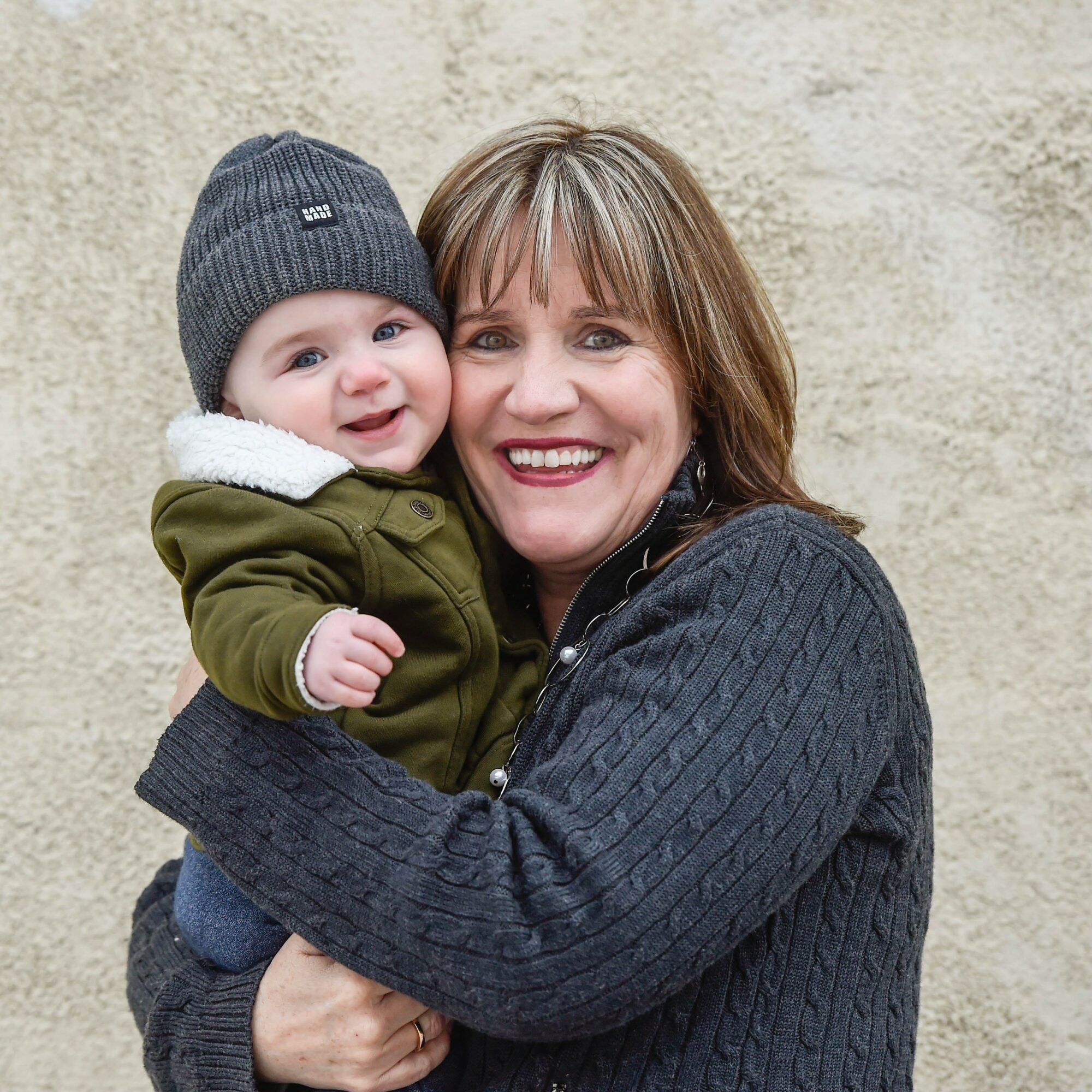



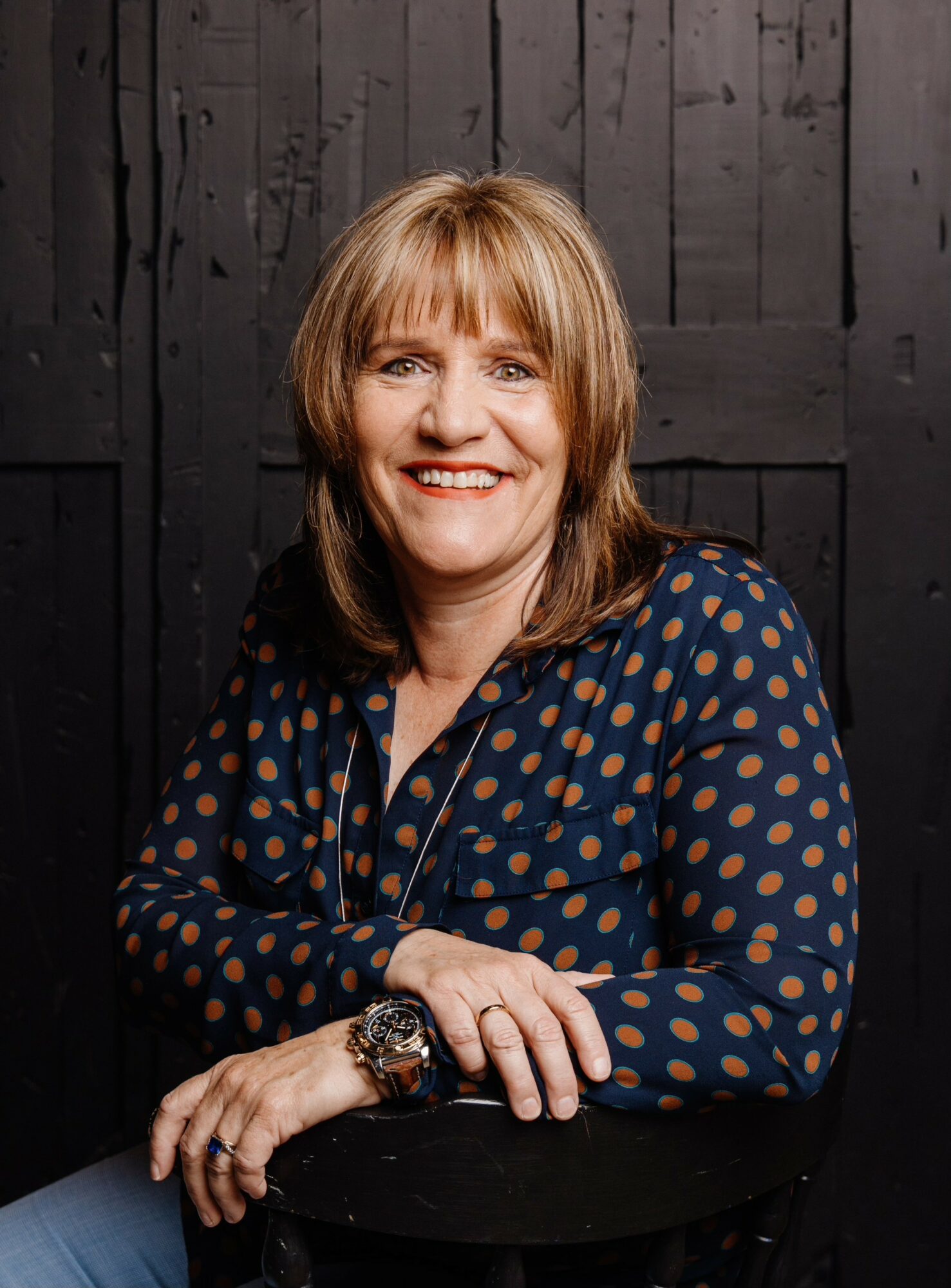
Today we’d like to introduce you to Christy Kane.
Hi Christy, we’d love for you to start by introducing yourself.
I’ve spent more than 20 years working in mental health, but my career has never followed just one path. I’ve worked in clinical settings, led residential treatment programs, served in leadership roles across different industries, built businesses, written books, and spent hundreds of hours teaching and speaking about mental health. Over time, I realized that the common thread in all of that work was helping people better understand what is happening in the brain and giving them practical tools to navigate difficult experiences.
That eventually led me to build Kane Counseling Services, an outpatient mental health practice in Utah where our team works with individuals and families facing everything from trauma, anxiety and depression to divorce, addiction and major life transitions. As the practice grew, so did my work outside the therapy office. I began working more with schools, businesses, law enforcement agencies and other organizations that wanted to understand mental health before someone reached a crisis point.
Speaking became a natural extension of that work. I love taking complicated concepts from psychology and neuroscience and making them understandable and useful in everyday life. That has taken me from parent nights and school districts to corporate trainings, national conferences and TEDx, and it ultimately led me to write three books focused on trauma, resilience and mental wellness.
Today, my work really sits at the intersection of clinical mental health, leadership and education. Whether I’m working with a therapy client, leading my practice, writing or speaking to a room full of leaders, the goal is essentially the same: help people understand their brains, strengthen their mental health, and create environments where people can function and connect better.
I’m sure it wasn’t obstacle-free, but would you say the journey has been fairly smooth so far?
Definitely not—and I’m not sure healthcare ever really offers a “smooth road.” It feels like the industry changes every five minutes. Insurance policies change, regulations shift, reimbursement models evolve, supply and demand fluctuate, the economy impacts what people can afford, and then occasionally a pandemic comes along and changes almost everything overnight.
One of the biggest challenges has been learning how to build something sustainable in an industry where so many of the factors affecting your business are outside of your control. You can be doing great clinical work and running a strong organization, and then an insurance company changes a policy or a new regulation is introduced and suddenly you have to rethink how you operate.
Mental health has also changed tremendously over the years. Demand has increased, which is wonderful in the sense that more people are seeking help and talking openly about mental health, but that growth brings its own challenges—workforce shortages, access issues, affordability, burnout, and figuring out how to serve more people without sacrificing quality of care.
I’ve learned that you have to be willing to adapt constantly. You have to stay informed, be creative, diversify, and sometimes change direction much faster than you would like. There really is never a dull moment.
At the same time, I think those challenges have made me a better leader and entrepreneur. They’ve forced me to keep learning, to look for solutions instead of getting too attached to one way of doing things, and to build an organization that can evolve as the needs of our clients, clinicians, and community change.
We’ve been impressed with Kane Counseling Services , but for folks who might not be as familiar, what can you share with them about what you do and what sets you apart from others?
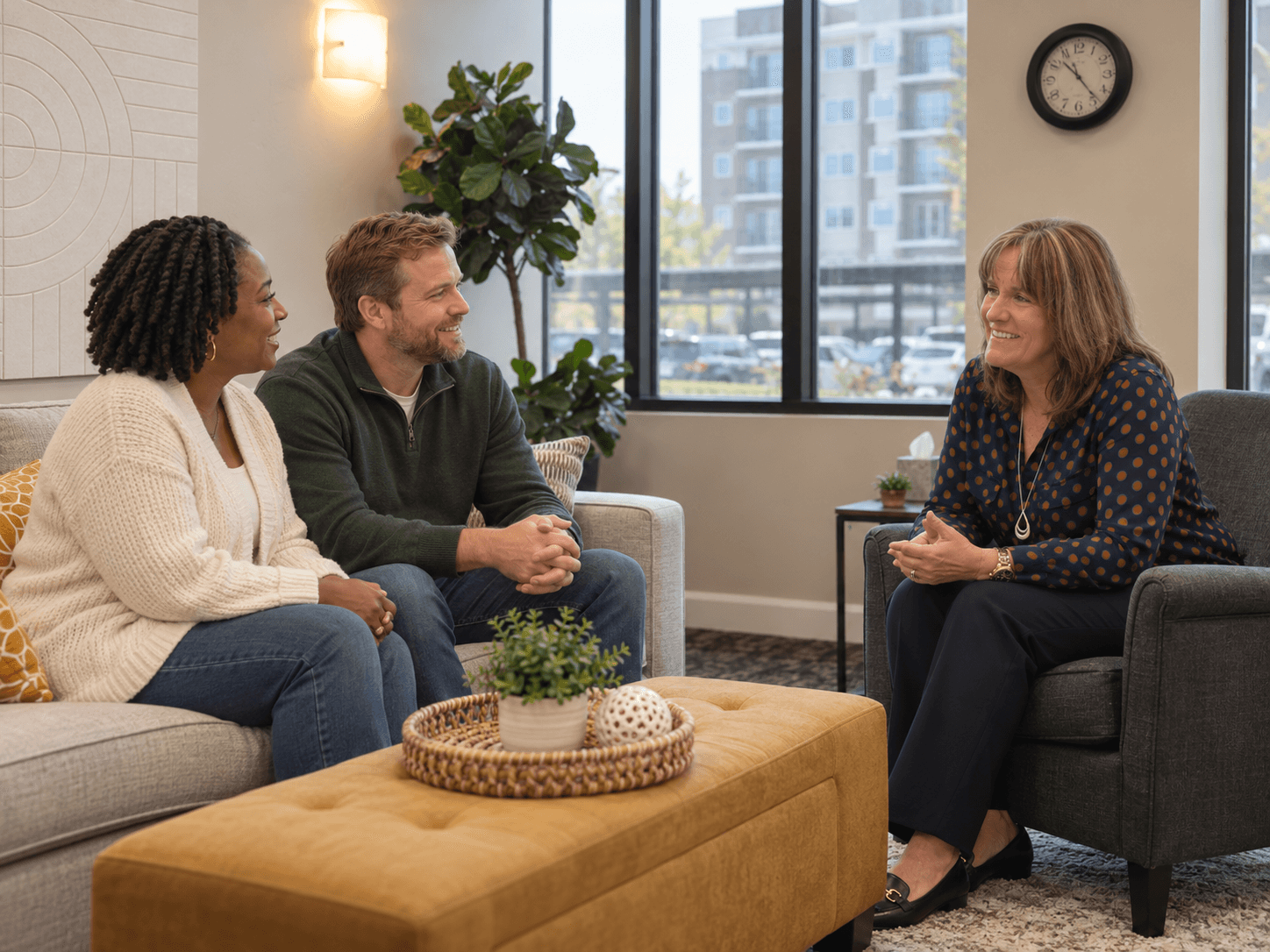
Kane Counseling Services is an outpatient mental health practice serving individuals, couples, children, teens, and families in Utah. We have locations in Lehi and Provo, along with telehealth options throughout the state, and our team includes clinicians with a wide range of specialties and approaches.
One of the things we are especially known for is working with complex family systems. That can include high-conflict divorce, co-parenting, court-involved families, trauma, relationship challenges, and situations where there are a lot of people, emotions, and systems involved. We also do a significant amount of work with children and teens, including play therapy, as well as individual, couples, and family therapy.
What I think sets us apart is that we are always looking at the bigger picture. Mental health doesn’t happen in a vacuum. People are affected by their families, relationships, workplaces, schools, finances, communities, and the systems around them. We try to understand all of those pieces rather than simply treating a diagnosis or a set of symptoms.
We have also worked hard to create multiple pathways into care. Therapy can be expensive and difficult to access, so we continually look for ways to reduce those barriers through insurance, lower-cost therapy options, community partnerships, grant-funded services, and clinicians at different stages of their careers. Access to good mental health care shouldn’t depend entirely on whether someone happens to have the right insurance plan.
Brand-wise, I’m probably most proud that Kane Counseling has grown without losing the feeling that there are real people behind it. We want to be clinically excellent, but we also want to be approachable. Mental health care can feel intimidating, especially when someone is already overwhelmed. From the first phone call through the therapy itself, we want people to feel like they are being treated as a person rather than a number.
We are also much more than a traditional therapy practice. Education is a major part of our mission. Through speaking, training, community partnerships, and our clinical work, we want to help people understand mental health before they reach a crisis point. Ultimately, the goal is to make good mental health information and quality care more practical, understandable, and accessible for the communities we serve.
We love surprises, fun facts and unexpected stories. Is there something you can share that might surprise us?
I’m a kickboxer—and a grandma. People are often surprised to learn that I punch a bag, and I punch pretty hard.
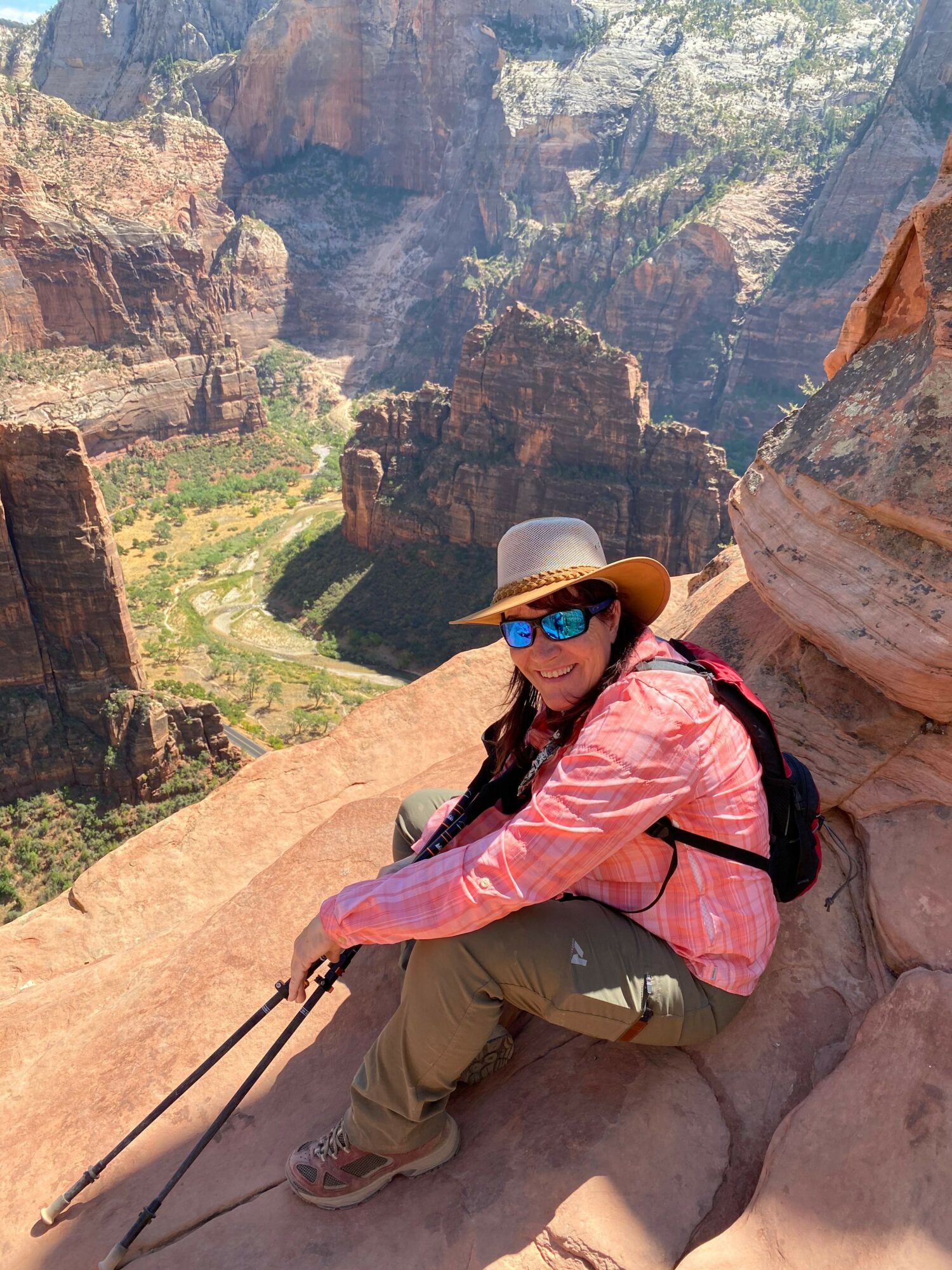
Most mornings before I see clients, you’ll find me in my garage hitting the bag, riding my bike, or doing something that gets my body moving. Therapy requires me to sit, listen, think, and be fully present with people for hours at a time, so I’ve learned that I need movement first.
It’s become a really important part of how I take care of myself and prepare for the day. There’s something about starting the morning physically—getting my heart rate up, working hard, and clearing my head—that helps me show up more focused and grounded for the people I work with.
So yes, I’m a therapist, business owner, speaker, author, and grandma—but I also really enjoy hitting things before breakfast.
Pricing:
- Individual therapy typically ranges from $150–$200 per session, depending on the provider and service.
- We accept most major insurance plans, and coverage/cost varies by individual plan.
- We offer a $75 private-pay therapy option with select members of our clinical team for clients looking for a more affordable, predictable rate.
- We also have grant-funded therapy available for qualifying children, teens, and young adults under age 26, while funding is available.
Contact Info:
- Website: https://www.drkanespeaks.com/
- Instagram: Dr.christykane
- LinkedIn: https://www.linkedin.com/in/drchristykane