


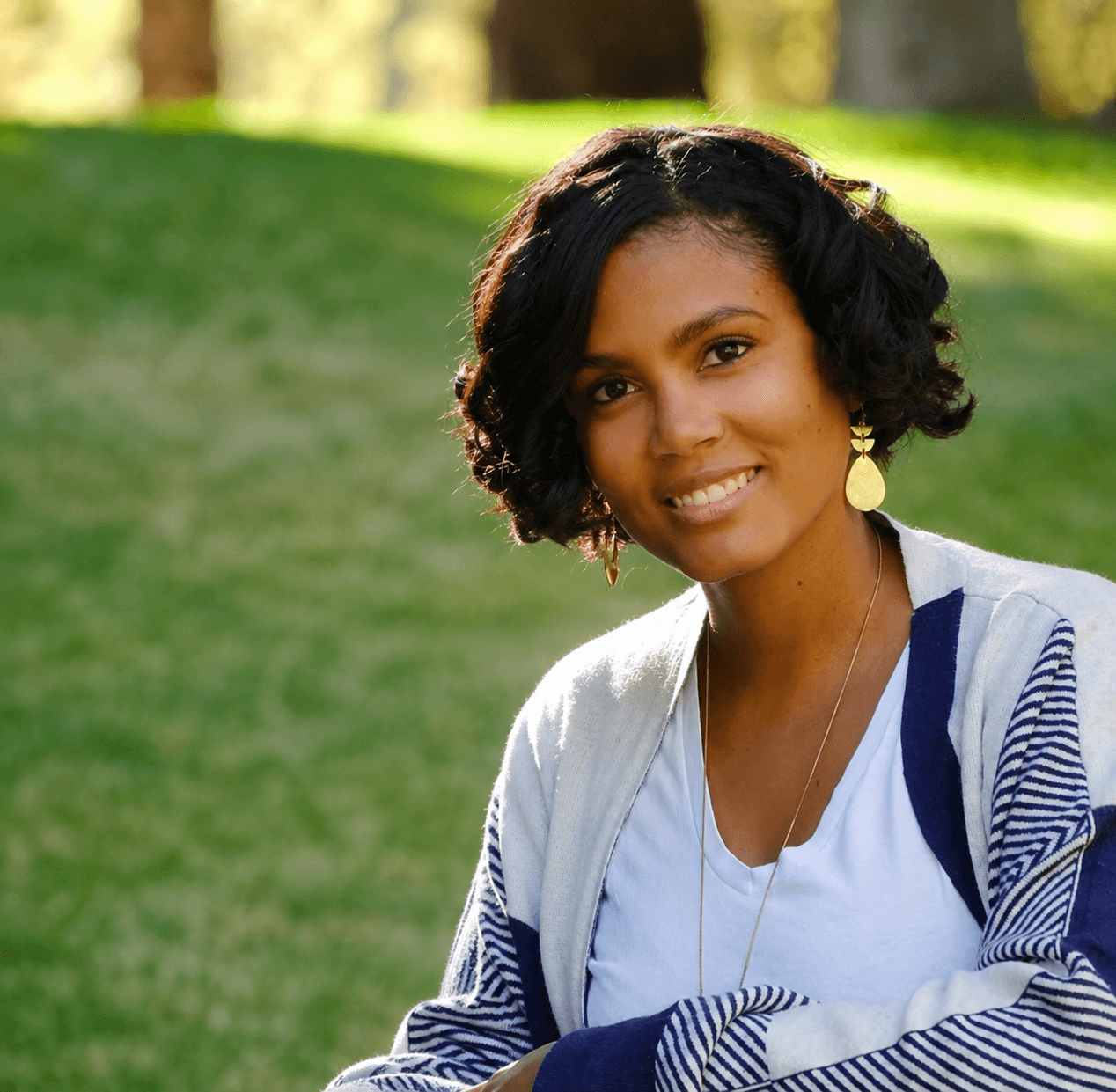
Today we’d like to introduce you to Ronnie Pessetto.
Ronnie, we appreciate you taking the time to share your story with us today. Where does your story begin?
Looking back, I think my journey has been shaped by resilience, curiosity, and a desire to leave the world a little better than I found it. It has not necessarily been a straight path, but I have come to appreciate how even the most difficult experiences can shape our sense of purpose.
One of the most defining experiences of my life happened when I was a child. I was diagnosed with cancer, something that forced me to confront life’s uncertainties at a very young age. Surviving cancer gave me a different perspective on life, particularly the importance of making the most of the time we have and finding meaning in the things we choose to pursue. I think that experience planted a seed in me to dedicate my life to something bigger than myself, even if I didn’t fully understand what that would look like at the time.
I grew up in Kentucky and eventually pursued an education in environmental policy at Berea College. I became fascinated by the relationship between people and the environment, particularly how the places we live influence our health, opportunities, and sense of belonging. That curiosity eventually brought me to Salt Lake City, where I earned my master’s degree in City and Metropolitan Planning at the University of Utah.
Interestingly, Seven Canyons Trust began as an idea in an undergraduate course at the University of Utah in 2014, led by Professor Stephen Goldsmith. What started as a classroom vision to uncover and restore the seven major creeks of the Salt Lake Valley eventually grew into a nonprofit organization in 2016. The idea was simple but ambitious: What if we could bring our buried waterways back to the surface and reconnect communities with the natural systems that have always been part of this valley?
My own connection to that vision came later, through my professional career. After graduating from the University of Utah, I worked for Salt Lake City, where I became involved in the City Creek project along the Folsom Trail. The project explored the possibility of uncovering a portion of City Creek that had been buried beneath the urban landscape for generations. It was one of those experiences where everything I had studied in graduate school became tangible. I could see how planning, environmental restoration, public space, and community advocacy could come together to transform a place.
What I find particularly interesting is that while Seven Canyons Trust was growing out of an academic vision, I was working on a real world project that aligned almost perfectly with its mission. Our paths were developing independently but were ultimately moving toward the same goal. At the time, I had no idea how much that overlap would shape my future.
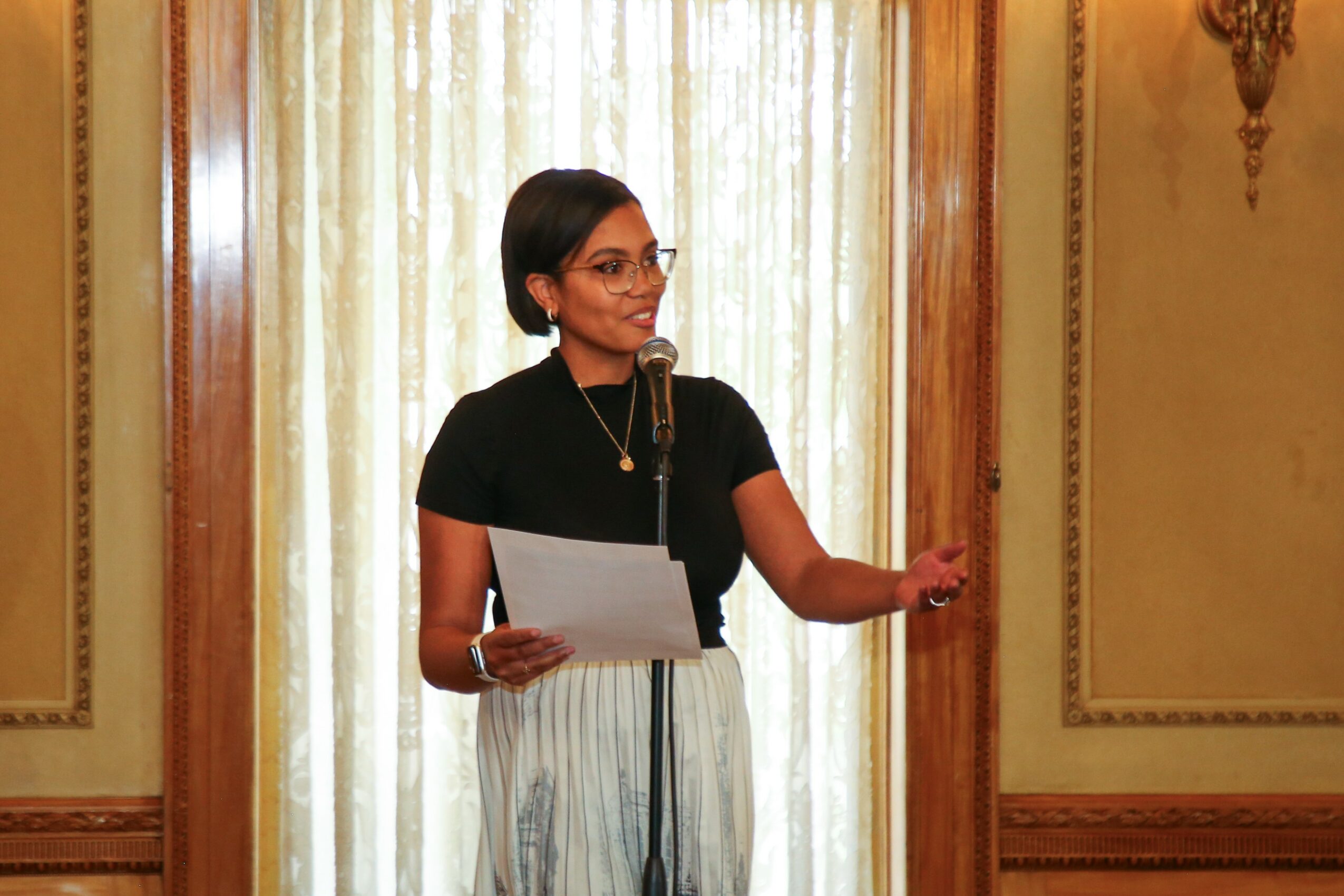
Eventually, my path led me to become the Executive Director of Seven Canyons Trust. In many ways, it felt like everything had come full circle. Today, I have the privilege of helping advance creek restoration projects throughout the Salt Lake Valley, building partnerships, connecting communities with their waterways, and turning ideas that once seemed impossible into real opportunities.
What has been especially meaningful is watching the organization evolve from a vision into something increasingly tangible. We are not just talking about uncovering creeks anymore. We are developing projects, influencing public investments, and helping communities reimagine what their neighborhoods could become.
I have also found a new sense of fulfillment in teaching at the University of Utah, where I now have the opportunity to share some of these experiences with the next generation of planners and community leaders. There is something incredibly rewarding about returning to the institution that helped shape my own journey and encouraging students to think differently about the places around them.
When I reflect on where I started and where I am today, I keep coming back to the idea that our lives are rarely linear. Growing up, surviving cancer, moving across the country, discovering urban planning, and eventually leading a nonprofit were not pieces of some carefully constructed plan. Yet, somehow, they all connect.
I often think about how much of our work at Seven Canyons Trust is about revealing something that has always been there, even when we cannot see it. In some ways, I think personal growth is similar. Sometimes it takes years to recognize how our experiences, challenges, and opportunities have been quietly shaping the direction of our lives.
And for me, that is what makes this journey so meaningful. I get to spend my days working toward a future I may not see fully realized in my lifetime, but one that I hope will make a lasting difference for generations to come.
Can you talk to us a bit about the challenges and lessons you’ve learned along the way. Looking back would you say it’s been easy or smooth in retrospect?
I don’t think any meaningful journey is ever a completely smooth road, and mine has certainly had its share of challenges. Looking back, some of the most difficult experiences in my life have also been the ones that shaped who I am today.
Surviving childhood cancer was one of my earliest lessons in resilience. At an age when most children are simply discovering the world, I was learning about uncertainty, vulnerability, and perseverance. That experience changed how I viewed life. It taught me that circumstances can change quickly and that we don’t always have control over what happens to us, but we do have some control over how we respond and what we choose to do with the time we have.
Growing up in Kentucky, I also had to navigate the challenges of finding my own direction and figuring out what opportunities were available to me. Pursuing higher education and eventually moving across the country required me to step outside of what was familiar. There were moments of uncertainty and self doubt, but those experiences pushed me to grow and become more comfortable with the unknown.
Professionally, leading Seven Canyons Trust has brought an entirely different set of challenges. Nonprofit leadership is incredibly rewarding, but it can also be difficult, especially when you’re working with limited resources and trying to advance an ambitious mission. Much of our work involves projects that can take decades to fully realize. Restoring an urban creek is not as simple as removing concrete and allowing water to flow again. It requires navigating complex property ownership, infrastructure, funding, government processes, and community interests.
There have been times when I’ve questioned whether we’re moving fast enough or whether we have the resources to accomplish everything we’ve set out to do. As the Executive Director of a small nonprofit, I’ve had to learn how to balance an ambitious vision with the everyday realities of fundraising, administration, and organizational sustainability. Sometimes the hardest part is accepting that meaningful progress doesn’t always happen on the timeline we would like.
But one of the most important lessons I’ve learned is that we don’t have to know all the answers to make a difference. We just have to remain curious enough to ask questions and courageous enough to try. When I think about people throughout history who have transformed our communities and the world, many of them didn’t have a clear roadmap either. They saw something that could be different, questioned why things were the way they were, and decided to do something about it. They weren’t necessarily experts in everything. They were curious, persistent, and willing to learn along the way.
I think that same mindset is essential to our work at Seven Canyons Trust. We don’t always know exactly how we’re going to uncover a creek, secure the funding, or navigate the obstacles that come with restoring urban waterways. Sometimes we’re figuring things out as we go. But we ask questions, bring people together, explore possibilities, and remain open to learning. There is something exciting about working in a space where the answers aren’t always obvious. It creates opportunities for creativity, collaboration, and discoveries we might never have anticipated.
I’ve also learned that resilience isn’t about pushing through everything on your own. It’s about recognizing when to ask for help, surrounding yourself with people who believe in the work, and understanding that setbacks are often part of the process rather than signs of failure. Some of our greatest progress has come from conversations that started with a simple question or an idea that initially seemed unrealistic.
In some ways, I see parallels between my personal journey and the work we do at Seven Canyons Trust. Our urban waterways have been buried, redirected, and forgotten over generations, yet they continue to flow beneath our feet. There is something powerful about that persistence. Even when something is hidden, it doesn’t mean its potential is gone.
I think the same can be said about people. Life has a way of challenging us, redirecting us, and sometimes forcing us to start over. But those experiences don’t have to define our limitations. They can also become the foundation for something meaningful.
Today, I try to approach challenges with patience, humility, and curiosity. I certainly don’t have everything figured out, and I don’t think I ever will. But I’ve come to realize that meaningful change rarely begins with having all the answers. More often, it begins with someone being willing to ask, “What if?” and having the courage to find out.
And sometimes, the biggest risk isn’t failing. It’s never trying in the first place.
Alright, so let’s switch gears a bit and talk business. What should we know about your work?
I currently serve as the Executive Director of Seven Canyons Trust, a nonprofit organization dedicated to uncovering and restoring the seven major creeks of the Salt Lake Valley: City Creek, Red Butte Creek, Emigration Creek, Parleys Creek, Mill Creek, Big Cottonwood Creek, and Little Cottonwood Creek. These waterways have shaped our valley for generations, yet many portions have been buried beneath streets, buildings, and other infrastructure as our communities developed. Today, approximately 21 miles of our creeks are buried underground, and 79 miles of waterways are considered impaired. These numbers represent not only the environmental challenges facing our valley, but also the tremendous opportunity we have to rethink our relationship with water. Our mission is rooted in a simple but ambitious idea: What if we could bring these waterways back to the surface and reconnect communities with the natural environment that has always existed beneath our cities?
Much of my work focuses on urban stream restoration, environmental planning, community development, and building partnerships that turn ambitious ideas into real projects. We specialize in a process called daylighting, which involves uncovering waterways that have been buried in underground pipes and channels, allowing them to flow above ground again. Beyond the environmental benefits, these projects can create opportunities for public spaces, urban wildlife habitat, education, and stronger connections between people and nature.
What makes our work particularly interesting is that we operate at the intersection of environmental restoration, urban planning, infrastructure, public policy, and community advocacy. Restoring a creek in a developed city is incredibly complex. It involves coordinating with municipalities, engineers, landscape architects, property owners, developers, community organizations, and residents. My role is often to bring those different perspectives together, identify opportunities, and help move projects from an idea toward implementation.
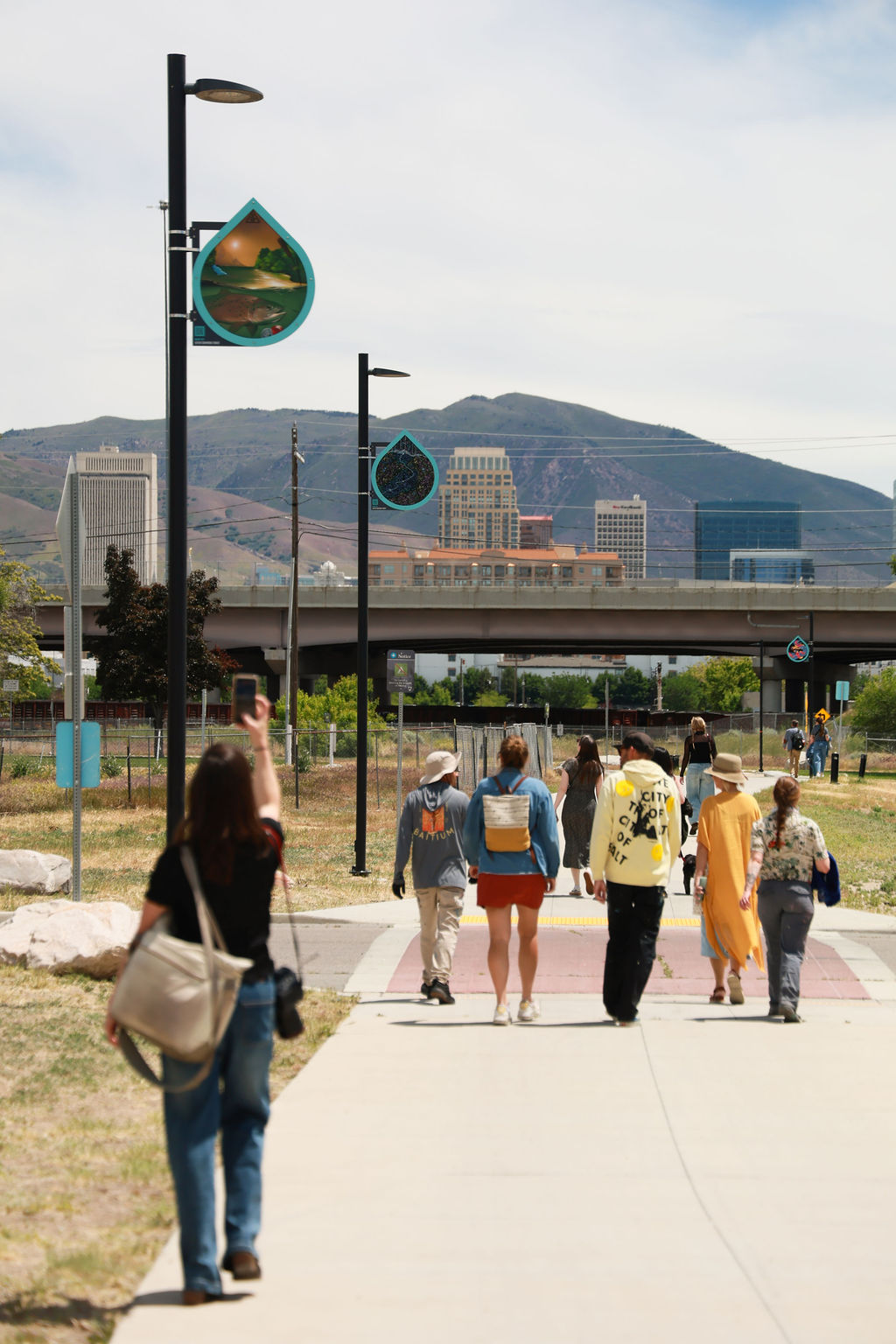
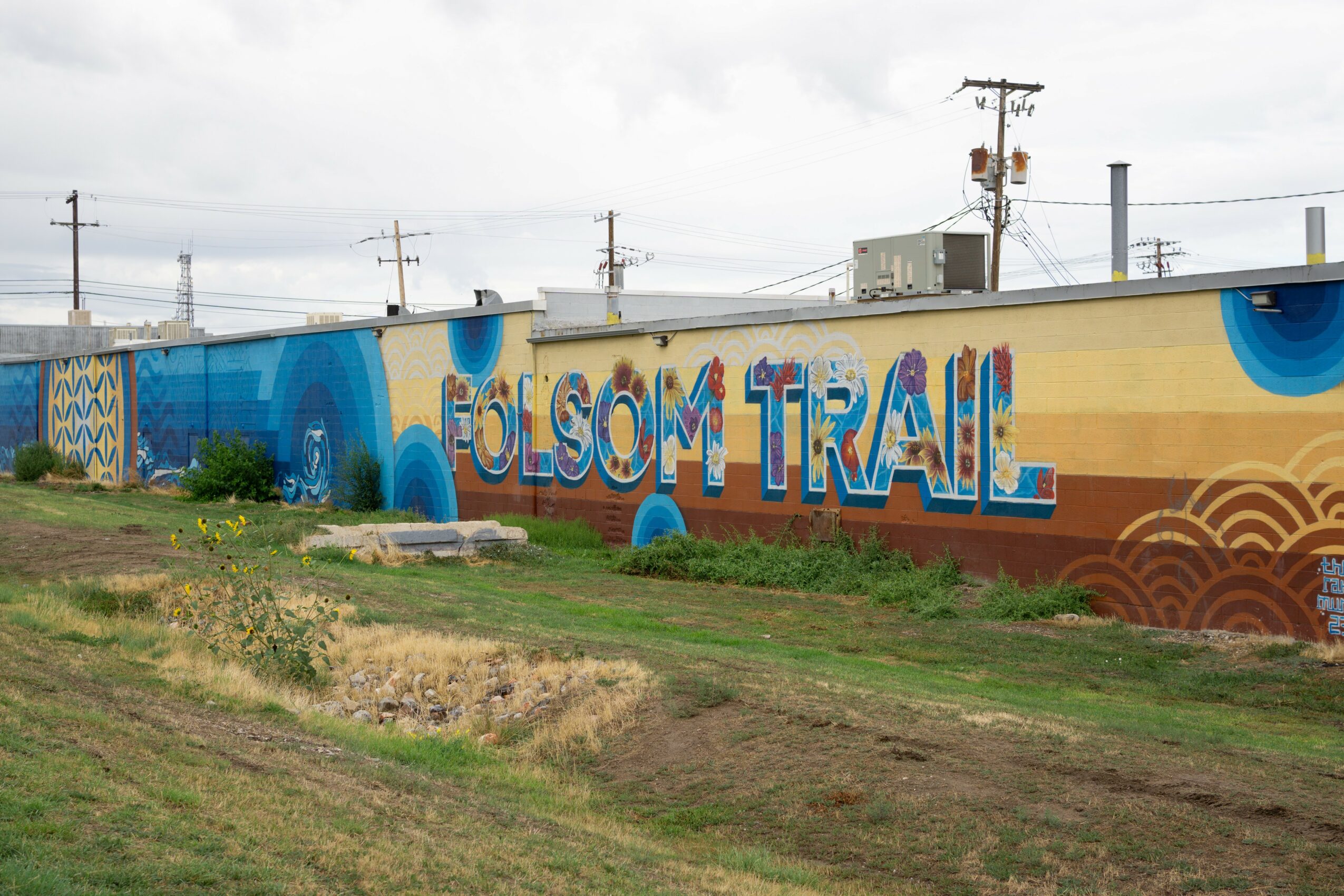
One of the projects I’m particularly proud of is our work along the Folsom Trail in Salt Lake City. This project has a special place in my heart because I was involved in the early planning efforts while working for Salt Lake City, before becoming Executive Director of Seven Canyons Trust. Today, we’re helping advance the engineering and design work needed to eventually uncover City Creek along this corridor. It’s incredibly meaningful to see something I worked on earlier in my career continue moving closer to becoming a reality.
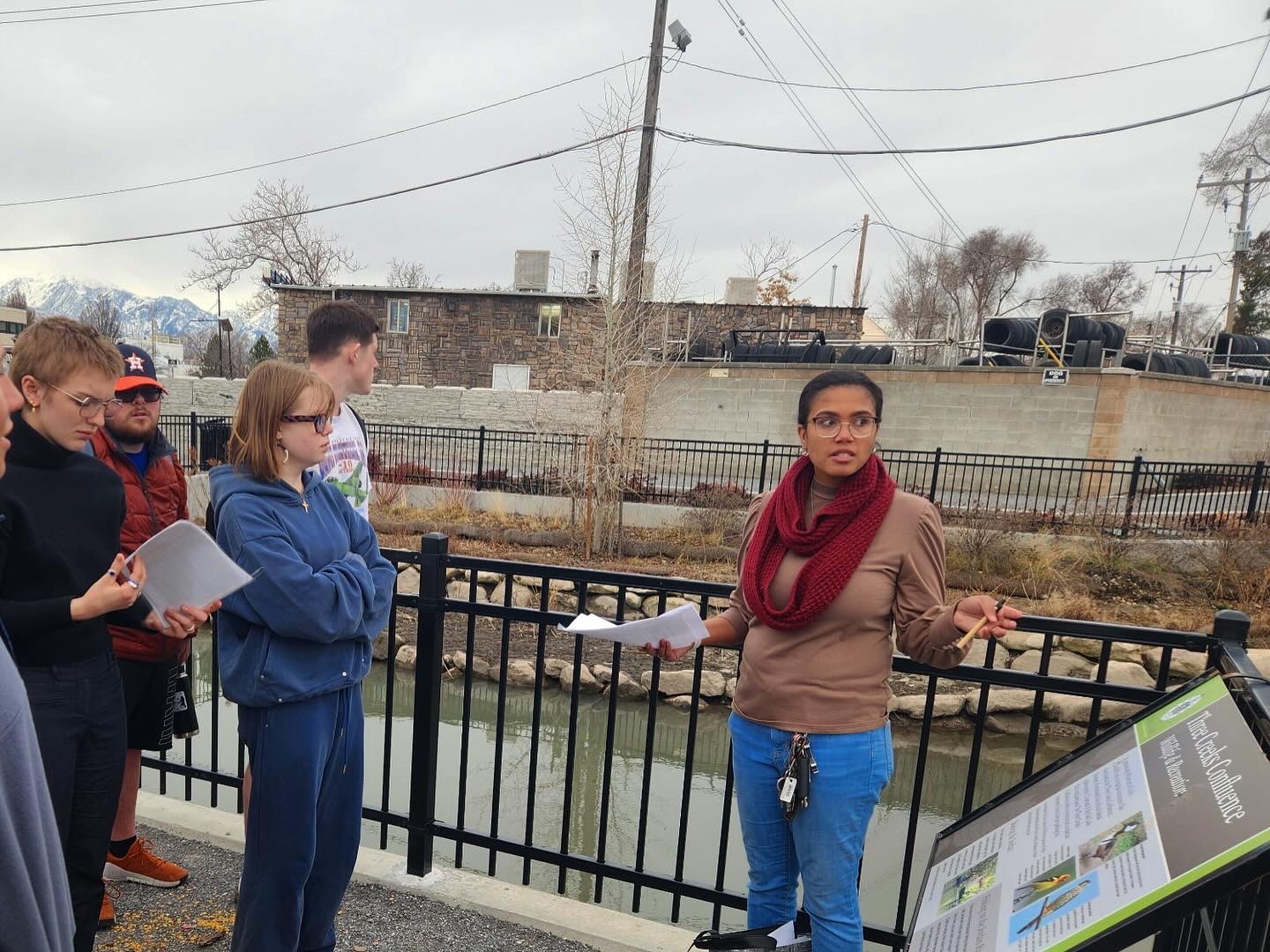
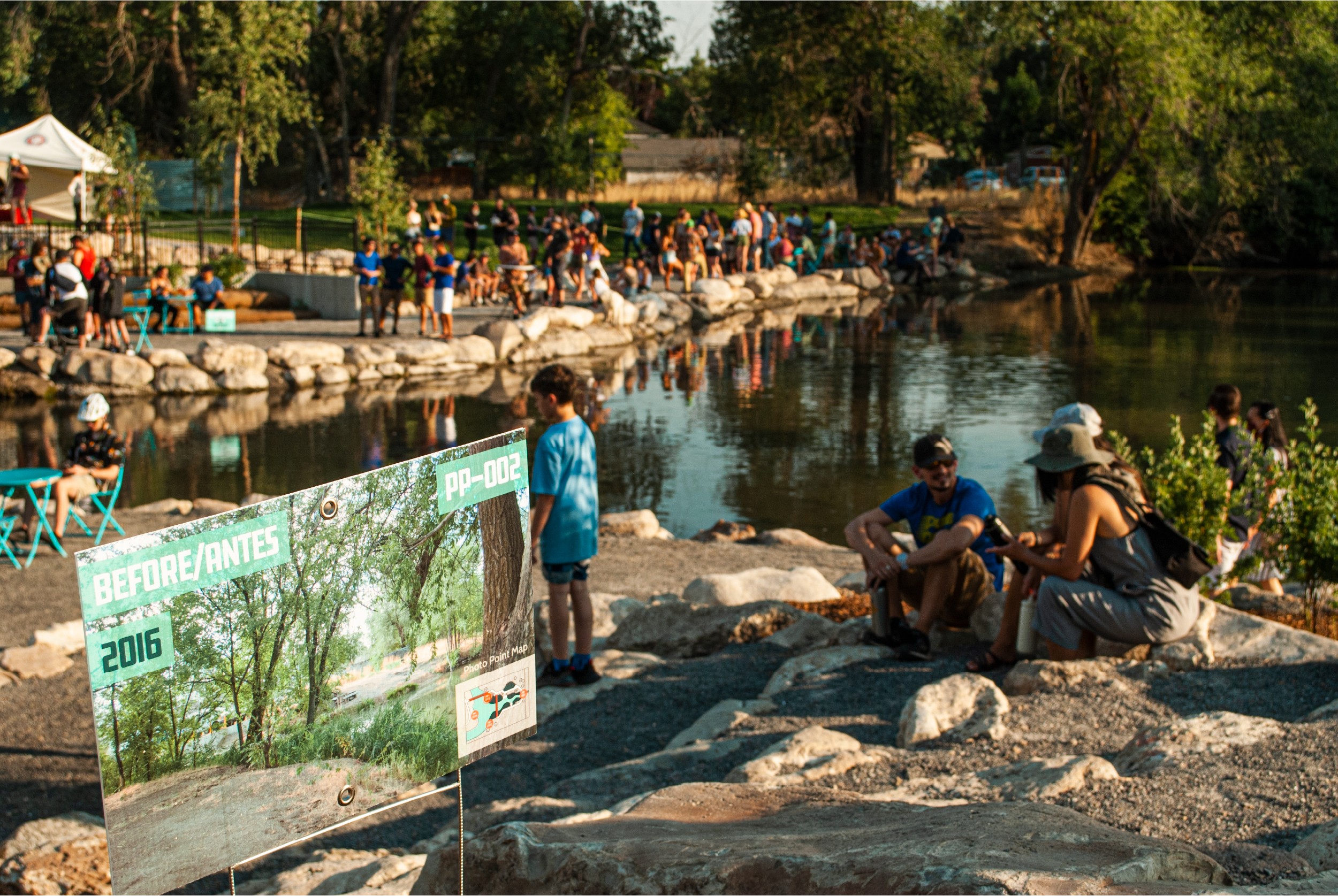
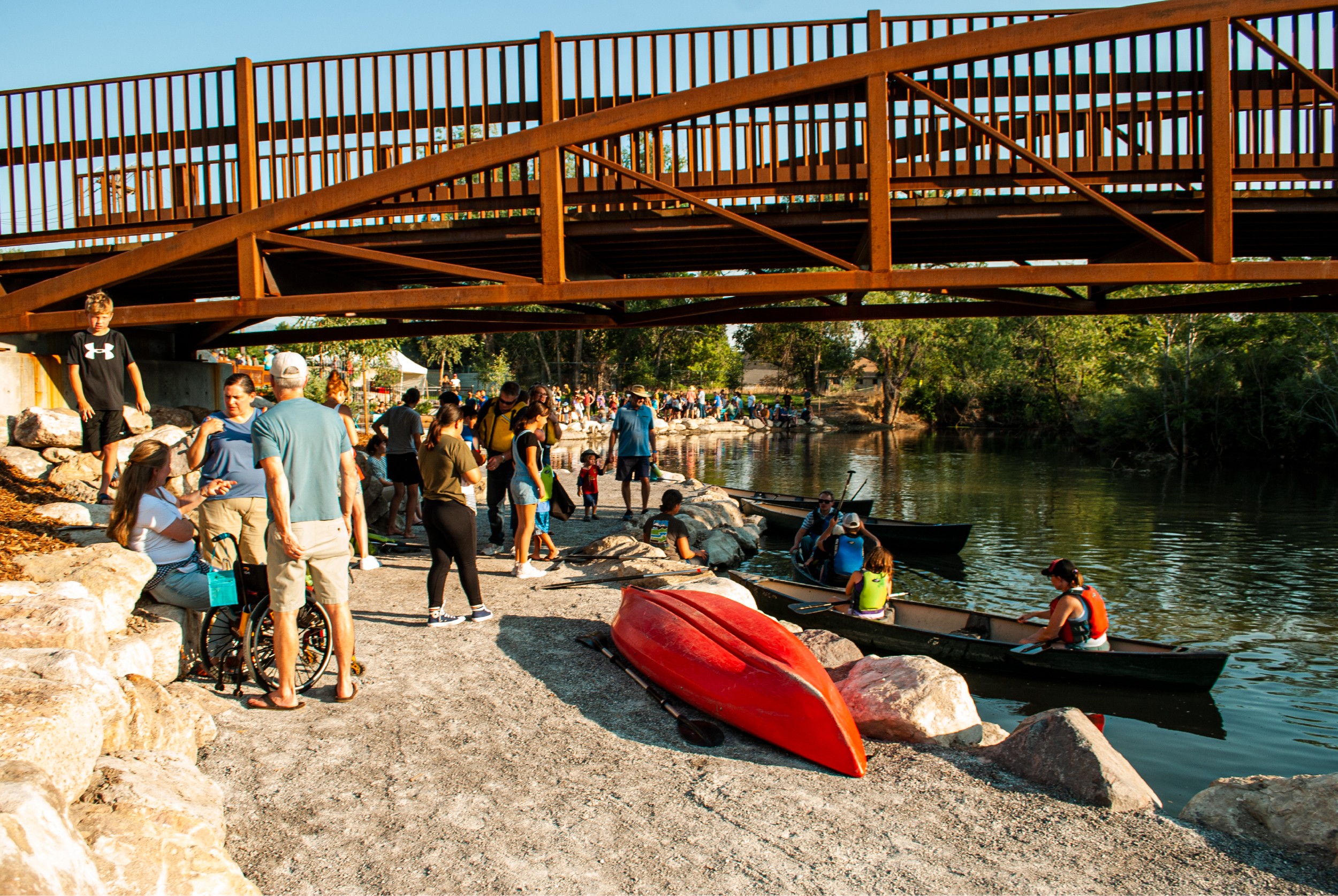
I’m also proud of our work at the Three Creeks Confluence, where Red Butte, Emigration, and Parleys Creeks come together. This area represents an opportunity to demonstrate how restoring urban waterways can also strengthen neighborhoods, improve public spaces, and create places where communities can gather. Through partnerships, community engagement, environmental stewardship, and future restoration efforts, we’re working to help people see the potential of spaces that have historically been overlooked.
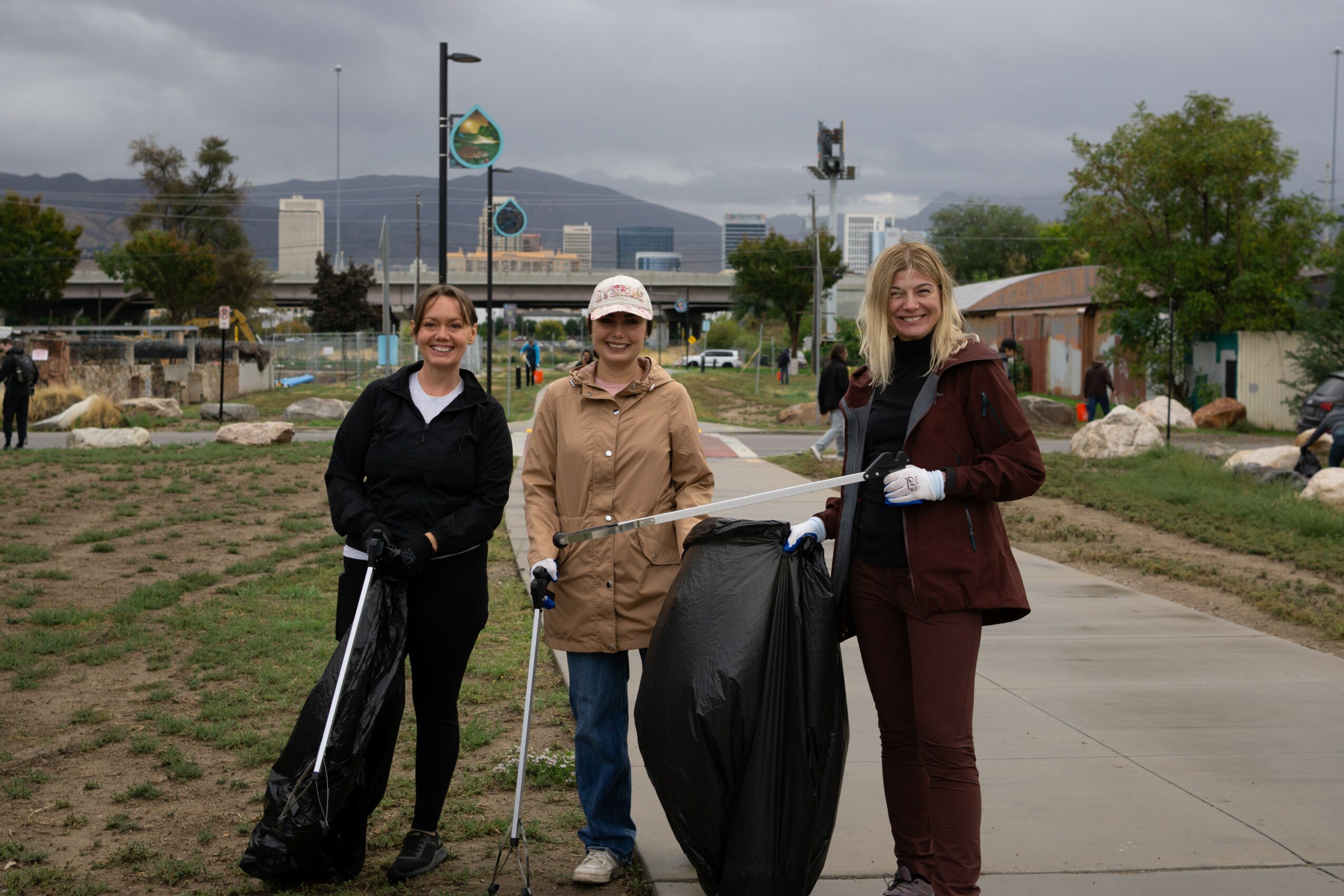
Beyond our physical restoration projects, one of our greatest accomplishments has been connecting people to their local waterways. Through our Seven Creeks Walk Series, we bring students, families, and community members outside to explore the watersheds that shape our valley. I love watching someone discover that a creek flows beneath a street they’ve driven on for years or seeing a child become fascinated with a waterway they never knew existed. Those moments remind me that restoration begins long before construction. It begins when people develop a connection to a place and start caring about its future.
Personally, I think what sets me apart is my willingness to work across disciplines and remain curious. I don’t consider myself the expert in every room, nor do I think I need to be. Some of the most transformative ideas happen when people with different experiences and perspectives come together around a shared vision. I see my role as someone who connects those dots, asks questions, challenges assumptions, and helps create the conditions for good ideas to move forward.
I also bring the perspective of having worked in both municipal government and the nonprofit sector. That experience has helped me understand the opportunities and limitations within each, and how important collaboration is when trying to accomplish something that no single organization can do alone.
More recently, I’ve had the opportunity to teach Ecology of Urban Settlements at the University of Utah. Teaching has been another meaningful extension of my work because it allows me to encourage students to think critically about how cities function as ecological systems. I want them to recognize that the built environment is not separate from nature, but part of it, and that they have the ability to influence how our communities evolve.
When I think about what I’m most proud of, it’s not necessarily one project, award, or milestone. It’s helping transform the conversation around what is possible. For generations, we’ve treated urban waterways as obstacles to development, burying them beneath streets, buildings, and parking lots. Today, we’re helping communities imagine a different future, one where those same waterways become assets that improve environmental health and quality of life.
I’m particularly proud that Seven Canyons Trust is moving beyond simply advocating for restoration to helping create the partnerships, plans, and investments necessary to make it happen. With 21 miles of buried creeks and 79 miles of impaired waterways, the scale of the challenge is significant. We recognize that this work will take generations, and some projects may not be completed during my career. I’ve had to become comfortable with that reality. Our responsibility is to build the foundation that allows this work to continue long after we’re gone.
Ultimately, I hope what sets our organization apart is our ability to see potential where others might see limitations. We don’t own the waterways, we don’t control all the funding, and we certainly don’t have every answer. But we have a vision, a willingness to collaborate, and the persistence to keep moving forward.
I want our legacy to be more than the number of creeks we uncover. I want it to be a shift in how people think about their relationship with nature and what they believe is possible for the places they call home.
We’d be interested to hear your thoughts on luck and what role, if any, you feel it’s played for you?
I’ve always had an interesting relationship with the idea of luck. Looking back on my life, I can recognize moments of both good and bad luck, but I’ve also come to believe that what we do with the circumstances we’re given matters just as much as the circumstances themselves.
Surviving childhood cancer is probably the most significant example. There was nothing fair or predictable about being diagnosed with cancer at such a young age. You could certainly call that bad luck. But I also recognize how fortunate I am to still be here. Not everyone gets that opportunity, and I don’t take it for granted. That experience gave me a perspective on life that continues to influence how I approach challenges, relationships, and opportunities. It’s a strange thing to acknowledge that one of the most difficult experiences of your life also helped shape some of the things you value most.
Professionally, I think luck has played a role in the connections and opportunities that have come my way. When I moved from Kentucky to Utah to pursue graduate school, I had no idea where that decision would eventually lead. Working for Salt Lake City and becoming involved in the City Creek project along the Folsom Trail happened to align with the mission of Seven Canyons Trust, an organization that had emerged from an undergraduate course at the same university. Years later, I would find myself leading that organization and helping advance some of the very projects I had worked on earlier in my career. There’s something remarkable about how those paths intersected.
In the nonprofit world, luck can sometimes feel like being in the right room at the right time. A conversation with someone you weren’t expecting to meet can lead to a partnership. An idea shared over coffee can eventually become a project worth millions of dollars. A funding opportunity can emerge just when a project needs it most. I’ve experienced moments like that, and I’m incredibly grateful for them.
But I’ve also learned that those opportunities rarely happen without years of work behind the scenes. What might look like luck from the outside is often the result of building relationships, remaining curious, showing up consistently, and being willing to pursue something even when the outcome is uncertain.
There have also been plenty of moments when things haven’t worked out. Funding falls through, projects get delayed, priorities shift, and opportunities disappear. Leading a small nonprofit has taught me that even the best plans are vulnerable to circumstances outside our control. Sometimes you can do everything right and still not get the outcome you hoped for. Those moments have taught me humility and the importance of being adaptable.
I also think it’s important to acknowledge that not everyone has the same access to opportunities. Luck can be influenced by where we’re born, the people we meet, the resources available to us, and the support systems we have. I recognize that much of what I’ve accomplished has been possible because others believed in me, invested their time, or opened doors along the way. I never want to lose sight of that.
Today, I try to approach luck with a combination of gratitude and curiosity. I can’t control every opportunity or setback, but I can control whether I’m open to learning, meeting new people, and exploring unfamiliar possibilities. Some of the most meaningful things in my life have come from saying yes to something I didn’t completely understand at the time.
I think luck may open a door, but curiosity gives us a reason to walk through it, and persistence determines what we do once we’re on the other side.
Ultimately, I don’t believe my life has been defined entirely by good luck or bad luck. It’s been shaped by unexpected circumstances, the people who have crossed my path, and the choices I’ve made along the way. And perhaps the greatest fortune of all is having the opportunity to take those experiences, both good and difficult, and turn them into something that might make a difference for someone else.
Pricing:
- https://sevencanyonstrust.org/work
- https://sevengreenwaysvisionplan.org/
- https://sevencanyonstrust.org/donate
- https://www.instagram.com/sevencanyonstrust/
Contact Info:
- Website: https://sevencanyonstrust.org/
- Instagram: https://www.instagram.com/sevencanyonstrust/
- Youtube: https://www.youtube.com/@SevencanyonstrustOrg1
- Other: https://sevencanyonstrust.org/donate