



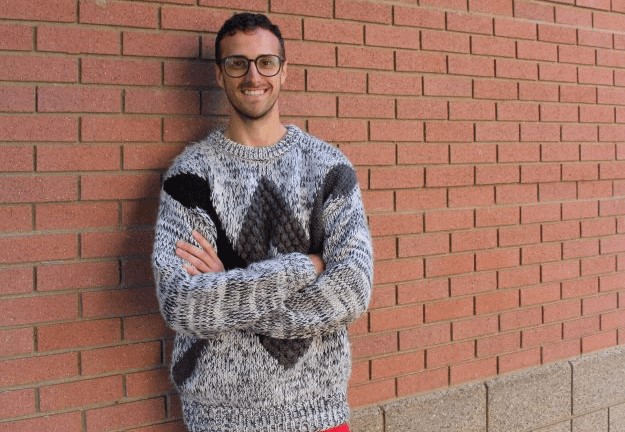
Today, we’d like to introduce you to JJ Whicker.
Hi JJ, so excited to have you with us today. What can you tell us about your story?
All my life, I knew I wanted to work with children. I started with aspirations of being an elementary school teacher, but fear of my inability to provide for my family pushed me to look for another way of working with children with higher incomes. I chose pediatric audiology.
It was a long ten years of schooling, using my vision of having a high-income job as my way to push through my education. What people didn’t tell me is that in Utah, at least, audiologists don’t make a lot of money.
Online searches of audiology salaries are not at all reflective of what an audiologist can make in this state. I started work at a children’s hospital. Despite having two doctorate degrees (AuD and PhD), I was making barely enough income to provide for my family the way I wanted to.
I was very hurt by the system. I also felt defensive because I believe there was a firm sexist underlining behind why audiologists are paid so little despite having doctorate degrees (audiology is a female-dominated rehabilitative profession). I hated working for a company that prioritized money-making over patient care, paid managers with only master’s degrees and no clinical education (usually MBAs) 2-3 times my salary, and cultivated a toxic work environment for both myself and my colleagues.
Based on what all the other pediatric audiologists were sharing, it was clear pretty quickly that no place of corporate employment was going to value my time and expertise that I expected. So, when my closest colleague (Dr. Lindsey Tubaugh) told me she was ready to be done, I said, “Me too” – and that’s how our private practice began.
The first year and a half was the perfect definition of “the grind” people talk about when they start businesses. Lindsey and I had no marketing training. We just knew how to diagnose and help children with listening difficulties. We learned about Google Ads, SEO, and social media marketing. We networked with local pediatricians, speech-language pathologists, occupational therapists, and physical therapists. We did in-services to talk about our clinic and what we do. Soon, the referrals started coming in. We just had our 3rd birthday and are at our prime. Although, we’re hitting the next level of our grind.
We are in so much need of additional clinicians… but we’re new at this. We’ve hired an audiology assistant and our first speech-language pathologist. The pressure is on us to keep our revenue up to match the needs of paying new employees. But the journey has been and continues to be worthwhile. I’m making the money I feel matches my level of education and expertise. I will never go backward!
We all face challenges, but looking back, would you describe it as a relatively smooth road?
Not at all. During our first year and a half, I had to return to my college days of poverty living. I did a cash-out refinance of my house and sold my car back to the dealer. I used these funds to pay myself, and we ultimately did not start using our company’s revenue to pay either of us (me or Dr. Lindsey) until just months before our clinic’s second birthday.
In addition, Lindsey and I had to learn a lot about marketing that’s specific to pediatric healthcare services. Starting a service-oriented business in the healthcare space does not really align with all of the resources and educational materials out there, which are mostly geared toward start-up tech companies or other companies trying to sell products. We had to really get creative to find a way to make ourselves known to the community.
Until recently, Dr. Lindsey and I were both the doctors of the office and the administrators and navigating those responsibilities while mostly seeing patients full-time was really difficult. We’re hiring help, but the strain is still there and will be for some time.
Great, so let’s talk business. Can you tell our readers more about what you do and what you think sets you apart from others?
Apart from vestibular assessments and interventions, Little Heroes offers the full range of hearing assessments and interventions for children. These include:
• Standard diagnostic evaluations for hearing loss
• Evaluations for central auditory processing disorders
• Evaluations for sound sensitivity disorders (e.g., hyperacusis, misophonia)
• Evaluations for cochlear implant candidacy
• Hearing aid fitting and management (traditional and osseo-integrated)
• Cochlear implant activation and routine mapping
• Aural rehabilitation
Little Heroes is known for our services related, specifically, to aural rehabilitation. While many audiology clinics focus on hearing aid fittings and sales, Little Heroes’ sole focus is on helping patients learn to live with their hearing differences and disorders through counseling and auditory training.
We are the only clinic in Utah (to my knowledge) that offers the full range of testing and intervention for auditory processing and sound sensitivity disorders. Some clinics and schools will test for auditory processing disorders but offer little in terms of intervention.
Our pride is that we are a neurodiverse-affirming clinic. We love working with children who feel, see, and hear the world through totally different lenses and teaching them how to make it work for them.
Have you learned any interesting or important lessons due to the COVID-19 crisis?
Yes! Misophonia is a condition in which soft sounds (e.g., chewing, sniffing, lip-smacking) create an extreme emotional response that impacts patients’ daily lives – their ability to eat with their families, be in the same room as other people, or regulate their emotions when triggered by certain sounds.
Interestingly, the number of misophonia cases in children (and adults) has significantly increased. This could be for many reasons. For example, mask-wearing likely muffled sounds that were normally not triggering became exacerbated when the masks went away, and the emotional toll of the pandemic itself really turned these experiences into something clinically elevated. Same idea with the transition from social isolation to traditional social interactions.
Pricing:
- Standard hearing testing: $225.oo
- Auditor Processing Evaluation: $425.00
- Sound Sensitivities Evaluation: $425.00
- Listening Therapy: $125.00
Contact Info:
- Website: www.littleheroeshearingclinic.com
- Instagram: https://www.instagram.com/littleheroeshearing/
- Facebook: https://www.facebook.com/p/Little-Heroes-Pediatric-Hearing-Clinic-100068260419925/
- Youtube: https://www.youtube.com/channel/UCZEWmHleAgbh9p2aujrkAmA
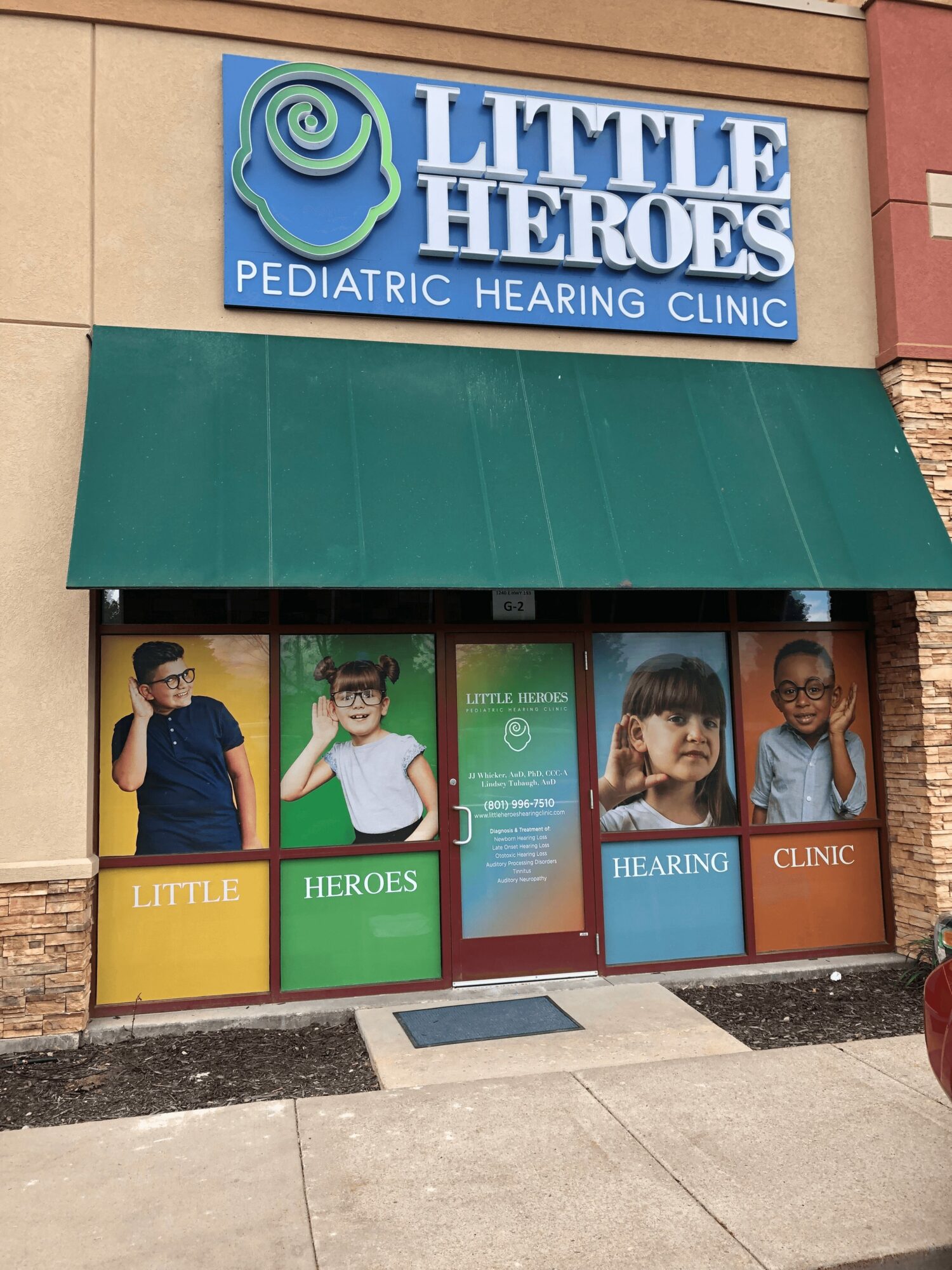
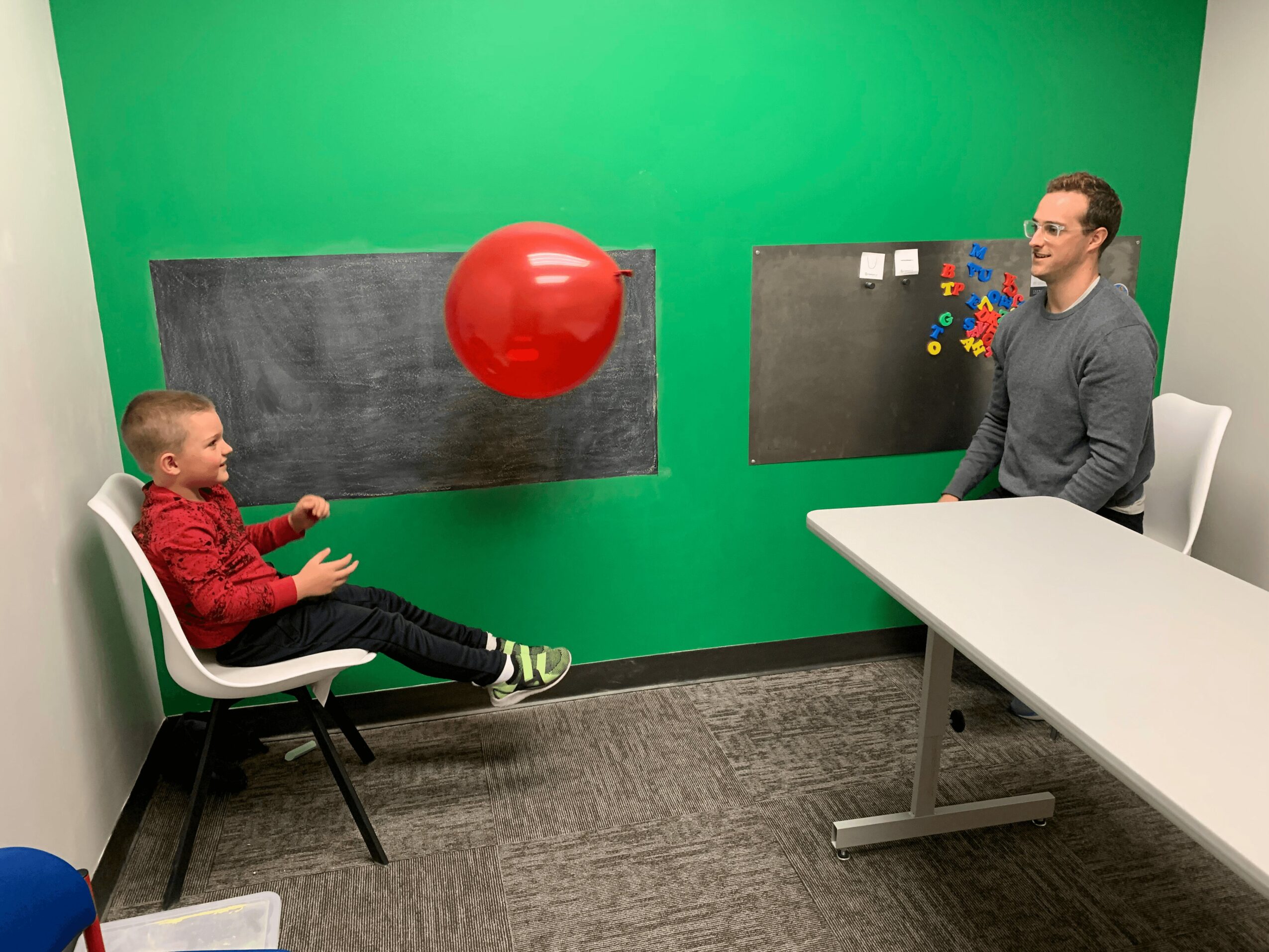
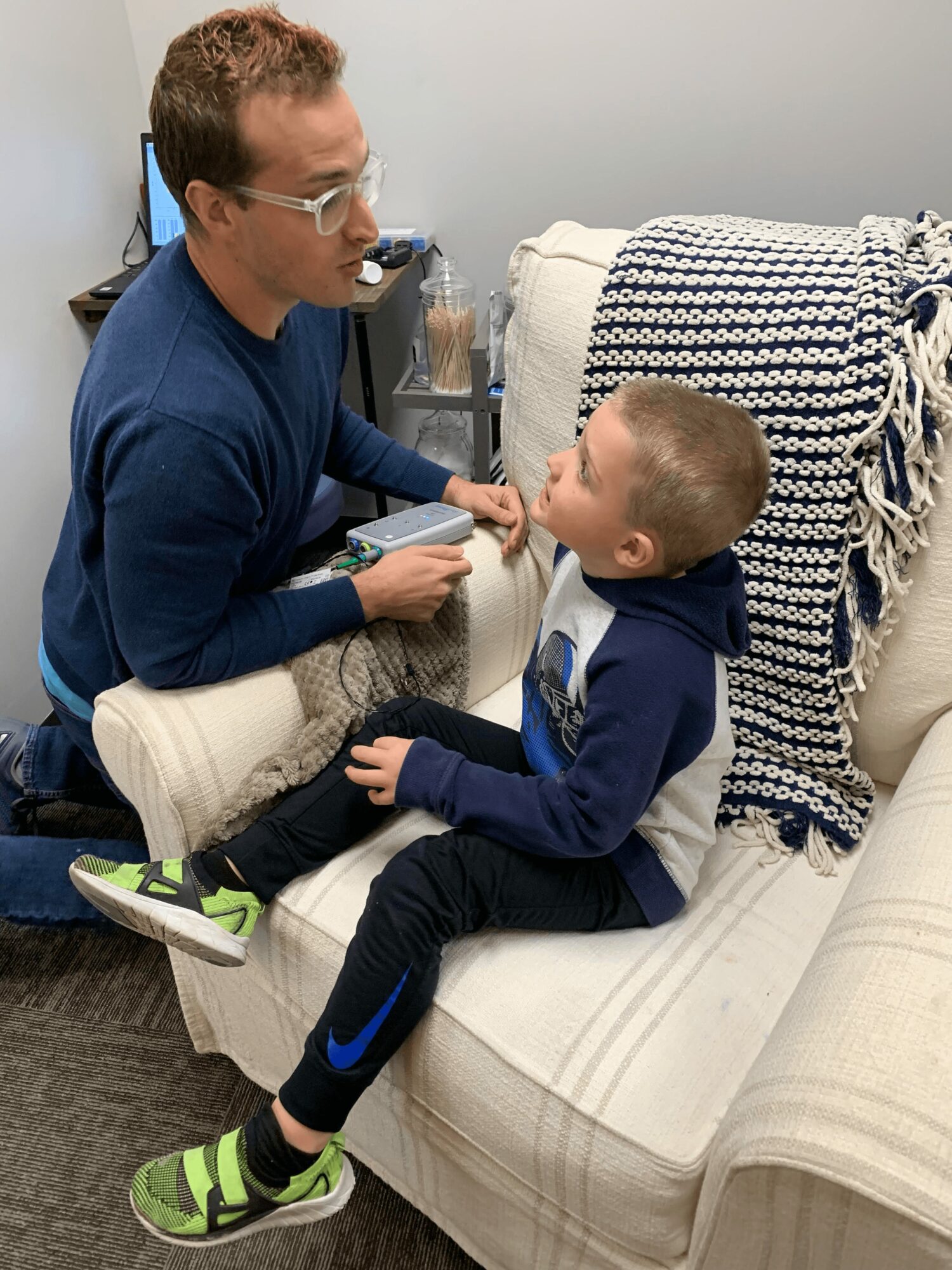
 Image Credits
JJ Whicker