



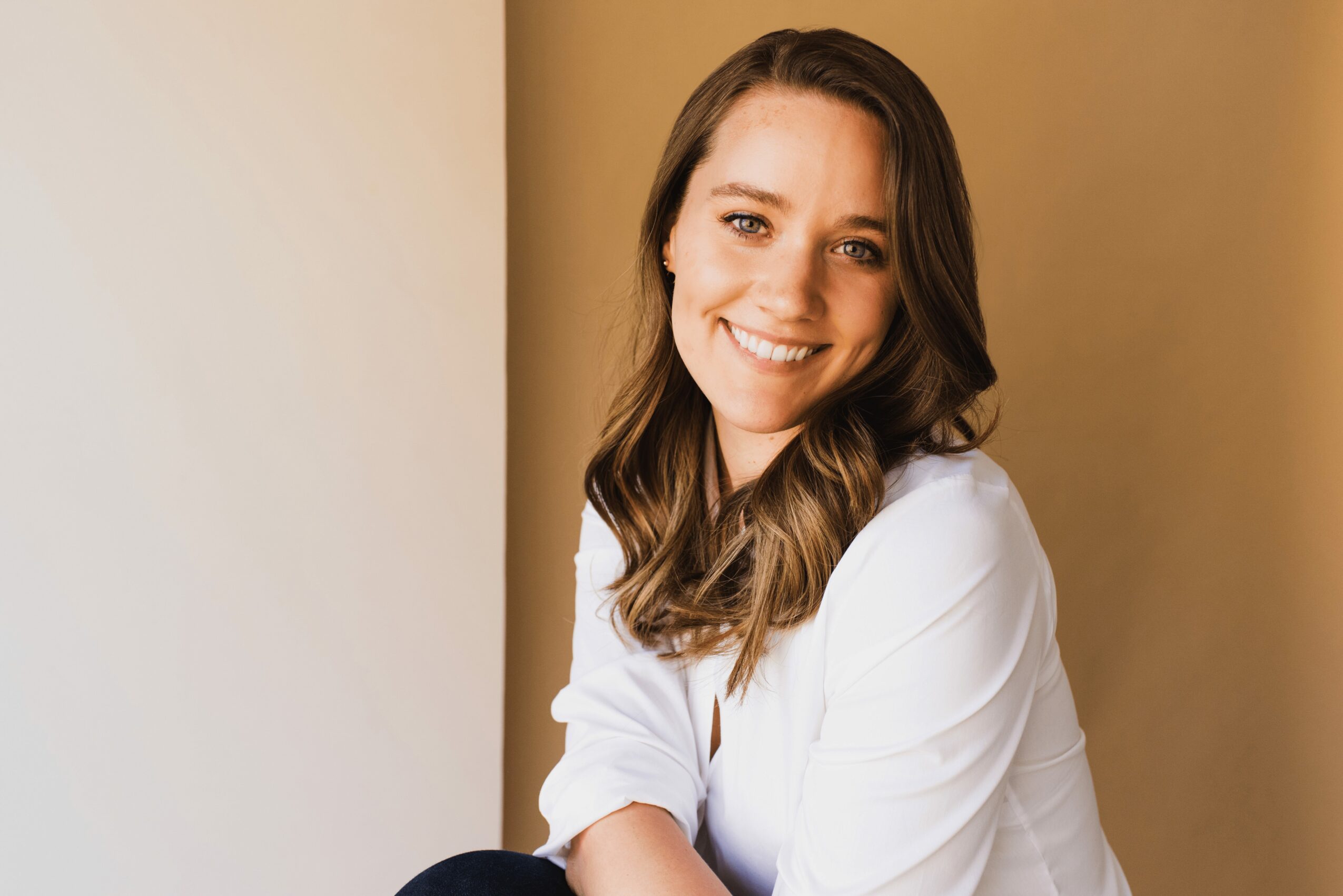
Today we’d like to introduce you to Emily Witte
Hi Emily, please kick things off for us with an introduction to yourself and your story.
I’ve loved music and singing ever since I was little. I think it was a solo in a school play that got me started and after that, I took any and every opportunity I could to be involved in music: singing at church, performing in a touring children’s theater troupe, music camps, piano lessons, singing competitions, etc. I went to a performing arts school starting in 6th grade through high school where I majored in Musical Theatre and continued pursuing it in college at Baldwin Wallace Conservatory where I received a Bachelor of Music and was also trained in classical singing. After college, I signed with a talent agency in New York and lived and worked there for a couple of years before moving to Paris to Au Pair for a year where I also taught musical theater classes for kids.
While performing and auditioning, I was always working with kids and teens in tandem whether it be nannying, music directing children’s theater, working in preschools, teaching kids dance classes, or volunteering with teens. It wasn’t until an audition I actually went to on a whim that I ended up combining my love of music and teaching. I had just moved back to my hometown “temporarily,” the creative team of the show I was auditioning for were people I had worked with professionally before I left for college. The music director called me the day after callbacks offering a role in the show and a position teaching voice lessons at the private school he worked at because their current teacher had quit that day. The opportunity was such a great challenge for me to dive back into the training I had, but after some time I needed more information. Up until very recently in the voice world, the pedagogy of singing was very imagery-based. It was very common for teachers to teach how they themselves experienced singing in their own body or how their mentor had experienced it. A significant amount of voice research has been done in the past twenty years – now many professors are teaching evidence-based voice pedagogy and I wanted to join them. This was a significant reason I chose to pursue my Masters in Vocal Pedagogy from Westminster Choir College. Covid hit a semester into my grad studies, so I started teaching online and building my private voice studio in tandem with the high school I was working with – I’ve since moved to Salt Lake and for the last three years, my private voice studio has been my primary work.
I’m sure it wasn’t obstacle-free, but would you say the journey has been fairly smooth so far?
I think one of the biggest struggles in this field, and really any field, is attaining and maintaining a healthy mindset. The performing world is full of rejection and “setbacks” and for a really long time I internalized that and let my resume define my value (the good and the bad). When I transitioned to primarily teaching, there were a lot of ways in which I had a double standard for myself. My teaching foundation was based on a growth mindset, yet I viewed my own struggles as failures and had a lot of self-limiting beliefs. It took a lot of work for me to adopt the grace and optimism that comes so easily for me towards my students and apply them to myself, but it has made everything in my life more fulfilling.
I highly recommend “The Artist’s Way” by Julia Cameron!
Thanks for sharing that. So, maybe next you can tell us a bit more about your work?
I teach everything from voice technique, music theory, ear training, voice science and vocal anatomy, songwriting, audition and performance prep, working through performance anxiety, sight singing and melodic dictation, and storytelling through a song. I specialize in musical theater singing and have a really strong understanding of what needs to happen vocally and how to get there to meet the stylistic expectations for the material, which can range anywhere from an 1800s operetta to a modern pop/rock musical. Many students come to me to prepare for the college audition process for musical theater programs and/or to go straight into the professional world. Most of my students are high school age, although my current roster ranges from toddlers in my baby music class to singers in their mid-50s.
I believe my strength as a voice teacher is meeting my students where they are at and prioritizing understanding who they are and how they work so that I can best serve them and guide them on how to best serve themselves in their training. I find a lot of joy in building students’ confidence through singing and musicianship.
How do you define success?
I believe success is most valuable to an individual when it is set by the person themselves, so I think it’s really important to be understand yourself in order to be successful. My own definition for myself as a teacher is always meeting my students where they are and doing everything I can to understand how each individual student works. I have the tools to teach them what they “should” learn next, but it’s more valuable if I can lead them to figuring it out themselves and that takes some flexibility and patience.
What I view as successful in my students is when I see them putting in the work, maximizing efficiency in their technique, maintaining authenticity in their storytelling, enjoying the process, supporting other artists, and always being open to learning from their experiences.
Contact Info:
- Website: https://www.emilywittevoicestudio.com
- Instagram: https://www.instagram.com/emilywittevoicestudio
- Facebook: https://www.facebook.com/EmilyWitteVoiceStudio


Image Credits
Pepperfox Photo. Ramsey Lyric.