


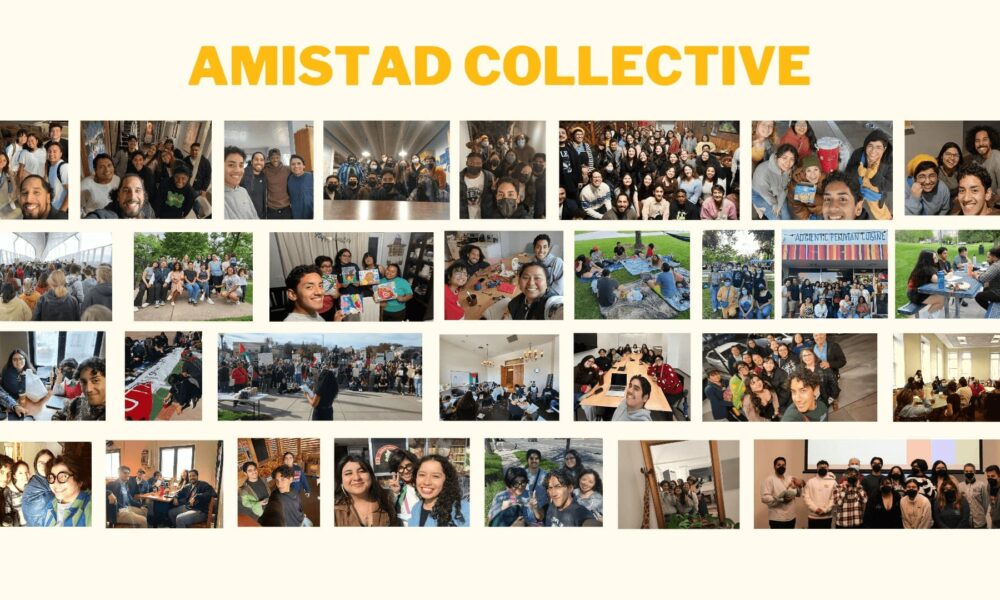
Today we’d like to introduce you to Amistad Collective
Hi Amistad, it’s an honor to have you on the platform. Thanks for taking the time to share your story with us – to start maybe you can share some of your backstory with our readers?
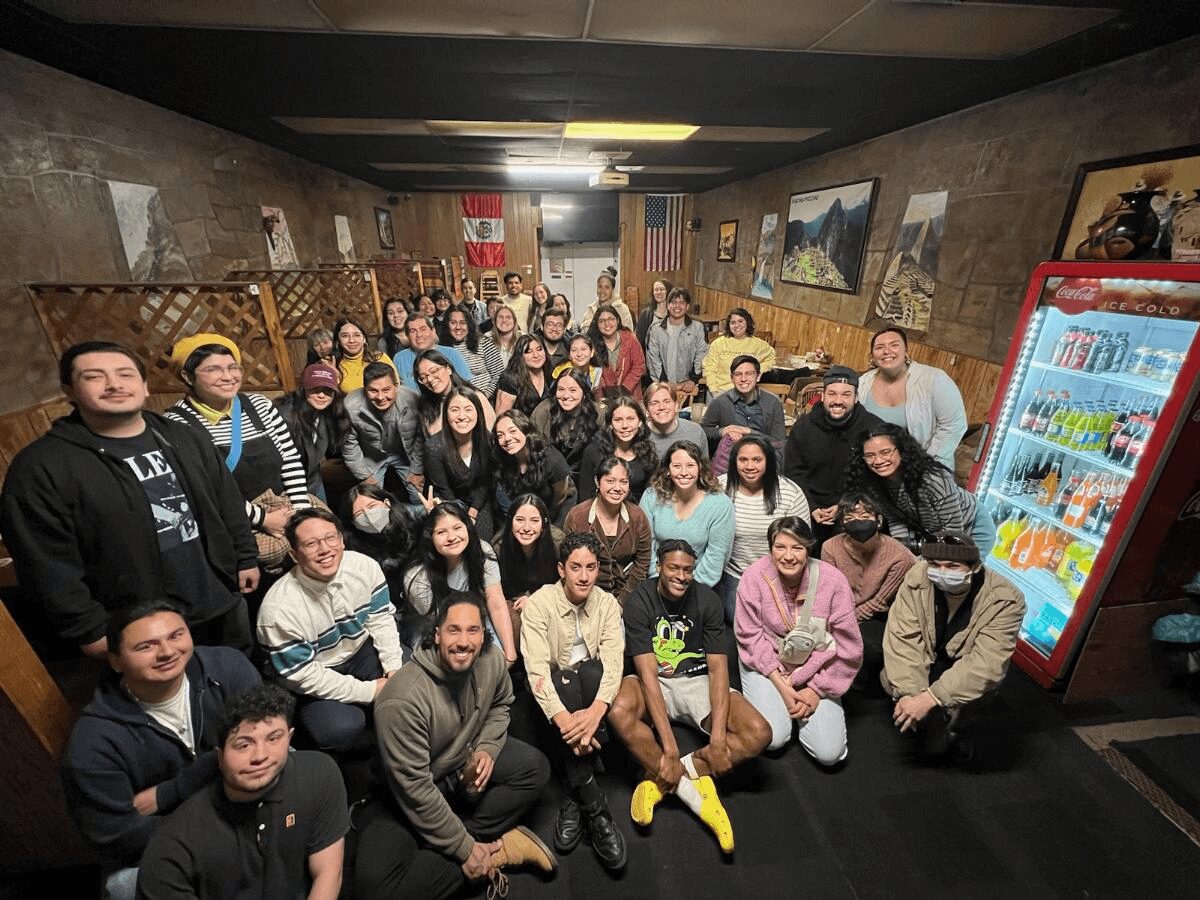
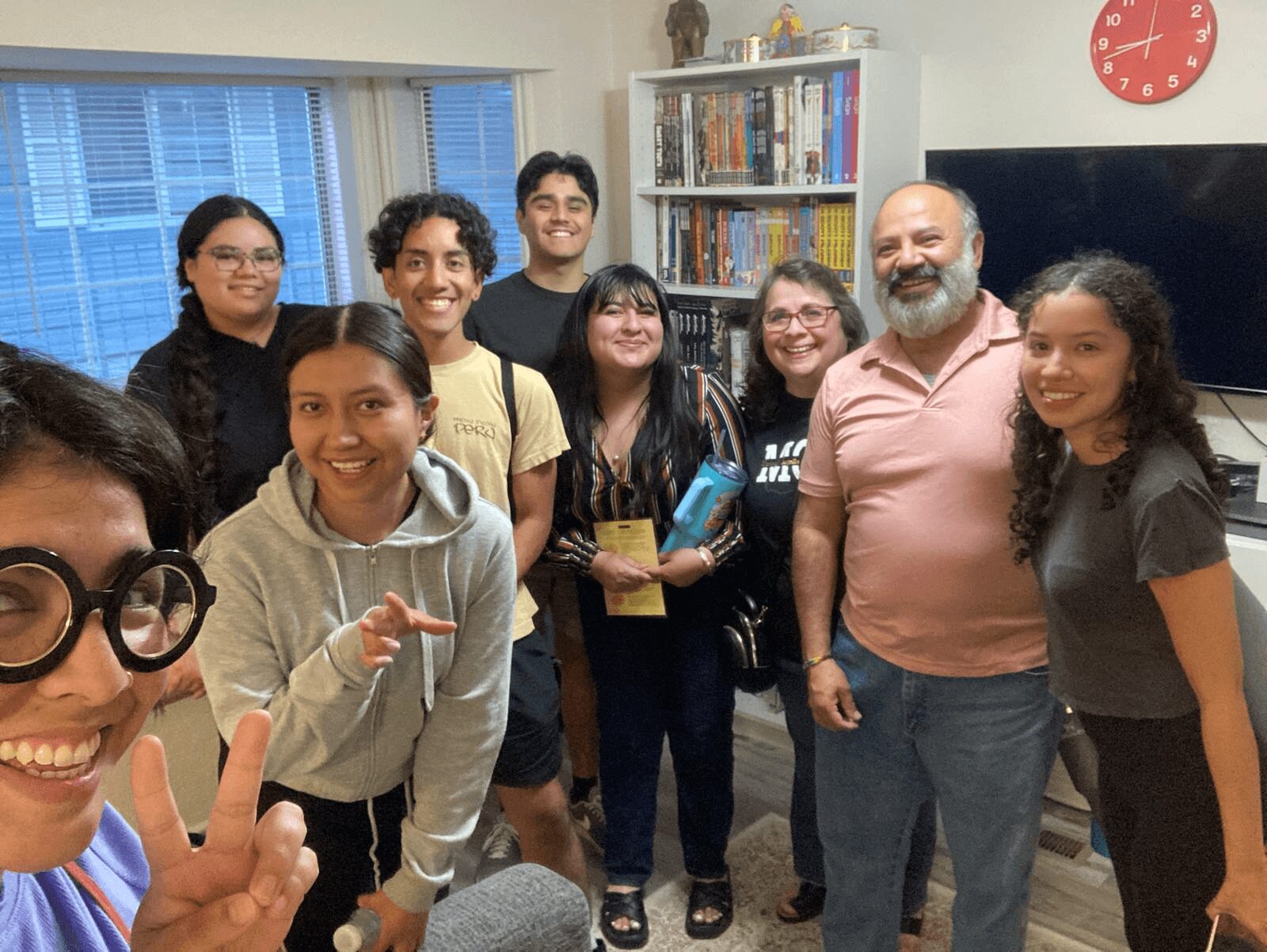
Amistad Collective was started in the fall of 2022 by two of our current members after a series of coffee shop discussions about politics and community organizing. We identified a serious lack of grassroots organizing among latinamerican disapora and community in Utah County. We were disillusioned with the pull that Salt Lake City organizers had on Utah County residents and community members when it came to events, protests, organizations, workshops, etc. that had progressive political purposes.
We initially began as a “monthly latine study and discussion group” meant to bring together Latino community members to read and discuss social and political history such as that of the Chicano and Puerto Rican movements of the 1970’s. Very soon after we began to formally strucutre the organization and created a Core Group, starting in 2023. The core group was tasked with planning the next months discussion group and be the “decision makers” of the overall project. These study groups began to take form and shape, we introduced study guides focused on specific topics such as Black and Brown Unity, Feminism and Machismo in the latine community, Police brutality and Abolition, Fascism here and in Latin America, etc.
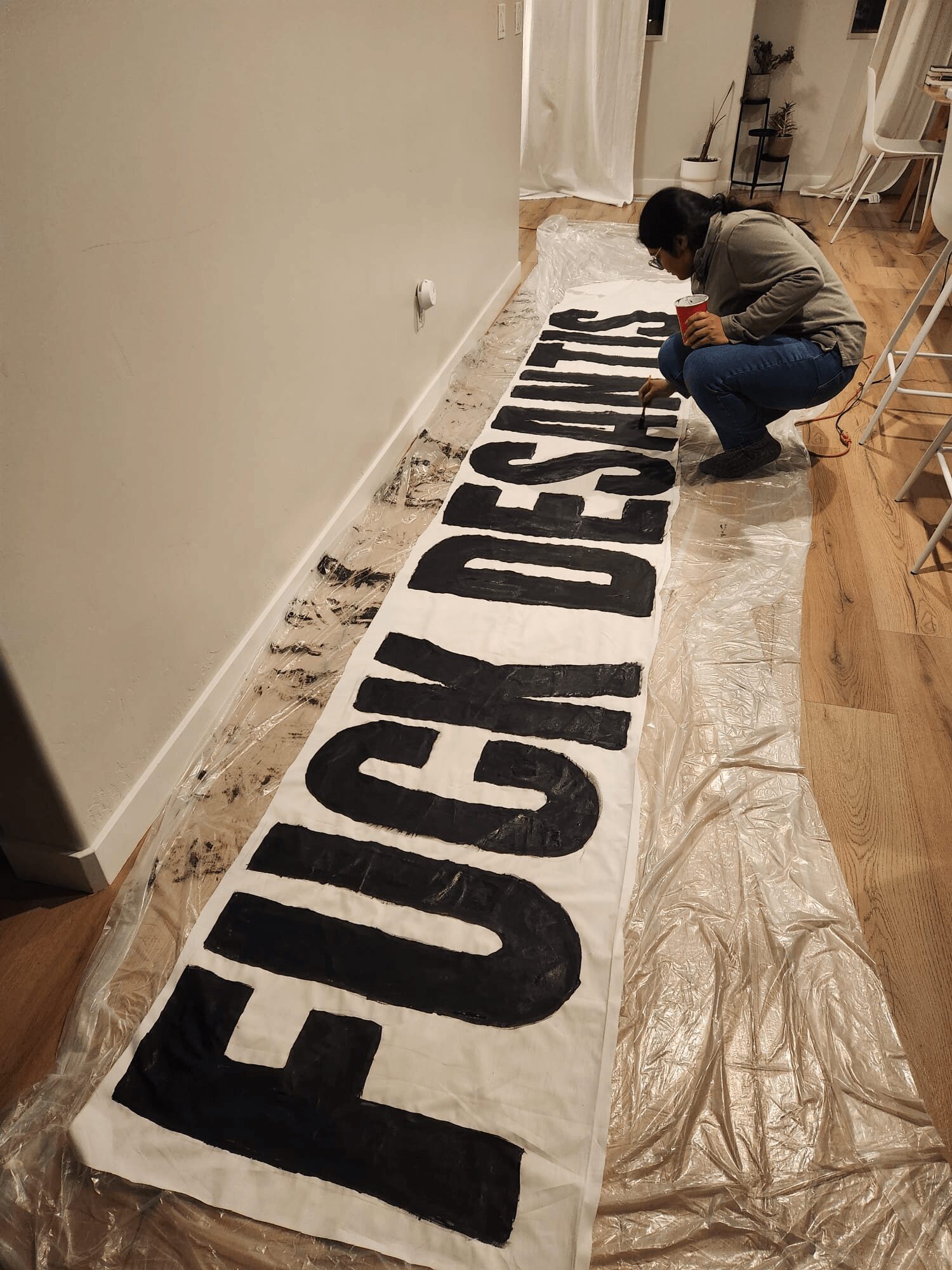
Within this period we also led and organized a rally against Ron Desantis speaking at the Utah Valley University in April of 2023. We organized a direct aid distribution to homeless and unsheltered people in Provo in January of 2023. We began to organize social events and collaborate with other local organizations such as Utah With All Immigrants.
Since that time the core group has shaped Amistad Collective with more formal guiding principles and a structure. We are very inspired by the essay “Organization Means Commitment” by Grace Lee Boggs. We formally studied this pamphlet and applied the lessons learned. Two more important documents that guide our work are the “The Young Lords Program and Ideology” and “Constructive Criticism: A Handbook” by Grace Lyons.
Our guiding principles are denoted in the following paragraph:
The Amistad Collective is an organization by and for the Latine community that is focused on organizing within Utah County, from Lehi to Payson, which are also the traditional homelands of the Timpanogos nation and peoples. We are a grassroots organization that does not believe change will come through institutional routes such as electoral politics or non-profit organizing*; however, we do believe that change happens when we as poor and working class Latine’s organize and dedicate ourselves to the long term struggle of building and organizing in our community.
Our current guiding principles are based in Latinidad, Utah County, Grassroots organizing, Long term commitment, and poor and working class people.
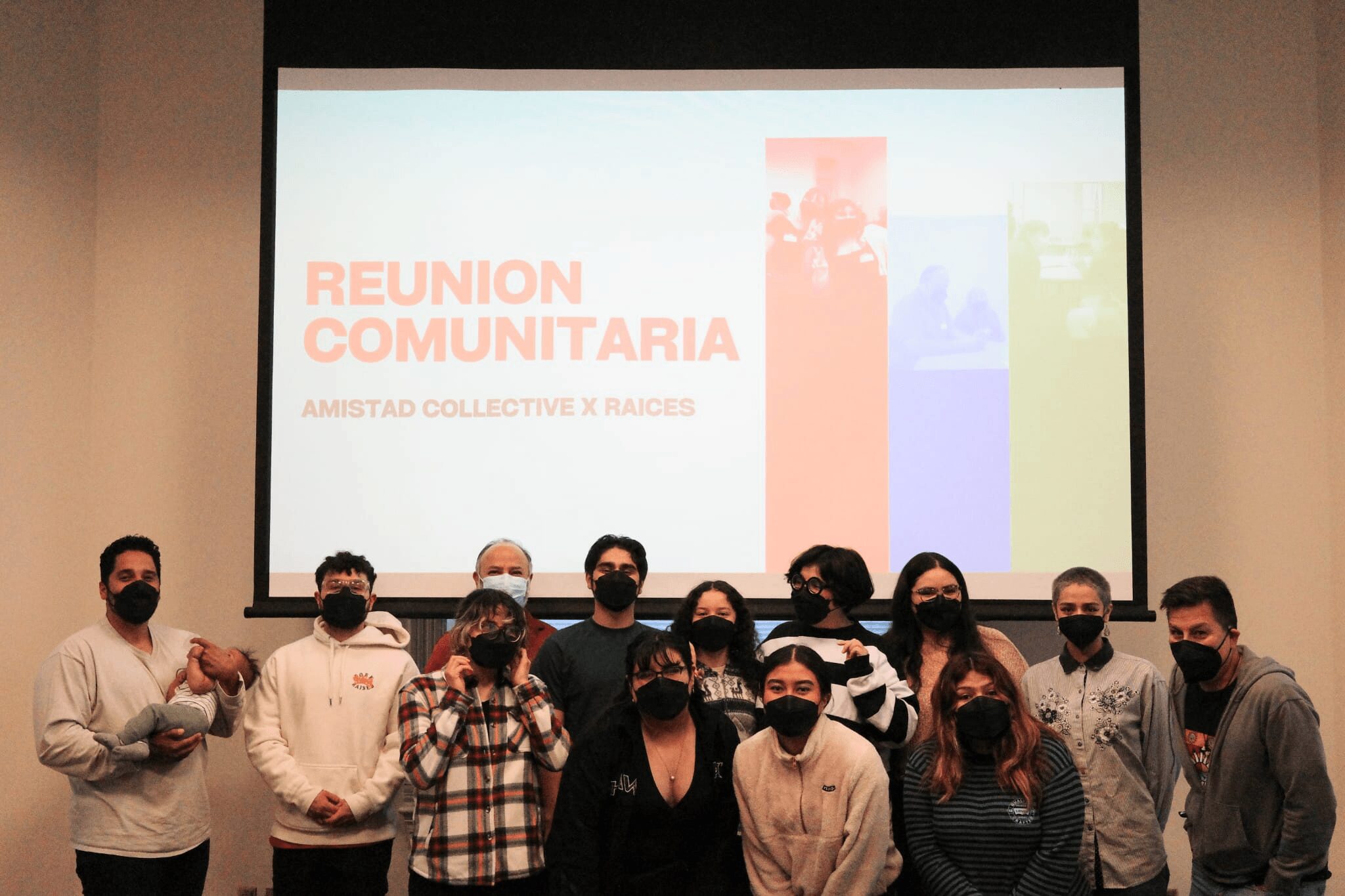
The first half of 2024 was focused on our Reuniones Comunitarias or Community Gatherings. Meant to foster community among latino/as in utah county and investigate the material needs and political perspectives of the local latinamerican community through discussion groups. We held four monthly community gathering in collaboration with Raices, a latine student group based out of UVU. These discussion groups taught us a lot and are shaping our current program.
We believe that our work needs to be done in a scientific manner. That is to say that we must constantly stop to evaluate our work and theory to ensure that we are learning from mistakes and successes. That our work is in line with our current conditions.
Currently, in the summer of 2024, we have been in a period of evaluation, investigation, and preparation.
We have formally recruited new members into the collective and have been meeting monthly and weekly for the core group. We have monthly political education meetings, this summer we have watched Paris is Burning in June and P’alante Siempre P’alante in July. In August, the collective will watch How Fascism Serves Capitalism. Our political education is a monthly event, that is planned in 3 month syllabuses.
We meet weekly as a core group, and biweekly with the entire collective to further prepare for our upcoming program. Through our community gatherings earlier this year we identified a need in the latine and hispanic community, english language learning. The grand majority of our discussions centered the lack of accesibility to jobs, healthcare, transportation, or other resources due to a lack of knowledge and practice in speaking english.
We are preparing to bring back our community gatherings in the fall with this english language practice program in mind.
We all face challenges, but looking back would you describe it as a relatively smooth road?
There have been many obstacles that we have faced along the way.
Community organizing is not linear and it is rife with conflict and debate. At every step of our story we have had to learn to give each other constructive feedback as individuals and as a collective whole. Not everyone who attends our events or joins as a member has the exact same capacity. Individuals often face the challenges of living in a declining economy and as marginalized people. We have had to adjust our structure to better include people who are not available for weekly meetings, extra labor, or who simply haven’t been part of our political and ideological discussions and study groups.
Many other organizations that we have collaborated with were started through project incubators such as the Center for Social Impact or due to the respective organizers having access to larger national networks with funding from their non-profit status. Amistad Collective is a completely volunteer, self funded, and independent organization that refuses to be bound by the beauracracy of institutions such as local government, non-profits, or academia.
Our work is unpaid and supported only by our own commitment and the support of community members. This leads to a heavy weight on our shoulders, atop the already exisitng responsibilities we have to ourselves and to our families. We have by necessity and principle needed to put our heads together to overcome a lack of resources and often a lack of hands on deck.
Through creative thinking and by openly recruiting people into the organization we have been able to grow the collective and utilize existing resources within our network of community to be able to support our work. We also intentionally built a culture of constructive criticism to strengthen our own resolve, discipline and commitment to our collective work. We ensure that the decisions we make as a collective are thoroughly discussed and understood by all members so that we can get ahead of potential issues and always remain autonomous. We believe that putting all doubts, questions, and concerns on the table allows all members to participate in a way that is accesible and meaningful to them, as well as find creative grassroots oriented solutions to problems like event locations, needed supplies, and conflict resolution.
As you know, we’re big fans of you and your work. For our readers who might not be as familiar what can you tell them about what you do?
Amistad Collective is focused on organizing the Latinamerican community in Utah County to build the capacity to care for ourselves and provide ourselves with the necessary resources of life. We wish to raise the conciousness of our community about the nature of our society. We aim to create spaces of discussion and criticial dialogue where we can learn about anti colonial history, radical political theory, and further improve our ability to organize our community.
We know that this is not a quick process and that our work now is only setting the groundwork for a stronger latine community in the future.
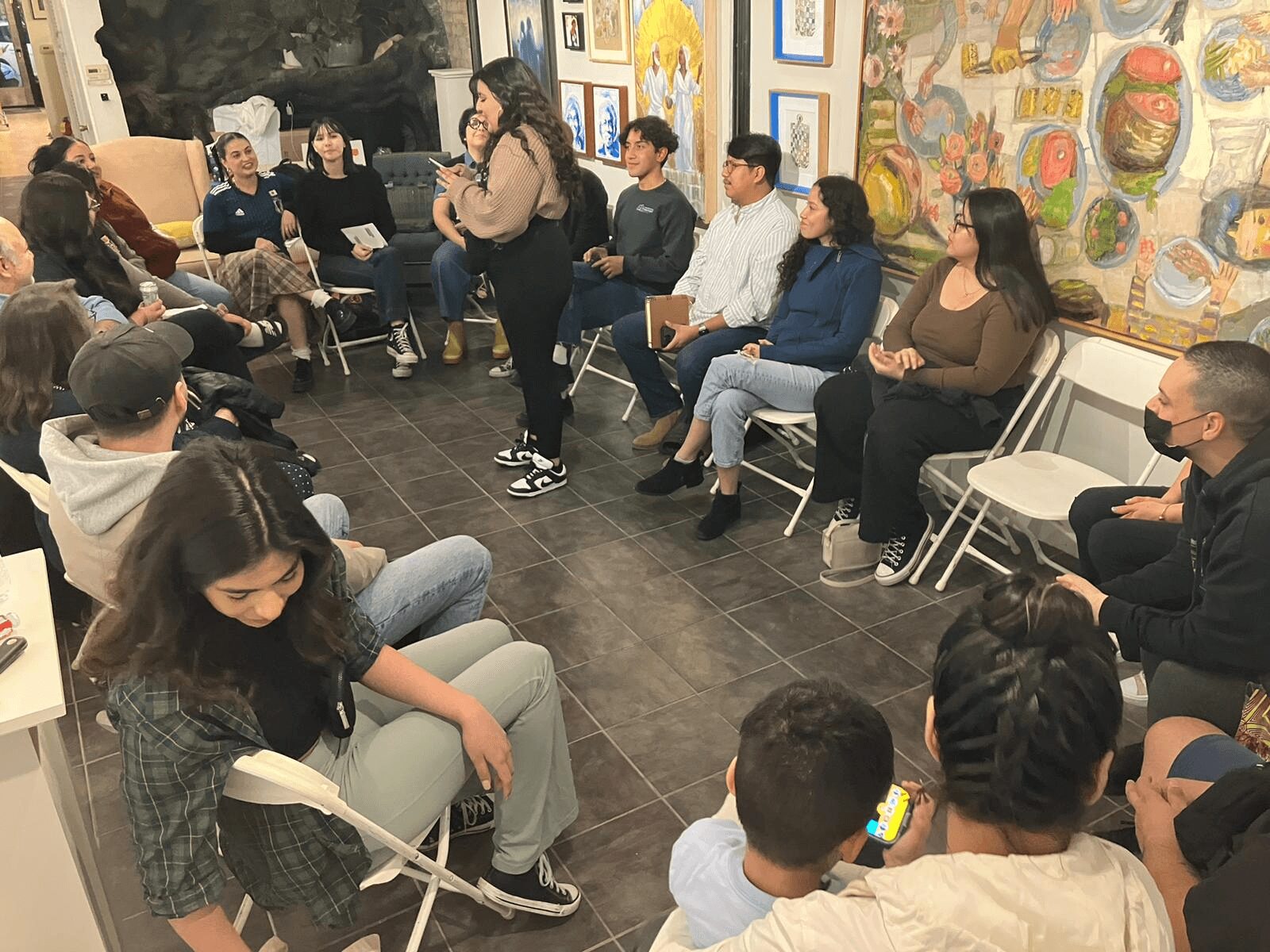
We are most known for holding space for this critical discussion. From our original discussion groups to our most recent community gathering to our upcoming english language learning program, we understand that we must build step by step a culture of collective decision making through open discussion and political education.
We do not believe that we can look to a future in our minds that we want to reach, rather that we must investigate the current conditions we face and move forward from the concrete reality which we find ourselves in.
We like to think that we are also known for our disciplined and organized members. We are known for creating spaces for people of color, queer people and women, and progressive people to gather in Utah County, known for its majority conservative, white and straight population. We are known for stating clearly what we plan to do and then doing that which we say we are going to do.
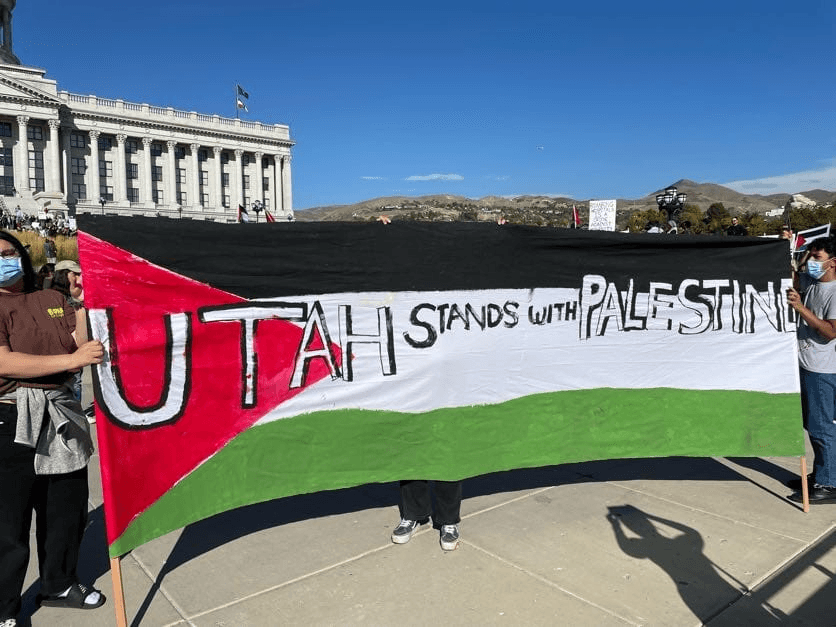
Additionally, we have been involved in the organizing of a local solidarity movement for Palestine. We helped to start Olive Tree Solidarity, an organization dedidicated to organizing for a free Palestine in Utah County.
Do you have any advice for those just starting out?
Amistad Collective offers very simple and straightforward advice to people just starting out:
1) Commit to long term organizing. If you are only committed to the feeling of the moment, your movement will die.
2) Build a culture of open discussion and intentional conflict resolution. A collective is a grouping of individuals with different backgrounds and experiences coming together for a common purpose. There must be a foundation of mutual respect and accountability to ensure the longevity of the organization and the relationships between individuals. We are not a monolith and we should create space for each individual to be heard. Create structures that help facilitate dialogue and open criticism.
3) Don’t focus on utopia. We all want a world free of exploitation, war, and poverty. However, we must not set ourselves up to aim for an idealistic fantasy. There is so much more to gain from looking at the world around us and the conditions that our community faces at this very moment. Rather than start from where we want to be, we should start by where we actually are now.
4) Study history and theory. Our work has been consistently shaped by our collective and individual knowledge of historical projects that shared our values. Political education strengthens us and helps us to think creatively. We can learn so much from the experiences of those who came before us and contextualize our current conditions to the history that led to them. We can use methodologies to analyze our current circumstances and provide frameworks to build our community programs.
5) Work with others. At every step of our development we have been honored to work with incredible organizations and people. There is so much to learn from people who have different experiences organizing. Intentionally collaborate with organizations that have different areas of focus than you do. Make an effort to include varying age groups and demographics within the organization and in the work of your group. Working with organizations that may differ slightly to our own political line or program has helped us to contrast our work. In doing so we have often reaffirmed our stances or changed them based on these new experiences.
6) Evaluate your work, every step of the way. Set aside time at the end of every project or event so that you can reflect and learn. No organization will be perfect at any point. We must always struggle against our own weakenesses to improve the work we do and ensure that our program aligns with the true conditions of our community and with the actual will of the community.
Contact Info:
- Instagram: https://www.instagram.com/amistad.collective/
- Facebook: https://www.facebook.com/profile.php?id=61561588282118&mibextid=ZbWKwL