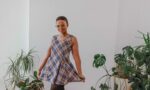



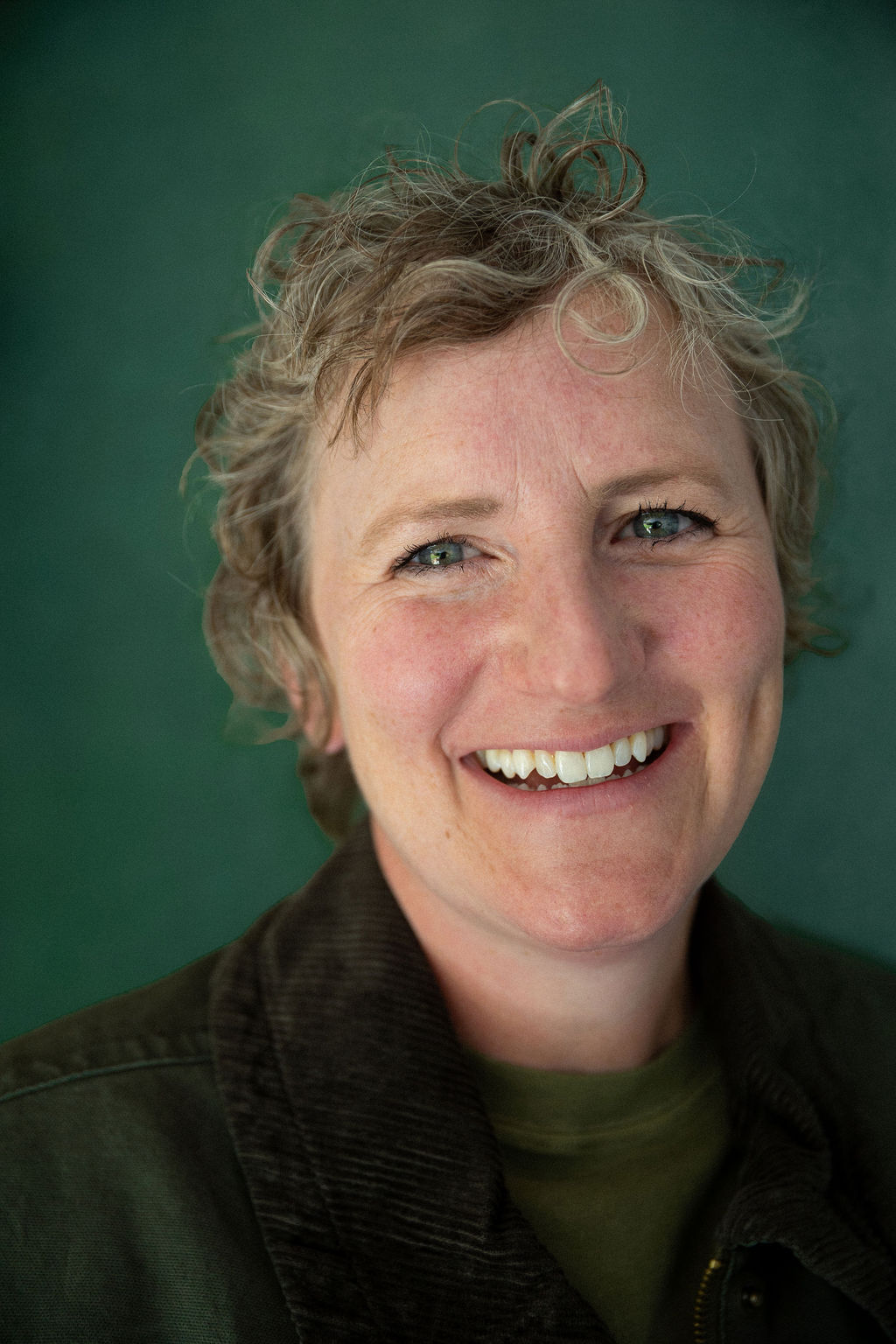
Today we’d like to introduce you to Emily Fox King.
Hi Emily Fox, please kick things off for us with an introduction to yourself and your story.
I’ve been drawing and painting since I was a child. My mom is a painter, and she always let me use her supplies and studio space, which made art feel like a natural part of my life. Growing up in a big family of seven kids, everyone was creative and talented, so I had to figure out how to stand out. Art became my way of doing that.
I earned a Bachelor’s degree in Art from Western Washington University and later went on to complete an MFA at Brigham Young University. Both experiences shaped the way I think about creativity, not just as an individual pursuit, but as something that can connect and inspire communities.
I started painting florals unexpectedly when my dad asked me to paint something for his office waiting room. That was the beginning of many more floral paintings. While it wasn’t a subject I ever thought I’d devote myself to, I discovered I really enjoyed the process.
Can you talk to us a bit about the challenges and lessons you’ve learned along the way. Looking back would you say it’s been easy or smooth in retrospect?
Definitely not. Like many artists, I’ve wrestled with imposter syndrome, jealousy, and self-doubt. In school, I was trained to create thoughtful, conceptual work, so when I began painting florals, I felt conflicted. They looked “too easy” or even “stupid” compared to what I thought I should be making. But over time, I realized that what mattered most was the act of painting itself—not whether the subject felt lofty or academic. Florals became the unexpected intersection between what I loved doing and what the public actually wanted to buy. That realization pushed me into new territory: I couldn’t just be an artist, I also had to become an entrepreneur. I had to learn how to price my work, market myself, build relationships with collectors, and balance the creative side with the business side. Those were skills I never expected to need, but they turned out to be just as important as my time in the studio.
I asked people for help, read books about business, collaborated with and learned from artists who were further along, and even picked up the phone to call artists directly for advice. I also leaned on consistency, showing up to paint even when I felt zero inspiration. On a good day, I’m in a flow state, the studio is filled with music blasting, my paintings are popping! On a bad day, it feels like I’m in a sweat shop just churning out a product. It’s not always a creative zen state. The work must get done! Over the years, I’ve learned to quiet comparison and focus on growth, not perfection. Surrounding myself with a supportive creative community, teaching others, and staying rooted in my creative practice have all helped me overcome the many obstacles to success.
Alright, so let’s switch gears a bit and talk business. What should we know about your work?
I’m an oil painter, and somewhere along the line I became known for painting florals. It’s funny, because florals were never part of my grand plan as an artist. But they snuck up on me, and now they feel like home. They give me room to play with color, loosen up, and let the brush lead me. They’ve turned out to be this sweet spot between what I love to do and what people actually want to hang on their walls. (Which, as any artist will tell you, is no small miracle.) I’m proud that my work has made its way into people’s lives all over the country and beyond. The thought that someone sees one of my paintings every morning while cooking at home, or notices it on a hard day and feels even a tiny bit lighter, that’s what keeps me going. I’m also proud of the workshops and online classes I teach. Sharing what I’ve learned, cheering people on as they try something new is incredibly gratifying.
As for what sets me apart, maybe it’s that I’ve learned to be both an artist and an entrepreneur. I don’t just paint; I run a business, too. And while that part of the journey has been awkward and humbling (lots of trial, lots of error), it’s also taught me resilience.
What sort of changes are you expecting over the next 5-10 years?
The art world is shifting in big ways right now. Social media has given artists more direct access to collectors and buyers than ever before, which changes the role of traditional galleries and their 50% commissions. For the first time, we can build our own audiences, connect with people all over the world, and sell directly. That’s incredibly exciting, but it also means artists need a whole new set of business and marketing skills.
I call it learning to be a “closer,” helping clients not only buy the art but feel good about their purchase. It’s awkward as an artist to say, “That looks amazing in your front room, what a perfect choice,” but if you can’t support a client through that decision, your work may never leave the studio. In this new landscape, artists have to wear two hats: the deeply vulnerable painter who always feels like they’re not good enough, and the confident business owner who can step in, let go of those doubts, and sell the work.
There’s a lot of “fake it till you make it” in that process. But I think the artists who can embrace both the creative and entrepreneurial sides of the work will be the ones who thrive over the next decade.
Contact Info:
- Website: https://www.emilyfoxking.com
- Instagram: @emilyfoxking
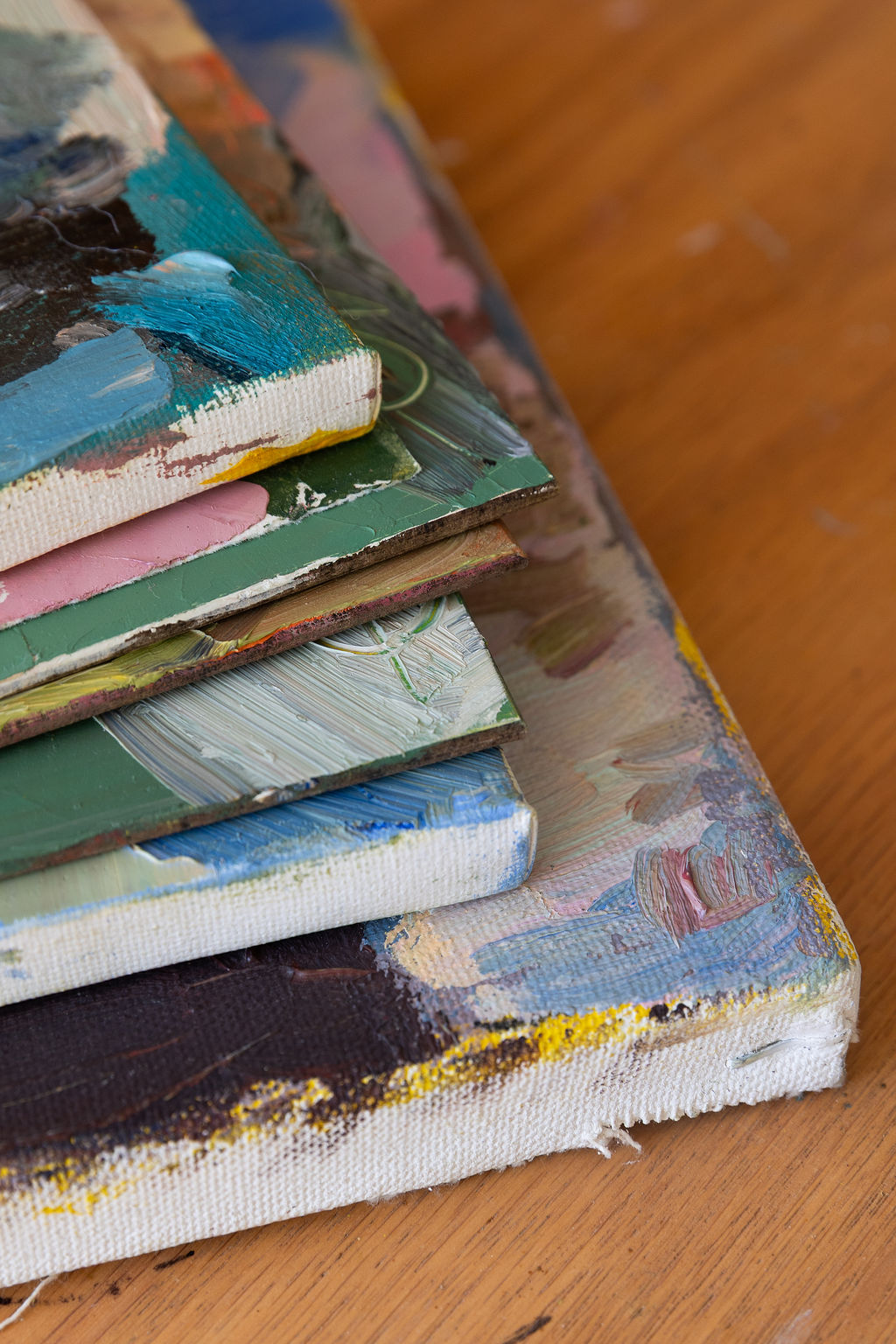
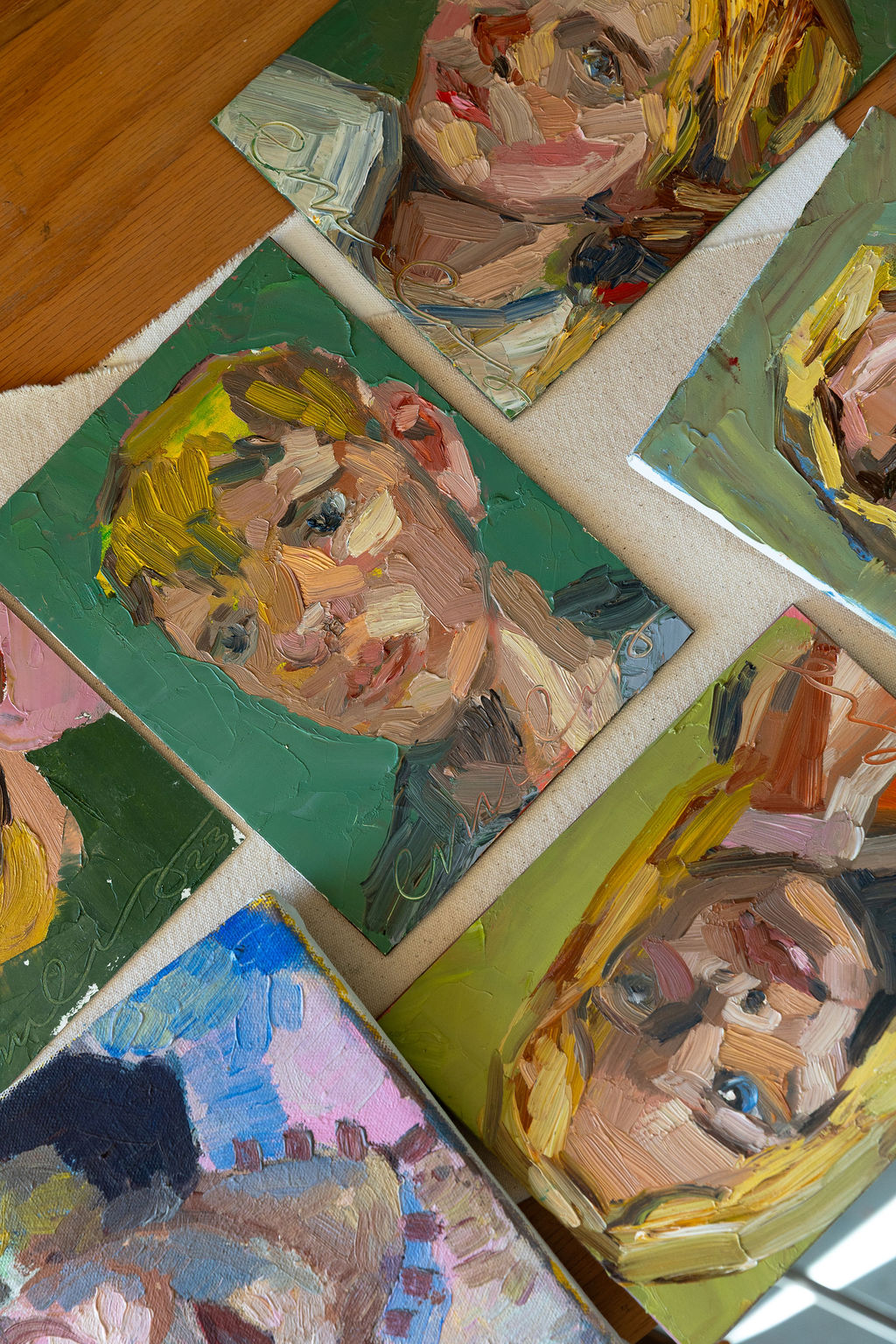
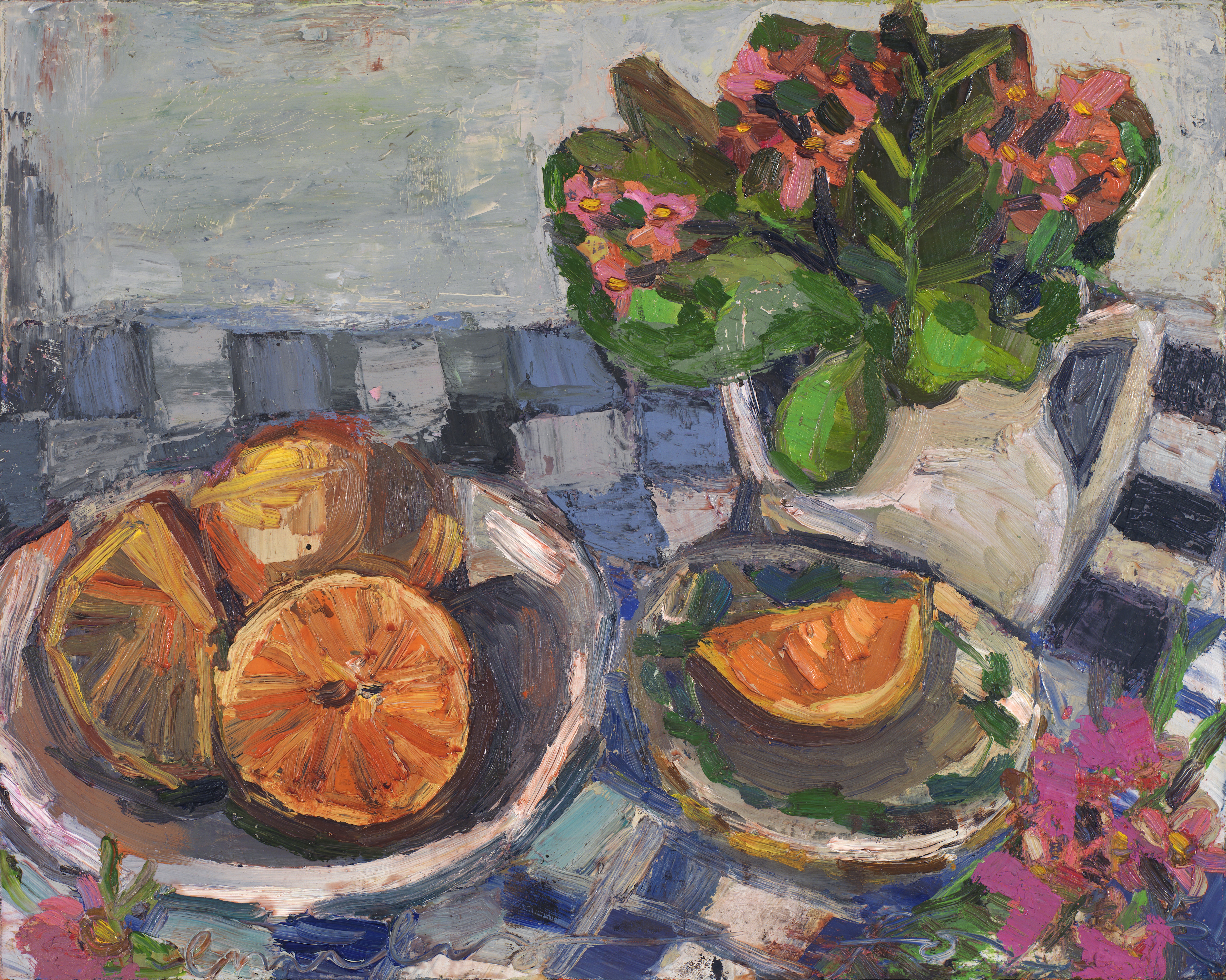
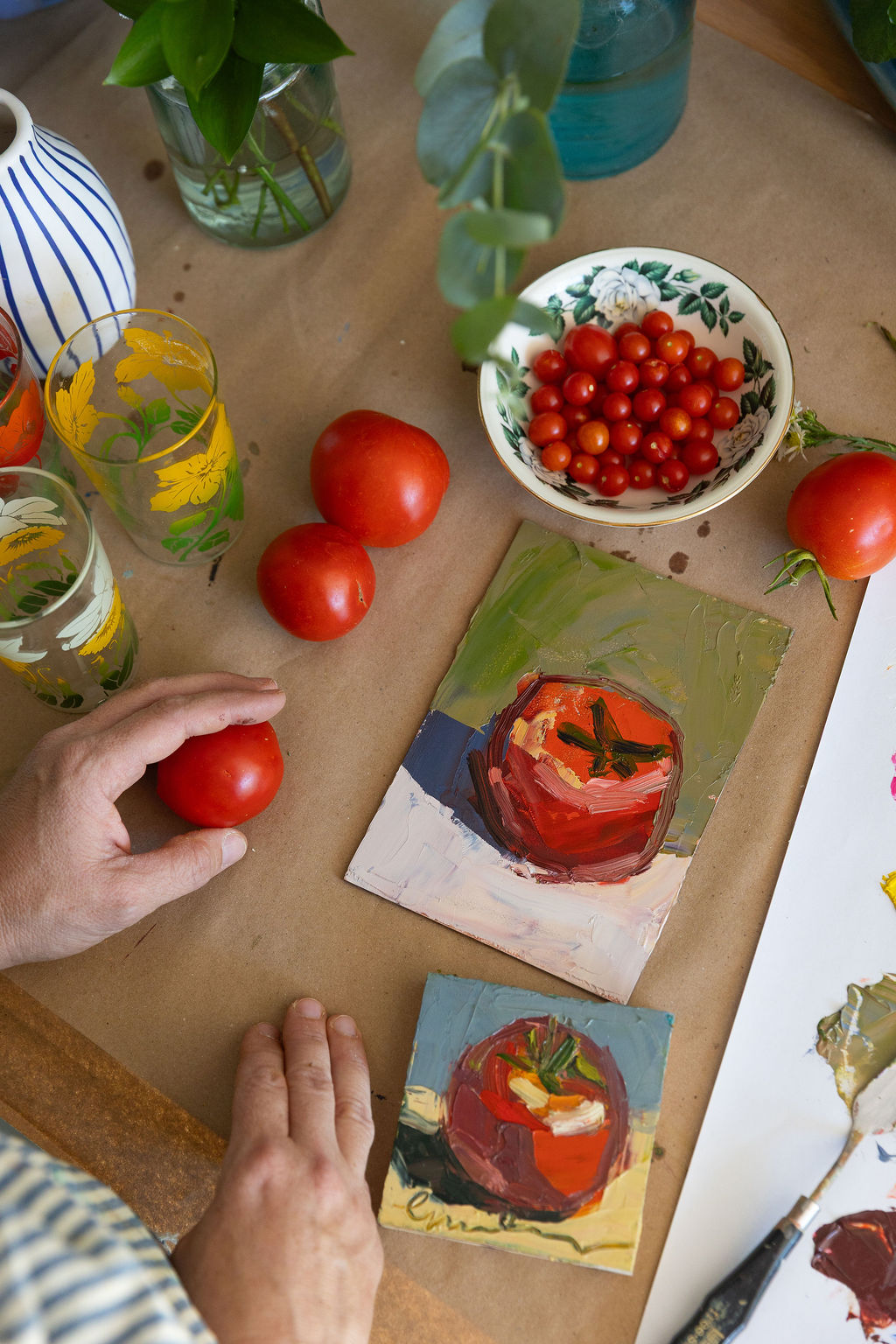
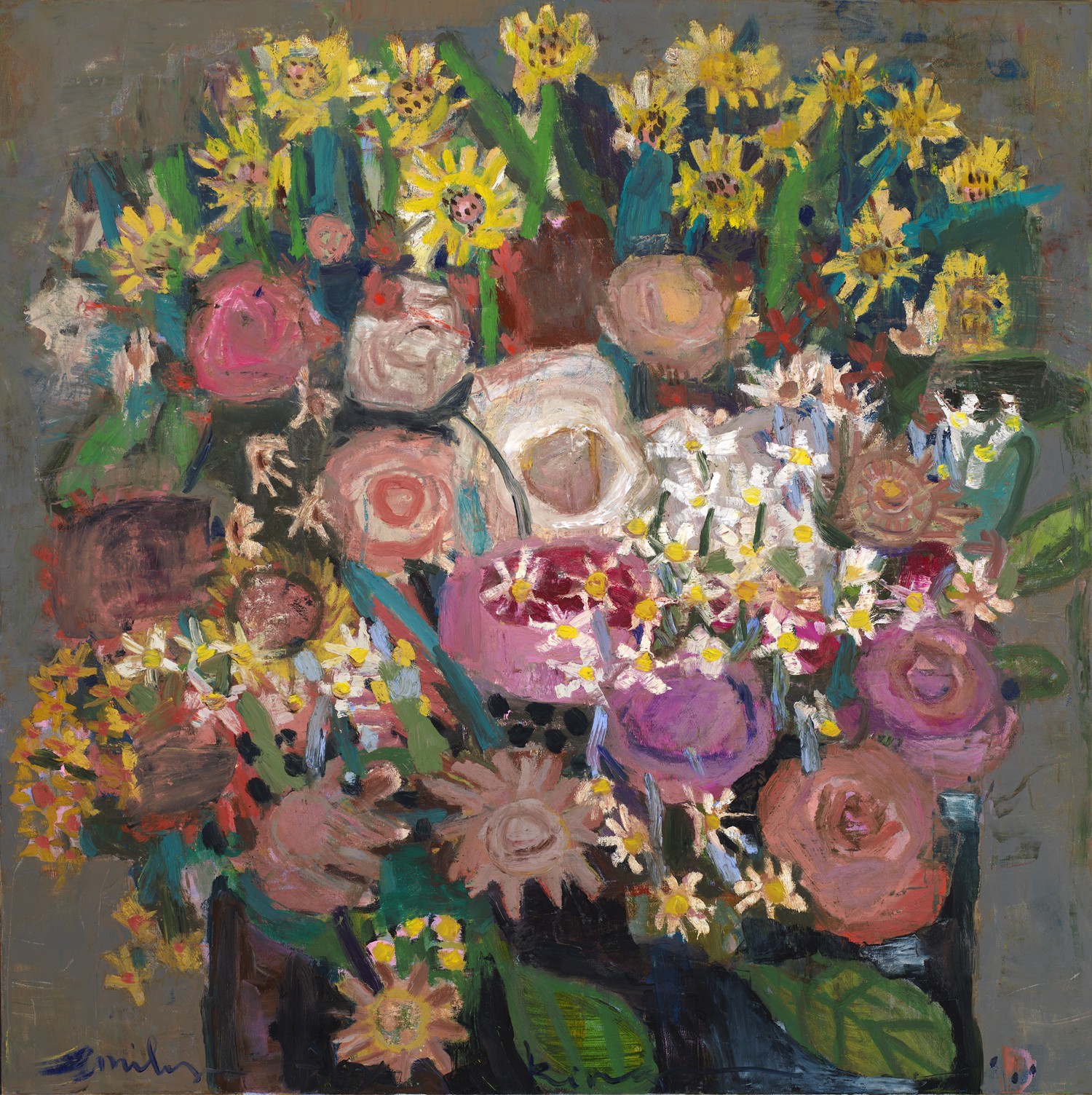
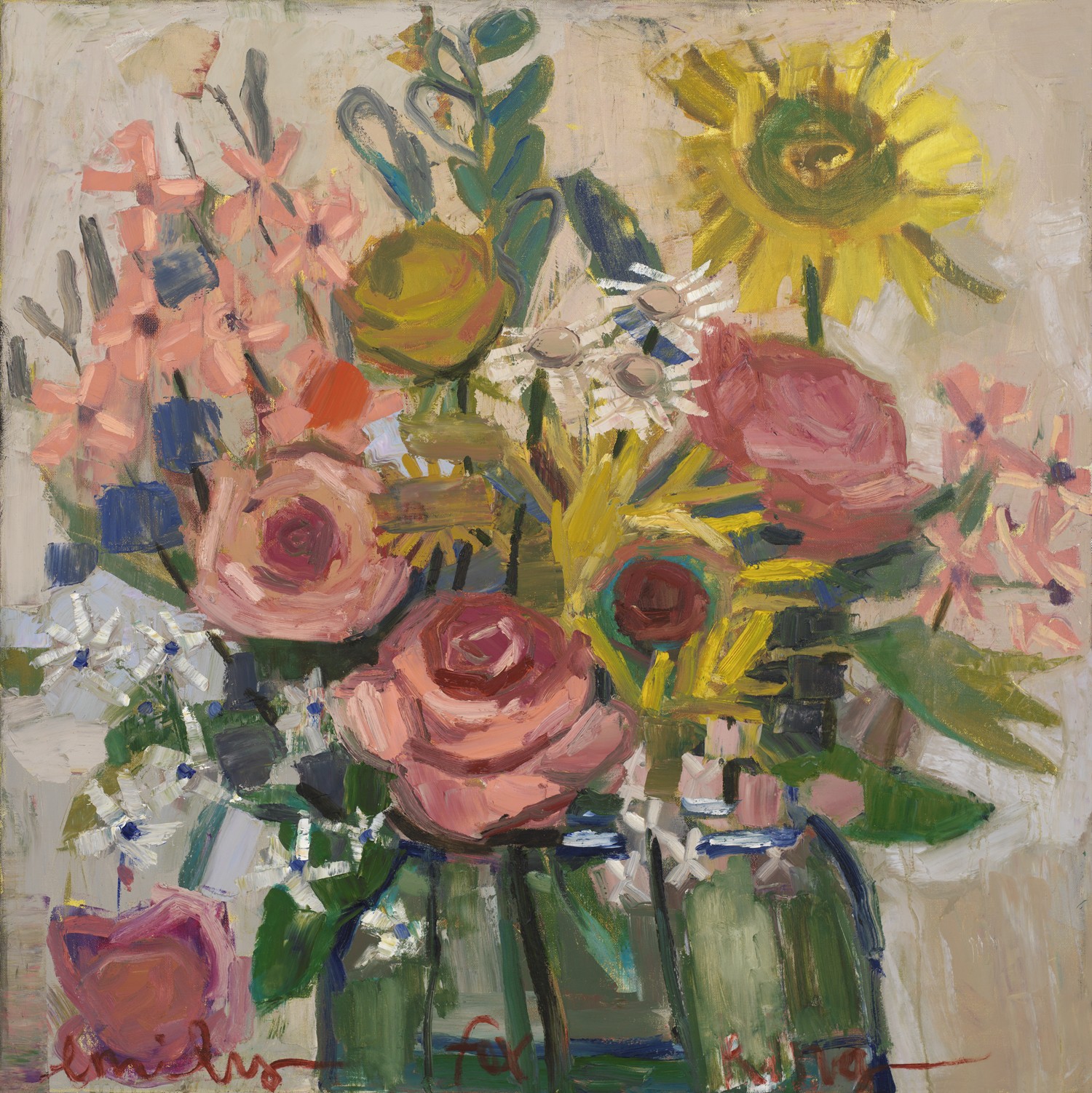
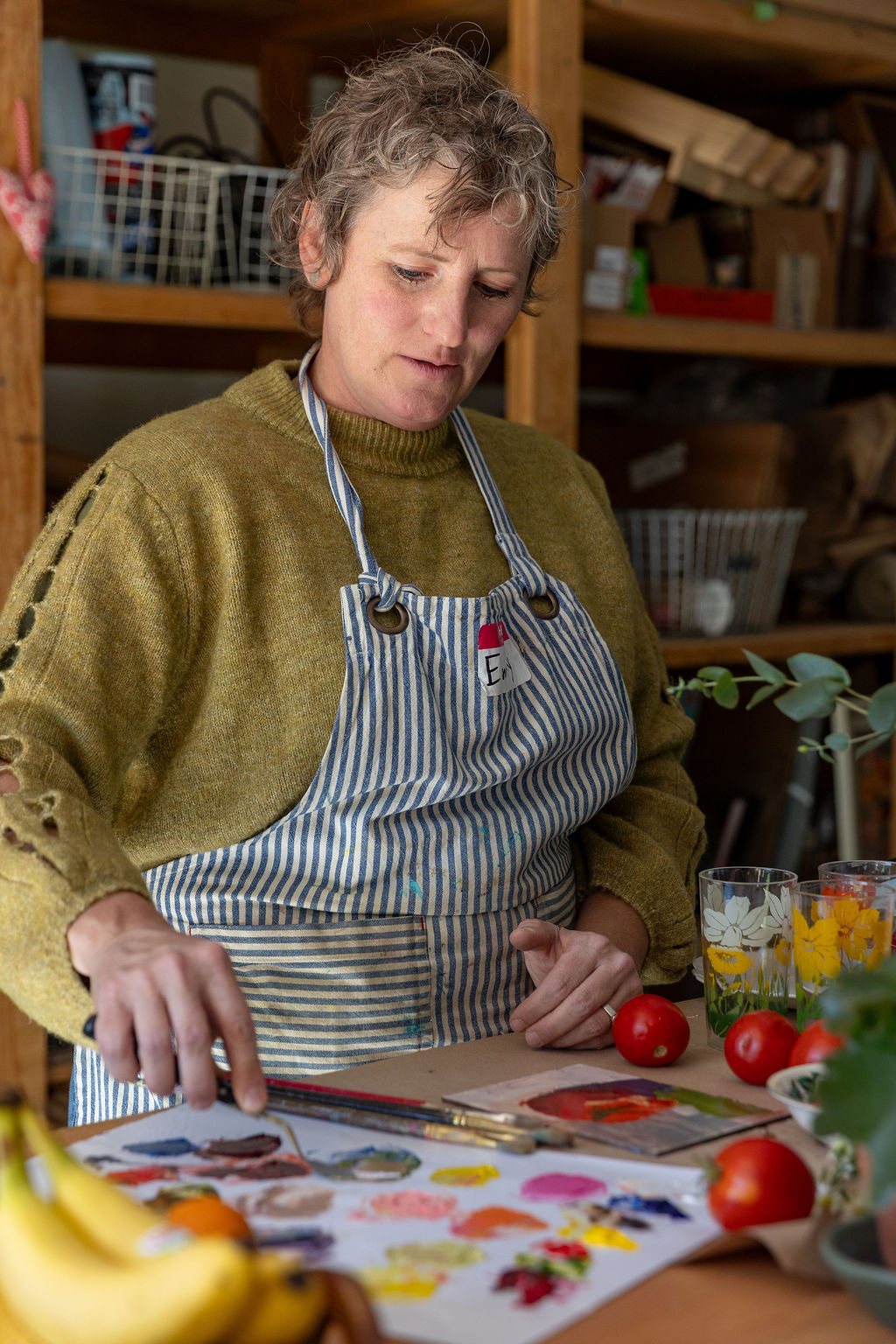
Image Credits
Ashley Thalman