



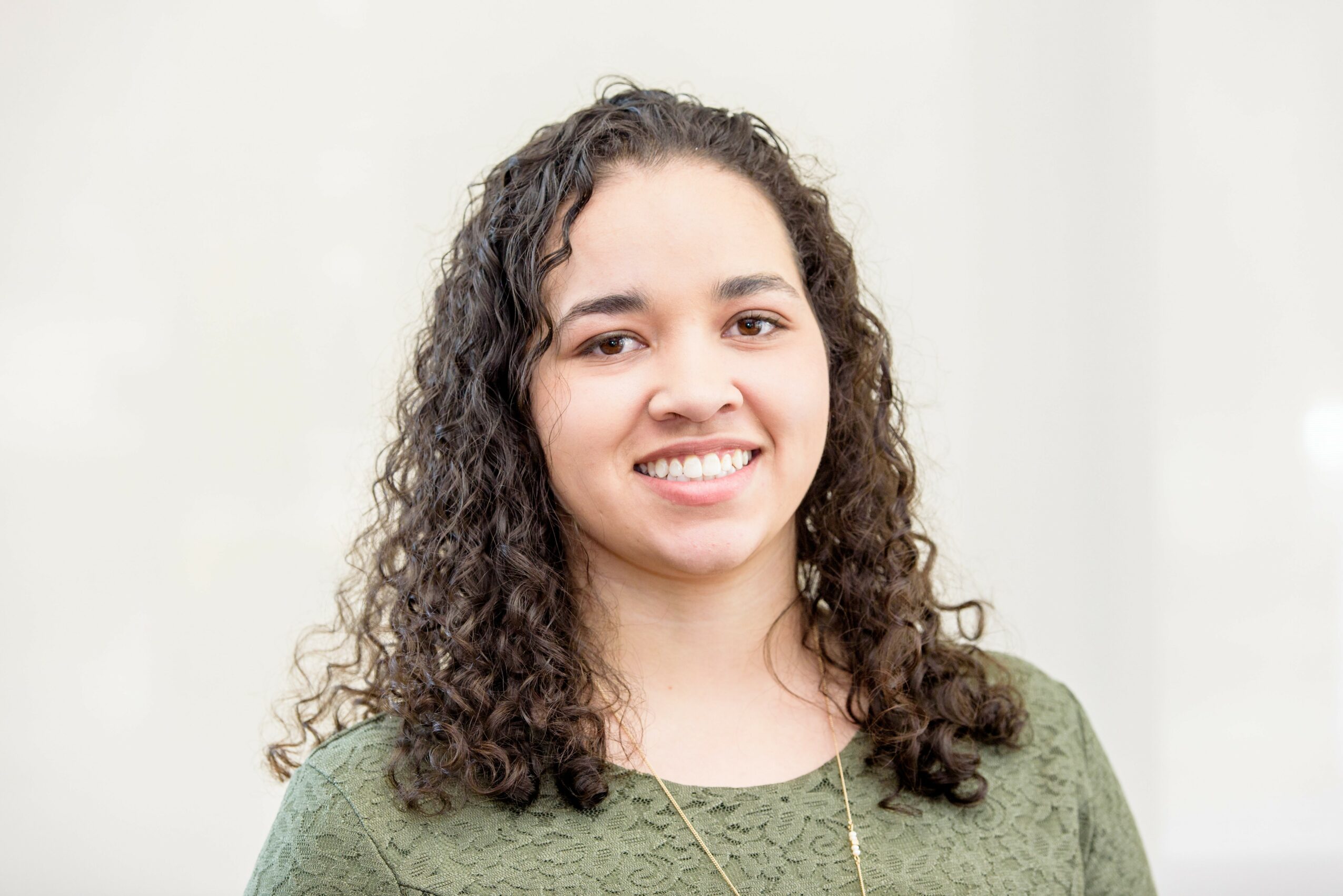
Today we’d like to introduce you to Janell Torres.
Hi Janell, can you start by introducing yourself? We’d love to learn more about how you got to where you are today?
Maybe I’ve always been drawn to roles that allow me to support others, maybe you could say it all started with years of being “Voluntold” by my mother, an educator at a small school in Colorado, to participate in more community events, fundraisers, and workdays than I can count growing up.
I can confidently say my path has been a mix of intentional choices and unexpected opportunities that shaped the work I do today. As an undergraduate student at the University of Utah, I looked for jobs that fit my passion for service, community development, and helping people and found a position with Utah Campus Compact, a coalition of colleges and universities committed to the public and civic purpose of higher education.
In 2018, when I was entering my junior year at the U, the compact was disbanded by the university presidents who were the acting board of directors, and parts of the program were transferred to different universities or agencies in the state.
Out of that decision, my role with the AmeriCorps program was transferred to the Center for Community Engagement at Utah State University and continued to operate as the Utah Higher Education AmeriCorps Network.
I went on to graduate from the University of Utah with a BS in Anthropology, a BS in International Studies, and a Certificate in Diversity. My degrees instilled ideas about how systems operate and, more importantly, how they can be improved to better support the people moving through them. Over time, my interests in helping others evolved into expanding opportunities to serve, service learning and workforce development, particularly within programs that create pathways for high school graduates, young adults in higher education, and beyond.
The desire to expand national service ultimately led me to accepting my position as the Program Director of the newly created One Utah Service Fellowship. I was part of its early development as it moved from legislative concept to a fully operational statewide program. Being able to help build upon 30 years of national service in Utah—especially something designed to empower young Utahns, strengthen communities, and expand public service—has been both challenging and incredibly rewarding.
Today, my work centers on ensuring that the fellowship not only runs effectively, but truly delivers on its promise: to provide meaningful service experiences, strong professional development, and clear pathways toward education and career. Looking back, every role I’ve held has in some way prepared me for this one, and I’m grateful for the chance to continue shaping a program that invests so directly in the next generation of healthcare professionals, educators, public servants, and community leaders.
Can you talk to us a bit about the challenges and lessons you’ve learned along the way. Looking back would you say it’s been easy or smooth in retrospect?
It definitely hasn’t been a completely smooth road. I don’t think meaningful work ever is. The path has included its share of challenges, each of which ended up shaping my leadership and my approach to building programming. If you ask my colleagues and staff, they will tell you my favorite word is Pivot.
Helping build the new statewide service program has come with its own complexities and any new initiative has growing pains. One of the biggest hurdles early on was learning how to translate the language of the law and expectations into a fully developed program. I often found myself working to bridge gaps—between institutions and communities, between policy and practice, and sometimes even between what people hoped the program would be and what the structure actually allowed while at the same time training an entirely new staff, aligning stakeholders, creating processes that actually worked for the people using them, managing expectations, and balancing idealism with what’s realistic in the moment.
In our second year, it can still feel like timelines are ambitious and the learning curve steep for everyone involved, but even in the hardest moments, our mission of supporting young adults, strengthening communities, and building a culture of service, makes the effort worth it. The challenges continue to teach me resilience, patience, and the importance of designing systems that are transparent and user-friendly.
Appreciate you sharing that. What should we know about One Utah Service Fellowship?
The One Utah Service Fellowship (OUSF) is a statewide AmeriCorps service program designed to invest directly in young adults while strengthening Utah communities. Enacted by the Utah State Legislature and championed by the Governor, the fellowship is unique in its scope because it blends long-term service opportunities, professional development, mentorship, and career pathway support into one cohesive, high-impact experience with the added benefit of a stipend living allowance and a post-service education award that participants can use to pay towards college, tech or trade schools, travel abroad, or pay off qualified student loans.
What we do is simple in concept but powerful in practice. We place OUSF AmeriCorps members in meaningful service roles across the state, including schools, nonprofits, government agencies, and community organizations. In these roles, our members work on real issues such as K-12 education support, public health, community resilience, and much more. At the same time, we provide structured training, wraparound support, and opportunities for career exploration.
What sets us apart is that we are not just a service program. We are a bridge. We are known for being intentional about connecting service, higher education, and workforce pathways. Our model is designed to reduce barriers, give young adults a supportive on-ramp into public service and community leadership, and open doors that might otherwise feel out of reach. Because we are a state-supported program, we are able to align service work with statewide priorities and community needs in a way that is both strategic and deeply people-centered.
I am most proud of the fact that we have built something that feels both aspirational and accessible. The One Utah Service Fellowship represents opportunity, purpose, and belonging. It sends a clear message: you do not need to wait to make an impact, and you do not need to choose between serving your community and building your future. You can do both, and we will support you every step of the way.
I want readers to know that our program is designed for growth. That includes the growth of our members, our partner organizations, and our communities. We are always looking for new partner organizations to who want to amplify their impact and and further their mission. But for every individual, whether someone is looking to start college, transition careers, gain experience in public service, or simply find a meaningful way to contribute without sacrificing the opportunity to support themselves, the Fellowship provides a structured, supported, and rewarding pathway. We are investing in the next generation of Utah leaders, and we are proud to be building something that reflects service as a cornerstone of the “One Utah” vision in which “everybody is invited…no one will outwork us, service is at our core, and we listen and show empathy.
Can you talk to us about how you think about risk?
My perspective on risk taking has evolved over the years. I used to think of risk only in terms of big leaps with dramatic outcomes. I generally am a risk-averse person, but I have come to see risk as any decision that requires you to step into uncertainty with intention. It is less about being fearless and more about having clarity about what matters and being willing to move forward even when the path is not fully mapped out.
In my work, some of the biggest risks I have taken have not been loud or flashy. They have been the moments where I chose to push for change in systems that were comfortable staying the same. Stepping into the development of this brand new statewide fellowship program, there was no blueprint, no precedent in Utah, and no guarantee that the vision would translate smoothly into reality. It required taking on a lot of ambiguity, asking hard questions and advocating for processes and structures that were more supportive and more transparent. That was a meaningful risk because it required trusting that the effort would serve others in the long run.
I also think risk shows up in leadership in smaller but equally important ways. Saying no to practices that do not align with values is a risk. Choosing to redesign a system that “has always been done this way” is a risk. Standing up for the end result when the current plan isn’t crystal clear is a risk. But those are the kinds of risks that create real impact.
I will never be someone who seeks out risk for the thrill of it. I see myself as someone willing to take risks when the mission is worth it and when the outcome has the potential to create opportunity for others. I think the healthiest approach to risk is to treat it as a tool, not an identity. You assess it, honor it, and use it when it helps move something meaningful forward.
Contact Info:
- Website: https://www.oneutahservice.org
- Instagram: https://www.instagram.com/oneutahservicefellowship/
- Facebook: https://www.facebook.com/OUSFUT
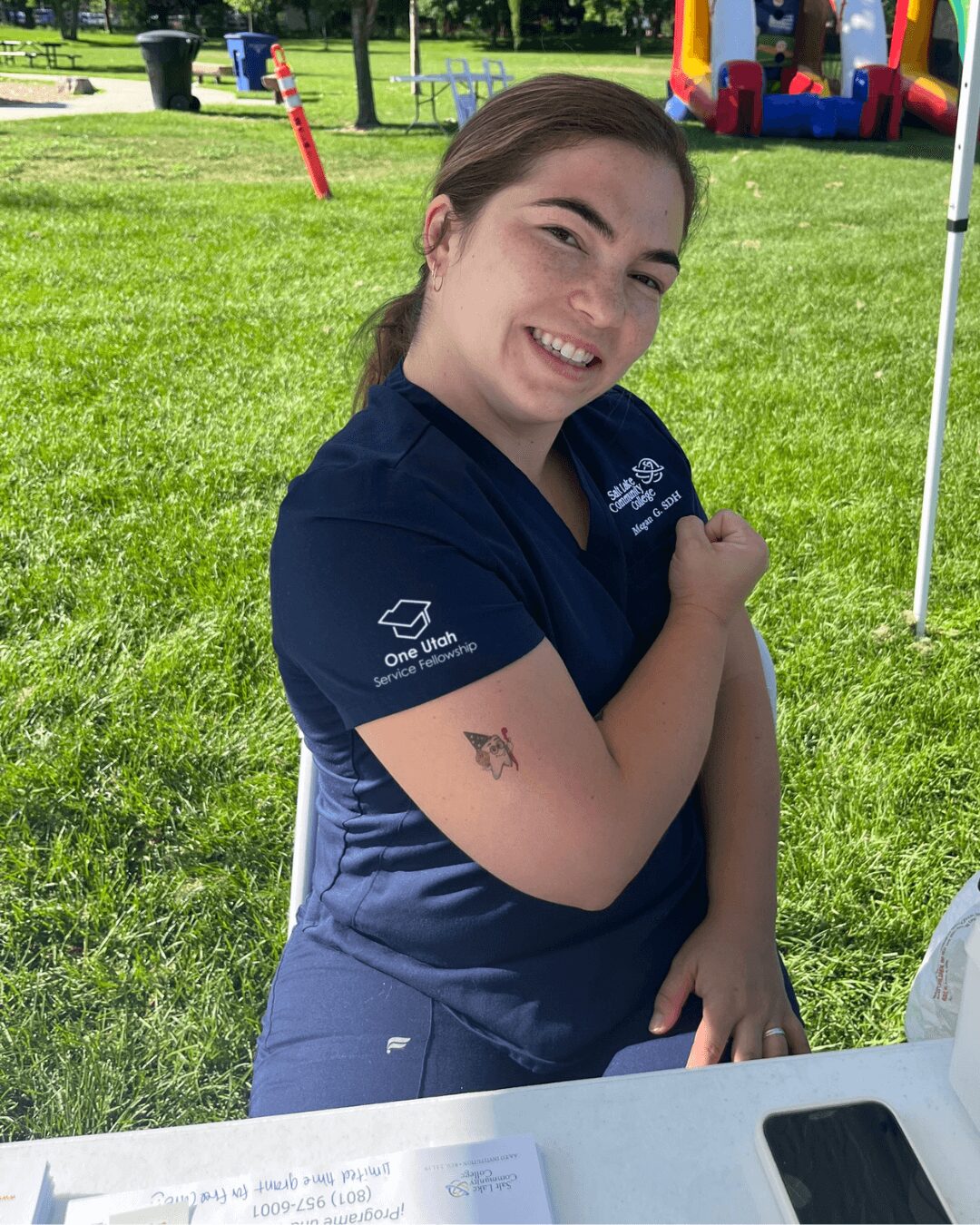
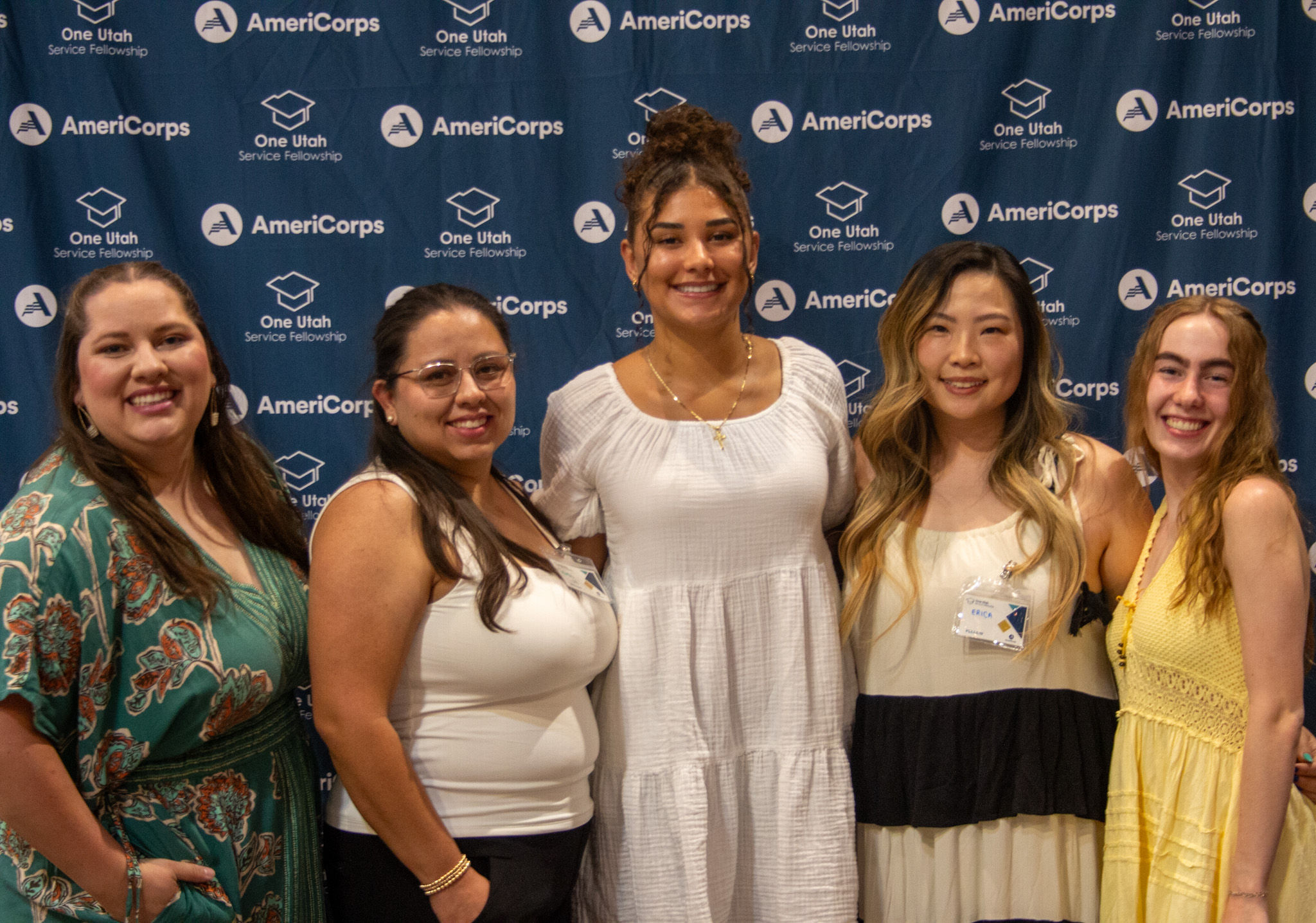
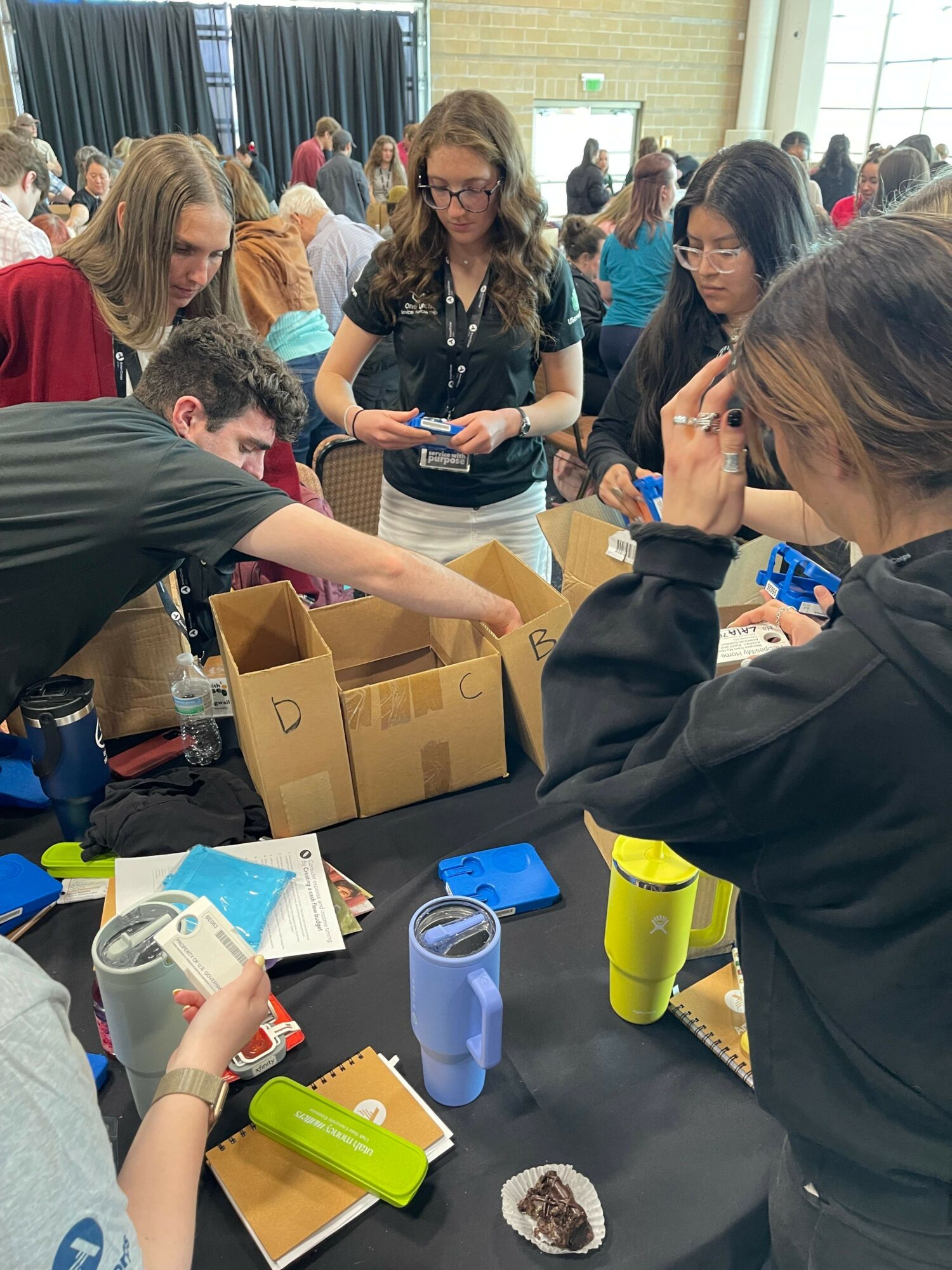
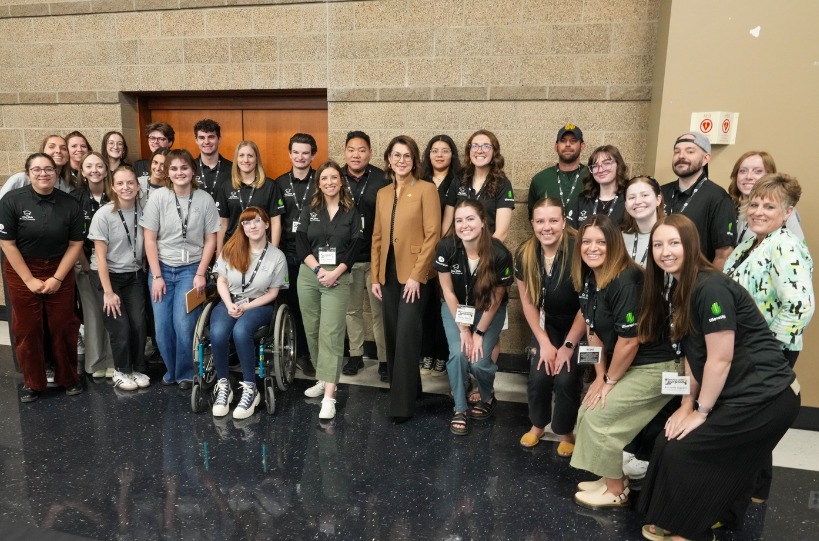

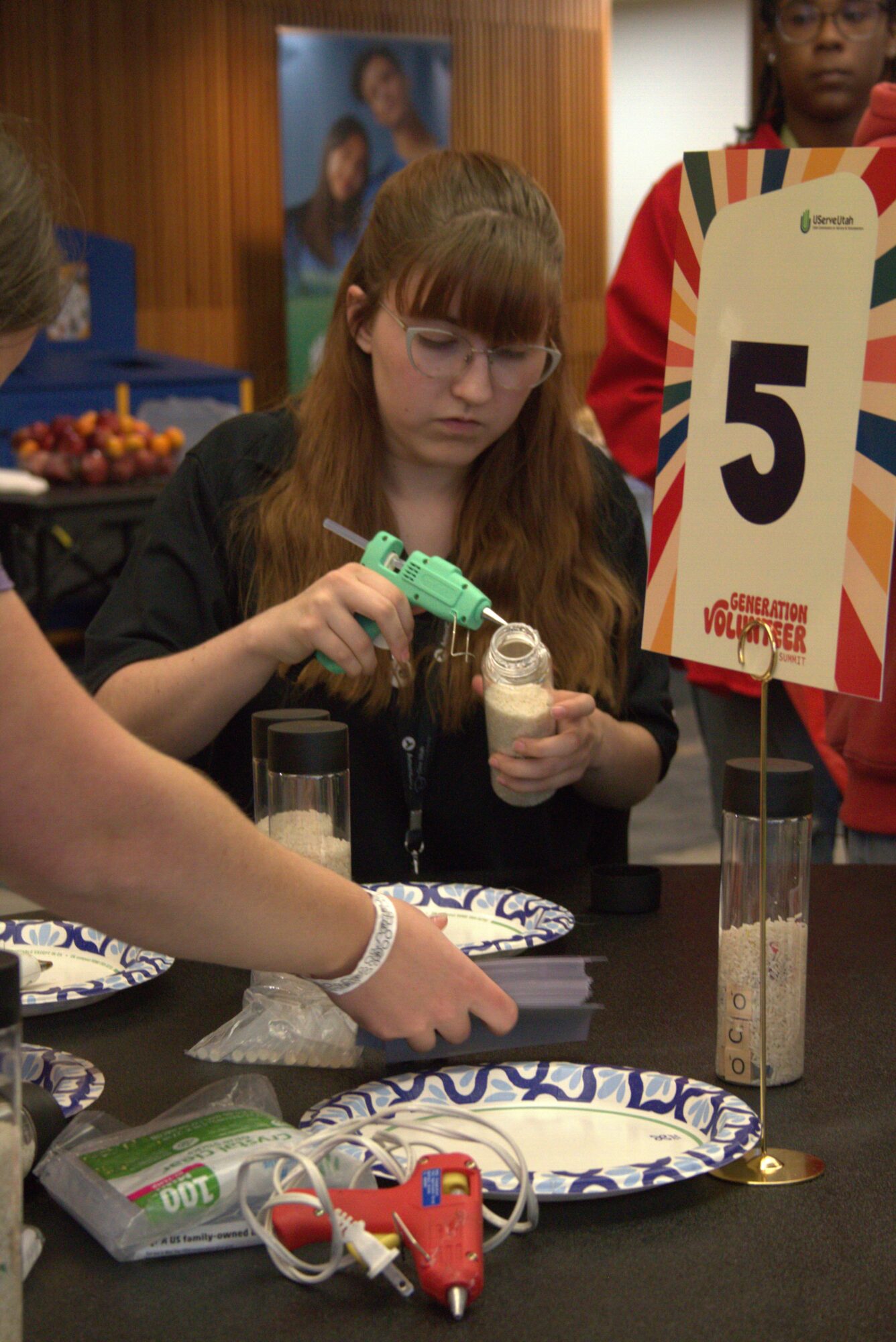
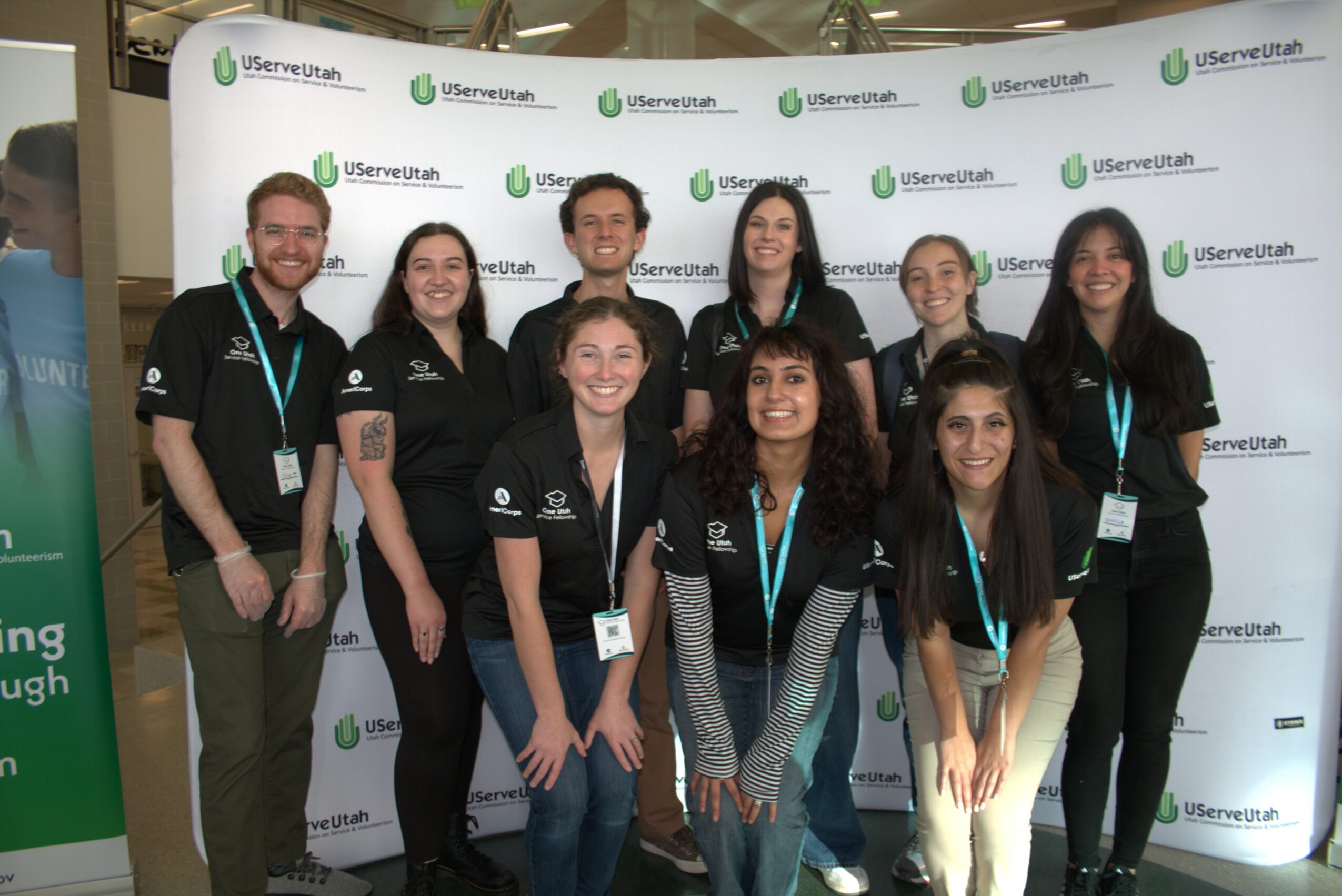
Image Credits
Riley=Ann Pennington