


Today we’d like to introduce you to Jim Frazer
Hi Jim, it’s an honor to have you on the platform. Thanks for taking the time to share your story with us – to start maybe you can share some of your backstory with our readers?
When I was a child growing up, I remember playing in the woods and creek bottom behind our house and feeling that I was in a place as remote as those that I read about in the National Geographic magazines that I eagerly anticipated every month. I imagined myself as an explorer, and I thought that I would grow up to be some kind of scientist like the ones that I read about. I had a certain interest in art, but I was never talented or very good at drawing, and photography was not as accessible as it is today.
In college, I took every kind of science class that was offered; I was especially attracted to geology, to the study of the earth and how it came to be the way that it is. One summer, I had a job at a science lab and the fellow who ran the department that helped the scientists prepare their illustrations for publication taught me how to use the photographic darkroom. After then, although I kept up a strong interest in science, my path went more and more towards art through the medium of photography. I was particularly drawn to how to combine photography with other media, and I began making hand-colored photographs, painting with oil paint on black-and-white photos.
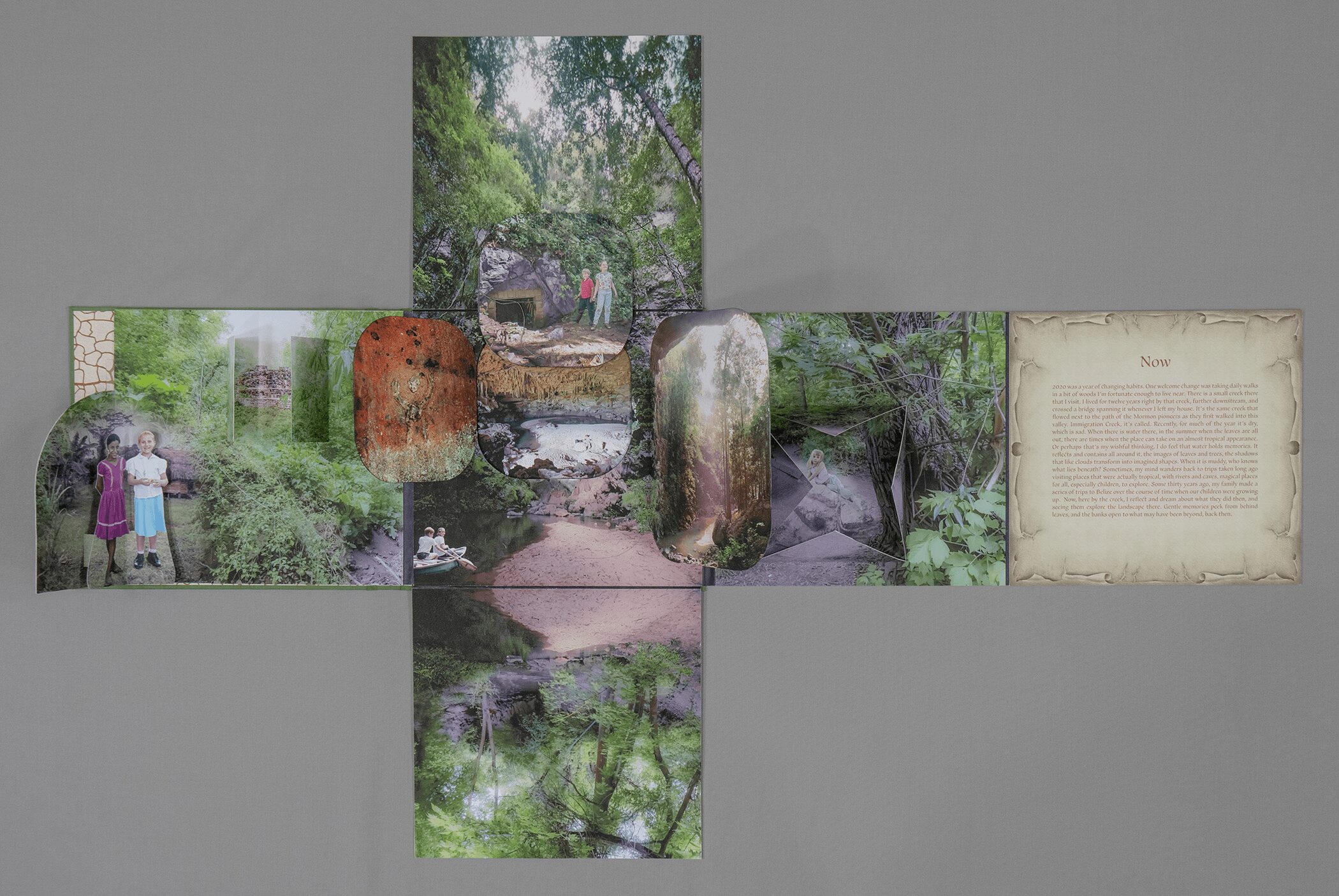
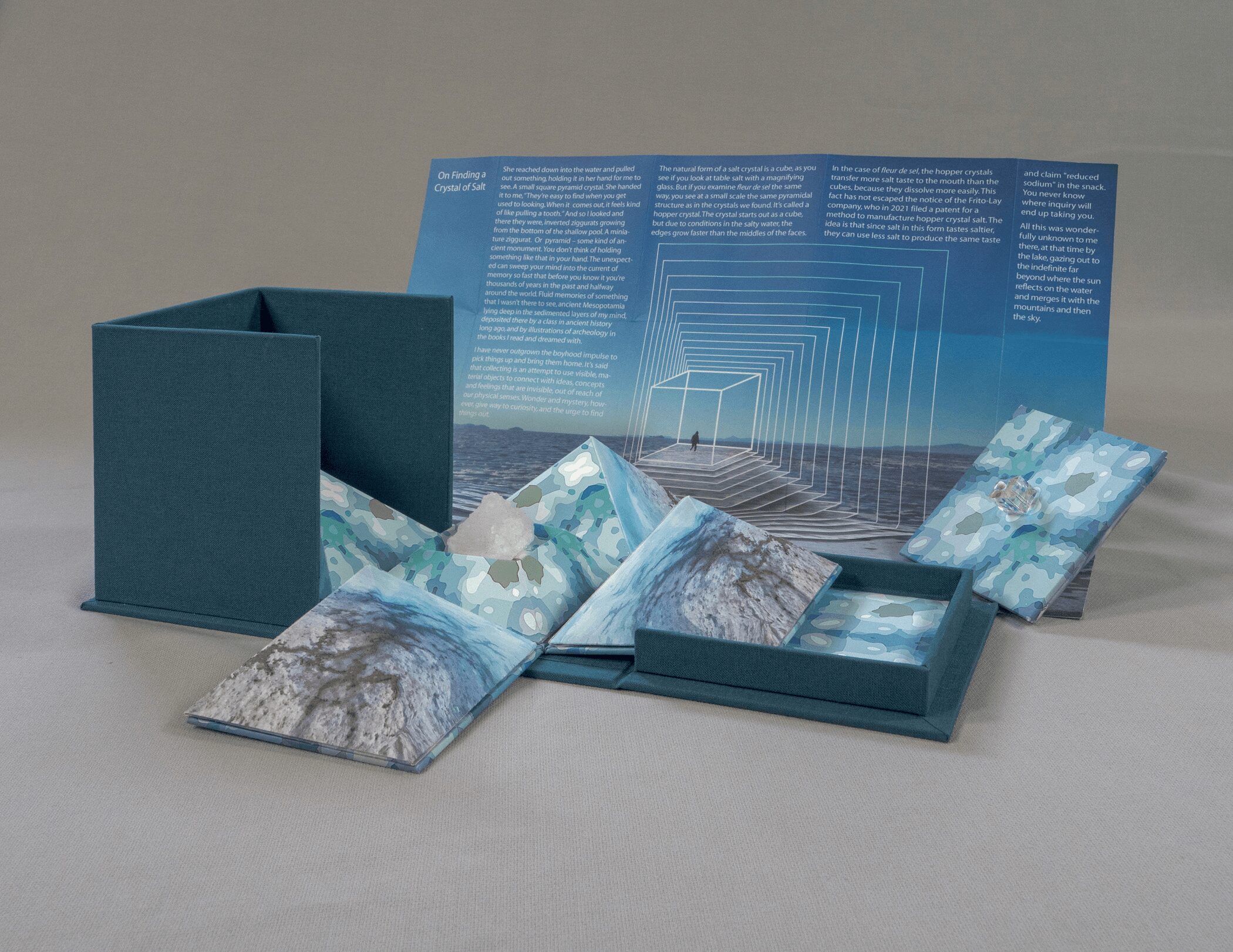
Over the years, I have produced a wide variety of mixed-media works; works on paper, works in boxes, sculptures, but they have all had their origin in photography in one way or another. Through all those years and different artforms, I always think back to being by the small creek down in the woods as a child. When I became older, I did go to more remote places, explore and photograph jungles and deserts, ancient ruins and rivers of all kinds. But what has always struck me is that you don’t have to go to far off places to be an explorer. Today, when I go walking by the creek in the urban natural area near my house, I feel much of the same wonder that I first felt as a child. Being open to that wonder is the most important element that drives my work.
Alright, so let’s dig a little deeper into the story – has it been an easy path overall and if not, what were the challenges you’ve had to overcome?
I believe that the biggest challenge that most artists face is dealing with rejection. The system works on the basis of continually submitting your work to curators and juries and, especially at first, your work is often not chosen. When I was doing my hand-colored photos, painters would dismiss them as just photographs, while the photographers would say that they weren’t “really” photographs. One critic wrote that they believed I must have been deprived of crayons as a child. I learned that I needed to keep on working to improve both my technique and vision, and develop something that is unlike anything else. We are each unique persons, but it can be a challenge, amongst constant bombardment of what is currently “trending”, to seek out that which we have to offer that sets us apart, that is the source of our personal specialness. If your work is good, and you keep showing it to enough people, you will find those with whom it resonates.
Alright, so let’s switch gears a bit and talk business. What should we know about your work?
I’m known for making photo-based artwork that encourages people to think about human interaction with the natural landscape. I believe that there is usually more going on around any of us than we are aware of unless we make a conscious effort to pay attention. My favorite definition of being an artist, by filmmaker James Benning, is, “an artist is someone who pays attention, and reports back.” So I’m trying to pay attention there in the woods. After looking, quietly looking, for a while, sometimes what seems a jumble begins to open up, to unfold, and in doing so seems to organize itself. Maybe it’s still complicated, but things fall into place and you get the feeling that though nothing has changed, you’re now seeing what was really there all along.
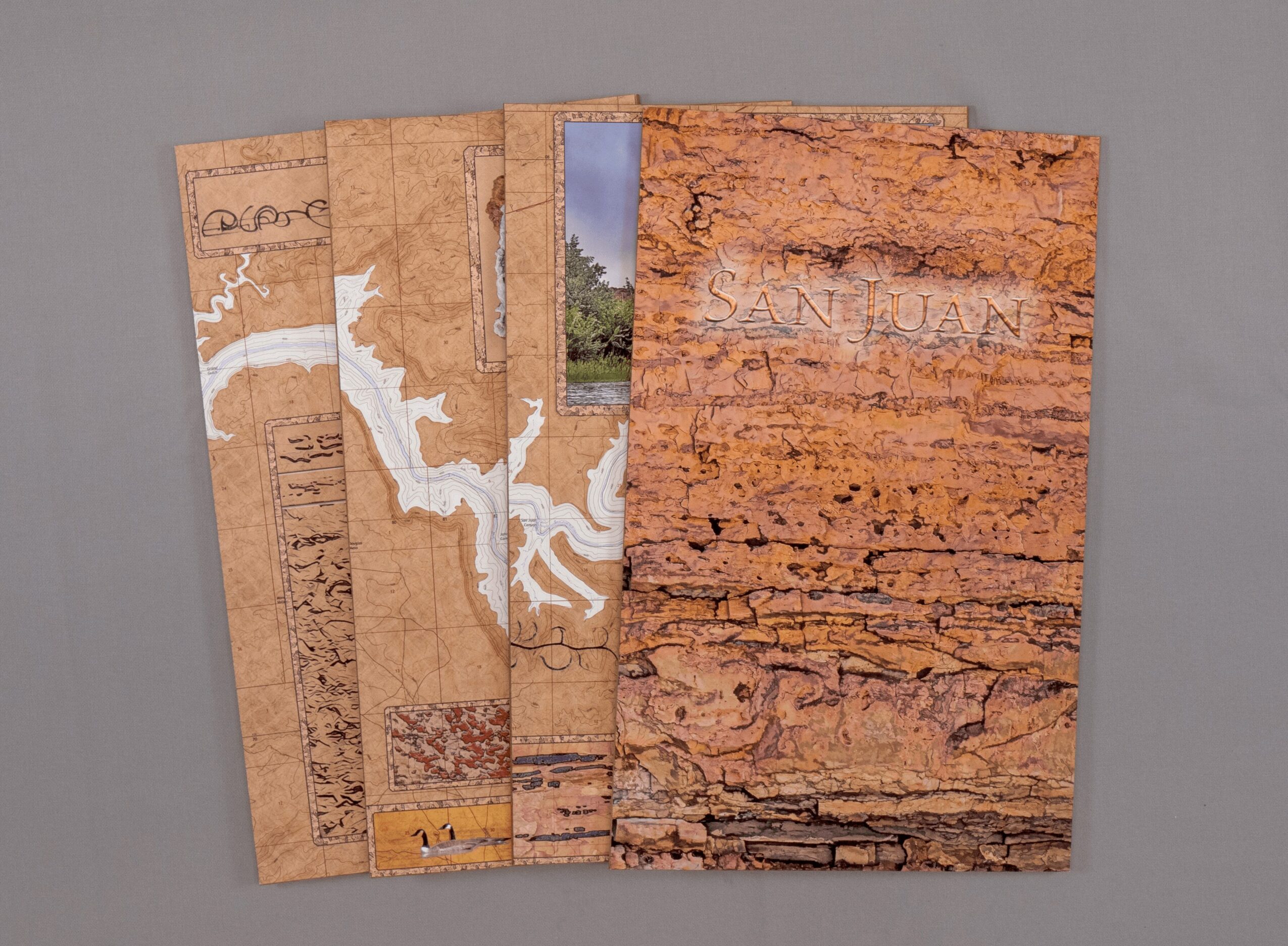
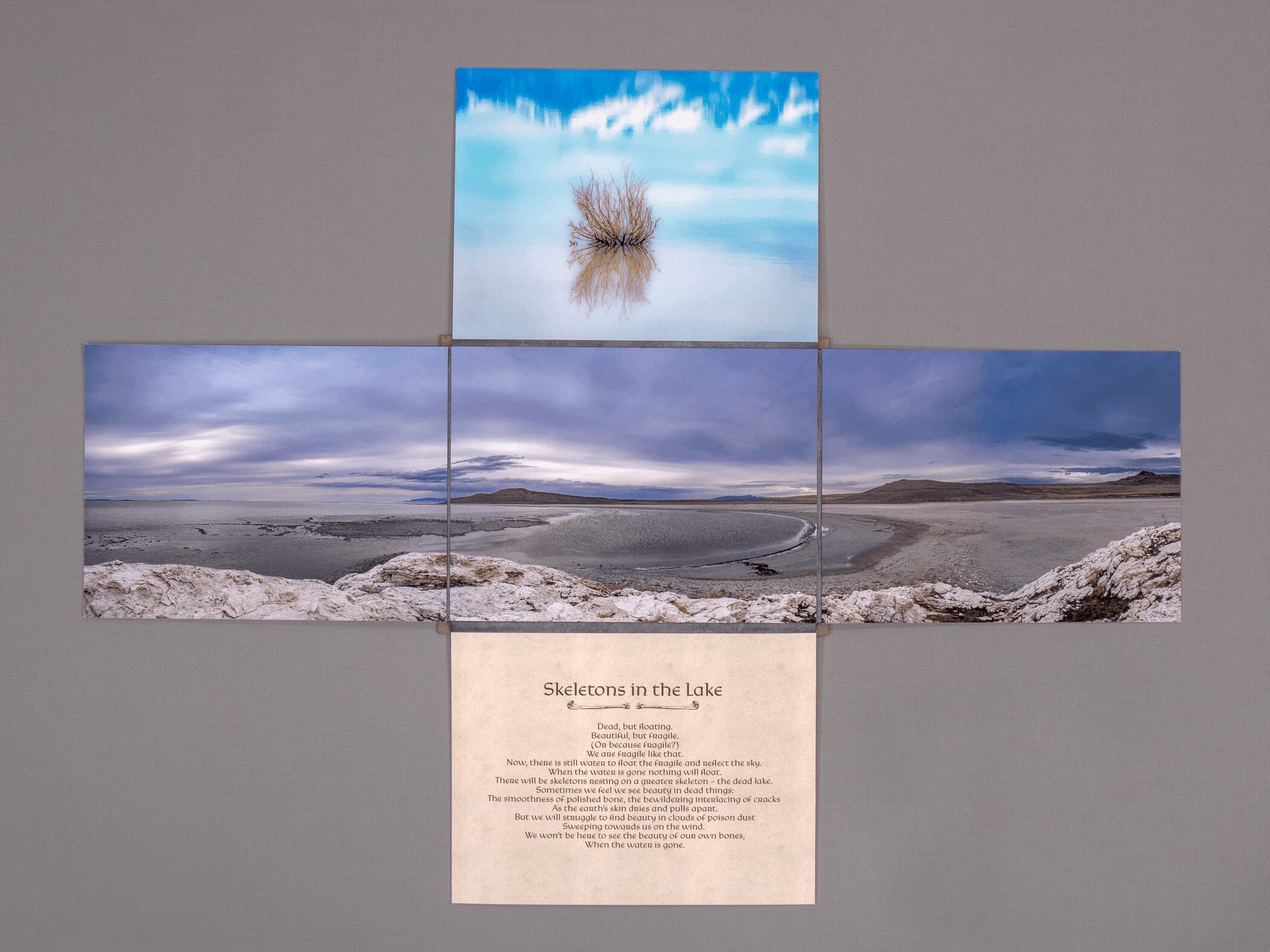
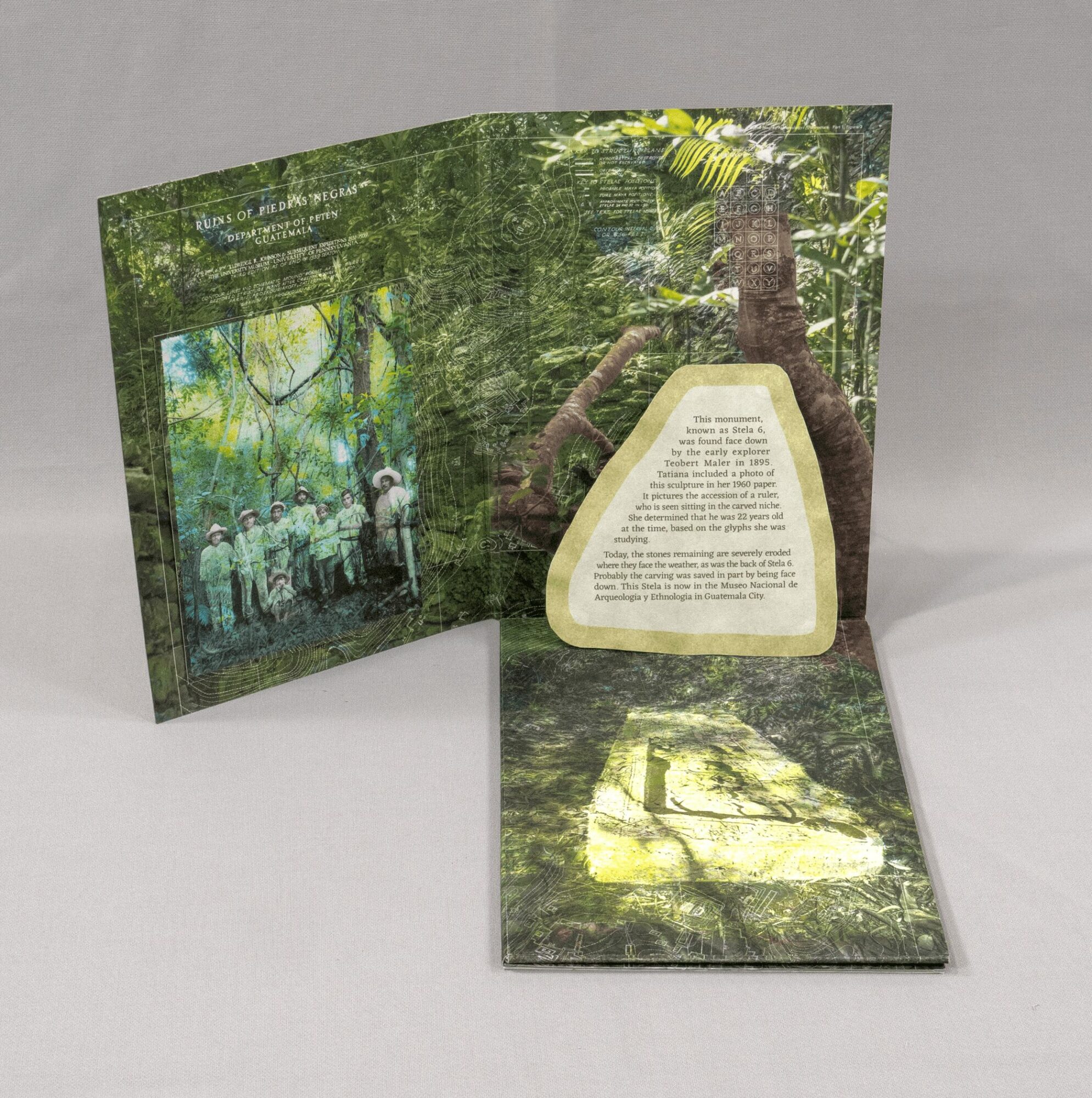
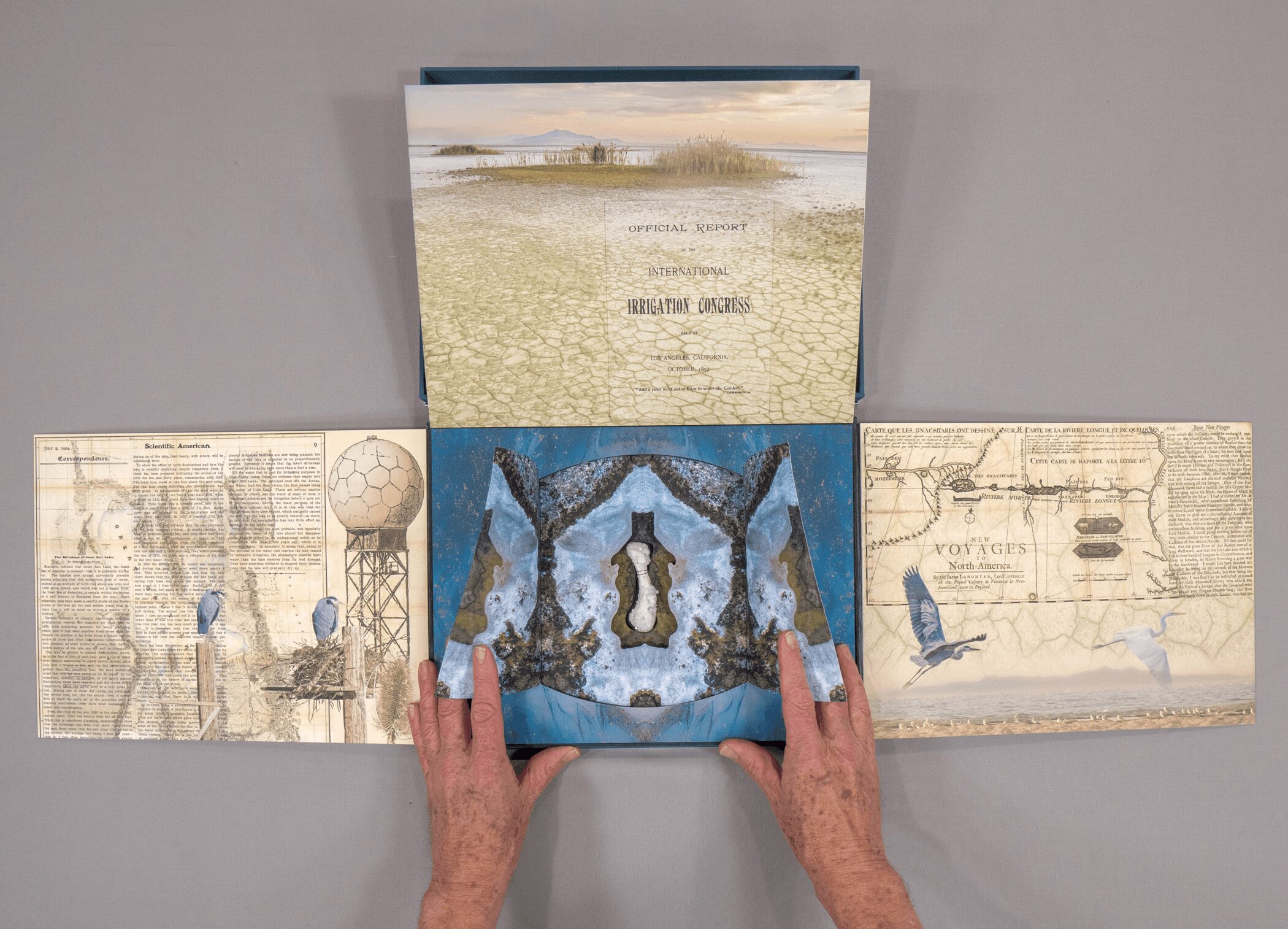
In the past five years, I have begun making artist books. These are interactive combinations of words and images that unfold in unexpected ways and have a sculptural quality. During the height of the pandemic, I was fortunate to find a group of book artists from around the country who met online every other week for almost two years to exchange ideas and learn new things from each other. It was a very welcoming community and I gained so much from being a part of it. I’m finding that making books is an effective way of combining words and images to communicate ideas and feelings to others.
I have had my work collected by a number of museums and private collectors, but what I’m most proud of is not anything like that, but my role many years ago with a group of friends and colleagues starting an artist-run gallery. When I was starting out, photography was struggling to be accepted as a legitimate medium in the fine arts. To meet that challenge, we established the first gallery in Atlanta devoted to showing photography and interested the director of the High Museum to have lectures on photography and begin their collection. Fifty years later, successive generations of artists have kept that vision going and expanding, it is now known as the Atlanta Contemporary Art Center. To have been a part of such a community effort that continues to grow and becomes larger and more long lasting than those who began it has been very fulfilling.
Let’s talk about our city – what do you love? What do you not love?
There are two things about Salt Lake City that I like best. One of the first things I noticed when I moved here was how accessible hiking trails are. The nearby mountains and canyons make it easy to get out of the city. I also like that there is a strong and diverse group of artists who operate out of a variety of venues and locations. There is great support from both the city and state arts councils. There are more visual art events and exhibits than one could possibly go to, and they are varied in every way imaginable.
What I like least is that air pollution is often trapped in the valley between the two mountain ranges, which becomes at times very unhealthy. There also tends to be the attitude that all growth is good without considering the consequences. Development downtown is being driven by sports and entertainment interests to the extent that some of our arts venues are being endangered. Both our symphony hall and our contemporary art museum are threatened by the developments now in the planning stage.
Contact Info:
- Website: https://jimfrazer.com/
- Instagram: https://www.instagram.com/frazer.jim