

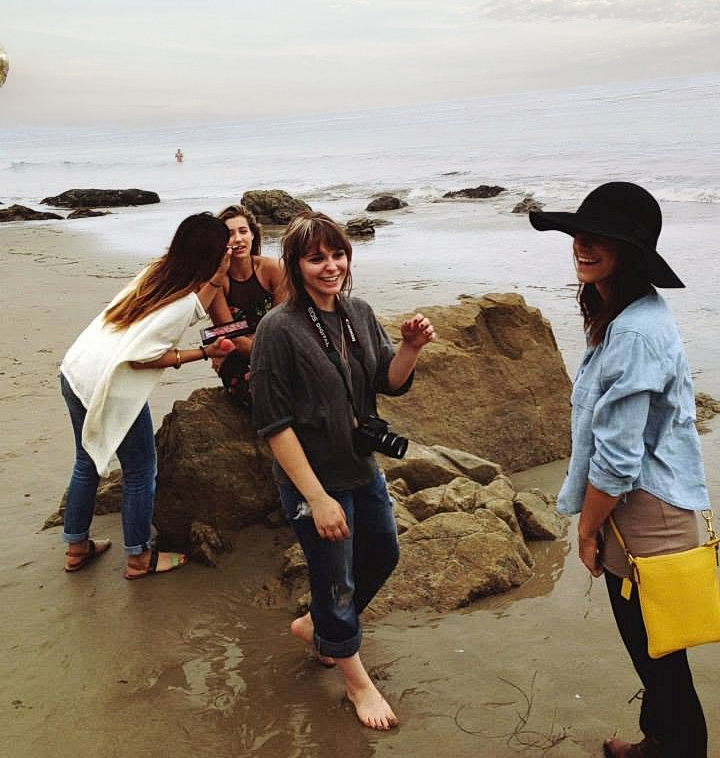
Today we’d like to introduce you to Alexandria Bailey.
Hi Alexandria, so excited to have you with us today. What can you tell us about your story?
I’ve always wanted to be an artist. I used to paint and draw frequently growing up, and while I was decent at it, I was too fickle — I’d redo things over and over, get frustrated, second-guess everything, start from scratch. Looking back, that’s a wild amount of perfectionism for a child. I just didn’t have the patience for it. I got my first camera, a hot pink Polaroid, when I was 6 — and I used up all the film taking pictures of my cousin, much to my parents’ dismay (since film isn’t cheap). My family also had a standard 35mm camera we’d use on vacations or for those fun, candid family moments, and I was always the one with my hand out asking to use it, until my parents actually started requesting for me to take the photos. You think we’d all known right then and there where I’d end up. Photography gave me a sense of control the other artistic mediums never did. Photography didn’t really click as “my thing” until 8th grade, when I had my first digital camera and started photographing everything at my aunt’s college graduation. My grandma looked through them and told me I was actually talented at this, and if I ever thought about being a photographer. That’s the moment something clicked for me, and I started pursuing it for real.
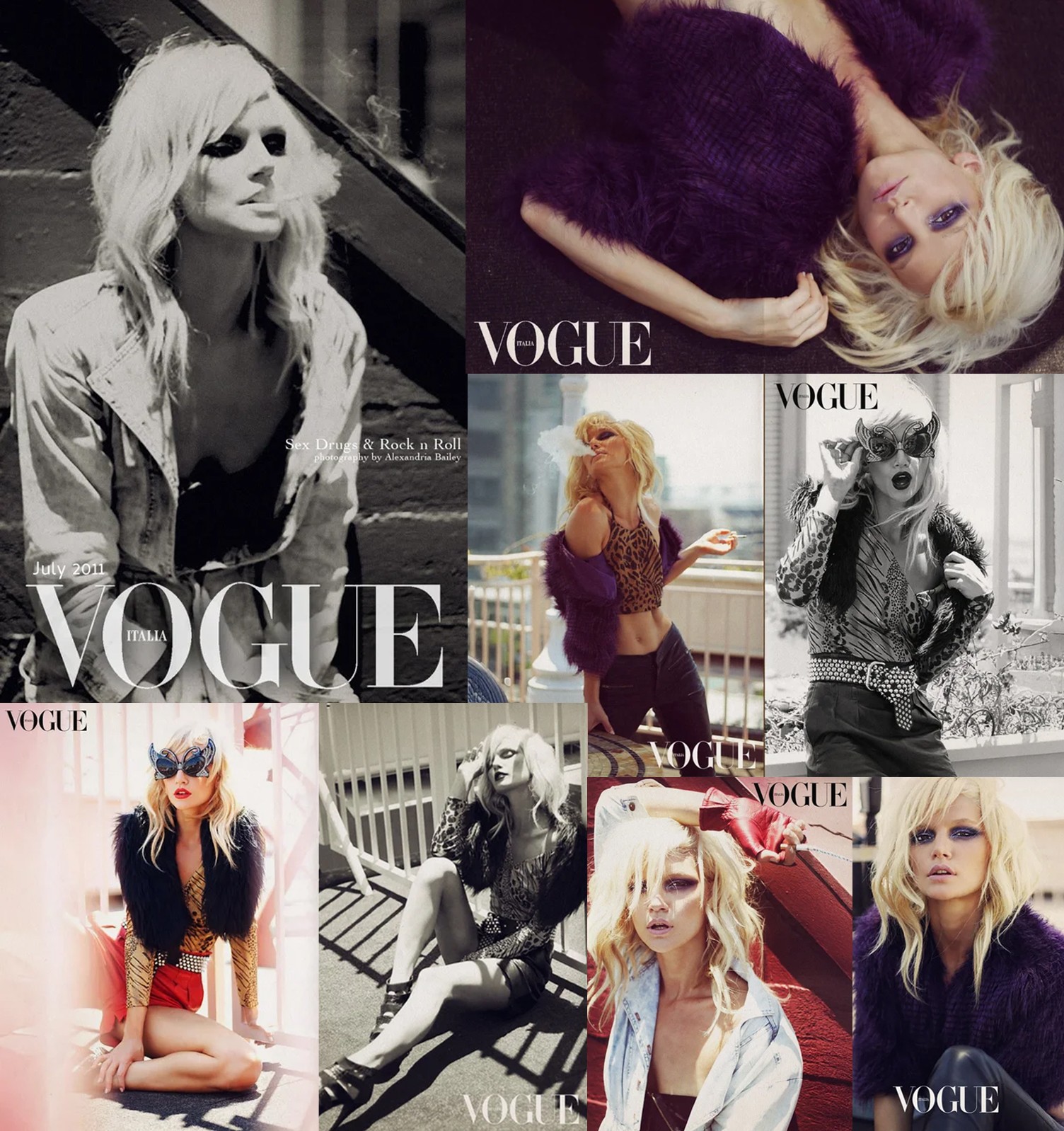
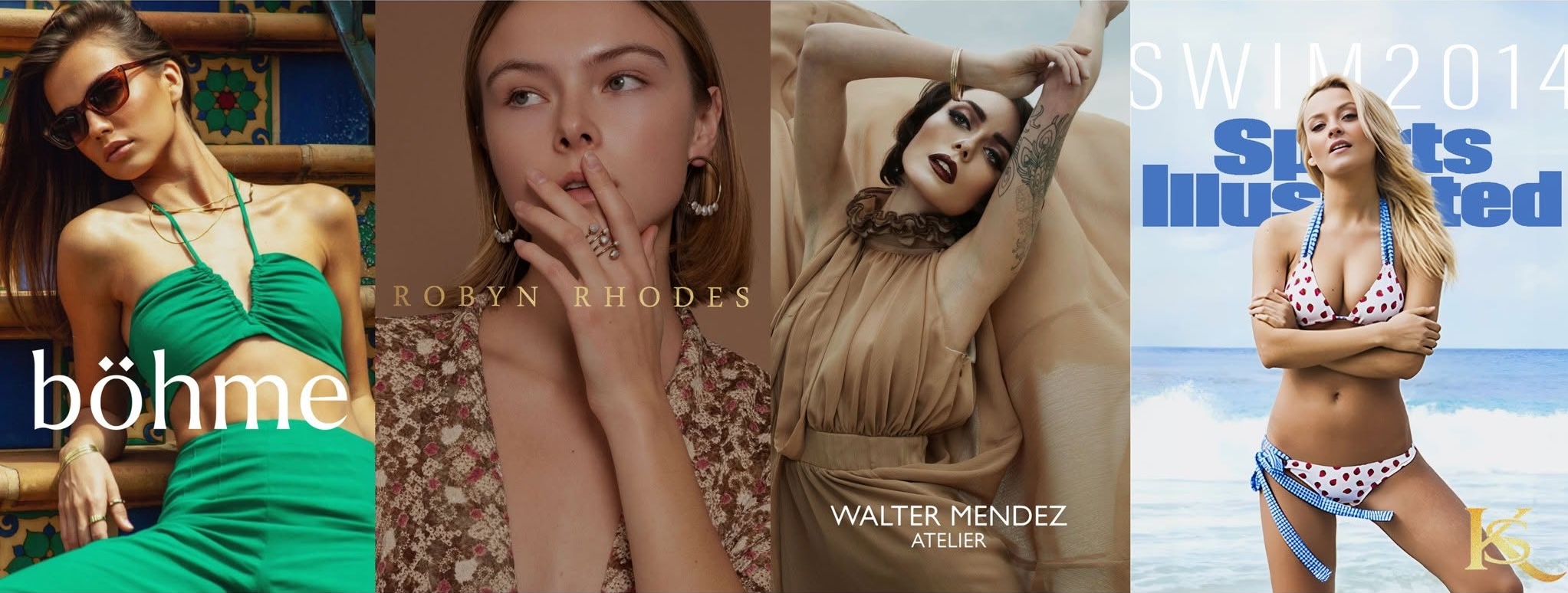
By high school I was deep into America’s Next Top Model with my mom, which turned into a genuine obsession with portraiture and editorial concepts. I set a goal to get published in Vogue before I turned 21. That meant cold-emailing photographers I admired, connecting with models and industry people on early networking platforms, and a lot of rejection — agencies didn’t take a teenage photographer seriously, and I got told as much more than once. I changed my approach, let my portfolio do the talking instead of my age, and things shifted. I ended up working with several models from the show itself, assisting one of the photographers I’d looked up to for almost three years, and getting published in Sports Illustrated and Vogue Italia before I turned 22.
I went to college for photography for 3 terms, but dropped out — I was already working in the industry and too stubborn at the age of 18 to sit through classes teaching me things I felt I already knew. The decade after that was anything but a straight line. I built a business in LA doing portfolio development and model training, burned out hard, which led me to Utah to reset. I bounced between Utah and California more than once, chasing what I thought my career was supposed to look like, while photography kept taking a backseat to retail jobs, a brief stint in nutrition coaching, even a year at a law firm. Somewhere in there I worked for a small beauty company doing marketing, web design, and business development — skills I still use every day running my own business now.
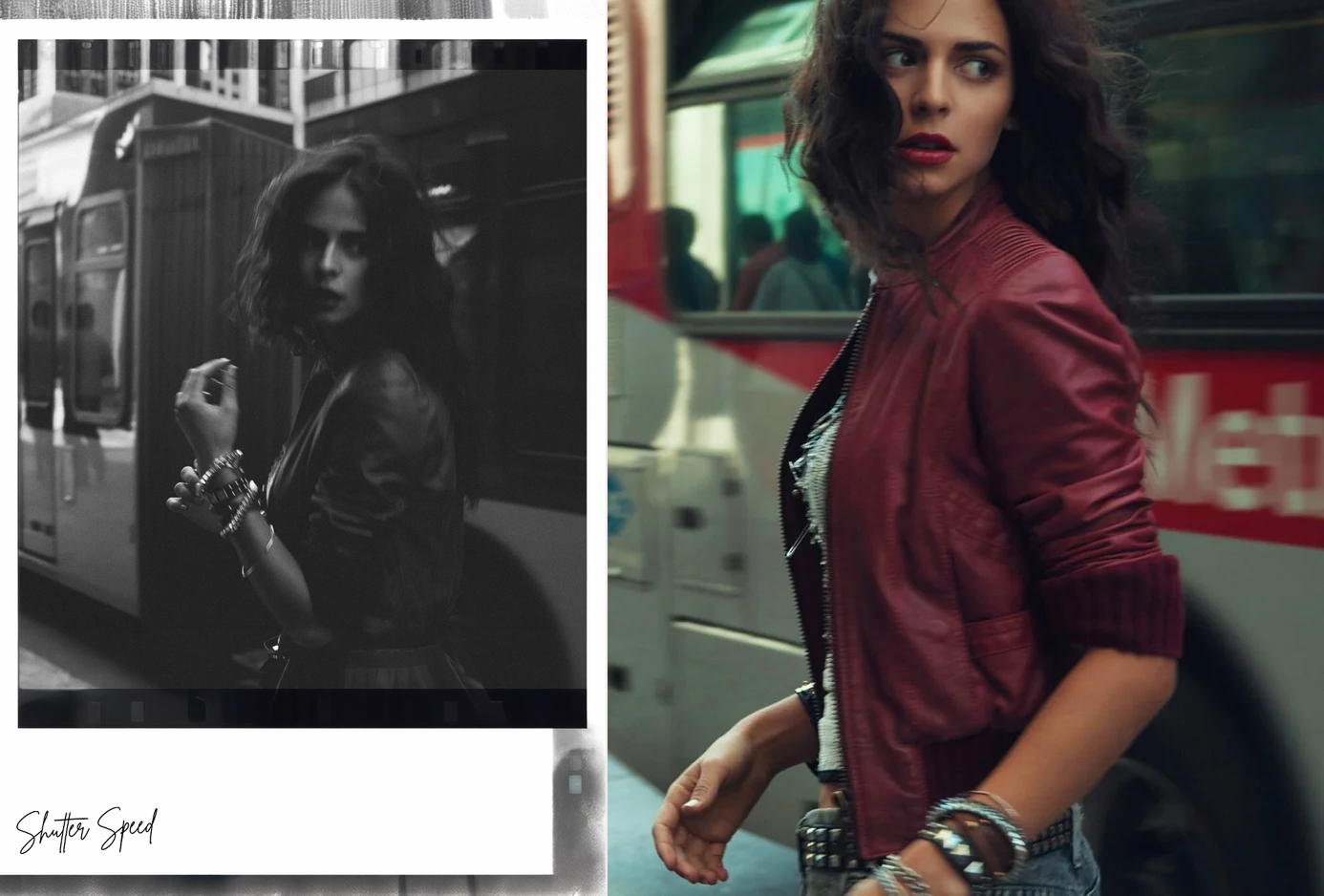
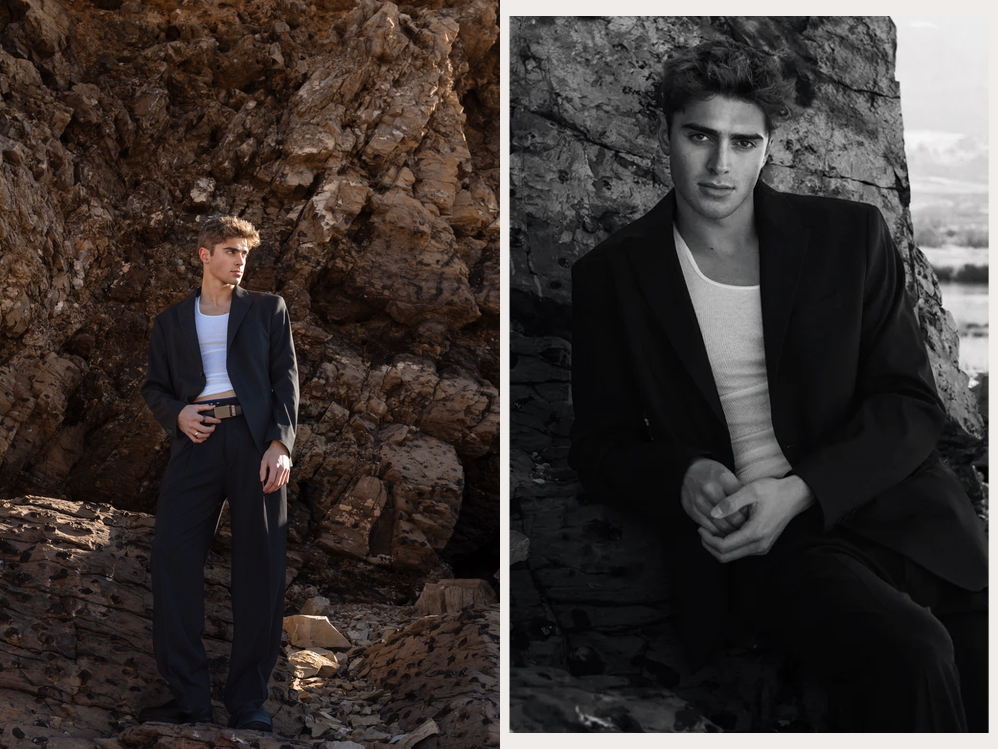
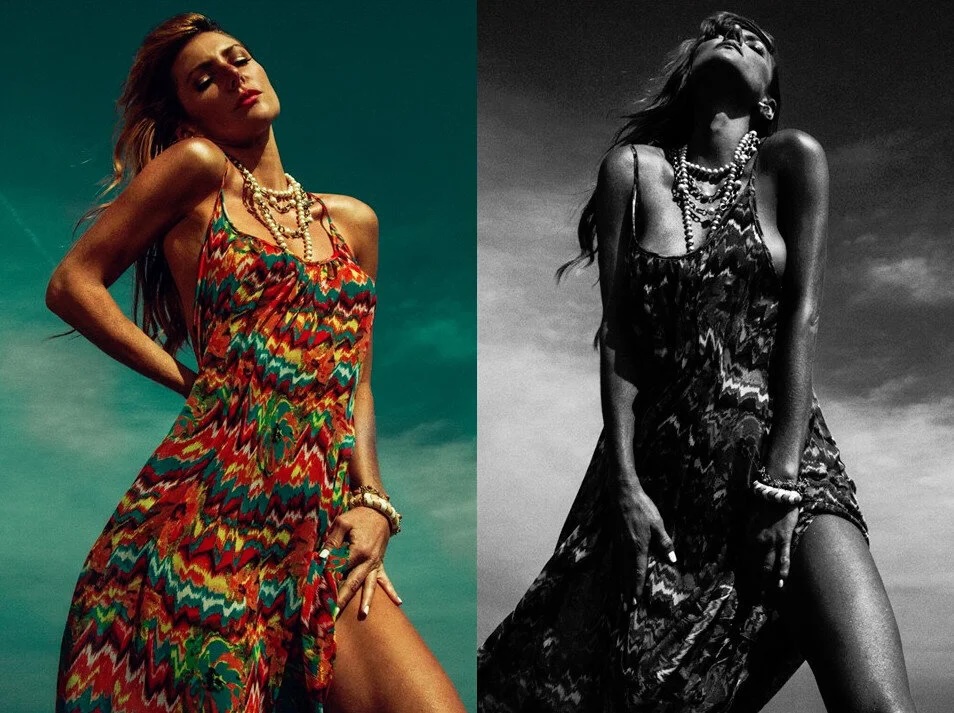
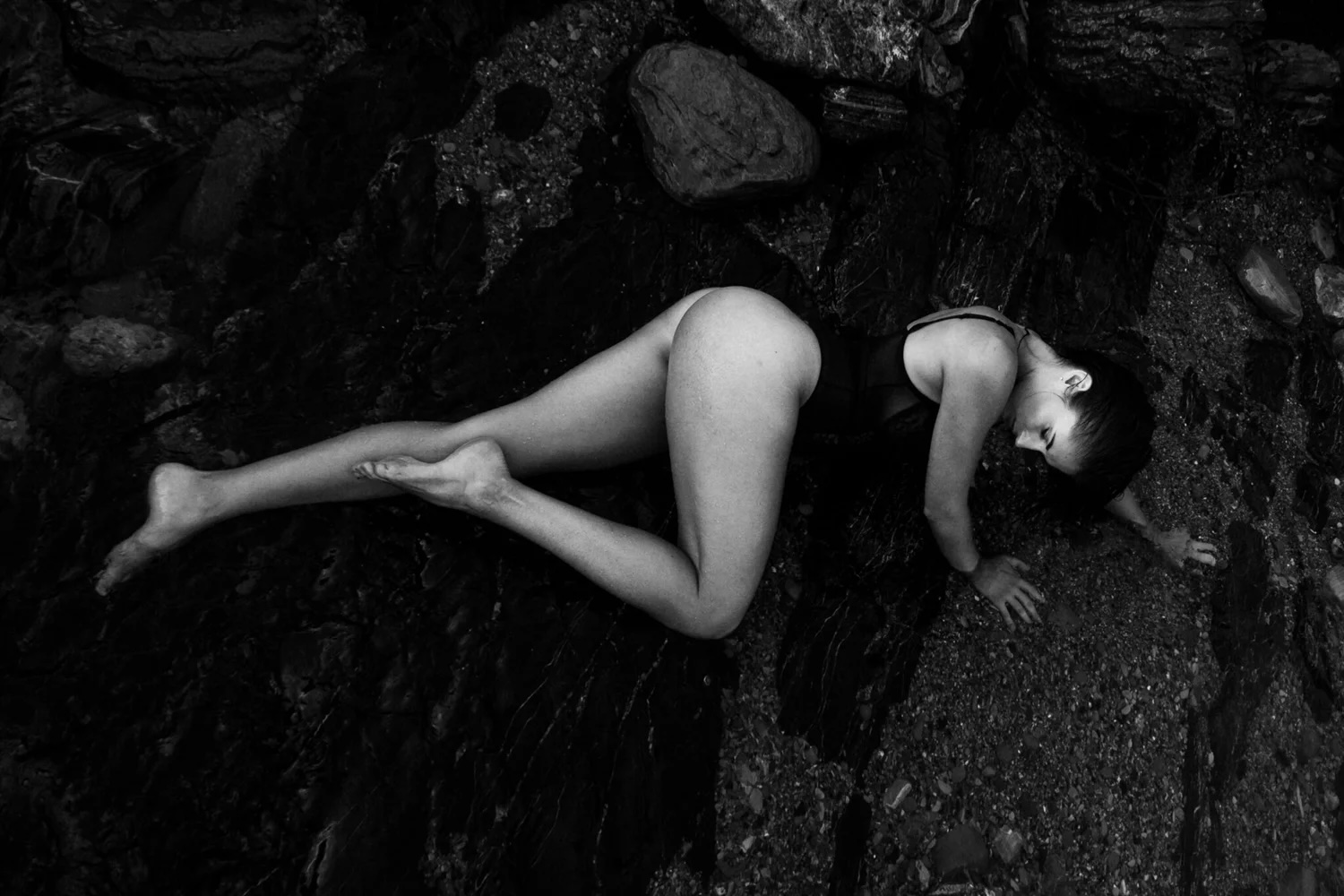
I’ve quit photography more times than I can count. But I always came back to it. Two years ago, I finally went independent full-time, and now I get to spend my days doing exactly what that 6-year-old with the pink Polaroid would’ve wanted. To this day, my editing style is still rooted in that film influence — outside of clean client work like acting headshots, I actually shoot in black and white, since I’ve never liked how digital cameras render color straight out of camera, and build all my tone and color in post myself.
Can you talk to us a bit about the challenges and lessons you’ve learned along the way. Looking back would you say it’s been easy or smooth in retrospect?
It hasn’t been smooth at all, and I think that’s part of why I’m proud of where I’ve landed. Early on, I dealt with a lot of rejection — I’ll never forget reaching out to a modeling agent as a 17-year-old hoping to work with one of her models, and being told flat out that I came across as too amateur and untrustworthy. It crushed me at the time, but it also lit a fire under me. I stopped leading with my age, let my portfolio speak for itself, and within a year that same agent was reaching out to me, with no idea I was the same person she’d dismissed.
The bigger struggle came a few years later. In my early twenties, the workload, stress, and a toxic relationship I was in all came to a head at once, and I hit a genuinely low, dark period — to the point where I burned out completely and had to walk away from the business I’d built. I moved to Utah just to breathe, and never expected to fall in love with it the way I have. My initial plan of being here for 2 months ended up being almost 2 years until I felt a momentary pull back to Los Angeles.
From there, my career became less about one big setback and more about years of inconsistency. I bounced between Utah and California more than once, and photography kept taking a backseat to whatever job would pay the bills — I even developed other passions like health & nutrition where I worked at Vasa & GNC and as a private health coach. I’ve worked as a web developer & graphic designer, a fishkeeper and sold aquatic plants for a time, and more. I even quit photography fully to pursue a career at a law firm until realizing a year later that it just wasn’t for me.
I craved stability so badly that I kept trying on different careers, hoping one would stick, while photography sat in the background waiting for me to come back to it. It took a long time, and a lot of false starts, before I trusted myself enough to go all in on it again. Even now, running my business full-time, it hasn’t been a perfectly smooth ride — there are still slow months where work dries up and I have to scramble to catch back up. But it’s a different kind of struggle than before. It’s the normal ups and downs of running a creative business, not a sign that I’m in the wrong place.
Appreciate you sharing that. What else should we know about what you do?
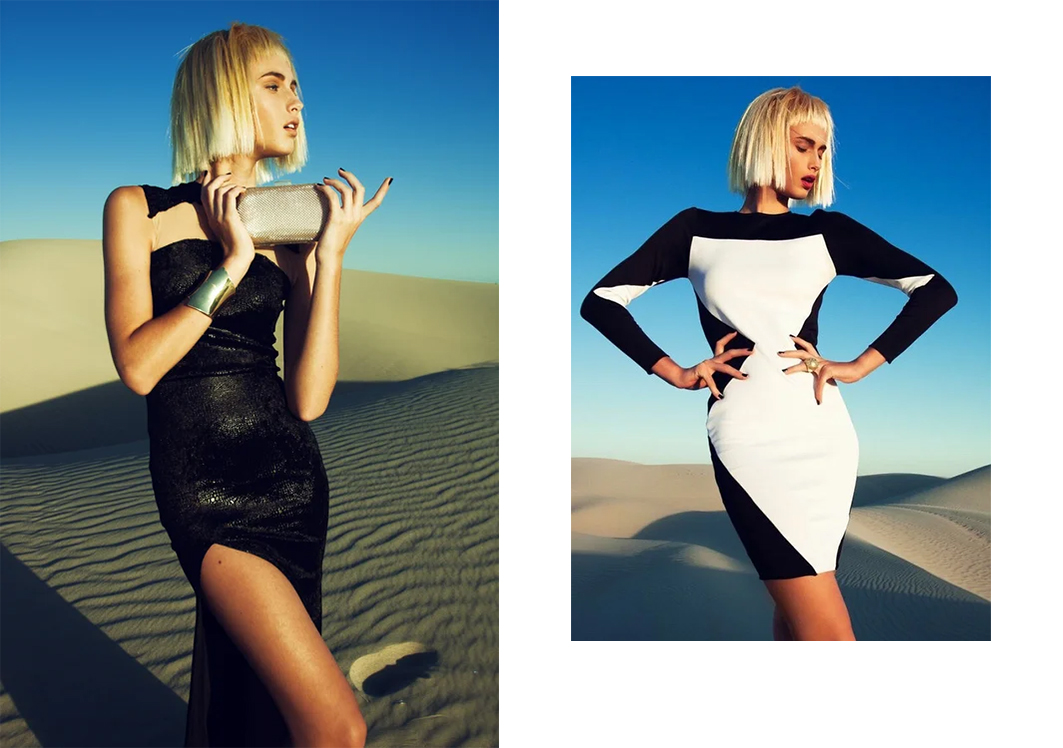
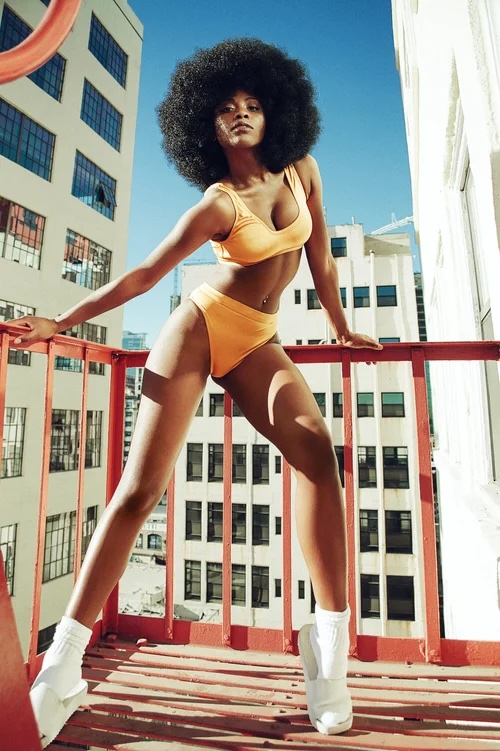
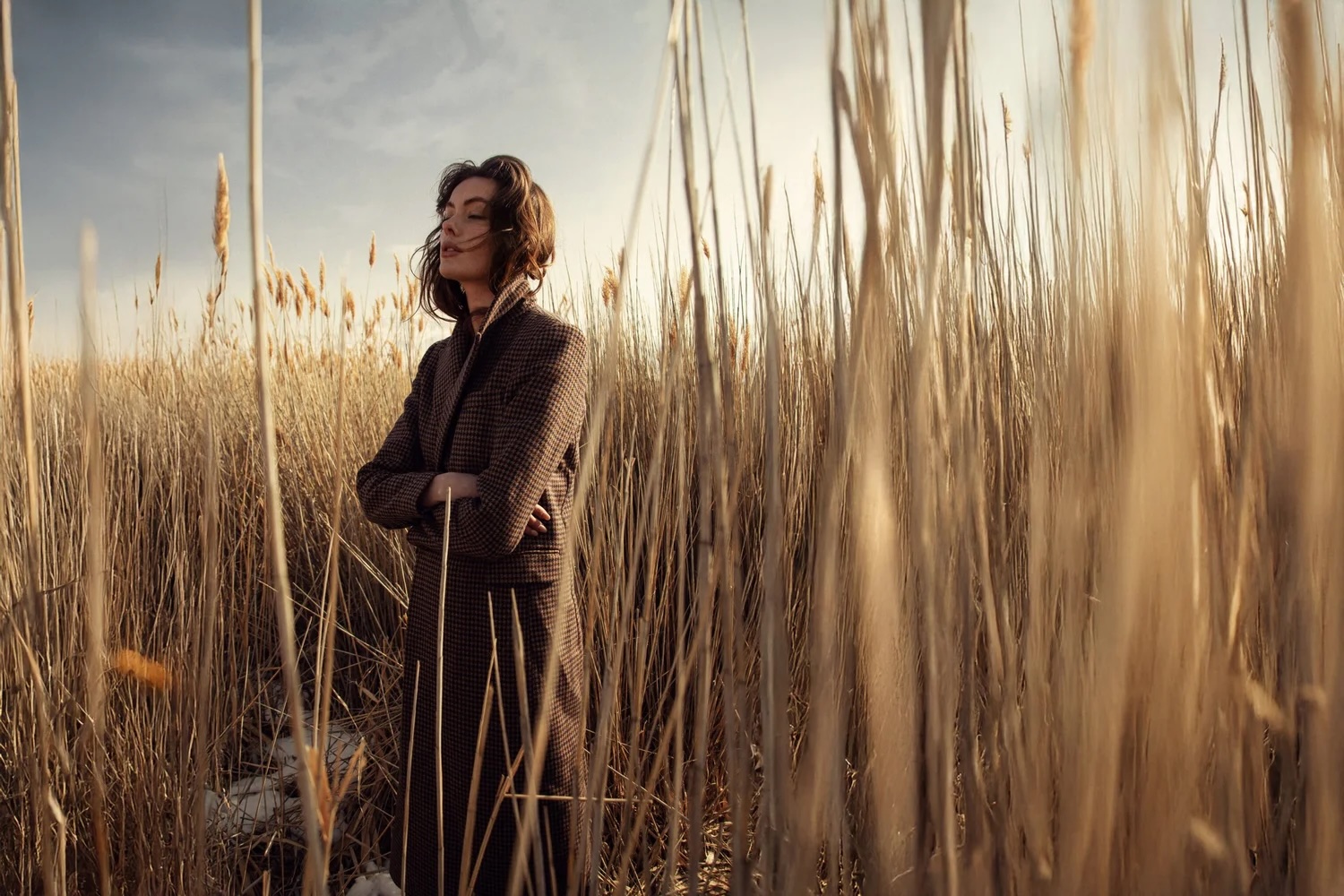
My true passion is editorial and high-fashion storytelling — building a concept from scratch and planning every detail of location, styling, and emotion. Those are the longest, most taxing shoot days, but also the ones where I do my best work. Think fashion cover spreads, the kind you’d see in Vogue or Harper’s Bazaar. My biggest influences are photographers like Mario Sorrenti, Greg Kadel, Richard Avedon, Helmut Newton, and Peter Lindbergh — artists obsessed with the human body, movement, and fashion. My editing is rooted in old film, and I’ve built my own presets to capture that, from gritty black and whites to vibrant color.
What I’m “known for” has honestly shifted with every era of my career. It’s kind of funny looking back. In the early 2010s I was the “America’s Next Top Model” photographer. Then, I did a lot of that work was gritty and edgy with implied nudity or cigarettes, or even both. Growing up I was always seen as the “prude” so this kind of boundary-pushing felt good. It even took me out of my own comfort zone. This evolved me into the “swimwear” photographer and I was shooting at the beach or poolside constantly. Then I moved to Utah, my work has started to lean more commercial — portfolio building for new models, denim campaigns, beauty and skincare portraits. Now I guess people here still call me a “real LA photographer,” which always makes me laugh. Back in LA I was a dime-a-dozen.
I’m proud less of any single photo and more of the fact that I never fully gave up, even through years of inconsistency, and that I’ve kept taking creative risks — pushing boundaries rather than playing it safe. Some of my favorite work to date is from passion projects years ago, alongside a few recent shoots where clients gave me real creative freedom, and I’m hoping to capture more of that magic this summer.
What sets me apart, I think, is how much creative direction goes into a shoot before the camera ever comes out. I’m not just photographing a pretty person — I’m building a plan around the feeling we’re trying to create. If a model’s portfolio is mostly commercial, I’ll push for something edgier and more artistic. If they’ve only done moody, edgy work, I’ll plan something vibrant or romantic instead. I treat every shoot as a chance for both of us to grow.
Let’s talk about our city – what do you love? What do you not love?
What drew me to Utah originally was Park City. I spent summers and winters here growing up since my grandparents lived here, and it was the first place I ever lived where I’d just stop and feel awestruck by how beautiful it was. Utah has an incredible range of landscapes — mountains, desert, lakes — and after eleven years here on and off, I still haven’t photographed everywhere I want to.
The people are what really kept me here, though. I’ve met more genuine, down-to-earth people in Utah than I ever did in California. Toward the end of my time in LA, a lot of relationships felt transactional — you were never quite sure if someone liked you or just wanted what your business could do for them. Out here, some of my best relationships have come from this community.
The industry itself is more grounded too. Work here comes from people genuinely valuing your talent, not from follower counts or who you’ve worked with. That’s a different experience than parts of LA, where I noticed things shift over the years toward prioritizing social media presence and proximity to celebrities over pure skill and dedication. It was a hard adjustment after building my career a different way.
The trade-off with Utah is that the industry here is still developing. There aren’t many wardrobe stylists outside of bridal or costume work, so I often end up doing my own styling. The same goes for makeup — photoshoot makeup is a completely different skill from bridal makeup, and there’s not much education here on that distinction, so I eventually became a makeup artist myself just to fill the gap. It’s less that I dislike anything about the state, and more that Utah hasn’t grown up surrounded by fashion and entertainment the way California has.
Contact Info:
- Website: http://www.alexandriabailey.com/
- Instagram: http://www.instagram.com/alexbaileyyphotos
- Facebook: https://www.facebook.com/alexandriabaileyphotos/