


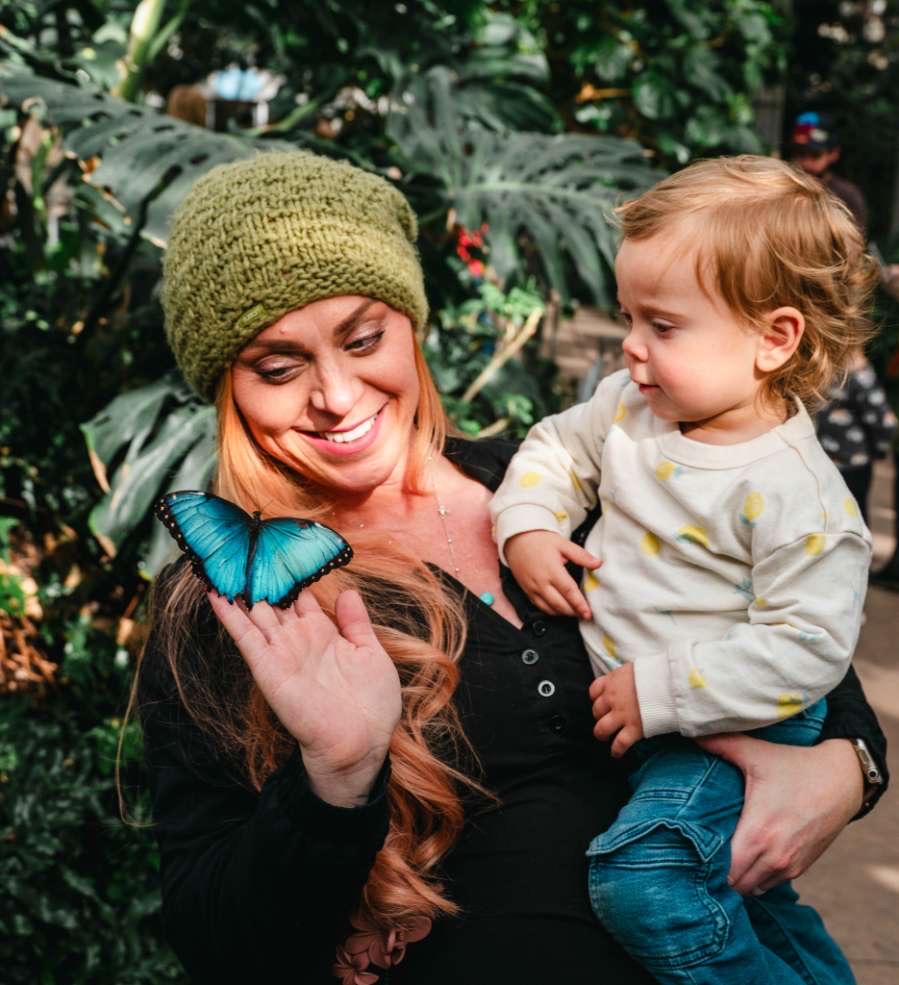
Today we’d like to introduce you to Britt Larson.
Hi Britt, we’re thrilled to have a chance to learn your story today. So, before we get into specifics, maybe you can briefly walk us through how you got to where you are today?
I’ve always been fascinated by one question: why can two people eat the same foods, follow the same workout program, and live similar lifestyles, yet experience completely different results?
Looking back, that curiosity started long before I realized it would become my career.
Growing up, I dealt with a variety of health issues that never seemed to have clear answers. As a teenager, I was diagnosed with Lupus and later Crohn’s disease. Like many people facing chronic illness, I was told medication would be my primary option and that nutrition wouldn’t make a meaningful difference. That answer never sat right with me. I wanted to understand why my body was doing what it was doing, and that curiosity never really left.
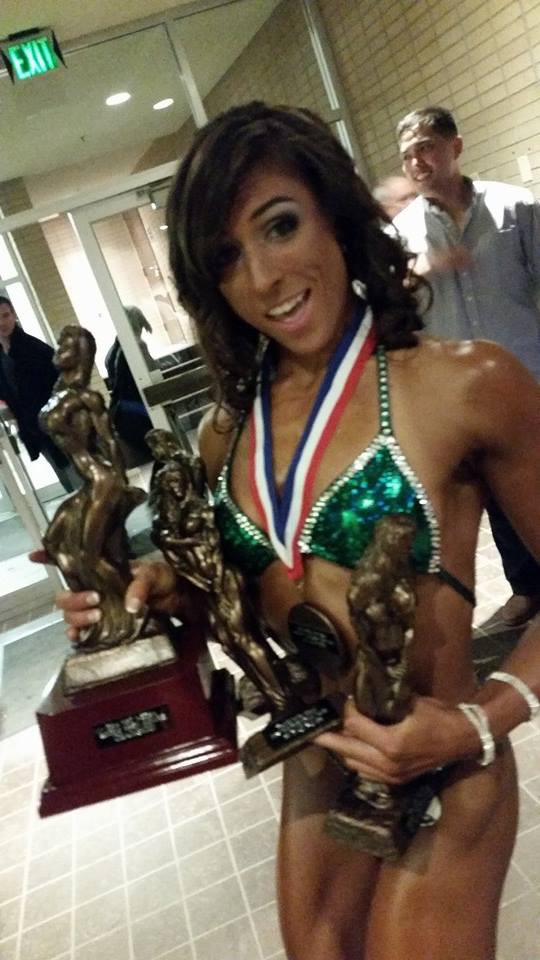
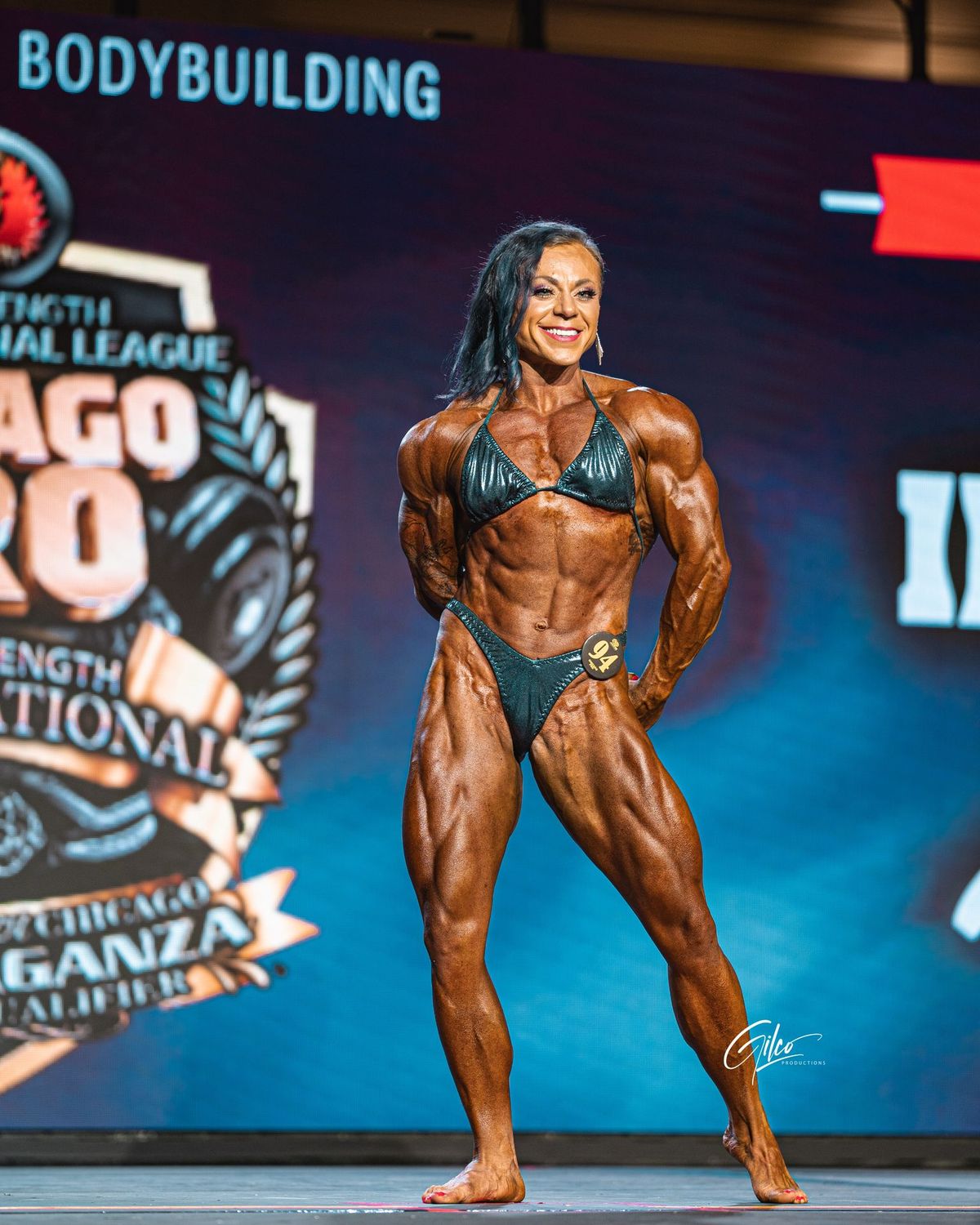
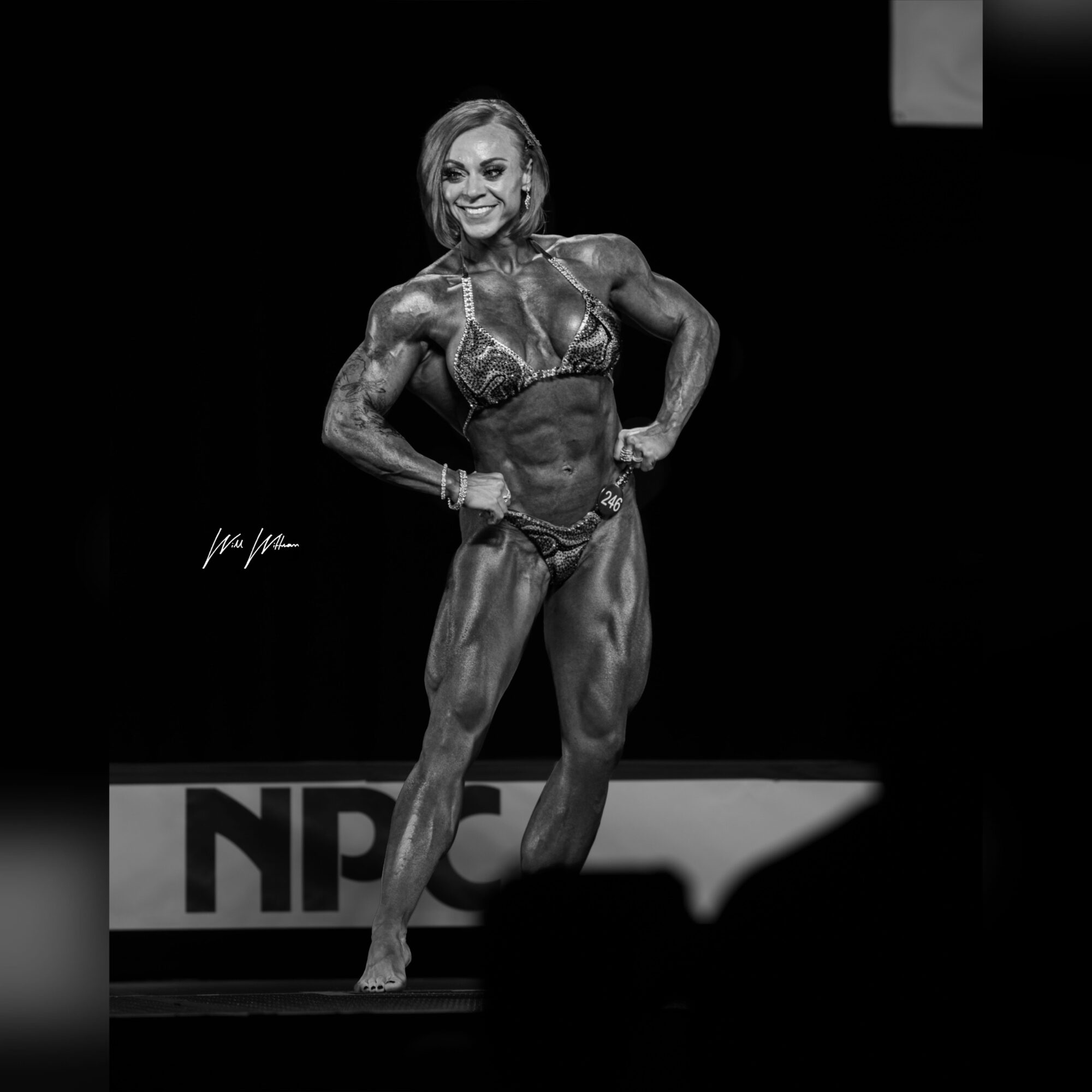
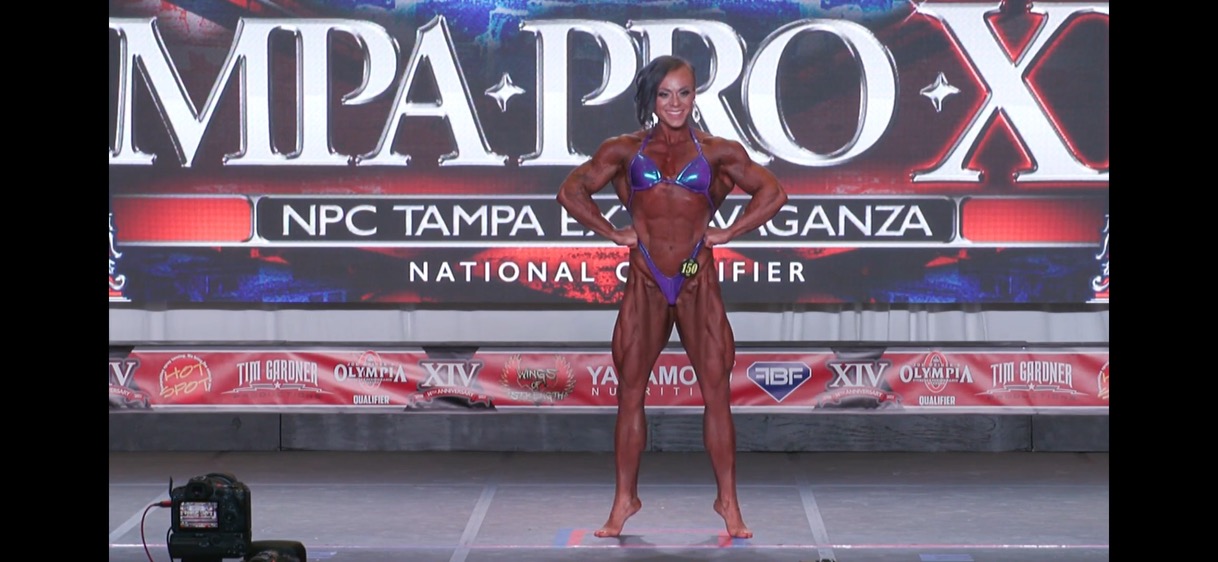
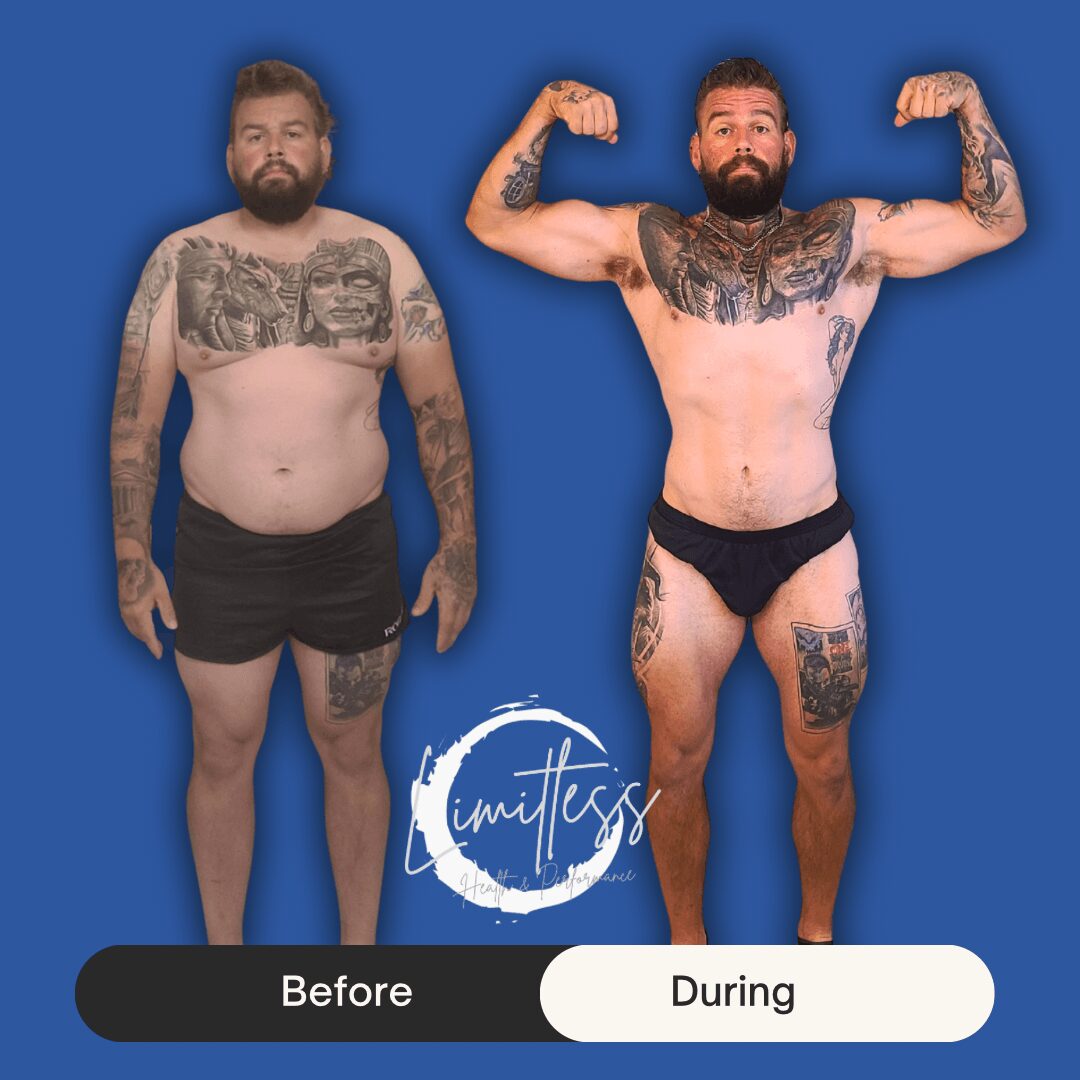
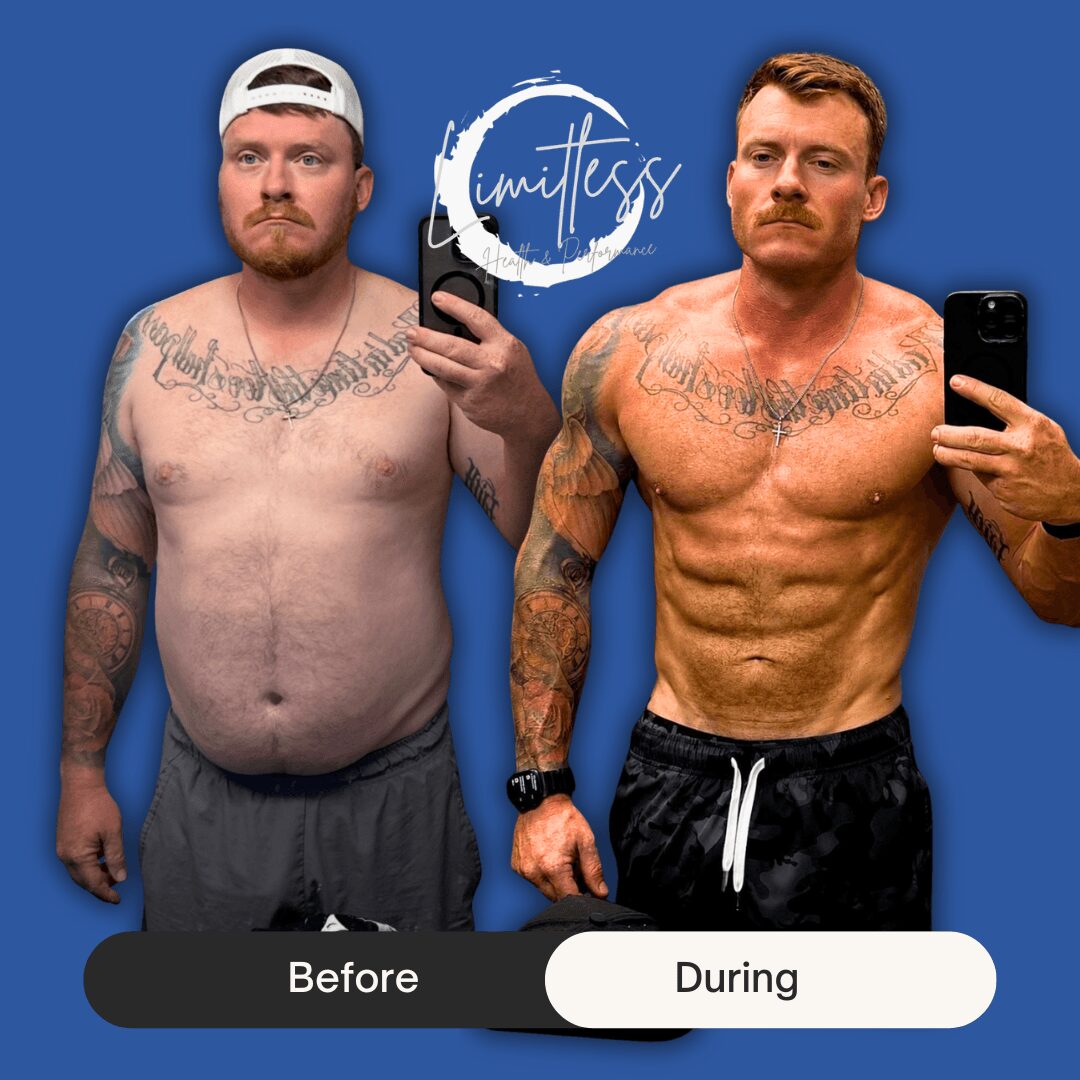
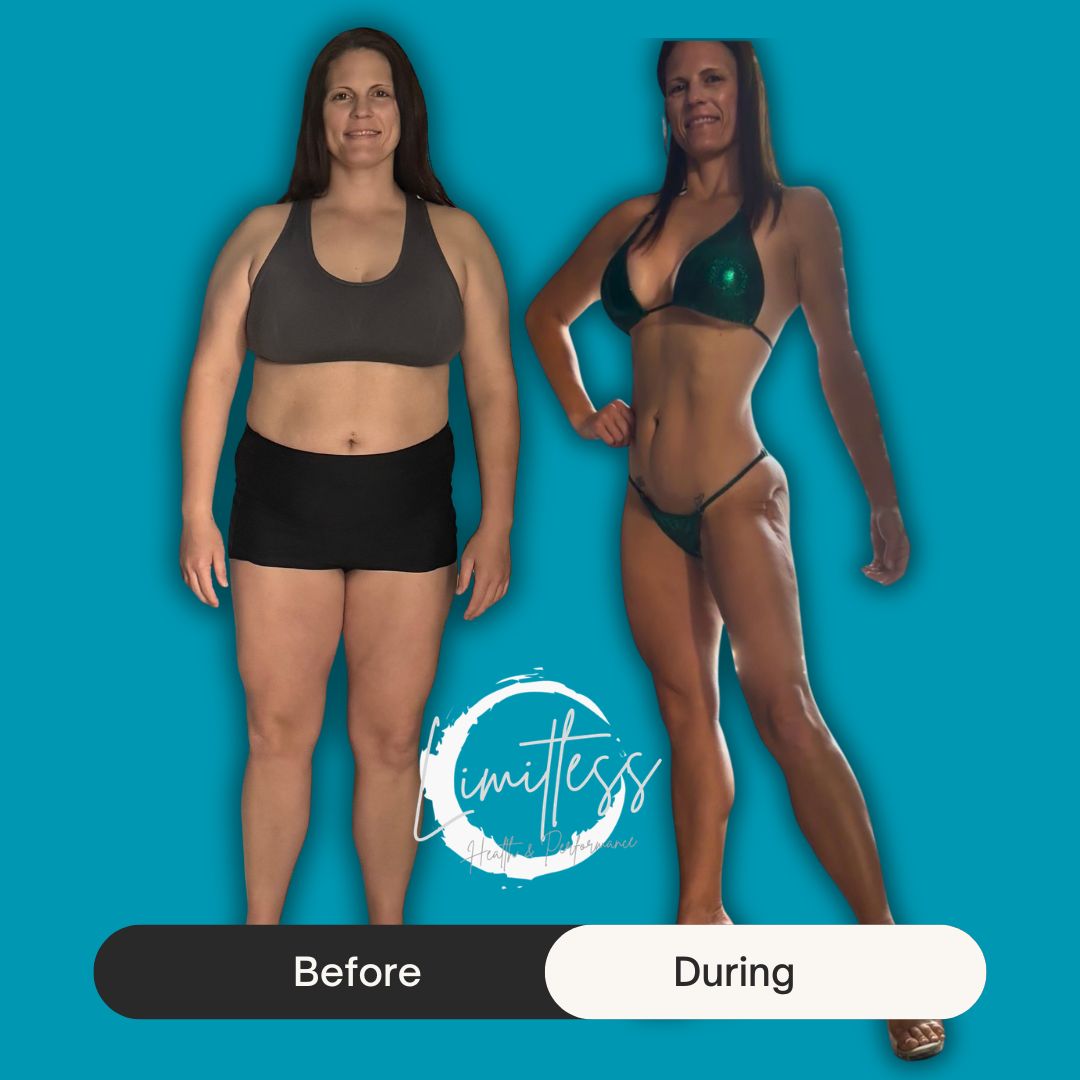
Around the same time, I fell in love with bodybuilding. What started as a personal challenge eventually became a 13-year competitive career that led to earning my IFBB Professional status. Coaching competitors quickly became one of my greatest teachers. Every athlete was following structured nutrition, training, recovery, and supplementation plans, yet their bodies often responded completely differently.
Instead of accepting that as “just the way it is,” I became obsessed with finding the reasons why.
The more clients I coached, the more patterns I noticed. Some struggled with gut issues, others with hormones, recovery, inflammation, stress resilience, or unexplained plateaus. Those patterns looked surprisingly familiar because many mirrored my own health journey. Coaching wasn’t just about getting someone lean for the stage anymore—it became about understanding the physiology behind why their body was responding the way it was.
That curiosity led me far beyond bodybuilding. I immersed myself in functional medicine, clinical nutrition, nutrigenomics, and human physiology. Over the past 16+ years, I’ve dedicated my career to studying how genetics, nutrition, lifestyle, environment, and physiology interact to influence both health and performance. Along the way, I earned doctorates in Holistic Medicine and Clinical Nutrition, became a Functional Nutritionist and non-physician Doctor of Functional Medicine, and specialized in nutrigenomics because I believe personalized health is the future of healthcare.
Over time, my Crohn’s entered remission, my Lupus followed, and more recently I was diagnosed with Hypermobile Ehlers-Danlos Syndrome (hEDS), which helped explain many of the symptoms I’d experienced throughout my life. That diagnosis didn’t change my passion for this work—it strengthened it. It reinforced what I’d already learned through years of coaching: every body has its own story, and our job is to understand it rather than force everyone into the same blueprint.
My personal life has also shaped who I am as a practitioner. My husband and I experienced twelve pregnancies and ten heartbreaking miscarriages before welcoming our two miracle children. Those experiences taught me resilience, compassion, and just how deeply health impacts every aspect of our lives.
Today, I have the privilege of working with everyone from competitors and athletes to individuals navigating chronic health concerns, fertility journeys, metabolic dysfunction, and those who simply want to feel like themselves again. My goal isn’t just to tell people what to do. It’s to help them understand why their body responds the way it does so they can make informed decisions with confidence.
If there’s one thing that’s remained constant throughout my journey, it’s this: I’ve never been satisfied with “because that’s just the way it is.” I believe our bodies are incredibly intelligent, and when we’re willing to ask better questions, we often uncover better answers.
Alright, so let’s dig a little deeper into the story – has it been an easy path overall and if not, what were the challenges you’ve had to overcome?
It definitely hasn’t been a smooth road, and honestly, I’m grateful for that because every challenge taught me something I carry into my work today.
Growing up, I moved around quite a bit and spent a lot of time trying to figure out who I was and where I belonged. Early in my career, I helped open gyms, nutrition stores, and took opportunities wherever I could to learn. There was even a season where I quietly lived out of my car while trying to keep my dream alive. Looking back, those experiences taught me resilience, humility, and how to keep moving forward even when life feels uncertain.
One of the biggest challenges has been navigating my own health. Between Lupus, Crohn’s disease, and more recently being diagnosed with Hypermobile Ehlers-Danlos Syndrome, there were many times I felt like my symptoms didn’t fit neatly into a box. I certainly don’t want to diminish the value of conventional medicine because it plays an incredibly important role, and I’m grateful for many of the healthcare professionals who have cared for me over the years. At the same time, there were moments when I left appointments with more questions than answers or felt like I needed to become a better advocate for myself.
In many ways, that became the catalyst for my career. Instead of accepting that I would never understand what was happening, I started learning. I read everything I could get my hands on, pursued additional education, attended conferences, sought out mentors, and kept asking questions. That curiosity eventually became the foundation of the way I practice today.
My personal life has also brought its share of challenges. My husband and I experienced twelve pregnancies and ten heartbreaking miscarriages before welcoming our two miracle children. Those seasons taught me that health is never just about lab values or diagnoses. It’s deeply personal. It’s emotional. It affects families, relationships, careers, and every part of life.
One of the greatest blessings in my journey has been my husband. We met ten years ago, and he changed my life in more ways than I can count. His unwavering support through the highs, the lows, and everything in between gave me the confidence to continue chasing this path, even when it wasn’t easy.
If there’s one lesson I’ve learned through all of it, it’s that adversity has a way of shaping both your perspective and your purpose. Every obstacle made me a better listener, a more compassionate coach, and someone who genuinely understands what it’s like to feel frustrated, overwhelmed, and desperate for answers. Because I’ve been there myself, I never want my clients to feel like they’re walking that road alone.
As you know, we’re big fans of you and your work. For our readers who might not be as familiar what can you tell them about what you do?
What excites me most is connecting dots.
I love looking at the whole picture instead of isolated pieces. Genetics, nutrition, movement, stress, sleep, gut health, hormones, environment, and mindset all influence one another, and I believe the best outcomes happen when we stop asking, “What’s wrong?” and start asking, “How does this all fit together?”
That curiosity has shaped my entire career.
After more than sixteen years of coaching, one thing has become incredibly clear to me: no two people are the same. Two clients can follow identical programs and experience completely different outcomes. Understanding why that happens has fueled my passion for continuing education and ultimately led me deeper into functional nutrition, functional medicine, and nutrigenomics.
One of the things I’m most passionate about is taking complex science and making it understandable. Whether I’m explaining genetics, lab work, metabolism, or nutrition, I want people to leave feeling empowered rather than overwhelmed. Education has always been at the heart of my coaching because when people understand why they’re doing something, they’re far more likely to succeed long after we’re done working together.
Outside of my clinical work, I’m endlessly fascinated by nature. I love gardening, growing food, studying medicinal plants and fungi, and learning from the natural world. My family is currently building a regenerative farm where we’ll be growing food, raising animals, cultivating mushrooms, and creating a more sustainable way of living. To me, it’s all connected. Nature has an incredible way of demonstrating resilience, balance, and interconnectedness, and many of the principles that guide regenerative agriculture also influence how I think about human health. The more I learn, the more I’m reminded that our bodies aren’t separate from nature—we’re part of it.
I’m also someone who loves to create. Whether it’s designing educational resources, building programs for clients, writing, making music, or creating systems that simplify complicated topics, I genuinely enjoy taking ideas and turning them into something that helps people.
What I’m most proud of isn’t a title or a degree. It’s the trust my clients place in me. Being invited into some of the most vulnerable seasons of a person’s life is a privilege I’ll never take for granted. If I can help someone feel heard, understood, and leave them with more hope and confidence than when they arrived, then I’ve done my job.
If there’s one thing that sets me apart, it’s that I never stop learning. I don’t believe we ever truly “arrive.” Science continues to evolve, our understanding of the human body continues to grow, and I think it’s our responsibility as practitioners to keep asking questions, stay curious, and always be willing to learn something new. That mindset not only makes me a better practitioner, but I hope it inspires my clients to stay curious about themselves, too.
In terms of your work and the industry, what are some of the changes you are expecting to see over the next five to ten years?
I think we’re entering one of the most exciting periods in health and wellness because we’re beginning to recognize that one-size-fits-all recommendations simply don’t work for everyone.
Over the next five to ten years, I believe we’ll continue learning more about genetics, metabolism, lifestyle, and the many factors that influence how each person’s body functions. We’ll also have access to more technology and more health data than ever before. While those tools can be incredibly valuable, I don’t believe more information automatically leads to better outcomes. The real challenge will be learning how to thoughtfully interpret that information and apply it in a way that benefits the individual sitting in front of us.
One of the biggest shifts I’d love to see is greater collaboration between conventional medicine and practitioners who focus on nutrition, lifestyle, and prevention. I don’t see these approaches as competing with one another. They each bring valuable strengths to the table, and I believe the best outcomes happen when we work together to care for the whole person rather than viewing health through a single lens. Conventional medicine has transformed countless lives through diagnostics, surgery, emergency care, and life-saving treatments. At the same time, nutrition, movement, sleep, stress management, environmental factors, and daily habits all play a meaningful role in long-term health and quality of life.
I also think people are becoming more aware of the connection between their health and the world around them.
Questions about food quality, environmental exposures, regenerative agriculture, sustainability, and spending more time connected to nature are becoming increasingly important. I don’t see these as trends—I see them as reminders that we’re not separate from our environment. The health of our bodies and the health of the world around us are deeply connected.
Above all, I hope we don’t lose the human element. Technology will continue to evolve, but curiosity, critical thinking, compassion, and listening to the person in front of us will always matter. My hope is that we use innovation to support better care—not replace the relationships and thoughtful conversations that truly help people heal and thrive.
That’s the future I hope to contribute to: one that’s more personalized, more collaborative, more preventive, and still deeply human.
Pricing:
- Depends on the service, can range from $350-3000
Contact Info:
- Website: https://www.limitlesshealthandperformance.com
- Instagram: @limitlesshealthandperformance @coachmusclenugget