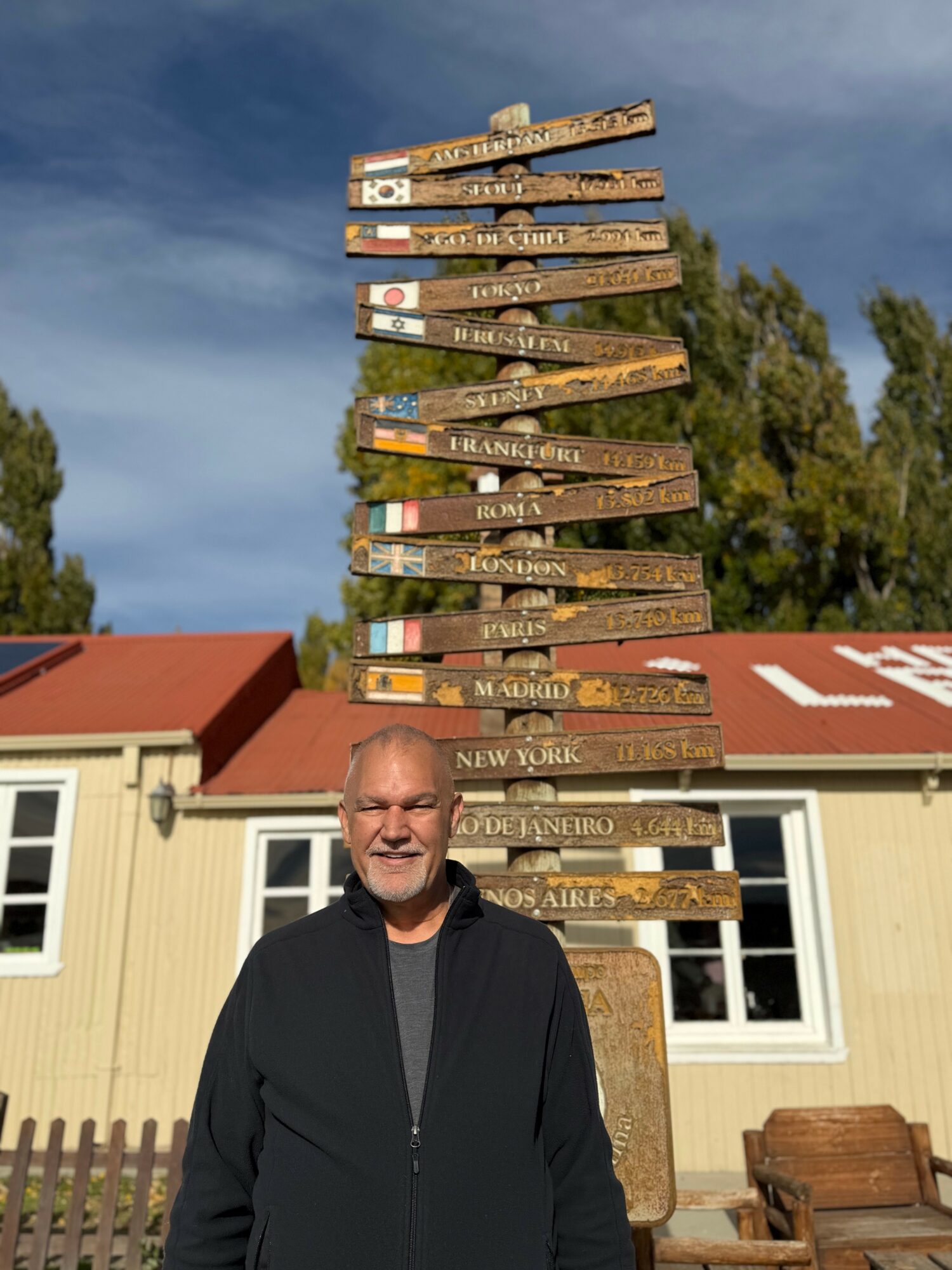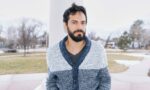


Today we’d like to introduce you to Greg Westbrook.
Hi Greg, we’re thrilled to have a chance to learn your story today. So, before we get into specifics, maybe you can briefly walk us through how you got to where you are today?
I’ve always had both a technical and an artistic side, although for much of my life the technical side was the one that became my career.
Professionally, I’ve spent most of my career working in software and technology. At the same time, I served in the Utah Army National Guard, eventually retiring as a First Sergeant after a career in artillery. Those two careers ran in parallel for many years and, in different ways, both influenced how I approach photography today.
I also grew up with art around me. My father painted, and after finding some of his work I experimented with oil painting myself. I enjoyed the creative process, but it wasn’t until I discovered photography that the technical and artistic sides of my personality really came together.
After retiring from the military, I started joking that I had traded my cannon for a Canon. What started as an interest in photography gradually became something much more serious. The software guy in me loved the technical side of cameras, light, processing and printing, while the artistic side was finally getting the outlet it had been looking for.
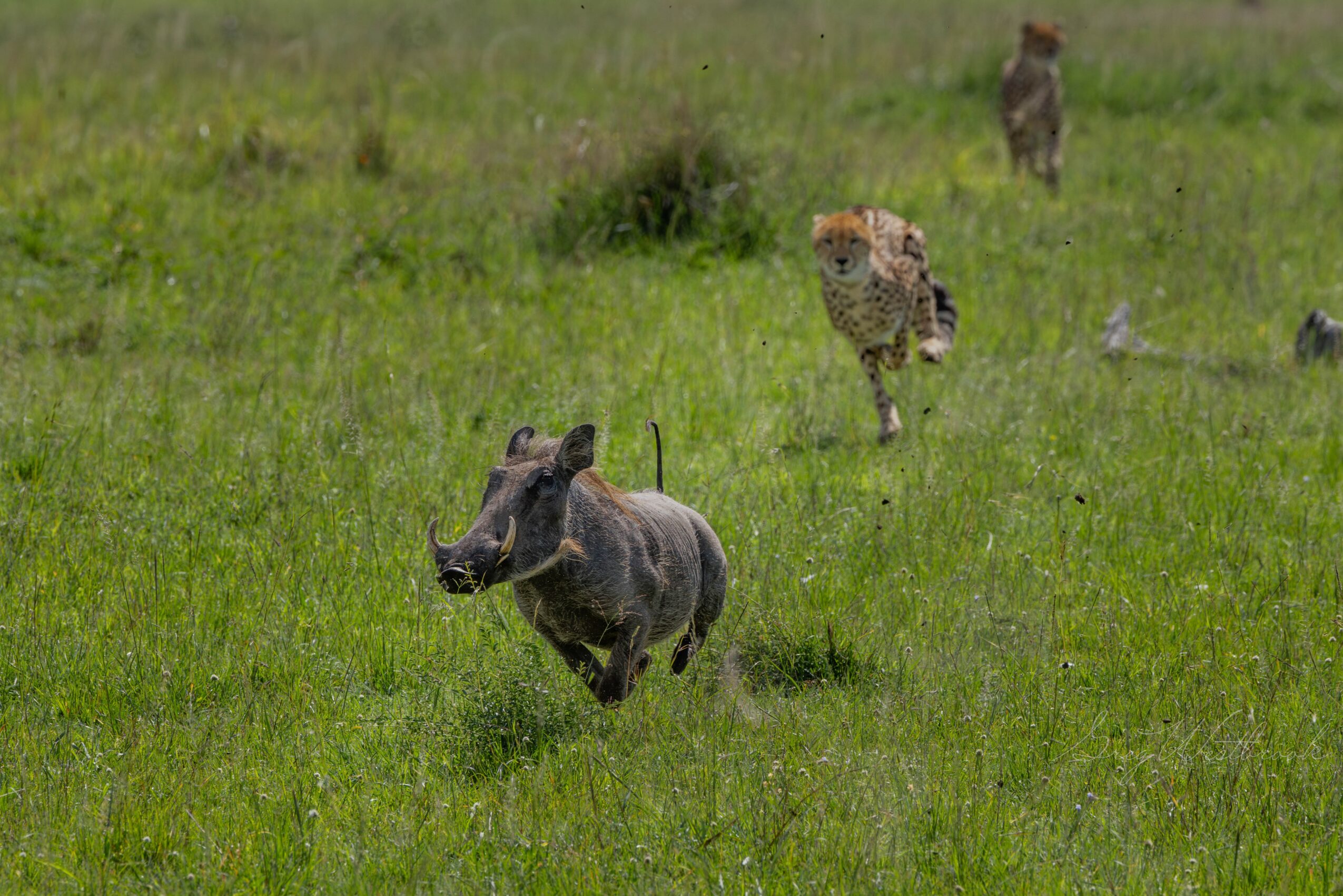
Over the years, photography has taken me from the mountains and deserts of Utah to wildlife, landscapes and remote places around the world. One of the biggest things it has taught me is patience. Nature rarely works on my schedule. Sometimes the photograph happens in a fraction of a second, but getting that fraction of a second might mean hours of waiting, returning to the same place again and again, or being willing to walk away without an image at all.
Eventually, I wanted the photographs to become more than files on a computer or images on social media. That led me deeper into fine-art printing and ultimately to creating Greg Westbrook Fine Art, where I produce limited-edition photographic artwork on museum-quality metal and acrylic, along with select traditional prints.
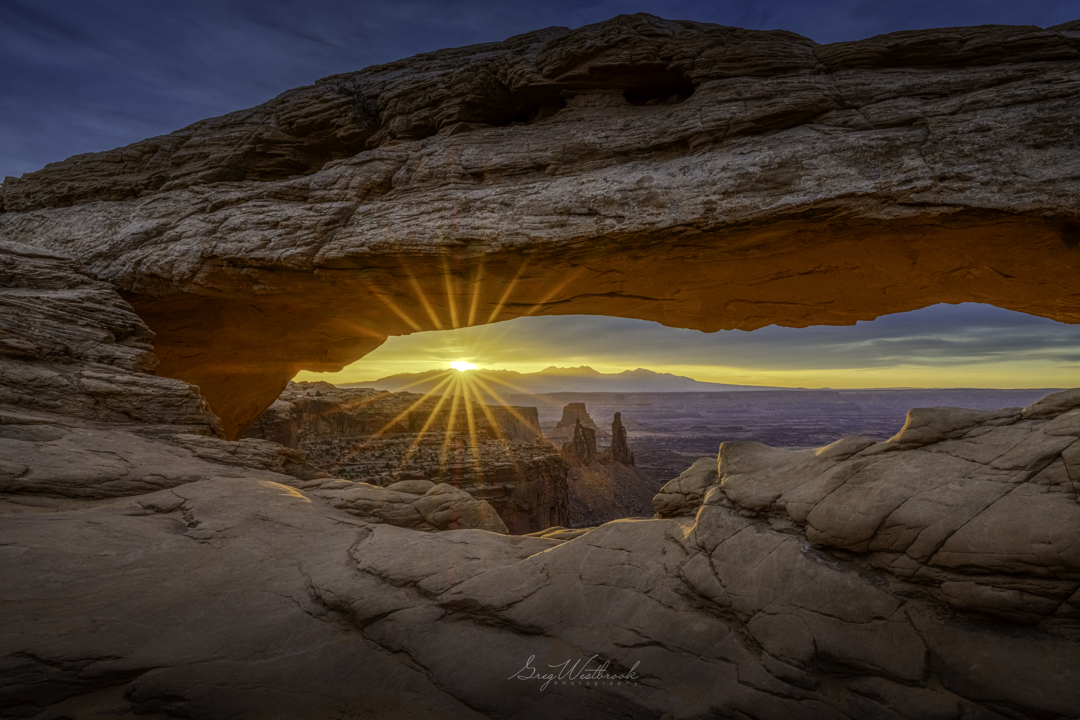
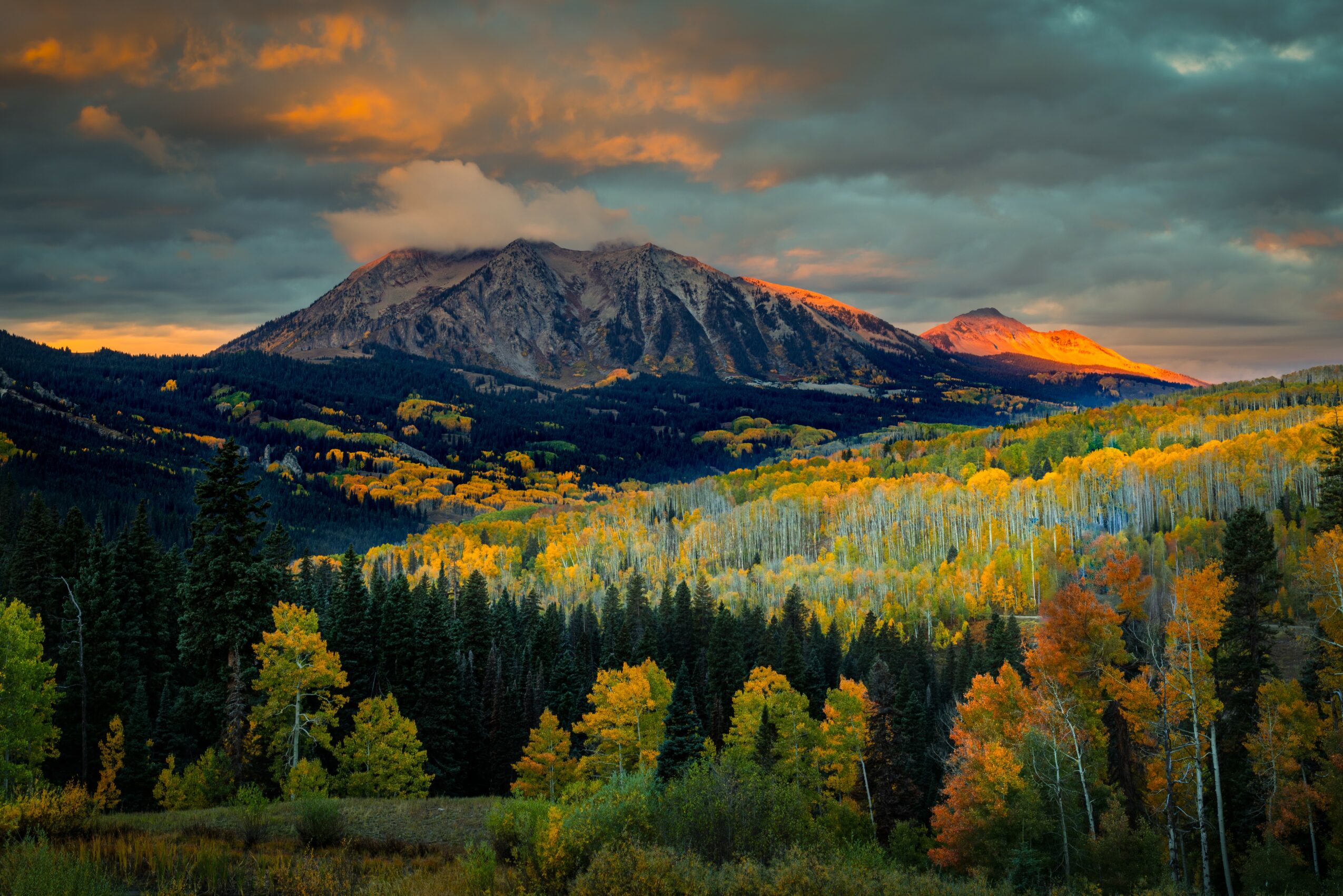
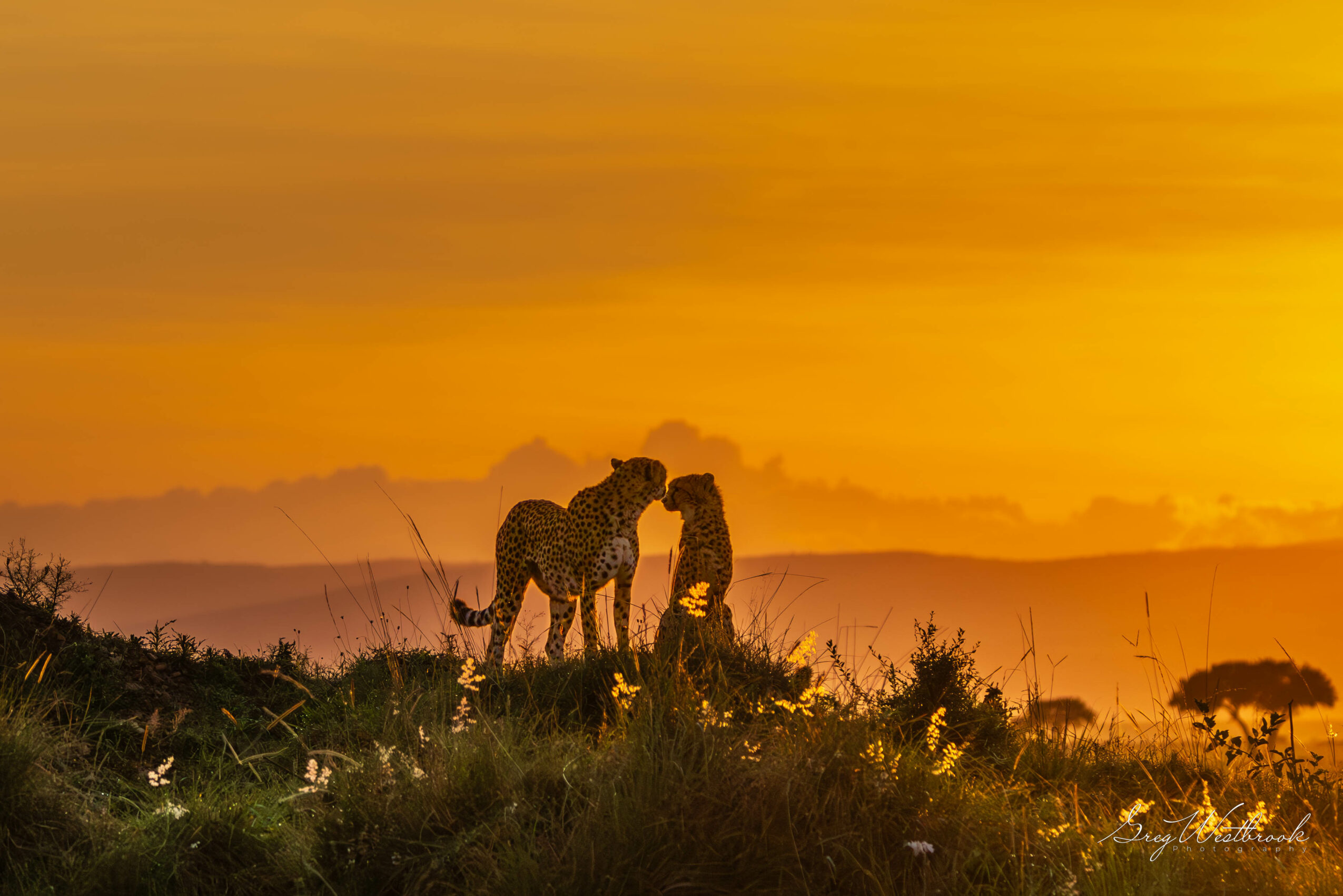
What I’m trying to create isn’t simply a photograph of a beautiful place. I’m drawn to moments that make you stop for a second: a bear quietly waiting beneath a tree, aspens exploding with fall color, light breaking through a storm, or a landscape where you can almost feel the silence.
There’s something I love about being alone in those places without necessarily feeling lonely. I think of it as a kind of comfortable isolation. Photography gives me a way to bring a little of that feeling home and hopefully share it with someone else.
Looking back, software, military service and art might seem like three very different paths. For me, photography became the place where they unexpectedly came together.
We all face challenges, but looking back would you describe it as a relatively smooth road?
It definitely hasn’t always been a smooth road. One of my biggest challenges has had very little to do with photography itself.
I’ve always been an introvert and have dealt with pretty serious social anxiety. In a lot of ways, photography was a perfect fit for me because I’m much more comfortable behind the camera than in front of it. Landscapes and wildlife also don’t require me to direct anyone. I can head into the mountains, sit quietly waiting for an animal, or spend hours watching the light change without needing to be the center of attention. That solitude is actually one of the things I love most about photography.
The funny thing is that wildlife photography eventually started pushing me in exactly the opposite direction.
It turns out a 600mm lens is pretty hard to hide.
When you’re carrying a lens that large through Yellowstone, a national park or just about any tourist location, people notice. They stop. They ask what you’re photographing, what you’ve seen, what kind of camera you’re using, and sometimes they just want to come over and talk. Suddenly, hiding behind the camera wasn’t really an option anymore.
As uncomfortable as that could be at first, it gave me a platform where I had to interact with people. Photography became a kind of bridge. Instead of trying to figure out what to say to a stranger, we already had something to talk about.
That experience has helped me well beyond taking photographs. Starting Greg Westbrook Fine Art meant putting my work, and by extension myself, out in public. Participating in art festivals has meant standing in a booth, meeting strangers, talking about my work and telling the stories behind the images. Those are things that would have been extremely difficult for me earlier in life.
I’m still an introvert. I’m still much more comfortable behind the lens than in front of it, and I’ll probably always prefer a quiet morning alone in the mountains to being the center of a crowded room. But photography has continually pushed the boundaries of what I’m comfortable doing.
Ironically, something I originally loved partly because it allowed me to disappear into the landscape has become one of the things that has helped me come out of my shell.
As you know, we’re big fans of you and your work. For our readers who might not be as familiar what can you tell them about what you do?
My professional career has primarily been in software and technology, and that background has ended up playing a much larger role in my photography business than I ever expected.
As a photographer, I specialize primarily in landscape and wildlife fine art. I’m drawn to images that have a sense of place, solitude and atmosphere, whether that’s an intimate wildlife moment or a landscape where the light, weather and timing all come together. Today, I offer my work as limited-edition fine-art pieces, primarily on metal and acrylic.
But creating the photograph is really only one part of what I do.
One of the things that sets my business apart is that I’ve been able to bring my technical background into almost every aspect of it. Rather than simply hiring someone to build an online presence around my photography, I built and continue to develop my own website. That allows me to think about the entire experience, from how someone first discovers an image to how they learn the story behind it, visualize it in their home and ultimately purchase the finished artwork.
I’ve also been building automation around the marketing side of the business. Social media can require an enormous amount of time, especially for a one-person creative business. My software background allows me to create systems that can take the stories, photographs, detail images and room mockups I’ve already created and help turn them into coordinated campaigns across social media. The goal isn’t to remove the personal side of the business or have technology create the art for me. It’s to automate some of the repetitive work so I can spend more time actually creating.
I think that combination of technology and art is probably what I’m most proud of professionally. I can be standing alone in the mountains waiting for the light to change one day, working on a piece of software or an automation the next, and then standing in an art festival booth talking with someone who has connected with one of my photographs.
Those might seem like completely different worlds, but for me they’ve become different parts of the same creative process.
Ultimately, the technology is there to support the photography, not replace it. The photograph still begins with being there, experiencing the moment and pressing the shutter. Everything I’ve learned throughout my professional career simply gives me more tools to bring that moment from behind the lens to someone’s wall.
What were you like growing up?
Growing up, I was definitely an introvert. I tended to keep a small circle of close friends, but I was always friendly with everyone. I was much more comfortable observing than being the center of attention, something that is still very much a part of who I am today.
My father passed away when I was a toddler, so I never really had the opportunity to know him. Later, discovering some of his artwork gave me a connection to a side of him I hadn’t known. He painted, and seeing his work made me curious about whether I might have inherited some of that same creativity.
That curiosity led me to experiment with oil painting myself. I don’t know that painting was ever going to become my medium, but it gave me an opportunity to explore a creative side of myself and, in a small way, learn something about my father through something we might have shared.
At the same time, I was always interested in figuring out how things worked. I enjoyed problem solving and technology, which eventually led me into a career in software. For a long time, I think of my technical and creative sides as fairly separate parts of my personality.
I was also very comfortable doing things on my own. Solitude has never necessarily meant loneliness to me. I could be perfectly content with my own thoughts or with a few close friends rather than needing to be surrounded by a large group of people.
Looking back, a lot of those traits make sense in the context of the photographer I’ve become. Landscape and wildlife photography reward patience, curiosity and observation. I can spend hours alone watching an animal or waiting for the light to change and genuinely enjoy the experience.
Photography ultimately became the place where my creative and technical sides came together. And I like to think there may be a little bit of my father’s artistic side somewhere in there as well.
Contact Info:
- Website: https://gwfine.art
- Instagram: https://instagram.com/gwestbro_images
- Facebook: https://facebook.com/gwestbrophoto