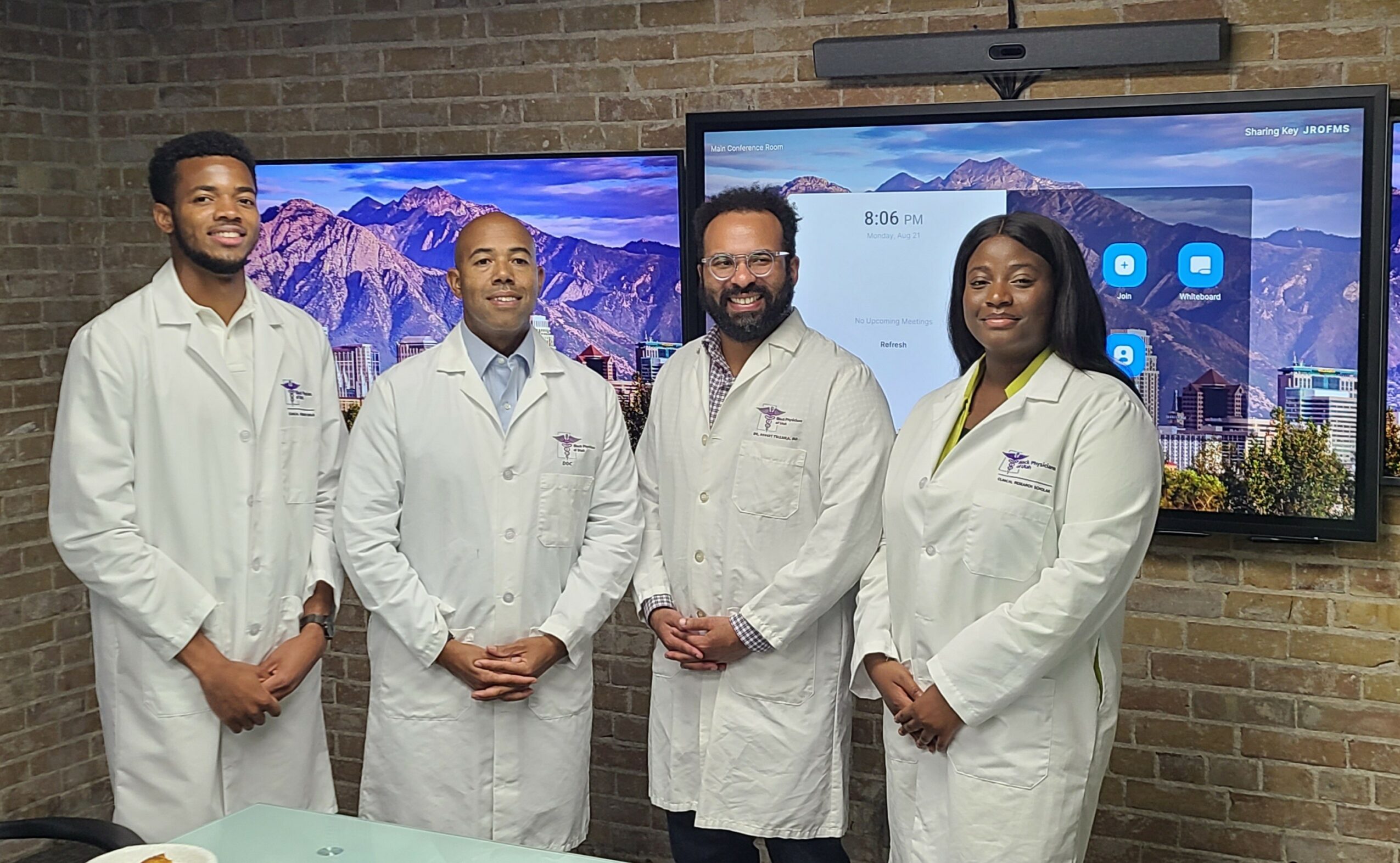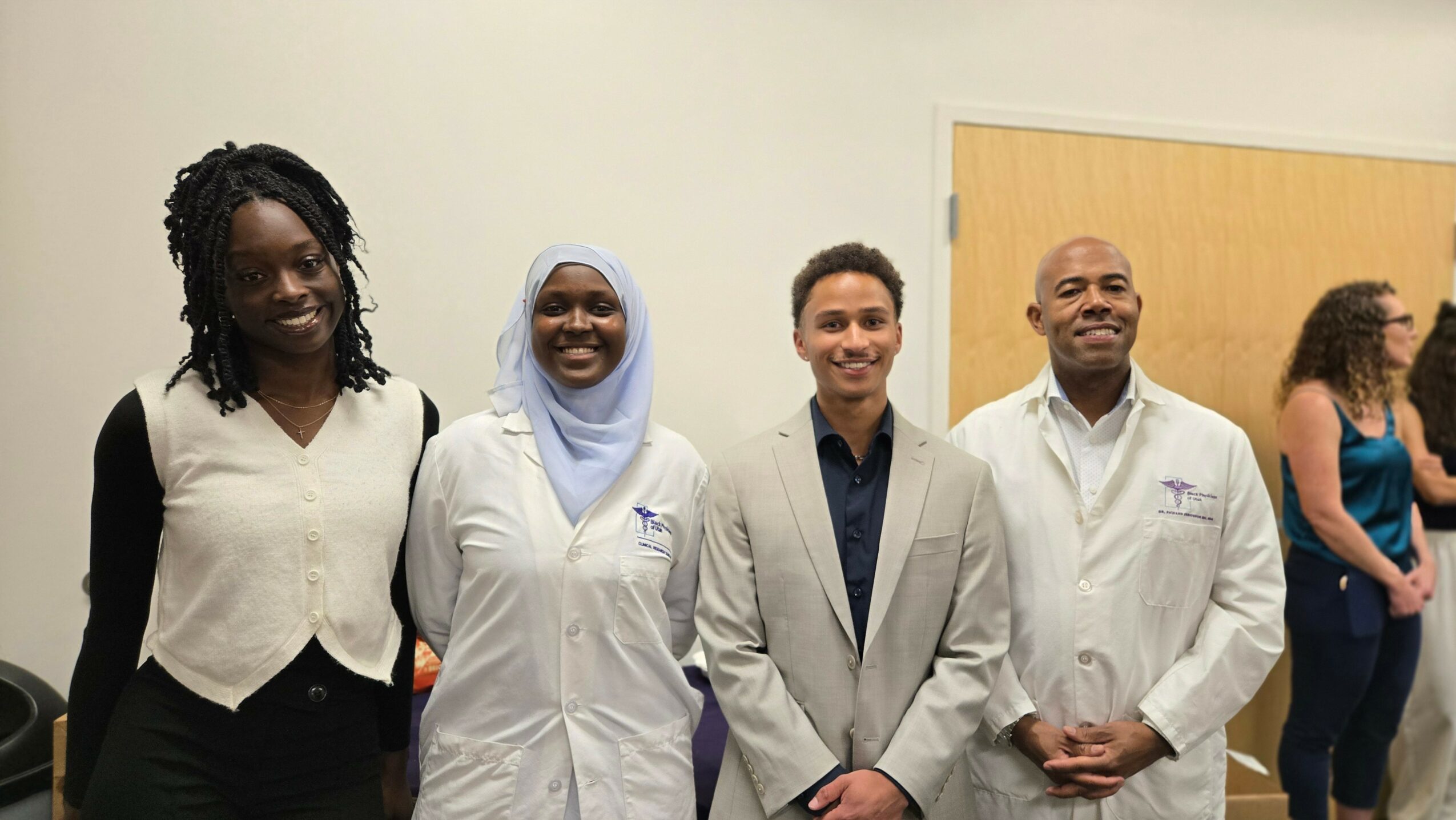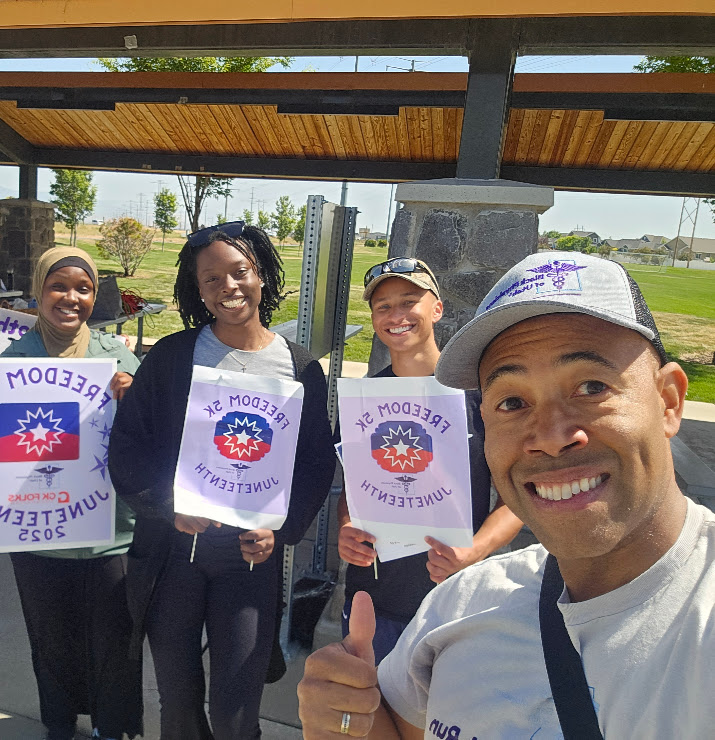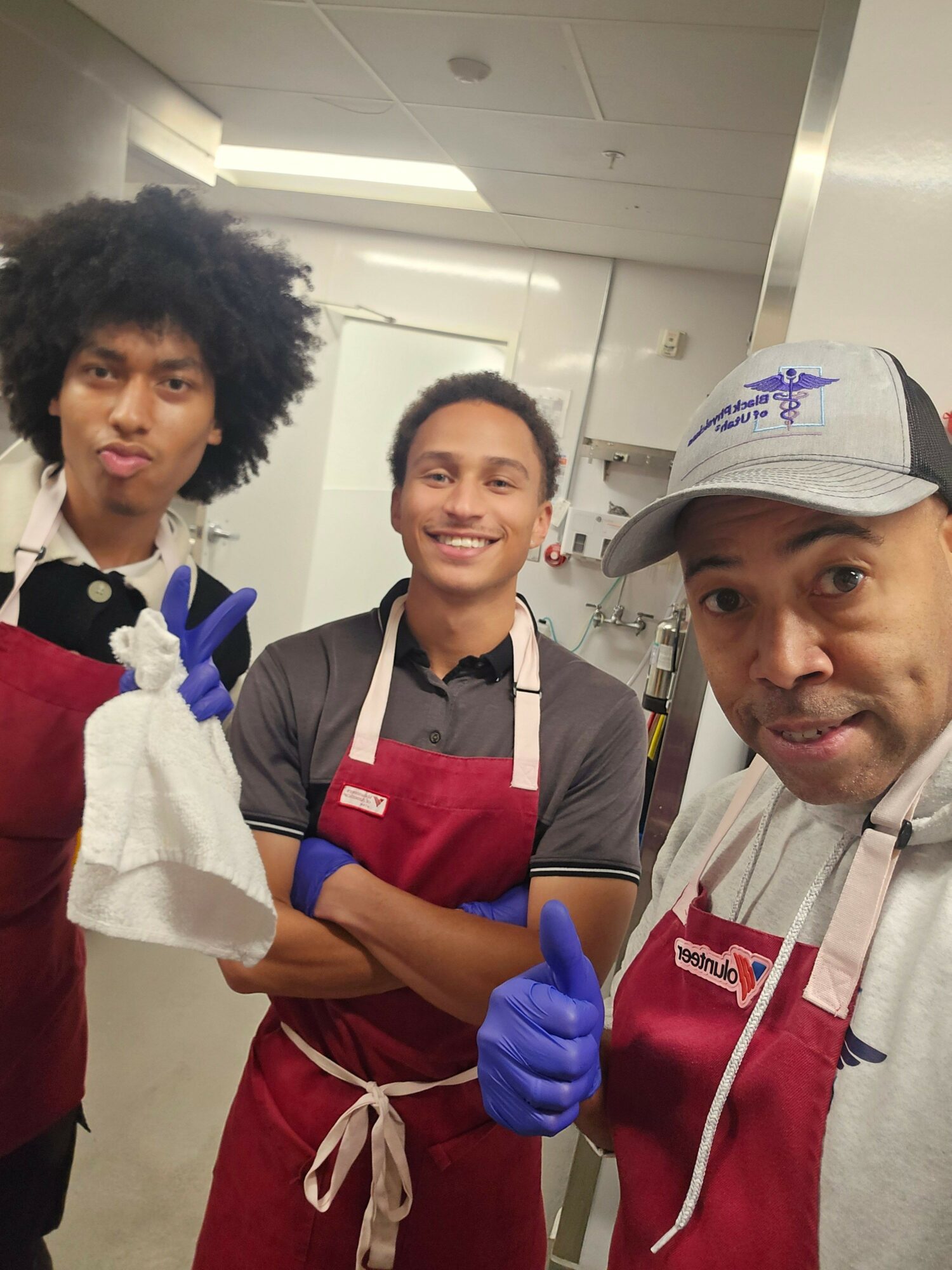



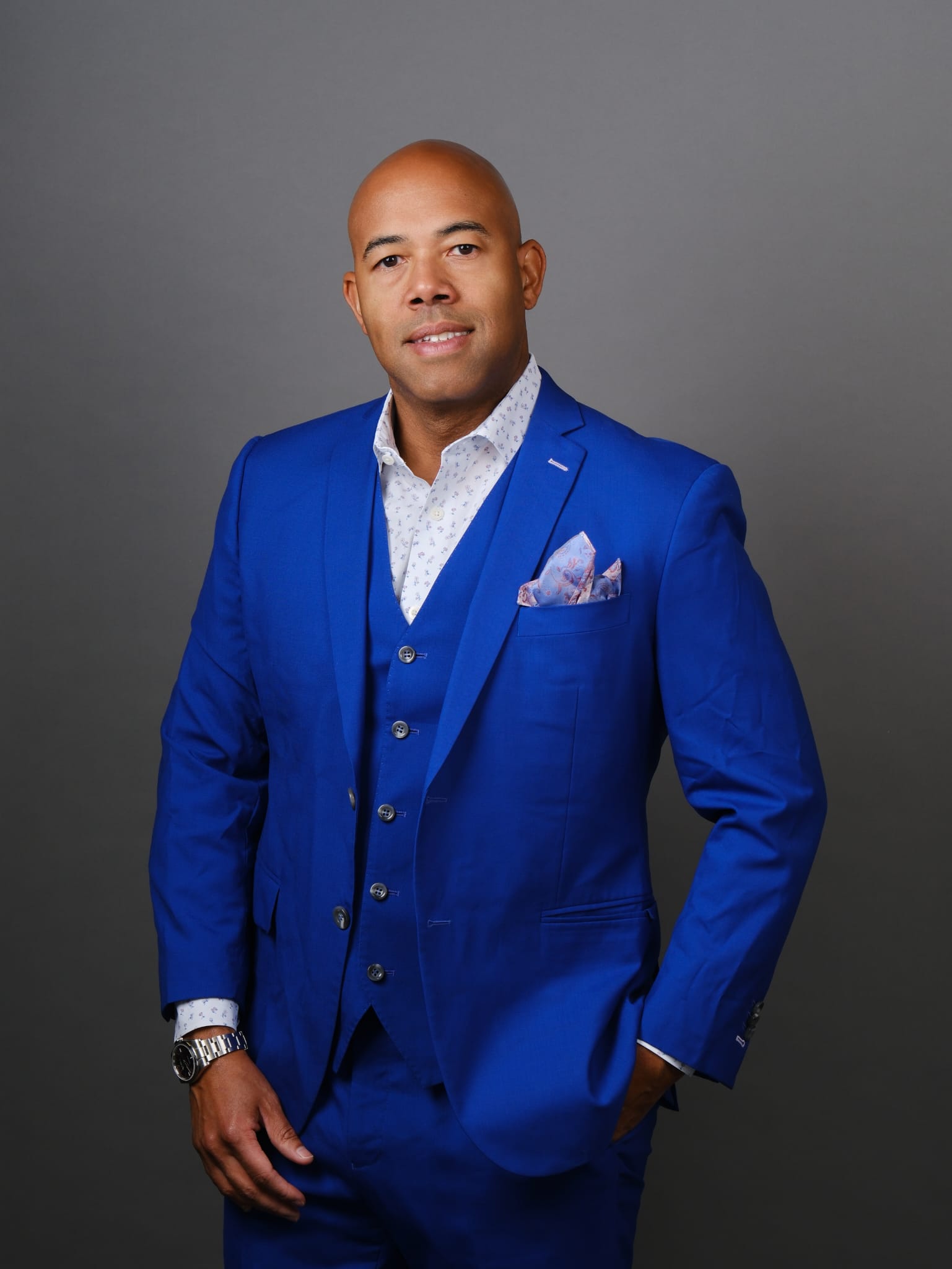
Today we’d like to introduce you to Richard Ferguson.
Hi Richard, thanks for sharing your story with us. To start, maybe you can tell our readers some of your backstory.
My path to medicine began in Washington, D.C., where I developed an early fascination with science and genetics. Although I did not grow up in a family of physicians, seeing Black doctors in my community allowed me to envision medicine as a realistic path for myself. I initially imagined a career in research, but after losing my grandmother, I became increasingly drawn to preventive medicine and the opportunity to directly improve the lives of patients and families. That journey led me to study genetics at Northwestern University and earn my medical degree from Michigan State University.
During medical school, I answered another call to service by joining the U.S. Army. Serving as a Battalion and Brigade Surgeon during Operations Iraqi Freedom and Enduring Freedom—and caring for soldiers and their families—became one of the most meaningful and formative experiences of my medical career. After completing my Family Medicine training at the University of Utah, I practiced Emergency Medicine in rural, tribal, and critical-access communities across the country. I later earned an Executive MBA, which helped me expand my focus from treating one patient at a time to improving the healthcare systems that serve entire populations.
Today, I serve as a health-plan Chief Medical Officer and physician executive, leading work in clinical strategy, population health, healthcare quality, access, and medical policy. In 2021, I founded Black Physicians of Utah to create the representation, mentorship, research opportunities, health education, and community that too many Black students, physicians, and families have lacked. My journey has ultimately been one of science, service, leadership, and a commitment to creating pathways for others to see themselves in medicine.
Would you say it’s been a smooth road, and if not what are some of the biggest challenges you’ve faced along the way?
No, it has not always been a smooth road. I grew up in a lower-middle-class family in Washington, D.C., and was the first person in my family to attend college. Although education was strongly encouraged, I did not have a physician in my family who could provide a roadmap for navigating college, medical school, or the profession. Personal losses also shaped my journey, including the death of my grandmother, which redirected my interest from laboratory research toward preventive medicine and direct patient care.
My professional path also changed in ways I did not anticipate. I entered the military during medical school and initially pursued ophthalmology, but the demands of the Iraq War disrupted that trajectory. Serving soldiers and their families became one of the most challenging and rewarding periods of my life, but after leaving the Army, I had to rebuild my professional path, complete a Family Medicine residency, and establish myself in Emergency Medicine.
One of the most persistent struggles has been the isolation of frequently being the only Black physician in predominantly White professional environments. After living in Utah for more than a decade, I still felt the absence of a meaningful community of Black physicians. I have often been the first Black doctor that children, students, and even adults have ever met. That lack of representation affects not only physicians, but also aspiring students who cannot envision a pathway into medicine and patients who may struggle to find culturally informed and trusted care.
Founding Black Physicians of Utah was my response to those challenges, but building the organization while maintaining demanding clinical and executive responsibilities has required substantial personal time, persistence, fundraising, and relationship-building. Much of that work has occurred during evenings and weekends without compensation. The road has been difficult, but those experiences clarified my purpose: success should not simply be measured by how far I advance, but by whether I create a clearer, more supportive path for those coming behind me.
Appreciate you sharing that. What else should we know about what you do?
I am a board-certified family physician, emergency medicine clinician, military veteran, and health-plan physician executive. My work now sits at the intersection of clinical medicine, population health, healthcare administration, and health equity. As a Chief Medical Officer, I help guide medical policy, quality improvement, utilization and care management, access to services, and strategies that improve outcomes for entire patient populations—not simply one patient encounter at a time.
I specialize in understanding how healthcare systems affect people who have historically been underserved or excluded. My view is that health inequities are not simply the result of individual choices. They are shaped by access, representation, economic conditions, geography, institutional practices, historical mistreatment, and whether patients trust that the healthcare system understands and values them. I am known for speaking directly about these issues while also developing practical solutions—particularly increasing the number of Black physicians, improving culturally informed care, strengthening preventive health education, and helping young people see medicine as an attainable career.
I am most proud of founding Black Physicians of Utah and watching it grow beyond a professional network into a statewide vehicle for mentorship, advocacy, research exposure, mental wellness, scholarships, and community health education. Through initiatives such as Medicine Immersion Day, clinical research opportunities, MCAT support, and public health programming, we are not only discussing inequity—we are creating pathways that can change who becomes a physician and how communities experience healthcare.
What sets me apart is the breadth of perspectives I bring to this work. I have cared for soldiers in a combat environment, treated patients in emergency departments and rural communities, led complex health-plan operations, and built a community organization from the ground up. I understand healthcare from the bedside, the battlefield, the boardroom, and the community. That combination allows me to translate difficult conversations about inequity into measurable programs, institutional change, and opportunities for the people coming behind me.
Is there anyone you’d like to thank or give credit to?
Two of the most formidable mentors in my life have been Dr. Warren K. Ashe and Dr. Jackie Hayes. Dr. Ashe entered my life early and helped me understand that a young Black man could belong in science, medicine, and institutional leadership. As a pioneering scientist, Howard University research leader, and the first African American senior scientific adviser at the National Institutes of Health, he represented excellence while remaining deeply committed to opening doors for the next generation. His work exposing Black teenagers to physicians and medical careers gave me both a model and a mandate: achievement is most meaningful when it creates opportunities for others.
Dr. Jackie Hayes has continued that mentorship throughout my development as a physician leader. As an accomplished pulmonary and critical care physician, she has offered wisdom, encouragement, honest counsel, and an enduring example of clinical excellence grounded in service to the community. Her willingness to educate, advocate, and lend her expertise to Black Physicians of Utah reflects the kind of leadership I strive to practice—credible, accessible, and focused on improving the health of those too often overlooked.
Together, Dr. Ashe and Dr. Hayes taught me that leadership is not defined solely by a title. It is demonstrated through mentorship, integrity, service, and the courage to make the path wider for those who follow. Their influence is evident in my work as a physician executive and in my decision to establish Black Physicians of Utah, where I now seek to provide young people and developing professionals with the same guidance, representation, and belief that they provided to me.
Contact Info:
- Website: https://bpou.org/
- Instagram: https://www.instagram.com/bpou_utah/
- Facebook: https://www.facebook.com/blackphysiciansofutah
- Youtube: https://www.youtube.com/@blackphysiciansofutah3091