


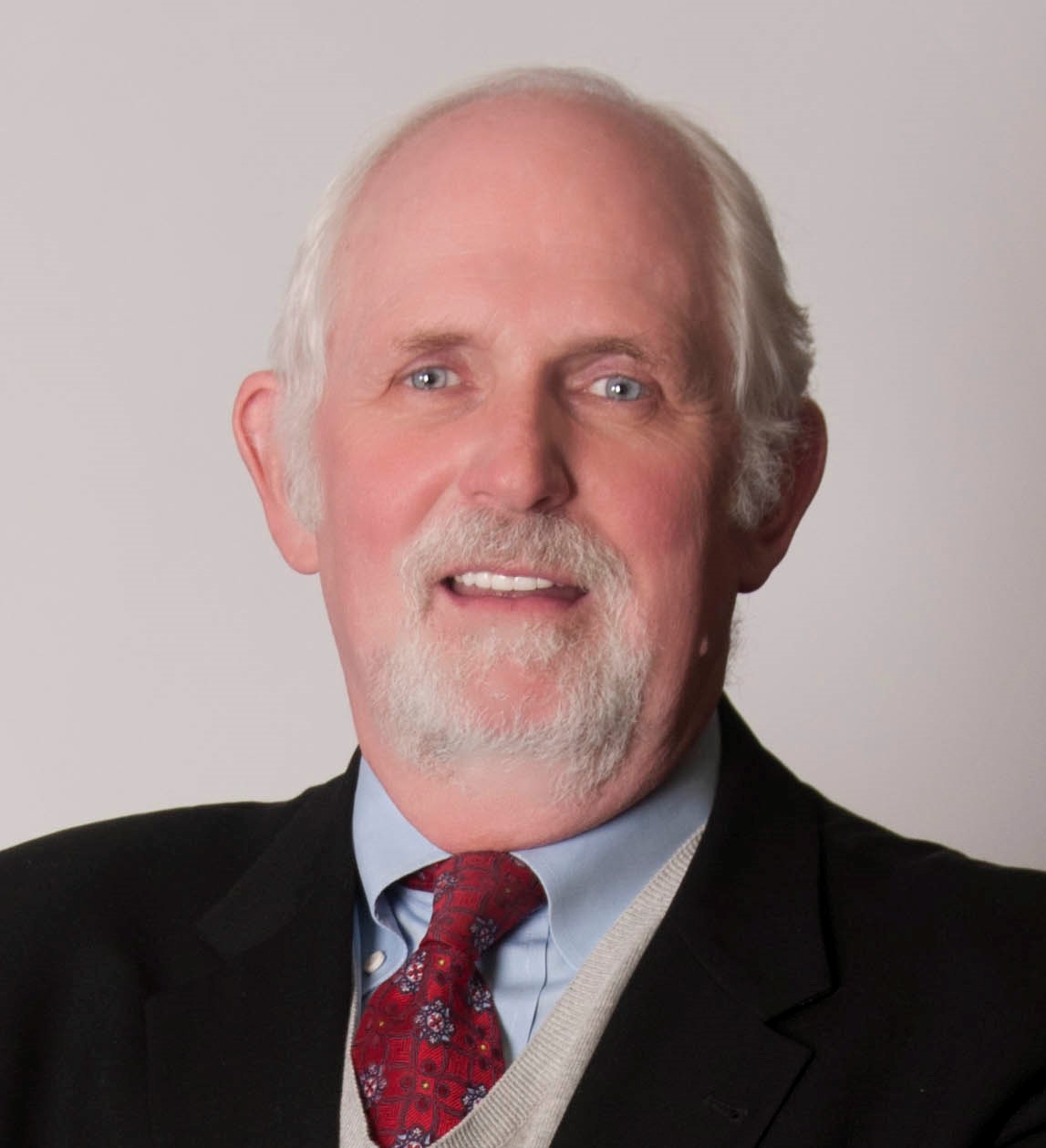
Today we’d like to introduce you to Rob Ence.
Hi Rob, thanks for joining us today. We’d love for you to start by introducing yourself.
Grew up in Salt Lake City, Utah in a family seven children. Involved in a variety of sports and musical activities through the 1960s and graduated from Skyline HS. Lived in northern Italy for two years as a religion-based volunteer. Enrolled at the University of Utah where I earned a BA in Psychology (‘78) and later an MBA in international business (‘91”. Married Liz Chappell in 1974 and are still sharing life’s adventures after fifty-two years. We raised a family of four and now have sixteen grandchildren.
Once aspired to go to medical school but after working as a surgical technician for two years, opted to go into business. Moved to San Jose/Cupertino California and worked in the leisure time business with Marriott Corporation until 1979. Relocated to Salt Lake City and built a financial services practice holding several insurance and securities licenses. Eventually specialized in business management for professional athletes and assisted spouse in creating a women’s apparel company. Wrapped up both businesses around 2000. I did a short stint for a local non-profit and rechanneled future efforts in that sector becoming the state director for AARP in Utah. Later became an executive VP with AARP managing the western region of states efforts in service, policy, and advocacy of older adult issues.
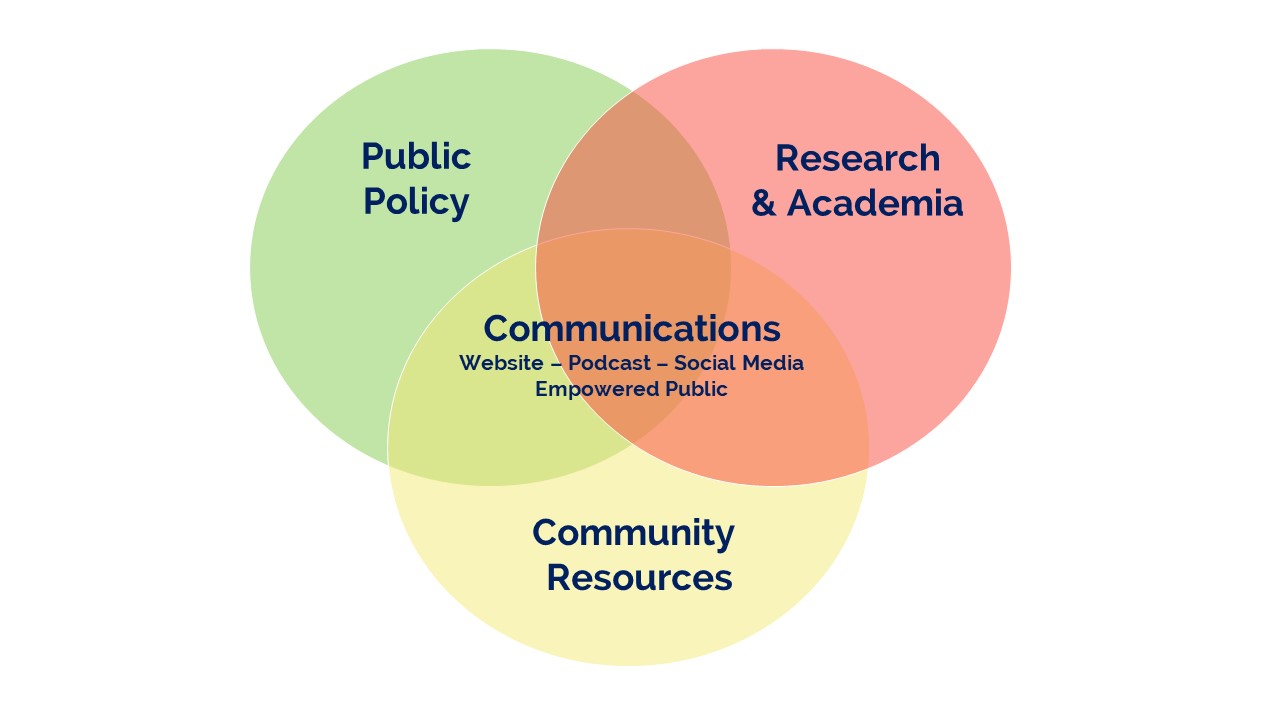
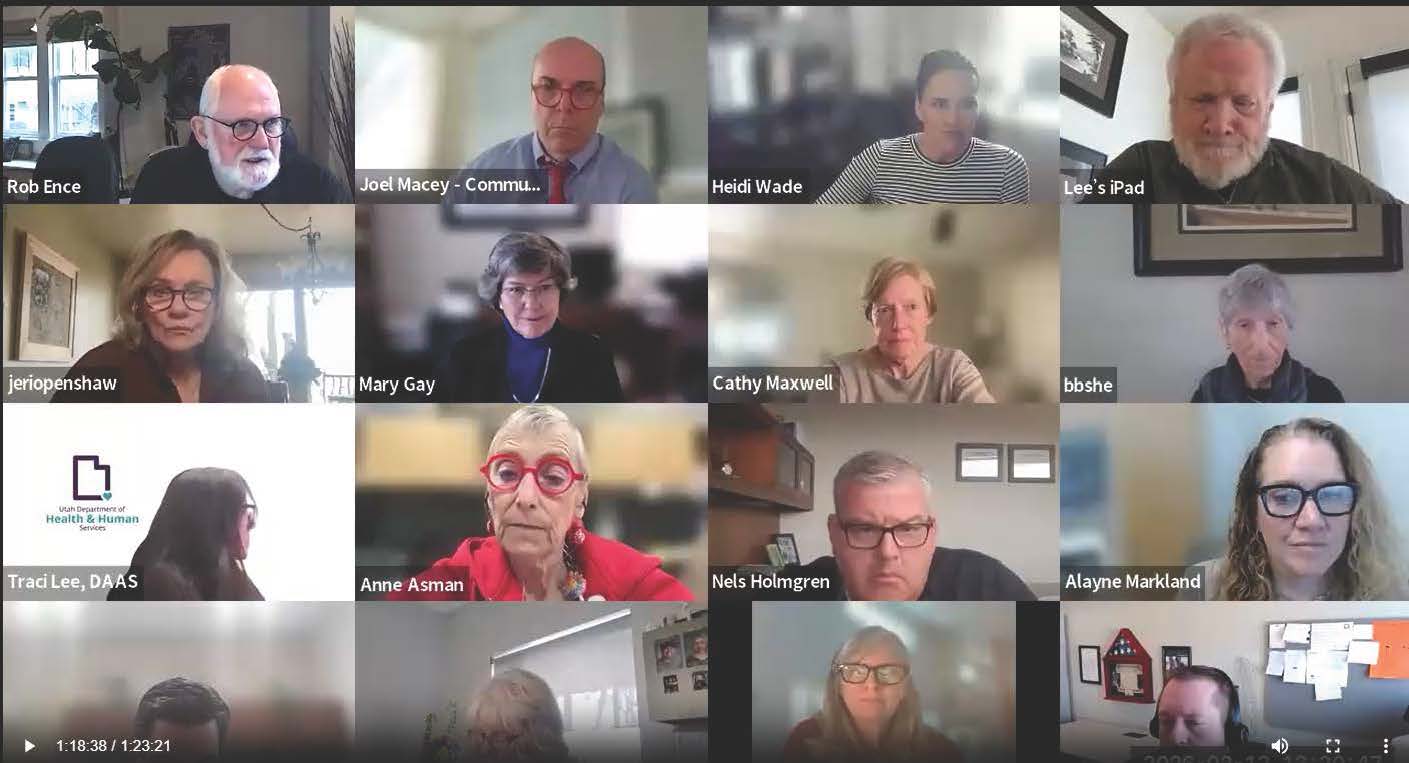
In 2016 I retired from AARP and split time between growing a small nonprofit, the Bateman Horne Center, a specialty research, education, and clinical center of excellence dealing with multi-system chronic complex diseases until 2025. Simultaneously, I was appointed and continue to manage the Utah Commission on Aging coordinating research, academia, community services, and policy impacting older adults in Utah. Created virtual resource center, www.utahaging.org, and led the effort to create and publish Utah’s Master Plan for Aging. Frequent lecturer on advance care planning, financial security, health and wellness, livable communities, caregiving, and digital equity and literacy. Very active in sports, travel, arts, and music and have served on several community boards over the past few decades.
We all face challenges, but looking back would you describe it as a relatively smooth road?
Family life is a huge commitment. And finding fulfilling purpose in work that also provides financial stability. It took me two decades to find the right balance for the right reasons. There were financial struggles, bad decisions, and lost opportunity. But intertwined with amazing experiences, relationships built, and growth through learning and mutual commitment. 2001 was a pivotal year locking into a career that has been my focal point for over two and a half decades. Improved relationships, financial security for the future, maintenance of good health, and general enjoyment of life while dedicating time and energy to things that matter most.
Thanks for sharing that. So, maybe next you can tell us a bit more about your work?
I believe I covered much of this a couple of questions above.
When I started working on older adult issues in 2001, it was like putting on comfortable clothes. It felt right, the issues mattered, were relevant, and a chance to make a difference in people’s lives every day. After working for an amazing organization, AARP, at the highest levels and impacting strategic decisions for organizational impact, I was able to take those fifteen years of experience and channel my skills into the communities of Utah. The Utah Commission on Aging’s (UCOA) efforts before me laid the groundwork for rich growth and development to create partnerships, collaborations, community engagements at the crossroads of research, service, and policy. It is uniquely set up to coordinate, inform, and engage stakeholders from all sectors to innovate, democratize education, and assist older adults to navigate the challenges and discover the opportunities of the aging journey. The virtual website www.utahaging.org is a unique, virtual resource center that helps individuals connect to needed resources and information efficiently and assists and mentors individuals to improve their health, financial, legal, and technology literacy. Through effective partnerships with stakeholders throughout the state, Utah became the eighth state to create a Master Plan for Aging (MPA) as a rolling 10-year road map for all adults in Utah. The core elements of the plan include age-friendly ecosystems, health living, financial security, caregiving, self-sufficiency, and utilization of technology. UCOA is the go-to source for all things aging in the state of Utah. It is part of the Center on Aging at the University of Utah but serves the entire state and is defined by legislative statute.
Let’s talk about our city – what do you love? What do you not love?
My city, Cottonwood Heights, is located at the base of the Wasatch Mountains between Big and Little Cottonwood Canyons. Location setting is very nice. Easy access to services, close enough to major event venues and college campuses, airport, downtown business centers, etc. Wonderful suburban setting and well-managed by a committed city council.
The challenges include mass transit options that can efficiently connect you to major hubs or inter-community access. Very dependent on automobiles for most transportation needs although e-bikes, etc. can make local stops less impactful. Need more biking lane options throughout the city especially navigating the heavily traveled Wasatch Boulevard.
Pricing:
- Homes can be on average – expensive.
- Goods and services compatible with anywhere in Salt Lake Valley.
Contact Info:
- Website: https://www.utahaging.org
- LinkedIn: https://www.linkedin.com/in/rob-ence-54a03415/