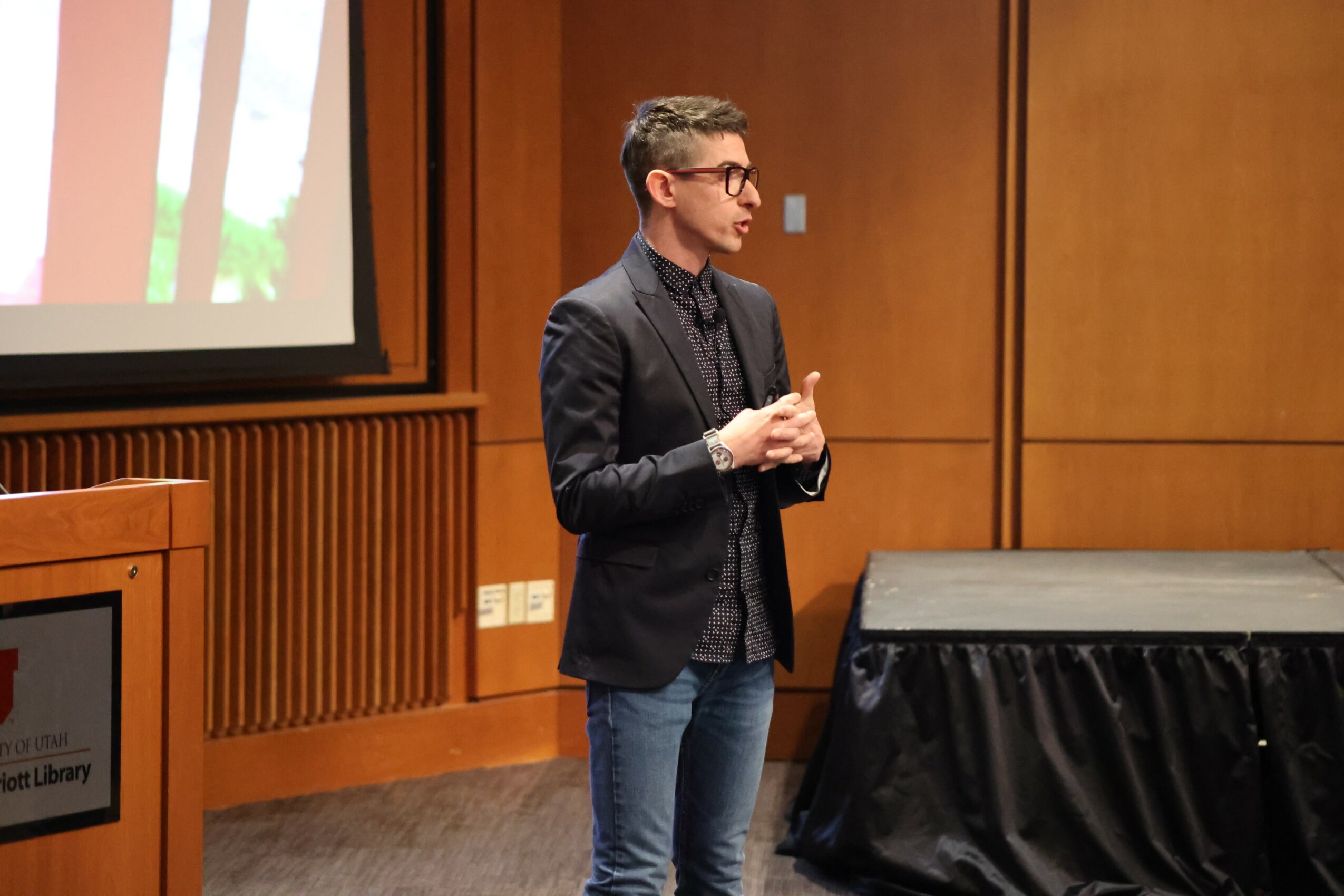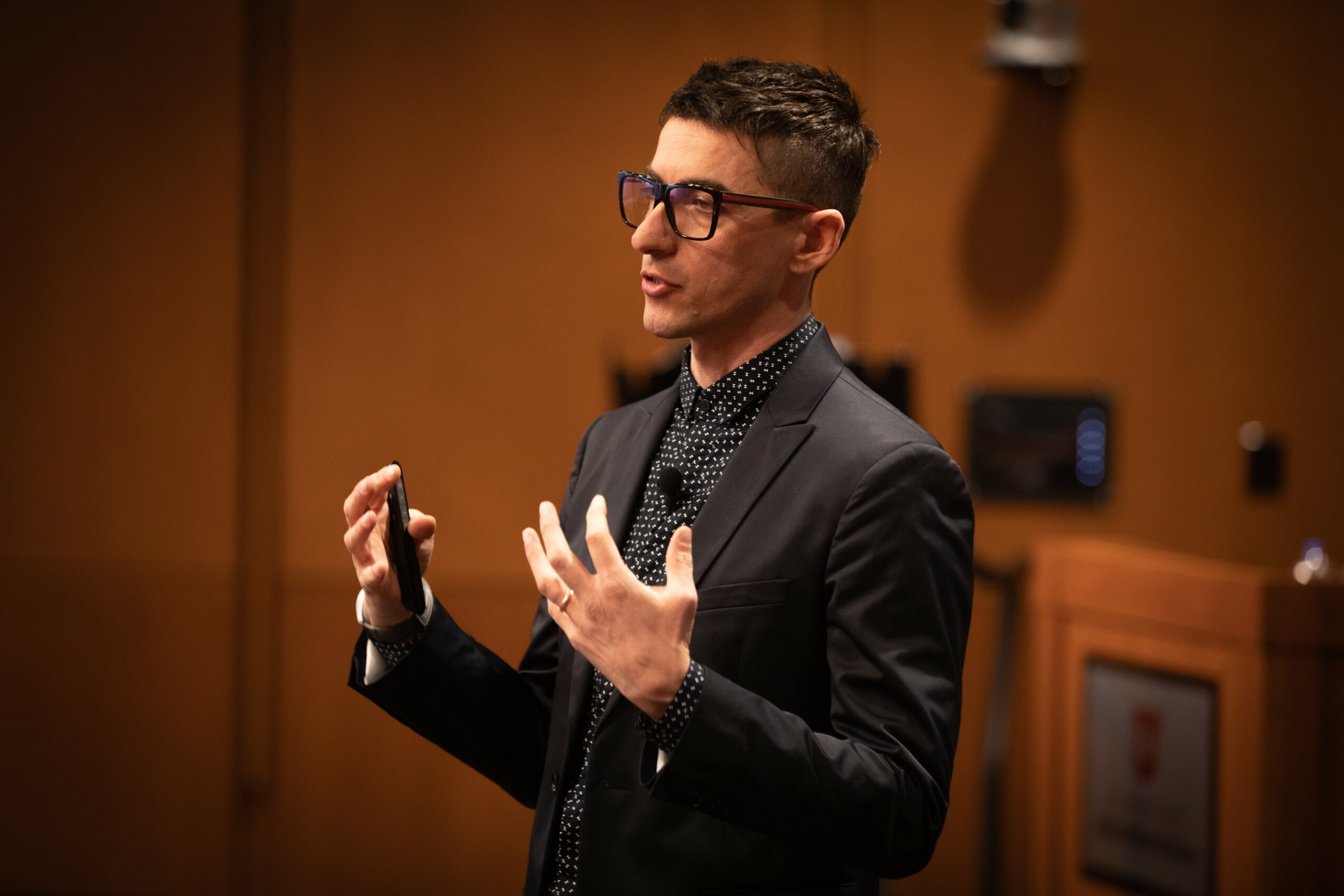



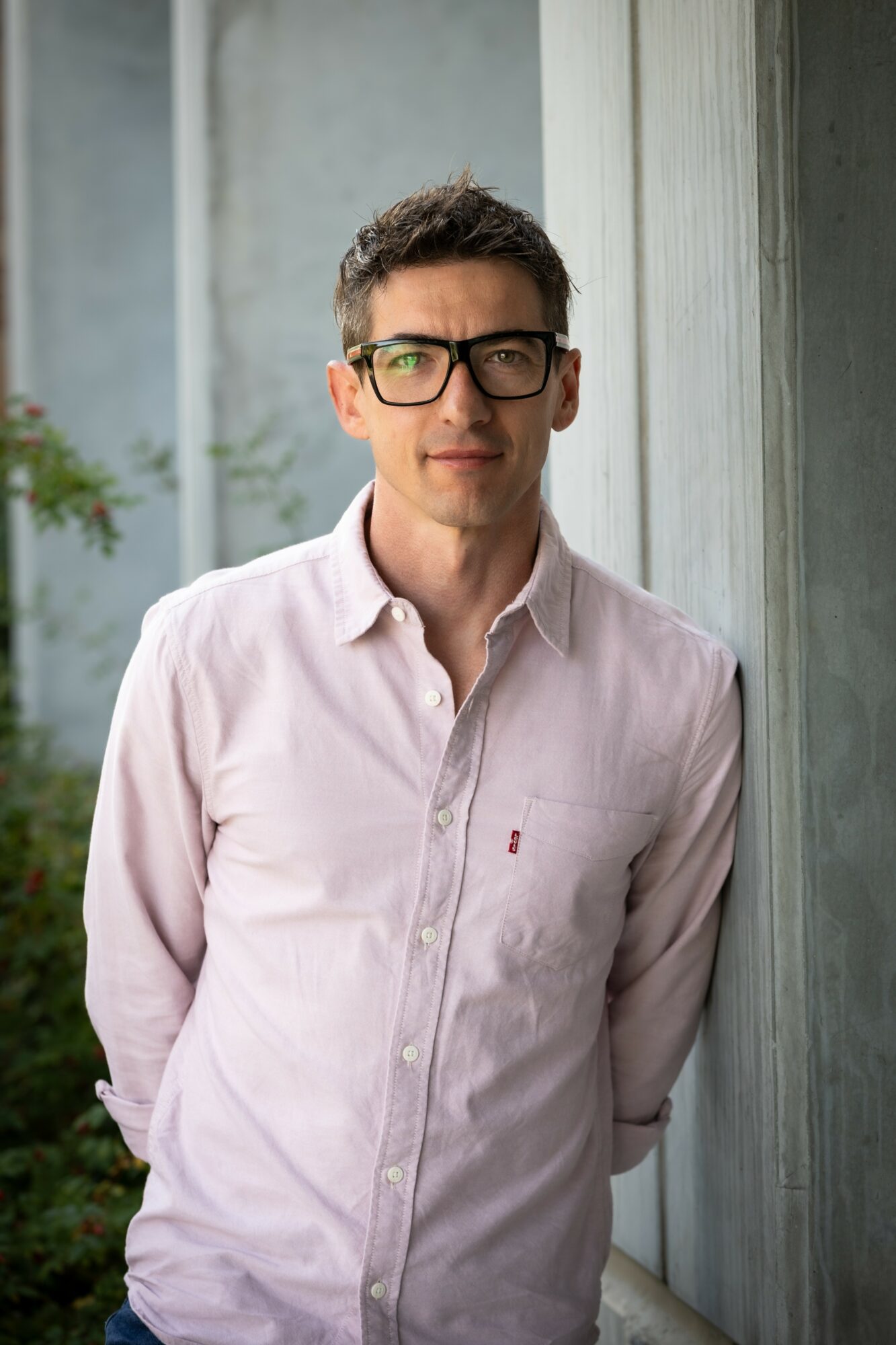
Today we’d like to introduce you to Tommaso Lenzi.
Hi Tommaso, we’re thrilled to have a chance to learn your story today. So, before we get into specifics, maybe you can briefly walk us through how you got to where you are today?
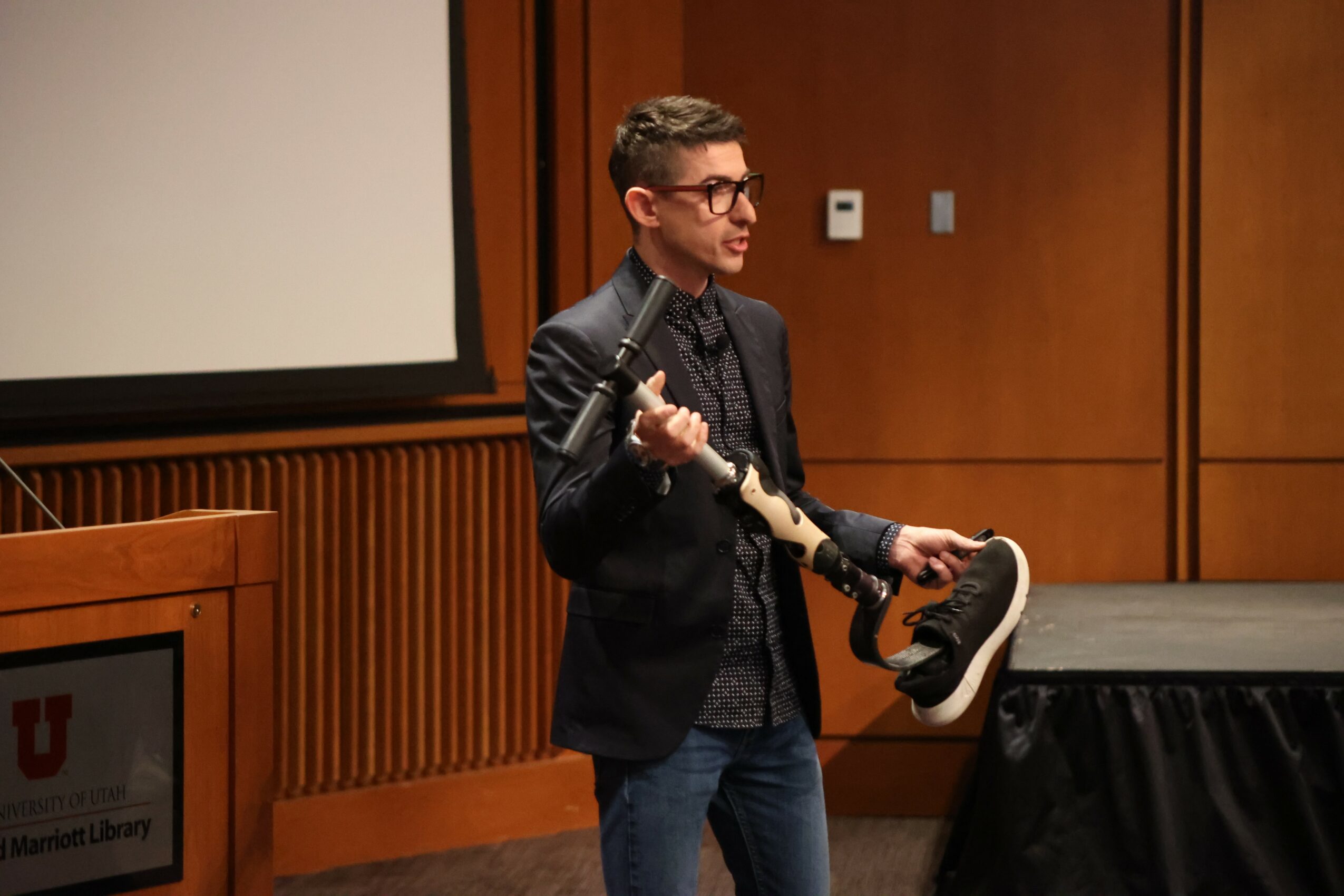
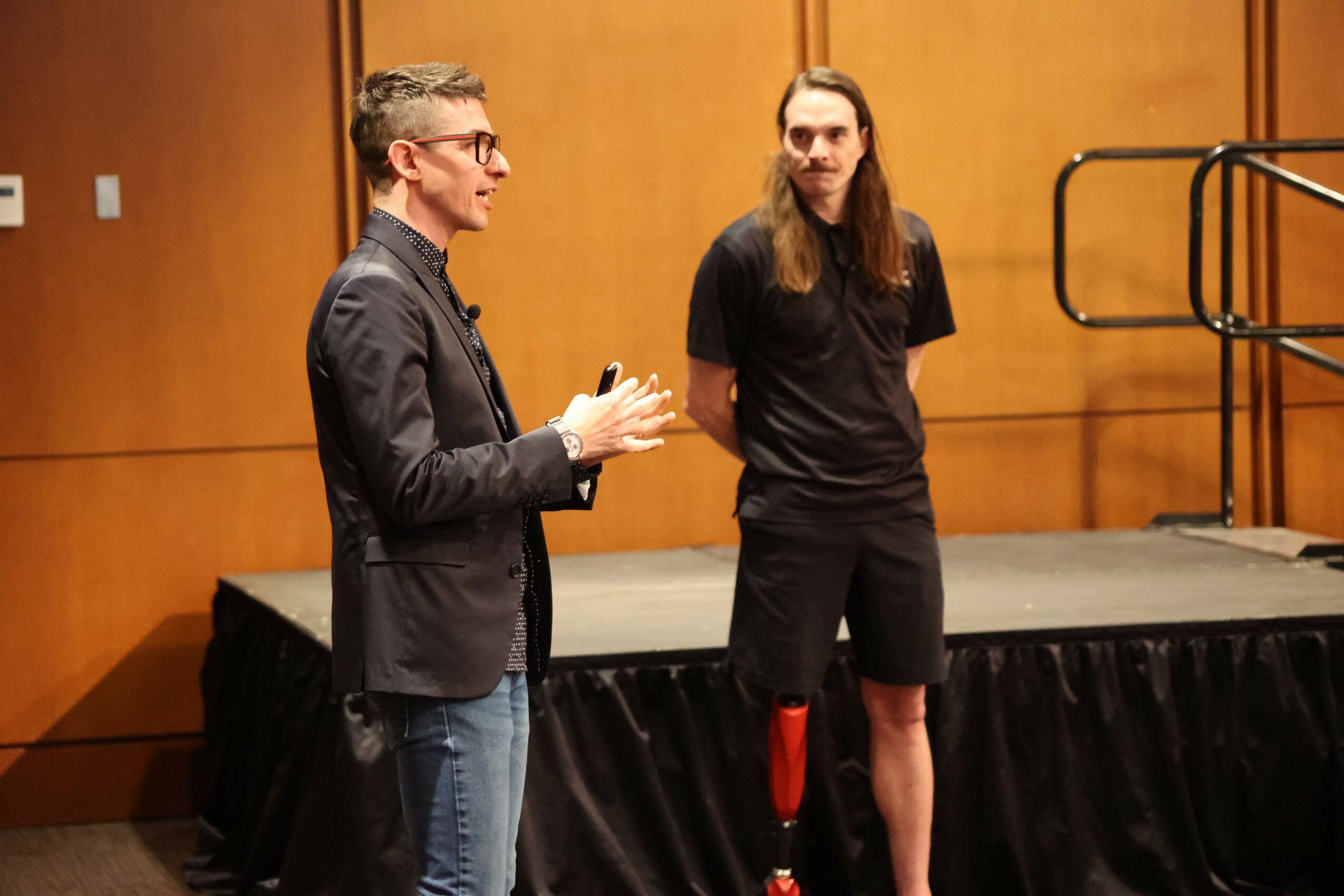
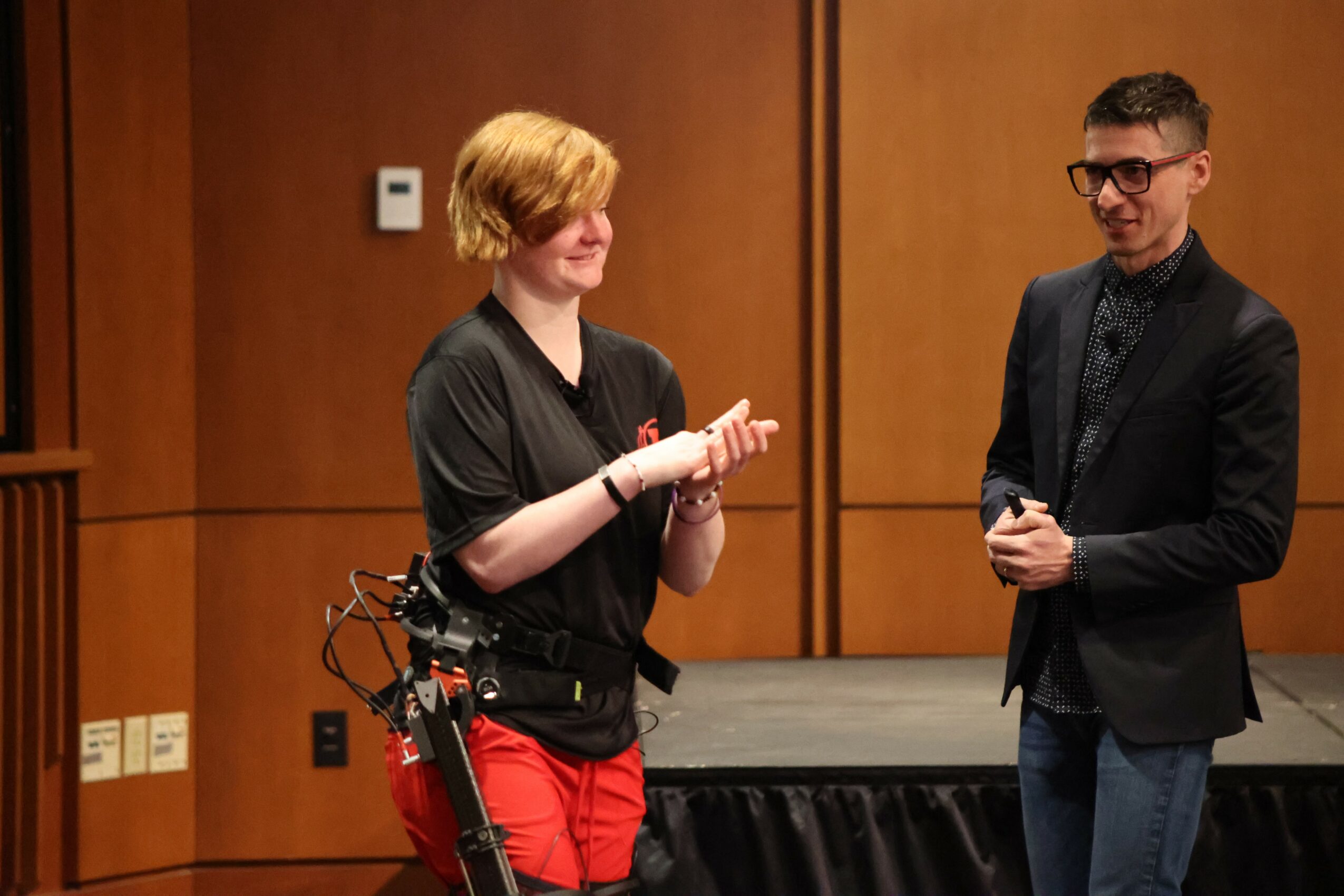
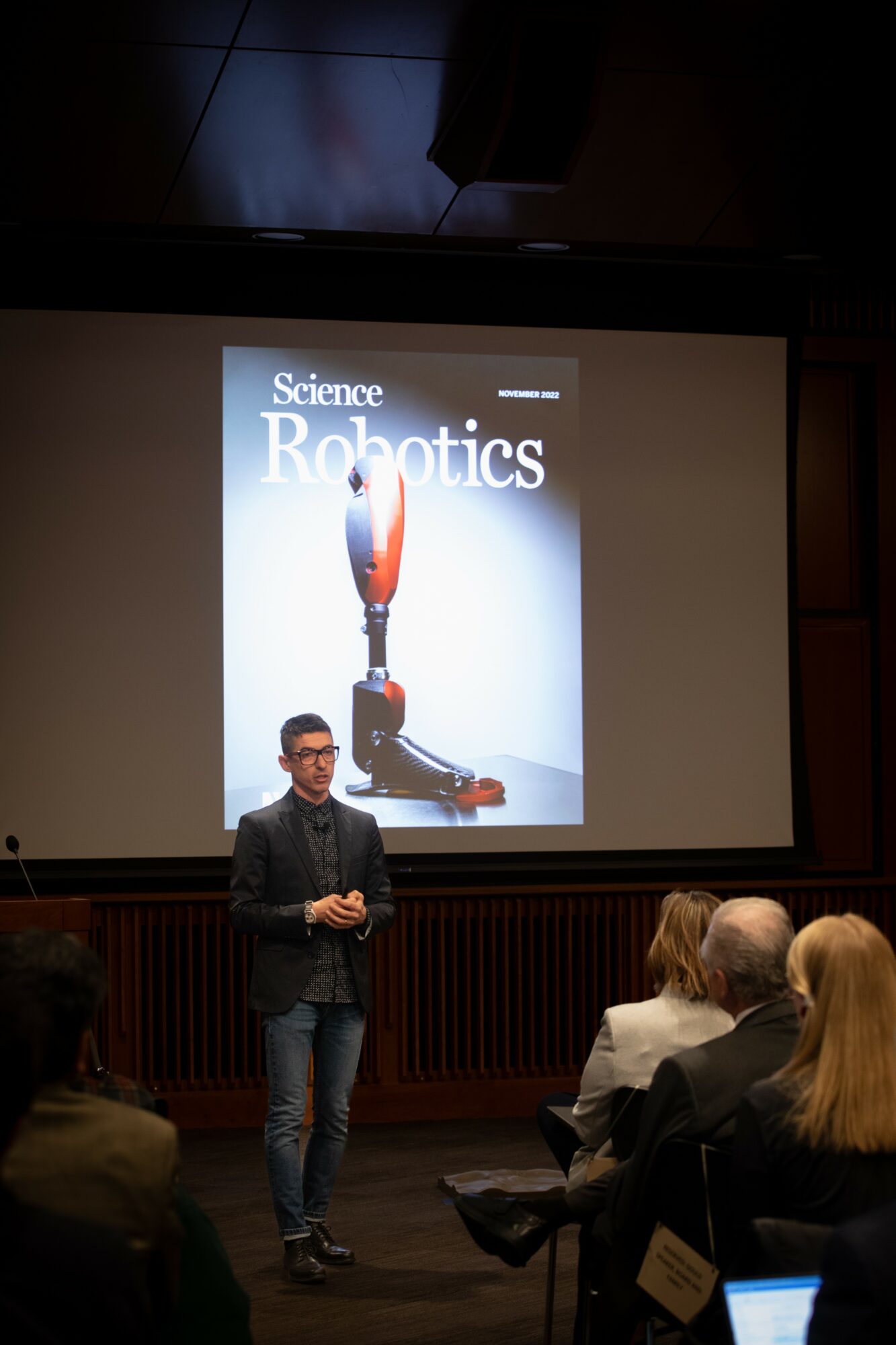
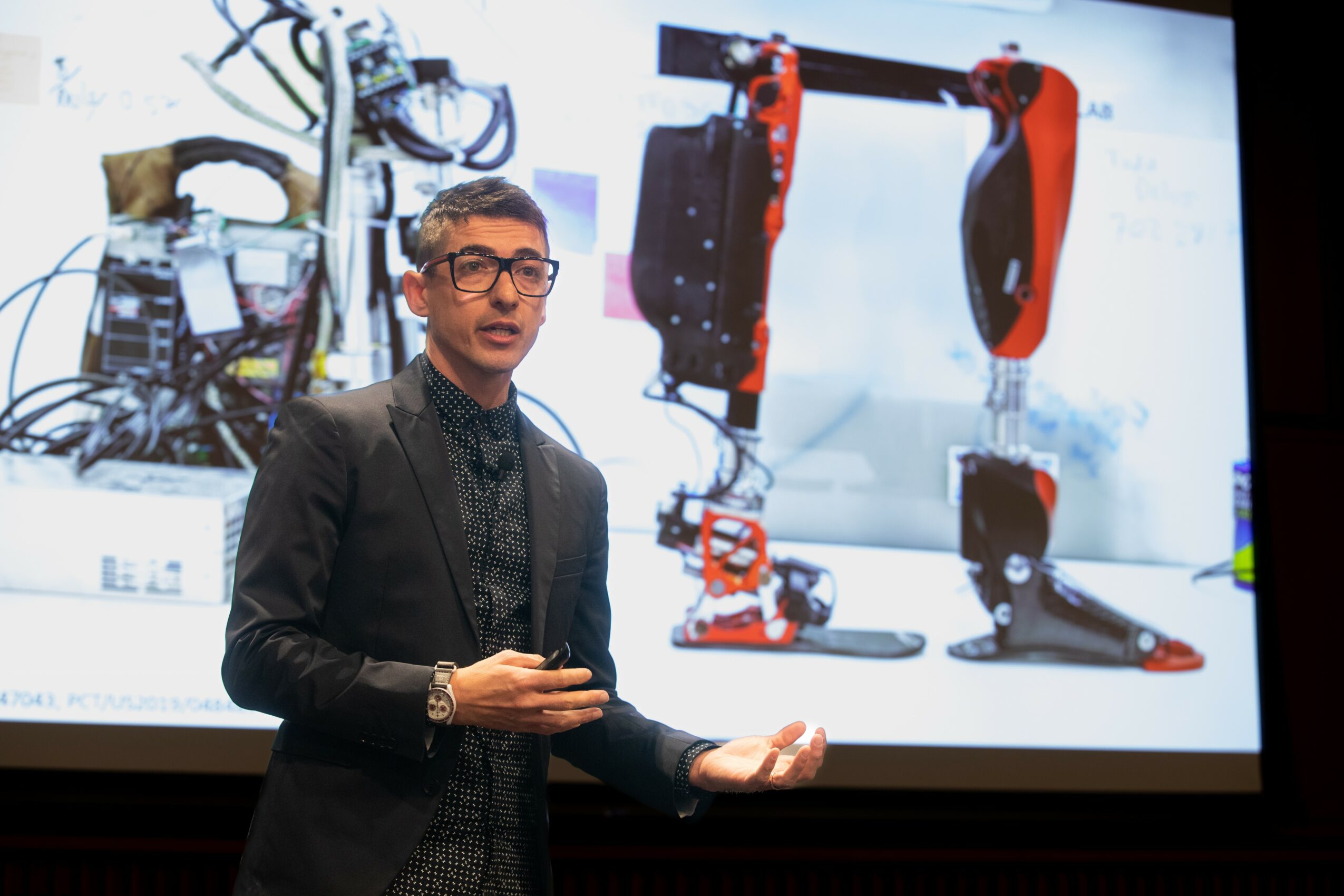
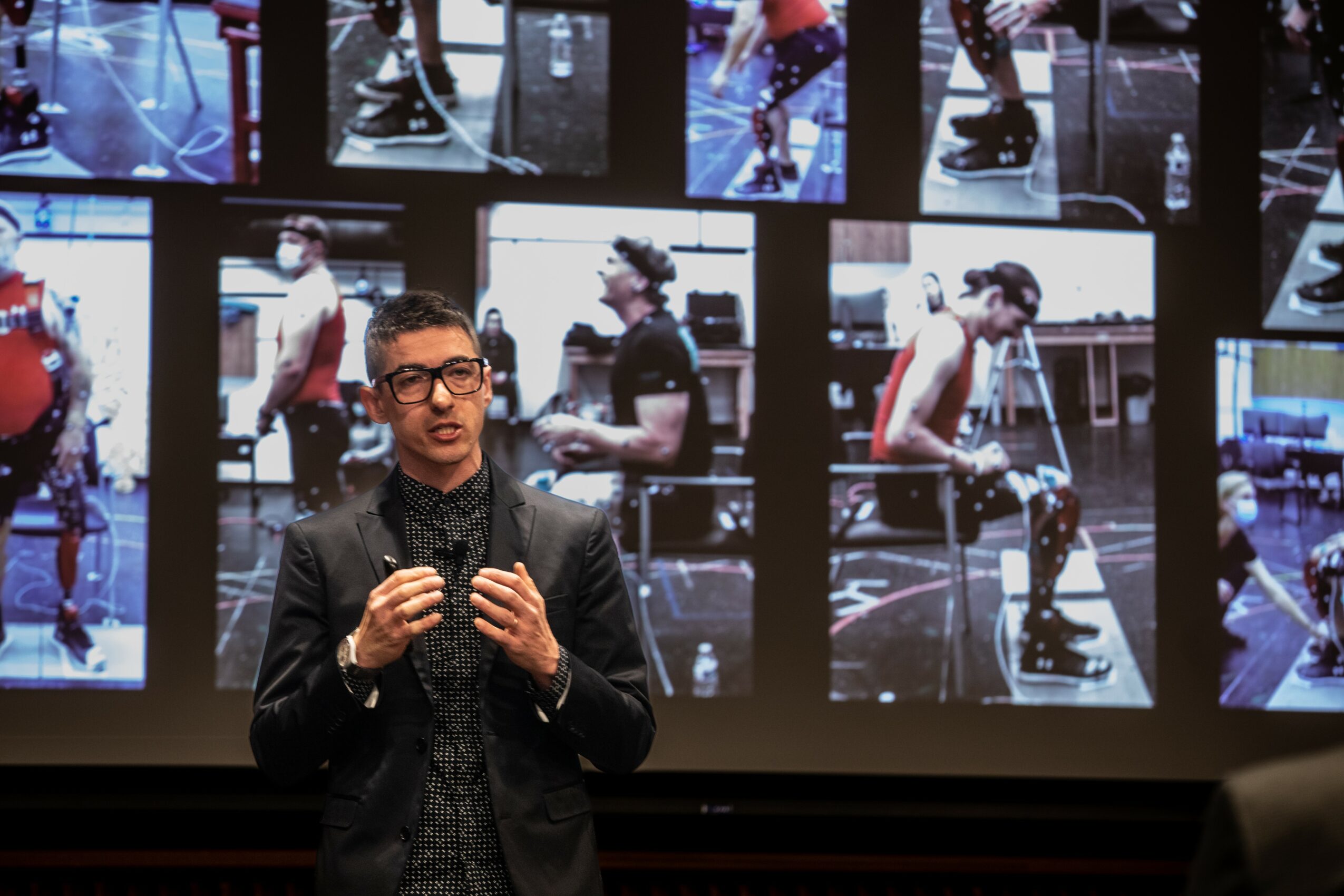
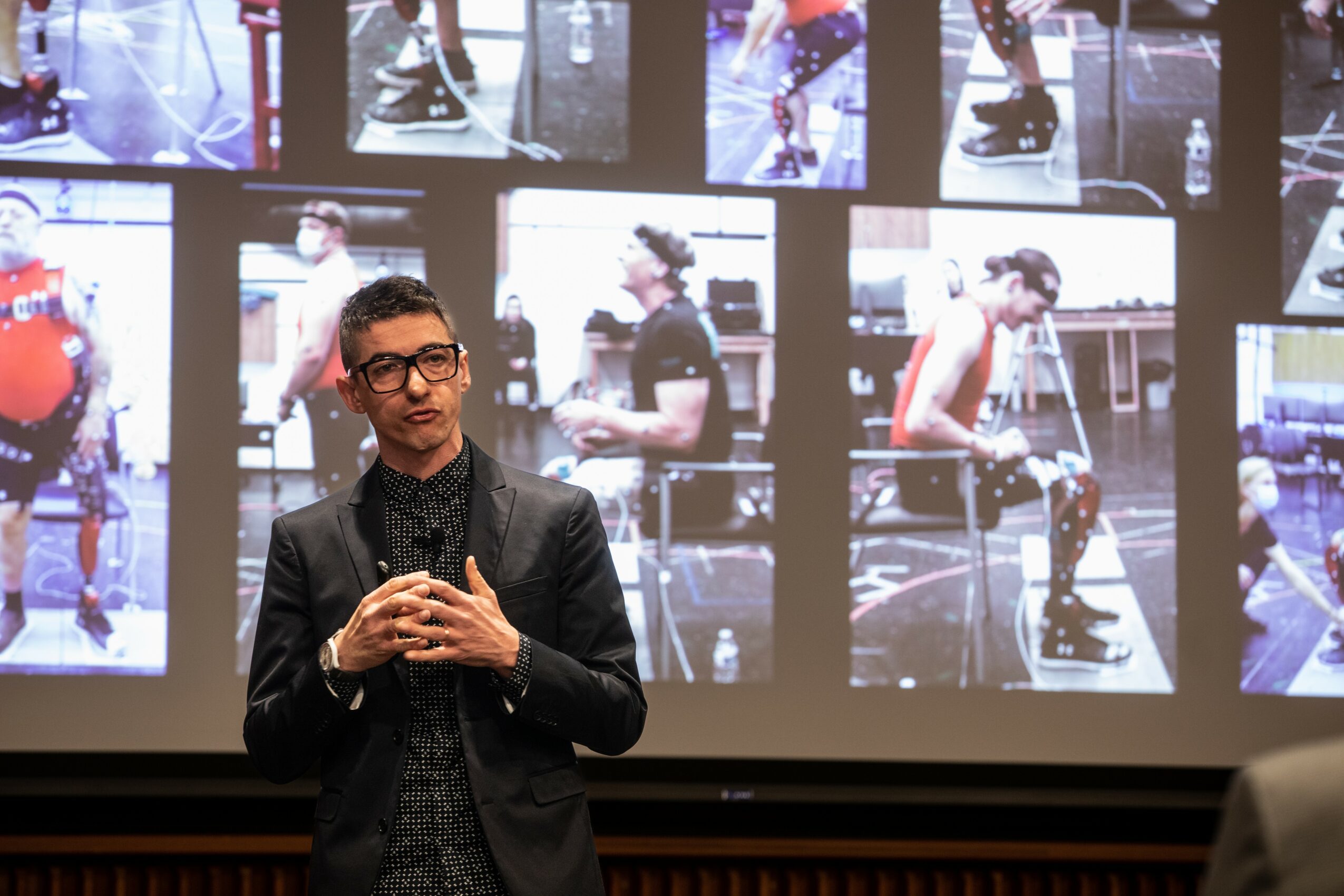
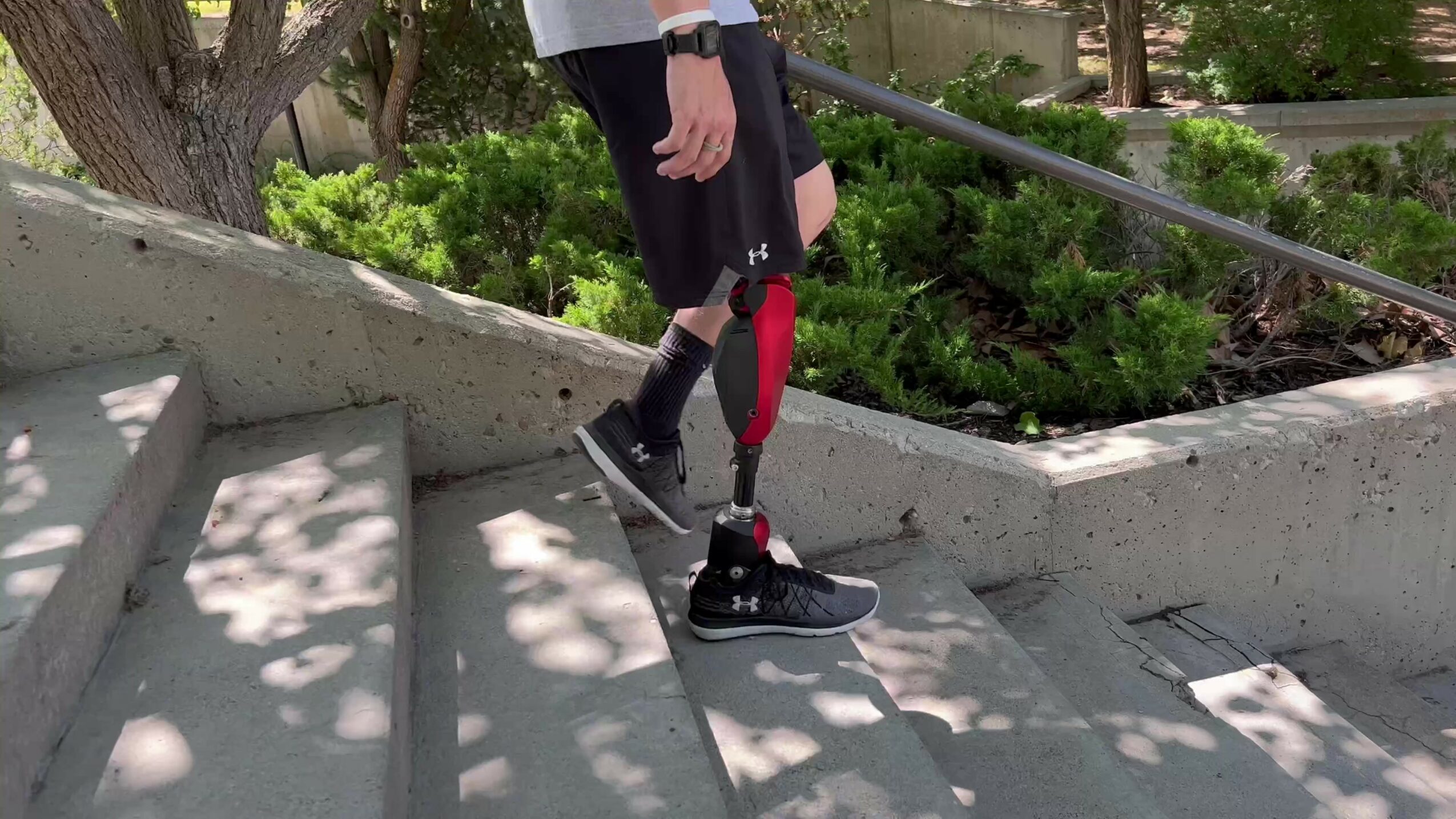
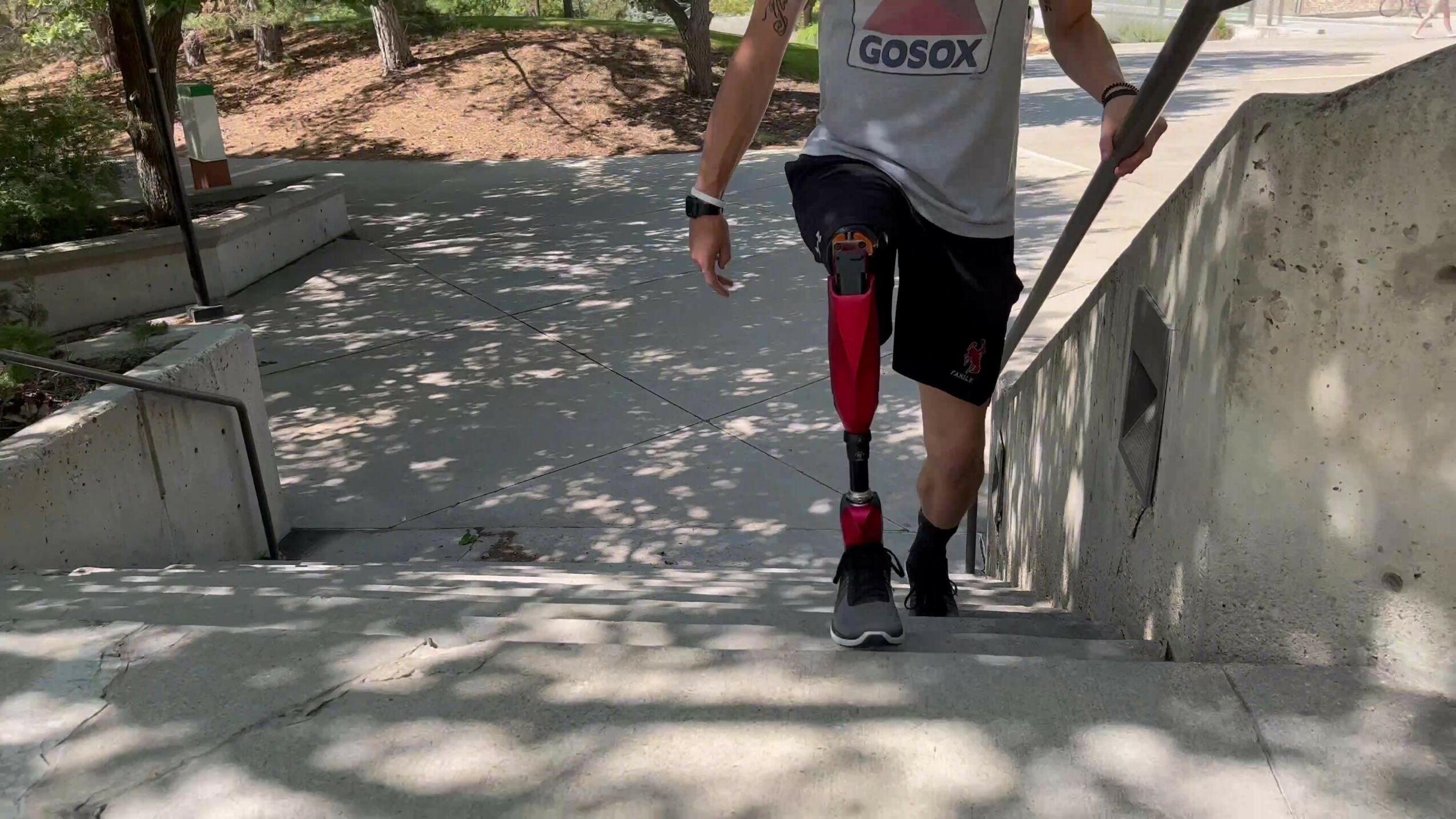
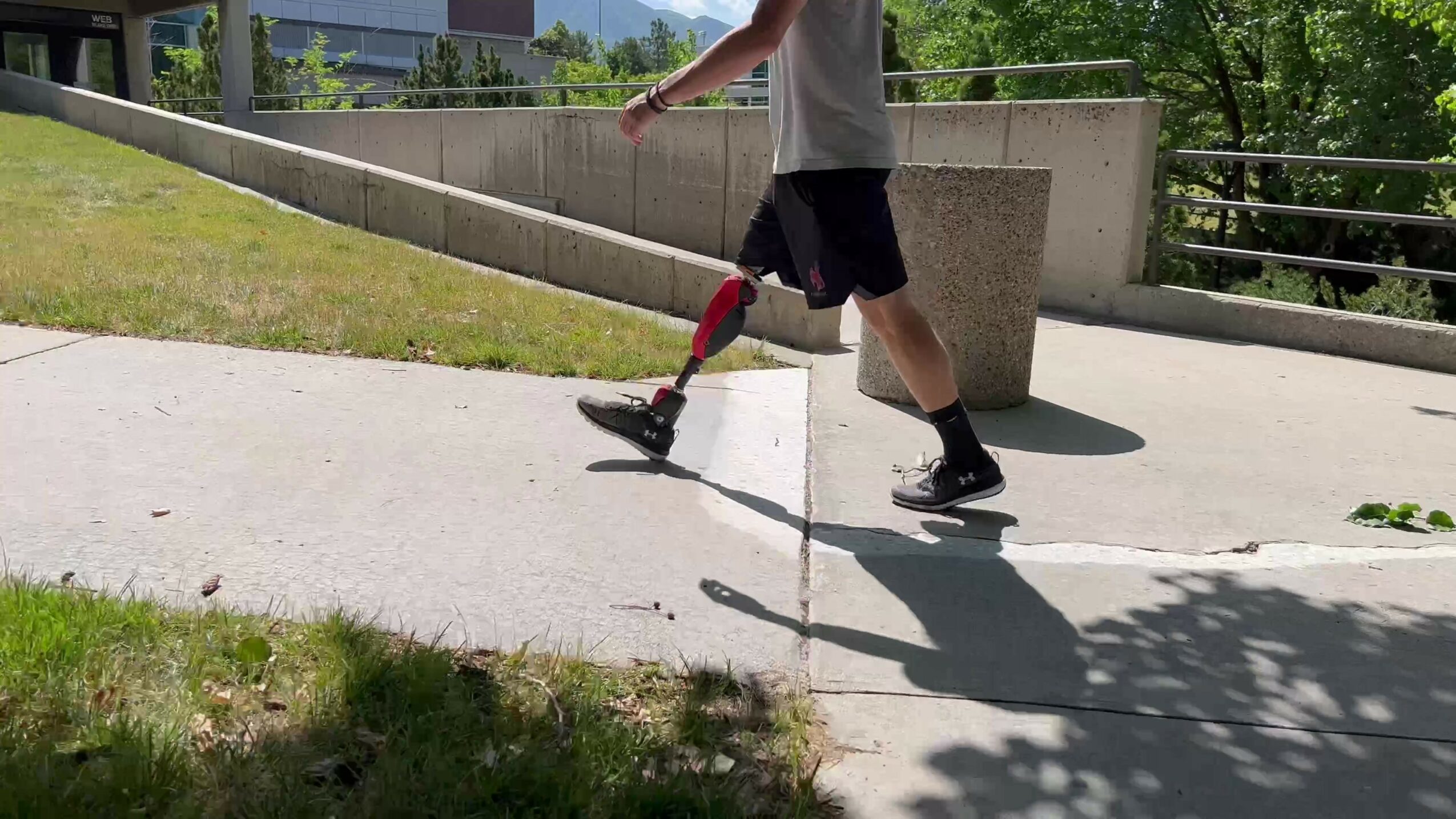
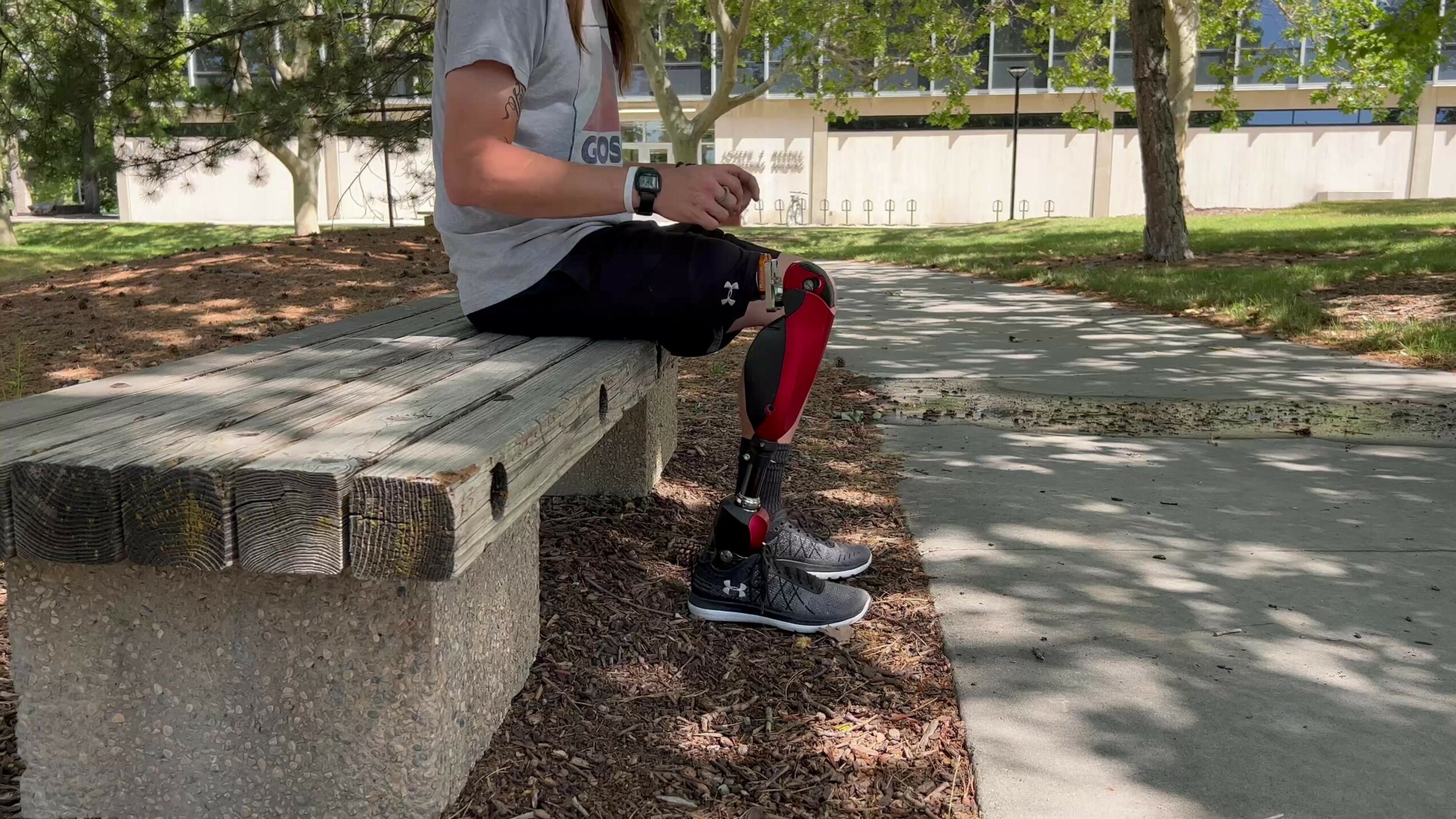
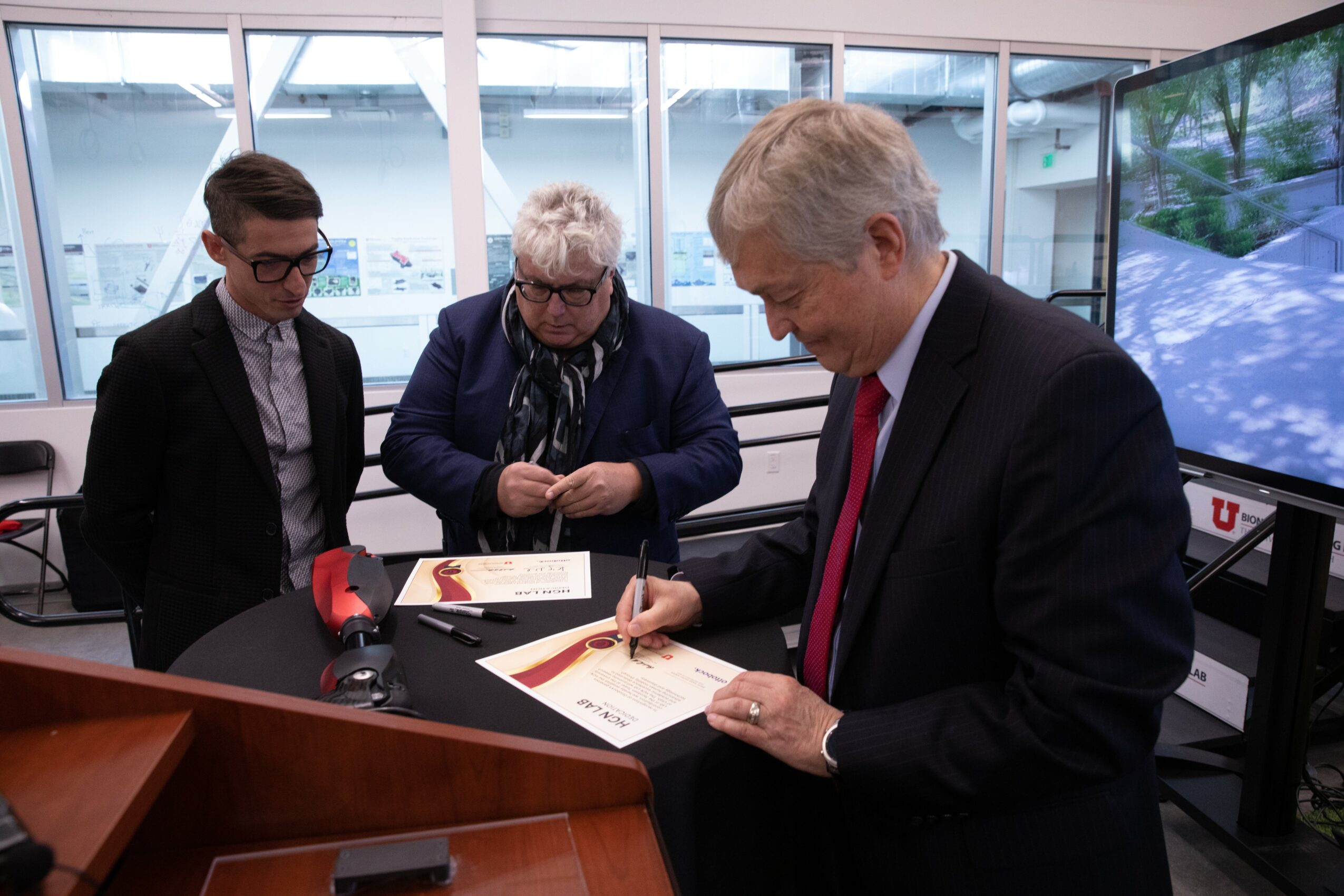
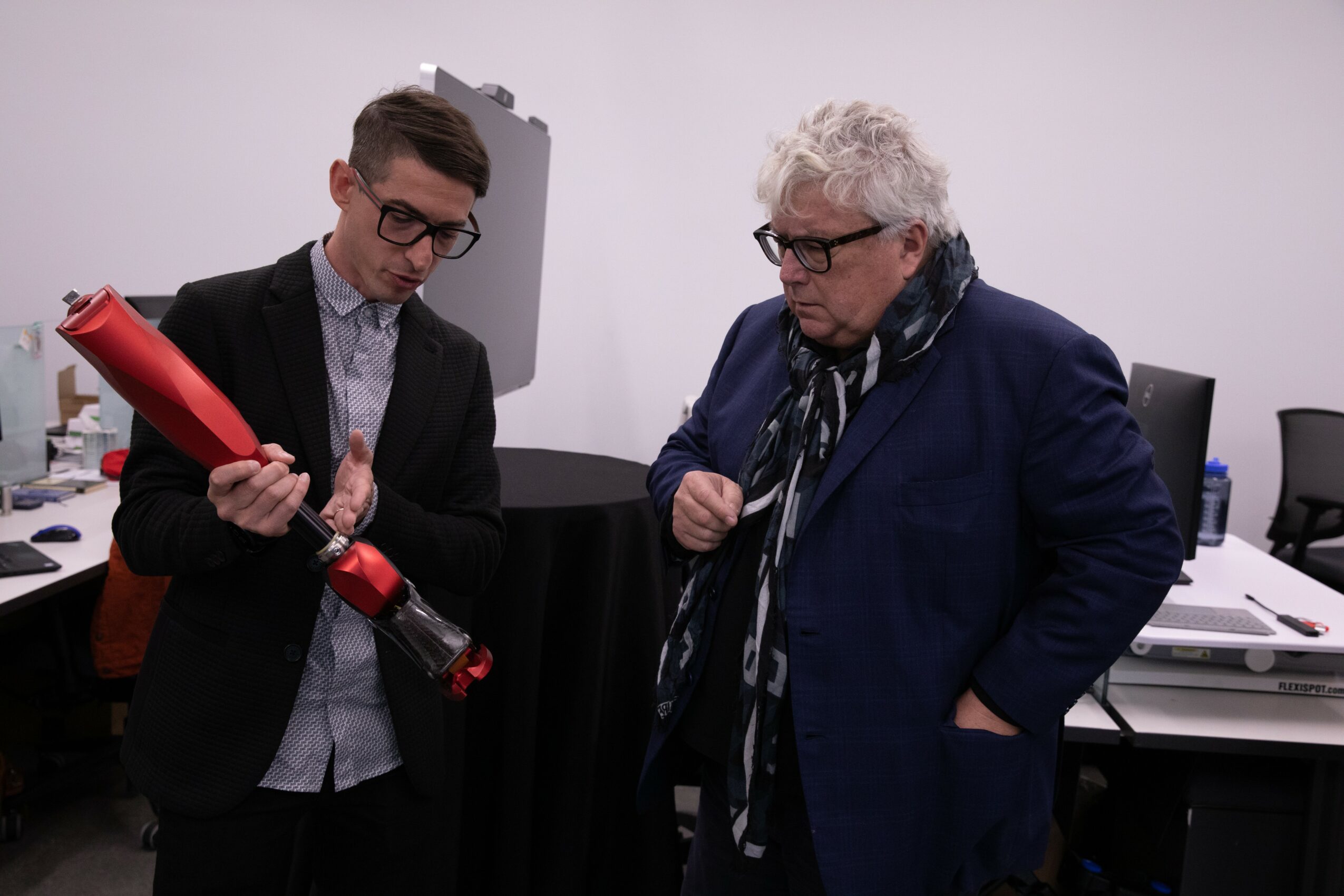
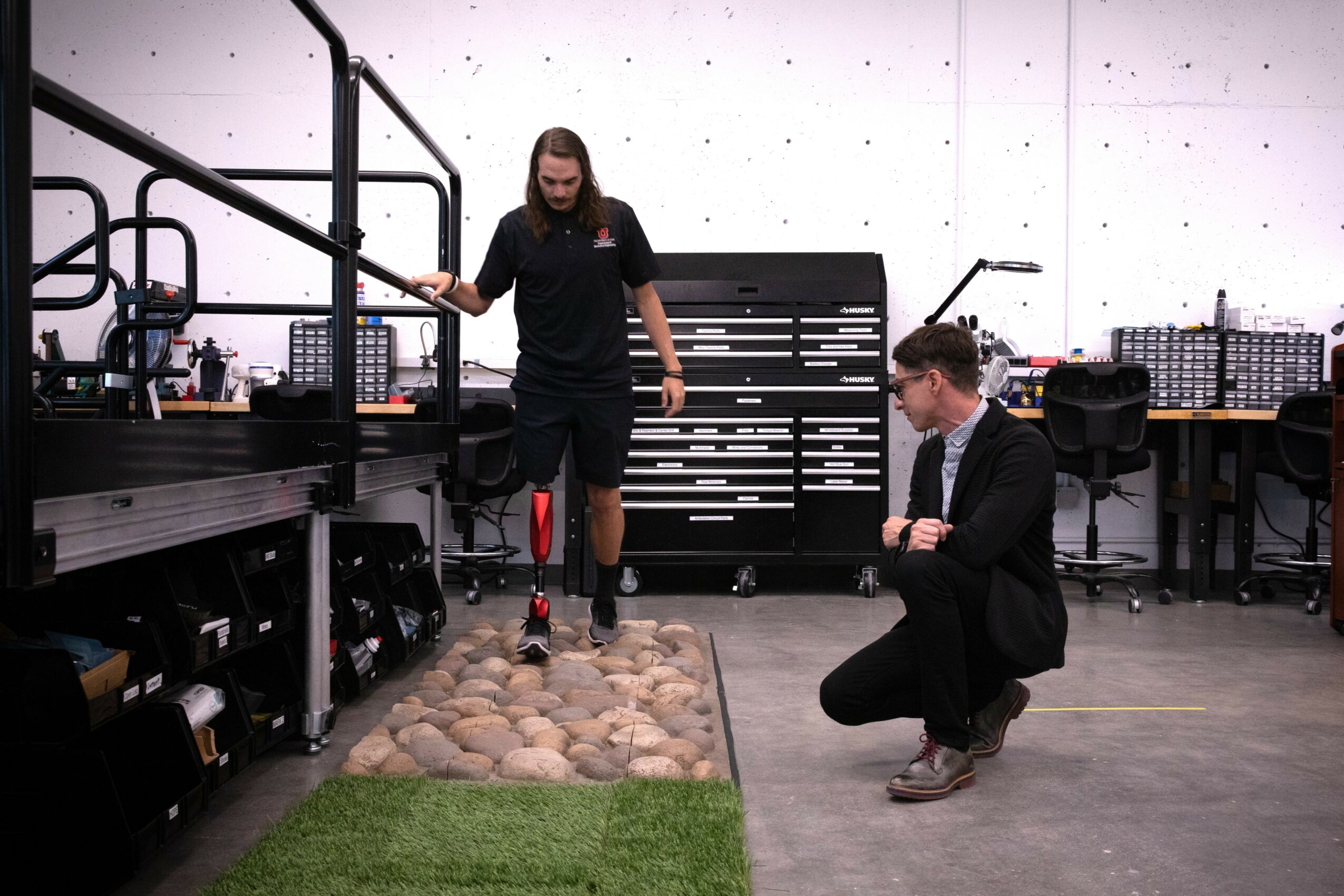
I grew up in Florence, Italy, and I wanted to be an engineer since before I could even remember. I spent my childhood taking things apart and trying to put them back together, and I basically kept doing so up until I earned my PhD in biorobotics from the Sant’Anna School of Advanced Studies in Pisa. My dissertation focused on human-robot symbiosis, the idea that humans and machines or artificial technologies could cooperate so closely that it would be impossible to tell them apart. While I still loved engineering the same way I did as a kid, I missed a sense of purpose and began looking for ways to apply my knowledge and skills to something meaningful, and I wanted to challenge myself to solve an important problem. At its core, all engineers are problem solvers, and with millions of individuals worldwide living with physical disabilities, I could not think of a more important challenge to address than restoring human mobility and independence through technology. With this goal in mind, I took a position in the Center for Bionic Medicine at the Rehabilitation Institute of Chicago (now Shirley Ryan AbilityLab)- the #1 rehabilitation hospital in the US for more than three decades. As a postdoctoral fellow, I learned about amputation, prosthetics, and orthotics by interacting with physicians, therapists, prosthetists, and, most importantly, the patients and their significant others. After a couple of years, I was promoted to Research Scientist, leading the development of a new robotic lower-limb prostheses for individuals with lower-limb amputation. I loved the work I did there, but I could not resist the idea of returning to academia to train the next generation of engineers to work on assistive technologies, while continuing to push the boundaries of what is possible through research. So in 2017, I accepted a professorship in engineering at the University of Utah. Utah has a long history of medical breakthroughs, including the first bionic arm developed by Stephen Jacobsen in the 1970s. Inspired by this legacy, I set out to build a robotic leg prosthesis that can be as strong, nimble, and agile as the human leg. Supported by funding from NIH, NSF, and DOD, I made a breakthrough in actuation technology that resulted in the strongest and lightest prosthesis ever created. We named it the Utah Bionic Leg. It was featured on the cover of Science Robotics in 2022 and was named one of the best inventions by TIME magazine in 2023. This new prosthesis uses motors, sensors, and controls to replicate the biomechanical function of the missing biological leg. With this prosthesis, above-knee amputees can walk more naturally, climb stairs, and cross over obstacles, which is not possible with available technologies. Around the same time the scientific study was published, we partnered with Ottobock, the world’s largest and oldest prosthetics and orthotics company, to make our robotic leg prosthesis available to everyone who needs it. Since then, my graduate students and I have been working with engineers, therapists, and product managers at Ottobock to translate our research prototypes into FDA-approved products that can be used in the real world. In only a few years, our robotic leg prosthesis will be available to people living with lower-limb amputation worldwide, after more than ten years of continuous research, requiring millions of dollars in investment and countless hours in the lab with my graduate students and several dozen amputees who have volunteered to test it and help us make it function the way it should to imrpove their freedom and mobility.
Can you talk to us a bit about the challenges and lessons you’ve learned along the way. Looking back would you say it’s been easy or smooth in retrospect?
There were many challenges and obstacles along the road. Some of them were technical, others were not.
The biggest hurdle was probably bringing people together to work toward the same goal. Our research is highly interdisciplinary. Not only do we need mechanical, electrical, and biomedical engineers, but we also need to collaborate with physicians, physical therapists, prosthetists, and patients. When I started at Utah, there was no established program for that, so we had to figure it out and basically create one from the ground up. Luckily, I found amazing people along the way: the physicians in the Physical Medicine and Rehabilitation Department at the U (Dr. Colby Hansen, MD, above all), physical therapists in the Health Sciences (Dr. Bo Foreman, PT, PhD), local support groups, and patient advocates. Without their support, we would not be able to do what we do. Now the whole University of Utah considers interdisciplinary research essential to its mission, and several programs have been created to support collaborations between engineering and medicine.
Appreciate you sharing that. What else should we know about what you do?
I build technologies that help people to move freely and live independently. I am particularlt interest in bionics, which is the science of building artificial systems and technologies that behave like biological systems. I am known for the Utah Bionic Leg, a robotic leg prosthesis that replicates the biomechanical function of the human leg, empowering individuals with amputations to walk faster and farther while seamlessly navigating obstacles and other environmental barriers.
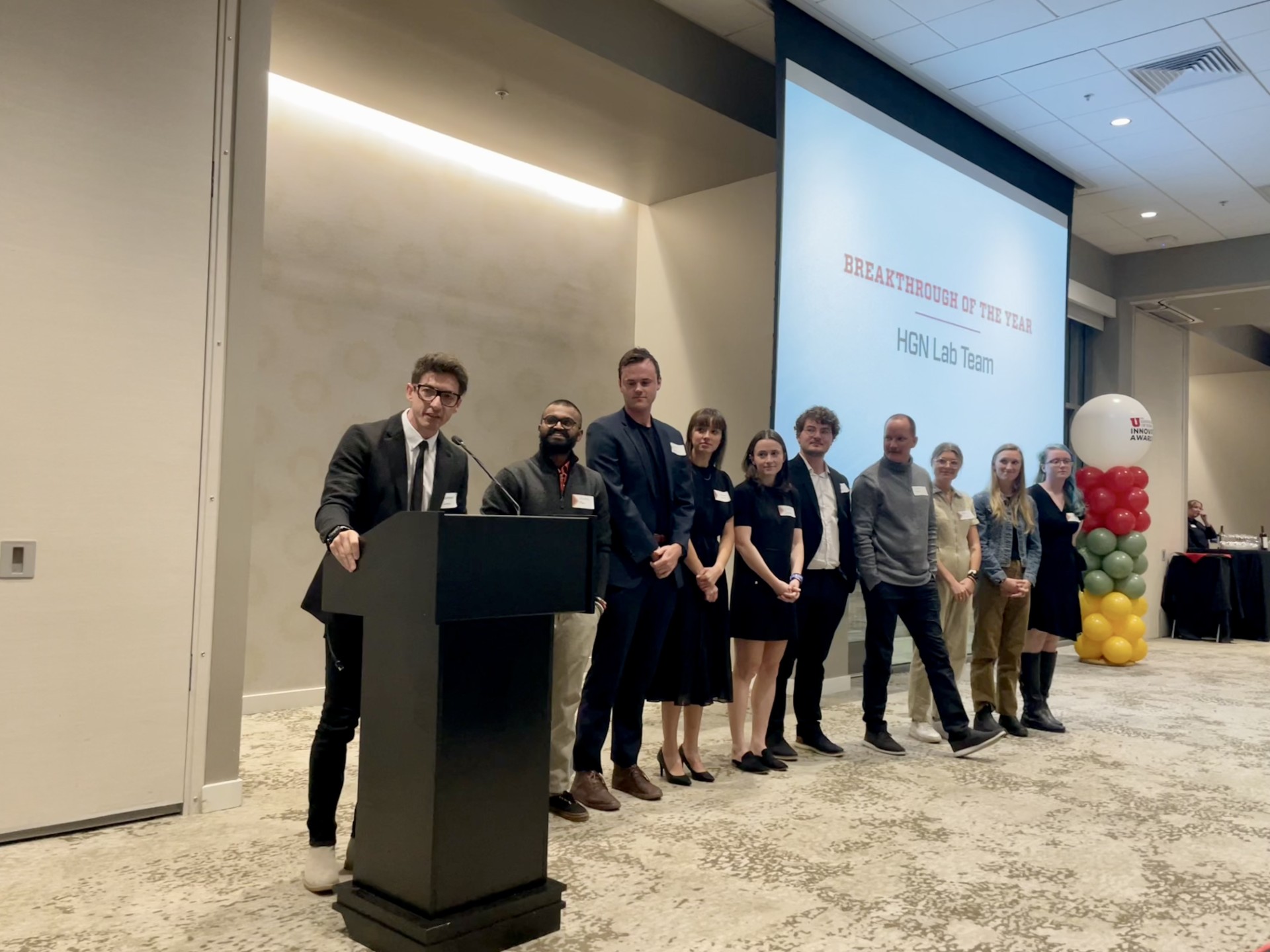
I am proud of this technology, as well as the students that I have trained in my research lab while developing it. They are going to be the ones who will keep pushing the boundaries of what is possible and address the most pressing challenges.
Perhaps what sets me apart from others is that I am highly eclectic. Researchers are typically focused on their small nice and they don’t typically look outside of their discipline. While I love engineering, I am just curious about everything, and I approach my work not only as a researcher but also as an inventor. This approach helped me connect with leaders in industry, which is essential to go from lab research to real world impact.
What matters most to you?
I believe everyone should have the ability to move freely and live independently. I believe that for the first time in humanity’s history, we have an opportunity to overcome physical disability and make sure that everyone will be able to pursue their life goals regardless of congenital body differences or trauma. I want to be part of this revolution.
Contact Info:
- Website: https://hgnlab.mech.utah.edu/
- Instagram: https://www.instagram.com/utahbionics
- LinkedIn: https://www.linkedin.com/in/tlenzi/