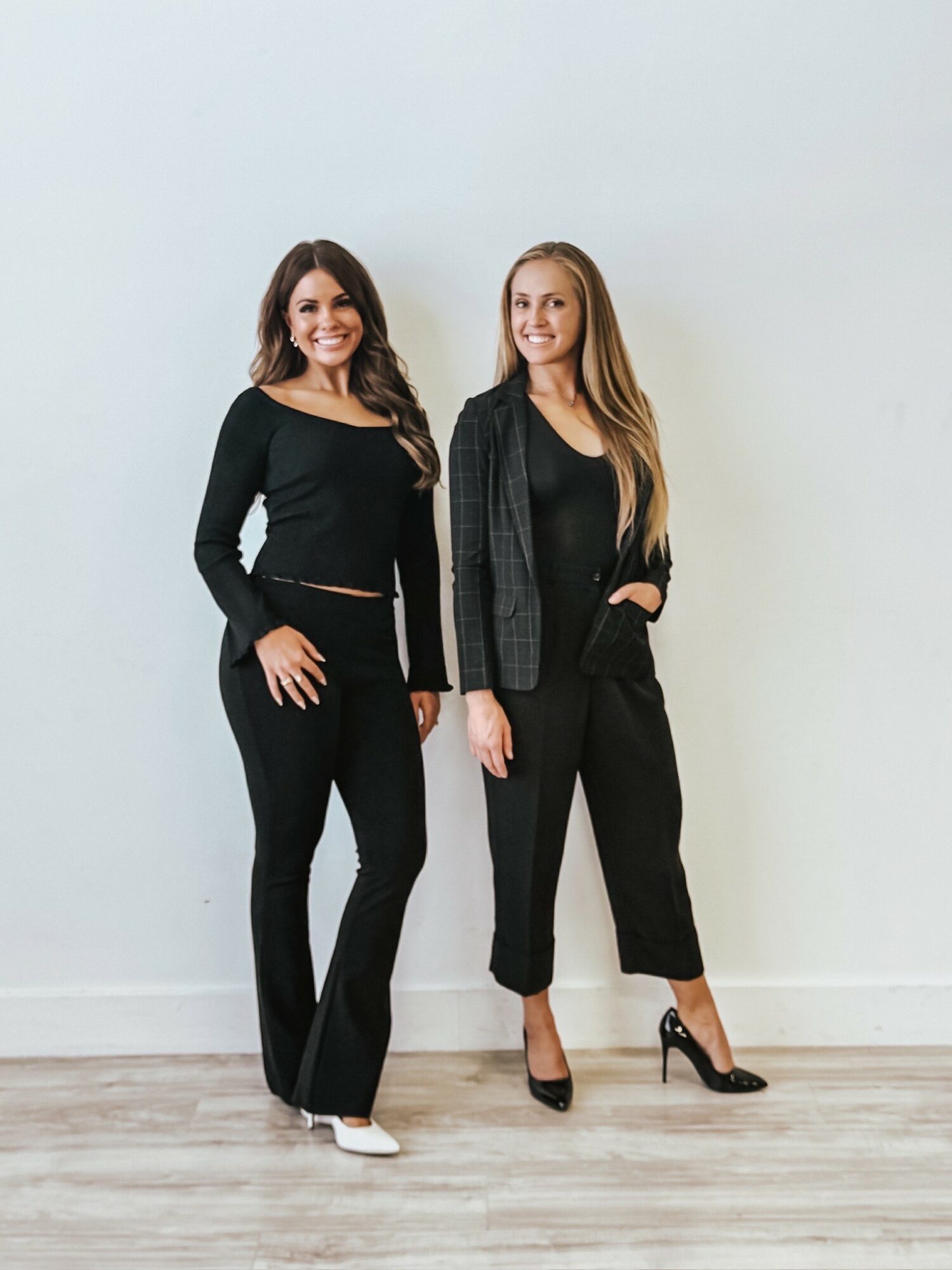



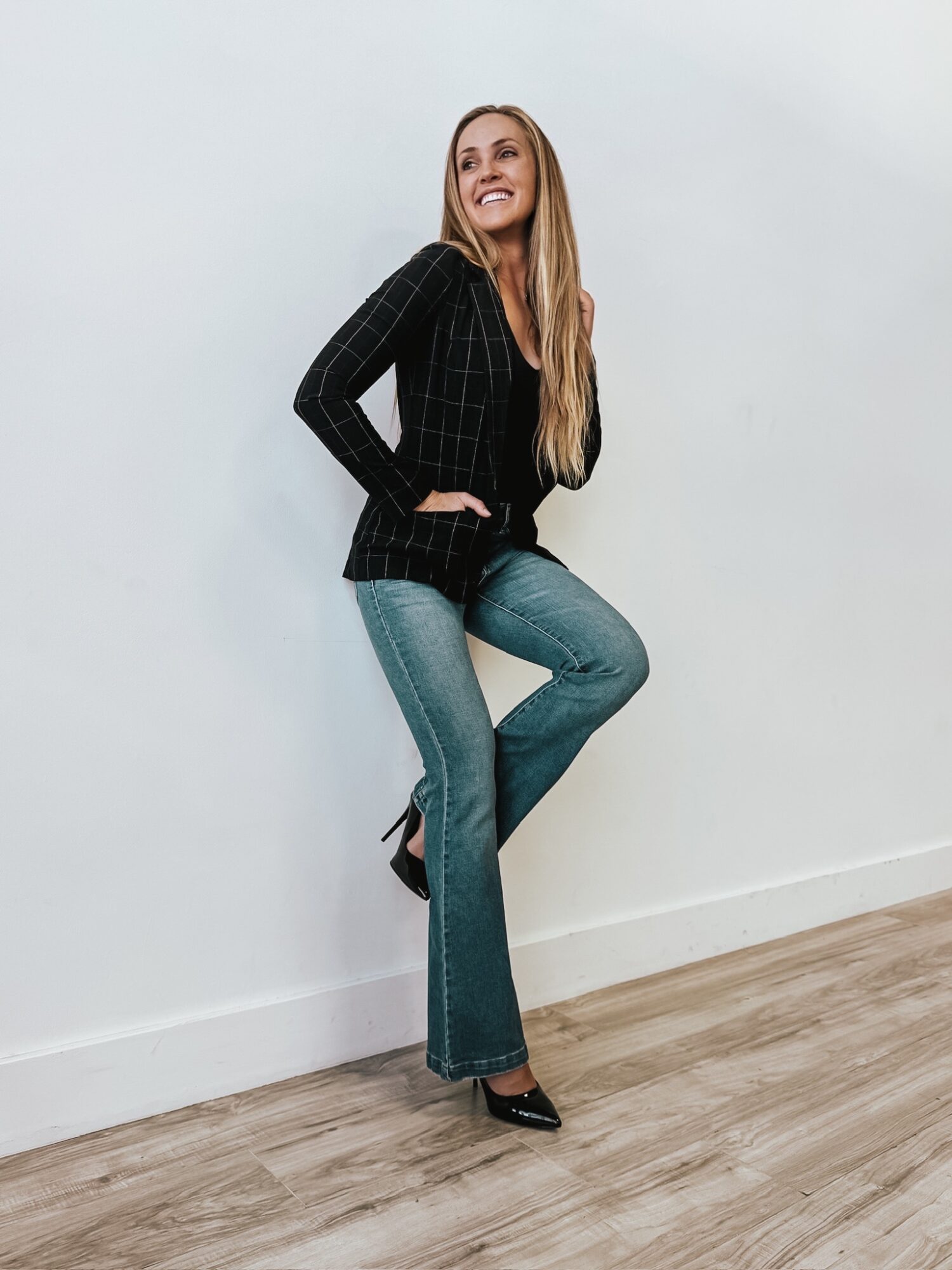
Today we’d like to introduce you to Ashlie Flynn.
Hi Ashlie, we’d love for you to start by introducing yourself.
From my early childhood, I knew I wanted to be in medicine. When people asked me why, I gave them the classic answer-“I want to help people.” For years, I maintained this altruistic view, imagining my future as being one filled with meaningful and memorable moments in medicine. It wasn’t until many years later that the reality of healthcare struck me down again and again.
During high school, I was driven to reach my goal. I took several college courses in the later years of my high school career, putting myself on the fast track to a career in nursing. I attended Weber State University, graduating with my Associates degree in nursing, qualifying me as a registered nurse. I recall completing my precepting shifts near the end of school, spent in places like long-term care facilities and hospital settings. I worked at a long-term care facility as a CNA through high school and was no stranger to the exhausting, grinding, over-utilized, and understaffed scenarios that quickly drown out any shred of hope I maintained for the healthcare system. I started to feel alarmed by what I saw during my years as a CNA and my years precepting-heavy patient loads, criticizing providers, low morale in work environments, and an apathy toward quality care. I must admit that I can recall a handful of nurses I will never forget. These few nurses sincerely did care, and they exhausted themselves doing it. They were rare, but they will always take residence in my mind as heroes, exemplifying true compassion.
Following graduation, I started work on my Baccalaureate degree in nursing. In the middle of earning this degree, I gave birth to my daughter. I spent the rest of the course questioning why I was earning this degree. It would not provide me with a pay raise or better hours, and I was dying inside to spend my free time with my baby (or sleeping, as I was working nights at the hospital and caring for my baby during the day). Something inside told me to push on, that someday it would all pull itself together.
During this time, I was working on the med/surg unit at Logan Regional Hospital. I started right out of school, as they were desperate for staff. They were also desperate for charge nurses, which meant that I was asked to be a charge nurse within my first month on the unit. I accepted (I had not learned the value of saying ‘no’ yet), which meant during my shifts, I was responsible for watching over the unit while maintaining my own load of 6-7 patients. I went to work every shift with crippling anxiety, but refused to recognize it at that time, telling myself it was just something wrong with me and it would get better if I pushed through (I was not provided with great coping skills as a child). I got calls or text messages most days of the week asking if I wanted to work extra shifts. There was never enough staff. I maintained the desire to provide raw, caring interactions with my patients, but I could see this desire starting to collide with a reality check, as every night I found myself lacking time, emotional stamina, and energy.
After one year on med/surg, I accepted the fact that it was not for me. I transferred to a small ICU at the same hospital. Here, my patient load was reduced, which allowed me to breathe a little easier. Some nights were non-stop, but some nights were quiet. It was unpredictable. I didn’t mind the excitement of not knowing what I was going to walk into, but I found myself sinking deeper and deeper into my own anxiety.
After 1.5 years in the ICU, my husband I decided to move our family back to our roots. We wanted our daughter to get to know her cousins. I got a job on the Neurocritical Care Unit at IMC. I continued working nights there, as I had some hesitations about sending my daughter to daycare, and maintained the belief that we could manage without it. My husband watched her at night, and I watched her during the day in between my shifts. When I started on the neurocritical care unit, I had high hopes. I thought I was going to fall in love with it. I loved the mystery and science of the brain, and I again developed a false hope that I would save numerous lives.
I loved the staff on the unit, but I did not find myself saving lives like I had hoped. Instead, I found myself crying on my way home, realizing that the majority of my patients would not ever wake up, and if they did, they likely wouldn’t want to be alive. I saw strokes that left people immobile and hopeless. I saw kids who decided to play Russian Roulette, resulting in organ donation. I saw kids watch their mother or father intubated, lifeless, and completely unable to interact. I will never forget when the children of a young mom asked me if she was going to be okay. I was speechless, but went outside and cried, because I knew she was not going to be okay. Combine that with angry families, constant changes in hospital policy, very little sleep, and not enough staff, and eventually you start to see an unfortunate change in yourself.
During my time on the neurocritical care unit, I gave birth to my son. I was working every weekend, trying to maintain some sort of sleep schedule. It wasn’t until two years after I left that job that I realized I had changed. I was constantly dwelling on the sadness and despair I saw weekly. I rarely got to see these people get better, and it was challenging my ability to be human. I had hoped to have raw, emotional experiences with my patients, but instead I found myself emotionless. Later, I realized it was a defense mechanism. If I tried not to feel anything, I couldn’t feel as depressed. I tried to eliminate the contrast between happiness and desperation, and I was successful. After time and lots of therapy, I feel much lighter and more like myself. Those moments will always replay in my head. I will always have those devastating shifts ready to play on repeat, but I am getting closer to a place where I can cope with them.
My time in the neurocritical care unit helped me realize that I was not where I was supposed to be. I was where people had told me I should be, but there was something different out there for me. I left there and started a telemedicine hospice job and applied to DNP school, thinking for sure I wouldn’t get in. When I opened my acceptance letter, I sat in my car and cried. They were not tears of joy, they were tears of fear. I had no idea how I was going to do this, but I knew I had to. Something wasn’t right.
I completed a program that allowed me to move straight from my Baccalaureate degree to my Doctorate, making my Baccalaureate degree worth it. I worked full-time, cared for a family, and somehow succeeded in my program. Following school, I started a job at a small family practice. I felt that it was more sustainable than the other places I had been. I absolutely loved the people. I had high hopes and gave it my all. It wasn’t long before I started to realize that it was the same beast I had fought in the past, just hiding in a different cloak. Here, I dealt with angry patients, telling young mothers they had cancer, insurance dictating my every move, seeing far too many patients per day, and spending my off-hours and vacations catching up on charting. Again, it didn’t feel right.
I spent two years in family practice. During that time, I found aesthetics. I completed a training course in cosmetic injections and started a small Botox business, which I ran out of my home on nights and weekends. Eventually, I realized that my business was stagnant. For it to grow, I had to put more time into it and move it to a bigger space. So, I did. I quit my family practice job. I opened a brick-and-mortar, questioning myself the entire time, but knowing that I had to regain control of my practice and my time. I missed my kids. My daughter was nine and my son was seven at this point, and one day I realized how much of that I had missed. I missed so many of the quiet, stupid Sunday mornings with absolutely nothing going on. I wanted those, and wanted them without patient notes and blue light in front of my face.
So, I did. I did something really scary. I opened the brick and mortar. I am still unsure of myself, but something about this feels right. I have time for the important things in my life, including my patients. I am not controlled by insurance. I no longer have to choose between my patients and my family, and I have full control over my practice and my time. I finally landed where I belong.
I’m sure it wasn’t obstacle-free, but would you say the journey has been fairly smooth so far?
The road has been rocky. As mentioned in the last section, I have missed nights of sleep and precious moments with my kids. I learned the hard way that healthcare is broken. Healthcare should be focused on the patients, but the main focus is money. Providers are working harder for less, and they are paying for it, along with the patients. Patients and providers deserve more.
Can you tell our readers more about what you do and what you think sets you apart from others?
My practice is small. It is me and Ellie, a Master Esthetician. She provides facials, chemical peels, microneedling, and dermaplaning. I provide neurotoxins, dermal fillers, and weight loss services. There are many other things I want to grow into in the future. The thing that sets us apart the most is that we have time for our patients, and we really strive to connect with them.
We all have a different way of looking at and defining success. How do you define success?
Success is learning from your mistakes and doing it better the next time.
Contact Info:
- Website: https://www.oquirrhaesthetics.com
- Instagram: https://www.instagram.com/oquirrhaesthetics
- Facebook: https://www.facebook.com/oquirrhaesthetics