


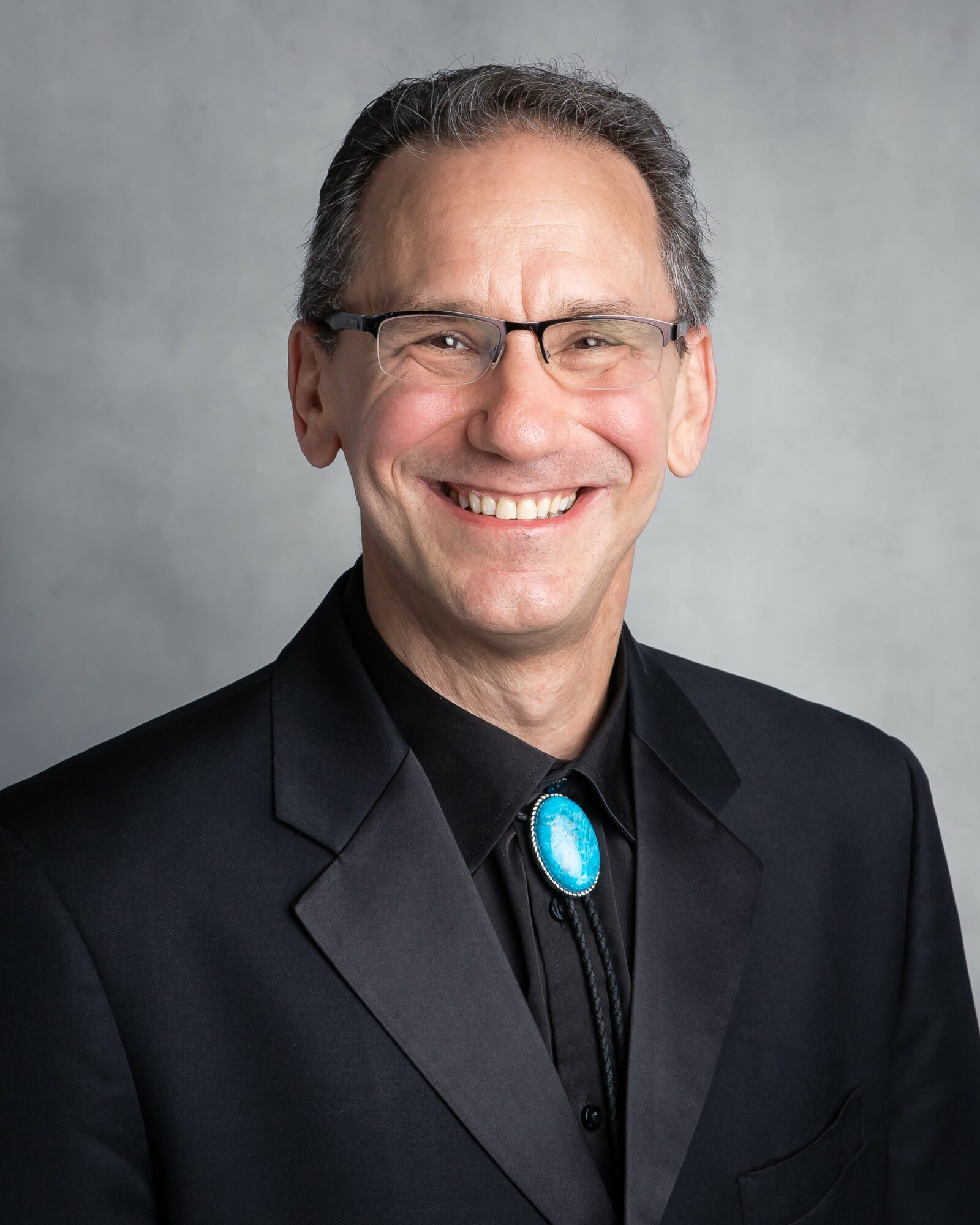
Today we’d like to introduce you to Gabriel Gordon.
Hi Gabriel, so excited to have you on the platform. So before we get into questions about your work-life, maybe you can bring our readers up to speed on your story and how you got to where you are today?
From a young age, music wasn’t just an activity for me; it was a pathway to connection. I always felt strong emotions when I made music, but I didn’t fully understand why until I was eight years old. Attending a music camp for the first time, I played in an orchestra, joining a community of young musicians. We were also required to sing in the Concert Choir. At our final performance, we sang the Old Irish Blessing. Standing there, surrounded by my peers, I felt our voices fill the concert hall. Tears streamed down our faces—both performers and audience alike. In that moment, something extraordinary happened. I felt a connection—not just to those singing beside me but to everyone in the hall. I realized music was no longer simply something I loved; it could unite people. That night, music became my life.
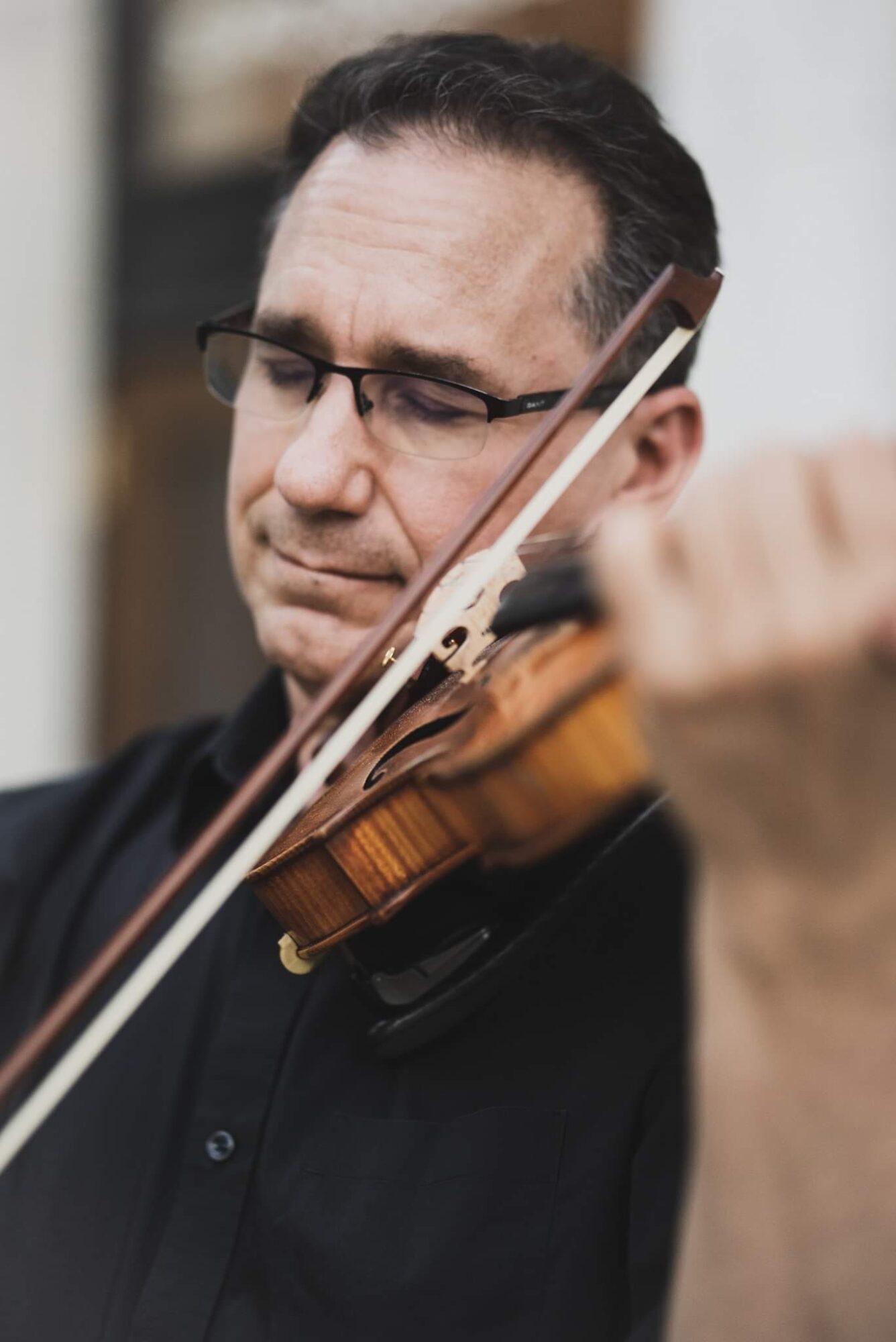
This realization propelled me into my violin playing, where the intense feelings I had seemed to flow through me, creating a circuit between the performer, other musicians, and the audience. My friends in the orchestra noticed it. Audiences noticed it. My joy in performing grew exponentially. Yet, it took years to understand what that connection truly meant.
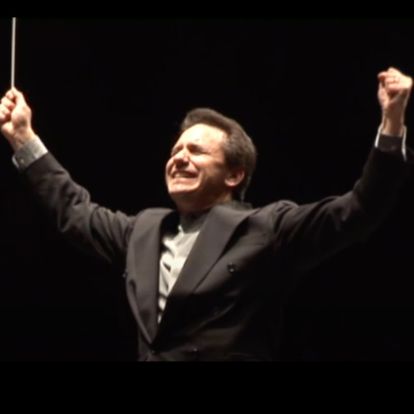
In 1998, I began conducting. After September 11, 2001, I produced and conducted a performance of Beethoven’s Ninth Symphony called Concert for Humanity. While many orchestras performed requiems and music of mourning, I wanted to offer a different message: we could acknowledge the tragedy yet choose hope over fear. That concert became an epiphany. The musicians, soloists, chorus, and audience engaged with one another in a profound, almost palpable way. The connection I first discovered as a child was magnified a thousandfold.We raised $30,000 for the Red Cross Disaster Relief Fund, but the money was only part of what made the experience meaningful. That night changed my understanding of why I make music. Until then, I thought I was simply born to be a musician. I realized my deeper vocation was to create peace by bringing people together through music.This realization has shaped everything I’ve done since.
When I became Music Director of a youth symphony in Albuquerque, I wanted my students to see that music was about much more than notes, rhythms, and learning to play an instrument. I aimed to help them discover how the discipline of making music together could make them better listeners, collaborators, and ultimately, better human beings.
I carried that philosophy into my professional and educational work in Utah.The more I conduct, the more convinced I become that an orchestra has something important to teach us about being human. An ensemble can’t succeed unless its members listen to one another. Each musician has an individual voice, but that voice gains meaning only in relation to everyone else. We learn to pay attention, respond, trust, compromise, and contribute to something larger than ourselves. In that sense, listening is an act of compassion. And that is why music matters so deeply to me.
A great performance does much more than entertain; it allows us to recognize something of ourselves in one another. For a brief time, strangers sit together in a concert hall, sharing the same experience. Unlike any other experience, we breathe together, listen together, and feel together. We become part of the ensemble onstage. I have spent my life trying to create those moments.My hope is to continue building musical experiences that connect people and inspire them to become their best selves, contributing to a more peaceful and compassionate world. When I think back to that eight-year-old boy singing the Old Irish Blessing, I realize I have been following the same feeling ever since. What I thought I discovered that day was music; in reality, I discovered connection. I have spent the rest of my life trying to share it with others.
Alright, so let’s dig a little deeper into the story – has it been an easy path overall and if not, what were the challenges you’ve had to overcome?
Struggling is an integral part of the journey! I firmly believe that anything worth pursuing involves challenges. I often remind my students that if they are becoming musicians solely for the applause at concerts, they should prepare for disappointment, as those moments are merely the culmination of countless hours of study, practice, and relentless dedication.
I began my musical journey at six years old, so I didn’t fully grasp this at first. At that age, I was simply immersed in what I loved, spending hours playing and practicing. That sense of joy is crucial; you must enjoy the process to truly thrive as a professional musician. As I discovered early on, the connection made during a performance can make all other difficulties feel less significant.
Another obstacle can be how we artists are viewed by the public. Many people think that Art isn’t a working vocation, is only done for fun, and isn’t essential, which is why it isn’t as well supported as other vocations here in the US. While many other jobs make our lives better, or even saves lives, Art is the thing that makes our lives worth living, and as I have described, requires many years of training (I trained for twenty years myself) and dedication to get to a level of being able to perform. Love your local musicians and pay them well, as they are working very hard for your fulfillment!
Starting so young helped shape my identity and gave me the resilience to face many struggles. In my early years, I often felt separate from my peers, who played and socialized while I practiced. As I grew older, the challenges became more tangible. Just keeping a roof over my head turned into a struggle. I’ve had to move several times throughout my life, each time essentially starting from scratch in my career.
Yet, despite these challenges, I’ve been fortunate in many ways. The unwavering clarity of purpose—knowing that music was my path—has been a major reason for my success. This framing of my life has provided me with the motivation to push through obstacles and continue pursuing my passion, regardless of the struggles that arise. In this important way, I have tied my life to my work intentionally.
Alright, so let’s switch gears a bit and talk business. What should we know about your work?
These days, I find myself dividing my time among various pursuits that enrich my musical journey. I conduct orchestral symphonies and orchestras for ballets—two vastly different but equally rewarding experiences. Additionally, I teach privately and at Syracuse Arts Academy, where I focus on strings for middle school students. I am also a professor at Westminster University conducting their orchestra, serve as concertmaster of the Chamber Orchestra Ogden, perform chamber music, create arrangements for others, and travel extensively to engage in these various roles.
What sets me apart is my versatility and the joy I derive from all aspects of my work, even after 50 years in the field. I’ve been fortunate to enjoy incredible experiences that many can only dream of.
I’ve conducted at prestigious venues like Carnegie Hall, the Sydney Opera House, the Mozarteum in Salzburg, Abravanel Hall, and the Capitol Theater in Utah, among many others around the globe. Meeting and performing with some of the greatest musicians and artists, including Leonard Bernstein, Zubin Mehta, and Itzhak Perlman, has been a true blessing.
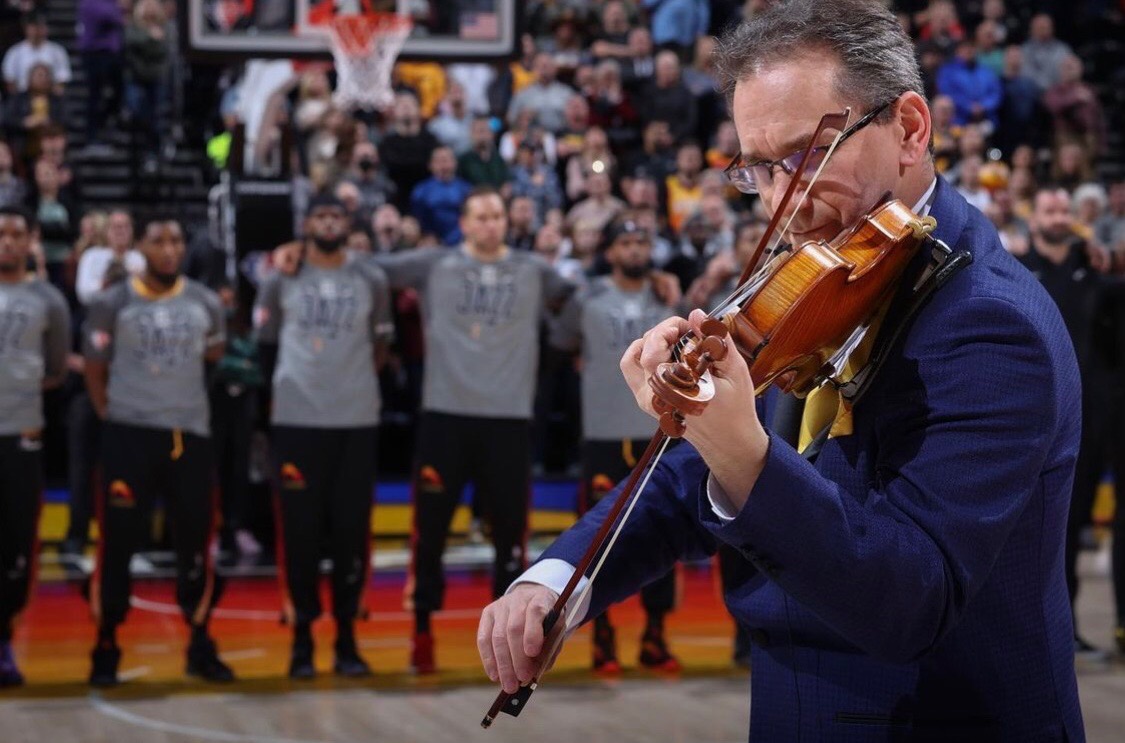
One of my most memorable achievements was conducting Beethoven’s Ninth Symphony to raise $30,000 for the Red Cross following September 11. I also had the honor of performing my arrangement of Ukraine’s National Anthem for the Utah Jazz, which was broadcast worldwide. For the music enthusiasts out there, I might be the only person you know who has performed all of Beethoven’s String Quartets, Piano and Violin Sonatas, String Trios, and Piano Trios, as well as conducted all Nine Symphonies.
As an entrepreneur, I have started several successful organizations like The DaPonte Quartet in Philadelphia, and NEXT Ensemble here in Ogden, Utah.
Additionally, I have played at countless weddings, funerals, bar mitzvahs, and various important occasions for families, each performance carrying its own significance and emotional weight.
What are your plans for the future?
As a serial entrepreneur, I am always thinking about the next thing! But really, my plate is currently so full I am happy to work on what is right in front of me. In the next 3 months, I will perform as concertmaster, as conductor for two different orchestras in two different states in the same week, and with 4 different Ballet companies across the country including Ballet West here locally, and I recently just got married as well. There are, thankfully, many things I would still like to do, and I have no intention of ever retiring. Why would I? I am having way too much fun!
Contact Info:
- Website: https://gabrielgordon.net/
- Instagram: gabrielgordonconductorviolin
- Facebook: https://www.facebook.com/gabriel.gordon.589
- LinkedIn: https://www.linkedin.com/in/gabrieltheartoflistening/
- Youtube: https://www.youtube.com/@GabrielGordonTheArtofListening