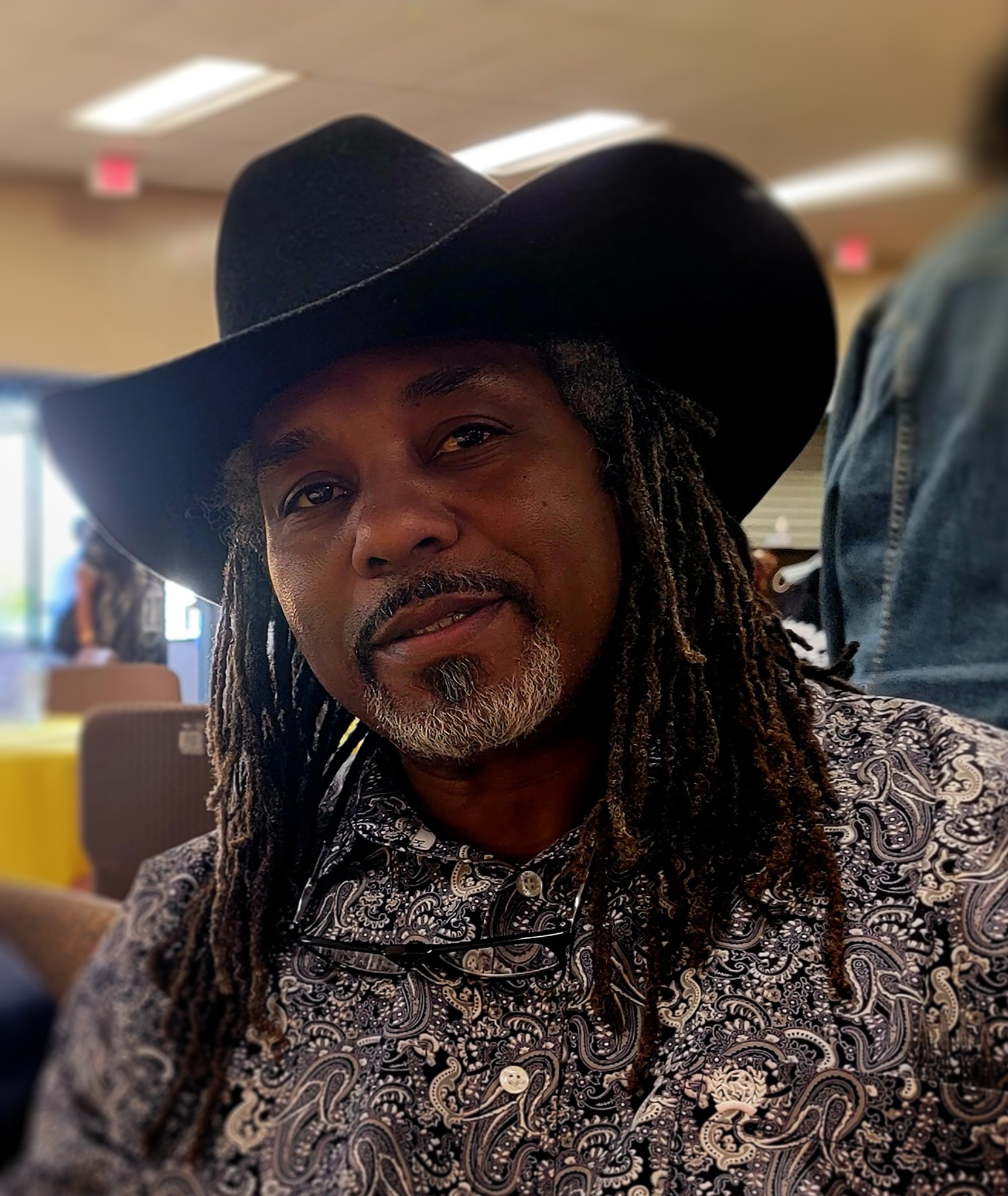



Today we’d like to introduce you to Glenn Morris.
Hi Glenn, we’re thrilled to have a chance to learn your story today. So, before we get into specifics, maybe you can briefly walk us through how you got to where you are today?
A Journey That Fell Into My Lap
This entire journey seems to have fallen into my lap.
In 2016, a friend mentioned that he had a sawmill in Arizona that needed to be picked up. I was excited about the possibility, but what initially sounded like a straightforward opportunity ended up taking nearly three years to come to fruition.
Finally, in December 2019, we made the trip from Southern Utah to Casa Grande, Arizona, where we recovered an old 50-foot Brand X Swing Blade Sawmill and transported it back to our property in Utah.
With a little help from friends in the community, we were able to bring the machine up to operating standards. Once it was running, my focus began to shift. I realized that I could do something I had never seriously considered before: produce my own lumber.
I contacted the manufacturer of the mill, and he graciously walked me through the operating and safety procedures. He also provided literature to reinforce the information he had shared with me over the phone. His guidance gave me a foundation, but there was still a great deal to learn.
At that point, I had absolutely no experience operating a sawmill. I was eager to mill my first log, but there was one small problem: I didn’t have one.
Not long afterward, while driving down the main road one afternoon, I passed a tree service working in the area. I was able to scrounge a Cottonwood log from them, giving me my first opportunity to put the mill to work.
From there, things began to move quickly. Before long, I had familiarized myself with the mill and was producing lumber from several tons of American Elm logs that had been gifted to me.
I eventually milled lumber for two of our greenhouses, and those projects gave me a much better understanding of the craft and of how the skills I was developing could be applied to practical projects.
Then, on May 30, 2024, everything changed.
A fire broke out at the mill.
The fire damaged a portion of the track and brought the operation to an unexpected halt. After investing years of time into learning the mill, developing my skills, and building the operation around it, seeing that machine and the work it represented damaged by fire was difficult.
At the time, I didn’t know exactly what the next step would be. The mill had become much more than a piece of equipment. It was where I had learned the craft, experimented with different materials, produced lumber for our own projects, and begun to see the possibility of turning something I had stumbled into into a business.
But the fire also forced a decision. Rather than letting the setback bring the operation to an end, we began looking for a way forward.
Just one week later, on June 6, we purchased our second mill.
The second machine was initially purchased for milling slab wood, but circumstances changed our plans. We have since modified it to handle larger materials, giving us capabilities that we didn’t have with the original setup.
In an unexpected way, the fire became another turning point in the journey. What had initially looked like a major setback ultimately pushed us to rethink the operation and consider what it could become.
During the years in which we were acquiring and developing the mills, I was also farming organic produce and raising hens. This season, I made the decision to step away from the farm and devote my time and energy to the sawmill and to growing the business.
Today, we are expanding the operation, installing facilities to house our equipment while continuing to modify and improve the mills and transport vehicles.
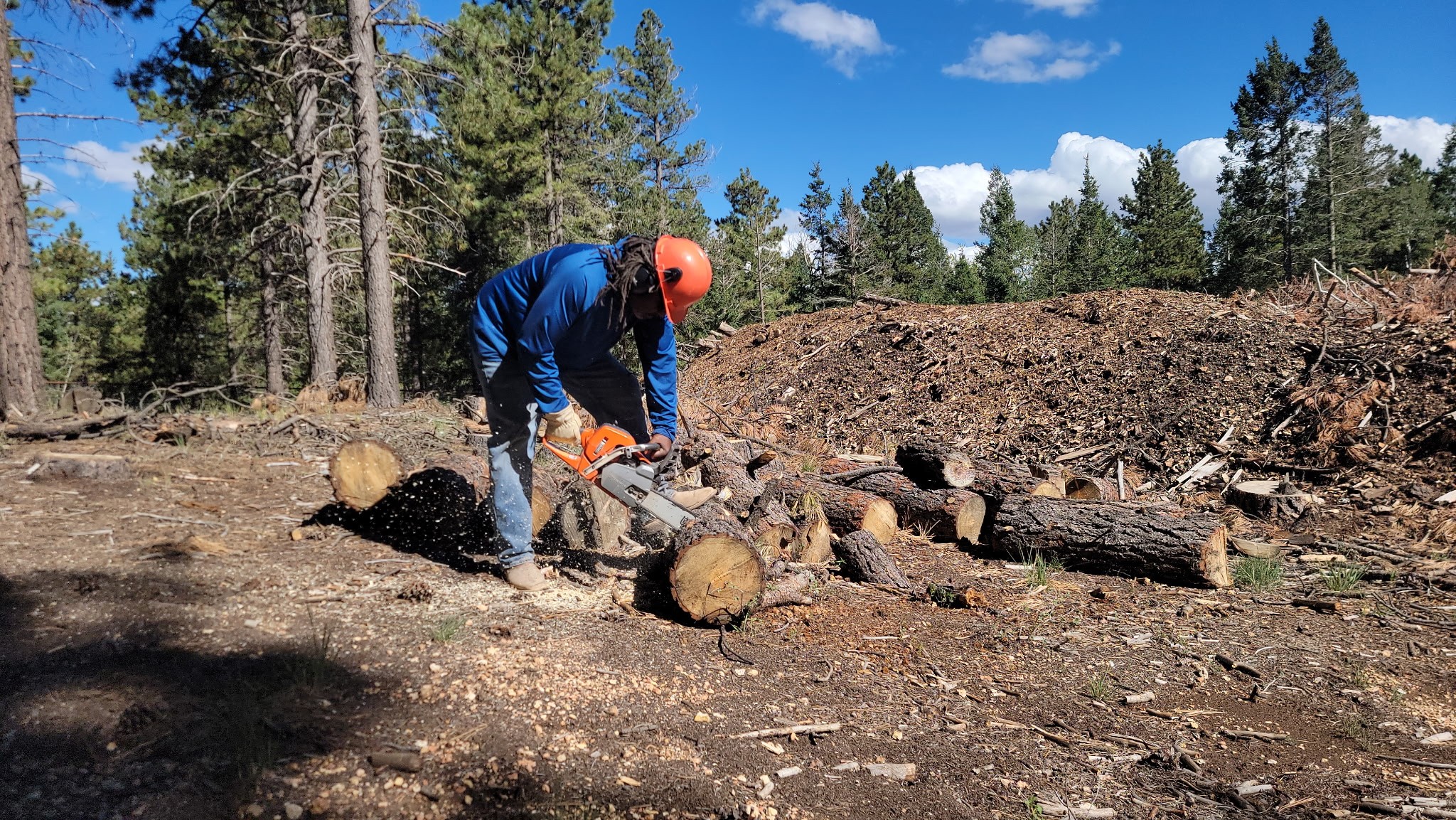
We went live in the early spring of this year, and it wasn’t long before clients began reaching out and placing orders. Since then, we have produced rough-sawn lumber in a wide range of sizes, from 26-foot beams to 1-inch batons.
Looking back, none of this was something I set out to do in the beginning. It started with a casual conversation in 2016, followed by three years of waiting, an old sawmill in Arizona, and a willingness to see where the opportunity might lead.
Then came the fire, a moment that could have brought the journey to an end.
Instead, it became another chapter.
What began almost by accident has developed into a craft, a business, and a new direction. The original mill taught me how to mill lumber. The fire taught me that the journey wasn’t necessarily tied to one particular machine.
And now, with a second mill and a growing operation, the journey is still unfolding.
I’m sure it wasn’t obstacle-free, but would you say the journey has been fairly smooth so far?
Keeping it Running
Black Wood Mill has, for the most part, been self-sufficient. It didn’t take long, however, to realize that larger equipment comes with larger repair bills. Fortunately, we have a small team of independent tradesmen who are willing to come together when something needs attention. Their knowledge, skills, and willingness to lend a hand have been invaluable in keeping the operation moving forward.
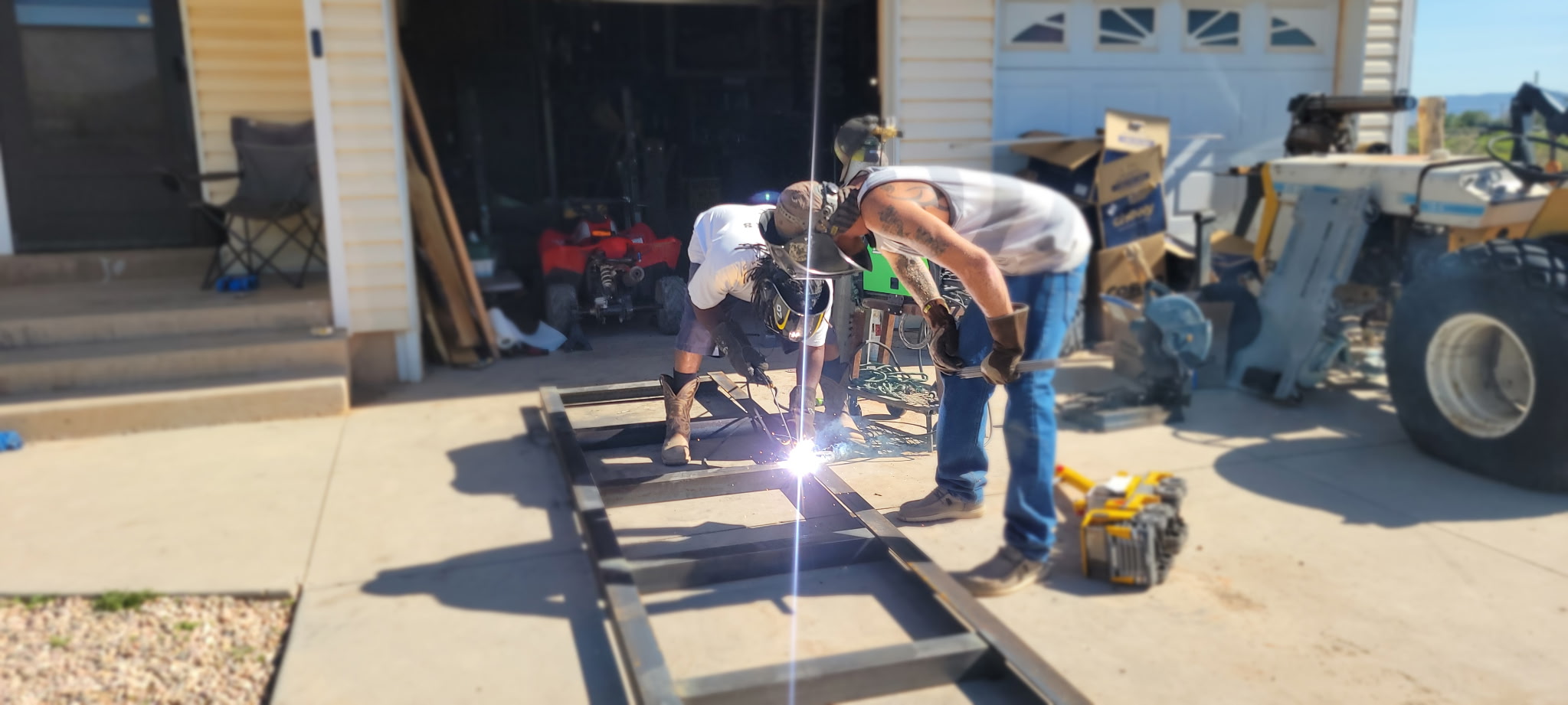
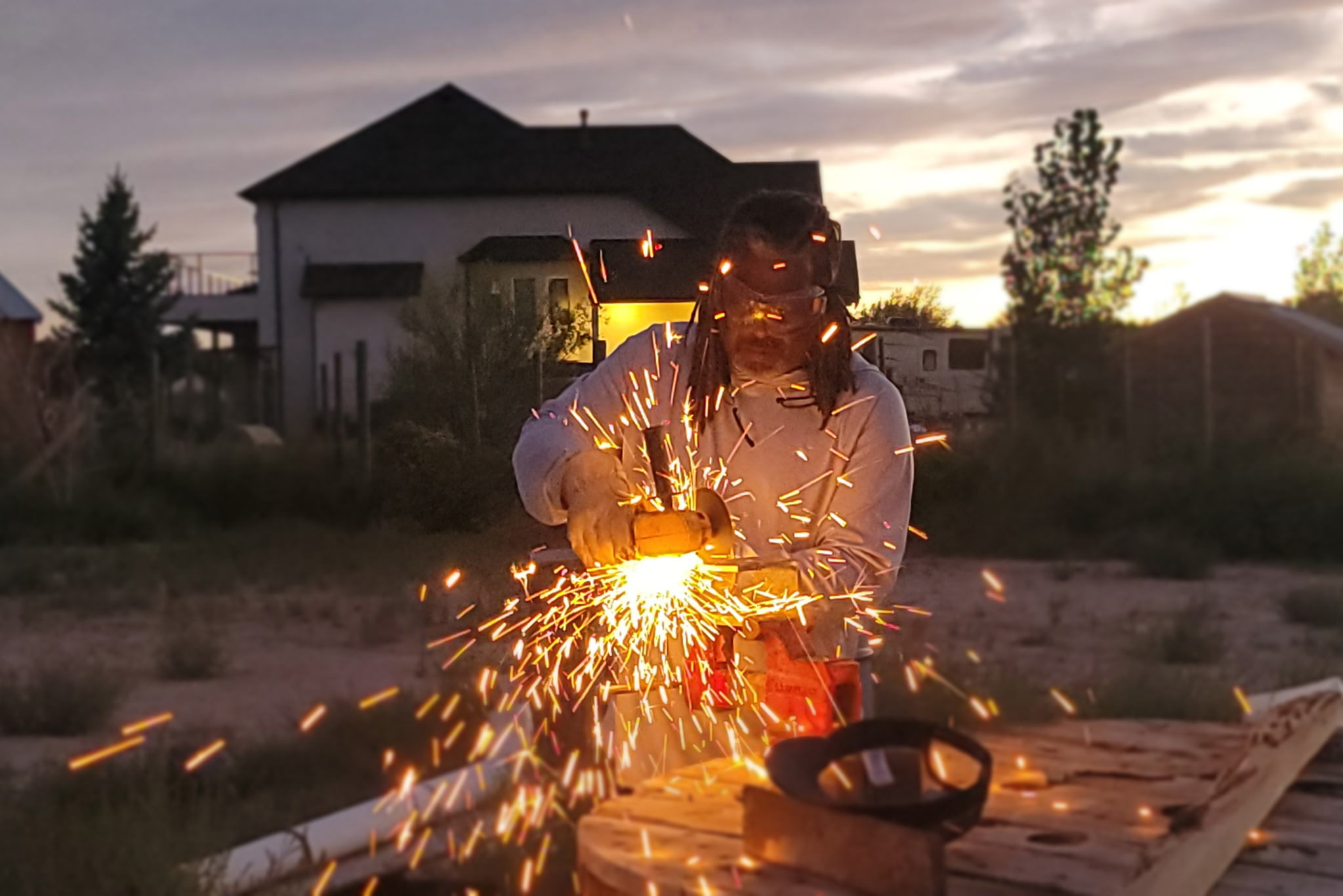
Along the way, I’ve also been teaching myself the craft of welding. Learning how to fabricate and repair with molten metal has been a game changer. Being able to make or repair what we need, rather than always having to call someone else or purchase a replacement, has certainly saved us money and given me an entirely new skill set in the process.
If I had to sum up this entire experience, I’d have to say that mechanical failures have been a recurring theme from the very beginning.
We’ve blown an engine on a tractor, burned up two angle grinders, a drill, a worm-drive circular saw, and a metal-cutting chop saw. The Brand X is currently operational, but it’s in dire need of a new lift system for the gantry. Our trailers have presented their own challenges, including critical brake issues, wiring failures, and more than a few tire blowouts.
And then there are the unexpected failures that seem to happen at exactly the wrong time. On two separate occasions, an auger seized up, temporarily limiting our ability to dig the holes we needed.
At times, it can feel like the list of things that need fixing never really ends. Just when one problem is resolved, another seems to find its way to the surface.
And we’re no spring chickens ourselves.
Injuries have inevitably become part of the story, adding another layer to the long list of challenges that have accompanied this journey. The work is physical, the equipment is demanding, and there are days when everything seems to be working against us.
But when I step back and look at the bigger picture, I don’t necessarily see these events as failures or misfortunes. I see them as opportunities.
Every broken machine has taught us something. Every repair has added another skill. Every setback has required patience, creativity, and perseverance. And every difficult day has provided an opportunity to grow, not just in our abilities, but in our character.
After everything we’ve been through, I’ve come to believe that some of the greatest lessons aren’t found when everything is going right. They’re found in the moments when something breaks, plans change, and you have to figure out how to keep moving forward. For me, these have become opportunities for spiritual growth and character building, lessons that probably couldn’t have been learned any other way.
As you know, we’re big fans of you and your work. For our readers who might not be as familiar what can you tell them about what you do?
A Life of Learning
If there is one thing I’ve learned about myself over the years, it’s that I’ve never been very good at staying in one lane.
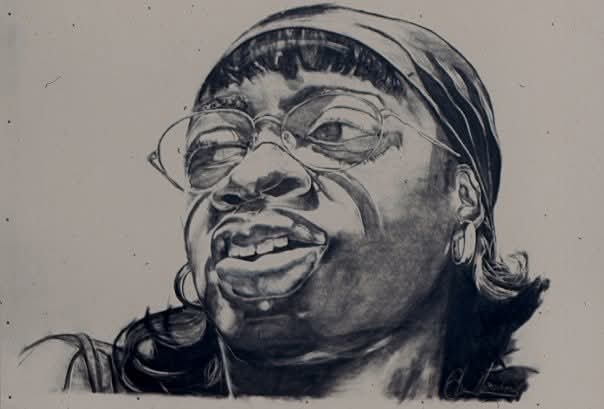
Believe it or not, I am best known as a fine artist. I have been prolific in my work and have had the opportunity to exhibit in museums, galleries, and fundraising events. I currently serve on the Board of Trustees for the People’s Gallery in Historic Downtown Riverside, California.
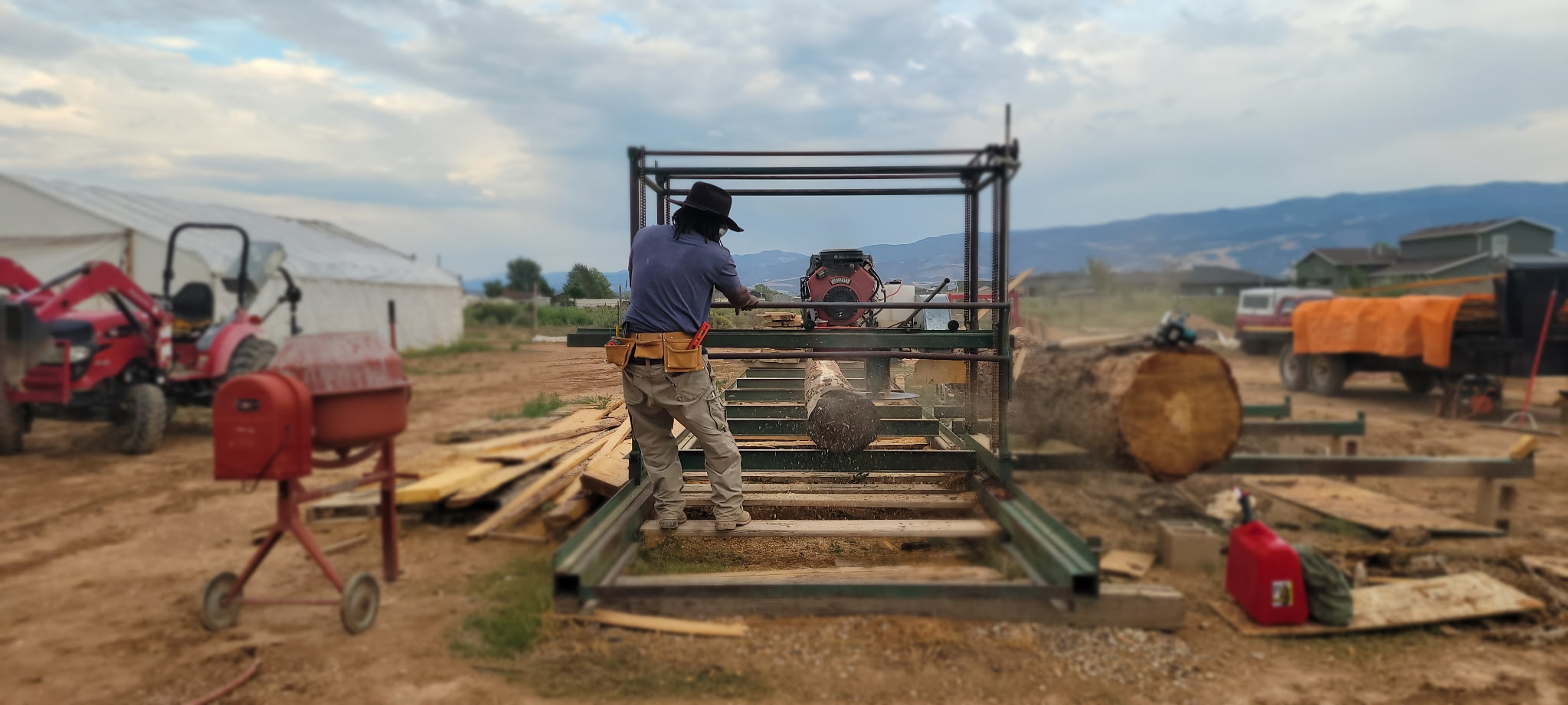
Today, however, much of my time is spent running a small sawmill operation, where I work as a sawyer, turning logs into lumber. On the surface, those two worlds might seem about as far apart as you can get. For me, they aren’t.
It wasn’t until I was reviewing this particular question that I came across the term “polymath” as a description for someone who develops knowledge and skills across a wide range of disciplines. Another term that caught my attention was “Renaissance man.” Whatever label you choose, I have always been drawn to learning how things work and then figuring out how to make, build, repair, or create something with my own hands.
I discovered another aspect of myself only a few years ago when I finally accepted that I am not simply left-handed. I am truly ambidextrous. For most of my life, everyone simply considered me left-handed, and without question, I did too. It was just another thing I never thought much about until I began recognizing how naturally I could work with either hand.
That curiosity goes back to childhood.
As an adolescent, I dabbled in just about anything that caught my attention, from model rockets to archery. Fortunately, there were abundant community programs that exposed us to all kinds of activities. Throughout our childhood, we were taught macramé, string art, papier-mâché, woodworking, metalworking, electronics, automotive repair, basic culinary arts, and ceramics. We played musical instruments and were encouraged to explore whatever happened to spark our interest.
Looking back, I realize how much those experiences shaped me.
They taught me not to be intimidated by unfamiliar things. If I didn’t know how something worked, I learned. If something was broken, I tried to fix it. If I wanted to make something, I figured out how to build it.
That mindset has followed me throughout my life.
My background in the fine arts includes painting, drafting, printmaking, fine-art photography, graphic design, and woodworking. Each discipline has its own techniques, but they all require observation, patience, problem-solving, and an understanding of materials.
The same is true in the kitchen.
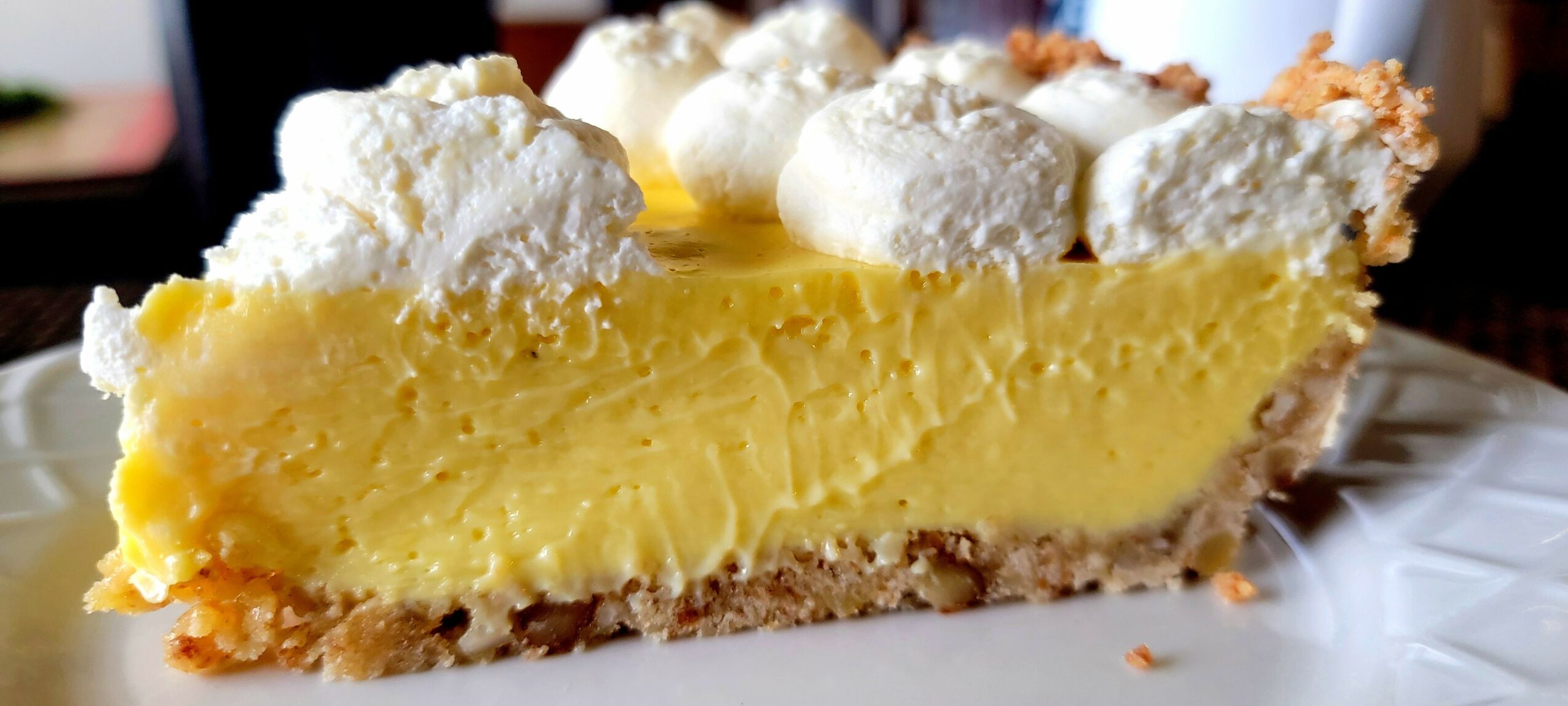
As a purist and culinary artist, I prefer to create things from scratch whenever possible. As a savory chef, I’ve developed specialties in smoked seafood, Mexican, Italian, Southern, West African, and Asian-influenced cuisines. On the pastry side, I enjoy creating hand-crafted breads, from brioche to German-style brötchen, along with cookies, cakes, pies, confections, and ice cream.
Then there is fly fishing.
I’ve fished waters and caught fish in most of the Western states, as well as several places in the South. Along the way, I’ve taught a number of people how to fly fish, including my wife, two of my sons, close friends, and even a few people I happened to meet along the way.
When I look at all of these interests individually, they may appear unrelated. But there is a common thread running through all of them: curiosity.
I consider myself a problem solver. I enjoy bringing people together to tackle creative problems and find solutions that may not be immediately obvious. Over the years, I’ve learned that the ability to adapt can be just as valuable as any particular skill.
I was also taught to become very good at the things I chose to pursue, particularly when navigating different social and professional environments. Part of that education involved learning several distinct dialects and forms of communication within the English language. Those skills allowed me to move comfortably through diverse social environments, communicate with different kinds of people, and pursue opportunities that might otherwise have remained out of reach.
In many ways, that brings me back to the sawmill.
Operating a sawmill requires an understanding of machinery, wood, mechanics, fabrication, measurements, safety, logistics, and people. It draws on skills I’ve accumulated from many different places throughout my life.
Perhaps that’s why this latest chapter doesn’t feel as strange to me as it might appear from the outside.
The sawmill isn’t necessarily a departure from who I’ve always been.
It’s simply another place where curiosity, creativity, problem-solving, and a willingness to learn have found something new to work on.
Networking and finding a mentor can have such a positive impact on one’s life and career. Any advice?
Relationships Built by Doing
I’ve never been much of a traditional networker. Most of the relationships that have mattered to me haven’t come from business cards, formal networking events, or trying to build a list of contacts. They’ve come from doing the work, talking to people, asking questions, sharing what I know, and being willing to learn from someone who knows something I don’t.
That, to me, is where meaningful relationships begin.
I think mentorship works much the same way. Find people whose work and character you respect. Ask good questions. Pay attention when someone is willing to teach you, and when the opportunity comes, return that generosity by sharing what you’ve learned with someone else.
Some of the most valuable lessons I’ve received over the years have come from people who were simply willing to stop for a moment and show me how something was done.
That same spirit has found its way into Black Wood Mill.
Many of the relationships we’ve developed through the mill have happened organically. Someone needs lumber. Someone else has a tree that needs to come down. Somebody knows a person working on a project. One conversation leads to another, and before long, two people discover that they can help each other.
That’s how a community is built, not necessarily through formal introductions, but through people recognizing opportunities to be useful to one another.
I’ve also found that you never really know where a simple conversation will lead. The person asking you a question today may be the person who introduces you to an opportunity tomorrow. The person who teaches you something may eventually learn something from you. Knowledge, skills, and opportunities have a way of moving from one person to another when people are willing to share them.
For me, that’s far more valuable than traditional networking.
My best advice is probably pretty simple: do work you’re willing to put your name on, treat people with respect, and be willing to help when you can.
If you do those things, people remember.
And when the right opportunity comes along, they’re willing to give your name to somebody else.
Contact Info:
- Website: https://blackwoodmill.com/
- Facebook: https://www.facebook.com/blackwoodmill