


Today we’d like to introduce you to Shao Long Lei.
Hi Shao Long , please kick things off for us with an introduction to yourself and your story.
First off – thank you so much for this opportunity. I’m sincerely humbled and honored that VoyageUtah asked me for this interview.
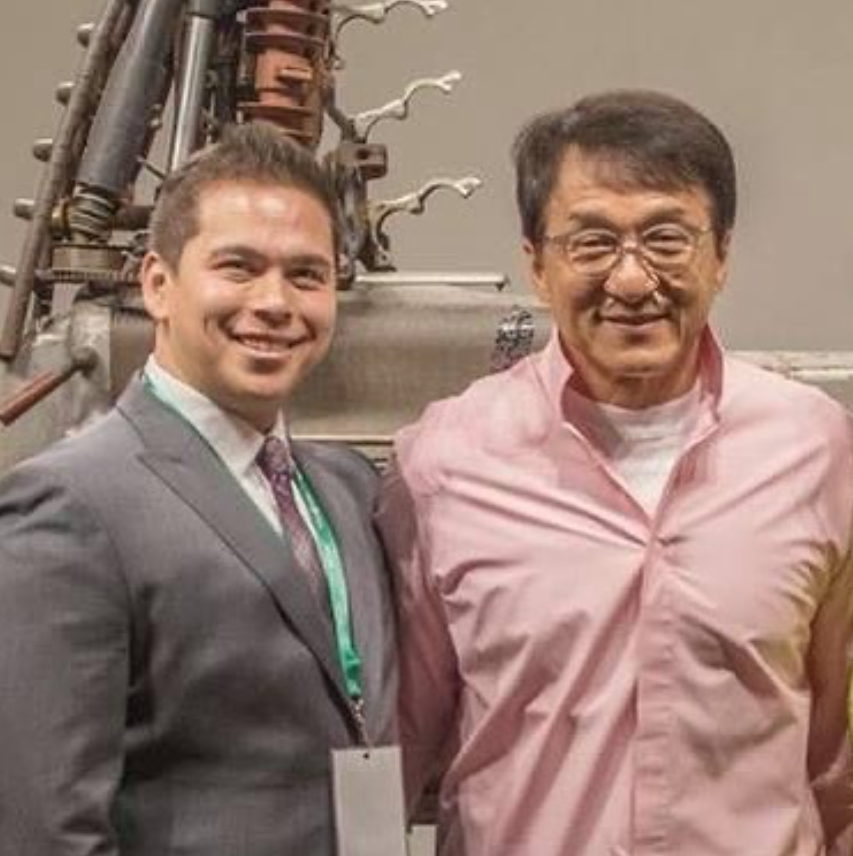
My martial arts journey actually started when I was around 8–10 years old at Johnny Aranda’s Karate. I began with Karate as a kid, but eventually found my way to Kung Fu when I started training at Master Lu’s Health Studio around 14 or 15 years old. I had a love of Chinese culture and Jackie Chan at the time and wanted to learn that style. At the time, I was looking for something that would help me deal with being bullied in junior high and, more importantly, help me build confidence in myself.
What started as a way to become more confident quickly became something I was passionate about. As a teenager, I began competing and ended up winning first place at multiple local tournaments. Martial arts became such a major part of my life that it eventually influenced one of the biggest decisions I made: joining the United States Marine Corps at 19.
While serving in the Marines, martial arts continued to be a huge part of my life. I became a MCMAP Martial Arts Instructor as a secondary MOS and had the opportunity to teach martial arts to other Marines. That experience really changed the way I viewed martial arts. It wasn’t just about techniques or competition anymore. I started to understand how much martial arts could teach people about discipline, confidence, resilience, and how to handle adversity.
I left the Marine Corps at 23 and eventually returned to Master Lu’s school, where I continued my training and eventually became a Master within his system. But I still felt like there was more I needed to experience. I wanted to understand Chinese martial arts and the culture behind them at a much deeper level, so I eventually made the decision to leave everything familiar behind, sold my home and travel through Asia.
That journey eventually brought me to China, where I lived and trained in Wudangshan. I studied Tai Chi and Chinese martial arts in an environment where these traditions had been passed down for generations. It was a completely different experience from simply learning martial arts in the United States, and it gave me a perspective that I knew I wanted to bring home and share with other people.
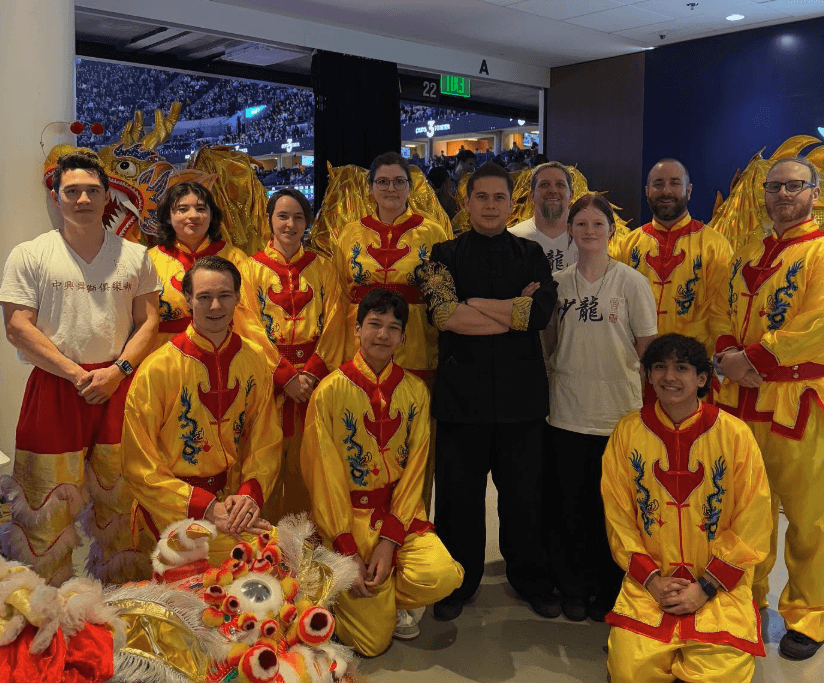
When I eventually returned to Utah, I started sharing what I had learned with others. What began as a small community Tai Chi group gradually grew into something much bigger, eventually becoming Shao Long Academy and a home for our Chinese lion dance group, Jung Hing. Looking back, it’s interesting to see how all of those different chapters connect. Something that started when I was a kid because I wanted to become more confident eventually became a lifelong pursuit, a career, and a way for me to help other people find the same benefits that martial arts gave me.
Can you talk to us a bit about the challenges and lessons you’ve learned along the way. Looking back would you say it’s been easy or smooth in retrospect?
It definitely hasn’t been a smooth road. COVID was probably the biggest external challenge we faced. We had our grand opening in the spring of 2020, and about a month later we had to shut down because of the pandemic. We were still paying rent on our West Valley studio, but suddenly had very few students and almost no income. We started offering free online classes because we knew people were stuck at home and needed something to keep them active and connected. Eventually we were able to reopen, rebuild from a handful of students, and slowly grow again.
But honestly, some of the biggest challenges have been the ones that come with simply learning how to own and operate a school. You make mistakes, you learn from them, and sometimes you have to take a hard look at yourself and realize that something needs to change. I’ve had to learn a lot about leadership, communication, working with the right students, and creating a healthy culture within the school.
As the school has grown, one of my biggest goals has been making sure it is a place where everyone feels respected, including the instructors, students, staff, and my wife and me. When you build something that becomes a big part of your life, it can be easy to focus so much on growth and success that you forget about the people behind it. I’ve learned that the culture of a school is just as important as the martial arts being taught there.
So while there have definitely been moments where I wondered if we were going to make it, especially during COVID, those experiences have shaped the school into what it is today. I think one of the biggest lessons has been understanding that building something worthwhile isn’t about getting everything right the first time. It’s about being willing to recognize your mistakes, learn from them, and keep improving.
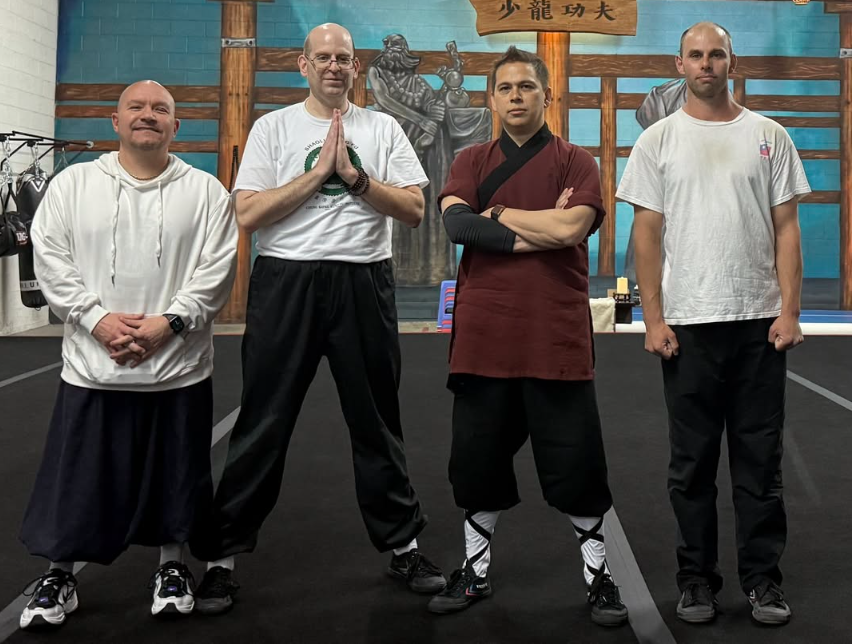
My wife, Shimu Carrie Shin, has been instrumental in helping me navigate these challenges, along with my Disciples, Li Jie, Li Pin, and Li Gong, who help me teach, mentor, and guide our students. I also wouldn’t have made it this far without the support of the families and friends who have stood by us throughout the journey.
Can you tell our readers more about what you do and what you think sets you apart from others?
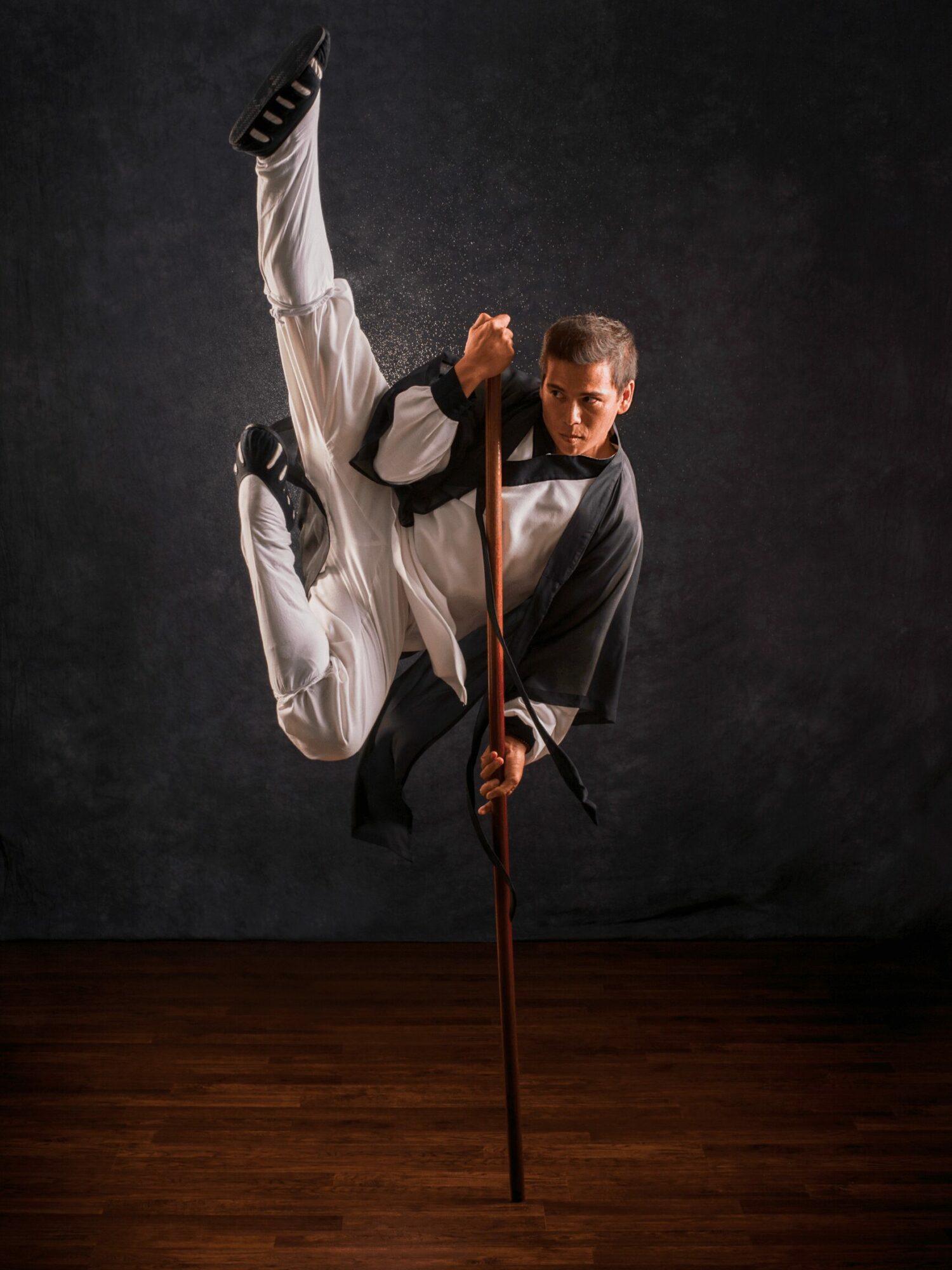
I specialize in teaching traditional Chinese martial arts, but I’ve always tried to approach it differently from a typical martial arts school. For me, it’s not just about teaching people how to kick, punch, or perform forms. I want students to understand the culture, history, discipline, and mindset behind what they’re learning.
One of the things that makes our school different is that we are very intentional about who we bring into the community. We have a tryout and interview process rather than simply signing everyone up, and students are expected to demonstrate that they’re serious about training and willing to put in the work. That has allowed us to build a community of people who genuinely care about martial arts and want to improve together, not necessarily hobbyists or being a day-care. Gongfu for us is truly a way of life.
I’ve also always believed in quality over quantity. We’ve had opportunities to expand and potentially franchise the school, but that isn’t what I want. I would rather have one exceptional school where I can personally maintain the culture and quality of instruction than have locations everywhere that I can’t control or be personally involved with. I’m hands-on with my students, as are my Disciples, and because we keep classes small (2-10 people per class) we’re able to truly connect with our students and ensure they’re getting quality instruction.
I’m probably most proud of the students we’ve developed. Seeing someone come into the school with little confidence or experience and eventually compete, teach, perform, or even travel internationally to represent themselves and their school is incredibly rewarding. Their accomplishments are really the reflection of the work that happens behind the scenes every day.
We’ve also worked hard to create a more complete experience around Chinese martial arts. That includes things like traditional training, cultural education, our lion dance program, specialized uniforms and training materials, and technology that allows people to continue learning outside of the school. I want students to feel like they are becoming part of a culture and a tradition rather than simply attending another fitness class.
Ultimately, I think what sets us apart is that the school was built out of a genuine passion for martial arts. I have a separate professional career that supports my family, so I’ve never wanted the school to become something where growth and making money come before the quality of the experience. That gives us the freedom to be selective, maintain high standards, and focus on developing people rather than simply packing our classes full.
Right now, my biggest focus is continuing to develop that culture and passing what I’ve learned on to the next generation. I’ve spent decades learning from my own teachers, traveling and training in China, competing, teaching in the military, and eventually becoming a teacher myself. At this point, I see my role less as simply teaching martial arts and more as preserving what was passed down to me and making sure it continues forward through my students.
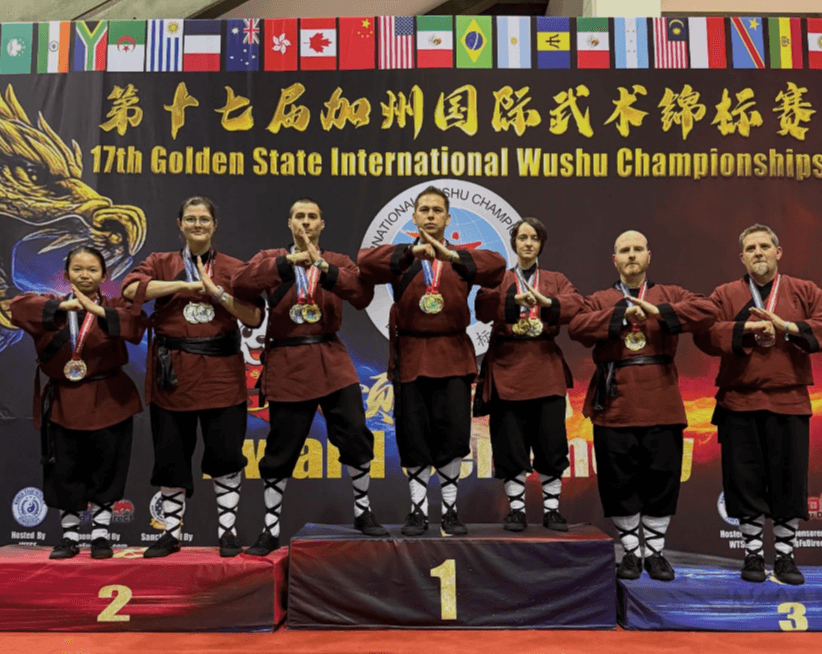
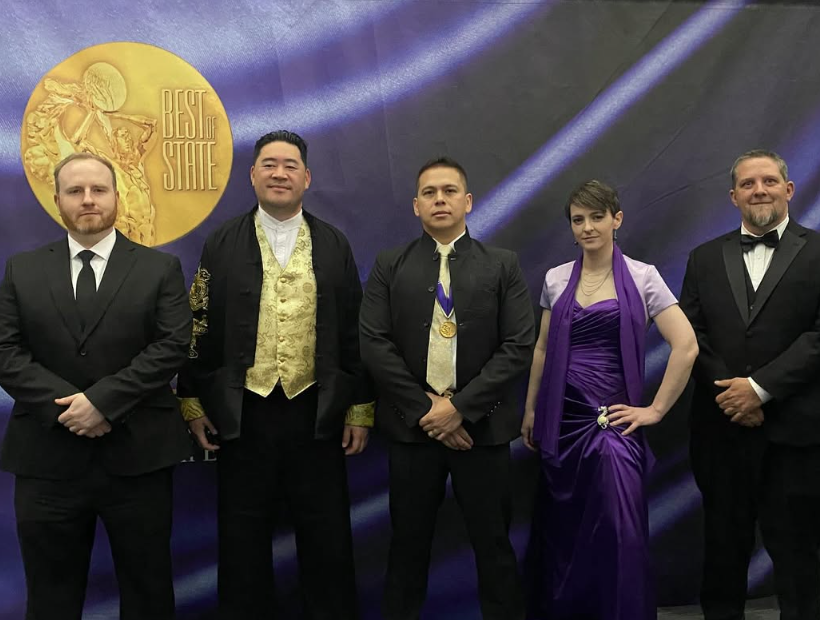
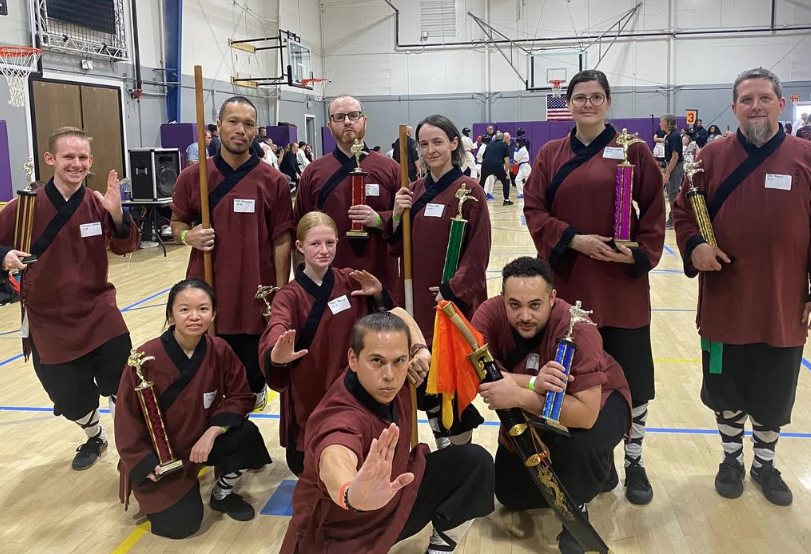
While we are a smaller school compared to schools with multiple locations and hundreds of students, we make up for it in sheer quality. We dominate tournaments, and we were the only kungfu school to represent Utah at the 2026 World Wushu Open Championships, bringing home 19 medals. As a 4-time consecutive Best of State winner, Best of SLC winner, Best of Utah in 4 categories winner, and a recipient of the Comcast RISE award, I feel we’ve developed a system and school that the state of Utah can recognize is far different than the rest.
So maybe we end on discussing what matters most to you and why?
What matters most to me is my family. Everything else I do ultimately comes back to making sure my family is taken care of and creating something that I can be proud of. That includes Shao Long Academy because, over the years, the studio has become almost like a second home for my wife and me. Our community is a part of my family.
Because of that, we’re very protective of the culture we’ve created there. We don’t want to build a school where anyone can walk in, pay for a belt, and automatically become part of the school. We’re very careful about who we accept because the people who train alongside us become a part of our lives. We spend a tremendous amount of time together, and I want that environment to be one where everyone respects each other, works hard, and genuinely wants to see the people around them succeed.
That doesn’t mean we’re looking for perfect people or previous black-belts. Everyone comes into martial arts with different backgrounds, personalities, and struggles. What matters to me is their attitude, their willingness to learn, and how they treat the people around them.
I think that’s probably why I’m so passionate about preserving the culture of the school. Martial arts has given me so much throughout my life, from helping me build confidence as a kid to shaping my career, my friendships, and the way I approach challenges. Now I have the opportunity to create that same kind of environment for other people.
At the end of the day, I want my family to be proud of what we’ve built, and I want our students to feel like they’re part of something that genuinely matters. For me, that’s much more important than simply having a successful business.
Contact Info:
- Website: https://www.shaolongacademy.com
- Instagram: @shao_long_academy
- Facebook: ShaoLongUtah