


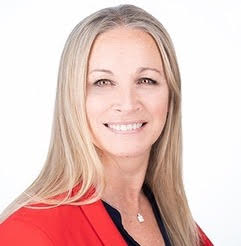
Today we’d like to introduce you to Tonia Tewell.
Hi Tonia , so excited to have you with us today. What can you tell us about your story?
My journey into this work didn’t start as a career path—it started with a simple yes. Nearly two decades ago, my husband and I were asked to take in a woman who was fleeing an abusive situation within a polygamous community. What we thought would be a short-term act of service turned into three years of walking closely alongside individuals leaving that culture. During that time, we began to understand the deep, complex needs of this population—everything from housing and education to trauma recovery and rebuilding identity.
What began in our home grew into something much bigger. We realized there were tens of thousands of individuals across the western United States, Canada, and Mexico navigating similar circumstances, often without resources or support systems. That realization led to the founding of Holding Out HELP.
Over the years, we’ve built a trauma-informed organization that provides case management, mental health services, education support, and advocacy for survivors of polygamy and human trafficking. Today, our work has expanded into statewide collaborations, policy conversations, and community education efforts aimed at prevention and awareness.
Looking back, I never could have mapped out this path. It’s been shaped by the courage of the individuals we serve and a deep commitment to creating opportunities for them to not just survive—but truly thrive.
Alright, so let’s dig a little deeper into the story – has it been an easy path overall and if not, what were the challenges you’ve had to overcome?
Not at all—it hasn’t been a smooth road. In fact, much of this journey has been shaped by challenges we never anticipated.
In the early days, one of the biggest struggles was simply understanding the depth and complexity of the need. We were stepping into situations involving severe trauma, limited trust in outsiders, and individuals who often had no formal education, identification, or support systems. There wasn’t a roadmap for this kind of work, so we had to learn as we went—sometimes the hard way.
Funding has also been a consistent challenge. Building something from the ground up required a lot of faith and persistence. There were times when we didn’t know how we would sustain services or meet the growing demand. At the same time, trying to raise awareness about polygamy and human trafficking came with its own obstacles—these are sensitive, often misunderstood issues, and not everyone was ready to have those conversations.
On a personal level, the emotional weight of the work can be heavy. Walking alongside survivors as they process trauma, rebuild their lives, and face setbacks requires resilience and strong boundaries. There have been moments of heartbreak, burnout, and uncertainty.
We’ve also faced resistance at times—whether it’s cultural pushback, systemic barriers, or navigating partnerships and policies that don’t align with the realities our clients face.
But through all of it, those challenges have shaped us. They’ve pushed us to grow, to build stronger systems, and to stay deeply committed to the mission. And ultimately, the successes—the lives changed, the independence gained, the hope restored—have made every obstacle worth it.
Alright, so let’s switch gears a bit and talk business. What should we know about your work?
At Holding Out HELP, our work centers on walking alongside individuals leaving polygamous communities as they rebuild their lives. We provide wraparound, trauma-informed services—everything from case management and mental health care to education support, housing assistance, and life skills. Many of the individuals we serve are starting over from scratch, so we focus not just on immediate needs, but on long-term stability and independence.
We specialize in serving a population that is often misunderstood and overlooked. Leaving a polygamous culture isn’t just a physical transition—it’s emotional, psychological, and cultural. There are layers of trauma, isolation, and identity loss, and we’ve developed a model that meets people where they are while helping them move forward at their own pace.
What I’m most proud of is the transformation we see every day. Watching someone go from crisis to confidence—getting their first job, their first apartment, pursuing education, or even coming back to mentor others—is incredibly meaningful. It’s not just about services; it’s about restoring dignity and creating generational change.
What sets us apart is that we don’t offer one-size-fits-all solutions. We’ve built a community, not just a program. Our approach is deeply relational, culturally informed, and long-term. We stay with people through the entire journey—not just the initial exit—because true independence and healing take time.
How do you think about luck?
I don’t see it as luck at all—I truly give all the credit to God. There have been too many moments along this journey where doors opened at exactly the right time, or the right people showed up just when we needed them most, to see it any other way.
When we’ve faced uncertainty—especially around funding, growth, or how to meet overwhelming needs—we’ve consistently seen provision in ways we couldn’t have planned. Whether it’s been a key partnership, a donor, a staff member, or even a volunteer, the right people have stepped in at the right time.
There have also been incredibly difficult seasons, but even in those, I believe God has sustained us and guided our path. This work is heavy and complex, and I don’t think we could have carried it this far on our own.
So while others might call it timing or coincidence, for me it’s been faith. It’s trusting that we’re being led, and that this work is bigger than any one person—it’s something we’ve been called to steward.
Contact Info:
- Website: https://www.holdingouthelp.org
- Instagram: holdingouthelp
- Facebook: Holding Out H.E.L.P.