


Today we’d like to introduce you to Annie DiMartino.
Hi Annie, thanks for sharing your story with us. To start, maybe you can tell our readers some of your backstory.
From the Stage to the Statehouse: The Story of Annie DiMartino
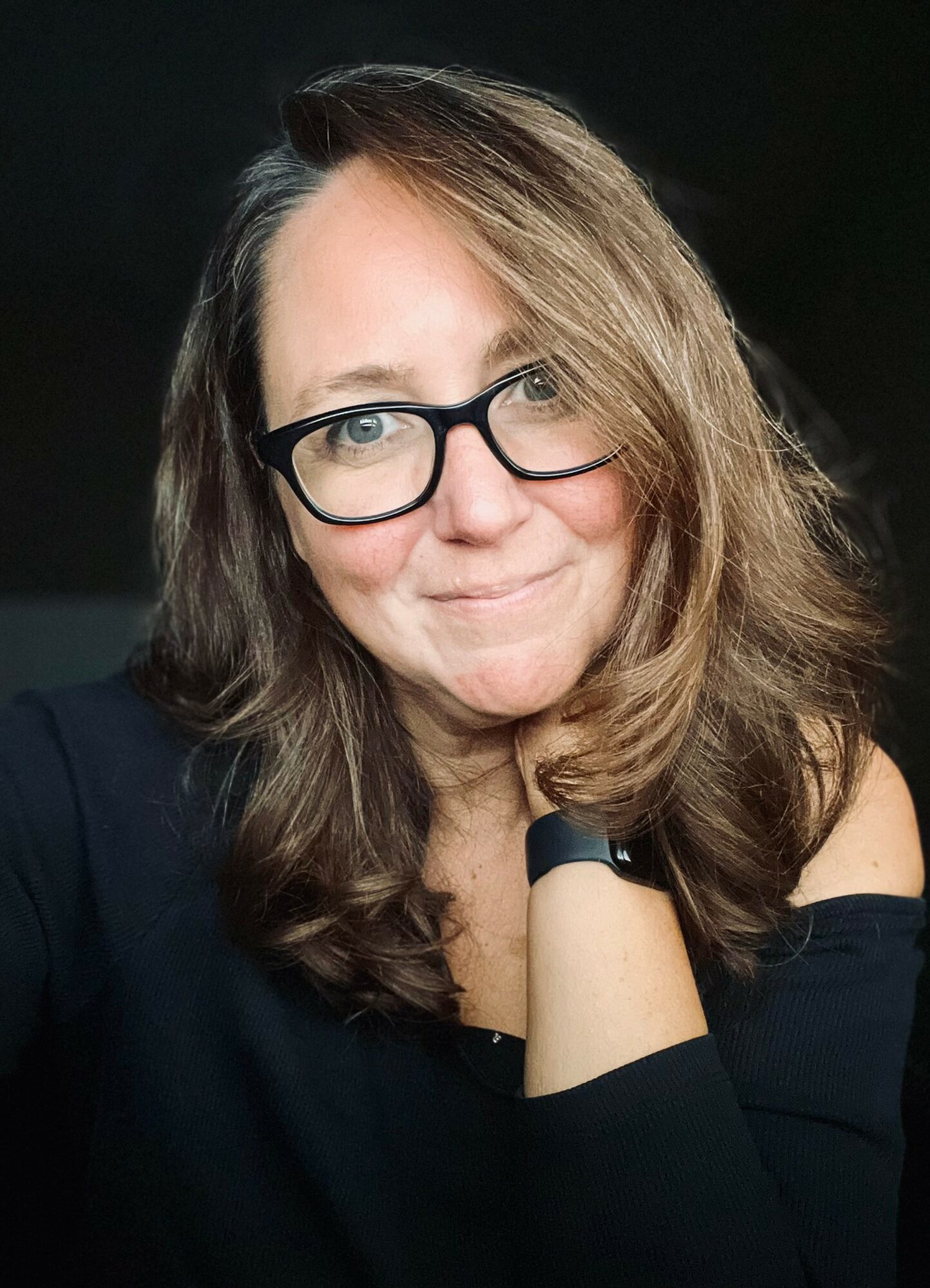
Annie DiMartino, Executive Director, Utah Cultural Alliance & Utah Cultural Alliance Foundation
Annie DiMartino’s career in the arts has never followed a straight line and that may be exactly what has made it so interesting. Today, Annie serves as the Executive Director of the Utah Cultural Alliance (UCA) and Utah Cultural Alliance Foundation (UCAF), where she works at the intersection of arts, culture, advocacy, education, community engagement, and organizational sustainability. But long before she found herself thinking about legislative sessions, nonprofit finances, statewide advocacy, and the future of Utah’s creative economy, she was an actor trying to figure out how to make a life in the theatre.
In many ways, she is still doing that same work. The stage just got considerably larger.
It Started With Acting
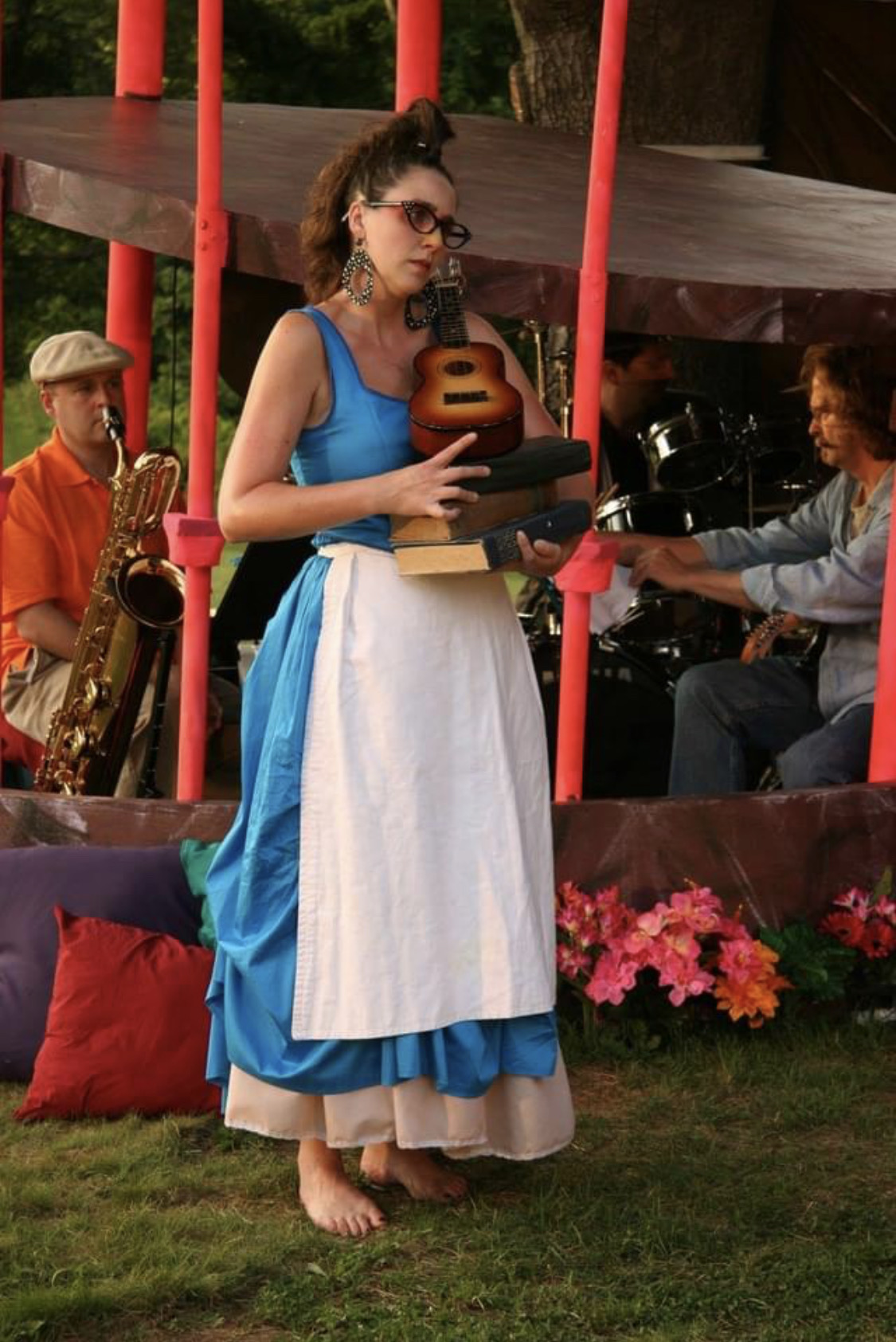
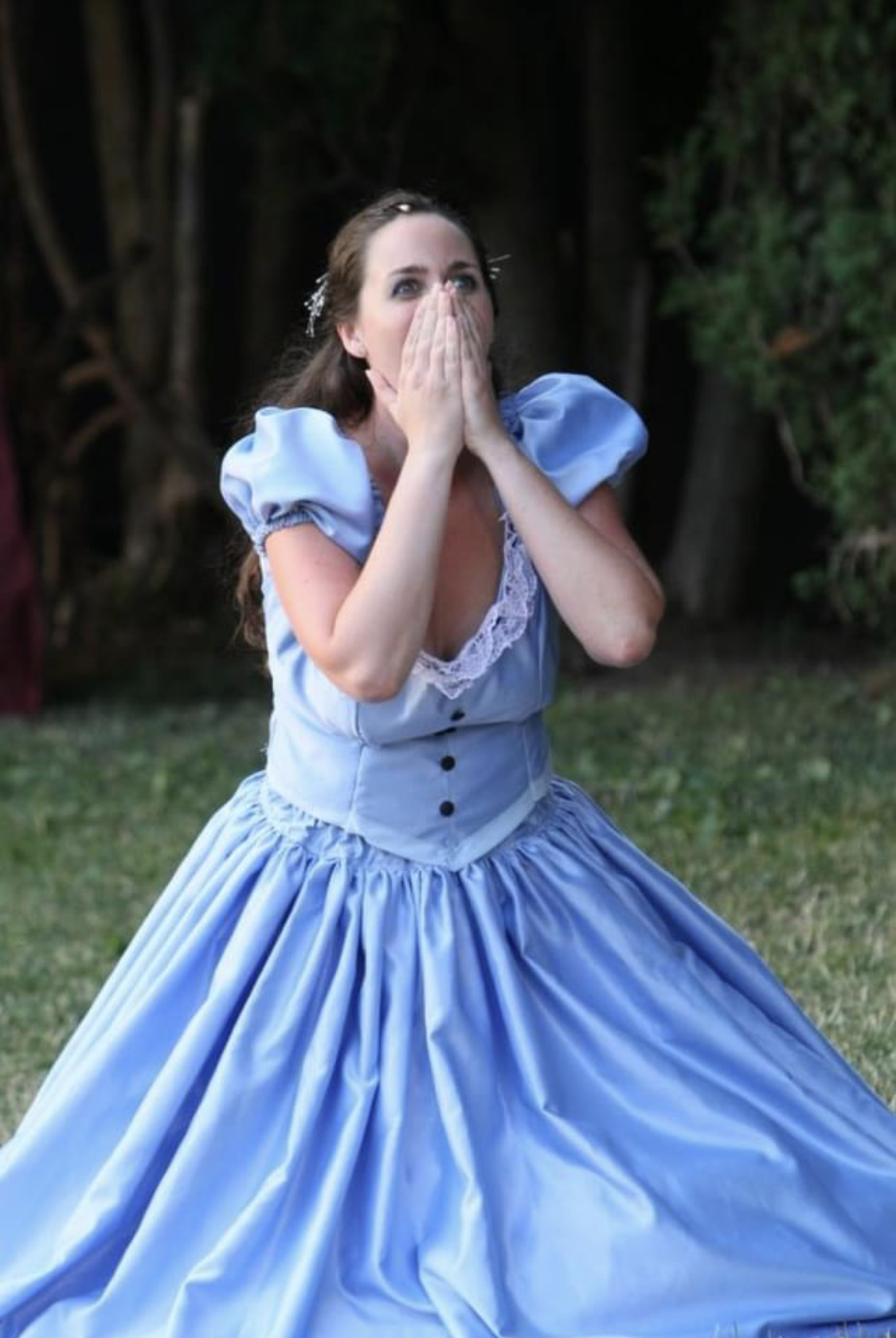
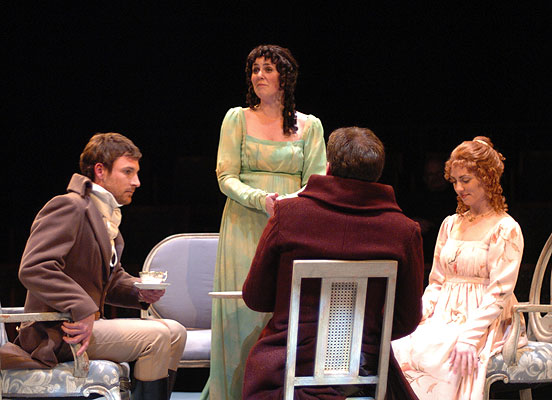
Originally from Seattle, Annie earned her B.A. in Performance from Central Washington University before pursuing an M.F.A. in Performance at California State University, Fullerton, with an emphasis in acting. Her early professional career was firmly rooted in performance. She worked throughout Los Angeles and Orange County and later became part of the acting company at ARTFARM in Middletown CT, appearing in productions including King Lear, Much Ado About Nothing, As You Like It, The Taming of the Shrew, and Shakespeare’s Argument. One of the defining performances of this chapter was Grasmere, in which Annie originated the role of Dorothy Wordsworth. The work earned her nominations from both the LA Weekly Awards and the OC Theatre Awards. She later reprised the role at the Egyptian Theatre in Los Angeles, the Kennedy Center in Washington, D.C., and Off-Broadway at the Cherry Lane Theatre in New York, where her performance also earned a Los Angeles Times Best Featured Actress nomination.
She also built a substantial voice-over and recording career, lending her voice to radio advertising, educational recordings including article readings for Yale’s Center for Dyslexia and Creativity, and the animated film Prodigal Son, in which she voiced the character, Destra. The experience of being a working performer gave Annie something that would stay with her throughout her career: an understanding that creativity is not simply something that happens on a stage. It is a discipline, a profession, a means of communication, and a way of connecting people to one another.
Discovering the Power of Arts Education
Over time, Annie’s career began moving increasingly toward the question that would ultimately define much of her professional life: What happens when we give people, especially young people, the opportunity to experience the arts for themselves?
That question led her into more than two decades of arts education leadership.
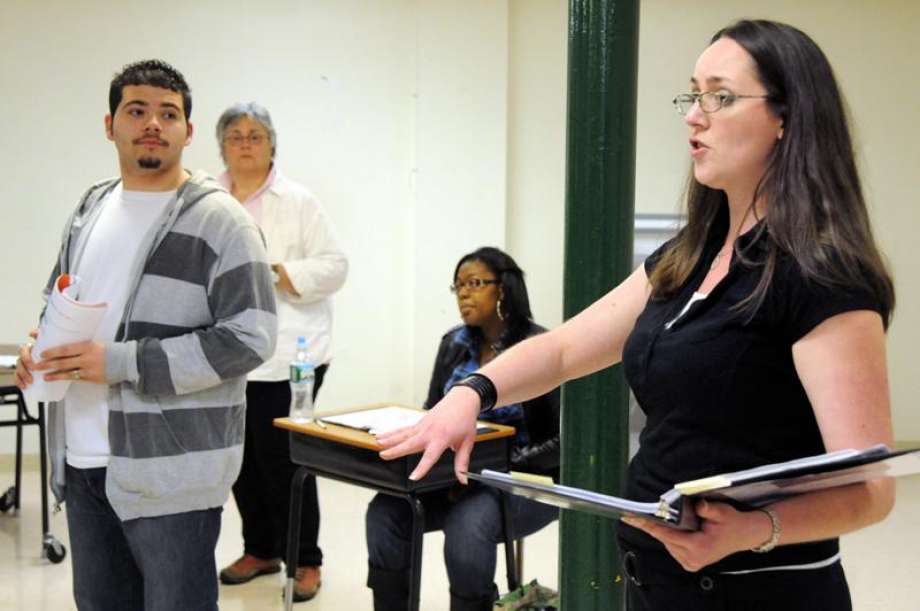
During a decade at Long Wharf Theatre in New Haven, Connecticut, Annie served as Director of Education and oversaw the theatre’s educational programming. There, she founded the Shake-it-Up Shakespeare Summer Youth Ensemble, directing and adapting productions for young performers and coaching students who would go on to professional careers in Broadway, film, and television.
She also developed the Elder Play Project; an intergenerational arts program created in partnership with a New Haven senior community. The project received an NEA grant and was later featured by Theatre Communications Group. Annie also helped establish Long Wharf’s Educators’ Lab as a recognized professional development provider through the Connecticut State Department of Education.
Her work was not confined to theatre walls. She taught acting and theatre education through schools, universities, community organizations, and professional development programs, including Amistad Academy, the Educational Center for the Arts, Wesleyan University, Yale University, Southern Connecticut State University, Housatonic Community College, and the University of Bridgeport. It was during these years that Annie began to understand herself not only as an artist, but as an arts educator and builder of systems that allow other people to become artists.
Bringing Theatre Into Classrooms—and Classrooms Into Theatre
After returning to Seattle in 2015, Annie became the Director of Education at Book-It Repertory Theatre, where she oversaw touring programs, school residencies, and literacy focused programming. Her work there included adapting touring productions such as A Splash of Red, Last Stop on Market Street, Ada’s Violin, The Odyssey, and Wordy Birdy. She also worked with schools and educators to create meaningful connections between theatre, literature, literacy, and classroom learning.
Across more than twenty years in arts education leadership, the through-line remained remarkably consistent: Annie was interested in removing the invisible barriers that keep people from seeing themselves as participants in the arts.
Not everyone is going to become a professional actor. That was never the point. The point was giving people the opportunity to discover what creativity could do for them.
From Educator to Organizational Leader
In 2019, Annie joined the Performing Arts Center Eastside (PACE) in Bellevue, Washington, as its first Education Director. She was later promoted to Deputy Director. At PACE, her work expanded from programs and education into organizational strategy, financial planning, community engagement, fundraising, communications, and long-term organizational development.
She led PACE through its first strategic planning process in 18 years, helped develop a 15-year financial pro forma, and created a phased plan to move the organization toward a new facility and stabilized operations. It was also at PACE that Annie began producing some of the large-scale public arts experiences that would become another important part of her career.
Arts Without Barriers
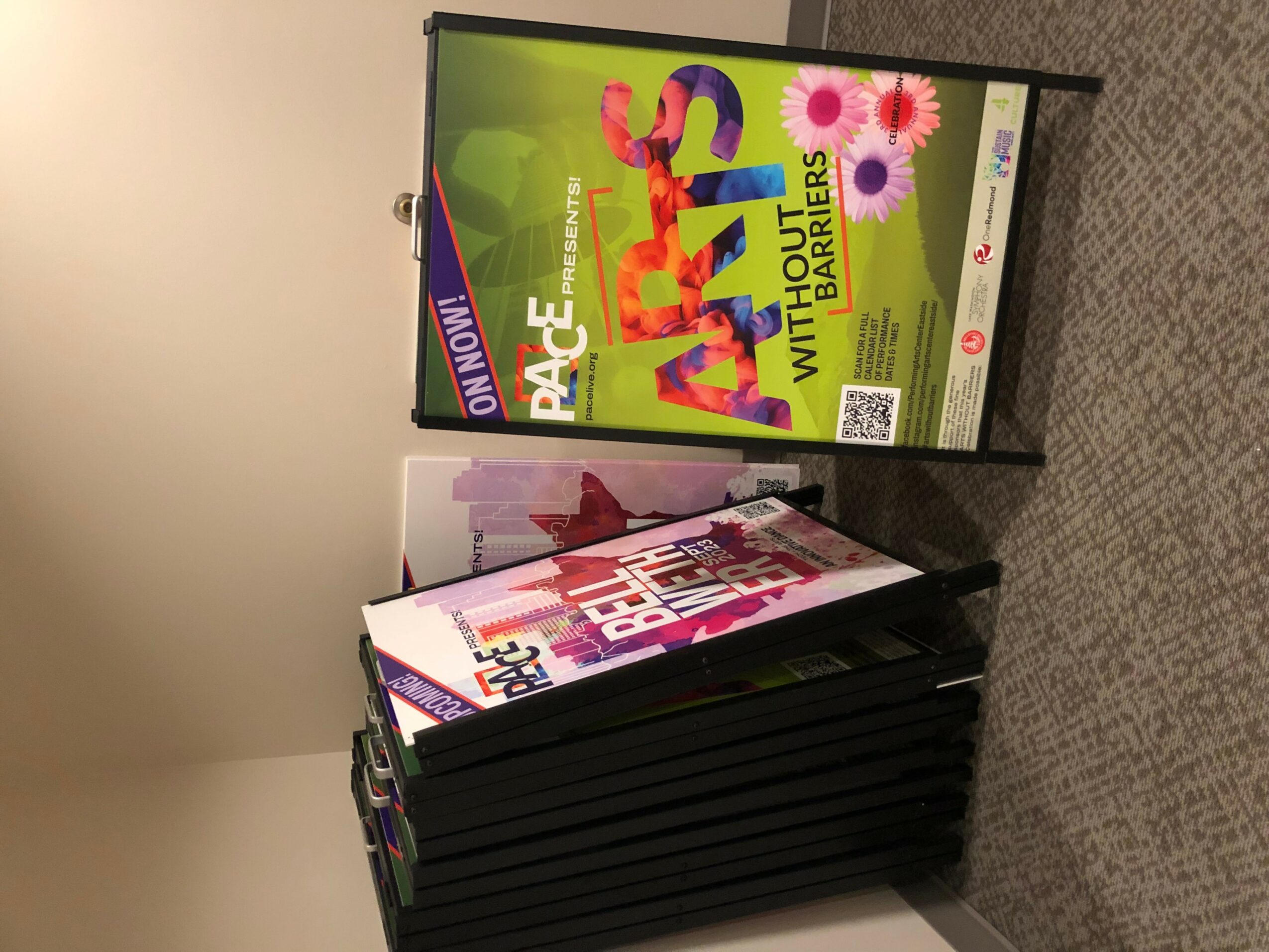
In 2021, Annie conceived and produced Arts Without Barriers, a free public performance initiative designed to bring live music into Eastside communities and remove the financial, geographic, and psychological barriers that can keep people from participating in the arts.
The program began with ten weeks of free performances and quickly expanded.
In its first year, Arts Without Barriers reached more than 60,000 people across 11 locations. The second year reached more than 75,000 people across 15 locations, and the final year reached more than 90,000 people across 13 locations. In total, the program reached more than 200,000 audience members and employed more than 150 artists.
The program also earned Annie and PACE recognition from the Washington Festival and Events Association, receiving four awards across categories including the Grand Summit, Community Engagement, and Design.
For Annie, the success of Arts Without Barriers reinforced something she had been learning for years: If you remove the barriers, people show up.
Producing Bellwether
Annie’s work as a producer continued to grow. She secured a multi-year contract with the City of Bellevue to produce Bellwether Arts & Tech Festival, creating an immersive festival experience that brought together art, technology, live performance, digital work, and community participation.
Bellwether became another expression of the kind of work Annie loves: big enough to capture a community’s imagination, but grounded enough that people could walk into it and immediately feel that it belonged to them. The City of Bellevue later documented PACE’s role as the nonprofit community partner responsible for producing the festival, including a variety of in-person and online events throughout the month.
By this point, Annie’s career had expanded well beyond traditional arts education.
She had become a producer, strategist, fundraiser, administrator, educator, artist, and community builder. And all of those identities were beginning to converge.
Becoming a Change Leader
That evolution continues today. Annie is now a certified Change Leader, adding another dimension to a career increasingly focused on helping organizations and people navigate complexity, transition, growth, and uncertainty. It is a fitting next step for someone whose career has repeatedly involved building something that did not previously exist: a youth Shakespeare ensemble, an arts education program, a community performance initiative, a festival, a strategic planning process, or a statewide arts advocacy platform.
Change, in Annie’s career, has rarely been something to simply manage. It has been something to build through.
Coming to Utah
In 2024, Annie brought that accumulated experience to Utah when she became Executive Director of the Utah Cultural Alliance and Utah Cultural Alliance Foundation.
UCA is a statewide organization representing Utah’s arts, culture, entertainment, humanities, and creative communities. Annie arrived with a particularly broad understanding of the sector, not only as someone who had performed in it, but as someone who had spent decades teaching, producing, administering, fundraising, planning, advocating, and building audiences for it.
Her charge in Utah has been both expansive and deeply practical: help strengthen the cultural sector, build connections across organizations and communities, advocate for the value of arts and culture, and help ensure that Utah’s creative organizations have the resources and infrastructure they need to sustain their work. That includes everything from legislative advocacy and statewide partnerships to professional development, communications, cultural data, and NowPlayingUtah.com, UCA’s statewide cultural events platform.
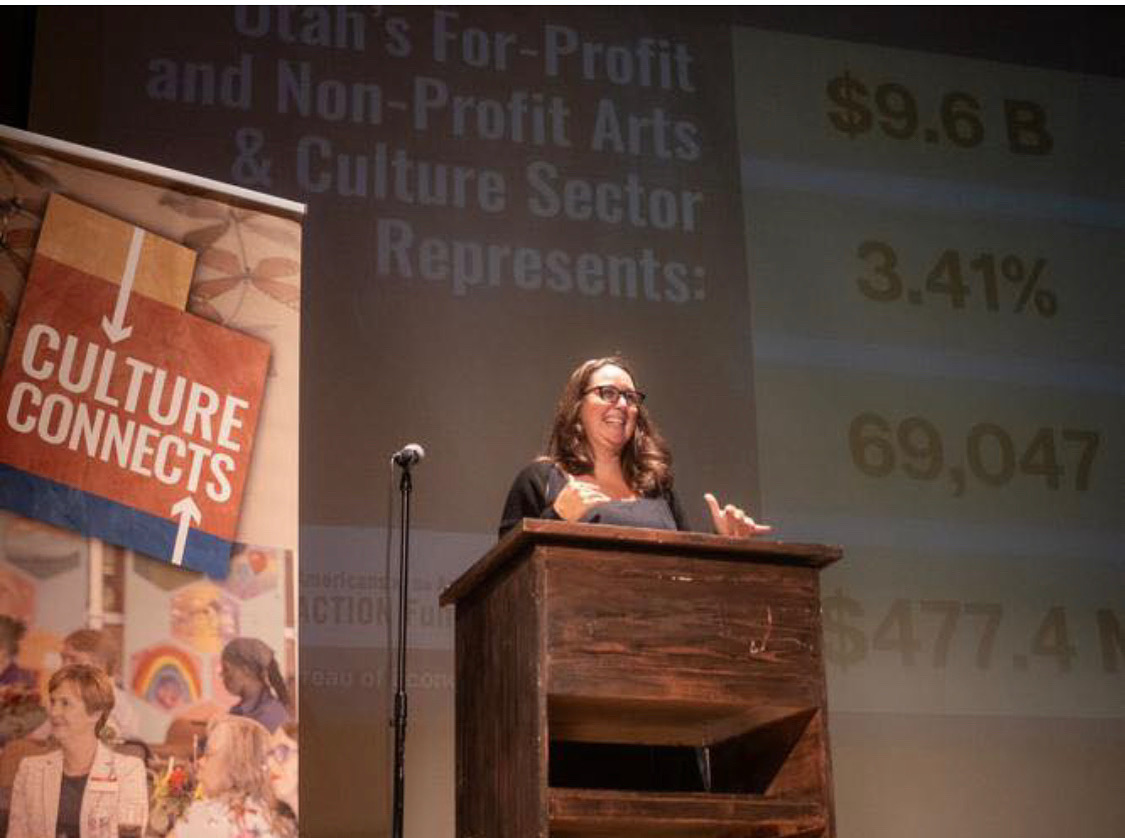
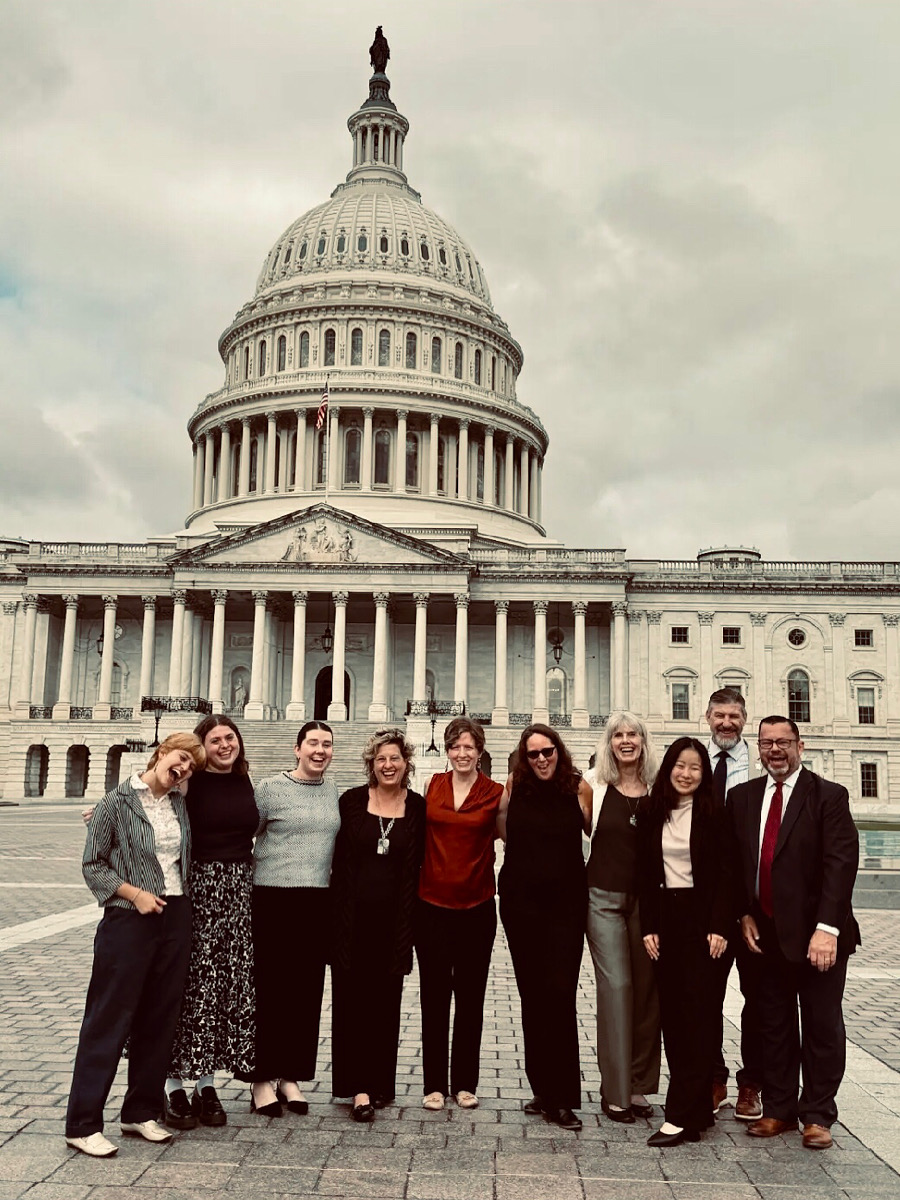
It also means bringing people together. Through programs such as Culture Connects, Lawmaker Night, advocacy initiatives, professional-development opportunities, and partnerships across the state, Annie is building on a career-long belief that the arts are not a luxury sitting on the sidelines of community life.
They are part of how communities understand themselves.
They are part of how young people learn.
They are part of how people connect.
And they are part of how places imagine their futures.
From the Stage to the Statehouse
There is an interesting symmetry to Annie’s career. She began by standing in front of audiences and telling stories. Then she began teaching other people how to tell stories.
Then she began building the programs and organizations that made those stories possible.
Then she began producing festivals and public experiences that brought entire communities into the story.
Now, she advocates for the systems, policies, funding, and partnerships that allow an entire state’s cultural ecosystem to tell its stories. The venue has changed. The work has not.
Annie still believes deeply in the transformative power of the arts. She simply has a much larger toolbox now. Actor. Voice-over artist. Arts educator. Director. Producer. Strategist. Administrator. Advocate. Change Leader. And now, in Utah, statewide arts and culture leader.
For Annie DiMartino, the path from the stage to the statehouse was never really a departure from the arts. It was the next act.
We all face challenges, but looking back would you describe it as a relatively smooth road?
The Challenges That Shaped the Work
The path through a career in the arts is rarely linear. For me, it has been marked by moments of tremendous opportunity, but also by uncertainty, financial pressure, institutional change, and the persistent challenge of convincing people that the arts are not an extracurricular luxury, they are part of the infrastructure of a healthy community.
Over more than two decades in arts education, performance, nonprofit leadership, and advocacy, I have watched organizations navigate shrinking resources while being asked to do more: serve more students, reach more communities, demonstrate measurable outcomes, diversify audiences, create greater access, and somehow accomplish all of it with limited and often unpredictable funding. Arts education, in particular, has repeatedly found itself competing for space and resources in systems where the arts can be among the first things questioned when budgets become tight.
Then came COVID-19.
In March 2020, the world went quiet. Theatres closed. Concerts disappeared. Classrooms moved online. Artists lost work almost overnight. Organizations that had spent decades building audiences and communities suddenly had no audiences to gather. The economic consequences for the cultural sector were profound; the NEA reported that arts and cultural production fell 6.4 percent in 2020, compared with a 3.4 percent decline in the overall economy.
For someone whose professional life had always revolved around gathering people together, the silence was disorienting. But silence can also create space.
During that period, I began thinking differently about what an arts organization could be and how the arts could show up in people’s everyday lives. If people could not enter a theatre, attend a concert, or gather for a festival, perhaps the work needed to move beyond the traditional walls of cultural institutions and into the places where people already lived their lives. Out of that silence, Arts Without Barriers was born.
Launched in the spring of 2021, the program brought free, live performances by local artists into public spaces throughout the Eastside. What began as a ten-week initiative quickly expanded into a six-month program in some locations. In its first year, performances took place at 11 locations and reached more than 60,000 people. The following year, the program expanded to 15 locations and reached more than 75,000; in its final year, 13 locations served more than 90,000 people.
The program became more than a response to COVID. It became a lesson in what happens when we remove barriers between artists and audiences. People didn’t necessarily have to decide to “go to the arts.” They could encounter the arts while walking through their neighborhood, visiting a public space, or simply going about their day. After months of isolation and uncertainty, music became a way of bringing people back into shared spaces and reminding communities that connection was still possible. That experience fundamentally shaped how I think about access, participation, and leadership.
COVID also made something else unmistakably clear: arts organizations cannot assume that the systems supporting them will always be stable. Emergency federal funding helped thousands of organizations survive; the NEA distributed $75 million through the CARES Act and received another $135 million through the American Rescue Plan, but the demand for assistance dramatically exceeded available resources. In 2020, more than 3,100 organizations applied for approximately $157 million in direct NEA CARES funding, while only $45 million was available through that particular program.
The recovery did not erase those structural challenges. Even as the broader cultural economy rebounded, several core arts industries remained below their pre-pandemic levels in 2021, including performing arts organizations and independent artists. For me, that reinforced a conviction that had been developing throughout my career: arts leadership is not simply about producing the next performance, program, or festival. It is about building the conditions that allow artists, organizations, educators, and communities to continue creating in the first place.
That means advocating for arts education when school budgets are under pressure. It means making the case for public investment when policymakers are balancing competing priorities. It means helping organizations understand their value not only in artistic terms, but in terms of education, economic development, community connection, wellbeing, and civic life. And it means being willing to rethink the model when the old model no longer works.
Those challenges have followed me from one chapter of my career into the next; from classrooms and rehearsal rooms to nonprofit boardrooms, community spaces, city government, and eventually the halls of state government. They have also shaped my definition of resilience.
Resilience in the arts is not simply surviving the next crisis. It is learning from the crisis, asking better questions, finding new ways to serve people, and building something that did not exist before. Arts Without Barriers was one example of that transformation.
The silence of COVID did not end the work.
It changed the way I understood the work.
Appreciate you sharing that. What should we know about Utah Cultural Alliance?
Utah Cultural Alliance (UCA) and Utah Cultural Alliance Foundation (UCAF) are the statewide voice and support system for Utah’s arts, culture, humanities, and creative industries. Together, our 501(c)(4) and 501(c)(3) organizations provide advocacy, communications, stewardship, professional development, and resources that help cultural organizations and creative professionals build sustainable futures and stronger communities. A cornerstone of that work is NowPlayingUtah.com, Utah’s comprehensive statewide cultural events calendar, which connects residents and visitors with thousands of arts and cultural experiences while giving organizations a powerful platform to amplify their work. What sets UCA/UCAF apart is our ability to work across the entire cultural ecosystem; from the artist and arts educator to museums, theatres, festivals, cultural organizations, and creative businesses, while connecting community engagement, professional capacity-building, and public policy advocacy. We are especially proud of being a connector: helping Utah’s cultural sector tell its story, reach new audiences, strengthen its organizations, and have a collective voice when decisions about funding and policy are being made. Our brand is ultimately about connection, amplification, and advocacy, making Utah’s extraordinary cultural life more visible, accessible, sustainable, and valued.
Can you talk to us a bit about happiness and what makes you happy?
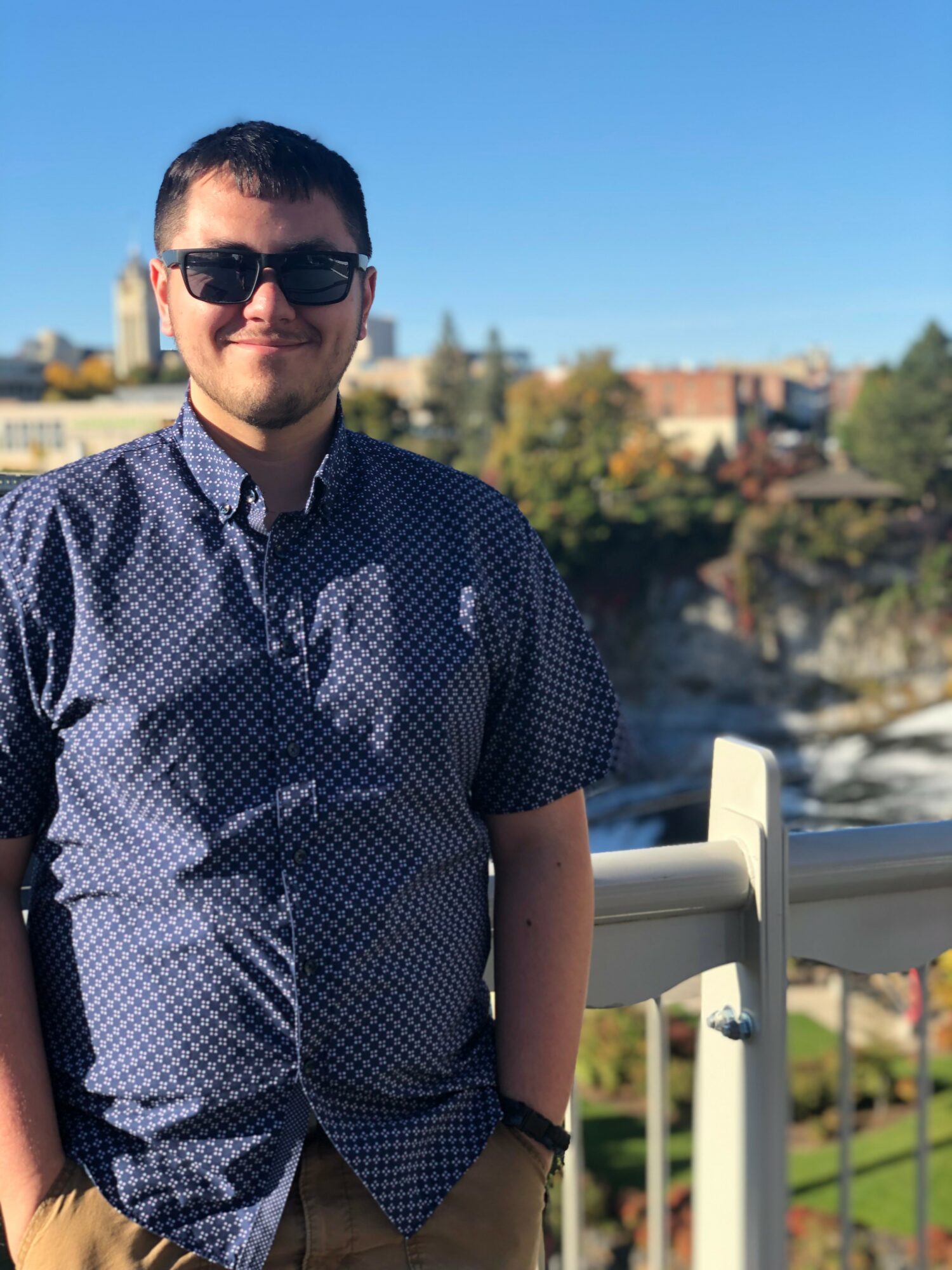
What makes me happiest is watching my son, Gabriel, take everything he learned through arts education and arts integration and carry it into a completely different world: computer engineering. I love watching him approach coding not simply as a technical discipline, but as a creative process. He talks about finding the “beauty in the chaos” of coding, and I can’t help but recognize the rehearsal hall in that idea: the willingness to experiment, to fail, to listen, to collaborate, to solve problems in unexpected ways, and to trust that something meaningful can emerge from what initially looks like chaos. After spending my career advocating for the importance of arts education and integration, there is something incredibly gratifying about watching my own son embody that philosophy. It reminds me that the arts aren’t just preparing young people to become artists; they are teaching them how to think, imagine, communicate, adapt, and create. Seeing Gabriel bring that creative lens to engineering is one of the things that makes me proudest, and genuinely, makes me happy.
Contact Info:
- Website: https://www.utahculturalalliance.org/ and https://www.anniedimartino.com/