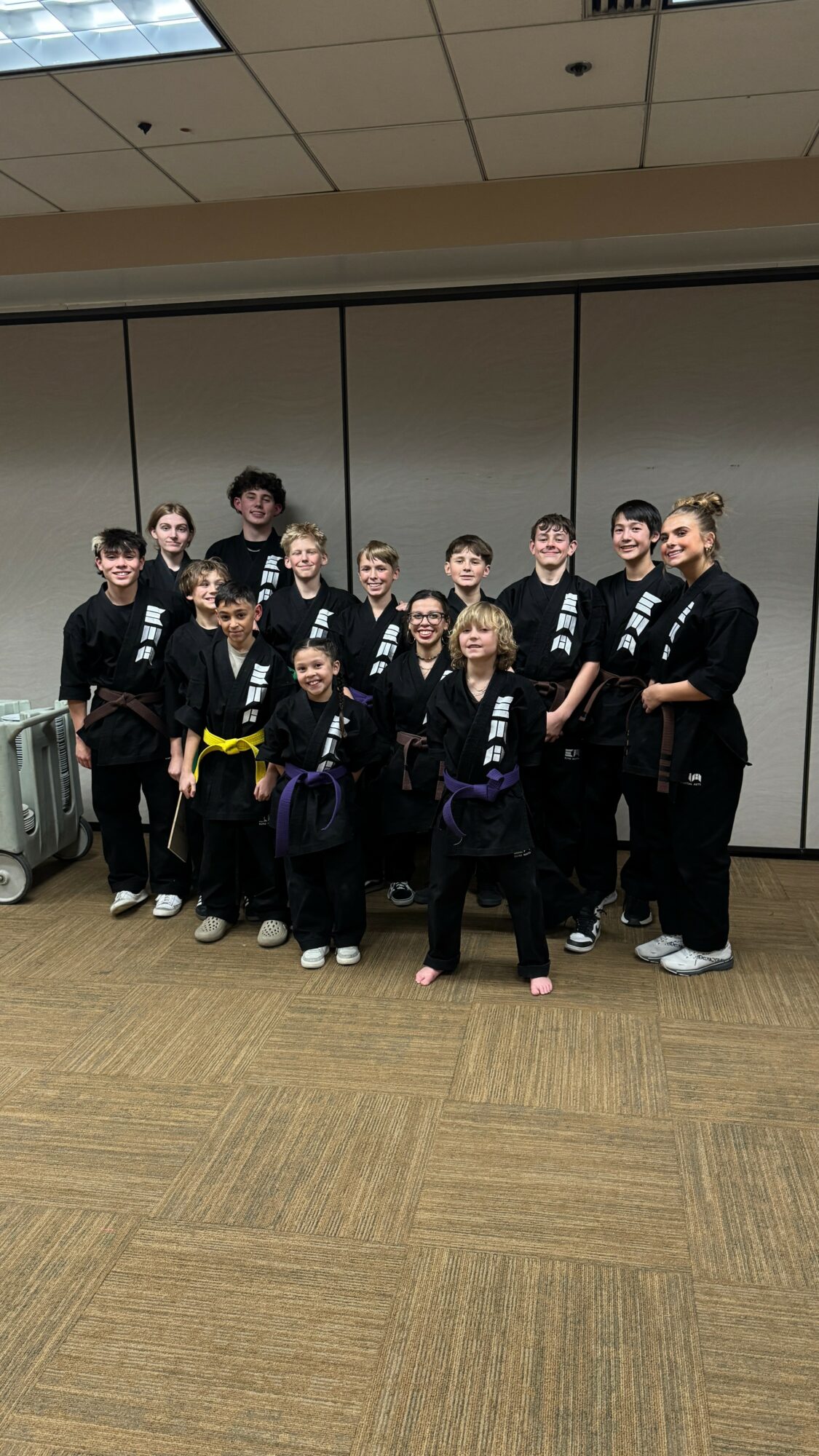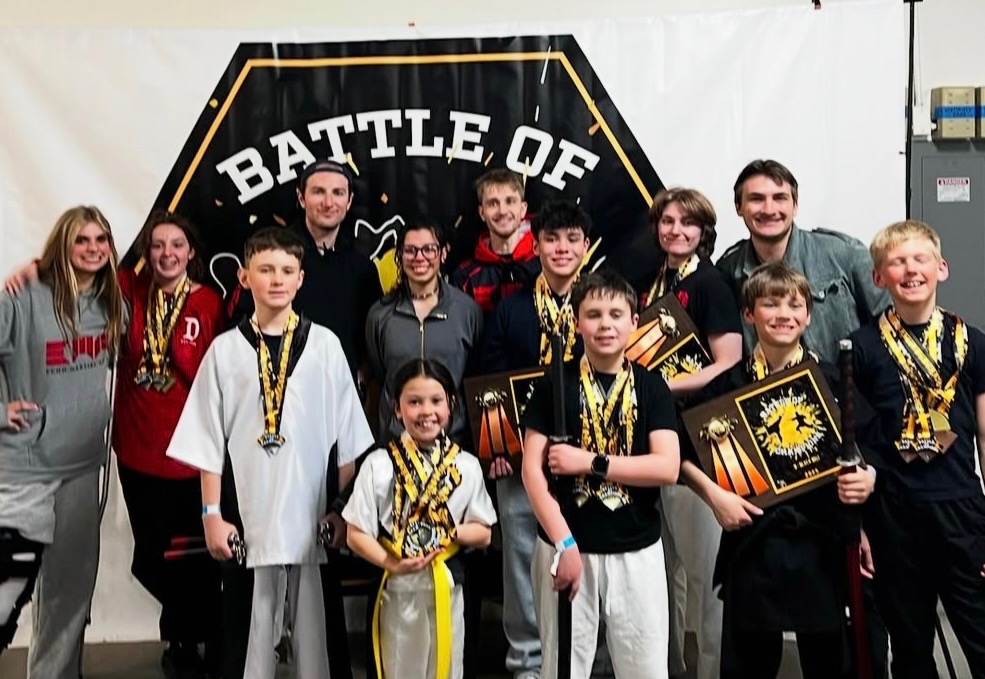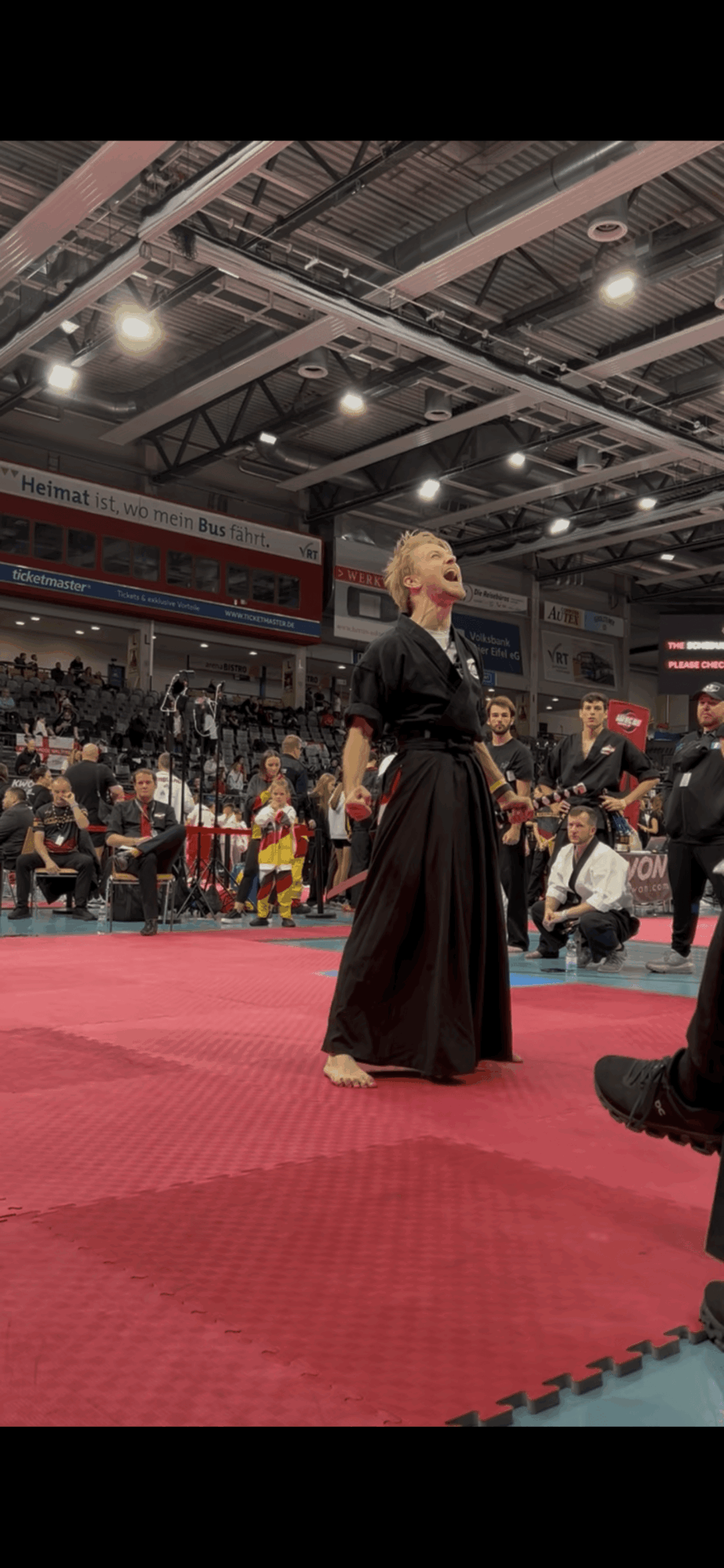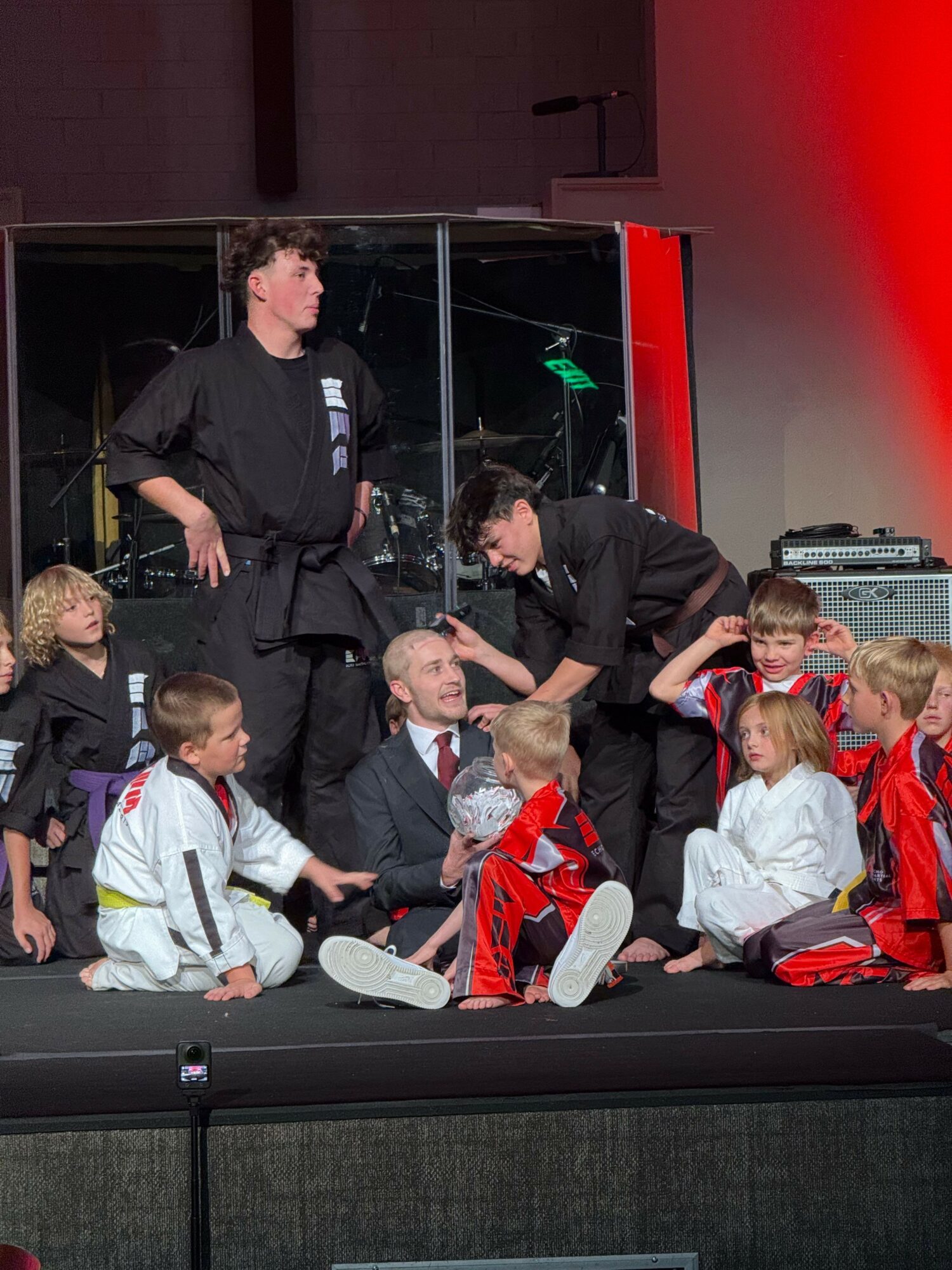



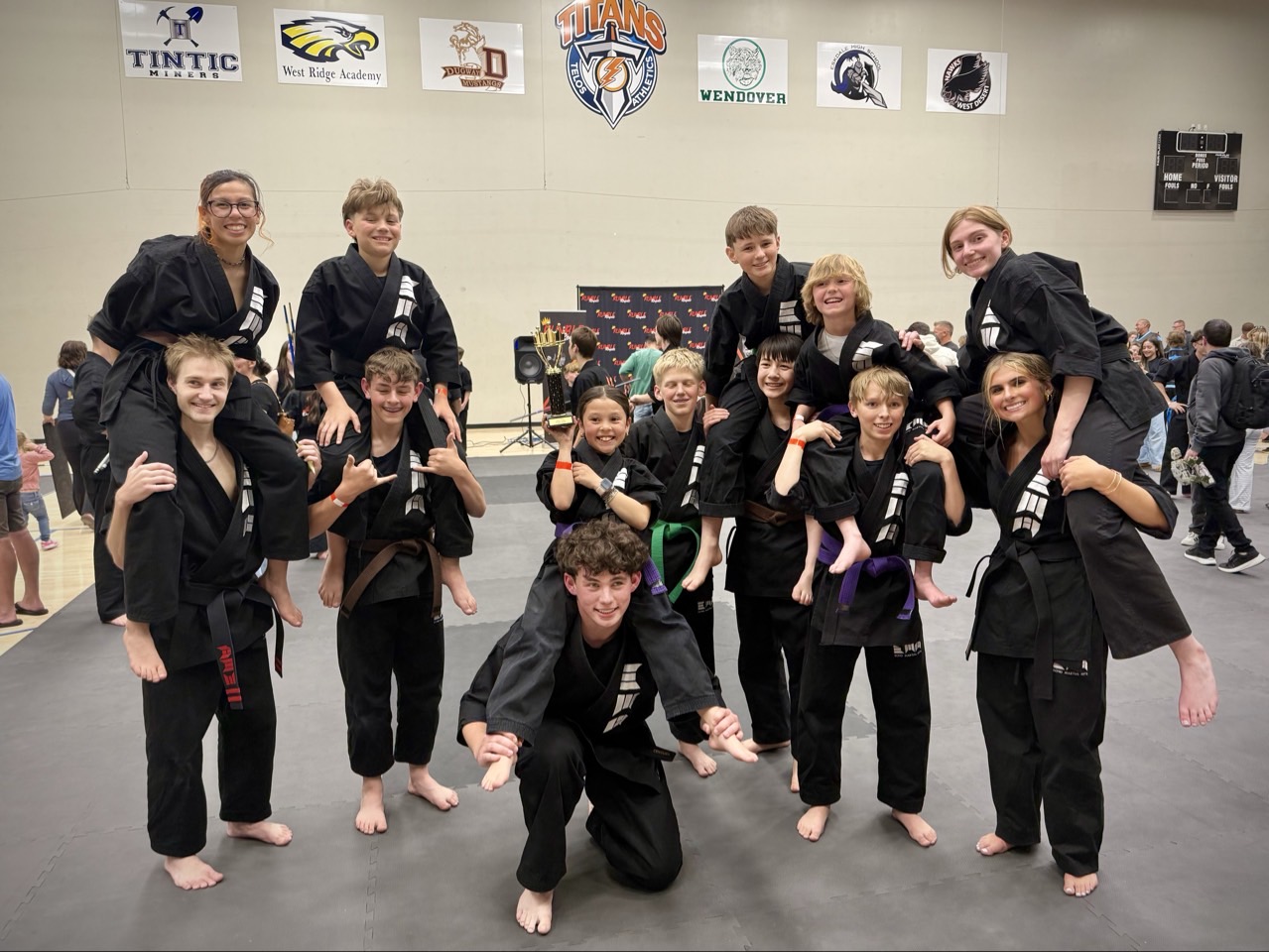
Today we’d like to introduce you to Gabriel Johnson.
Hi Gabriel, we’d love for you to start by introducing yourself.
Martial arts has been part of my life for as long as I can remember.
I started training when I was two years old and entered my first competition at four. At that age, I obviously had no idea where martial arts would eventually take me. I just knew that I loved being on the mat.
As I got older, that small beginning turned into something much bigger.
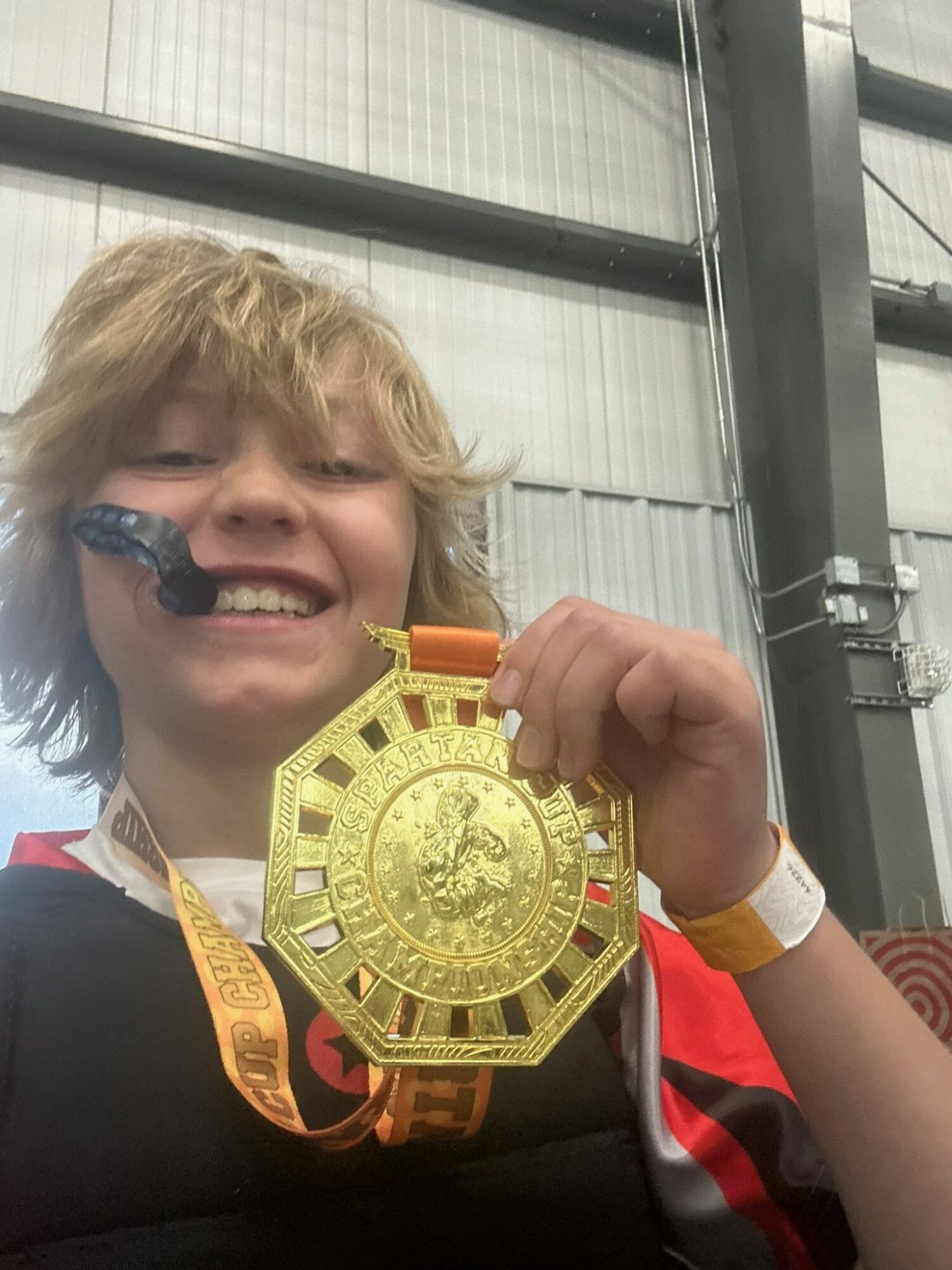
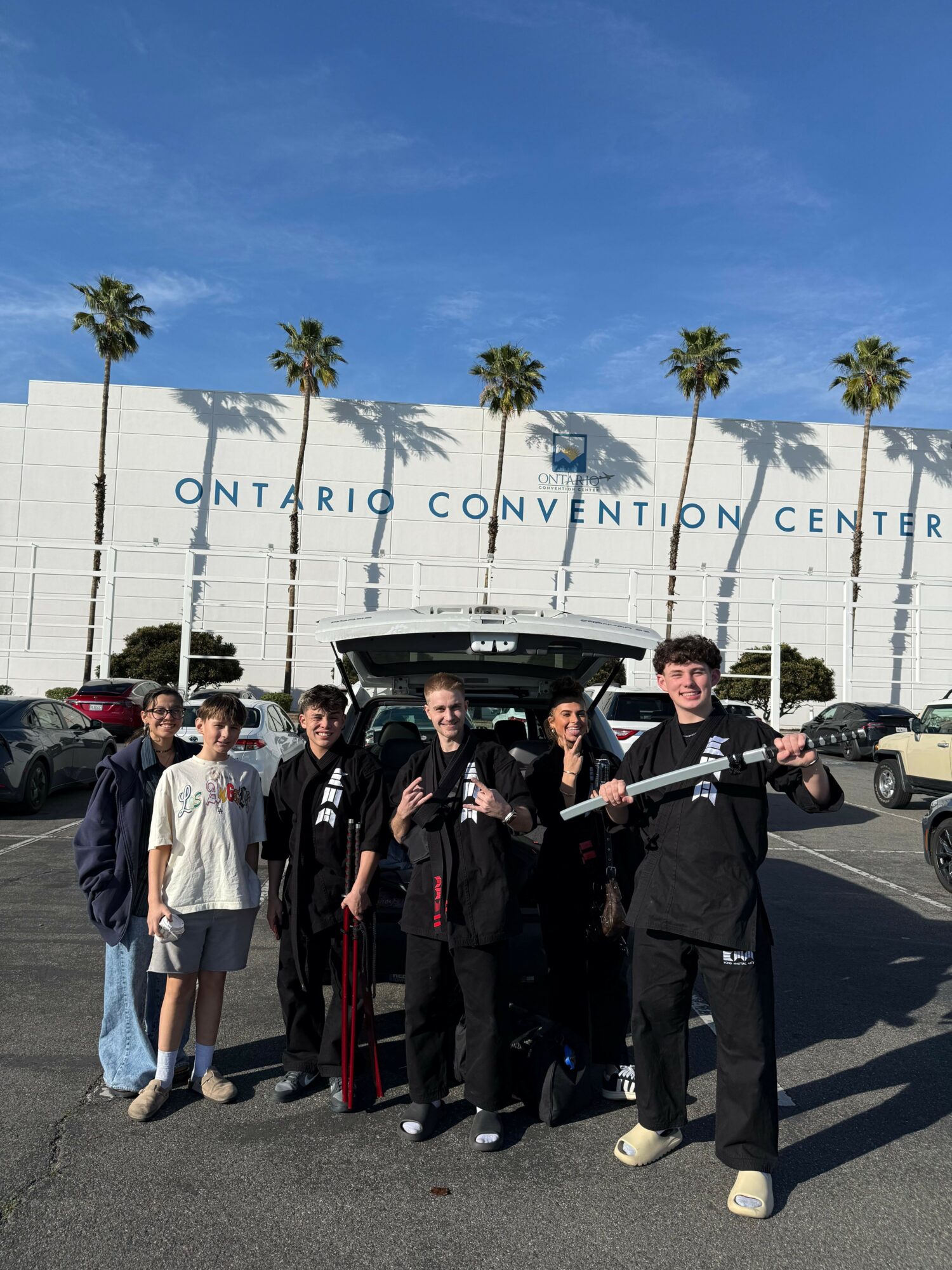
I’ve had the opportunity to compete across the country in places like Utah, California, Florida, Wyoming, Colorado, and many other states. Martial arts has also taken me outside the United States, giving me opportunities to perform, compete, and experience the sport in places like Jamaica, Germany, Mexico, and Canada.
Along the way, I never wanted to limit myself to just one style. I’ve spent my life learning from different martial arts and different people—training in American Kenpo, Taekwondo, Muay Thai, martial arts tricking, sport karate, and more.
But when I look back, the trophies, competitions, traveling, and techniques aren’t actually the most important things martial arts gave me.
It gave me people.
Growing up, my parents worked incredibly hard to give me opportunities. They made sacrifices so that I could attend private school, train, compete, travel, and pursue something I loved. There were things our family went without and sacrifices I probably didn’t fully understand as a kid because they wanted to give me the best chance they could.
I will always be grateful for that.
And through all of it, karate became another home for me.
Some of my closest friends came from martial arts. Coaches, teammates, students, parents, and competitors became people I considered family. The dojo wasn’t just somewhere I went to learn how to kick or punch. It was somewhere I belonged.
It taught me discipline when I needed discipline.
It taught me how to lose.
It taught me how to win without believing I was better than someone else.
It taught me how to work when nobody was watching, how to get back up after failing, how to respect people who were different from me, and eventually how to lead.
In many ways, martial arts helped shape the person I became.
Now, after spending nearly my entire life in this sport and the last six years running my own martial arts studio, I’ve started looking at my role differently.
I’m not just trying to create great martial artists.
I’m trying to create the kind of place that martial arts created for me.
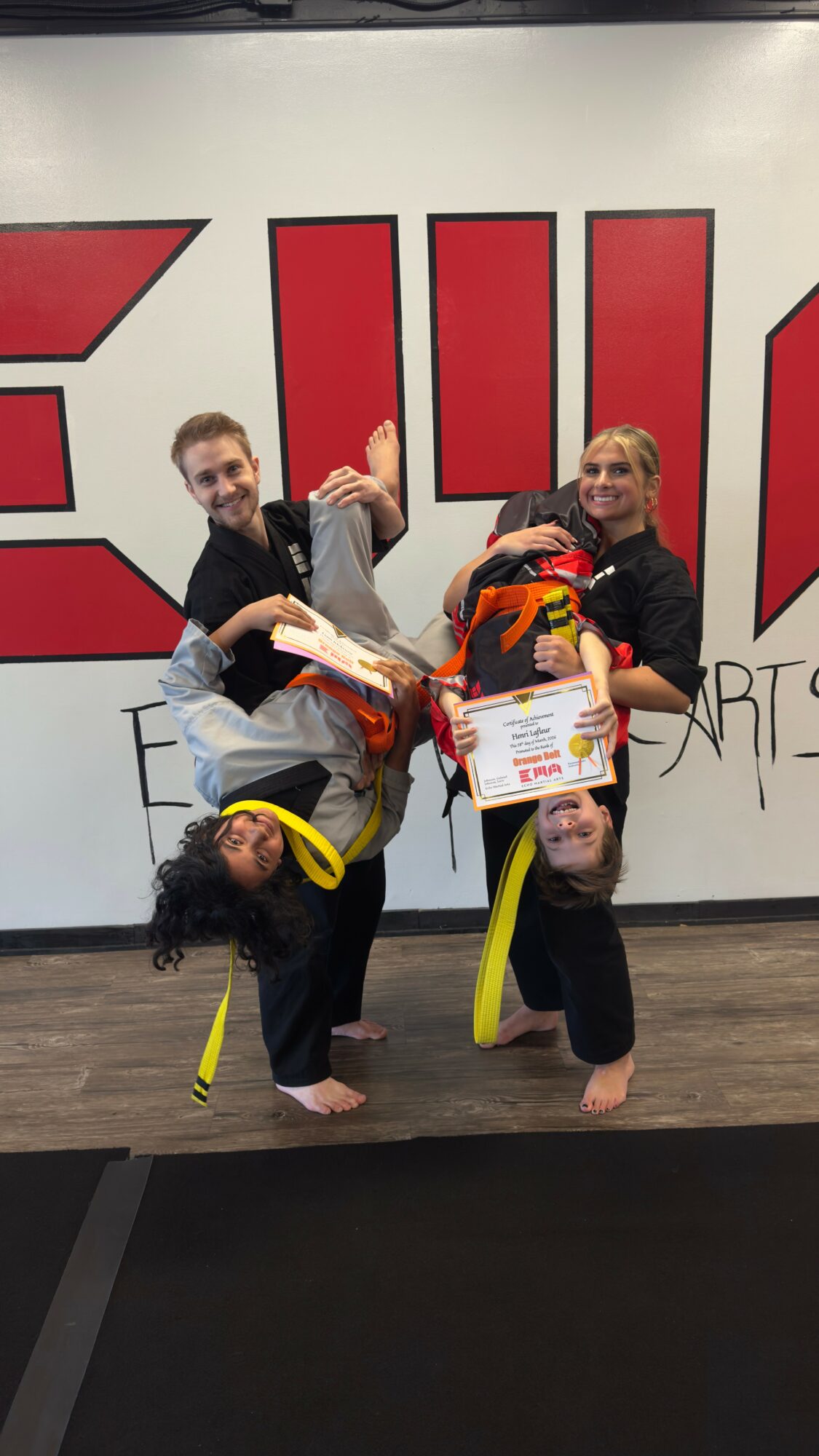
I want Echo Martial Arts to be somewhere a kid can walk through the doors and know that they belong somewhere.
A place where they have coaches who genuinely care about them.
Where older students look after younger students.
Where teammates celebrate each other’s victories instead of being jealous of them.
Where kids are expected to work hard, treat people with respect, take responsibility for their actions, and become leaders.
Because I think young people need places like that more than ever.
There are plenty of influences competing for their attention every day, but not nearly enough communities intentionally teaching discipline, confidence, respect, perseverance, integrity, self-control, and the importance of taking care of the people around you.
That’s what I want to build.
I want to take everything this sport has given me—the experiences, lessons, friendships, opportunities, failures, victories, and sense of family—and give it back.
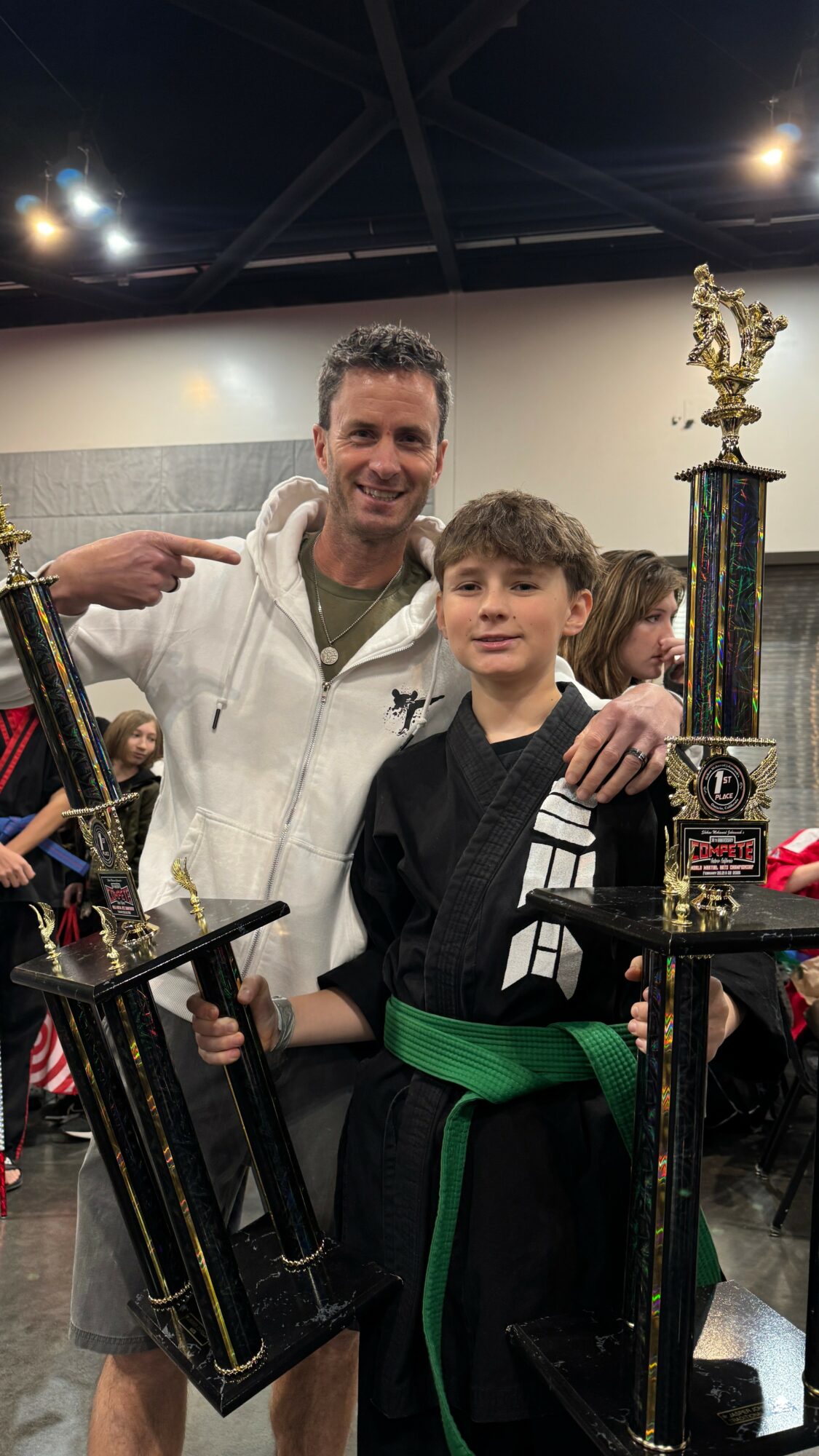
If we win tournaments along the way, I want to win them.
If we develop world-class competitors, I want to develop them.
I still love pushing the limits of what martial artists can do.
But the bigger goal is what happens beyond competition.
I want a student who grows up here to look back twenty years from now and remember the people who believed in them. I want them to remember the teammates who became lifelong friends, the instructors who held them accountable, the nights they wanted to quit but didn’t, and the moment they realized they were capable of more than they thought.
I want them to have their own version of what martial arts gave me.
A second family.
A place to grow.
A place to belong.
And eventually, a responsibility to take what they’ve learned and give something back to the people around them.
That’s why I do this.
Martial arts gave me a community.
Now it’s my turn to build one.
Would you say it’s been a smooth road, and if not what are some of the biggest challenges you’ve faced along the way?
It definitely hasn’t been a smooth road.
Financially, my family has never been especially well off, so I grew up understanding pretty early that opportunities usually came with sacrifice. Whether it was school, martial arts, travel, competition, or eventually running a business, there have always been moments where we’ve had to make hard choices and figure out how to make things work with what we had.
Running a martial arts studio has carried a lot of that same pressure. Sometimes it can feel like you’re trying to build something meaningful in a world dominated by huge businesses, aggressive marketing, and people with far more resources than you have. There have been plenty of times where I’ve had to sacrifice personally just to keep moving forward and protect what we’re trying to build.
There have also been challenges outside of business.
My parents separated when I was 16, and even at that age, that changes a lot about the way you see family and stability. I also come from a relatively small family, so when we lose someone, you really feel the space they leave behind.
And like a lot of families, we don’t always see the world the same way. There have been relationships I wish were closer and moments where differences in beliefs or perspective have created distance between people I care deeply about. I’ve learned that sometimes you can love someone, want the best for the relationship, and still not completely understand each other.
Those experiences have probably shaped what I want Echo Martial Arts to be just as much as my successes have.
I know what it feels like when life is uncertain. I know what it feels like to worry about money, to experience changes in your family, to lose people, and to wish certain relationships were different.
That is part of why creating a strong community matters so much to me.
I want our students to have a place where they know people are in their corner. I want them to have mentors, friends, teammates, and adults they can trust. I want them to learn that difficult seasons are part of life, but those seasons don’t have to define where you end up.
A lot of what I’ve built has come from struggle, sacrifice, and figuring things out as we go. But I think that has also kept me grounded in why I started doing this in the first place.
I’m not trying to build the biggest martial arts school possible.
I’m trying to build something that matters to the people inside it.
Great, so let’s talk business. Can you tell our readers more about what you do and what you think sets you apart from others?
Echo Martial Arts is a community-focused martial arts school built around the idea that training should develop more than just physical skill.
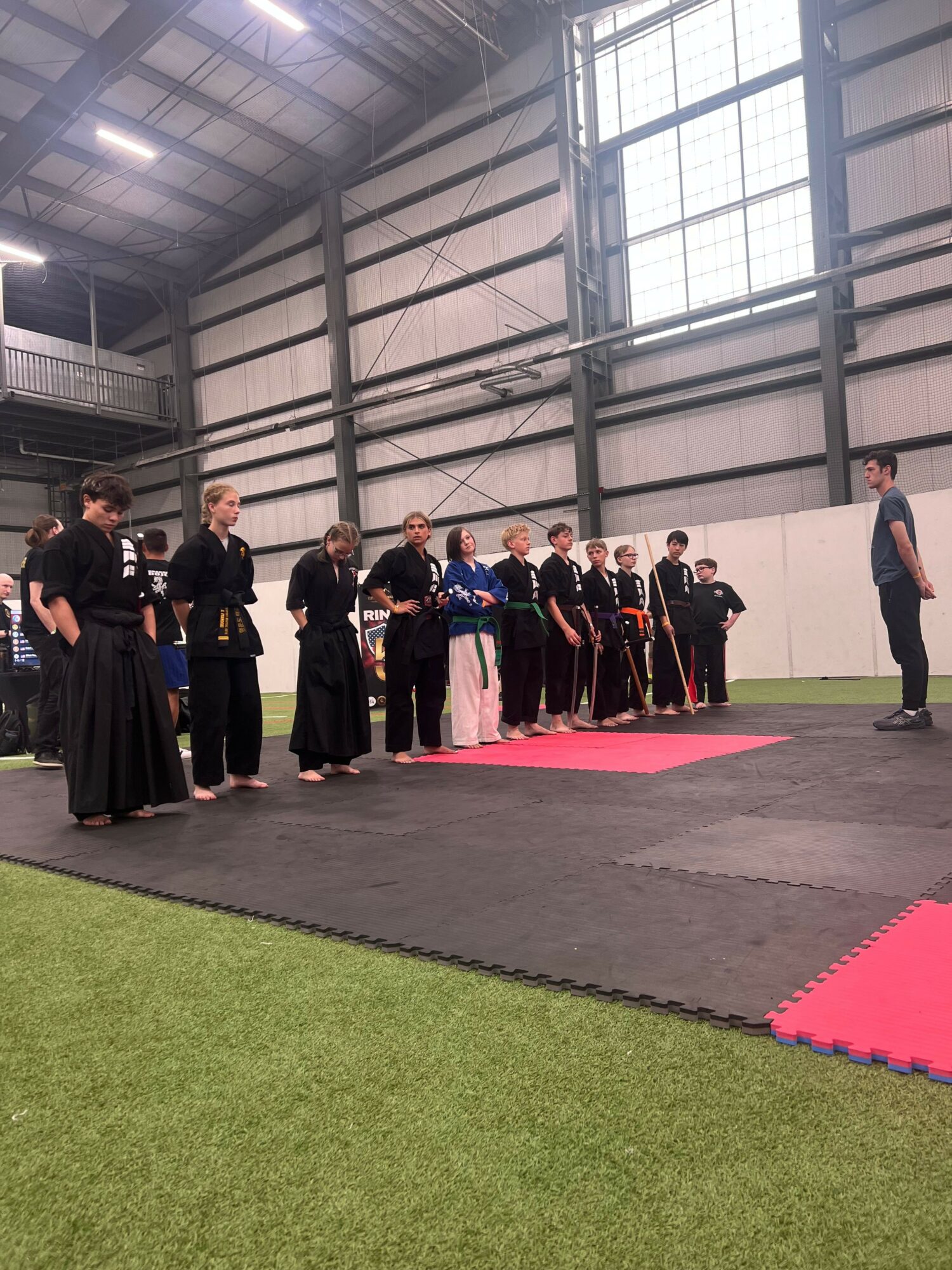
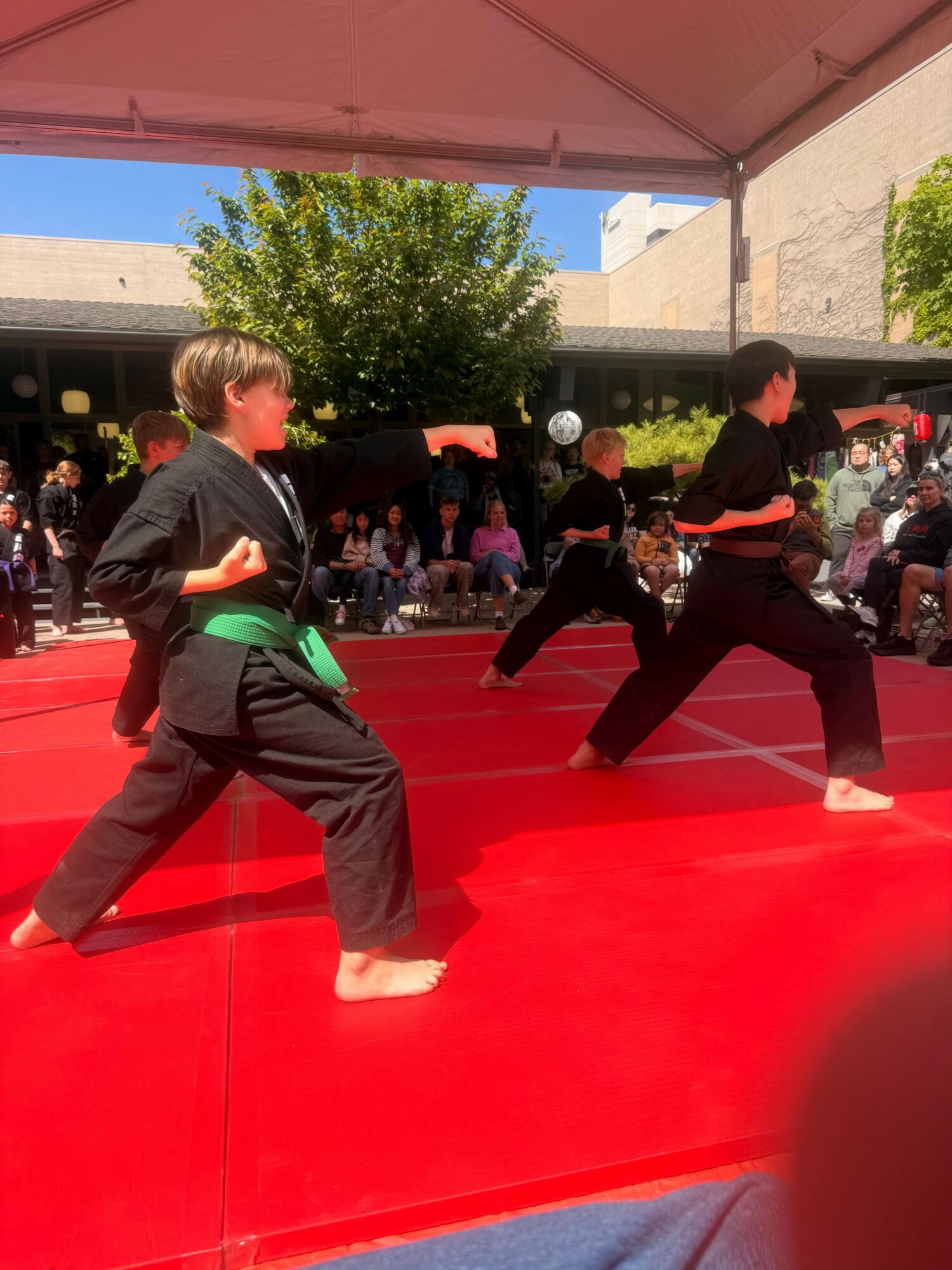
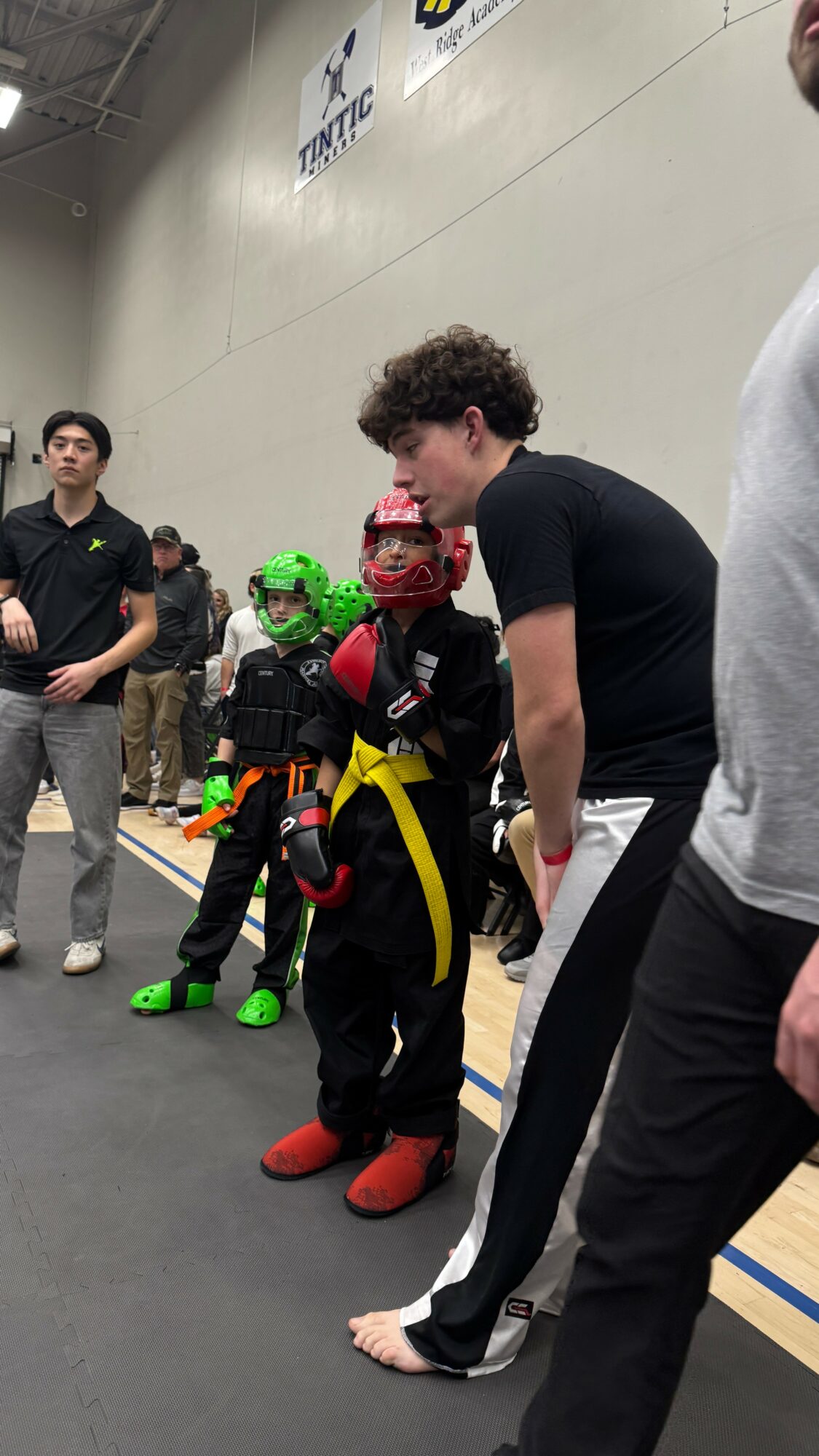
We teach a variety of martial arts, including American Kenpo, Taekwondo, Muay Thai, sport karate, weapons, martial arts tricking, self-defense, and competitive forms and fighting. We work with everyone from young beginners taking their first class to experienced athletes competing at a national and international level.
What sets us apart is that we do not try to fit every student into the same mold.
Some students come to us because they want to compete. Some want to build confidence. Some need help with discipline, focus, or self-control. Others are looking for a place where they can make friends, feel accepted, and be part of something. Our job is to figure out what each student needs and use martial arts as a tool to help them grow.
We are probably best known for our sport karate and performance side. We have students who train in creative and traditional forms, weapons, tricking, and competition, and we take a lot of pride in developing athletes who can perform at a very high level.
But the competition side of Echo is only one part of who we are.
What I am most proud of is the culture we have created.
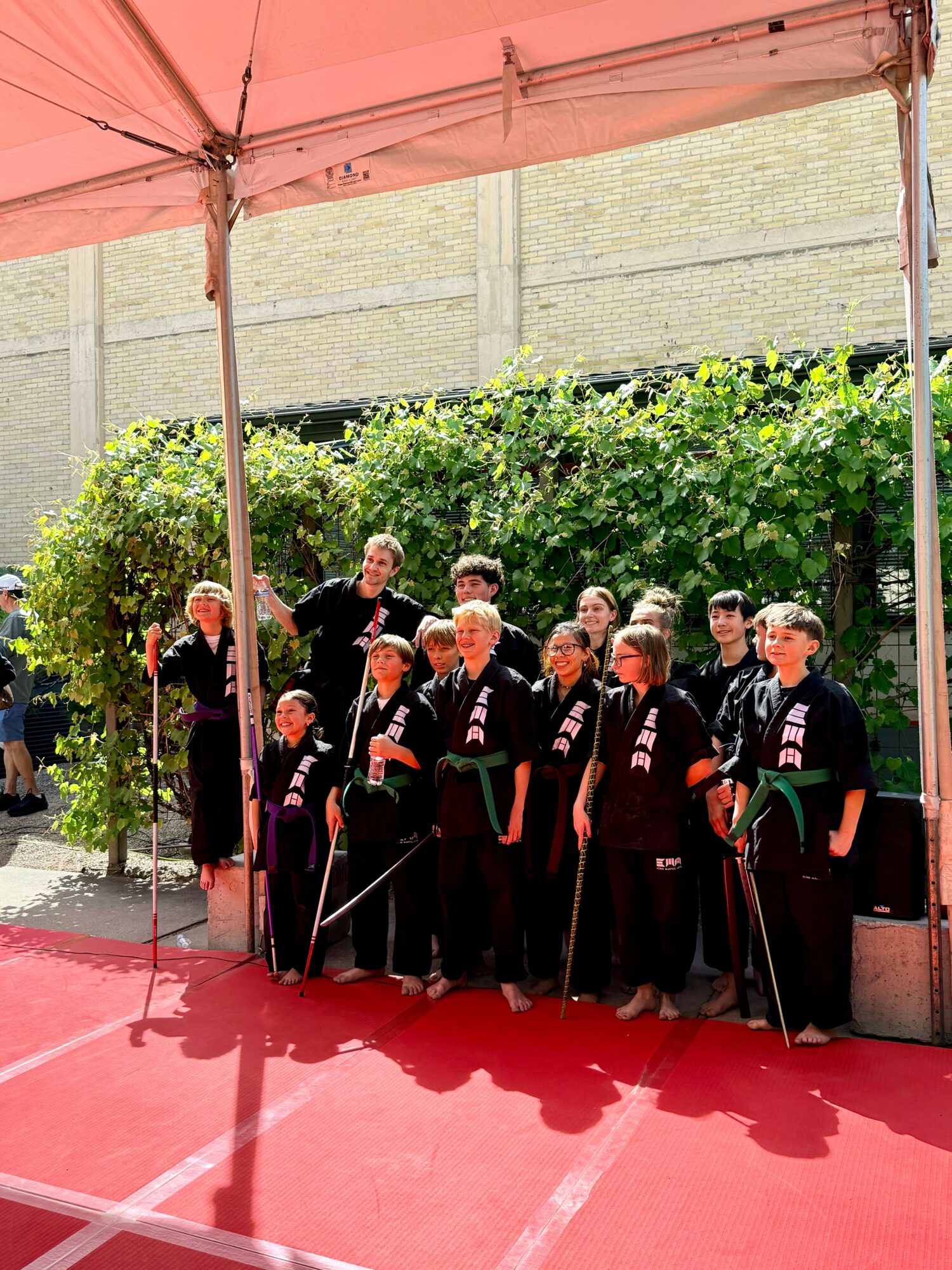
I want Echo to feel like the kind of martial arts school I grew up in — where the people around you become more than teammates. Older students help younger students. Instructors know their students personally. Families become friends. Students learn to celebrate each other’s accomplishments and support one another through the difficult moments too.
We put a major emphasis on confidence, respect, discipline, perseverance, integrity, courtesy, self-control, and leadership. Those values are not just words we put on a wall. We try to create opportunities every day for our students to actually practice them.
One of the things I love most about martial arts is that there is room for so many different personalities. A shy kid can find confidence. A very energetic kid can learn control. A competitive athlete can learn humility. Someone who feels like they do not fit in anywhere else can find a team.
That is ultimately what I want people to know about Echo Martial Arts.
We absolutely want to produce great martial artists and great competitors, and we are very serious about the quality of our training. But our bigger goal is to develop good people.
After running the studio for six years, I am most proud when I look around and see students who have essentially grown up together, families supporting one another, older students stepping into leadership roles, and kids becoming more confident versions of themselves.
Trophies are exciting, but eventually they sit on a shelf.
The relationships, confidence, discipline, memories, and sense of belonging that someone takes with them can last for the rest of their life.
That is what we are trying to build at Echo Martial Arts.
If we knew you growing up, how would we have described you?
Growing up, I was definitely a bit of a know-it-all, and I was probably more sensitive than I would have admitted at the time. I could be a crybaby, I cared a lot about what people thought, and I did not always know how to navigate people or social situations very well.
Part of that came from having to learn how to operate in a world that did not always make communication easy for me. I was born completely deaf in my left ear, and over the years I have also lost a significant amount of hearing in my right ear. That created plenty of headaches growing up with teachers, classmates, and friends. There were times when people thought I was ignoring them, not paying attention, or being difficult when I simply had not heard them.
As a kid, you do not always have the language or confidence to explain that well, so I had to learn how to advocate for myself and navigate those misunderstandings.
School was already a little rocky socially. I was also bullied at times because I was different from many of the kids around me, including having a different religious background. When you are young, those differences can feel much bigger than they really are, especially when other kids make you feel like you do not belong because of them.
That caused me to lean more and more on my martial arts community.
Martial arts became the place where I felt understood. It gave me friends, mentors, goals, and something productive to pour myself into. When other parts of life felt uncertain or uncomfortable, the dojo felt consistent. I did not have to be exactly like everyone else to belong there. I just had to show up, work hard, and keep improving.
I was also always very driven and curious. I liked learning new things, improving skills, competing, and figuring out how things worked. That probably explains the know-it-all part too. I wanted to understand everything and prove to myself that I could do it.
That drive carried over into school as well. I graduated high school early while also earning my associate degree, and at 17 I transferred to the University of Utah to continue my education. Looking back, I think I always had this desire to keep moving forward and challenge myself, whether that was academically, athletically, or personally.
I certainly was not the most confident kid growing up. A lot of that confidence had to be learned.
I learned how to communicate when communication was difficult. I learned how to adapt. I learned how to deal with people who misunderstood me, and eventually I became much more comfortable standing on my own and being different.
Looking back, I think those experiences are a big reason I care so much now about making sure the kids at Echo feel like they belong.
I know what it is like to feel different. I know what it is like to be misunderstood. And I know how powerful it can be for a young person to find a group of people who accept them while still pushing them to grow.
Martial arts gave me that place when I needed it, and a lot of who I became grew from there.
Contact Info:
- Website: https://EchoMartialArts.com
- Instagram: https://www.instagram.com/echomalegacy
- Facebook: https://www.facebook.com/share/1CUXcQ2PrP/
- Youtube: https://youtube.com/@echomartialarts