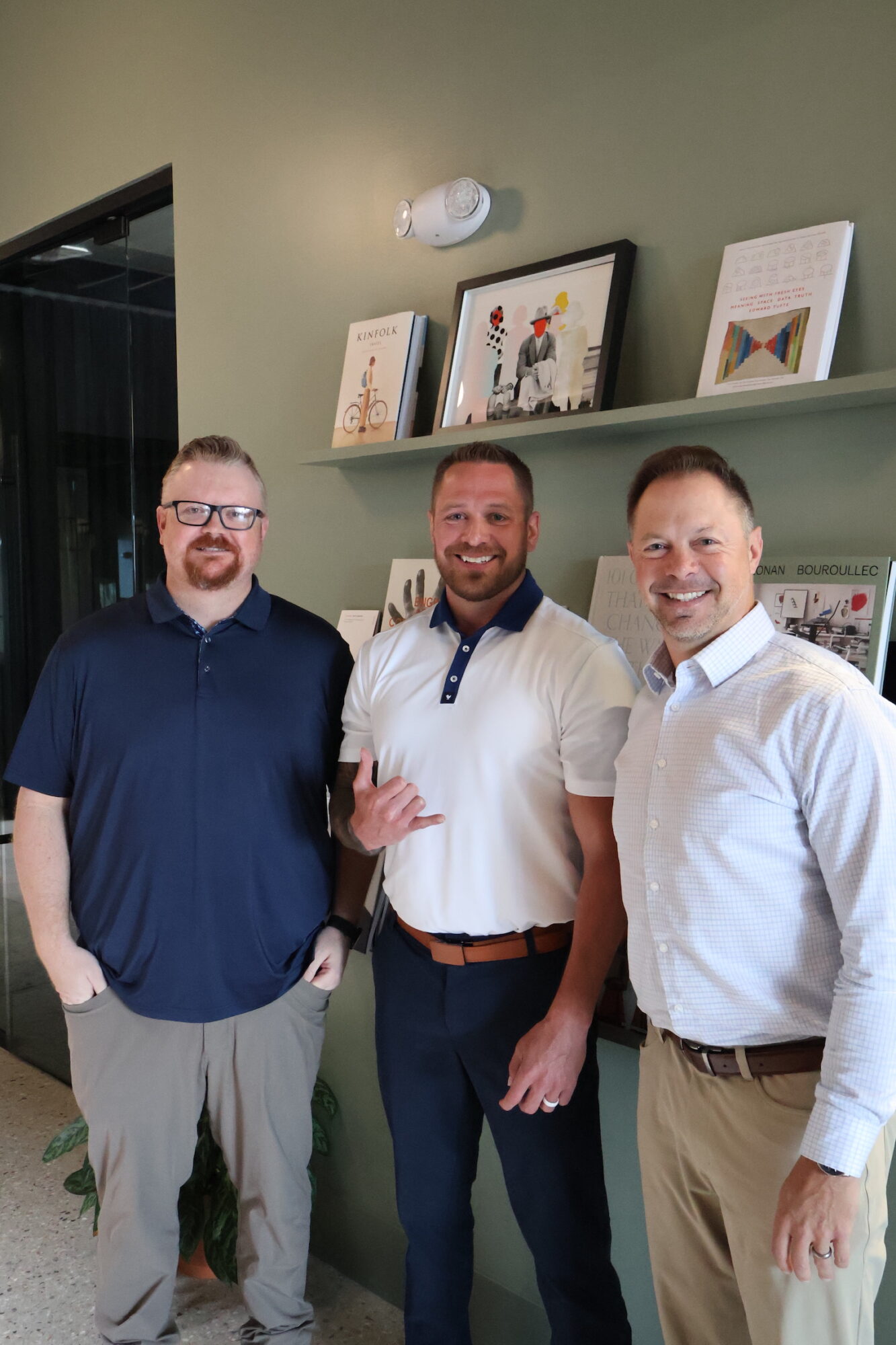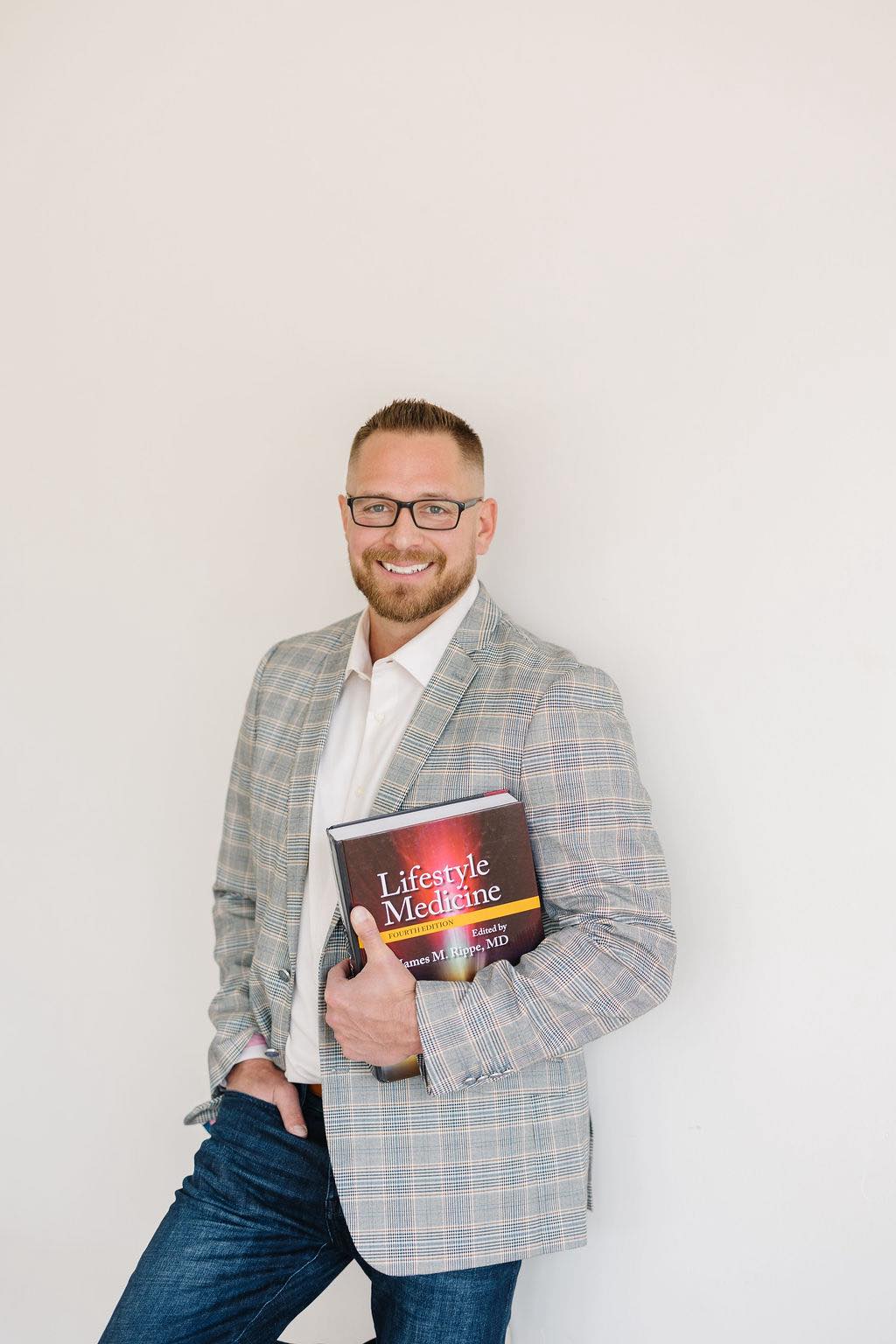



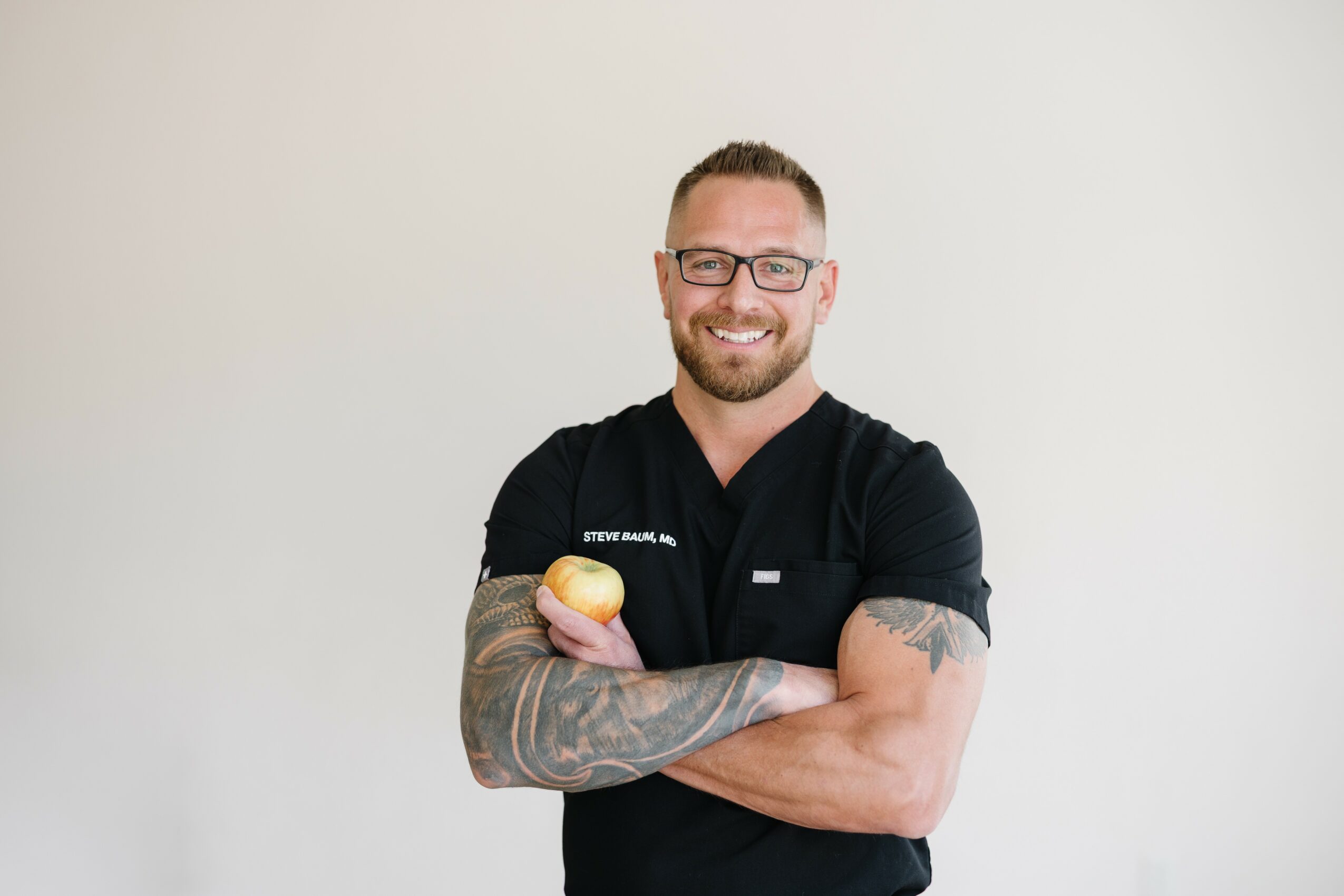
Today we’d like to introduce you to Steve Baum.
Hi Steve, so excited to have you with us today. What can you tell us about your story?
Like a lot of good stories, mine didn’t start with a perfectly mapped-out plan—it started with curiosity, a bit of grit, and a willingness to keep moving forward.
I was the first in my family to graduate from college, which meant there wasn’t really a blueprint to follow. But early on, I discovered something that changed everything—I genuinely loved learning. Science, in particular, just clicked. It gave me a lens to understand how the body works, why it breaks down, and more importantly, how we might be able to improve it.
The military was a huge turning point for me. Serving as an Air Force TACP taught me discipline, resilience, and probably most importantly, the confidence that I could figure things out—even in high-pressure situations. That experience stayed with me and shaped how I approach challenges to this day.
Fast forward to residency, and I found myself doing what I had trained so long to do—taking care of sick patients. It was meaningful work, no doubt. But I kept having this nagging thought: Why are we always waiting until people are already sick to step in? It felt like we had built an entire system around reacting to disease rather than preventing it.
That question stuck with me—and honestly, it didn’t sit well.
So I decided to build something different.
Starting my own practice was about creating the kind of medicine I believed in. A model that prioritizes prevention, education, and long-term health—not just quick fixes. It also meant stepping outside of traditional systems—away from insurance-driven care and corporate constraints—so I could focus on what actually matters: helping patients take control of their health in a sustainable way.
That’s really what Kaizen Health is about. The idea that small, consistent improvements—guided by good science and a supportive relationship—can completely change the trajectory of someone’s health.
At the end of the day, I still love the science. But even more than that, I love helping people realize they’re not broken—their metabolism, their health, their story—it’s just been misunderstood. And with the right approach, we can change that.
Would you say it’s been a smooth road, and if not what are some of the biggest challenges you’ve faced along the way?
I don’t think anyone builds something meaningful on a perfectly smooth road—and I definitely didn’t.
There were plenty of challenges along the way. Being a first-generation college student, there’s a lot you have to figure out on your own—academically, financially, and honestly just learning how to navigate systems that weren’t built with you in mind. That teaches resilience early, but it also means you take a few extra hits along the way.
The military had its own set of challenges—high expectations, high stakes, and very little room for error. But in hindsight, that’s where I built a lot of the mental toughness and confidence that I still lean on today.
Residency was a different kind of struggle. Long hours, constant pressure, and emotionally heavy work. Taking care of very sick patients is incredibly meaningful—but it can also be frustrating when you start to realize how limited our system can be when it comes to prevention. That was probably one of the biggest internal conflicts for me—knowing we could do better, but being in a system that wasn’t designed for it.
And then starting a business… that’s a whole new level of challenge. There’s no playbook. You’re making decisions every day with incomplete information, taking financial risks, and stepping away from the security of a traditional path. There were definitely moments where it would’ve been easier to just stay in the system.
But none of those challenges were deal-breakers—they were defining moments.
If anything, they reinforced the same idea I now teach my patients: growth doesn’t come from comfort. It comes from small, consistent steps forward, especially when things aren’t easy.
So no, it hasn’t been a smooth road—but I wouldn’t change it. Every obstacle helped clarify what I stand for, and ultimately led me to build something that aligns with how I believe medicine should be practiced.
Thanks for sharing that. So, maybe next you can tell us a bit more about your business?
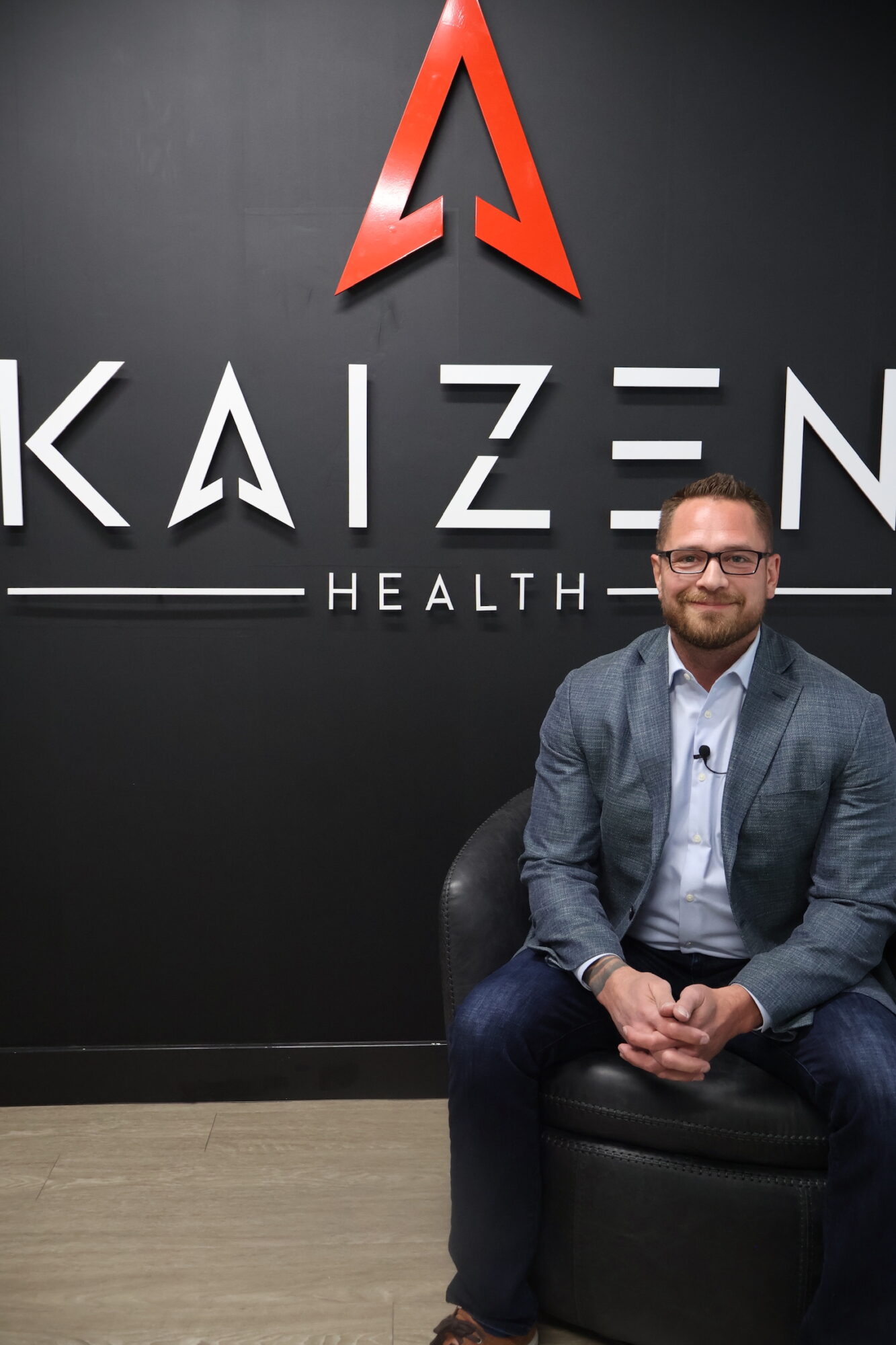
Kaizen Health was built around a pretty simple idea: healthcare should help you stay healthy—not just treat you once you’re already sick.
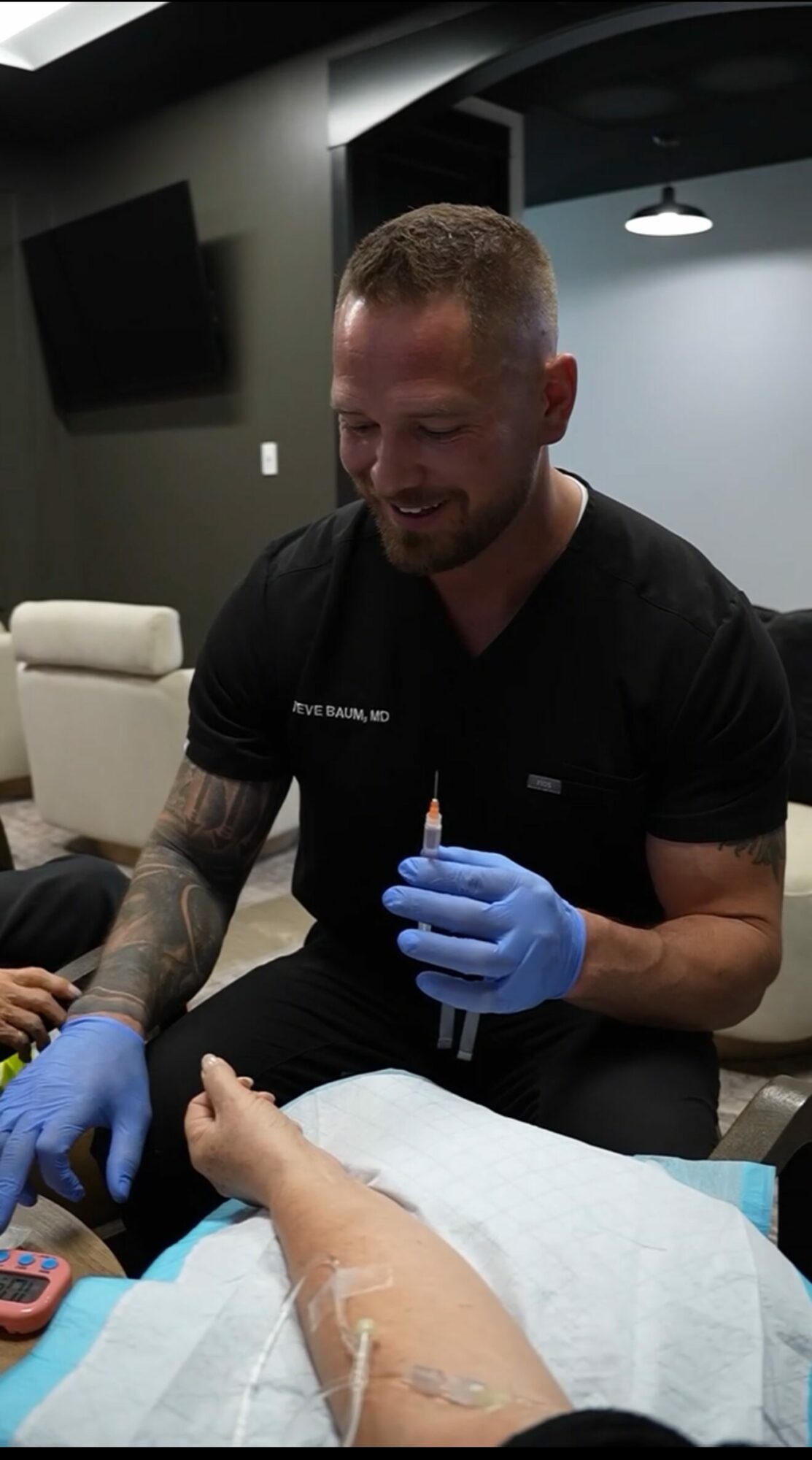
We’re a physician-led, telemedicine-based practice focused on metabolic health, weight management, and hormone optimization. But more than that, we focus on helping people actually understand their bodies—how metabolism works, how hormones influence everything from energy to mood, and how small, sustainable changes can completely shift long-term health.
What we’re probably best known for is combining science with simplicity. There’s a lot of noise in the health space—conflicting advice, quick fixes, trends—and our job is to cut through that. Whether it’s medical weight loss, GLP-1 therapies, testosterone or hormone support, or targeted supplement protocols, everything we do is grounded in evidence and tailored to the individual.
What really sets us apart is the model of care.
We don’t operate through insurance, which allows us to spend more time with patients and focus on outcomes—not billing codes. Our membership gives patients direct access to a physician, transparent pricing, and medications at cost. No middlemen, no hidden markups, no rushed visits. Just a relationship-based approach where patients feel heard, supported, and actually guided through the process.
Brand-wise, what I’m most proud of is the trust we’ve built. We’ve created a space where patients feel comfortable asking questions, where they’re not judged, and where they’re treated like partners in their own health—not passive participants.
At the end of the day, Kaizen Health is about empowering people. We want our patients—and your readers—to know that their health isn’t fixed or predetermined. With the right guidance, the right tools, and a little consistency, meaningful change is not only possible—it’s sustainable.
Are there any apps, books, podcasts, blogs or other resources you think our readers should check out?
One concept that aligns closely with Kaizen Health is the idea from The Obstacle Is the Way—that obstacles aren’t interruptions to the process, they are the process. That’s exactly how we approach health. The setbacks, the plateaus, the challenges—that’s where the real progress happens if you’re willing to stay consistent.
Contact Info:
- Website: https://kzn.health/
- Instagram: https://www.instagram.com/thekaizen_md
- Facebook: https://www.facebook.com/kaizenhealthmd/
- Youtube: https://www.youtube.com/@TheKaizenMD
- Other: https://www.tiktok.com/@thekaizenmd