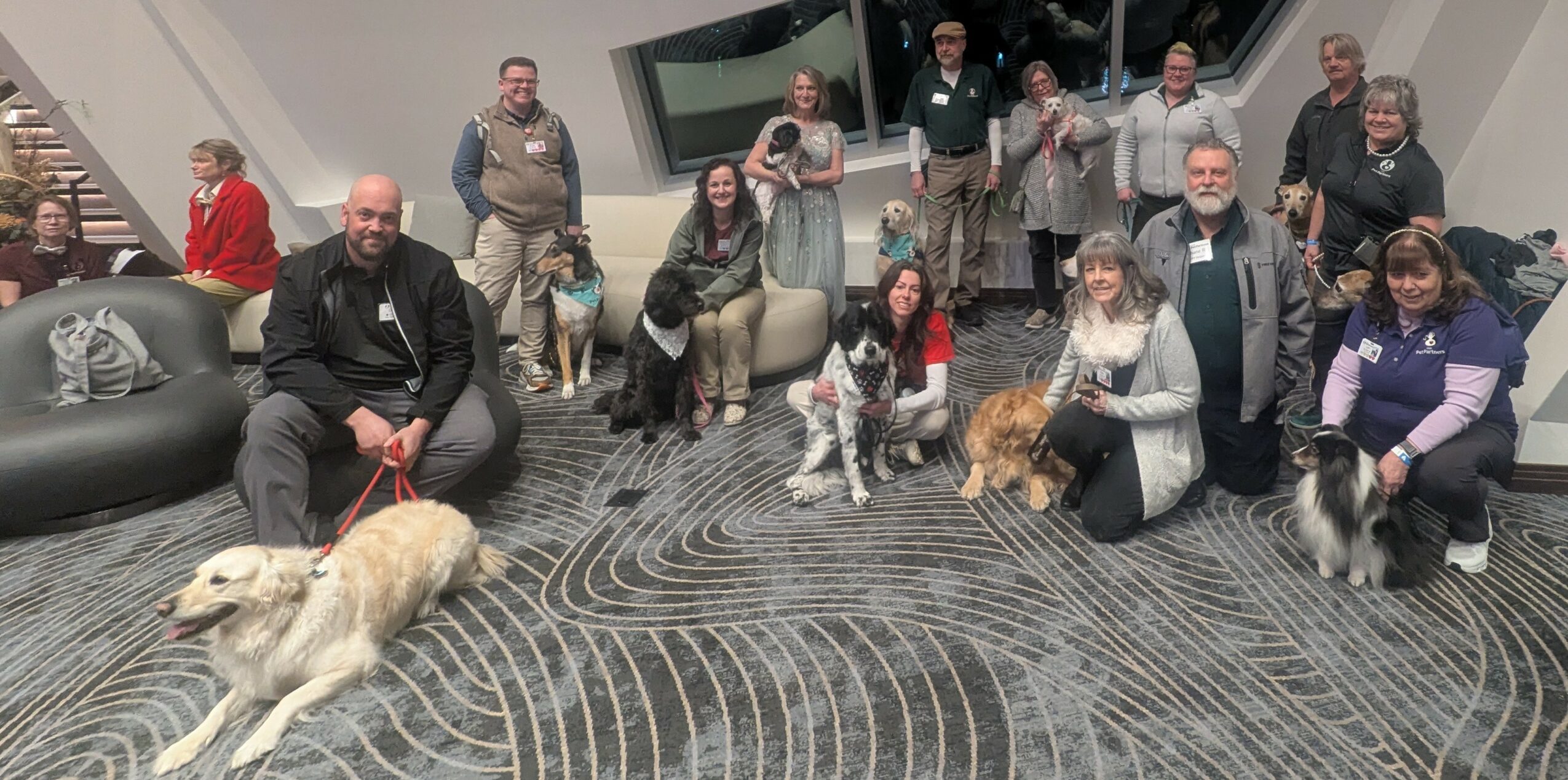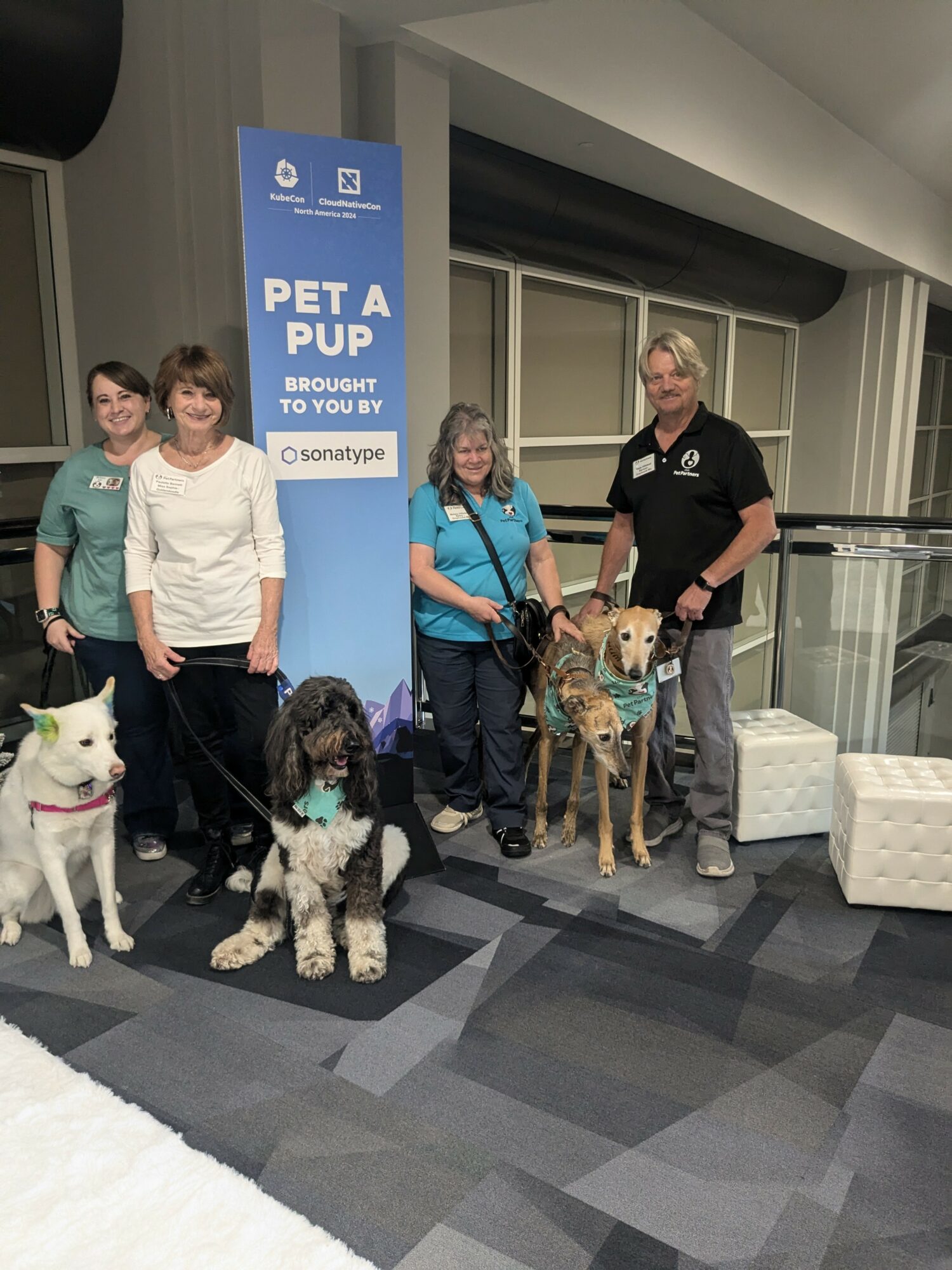



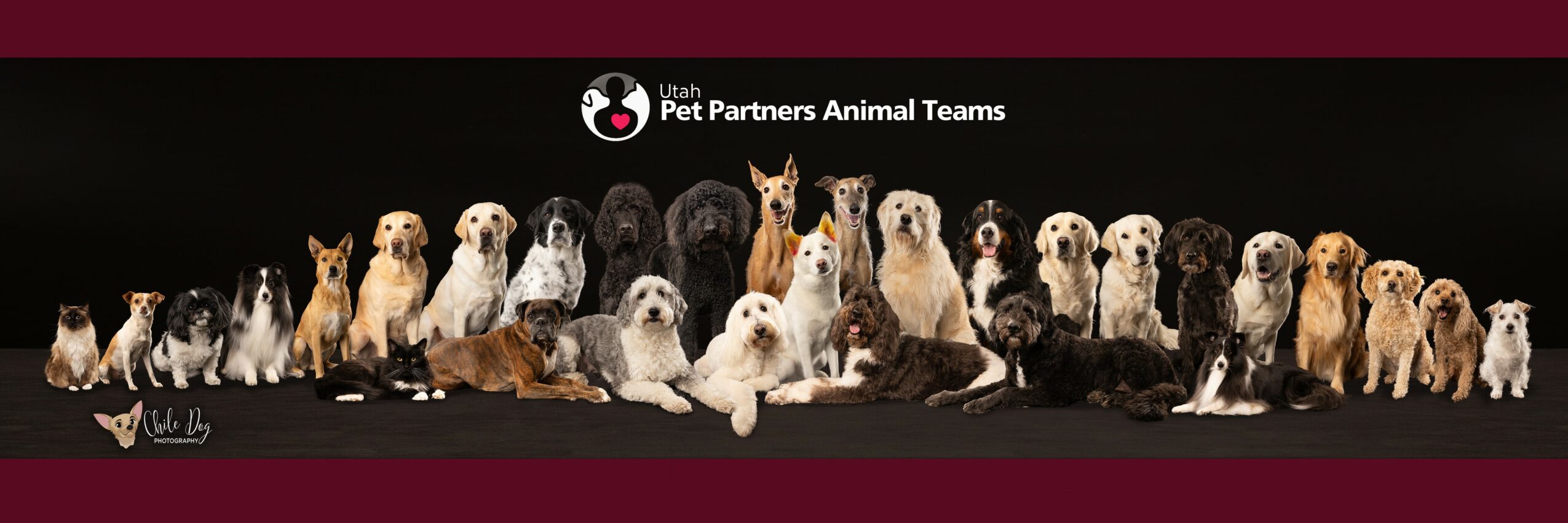
Today we’d like to introduce you to Melany Hillstead.
Hi Melany, we’d love for you to start by introducing yourself.
Who We Are
Utah Pet Partners (formerly Therapy Animals of Utah) is a 501(c)3 non-profit organization that is dedicated to improving human health and well-being in partnership with therapy animals. We are the Utah Community Partner of Pet Partners, our national organization.
Not All Therapy Animal Registries are the Same
When our organization first began in 1993 under the name The Good Shepherd Association, we looked at several therapy animal registries. We were seeking a registry that provided:
• professional handler training,
• careful assessment and testing of teams, and
• a commitment to animal welfare.
Pet Partners (then known as Delta Society), a group of enthusiastic medical and veterinary researchers in the field of the human-animal bond, had just formed their Pet Partners visiting animal program and were already well-known for meeting our criteria. We chose to become an affiliate, and later a Community Partner, of this prestigious organization.
In 1996, the group published the first book of Standards of Practice for Animal-Assisted Activities and Animal-Assisted Therapy, which continues to be an international reference to this day.
In 2017, Pet Partners published Standards for General Therapy Animal Programs, in alignment with evidence-based guidelines published by the Society for Healthcare Epidemiology of America (SHEA), the International Association of Human-Animal Interaction Organizations (IAHAIO), the American Journal of Infection Control (AJIC), and the America Veterinary Medical Association (AVMA). This standard is update regularly as research is expanded or revised.
Standards for General Therapy Animal Programs
Therapy animals enhance human health and well-being
Therapy animals can positively impact our physical, social, and emotional lives. Whether helping to encourage struggling readers, motivating someone to participate in their treatment protocol, or providing comfort in the final days of life, therapy animals are increasingly recognized for their value. Leaders in animal-assisted interventions (AAI) must be committed to preserving and expanding access to therapy animals through high standards for safety and professionalism. Therapy animal visitation is not about novelty or entertainment.
Utah Pet Partners is a separateorganization from the national organization. Pet Partners do not provide any financial support to Utah Pet Partners.
Who We Serve
Utah Pet Partners serves people of all ages and abilities. Our services are provided by volunteers, with no charge to clients or facilities, so we are able to serve people from every economic level. Because of the size of our modest but growing number of therapy animal teams and our commitment to quality, we focus our activities along the Wasatch front and back. We look forward to a time we are able to develop the infrastructure of mentors and, if needed area coordinators to support teams in other areas of Utah that are already requesting our services. We currently have teams from Logan to St George.
Hospitals
We are proud to have a contract with Intermountain Health Care for service in hospitals throughout Utah, and our teams serve in Ogden Regional Medical Center, CommonSpirit Hospital, Comp Health, Promise Hospital, and Landmark Hospital. Patients and visitors in medical and surgical units, ICU, CCU, orthopedics, pediatrics, oncology, patient’s rooms, and stressful waiting areas experience the calming, empathetic, and compassionate presence of our therapy teams.
Rehabilitation and Skilled Nursing
Elderly people, adults, and sometimes even adolescents need specialized care after severe accidents and illnesses in rehabilitation and skilled nursing facilities. Visits by our therapy animal teams break up the monotony of challenging physical and occupational therapy sessions and bring motivation, hope, relaxation, and sometimes even the relief of pain.
Assisted Living, Long Term Care, Memory Care, Hospice
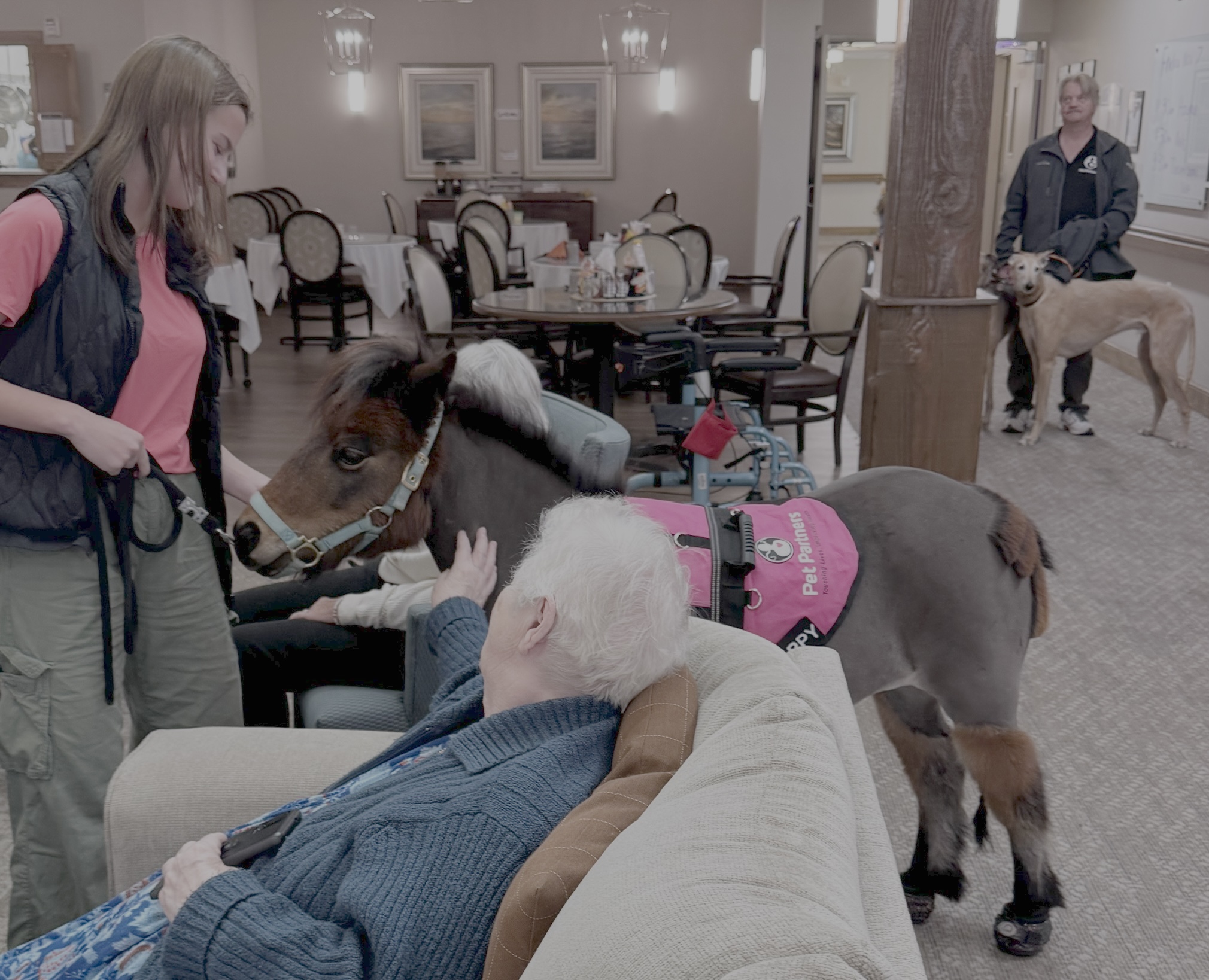
As older adults enter specialized care facilities, they often experience loneliness and disconnection. Our therapy animal teams come ready to listen to their stories and reminiscences with interest and quiet attention. Interesting visitors with dogs and cats become friends, lifting isolation and depression.
Adult Mental Health
Adults with mental illness, PTSD, or battling substance use disorders may struggle with anxiety, damaged self-esteem, and depression. Our therapy teams bring them unconditional acceptance, and the physiological changes that occur in the presence of calm, loving animals help them feel more sociable, more verbal, and more able to do the hard work of recovery.
Adolescent and Children’s Mental Health
Children and adolescent experience mental illness, and often a lack of trust in adults as well. Therapy animals can assist in the establishment of rapport with therapists, help teach important coping skills, and provide safe and loving touch. Their handlers are important models in listening, caring, and support of their animal partners.
Shelters
Men, women, and children who are displaced and in shelters because of homelessness or violence need a reminder of how uniquely important they are. Our therapy animal teams come to visit and bring back a sense of normalcy and respect, some smiles and laughter to people who might not have a lot to smile about in their daily lives.
Services for People with Disabilities
Our therapy animal teams help to reduce the anxiety of people with disabilities and provide mental and sensory stimulation, as well as concrete examples of successful emotional regulation. People who don’t often get a chance to be on the giving end of caring get a chance to nurture the animals in a variety of satisfying ways.
Correctional Facilities
People who are in prison or detention facilities can benefit from the acceptance and rapport that come with our therapy animal teams. They are often motivated to work with their therapist and our therapy animals to understand their past behaviors. Learning how animals are trained can bring insight into the origin and change of human conduct.
Court Programs
Children and adolescents in court situations can begin to relax and tell their stories in the presence of a kind, gentle, well-behaved, and compassionate animal and its human partner. Even in difficult situations of describing abuse, the animal can help the child feel safe enough to talk with the judge.
Schools
The relaxing and empowering presence of therapy animal teams help students in regular and special education classrooms in many ways. Research shows that children reading with animals form positive and successful associations with books, and reading levels improve significantly. Our talented handlers collaborate with their animals and classroom teachers to teach a variety of lessons, from academic to social skills.
Libraries
Therapy animal teams in local libraries add to the joyful family experience of reading together. The animals are accepting, non-judgmental, and calming, while the handlers communicate the animal’s interest, questions, and suggestions about the reading materials. Who knew that dogs could be such thoughtful literary fans?
Universities
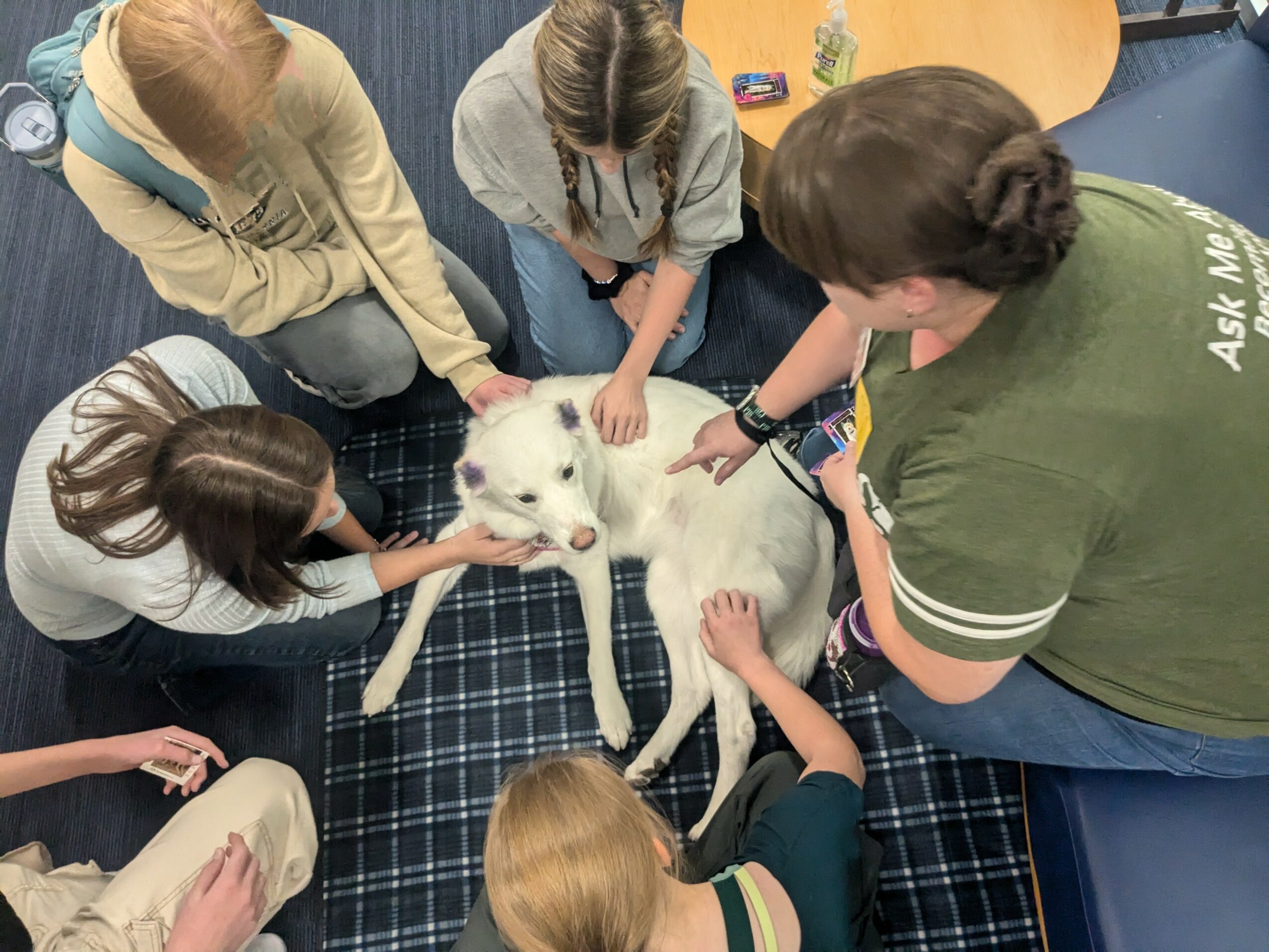
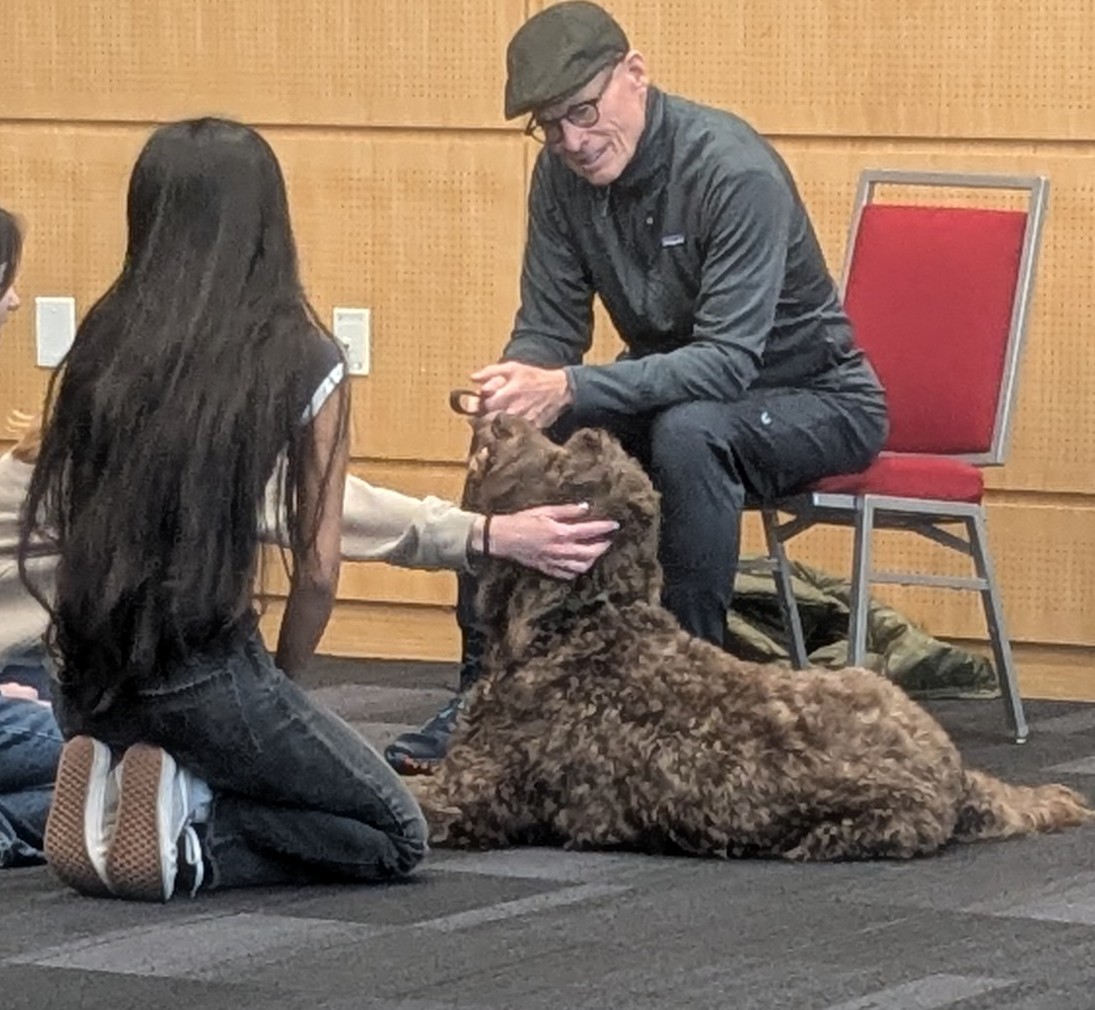
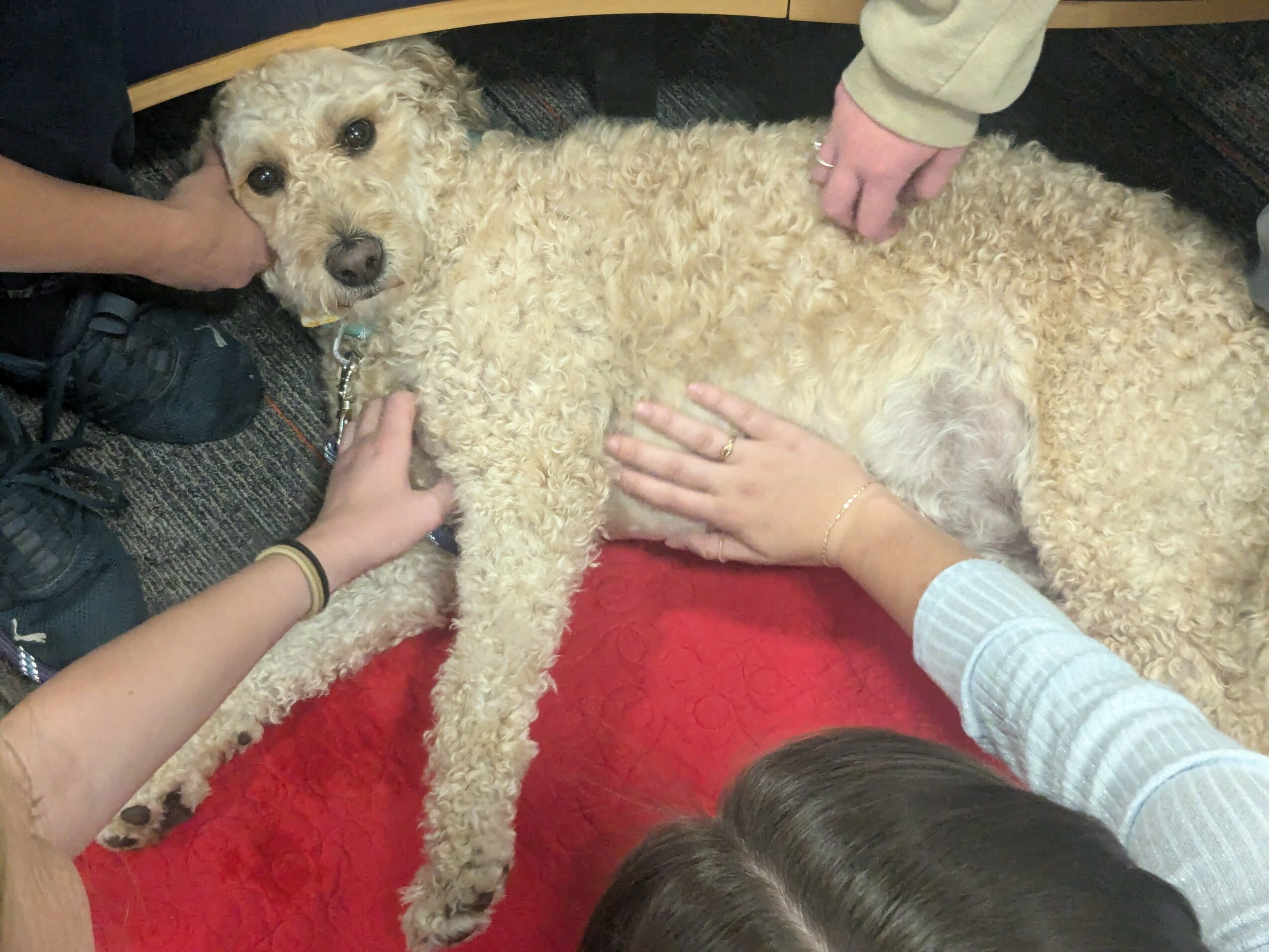
The cumulative stress of young adults in universities, learning novel concepts, coping with developing relationships, and preparing for often make-or-break exams, can be almost overwhelming. Our therapy animal stress-relief events are always a hit. During almost every event a handler will report that at least one student sat near the animals for almost an hour, quietly stroking until they stood up, smiling, and obviously more relaxed.
All Rolled into One
Our skilled and talented therapy teams are accustomed to working with a variety of clients in every setting. Many facilities have veterans; people with vision, hearing, physical, or cognitive disabilities; anxiety; and/or pain. No matter the needs of the people they meet, the animals are unperturbed, accepting, and kind. Their handlers act as their leaders and partners. As a team, they bring comfort, love, hope, and healing.
Our Utah Pet Partner team are owners who have a well behaved animal and go through the training that they purchase from the national Pet Partners. They then go through a 20 exercise evaluation in order to become a registered Therapy Animal team. The teams must renew every 2 years in order to make sure they maintain the proper skills and aptitude that is required for a therapy animal team.
Would you say it’s been a smooth road, and if not what are some of the biggest challenges you’ve faced along the way?
Our biggest obstacles are letting people know what we do and acquiring enough teams to cover the requests we receive for our UPP teams. We get more requests than our UPP Therapy Animal Teams can cover. In 2025 we visited over 84,000 people (with 70-75 teams) in Utah with our UPP Therapy Animal Teams. We need more teams so we can cover all the requests we receive. We try to never decline a visit request but sometime we have to visit less often than the request or provide a monthly visit instead of a weekly visit, or occasionally an annual visit. Of course we would decline any visit where it is not a safe environment for our teams.
Also as with most non-profits, funding to cover our expenses is difficult. Unfortunately we fall in a grey area for grants. We are not an animal shelter even though many of our animals are rescues (30-40%). We are also not considered a medical service, even though many of our visits are done in a medical setting. Because of this we are not eligible for many grants that foundations provide. There are few organizations that give grants for therapy animals. Most of the people do not know what we do unless they have experienced a visit and seen and felt the amazing work our UPP Therapy Animals provide. We do also take donations from the public either one time or recurring but we only have a few of those.
As you know, we’re big fans of Utah Pet Partners. For our readers who might not be as familiar what can you tell them about the brand?
We have a very small staff and we are remote workers and do not have a facility with a large monthly expense. We have a bookkeeper, a Developmental Director, an Executive Director and a Program director, (both have chosen to be paid as part time staff members even thought they work a lot more) in order to keep the cost down for the organization. Our aim is to decrease our costs as much as possible, so we are not wasting funds on rents or large salaries.
Our Executive Director support our teams with mentorship during the first visit or two at a facilitate, if needed and perform site assessments for new facilities, and also organization group events and special events. Our Program Director supports our teams with mentorship with the ED or when the ED cannot support the team. The Program Director schedules all the volunteers for evaluations, set the times for each teams evaluations and send them information that they need prior to the teams evaluation. The Program Director also makes UPP ID badges for the teams once they complete their registration. Together they organize fundraisers and go to public events to raise awareness about Utah Pet Partners and it’s mission.
What was your favorite childhood memory?
My favorite memories are times I was able to spend with my dogs. Over the years I have had some amazing dogs and now I can share them with others through Utah Pet Partners. I cherish each visit that UPP attends as teams with our dogs. Especially when I see someone de-stress during a visit with one of our teams.
Pricing:
- Becoming a Utah Pet Partners Animal Therapy Team • We are a Community Partner of Pet Partners, they register nine different species: dogs, cats, domestic rats, mini pigs, birds, rabbits, guinea pigs, mini horses and alpacas. • The first step in becoming an animal team is the handler’s training course. You take the Pet Partners Animal Handler Online Course, offered at any time. This is a course that is provided and required by our national organization and paid directly to them ($80 – no part of it comes to UPP). Here’s a link to Pet Partners petpartners.org • There is a $30 fee when you evaluate and then every 2 years when you reevaluate (and if you get a “not ready” you will retest without a fee until you pass). • After you pass your evaluation and register with Pet Partners $95 new ($50 for UPP members) and renewing $70 (discounted every 2 years for UPP members), you will have $1,000,000 of General Liability insurance with an aggregate of $2,000,000 with Pet Partners whenever you are volunteering. • UPP one time membership fee of $35 (some discount available). If you are planning on visiting an IHC facility and a few others in Utah they require more than the $1,000,000 per incident GL Insurance, so you will need to join UPP in order to have that additional insurance coverage.
Contact Info:
- Website: https://www.therapyanimalsutah.org/
- Instagram: https://www.instagram.com/utahpetpartners/
- Facebook: https://www.facebook.com/utahpetpartners/
- Youtube: https://www.youtube.com/channel/UCAr4-5N1H7ens2n10V3-eHw/playlists