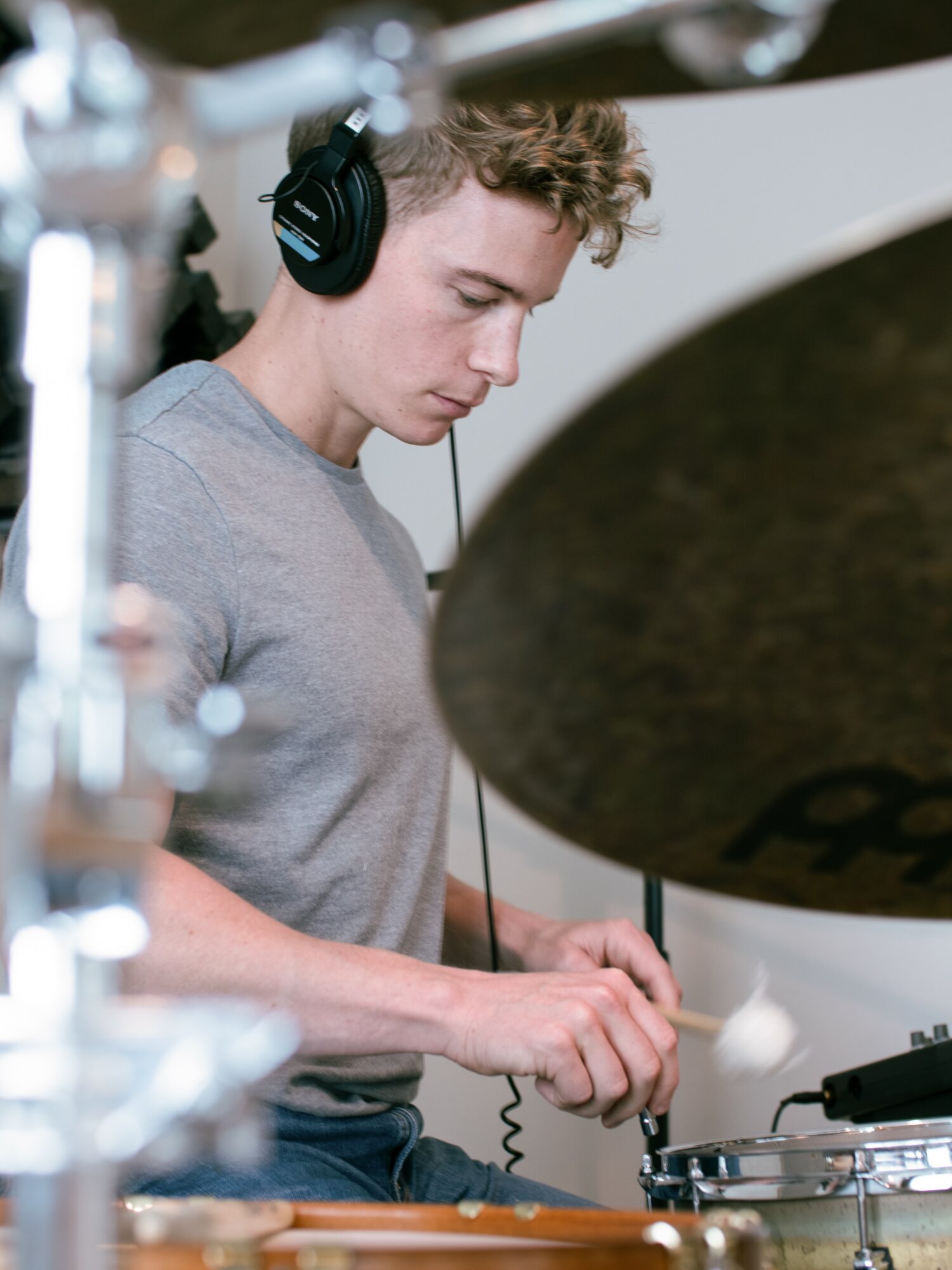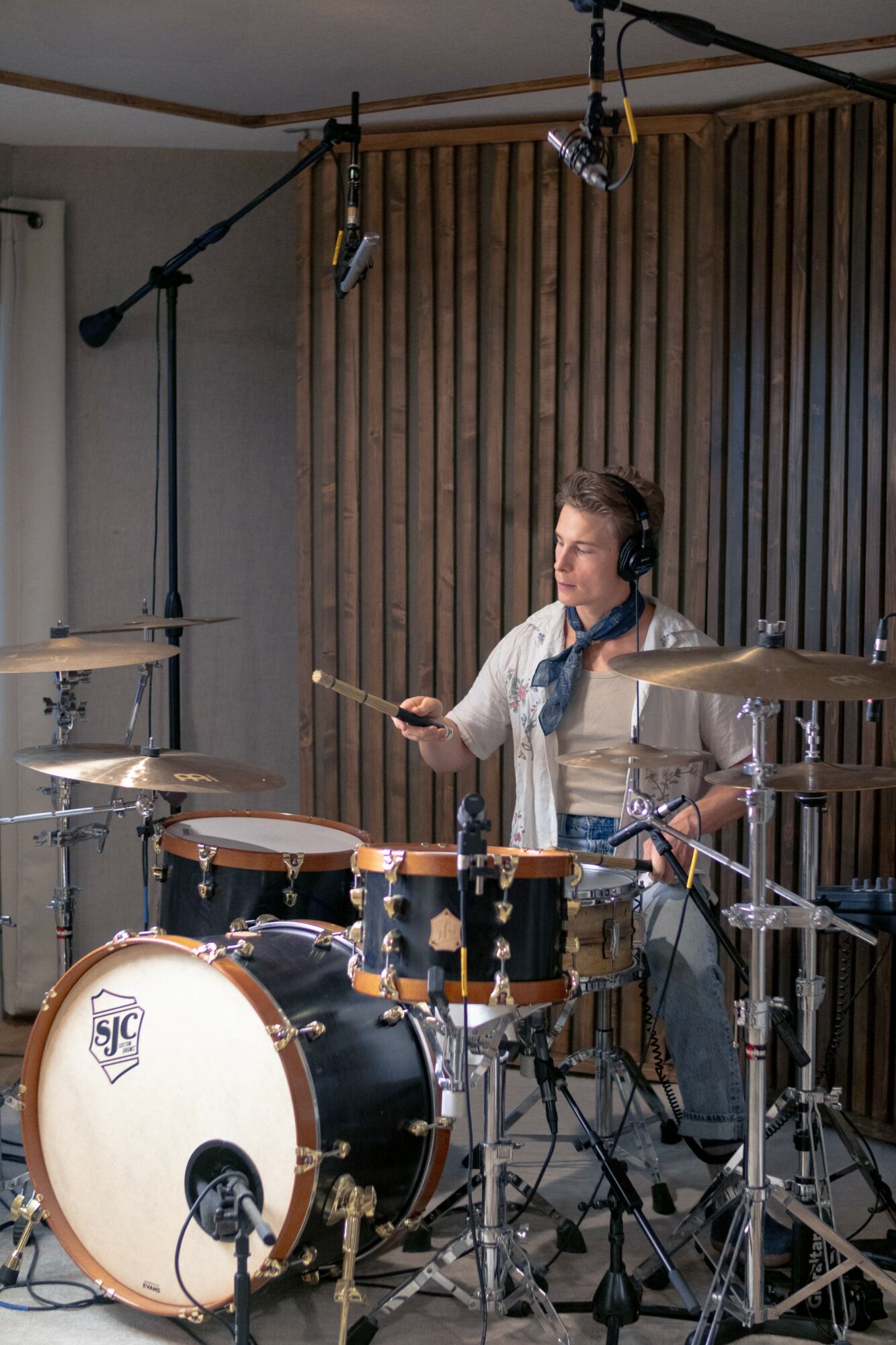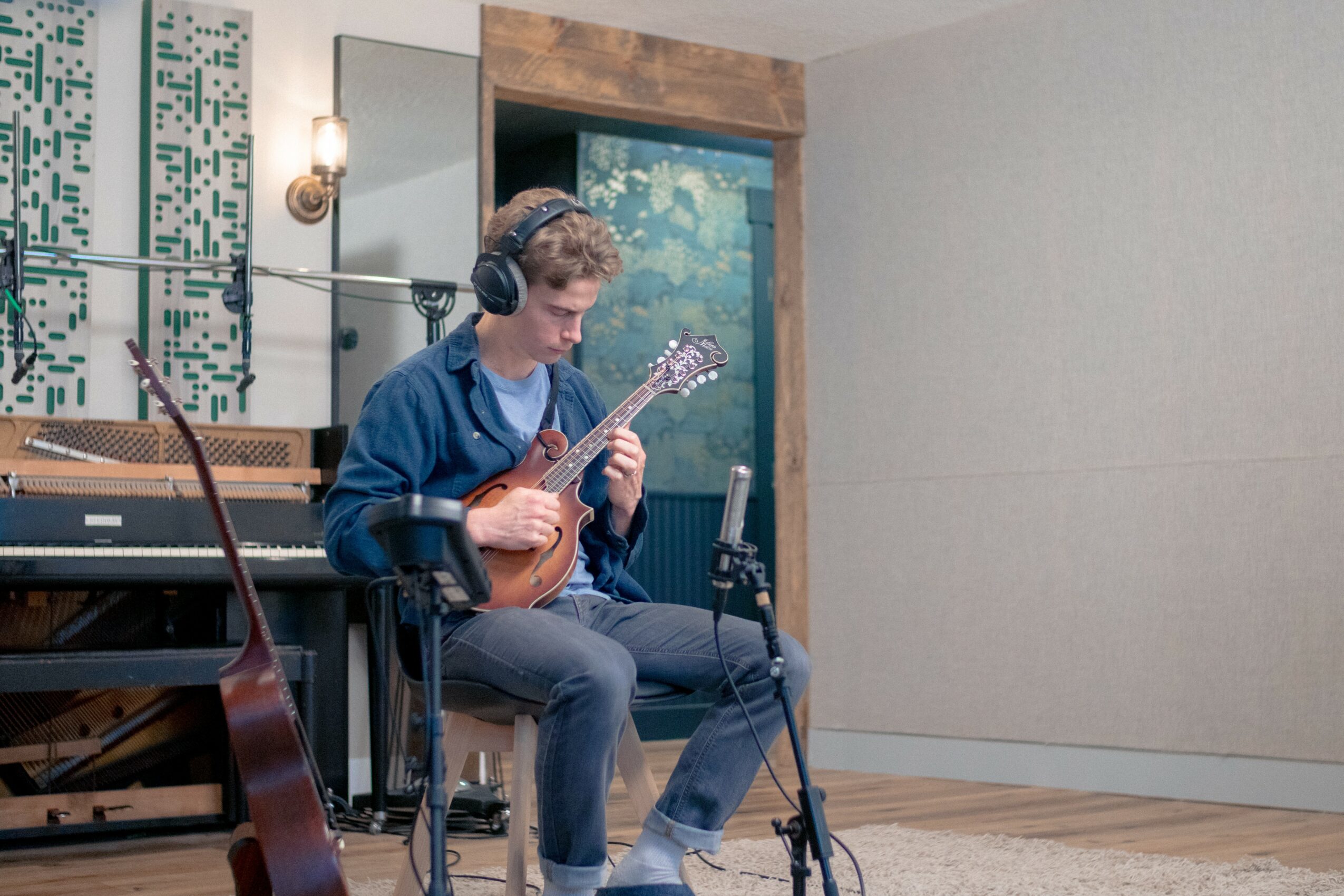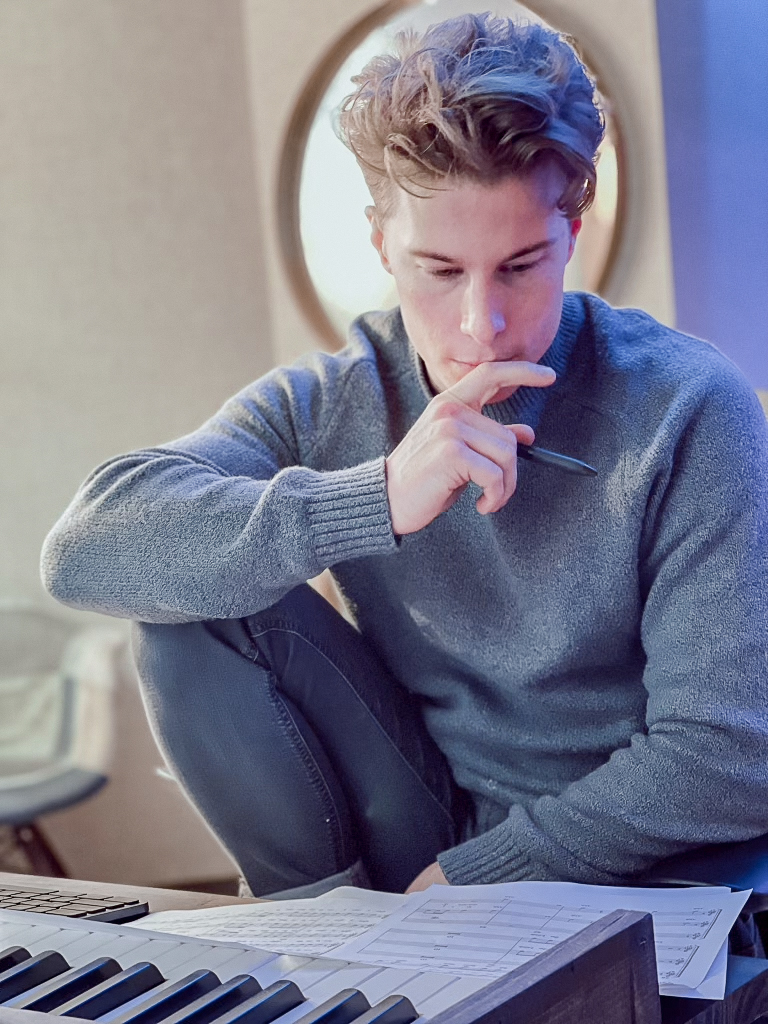



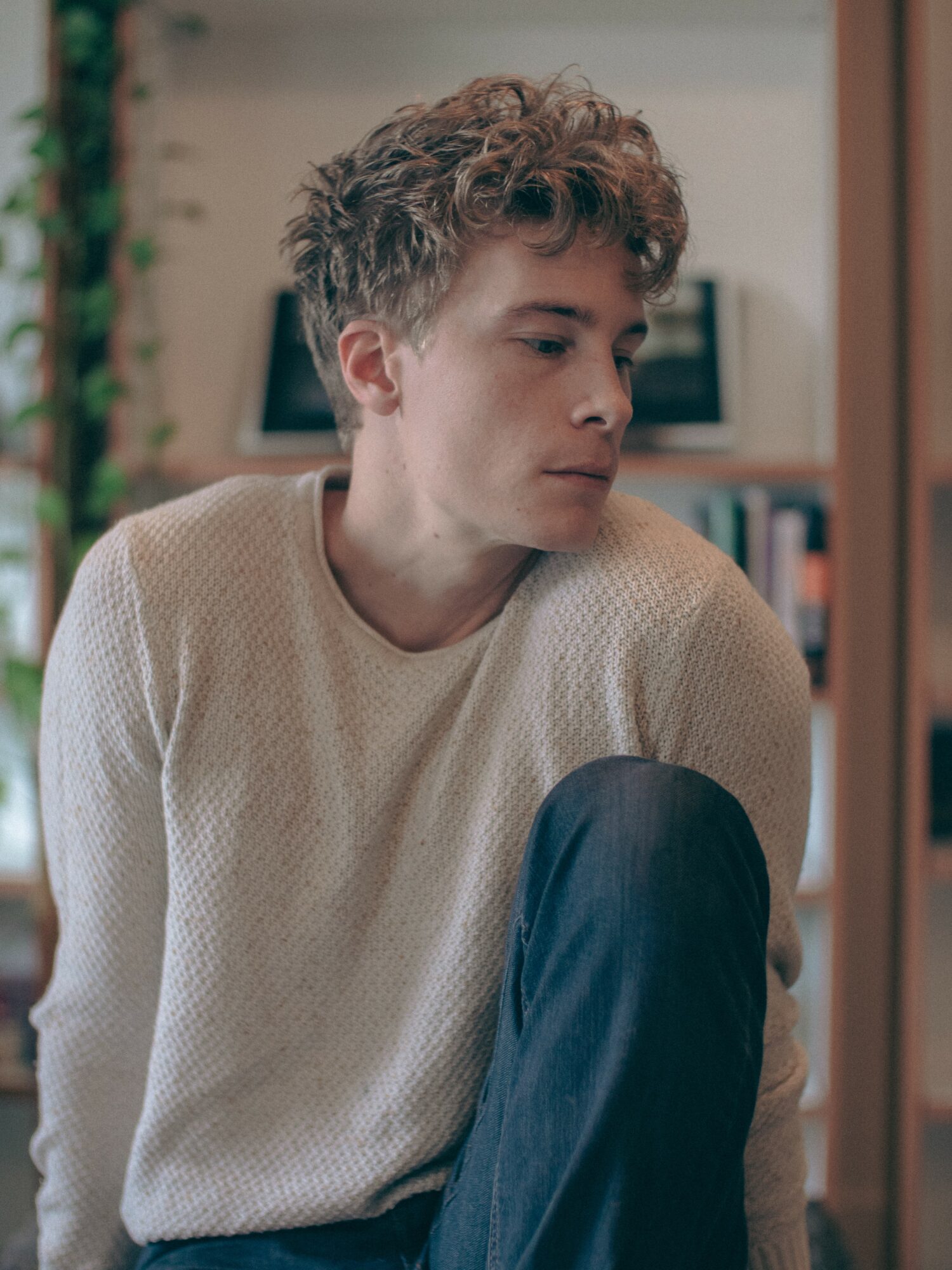
Today we’d like to introduce you to Gavin McMahan.
Alright, so thank you so much for sharing your story and insight with our readers. To kick things off, can you tell us a bit about how you got started?
I grew up surrounded by music. My mom is a pianist and musical director, my dad a violist and bassist, so rehearsals and performances were a constant part of my childhood. I took classical piano lessons at a young age, but even then I felt drawn toward creating something of my own rather than just performing.
As a kid I began teaching myself guitar and mandolin, writing songs and instrumental pieces, starting small bands with friends, and playing in my high school’s drumline. I thought I wanted to be a recording artist from ages 13-22, but learned over time that it was never really about that for me. Gradually—especially in music school—I recognized I had a deeper connection with composing, producing, and arranging than being a recording artist.
Writing and shaping music from these points of view felt less like solitary self-expression and more like participating with musical language itself—something that connects us across time and space. That sense of belonging and connection is what keeps me drawn to my work.
Since then, I’ve followed the path of a producer/composer with steady persistence: building small studios wherever I lived, working with local artists, writing for any opportunity that came my way, and studying my craft daily. Over time, those steps lead me to my current studio, projects, and skillset.
We all face challenges, but looking back would you describe it as a relatively smooth road?
I’m fortunate to have been given so much musical opportunity and training in my boyhood. My mom and music teachers instilled a musical discipline in me which helped me believe that if I kept practicing and studying, things would work out .
Things have been hard. Financially, there have been really, really grim moments. Professionally, there have been difficult things to navigate. But I’ve never seriously considered quitting music for a more stable job. I believe I owe that resilience to the way I was raised musically and the fact that music isn’t something I really chose to do—it’s inevitable for me.
Alright, so let’s switch gears a bit and talk business. What should we know about your work?
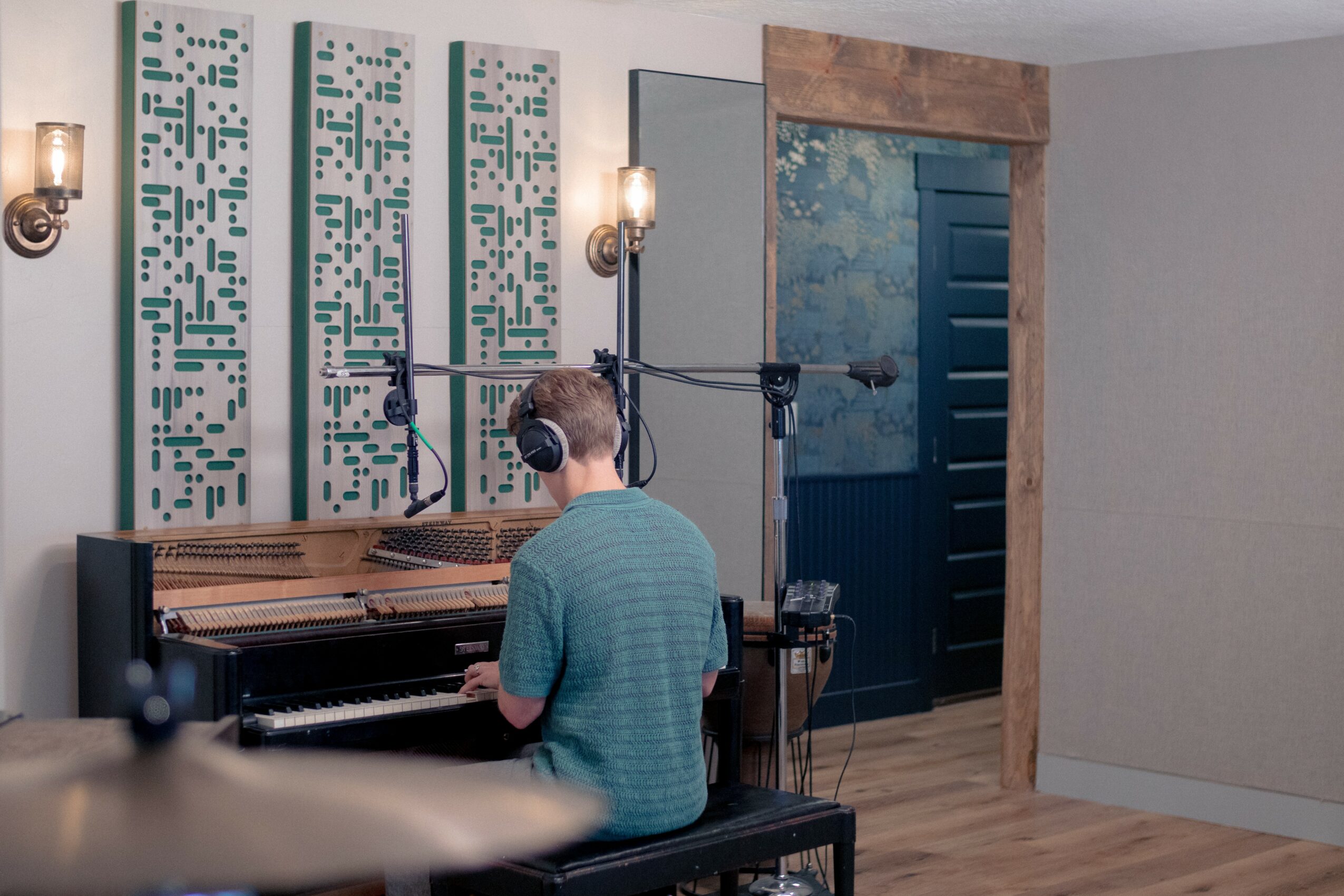
I’m a composer, producer, arranger, orchestrator, musician, and songwriter.
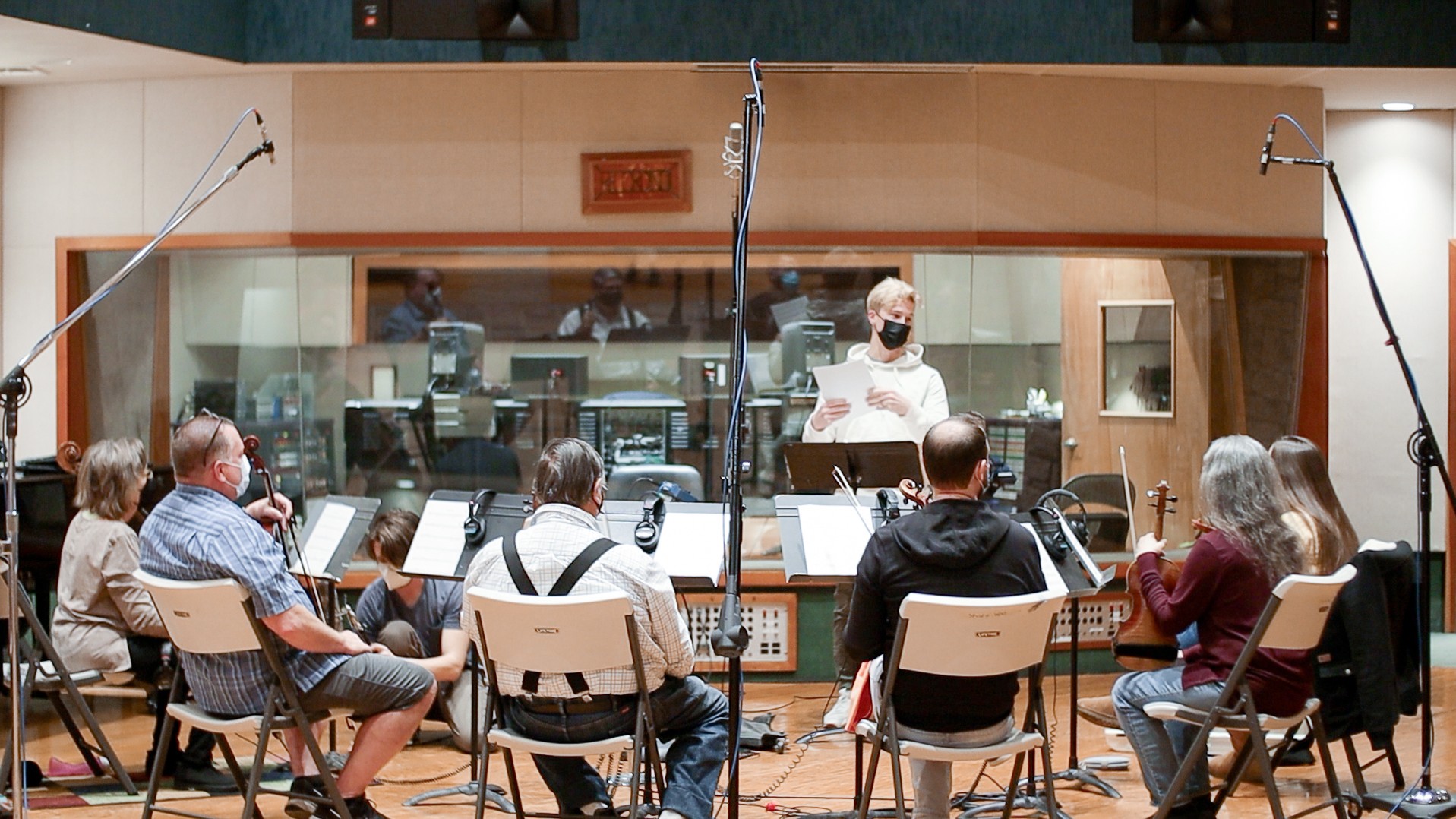
As a composer, I write music for film, TV, musical theater, podcasts, and ads. As a producer, I work with recording artists—arranging the music, playing most of the instruments, recording everything, coaching vocals, and doing whatever it takes to put the song in its best, most truthful light.
As an arranger and orchestrator, I reimagine music for different ensembles or styles—whether that’s expanding a piano piece into a full orchestra or adapting a pop song into a Celtic arrangement. I also play several instruments, sing, and write songs for others, including co-writing and helping refine ideas.
What I think sets me apart is a combination of versatility and meticulousness. I’m comfortable moving between genres and styles—hip hop and classical, singer-songwriter and musical theater, punk and bluegrass, sacred and explicit pop, RnB and country. I tend to see music as a continuum rather than separate categories, and that perspective allows me to work fluidly across different projects. At the same time, I’m detail-oriented—writing by hand, analyzing every note, studying orchestration, counterpoint, and composition deeply. I think people value that care and dedication as much as the range I bring to the work.
What has been the most important lesson you’ve learned along your journey?
You have to be in the right headspace to get the music to breathe and connect. There’s no amount of technical skill and craft that can make up for feeling stressed, tired, indifferent, insincere, defensive, vindictive, thoughtless, unkind, or anxious while working. You can’t develop the technical skill under those conditions anyway.
In my experience, I have to vigilantly safeguard my creativity to do the work. I do my best to stay healthy, alert, reflective, compassionate, and calm. If I’m not for any reason, I’ve learned to walk away from the music for a while. Trying to create under poor psychological conditions has not been healthy for me.
Pricing:
- Quote-Based
Contact Info:
- Website: https://gavinmcmahanmusic.com
- Instagram: https://www.instagram.com/gavinmcmahan/
- LinkedIn: https://www.linkedin.com/in/gavin-mcmahan-47282b113/
- Youtube: https://www.youtube.com/@gavinmcmahan