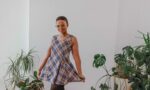



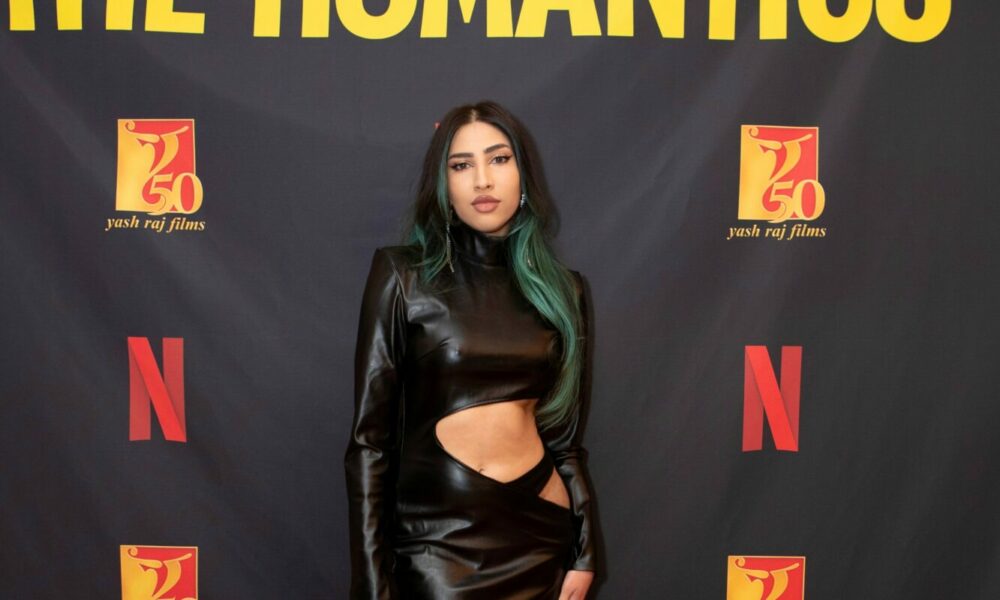
Today we’d like to introduce you to Ravjot Mehek Singh.
Hi Ravjot, thanks for joining us today. We’d love for you to start by introducing yourself.
I am an Indian American filmmaker and art activist. My parents were first-generation immigrants and moved here only a few years before I was born. I grew up with a dual identity in many ways, one being my American identity because this was where I was born and raised, and the other being my ancestral heritage as a Punjabi Sikh with roots in India. Throughout my childhood, I never saw anyone like myself on TV or in films or magazines, and in the rare moments that they were portrayed, Indians were always written to be the butt of every joke. Growing up in post-9/11 America was extremely difficult for me and I was eternally cast out by any community I went to in America. For these reasons, I set out to create the representation I didn’t see growing up.
I began my journey in the film industry by returning to my roots and working in Bollywood and transitioned over time into directing television talk shows in New York City when I was 20 years old. Since then I have spoken at universities and panels about representation and other issues involving minority communities, have had my art installations up in galleries and museums, and have directed a wide array of work ranging from documentaries to Bollywood music videos to TV shows to narrative feature films, and have since been using media as a platform for advocacy. I focus on telling stories of minorities and marginalized people and aim to continue challenging the status quo and shifting the narrative.
We all face challenges, but looking back would you describe it as a relatively smooth road?
My journey as a queer, Sikh, South Asian woman was never a smooth road and continues not to be. From growing up bullied due to severe racism and homophobia to facing discrimination in the workplace to being silenced on topics that challenge the Indian government, to my struggle with my chronic illness and so much more. These phrases and labels do not capture the seriousness that is daily life when one is a queer minority in America trying to break into a historically White male-dominated industry.
Being a minority in America sets up so many for a harder, rockier path. Especially for South Asians and Middle Eastern people after 9/11, it was as if not only the country but the entire Western world turned against us for no other reason than believing the propaganda that was being flashed on every TV screen and newspaper. I grew up with daily insults to every aspect of my being, of my family’s being, of my race and religion’s being. The toll it took on me is entirely irreversible, and every day is just a small step up an infinite ladder to reclaiming my own self.
Challenges in my industry itself are so layered and complex that tackling them would take a revolution of sorts. The way the film business is set up to serve privileged, slender, able White bodies is something that is barely now shifting that the spotlight has been put on the inequalities. Being taken seriously and being given opportunities in this field has been an incredibly hard task.
I aim to change these rough roads and turn them into hopeful, supportive avenues for the younger generations to come.
Can you tell our readers more about what you do and what you think sets you apart from others?
I am a filmmaker and art activist, I specialize in creating media that advocates for minorities and marginalized people. I specialize in telling stories that would otherwise go unheard, including some of my own.
I express myself and my career in a diverse way, from directing TV shows to films to documentaries to fashion films to art installations. I love creating space for others to speak and be heard through my documentary work in which I work with incredible real-life heroes such as refugees from Afghanistan, cancer survivors, local artists, and more.
The work I am currently most proud of is my upcoming feature documentary titled “Afghans in Boston” in which I worked firsthand with the resilient, brave Afghan refugees who were airlifted in August of 2021 after the US withdrew from Afghanistan. The experience of meeting these brave families and hearing their stories was life-changing and I still continue to work with them all today.
What sets me apart from others is my focus on care as a central element of all the work I do. Care as a core value is essential to creating the positive, inclusive environment that I could not experience growing up. Focusing on care means stepping back as a film director and allowing my actors, crew, and talent to speak up and be comfortable and share their needs and boundaries in an open way.
Focusing on care means making sure the safety of all my documentary subjects is put first before any storyline or publicity or success of the project. It means erasing incredible footage if the subject changes their mind about sharing it. It means always listening and taking accountability and continuing to evolve. It means putting people and their circumstances first over all else.
Can you talk to us a bit about happiness and what makes you happy?
The world is so full of beauty and vibrance. Seeing people accomplish their dreams makes me happy. Going on a walk and observing everyday people having a great time, laughing, eating, and enjoying any form of abundance and joy brings me the same joy.
Reconnecting with the hum of the earth brings me peace, such that I make it a daily practice whether it’s a gorgeous vista that I travel to or whether it’s just the little lake in my town. Taking care of my family and seeing them safe and in a better position than they were before brings me great happiness. Life is so full of challenges, but it is often these little things that we have to choose to see that continue giving our soul fuel for the future.
Contact Info:
- Website: www.ravjotmeheksingh.media
- Instagram: https://www.instagram.com/ravjotmehek/
- Linkedin: https://www.linkedin.com/in/ravjotmeheksingh/
- Youtube: https://www.youtube.com/@RavjotMehekSingh