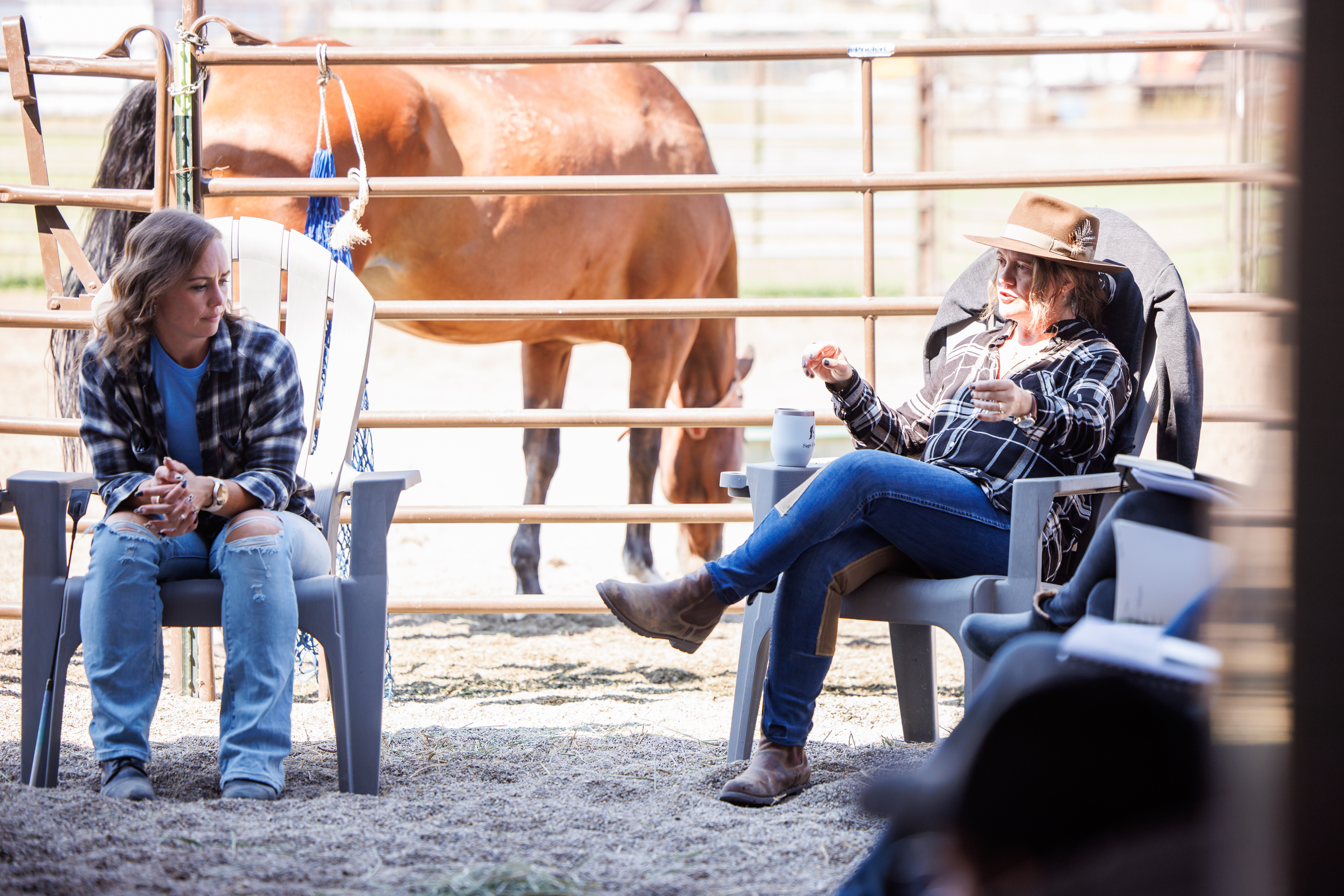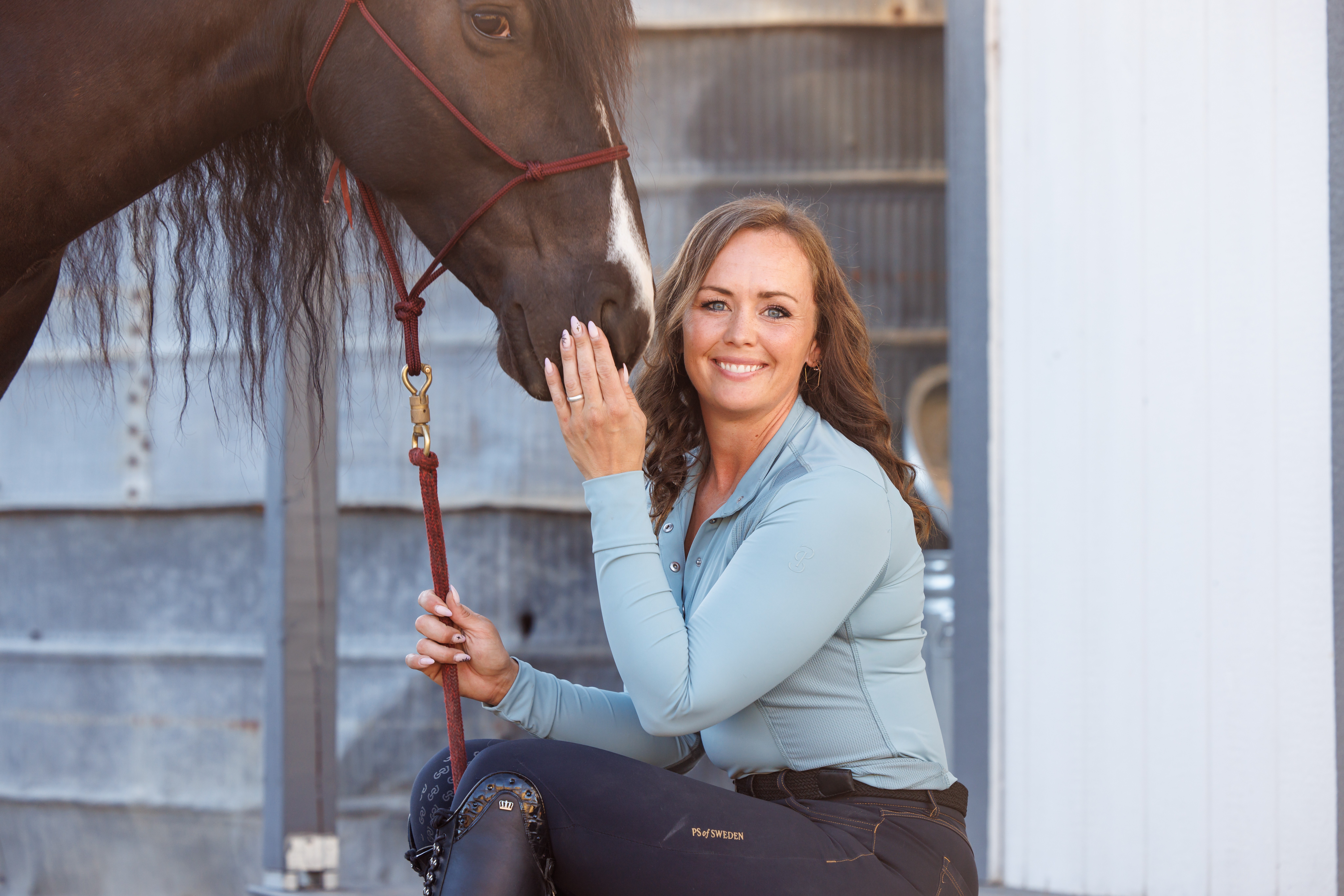



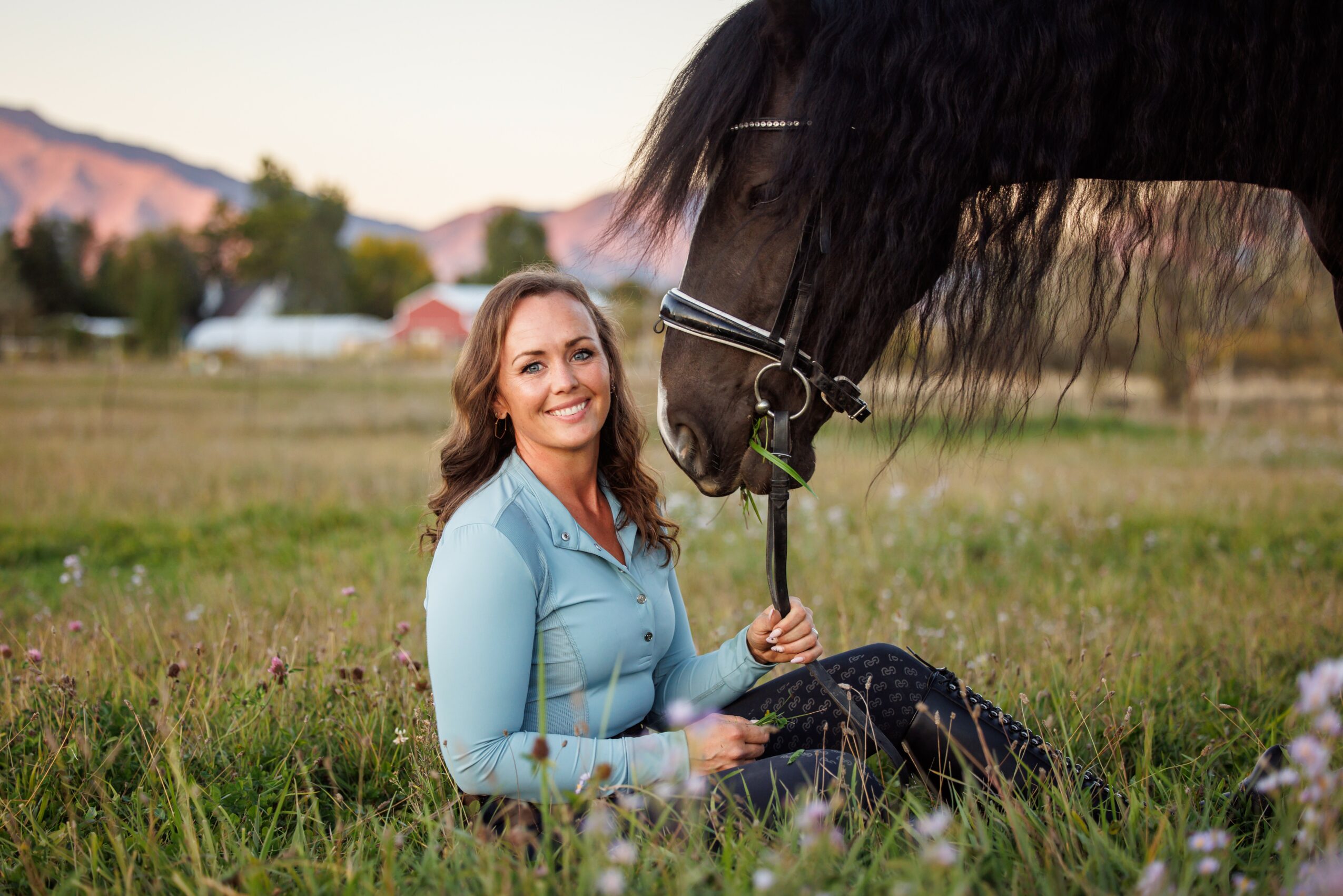
Today we’d like to introduce you to Brittani Frade, CMHC.
Hi Brittani, so excited to have you on the platform. So before we get into questions about your work-life, maybe you can bring our readers up to speed on your story and how you got to where you are today?
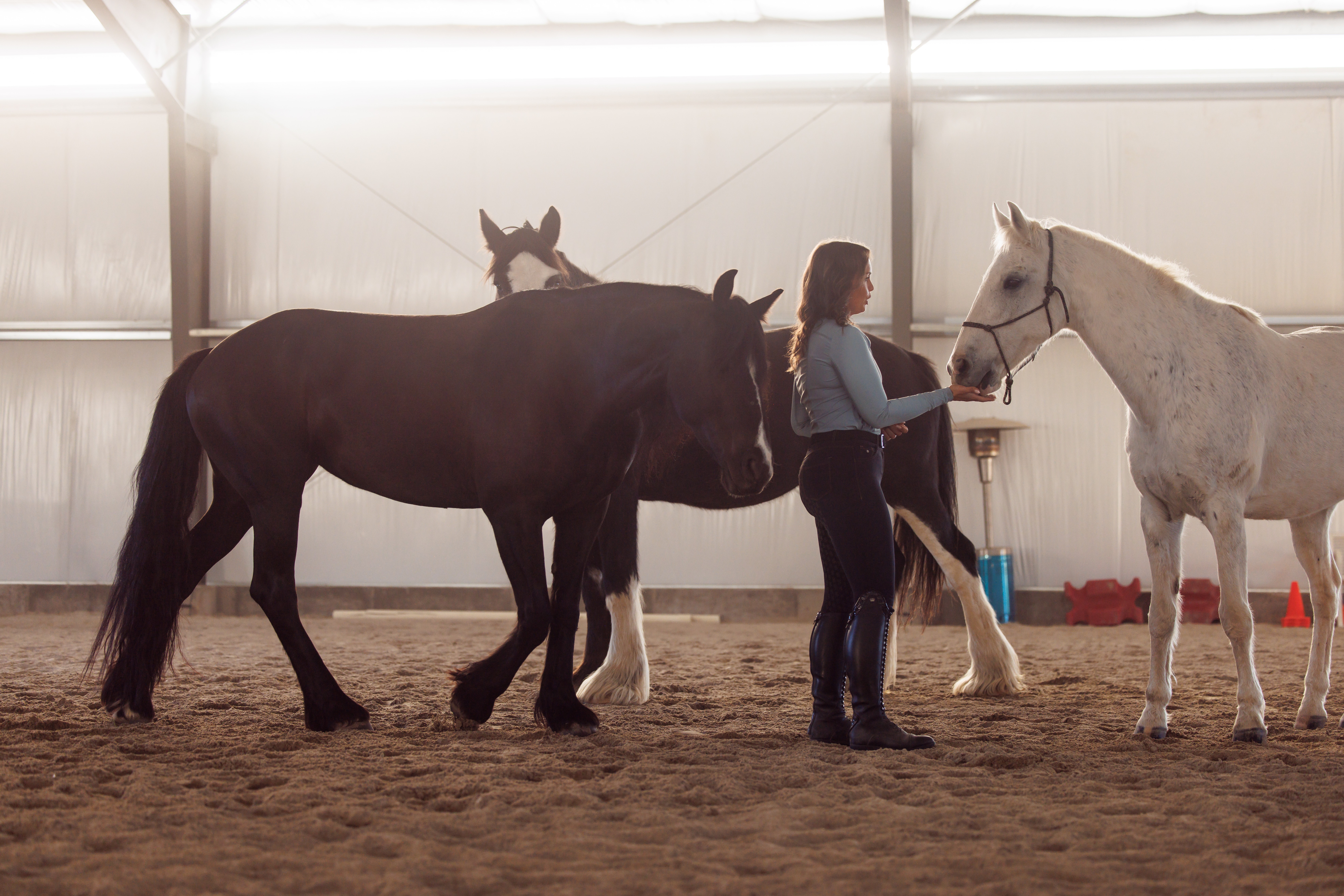
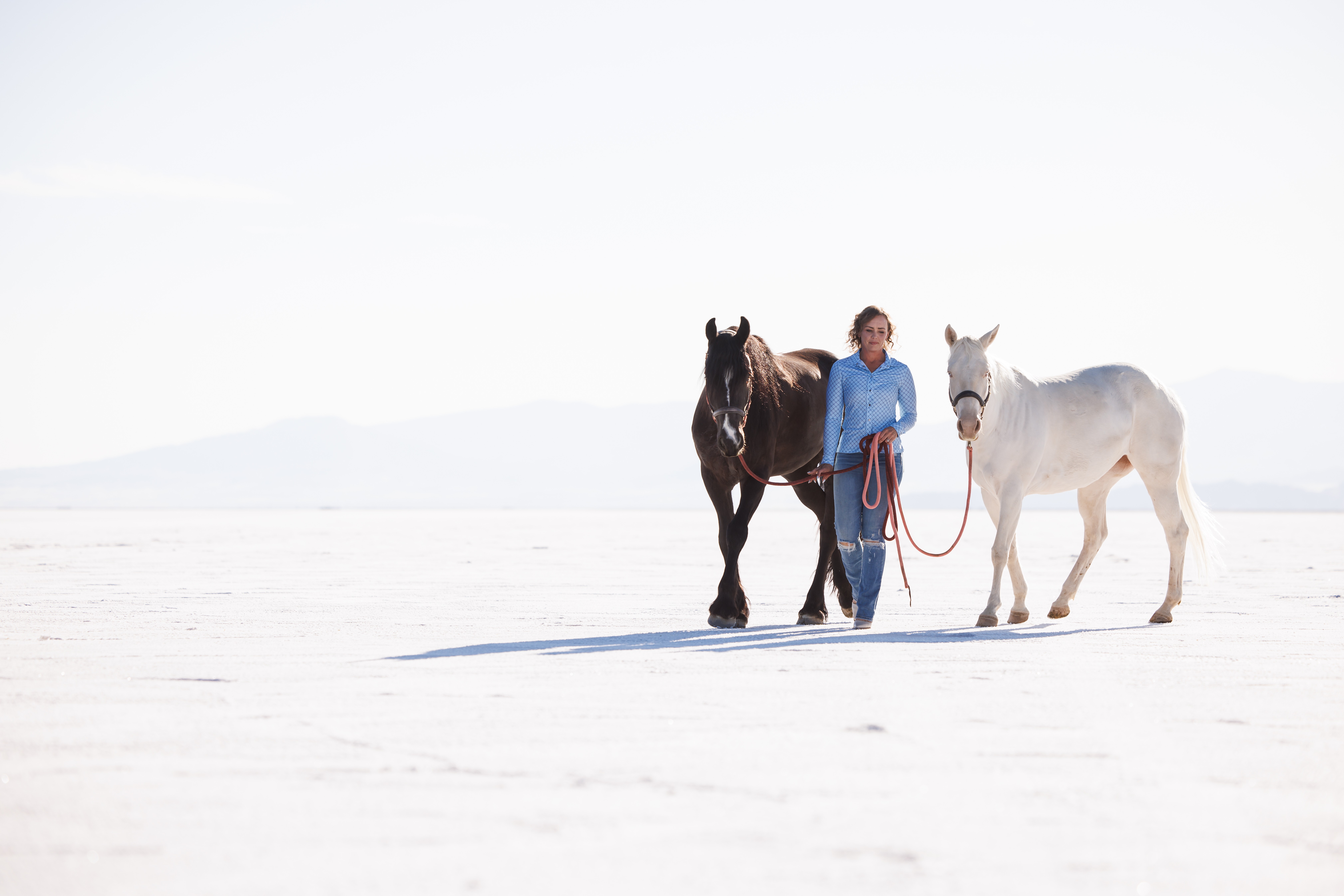
I started on a farm surrounded by alfalfa fields and my one golden Palomino horse, so it makes sense that the winding trails of my life eventually led me back to one. Horses were my first teachers, showing me how healing happens through connection, presence, and being deeply seen. Horses speak, and I learned to listen. My horsemanship is woven into my clinical work on the foundation that horses and people need spaces where they feel safe, they have choices, and that they belong.
That foundation carried me into the world of trauma therapy—first EMDR, then EquiLateral: The Equine-Assisted EMDR Protocol®, and eventually Deep Brain Reorienting. Each step gave me language and structure for what the horses had already taught me. I learned that people are complex, so the need for more education fueled my curiosity and led me deeper into trauma therapies and into the world of complex trauma and dissociation.
The word “dissociation” often carries uneasiness and uncertainty. I remember facing that uncertainty in my own healing journey—staring across at therapists whose faces and body language reflected the same not-knowing. In those moments of feeling so broken, the brain turns away from pain and horror as an attempt to survive.
Rather than turning away from what feels overwhelming, I’ve built my work around leaning in. I developed a specialty in dissociation and now consult with and teach other clinicians how to recognize and respond to it. My goal is to expand the conversation so therapists feel more equipped, and clients no longer have to experience uncertainty in the very places they come to for healing.
Now, at Golden Horse Counseling, I get to bring it all together: the land, the horses, and the neuroscience. My work is about creating spaces of belonging where humor, compassion, and courage can sit right alongside pain and healing. Today, I stand as an equestrian, a therapist, and an EMDR Consultant—someone who listens deeply to all lived experiences, and who continues to be both a student and a teacher.
I’m sure it wasn’t obstacle-free, but would you say the journey has been fairly smooth so far?
Yeah, the road hasn’t been smooth—it’s been filled with failures and lessons, triumphs and humility. In my professional growth, one of the biggest challenges was not having enough resources or conversations about complex trauma. As a baby therapist, I was told it was rare, that I wouldn’t likely encounter it—and then one of my very first internship clients met full criteria for DID. Being alone in a room with another human staring back at me for help, without the tools to help them, left me determined to learn more. As an intern and associate therapist, I invested in as many trainings as I could, chasing down the knowledge I needed to sit with the clients others might turn away from.
On a personal level, one of the hardest parts was navigating my own healing journey. Learning how to regulate my own nervous system—how to be safe, consistent, and stable so clients could have a space for their own work—wasn’t easy and didn’t come naturally. But that work was essential, because the ability to hold another person’s pain depends on your willingness to face your own. There is an unspoken misattunement if we as therapists don’t do our own work—if we don’t learn to sit with our pain and how it has shaped our present and future. We hold power sitting on the other side of the couch, and we have to be willing to go to the places we ask our clients to go.
I’ve always resonated with the anglerfish that lives at the bottom of the ocean. Deep in the abyssal plains, the anglerfish transforms and is unable to survive on the surface, but waits in the darkness of the ocean floor. In our own healing, we transform too; we cannot stay caught on the surface. We sink, and like the anglerfish, we learn to carry light in the darkness, illuminating the way for others to follow.
Appreciate you sharing that. What should we know about Golden Horse Counseling?
Golden Horse Counseling is a trauma-focused therapy practice in Spanish Fork, Utah, specializing in complex trauma, PTSD, and dissociation. We integrate neuroscience, trauma processing, and equine-assisted modalities, including EMDR, EquiLateral: The Equine-Assisted EMDR Protocol®, and Deep Brain Reorienting.
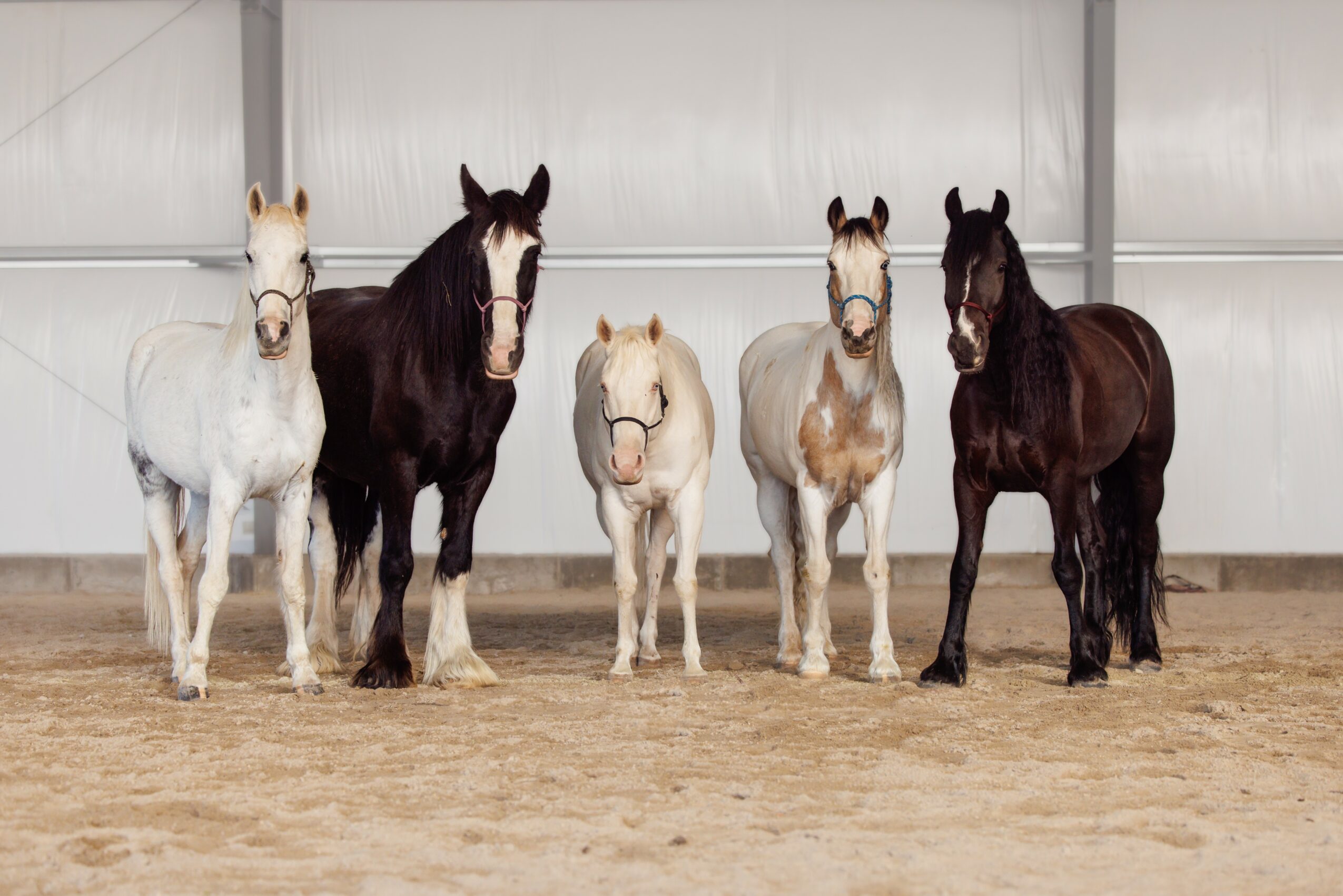
What sets us apart is the way healing happens here—in partnership with horses and in the rhythm of the farm. Our work honors both clients and the wellbeing of the horses who join us in the process.
Beyond client work, I’m also an EMDRIA Approved Consultant, an EquiLateral Consultant, and a Deep Brain Reorienting practitioner and am excited to grow my practice in consultation and teaching of others. My goal is to help other clinicians build confidence in working with complex trauma and dissociation, teaching them to lean into the uncertainty.
So grateful to have this space to show how proud I am of this work and of the space we’ve created here. My dedication is to keep learning, growing, and building a place where both people and horses are honored, and where healing feels possible.
Alright, so to wrap up, is there anything else you’d like to share with us?
The information I share with every person who comes to the farm is about grief. Grief isn’t only about losing someone we love; it shows up in every-single-day. We grieve identities we’ve outgrown, we grieve the identities we have now, opportunities that pass, transitions that shift who we are. Grief is part of our human experience, and it’s normal to feel it in every day.
Contact Info:
- Website: https://www.goldenhorsecounseling.com
- Instagram: https://www.instagram.com/goldenhorsecounseling
- Facebook: https://www.facebook.com/goldenhorsecounseling