


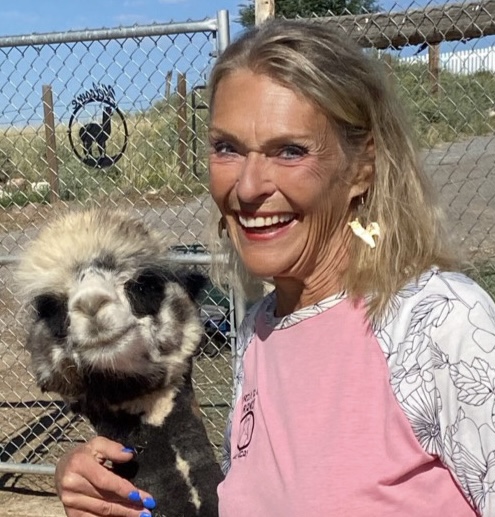
Today we’d like to introduce you to Diena Riddle.
Hi Diena, can you start by introducing yourself? We’d love to learn more about how you got to where you are today?
As a child, I began crocheting at my Dutch maternal grandmother’s knee at age five. I have been eternally grateful for her patience and diligence in teaching me this skill. Since that time, it seems I’ve always had yarn in my hands. As a child I could be found creating clothes for dolls, making scarves, rugs or edgings for pillowcases.
It was around 2011 when things began to change for my husband and me. Mike bought me the most beautiful skein of alpaca yarn. It was this beautiful, expensive skein of yarn that began our “Act Two.”
While holding this skein of yumminess and contemplating what I was going to make with it, I starting doing research on alpacas, learning everything I could about them. I’d admire their unique faces, watch them on webcams whenever I could, and follow local blogs. Eventually I talked him into taking me and two of our granddaughters to visit a couple of alpaca ranches in Utah. It was the moment I was face-to-face with alpacas, tears streaming down my face, that I knew these were MY animals. They were going to be a part of how I wanted to spend the second part of my life.
March 2015 brought me to a place where I needed double-knee replacement. I wasn’t one who would go through rehab twice, so I had them both done at the same time. Post surgery my surgeon asked me what I wanted to do with the rest of my life. Although I was very happy to be an elementary school administrator at the time, I actually had an answer. Be an alpaca rancher! My husband and I spent a few weeks learning towards including alpacas in our lives, and on Mother’s Day 2015, my husband gave me a red alpaca halter and a little alpaca statue. This was the “Let’s Do It” and so we did.
The following week we met with Carol and Tom Frazer in Heber City, Utah. We selected five female alpacas to be bred, and paid for them.
Next on the list was to officially inform the school district of my intention to retire at the end of the school year. We also needed to find a place to raise alpacas, buy that place, and sell our home. We did everything backwards, and it turned out perfectly. We love living just outside of Capitol Reef National Park and know that this is the perfect place for us.
We now have 36 beautiful alpacas. I learned how to spin the fleece, through the help of U-Tube, during the first winter in Wayne County, Utah. Fleece is gifted yearly from our beautiful alpacas. From the spinning I do (as well as some that the mill turns into yarn for me), I hand knit and weave wearable and visual art. These items I sell at our Paca Shop, and currently sell on consignment in Torrey, Utah at the Old House on Center and Main. I also help potential alpaca owners get started by selling packages of alpacas and offer breeding to our herdsires.
I am active in IMpaca (Utah’s affiliate alpaca organization) as their secretary. I enjoy mentoring alpaca owners, and get calls from many people I’ve never met before. It’s a great way to help and support others. I love making connections and making a difference.
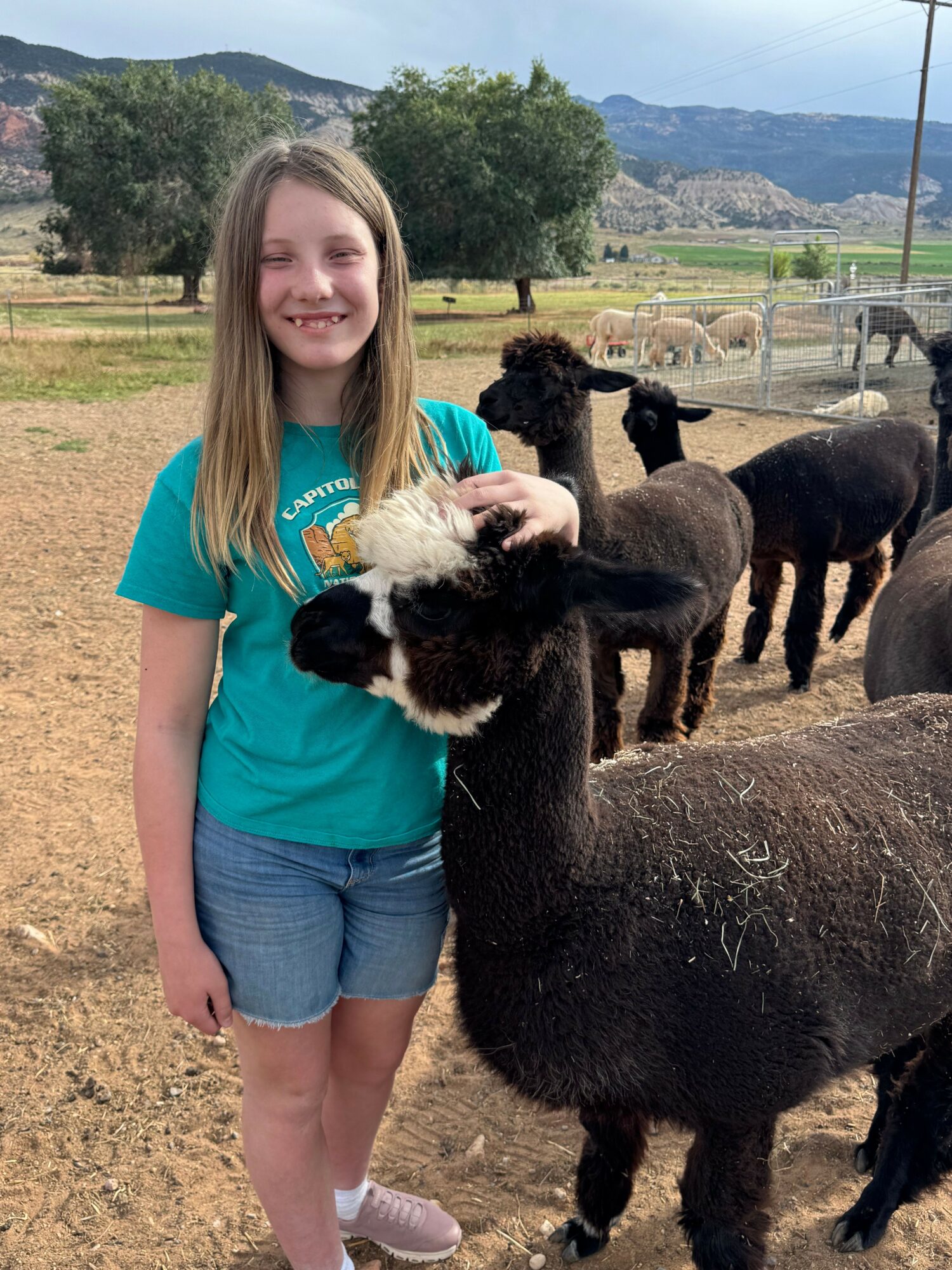
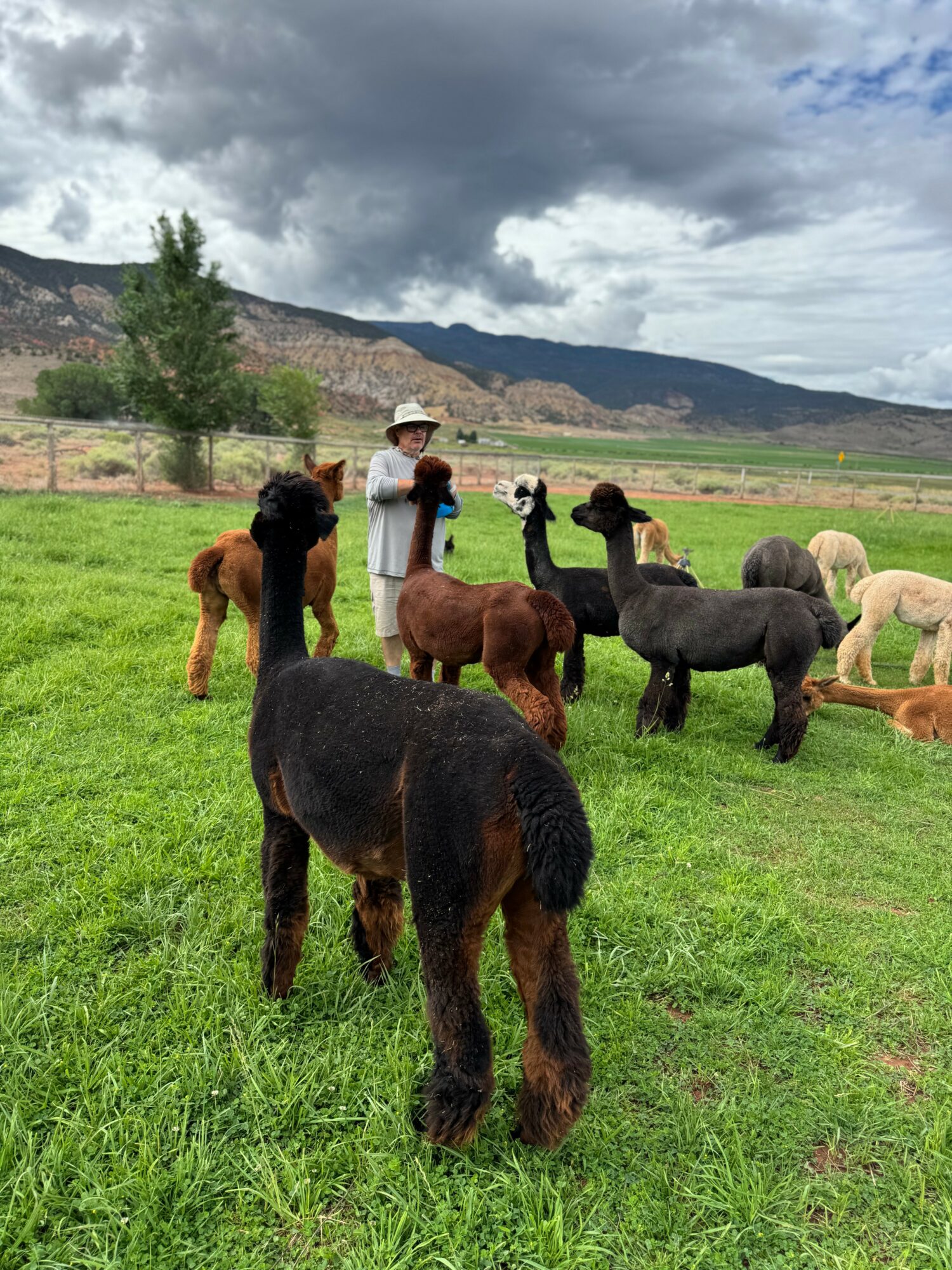
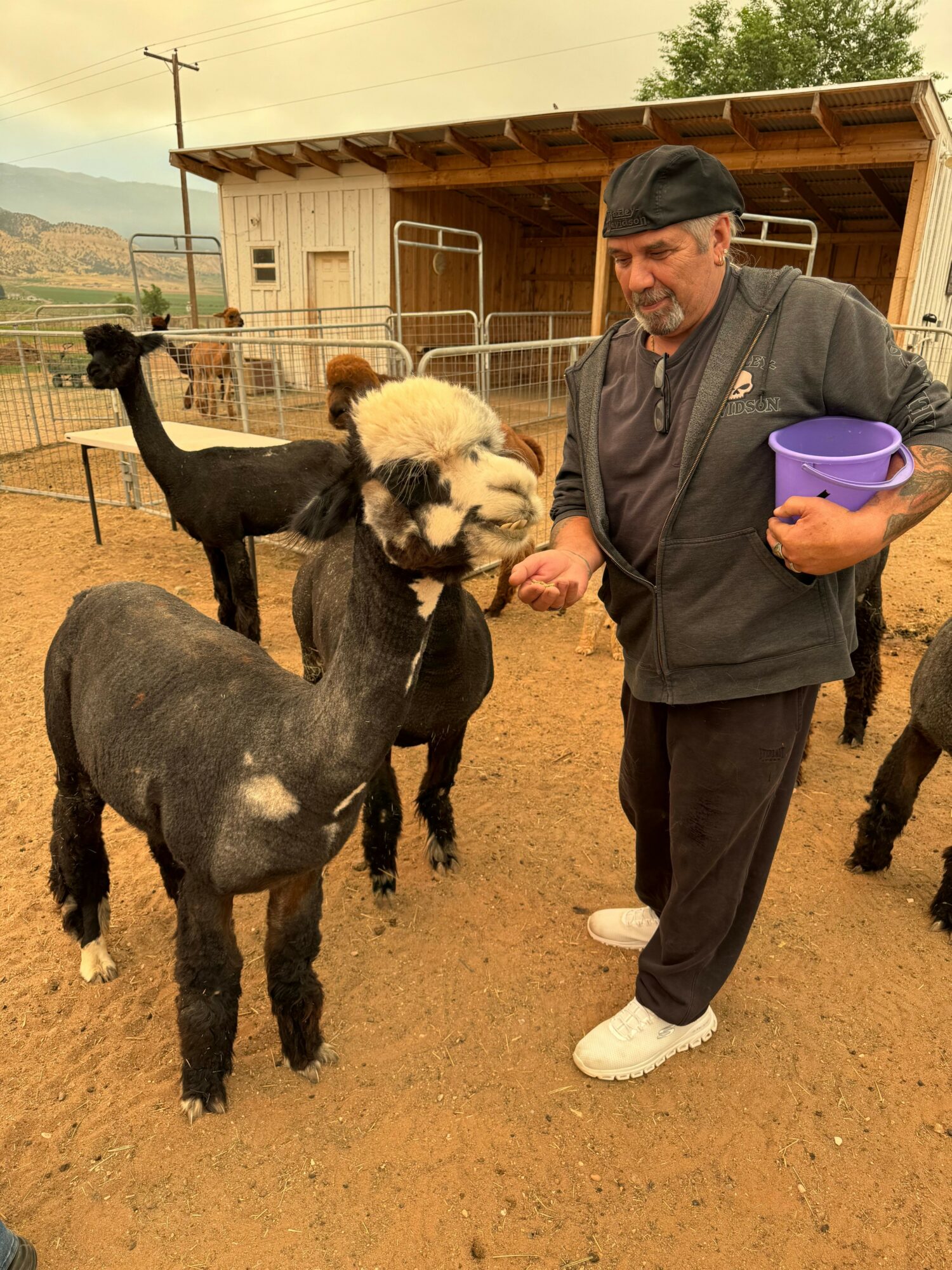
What began as a dream has become a place where families gather, friends reconnect and travelers slow down and experience something truly special. We have built a life centered around the land and these incredible animals. Visitors escape city life, hand-feed and interact with our alpacas. They breathe in the wide-open country air, and learn about the alpaca’s different personalities first-hand.
Alright, so let’s dig a little deeper into the story – has it been an easy path overall and if not, what were the challenges you’ve had to overcome?
Having an alpaca ranch has not been without it’s challenges. Having livestock, you also have to deal with the loss of animals. We had a female alpaca with diabetes which is very rare. We experienced great sadness losing Porshe. I held her head on my lap as she passed. Her sweet herd mates mourned her loss and felt sadness at her passing. With any of our alpacas who we have lost, due to old age or other illnesses, they have grieved as they gather around and say their goodbyes.
Finding adequate hay in times of drought has been difficult. Hay prices have been crazy for several years. Financially, we have put a lot of our own money into this ranch. I continue to keep current on marketing and health and alpaca industry trends. Figuring out how to help pay for alpacas in retirement led to our agritourism model.
When you are a rancher or farmer, you are tied physically tied down to your ranch, My. husband and I do not get to vacation together very often. We are not close to family members and cannot just take off to travel because animals need to be fed and cared for. When we do, usually one of us stays behind. We currently have our alpacas, three livestock guardian dogs, 27 chickens, four roosters, and ten cats. That’s a lot of mouths to feed and be responsible for.
Can you tell our readers more about what you do and what you think sets you apart from others?
What sets us apart now is my love for an all-inclusive lifestyle. When I come home, our alpacas (and dogs) run up to the fence and gate to see me. As soon as I come out in the morning, I call everyone. “Hello girls, hello boys.” They all know me. They know my voice. Even the alpacas I’ve sold know me when I visit them–they remember me.
I know all of our alpacas by name, their ages, birthdays, quirks and personalities. I know the quality of their fleeces. I remember their crias (babies). I can usually feel a fleece when I’m spinning it and tell you who it came from. Every hat or item I knit or weave is labeled with a picture of the alpaca it came from, and with a brief story about that alpaca is included so you’ll have that when you purchase it.
I enjoy challenges. I like to do difficult things. You won’t find me knitting a hat on a machine. I’ll knit it with nice knitting needles. You’ll get a one-of-a-kind item when you buy it from me. I’ll hand-dye yarn into a beautiful unique color unless it’s an amazing natural color (alpacas come in 22 different colors naturally).
I’ll take classes continually to learn something new because I’m a life-long learner. I hope to do that for the rest of my life. (I have two masters degrees from the University of Utah.) I picked up weaving a few years ago and love to learn new ways to use alpaca fleeces. I’m inspired by the beautiful area that I live in.
What sort of changes are you expecting over the next 5-10 years?
This is a great question. I think the trend is for people to want more authentic and meaningful experiences. In the tourism industry, there are many subgroups of people that travel. Utah does a great job advertising our national parks, and I’m lucky to be located right outside of Capitol Reef National Park. When people come here, they are definitely looking to include something in their travel experience besides hiking. We offer that. Agritourism experiences will only grow!
Pricing:
- Book online through our website
- Silver Experience: 45 minutes
- Gold Experience: 60 minutes
- Platinum Experience: 90 minutes
- www.circlecliffranchalpacas.com
Contact Info:
- Website: https://www.circlecliffranchalpacas.com
- Instagram: https://www.instagram.com/circlecliffranchalpacas/
- Facebook: https://www.facebook.com/CircleCliffRanchAlpacas