


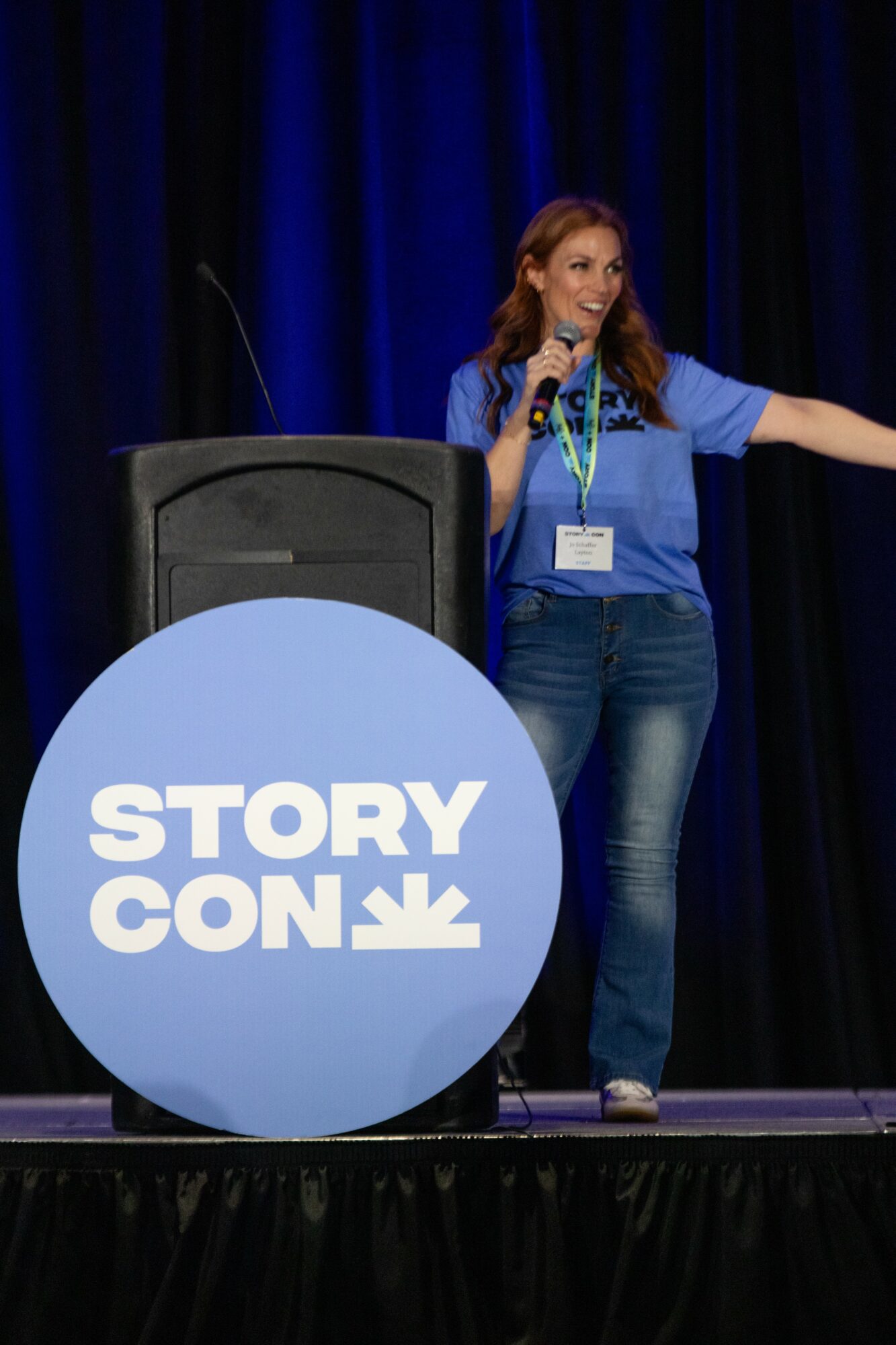
Today we’d like to introduce you to Jo Schaffer Layton.
Hi Jo, we’d love for you to start by introducing yourself.
Operation Literacy Origin Story
Every movement begins with a story. Operation Literacy’s began around a deli table in the back of a 24-hour grocery store.
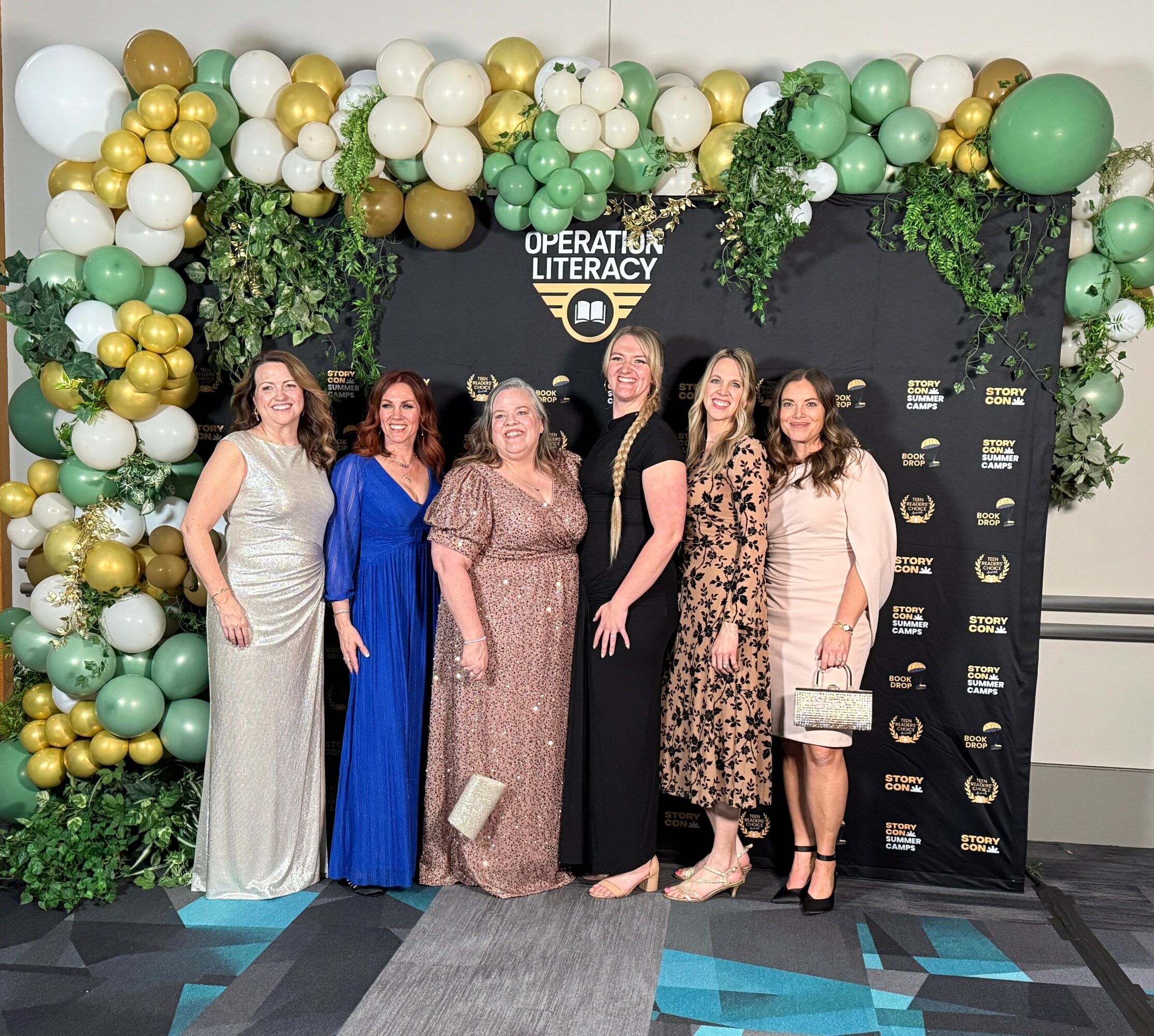
In 2009, five aspiring authors— Jo Schaffer Layton, Jennifer Jenkins, Lois Brown, Margie Jordan, and Tahsha Wilson—came together as members of a writers group that would become known as Writers Cubed. Inspired by writing instructor J. Scott Savage, affectionately known as “Dad,” they met each week to critique manuscripts, sharpen their craft, and chase the dream of becoming published authors.
They didn’t realize they were building something much greater than a writers group.
As they shared stories, they also shared life. They celebrated publishing contracts, encouraged one another through rejection, watched each other’s children grow up, and stood shoulder to shoulder through heartbreaking tragedies that tested their faith and resilience. Through loss, illness, funerals, and unimaginable grief, they discovered that stories do more than entertain.
Stories heal. Stories connect. Stories give people hope.
Looking back, the founders often say those difficult years shaped not only who they became as writers, but why they write at all.
“We thought we were getting together to become better writers,” recalls Jo Schaffer Layton. “Instead, we became family. We learned that stories have the power to help people heal, to create belonging, and to remind us we’re never alone.”
In 2011, those experiences sparked a question that would change thousands of lives.
What if someone had believed in us when we were teenagers?
Most of the founders hadn’t discovered writing until adulthood. Few had mentors. None had access to bestselling authors willing to teach them. They wondered how many young people were carrying remarkable stories inside them, waiting for someone to simply say, You belong here. So they decided to become the mentors they never had. They threw around the idea of running a community writing contest for teens.
Jo posed a simple idea to the group:
“Why don’t we create a writers boot camp for teenagers?”
None of them had organized a conference before. Undaunted, Jennifer Jenkins boldly approached Utah Valley University and asked for classroom space. Friends called in favors. Bestselling authors volunteered their time. Teachers spread the word. Everyone pitched in.
They hoped twenty-five students might attend. Instead, more than 130 teenagers walked through the doors of the very first Teen Author Boot Camp.
The founders immediately realized something profound.The students weren’t just looking for writing instruction.They were looking for community.
Every year the conference grew—130 students became hundreds, then a thousand. As the community they had built flourished, along the way a larger truth became impossible to ignore.
Across Utah, nearly half of third graders were not reading at grade level. Many children lived in homes with few or no books. The data was disheartening. The founders recognized that before children could dream of becoming authors, they first needed the opportunity to become readers.
It became clear that literacy is the foundation for lifelong success and the key to unlocking human potential. Children who are not reading proficiently by the end of third grade are four times more likely to leave high school without a diploma, and low literacy costs the U.S. economy an estimated $2.2 trillion each year in lost productivity, reduced earnings, and increased healthcare and social service costs. Yet the true impact of literacy reaches far beyond academic and economic outcomes. Literacy creates empowered people—individuals who can think critically, question thoughtfully, and interpret the world for themselves rather than simply accepting what they are told. Reading expands imagination, builds empathy, strengthens problem-solving, and equips children with the freedom to learn, to dream, and ultimately to write the story of their own lives.
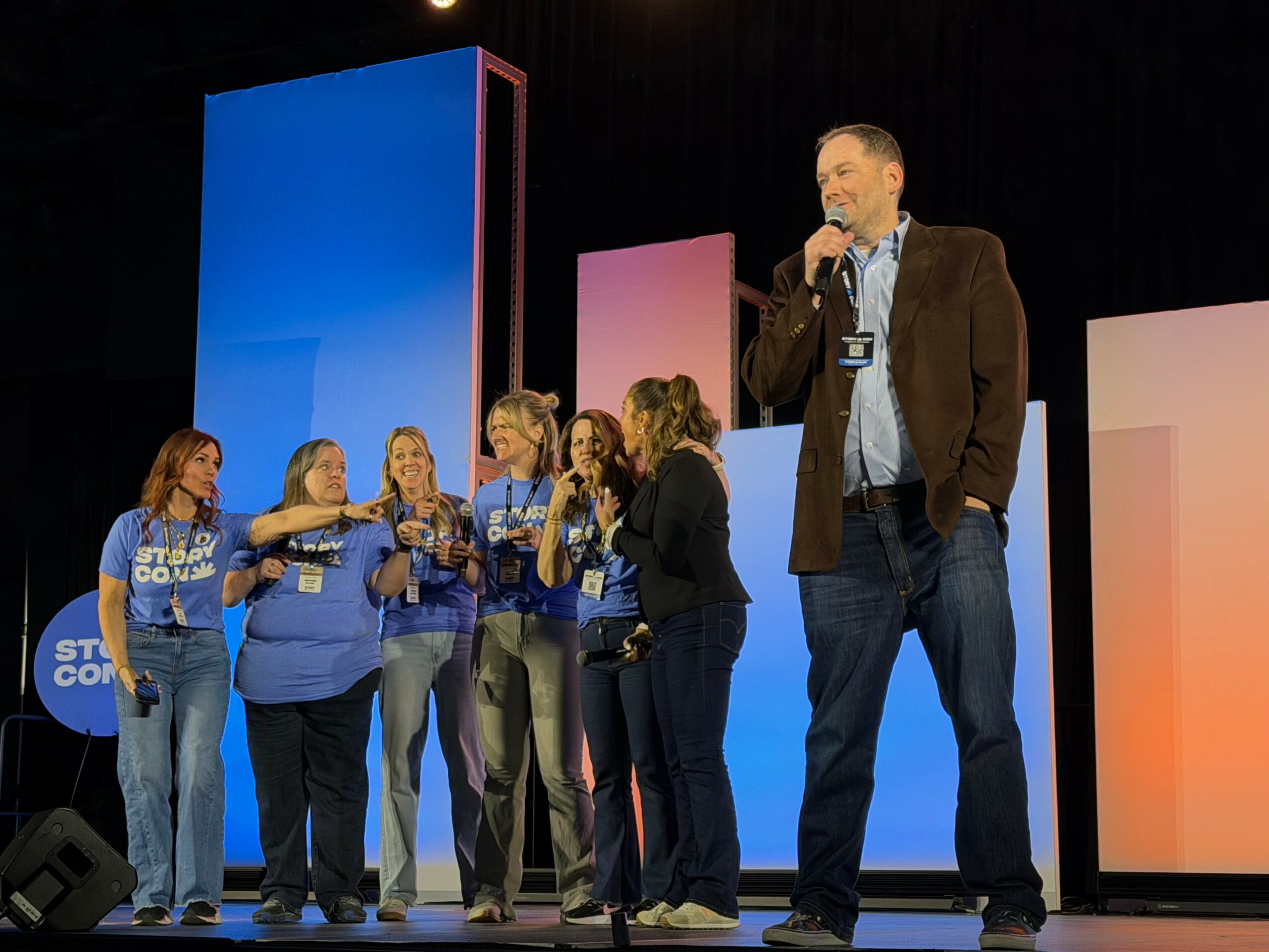
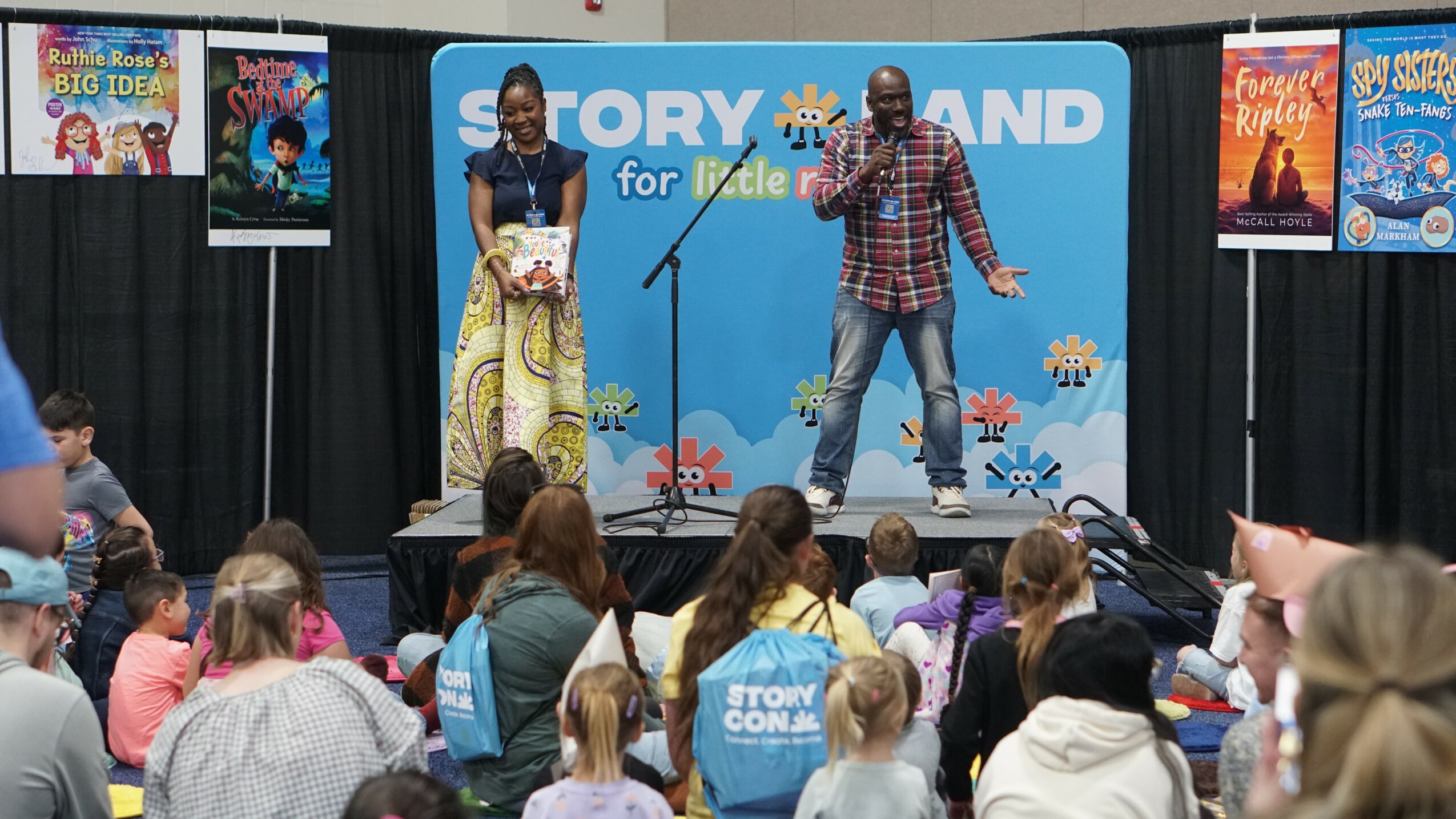
That realization transformed a conference into a movement. Writers Cubed became Operation Literacy and Teen Author Boot Camp became StoryCon. Now nearly 10,000 people gather once a year with national bestselling authors, illustrators, filmmakers, publishers, educators, and creators to celebrate story.
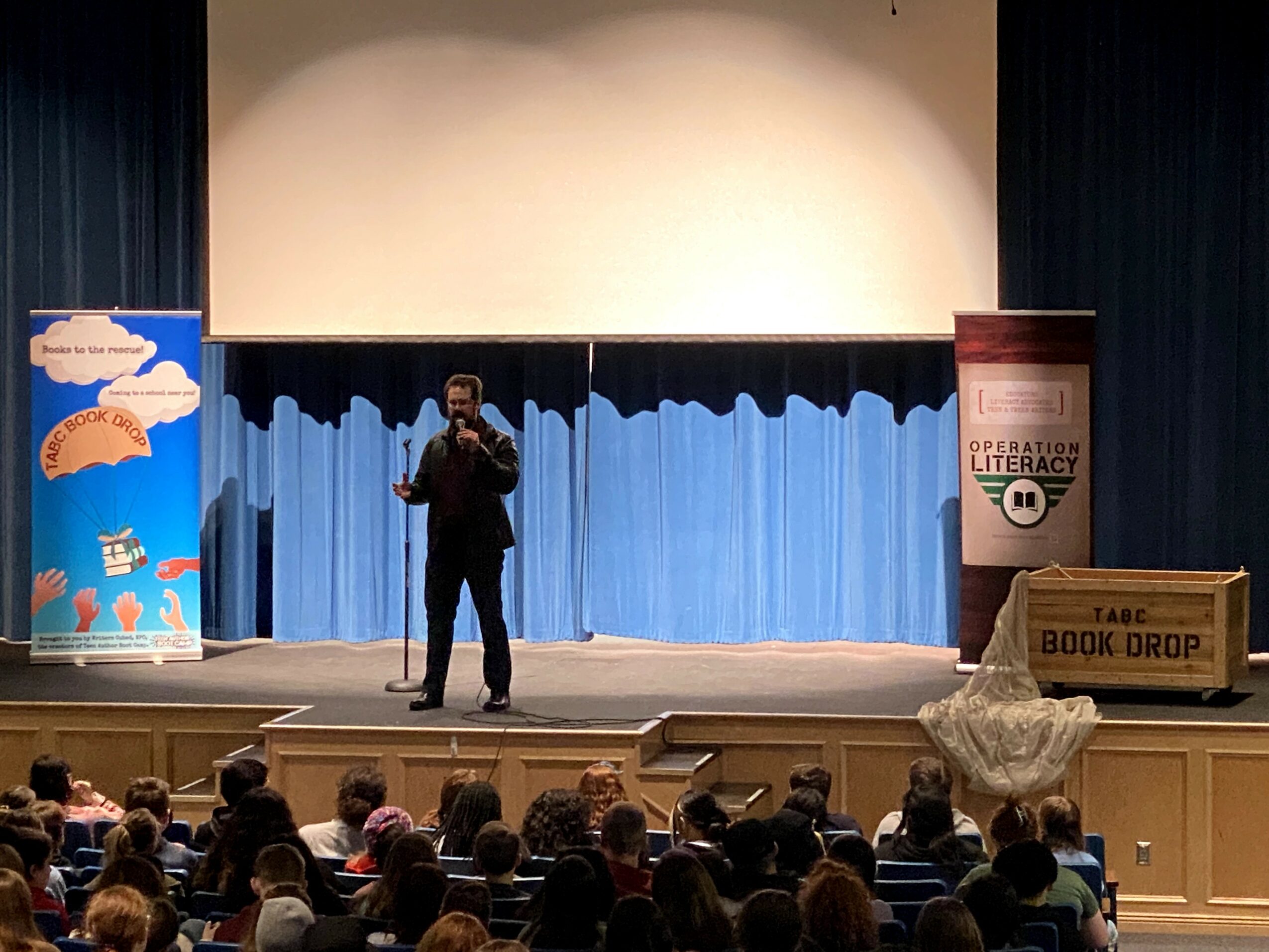
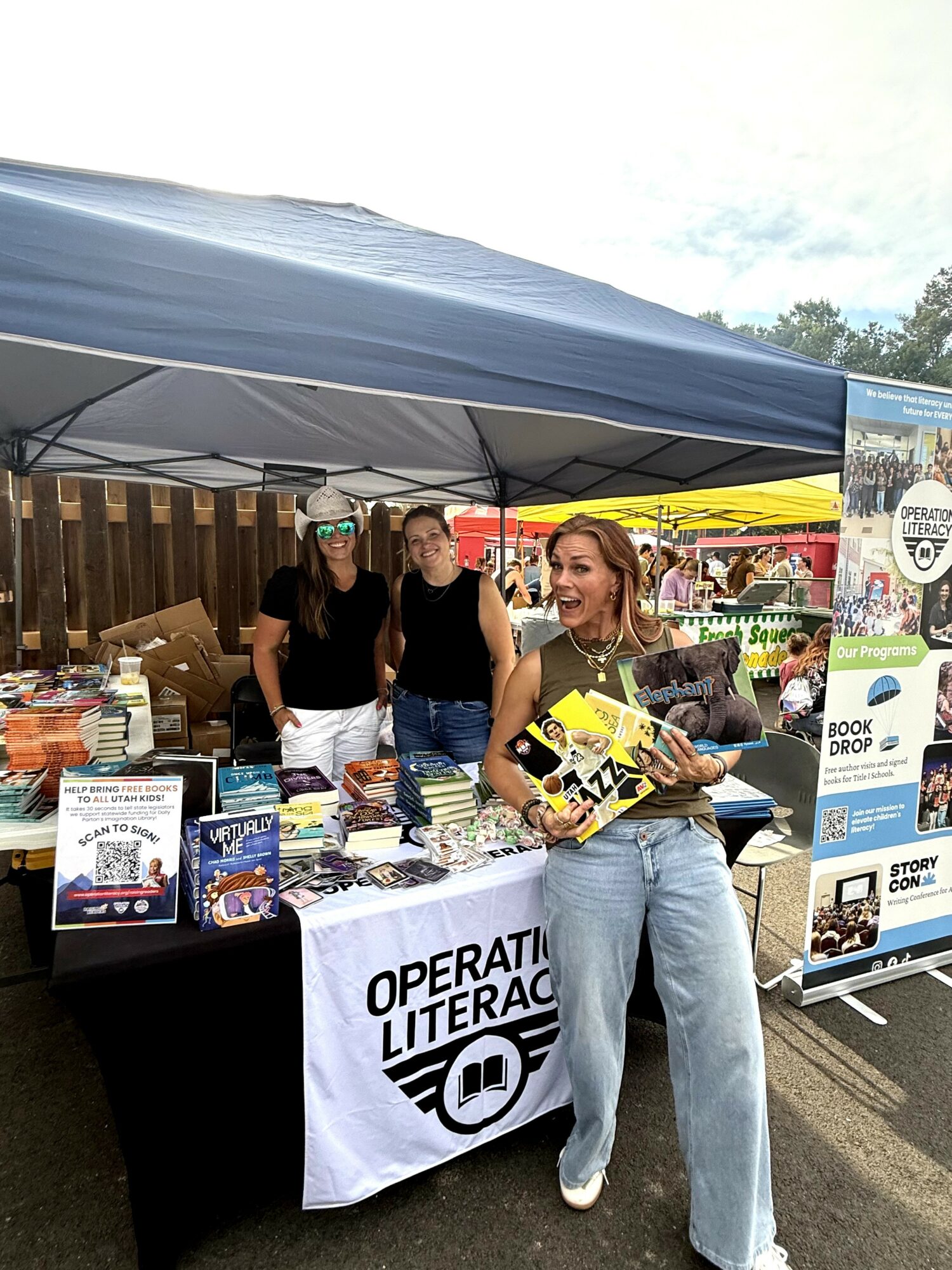
The mission is to ensure that every child—regardless of ZIP code, income, or circumstance—has access to books, inspiring experiences, and caring adults who believe in their potential. Operation Literacy scholarships 20% of StoryCon attendees.Through Book Drops in Title I schools, statewide literacy initiatives, author visits, educator partnerships, scholarships, and community collaborations, Operation Literacy is helping thousands of children discover the joy of reading and the confidence to write the stories of their own lives.
Jennifer Jenkins often reflects on the heart behind the work:
“We wanted to share what we’d learned. We hoped our little writers group could help the next generation believe their stories mattered.”
Jo adds:
“Every child has a story worth telling. But first, they need the chance to fall in love with reading. Literacy isn’t just about books—it’s about giving children the tools to imagine a future they never thought possible.”
Today, the mission of Operation Literacy reaches far beyond the five founders who first gathered around that grocery store table. It belongs to thousands of educators, authors, volunteers, donors, and community partners who believe that a single book can change a child’s future.
Because every reader becomes a thinker. Every thinker becomes a dreamer. And every dreamer has the power to change the world.
What began as five friends hoping to become better writers has become a movement to ensure that every child has the opportunity to discover the life-changing power of stories.
Alright, so let’s dig a little deeper into the story – has it been an easy path overall and if not, what were the challenges you’ve had to overcome?
Honestly, it hasn’t always been easy. There have been a lot of moments where the vision for Operation Literacy was so much bigger than what we had the resources to actually do. We’ve had to build the plane while flying it. We’ve been raising money while trying to get books into schools, figuring out systems while the organization was growing, and trying to keep up with opportunities that sometimes came faster than we were ready for them. There have been partnerships that fell through, funding that didn’t come through, and plenty of moments where we’ve thought, “How are we actually going to pull this off?” And then there’s the reality of the problem itself. You can walk into a school, meet a child who is struggling to read, hand them a book, and feel like you just did something incredibly meaningful—and then you realize there are thousands more kids who need that same opportunity. That can be overwhelming. I think one of the hardest lessons has been accepting that we can’t fix everything overnight. But I also think those struggles have made us better. They’ve forced us to get scrappy, to figure things out, to build relationships, to become more strategic, and to keep going when things don’t go according to plan. When I look back, I’m actually really proud of the hard parts, because so much of what Operation Literacy is today was built in those moments when we didn’t have the easy answer—we just knew we couldn’t quit.
Thanks – so what else should our readers know about your work and what you’re currently focused on?
In addition to my work with Operation Literacy, I’m an author, and writing has always been a really important part of who I am. I love writing because there is something almost magical about taking an idea that exists only in your head and turning it into something that another person can experience. I love creating characters, getting inside their heads, putting them in impossible situations, and then figuring out how they’re going to find their way out. I especially love writing for young people because those are the years when stories can really shape you. A book can make you feel less alone, help you understand someone who is completely different from you, or give you the courage to see yourself in a new way. And honestly, that’s a huge part of why my work with Operation Literacy feels so connected to my life as an author. I know what stories have done for me, and I know what they can do for kids. There is something incredibly powerful about putting a book into a child’s hands and saying, “There is a whole world in here waiting for you.” I think I write because I believe stories matter—and I work in literacy because I want every kid to have the chance to discover that for themselves.
We’d love to hear about any fond memories you have from when you were growing up?
One of my favorite childhood memories is tied to something pretty simple: apricots. My family owned a small apricot orchard in Brentwood, California, about 45 minutes from our home. As a kid, that drive felt incredibly long, and the one landmark I looked forward to was an old rock painted like an eyeball that seemed to stare at us every time we passed.
The orchard was hot, dusty, and sometimes downright boring—but I loved it. We spent long summer days climbing ladders, picking apricots, filling buckets and working together as a family. There were fruit fights, sibling mischief, U-Pick days, and all kinds of interesting people who would come through. But my favorite place was the “Blue Room” at our house, where my dad would stack flats of freshly picked apricots almost to the ceiling and run an old swamp cooler in the window. On especially hot days, my siblings and I would sneak in, lie on the cool floor, and breathe in that incredible smell.
Eventually, my parents had to sell the orchard, but they couldn’t sell what it had given us. That orchard taught us to work together, appreciate the seasons, and enjoy the simple things. And to this day, whenever I eat an apricot, I feel like I’m back there again. In a way, I get to harvest those memories all over again.
Contact Info:
- Website: https://www.operationliteracy.org/
- Instagram: https://www.instagram.com/joschafferlayton/
- Facebook: https://www.facebook.com/authorjoschaffer/
- LinkedIn: https://www.linkedin.com/in/jo-schaffer-layton-ba765a68/