


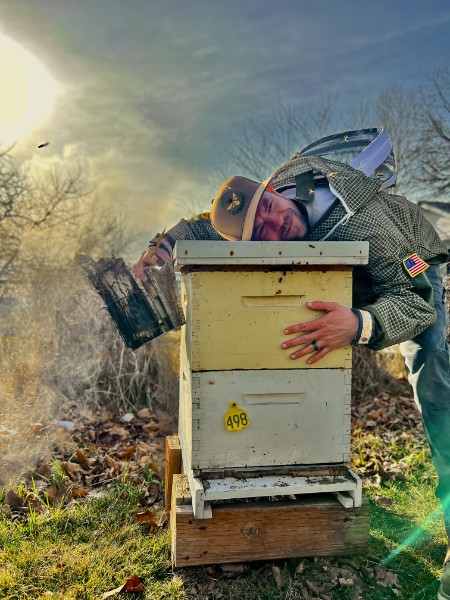
Today we’d like to introduce you to Seth Homer.
Hi Seth, thanks for sharing your story with us. To start, maybe you can tell our readers some of your backstory.
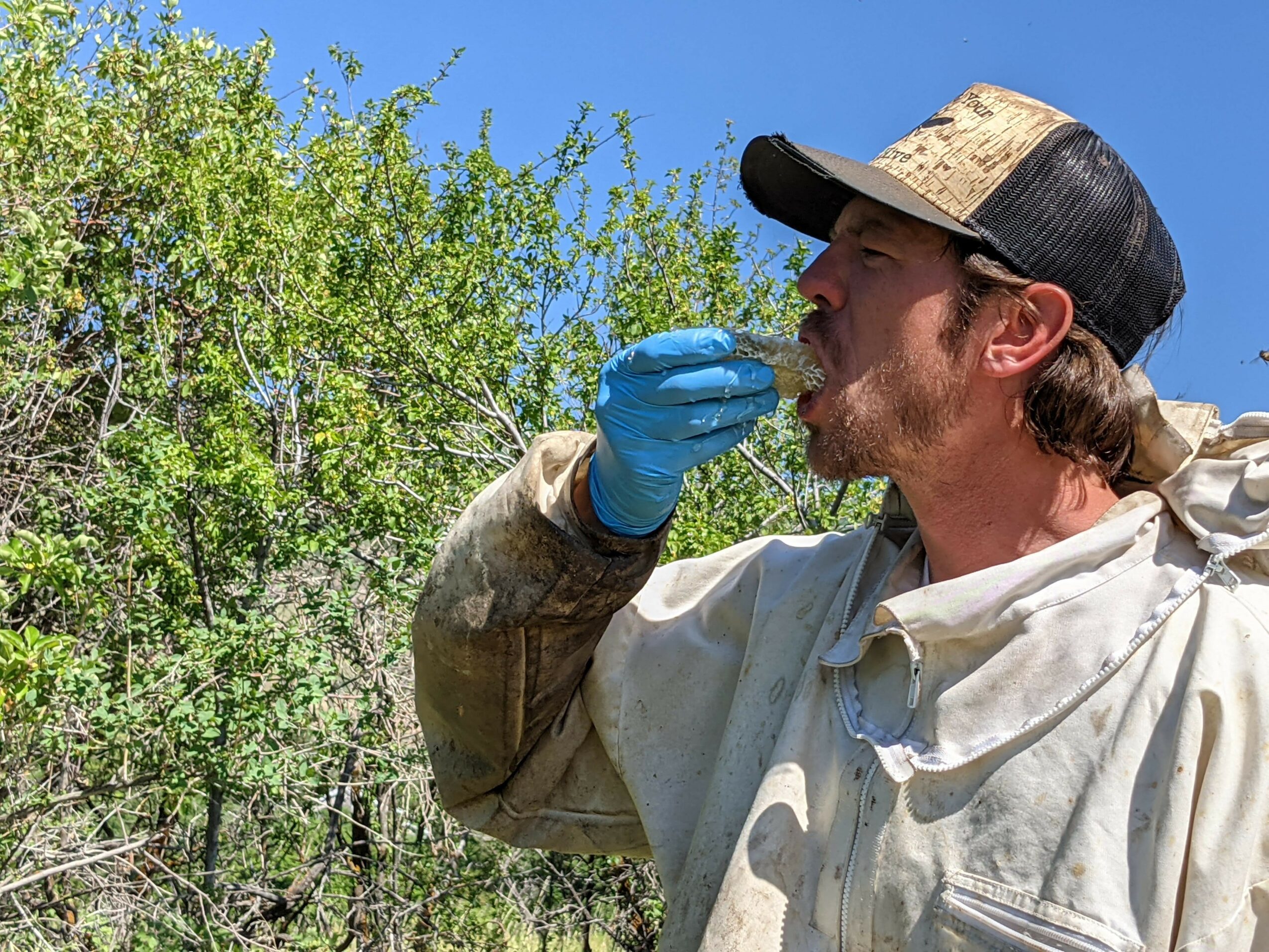
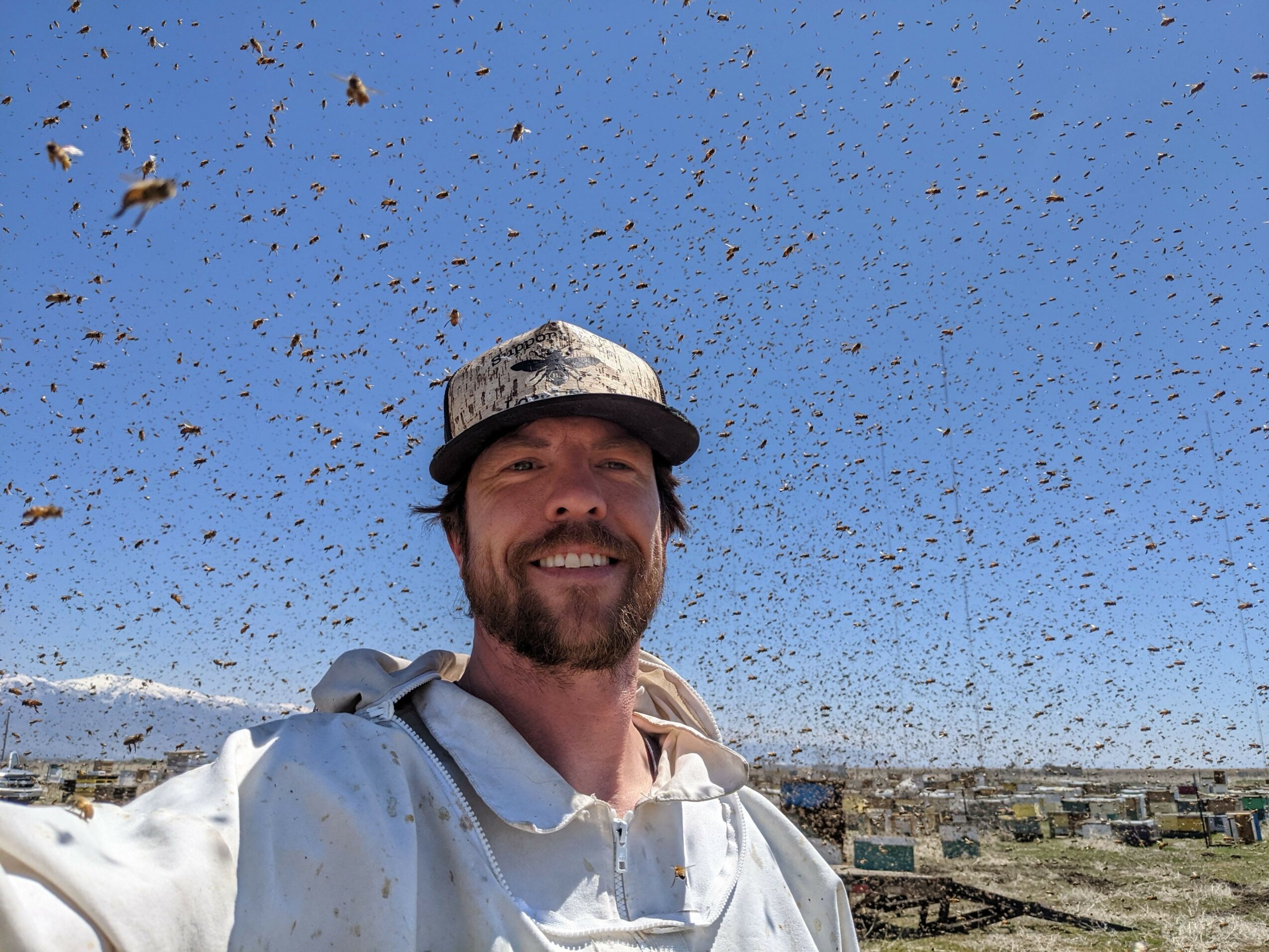
Homer’s Honeybee began with a curiosity about honeybees that quickly grew into an obsession. What started as one hive in the backyard turned into countless hours learning, making mistakes, and discovering just how incredible these insects really are. As the years went on, that small hobby grew into a family business built on hard work, faith, and a genuine love for beekeeping.
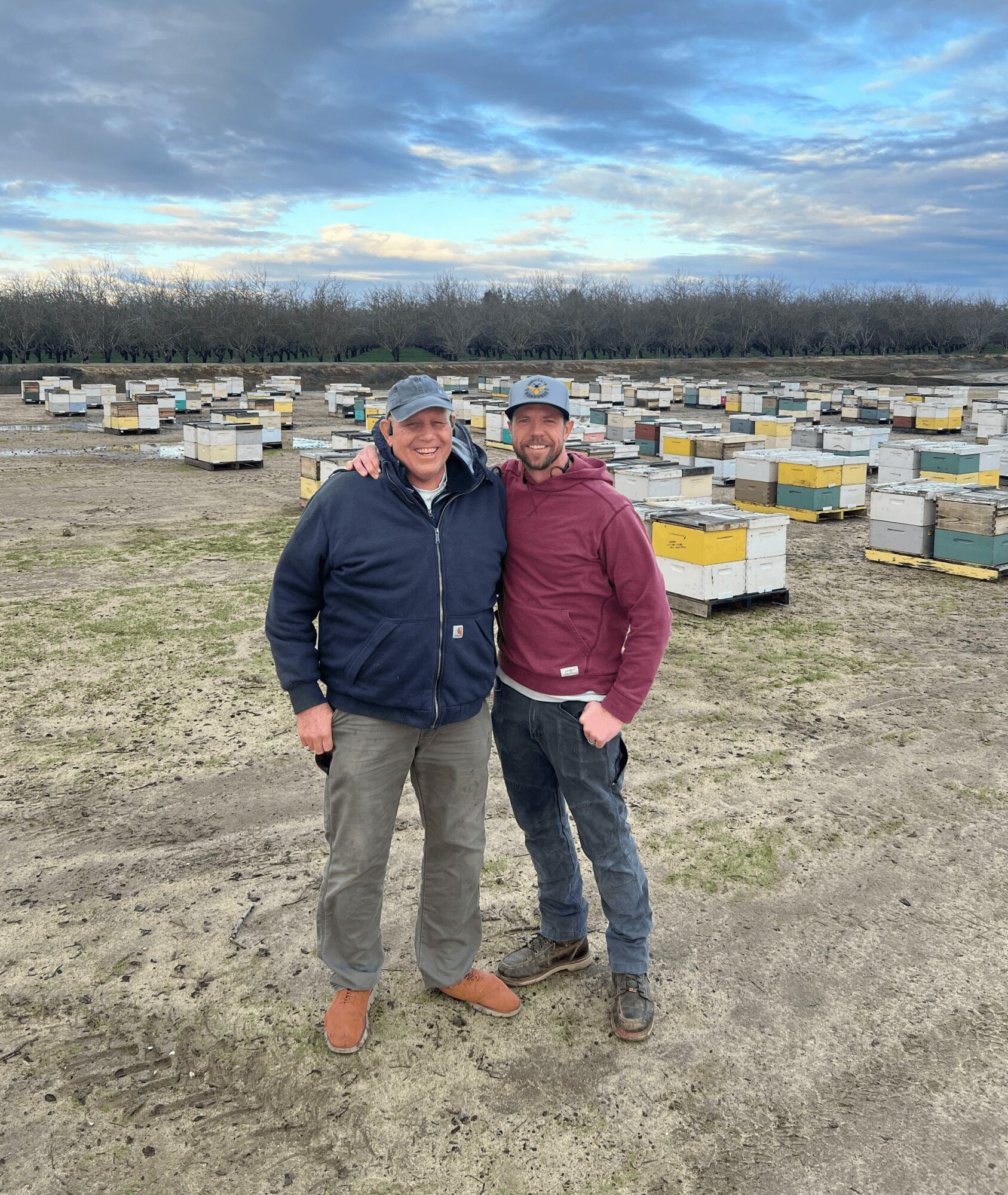
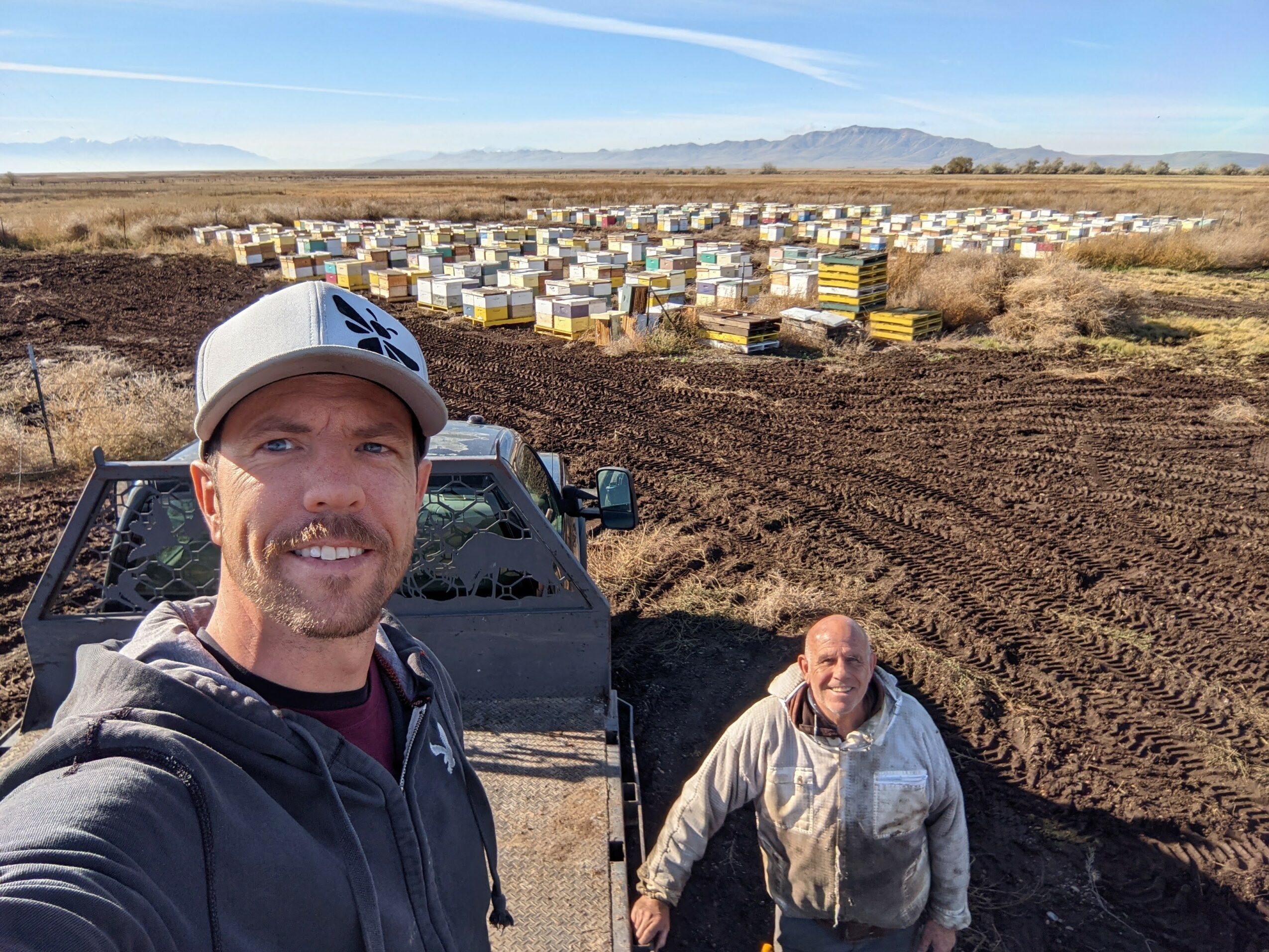
One of the biggest blessings along the way has been building this business with my dad. We’ve spent countless hours working side by side in the bee yards, learning together, solving problems, and growing not only the business but our relationship as well. Today, Homer’s Honeybee manages more than 900 hives, provides pollination services, raises and sells bees, produces raw local honey, healing hive products, and supplies beekeepers throughout the region.
While we’ve grown far beyond where we started, our mission hasn’t changed. We want to provide healthy bees, quality products, and practical education that helps others succeed in beekeeping. Every season brings new challenges and opportunities, and we’re thankful to lessons we’ve learned. We’re also grateful for the support of our friends, customers and community and look forward to continuing to grow while sharing our passion for honeybees with others.
I’m sure it wasn’t obstacle-free, but would you say the journey has been fairly smooth so far?
It definitely hasn’t been a smooth road. Like any small business, we’ve faced our share of challenges. When we started, we stretched every penny just to make ends meet. Weather, poor honey years, rising costs, queen losses, winter losses, pests, and diseases can all have a major impact on beekeeping, and many of those things are completely out of your control. There have also been the normal growing pains of building a business—long days, financial risks, time away from family, and learning through trial and error.
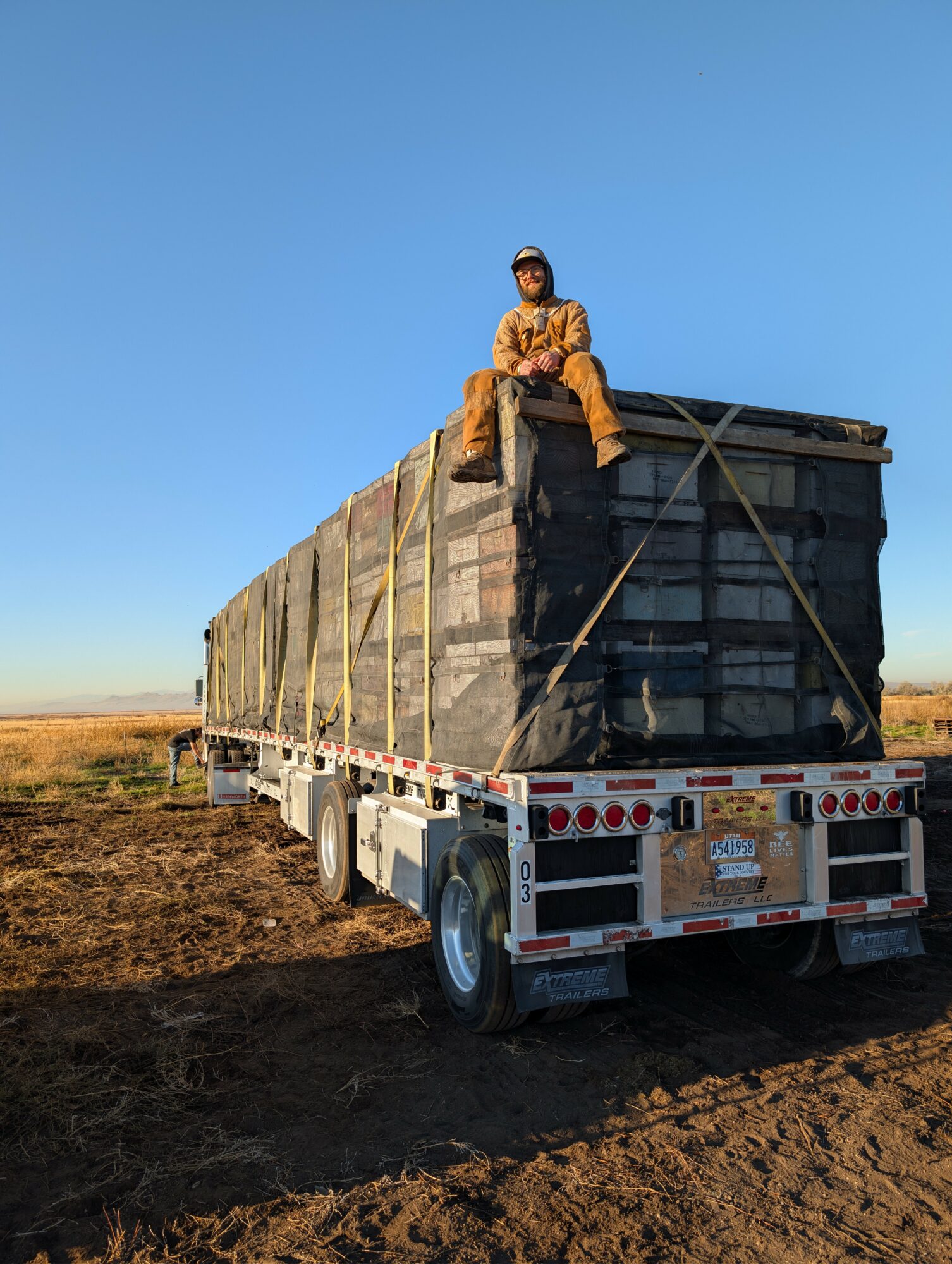
The beekeeping industry itself has changed dramatically over the years. Imported honey has driven prices down, while the cost of feed, equipment, labor, and transportation continues to climb. For many commercial beekeepers, honey alone is no longer enough to sustain a business. With the recent 60% colony losses last year, many fellow commercial beekeepers either couldn’t bounce back or can’t make ends meet and had to close up shop and some of them have been keeping bees for generations. We’ve learned and had to adapt by diversifying—providing pollination services, raising and selling bees and queens, offering beekeeping supplies, and focusing on education alongside producing honey and making other hive healing products. That flexibility has allowed us to weather the ups and downs of the industry while continuing to grow.
One of the biggest lessons I’ve learned is that honeybees are the ultimate teacher and I know that because they have humbled us many times. Beekeeping teaches patience and resilience and you learn quickly that the bees don’t always follow your plans, and every setback is an opportunity to learn and improve. Looking back, those difficult seasons shaped us into better beekeepers. They taught us to adapt, keep learning, and appreciate the successful years even more.
Great, so let’s talk business. Can you tell our readers more about what you do and what you think sets you apart from others?
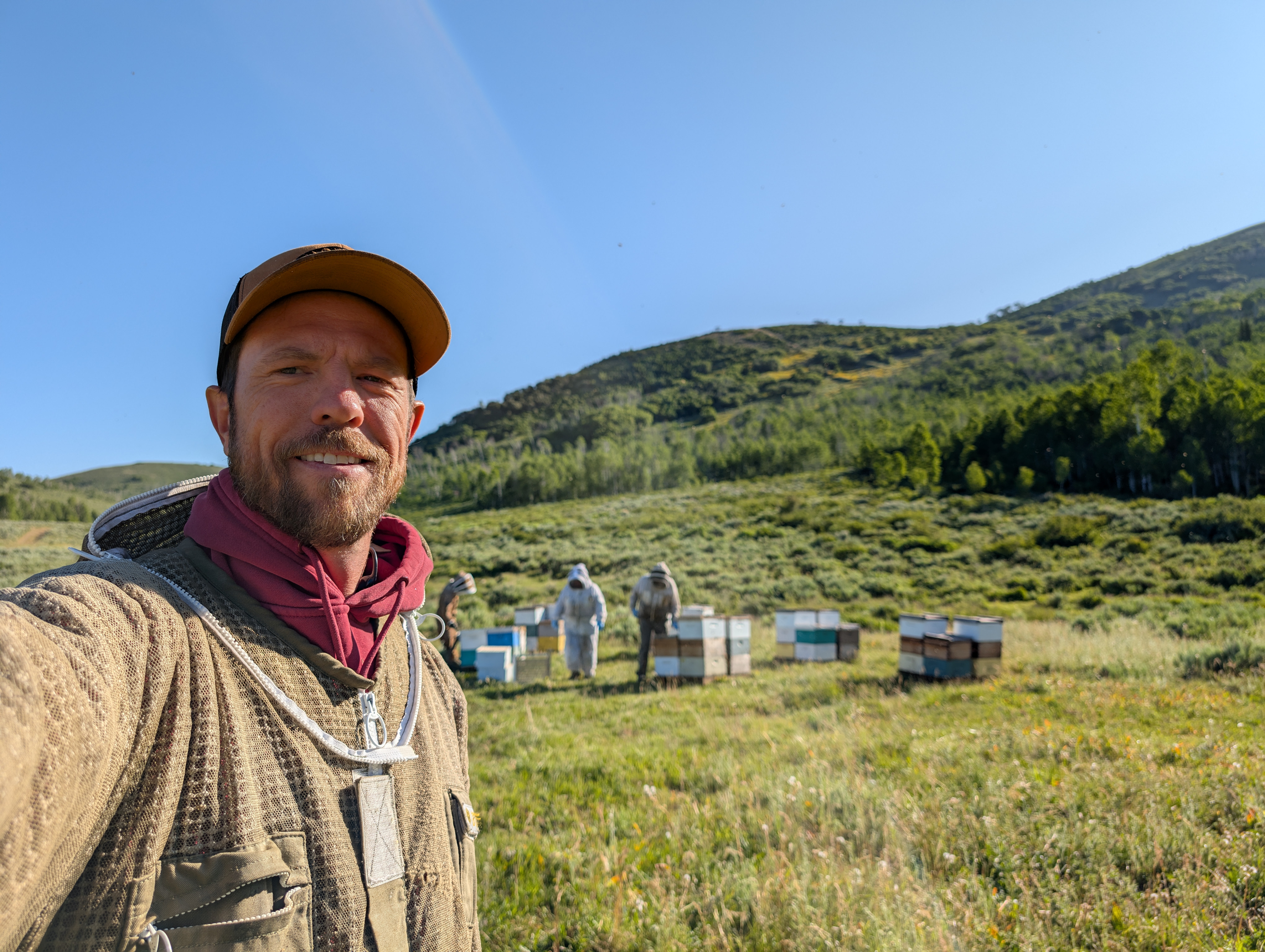
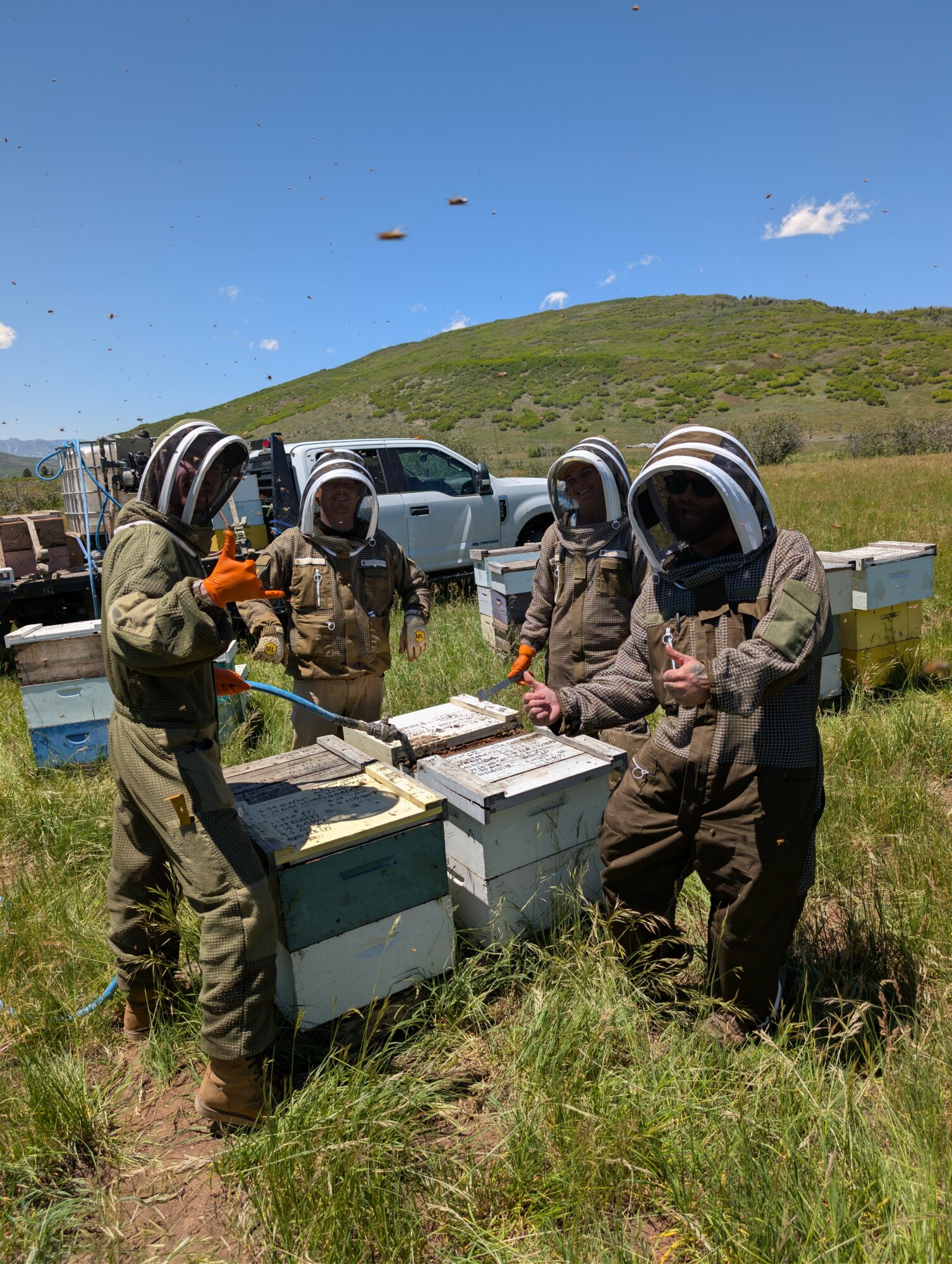
Homer’s Honeybee is a family-owned beekeeping business based in West Jordan, with apiaries throughout Northern Utah, where we care for and manage more than 900 honey bee colonies. Built on a passion for healthy bees and a desire to help others succeed in beekeeping, we’ve grown into a commercial operation that provides pollination services, raises locally adapted bees and queens, produces raw local honey and handcrafted hive products, and supplies beekeepers with the equipment, education, and support they need to be successful.
What sets us apart is that we’re beekeepers first. Everything we recommend has been tested in our own apiaries, and we believe education is just as important as the products we sell. We take the time to answer questions, mentor new beekeepers, and share practical, real-world knowledge. Over the years, that commitment has earned us a reputation for honesty, trust, and genuinely caring about the success of our customers.
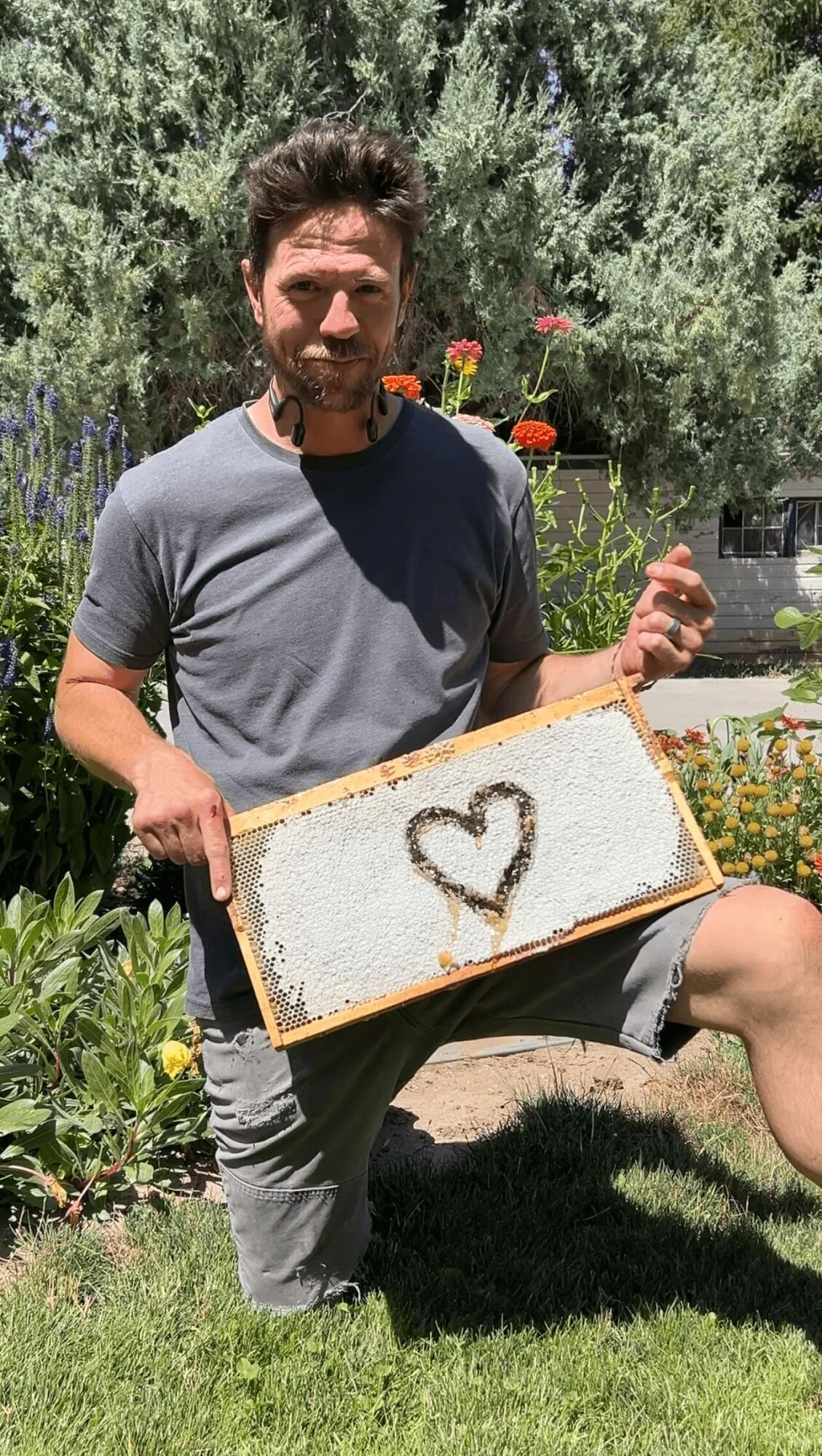
We’re also committed to producing the highest-quality honey and hive products possible. We intentionally place many of our hives in areas with diverse natural forage and away from intensive agriculture whenever possible. Our goal is to provide our bees with healthier environments, supporting stronger colonies and producing the purest, highest-quality honey and healing hive byproducts we can for our customers.
We also want people to understand what’s at stake. Honeybees pollinate a huge share of the food we eat, and their populations are under real pressure. Every jar of local honey someone buys and every local beekeeper they support helps keep bees — and the ecosystems and food supply that depend on them — healthy for the future.
More than anything, I’m proud of the relationships we’ve built. We don’t want to simply sell bees or beekeeping supplies—we want to be a trusted resource for our community. Whether someone is purchasing their first package of bees or managing hundreds of colonies, our goal is the same: to provide quality products, honest advice, and the support they need to succeed. By helping others become better beekeepers, we believe we’re also helping strengthen the future of beekeeping one hive at a time.
Are there any books, apps, podcasts or blogs that help you do your best?
There’s a lot of great beekeeping content out there, but a few resources stand out to me. I really enjoy Bob Binnie on YouTube — he’s down-to-earth and has a wealth of practical knowledge. I also rely on Randy Oliver at ScientificBeekeeping.com; his work is backed by real science and testing, so it’s a great source to validate ideas rather than just take them at face value. Another favorite is YouTuber Ian Steppler, who has a common-sense, tell-it-like-it-is approach that I appreciate.
Those are just a few of many — beekeeping information can be overwhelming, honestly. My approach is to keep things simple and lean on common sense, using resources like these to back up what I’m already seeing in my own hives rather than overcomplicate things.
Pricing:
- Honey: starting at $13.99
- Hot/Cinnamon Honey: $12.99
- Whipped Bee Tallow Lotion: $19.99
- Healing Hive Balms: $12.99
- Propolis Tincture: $14.99
Contact Info:
- Website: https://WWW.HOMERSHONEYBEE.COM
- Instagram: https://www.instagram.com/homershoneybee/
- Facebook: https://www.facebook.com/homershoney
- Youtube: https://www.youtube.com/@homershoneybee
- Other: https://www.tiktok.com/@homers_honeybee