


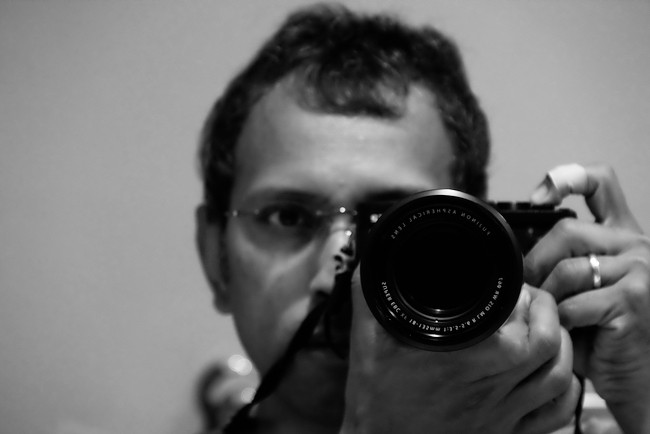
Today we’d like to introduce you to Chandra Sivaraman.
Thank you so much for sharing your story and insight with our readers. To kick things off, can you tell us a bit about how you got started?
I grew up in Mumbai, India where I trained as an engineer and never thought of myself as a creative type although I enjoyed drawing as a kid. I moved to the US in 1998 and picked up an APS film camera in the early days. It was easier to use than 35mm film because you just dropped a cartridge in. I was clueless about the basics of photography or framing, and the complete lack of feedback didn’t help.
Needless to say, much film was wasted in the production of mediocre photos of places I had visited. I graduated with a Sony Cybershot around 2002 – a 6MP camera with a memory stick. Being able to see what you shot, and the ability to correct flaws in real time was magical. That didn’t help much with the photos. I was just able to take more mediocre photos now. Buying a Nikon D40 DSLR didn’t help either in that regard.
I then took a photography class at Pierce College in Los Angeles. It was eye-opening. I learned the basics – aperture, shutter, ISO, framing rules, painting with light, magic hour, silhouettes, POV, etc. I realized how little I knew. In a sense, this is where my journey started. I started reading books on photography and photographers, staring at famous images by Ansel Adams and Henri Cartier-Bresson, trying to understand their techniques.
The Nikon was replaced by a Fuji x100S and then a Fuji XE2 was added. I took lots of family photos and this helped me develop my creative eye. I still remember what a revelation it was to learn about depth of field in a book on photographing children, of all things.
I posted my first Instagram photo in 2016. I didn’t know what I wanted to photograph back then. I didn’t have much free time on my hands with a long commute to work and a hyperactive 5-year-old at home. I started posting photos of random things that caught my attention on my lunchtime walk at work. Since I only had my iPhone with me, that is what I used. The photos were of things that most people wouldn’t pay attention to – flowers, trees, hills, insects, leaves, graffiti, electric poles, and interesting patterns. Initially in color, but then, inspired by Ansel Adams, I started experimenting with black and white and realized it was easier to edit and portray shapes and forms.
Sometimes, stripping color would surface strange patterns, or strip away distractions and let me focus on a particular aspect of the subject. Sometimes, cropping an image would reveal a surprising view. Not all of the photos I post are great or even good photos, but I try to post frequently so that I can observe my progress. I also find it incredibly relaxing to browse photos I’ve posted when I’m stressed out. I try to caption every image so that it tells a little story.
The caption is very much a part of the image and guides the viewer’s attention in a direction I intend.
Would you say it’s been a smooth road, and if not, what are some of the biggest challenges you’ve faced along the way?
There have been ups and downs. Not knowing the basics was the first hurdle to overcome. Identifying subjects was another. Taking consistently good images was yet another. Taking interesting images that tell a story was always a challenge. Low light and action photos were another.
That’s when I learned about tripods, ISO, and shutter. Early on, just framing things without clutter in the background was something I wasn’t tuned to. When you are starting, it is difficult to identify your shooting style, aka your voice. This awareness only comes with shooting lots of images, so that you can spot trends and patterns.
Alright, so let’s switch gears a bit and talk business. What should we know about your work?
I am a photographer. I share my art through Instagram at instagram.com/cs31415. I specialize in black and white “stories of seen and unseen things lurking around us; beauty hidden in plain sight” as my profile puts it.
I am proud of my body of work. I try to caption every image so that it tells a little story. It humanizes subjects, even inanimate ones. The caption is integral to the image and guides the viewer’s attention in a direction I intend.
I shoot in black and white because it conveys an alternate reality, a more abstract, spartan one to what we observe, accentuating details that are masked by color. In a way, I try to give voice to the little things that are often missed in the daily machinations of a frenetic world.
What would you say has been one of the most important lessons you’ve learned?
To keep at it. Keep learning and working at your craft. Use whatever time and tools you have at your disposal, and do not defer to a time when conditions will be perfect.
Keep experimenting and sharing your work. To identify your voice, the things that move you and the things that don’t. To play the infinite game, the long game, versus running after short-term gains.
Contact Info:
- Email: cs31415@yahoo.com
- Website: https://chandrasivaraman.com/
- Instagram: https://www.instagram.com/cs31415
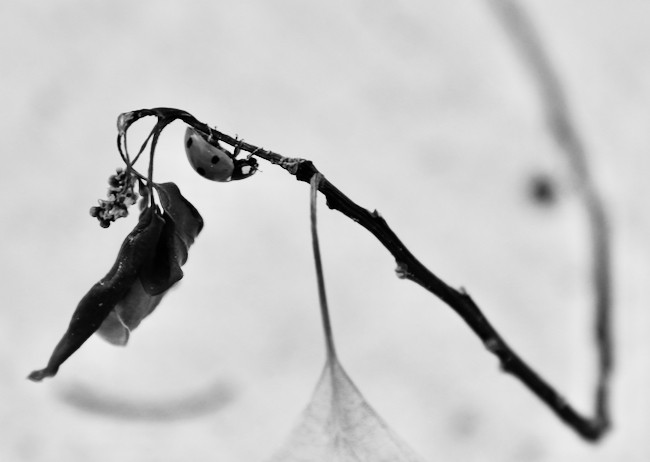
The world is upside down
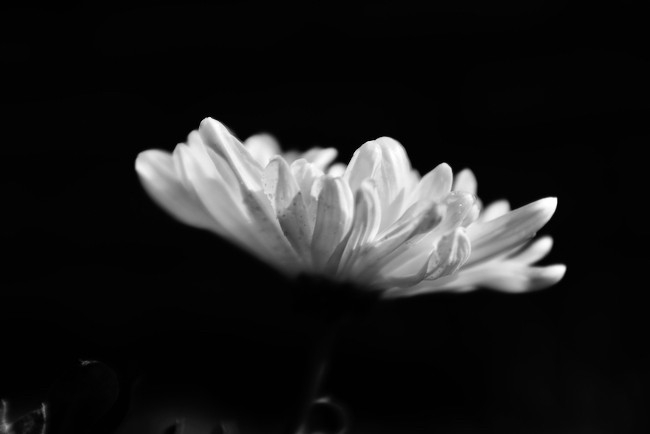 Good morning
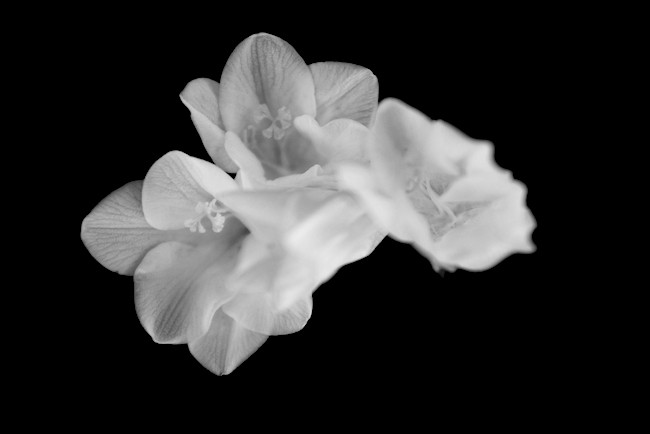
Lost in space
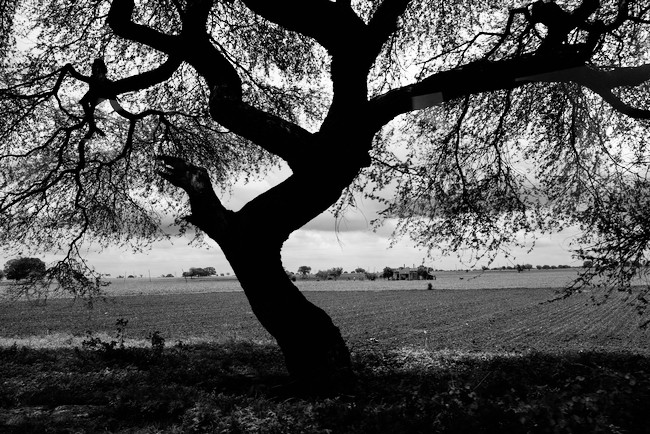
Dance, anyone?
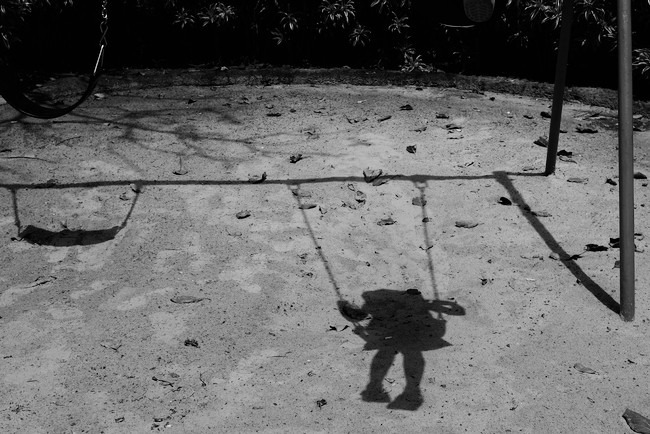
Riding the breeze
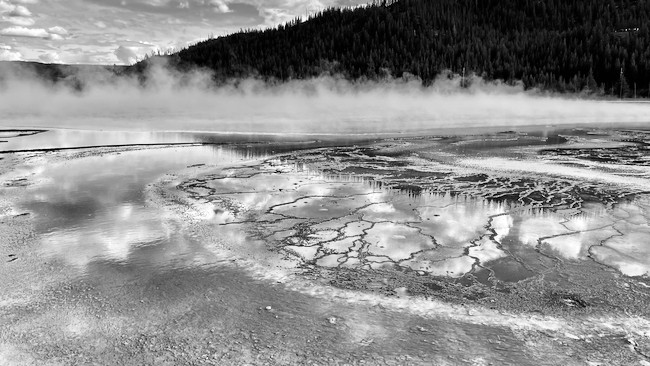
Is this a dream?
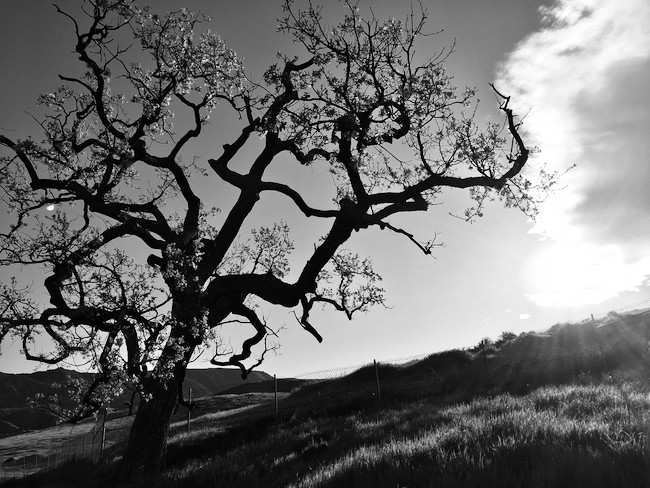
Sentinel regeneration
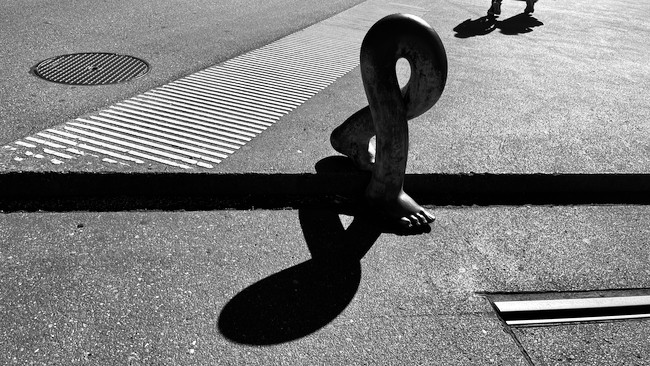
Foot traffic