


Today we’d like to introduce you to Nam Tran.
Hi Nam, we’d love for you to start by introducing yourself.
As a teenager, I found graffiti as my “rebellious” creative outlet. That led me to connect with other people in the streetwear scene, and at one point I even tried starting my own custom clothing business while still in high school. It definitely wasn’t a successful business, but it was probably my first experience realizing that I really enjoyed creating something visually and thinking about how people connected with it. That interest in graffiti eventually led me to study multimedia in Vietnam. It gave me a pretty broad introduction to the creative field and exposed me to different disciplines rather than just one area of design.
In my early 20s, I immigrated to the U.S., and that was when I started taking graphic design much more seriously as a profession. I continued my education in Visual Communication and began building a stronger foundation in design.
Early in my career, a lot of my development was centered around learning how to connect with people through visual storytelling. I became really focused on understanding how things like typography, composition, imagery, and concept could work together to communicate an idea and create an emotional response.
As I gained more experience, my work started to expand beyond just the creative itself. I became much more involved in performance creative, strategy, planning, and understanding how the work contributed to a larger business goal. That changed the way I approached design. Instead of only asking whether something looked good or communicated clearly, I started asking what we wanted the audience to do, how we would know if the work was successful, and what we could learn from the results.
So today, I still really value the craft of design, I’m still very hands-on, but I approach creative work from a much broader view. I think about the full picture, from the audience and business goal to the strategy, concept, execution, and ultimately the impact of the work.
We all face challenges, but looking back would you describe it as a relatively smooth road?
I wouldn’t say it’s been a smooth ride. There have definitely been plenty of bumps along the way. But one of the biggest challenges for me was, and still is sometimes, learning how to navigate life and build a career in a completely different culture.
I was not only trying to continue developing professionally, I was also learning new social expectations, different ways of communicating, and even different references and perspectives that influenced how people responded to creative work.
For a good chunk of my life and my career here in the U.S., I think a lot of my instinct was to try to fit in and understand how things were done here. I wanted to adapt, and in some ways I probably thought that meant I needed to leave parts of myself and the experiences that shaped me behind. But over time, I started to realize that having experience with different cultures was actually something I could bring into the work rather than something I needed to minimize.
It made me more aware that people don’t all interpret an idea the same way. Their background, experiences, and cultural references can completely change how they connect with a message. That has made me more curious about audiences and more careful about making assumptions when I’m developing creative.
I think a lot of the struggle has really been about adapting. At first, that meant adapting to a new culture and professional environment. Over time, it also became about realizing that adapting didn’t necessarily mean giving up the perspective I came in with. I think that experience has made me a much more open and thoughtful creative today.
Thanks – so what else should our readers know about your work and what you’re currently focused on?
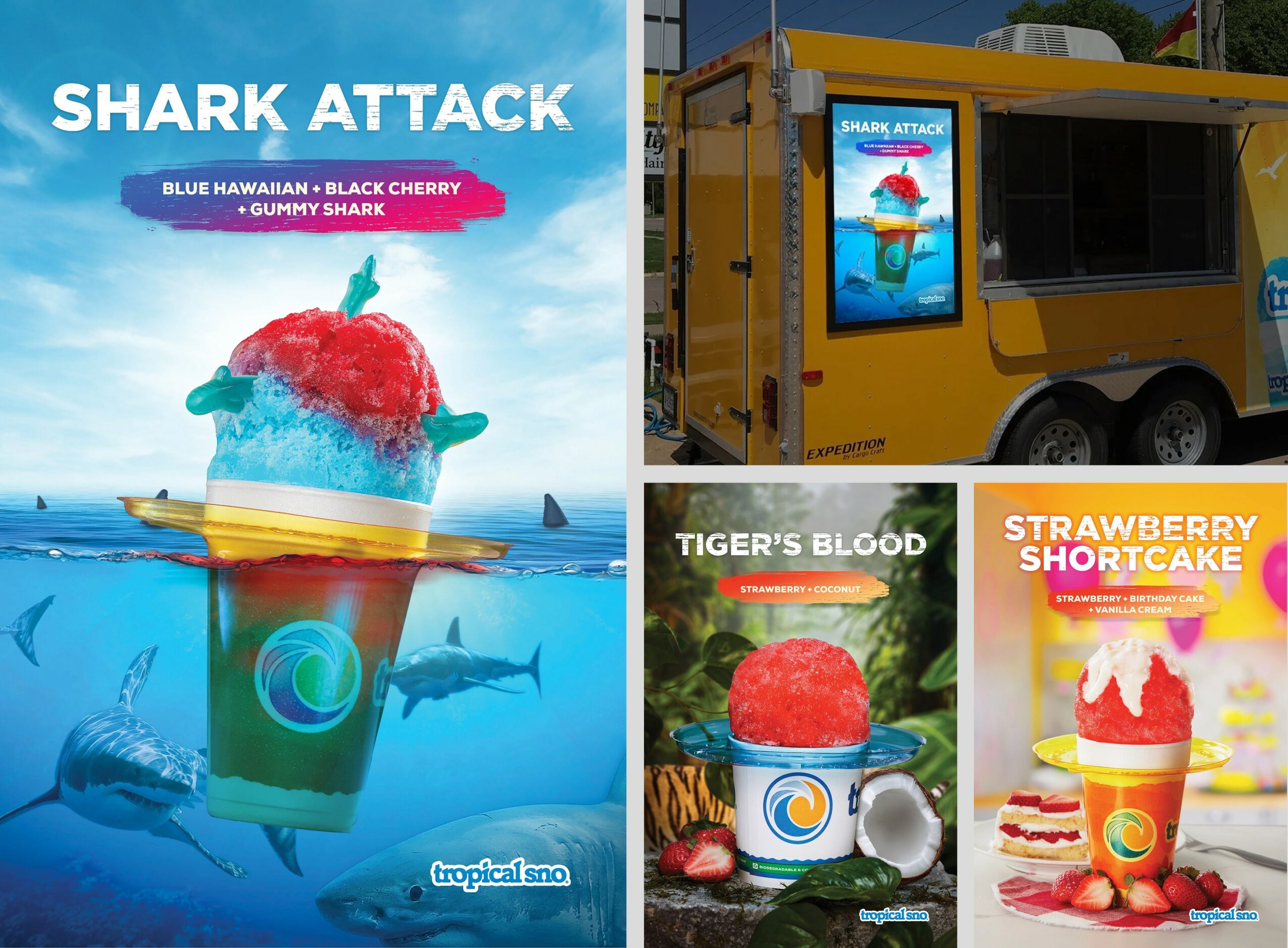
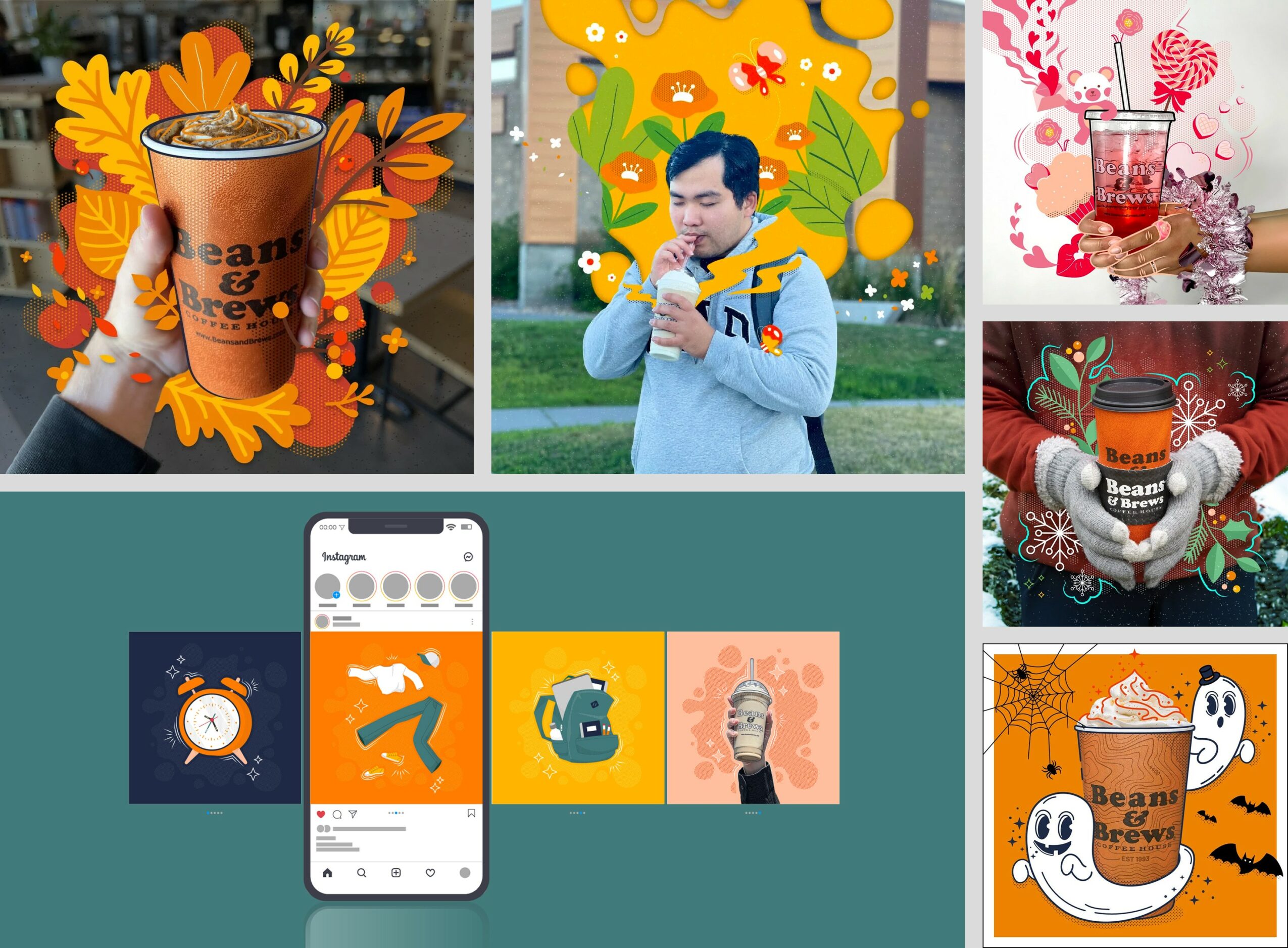
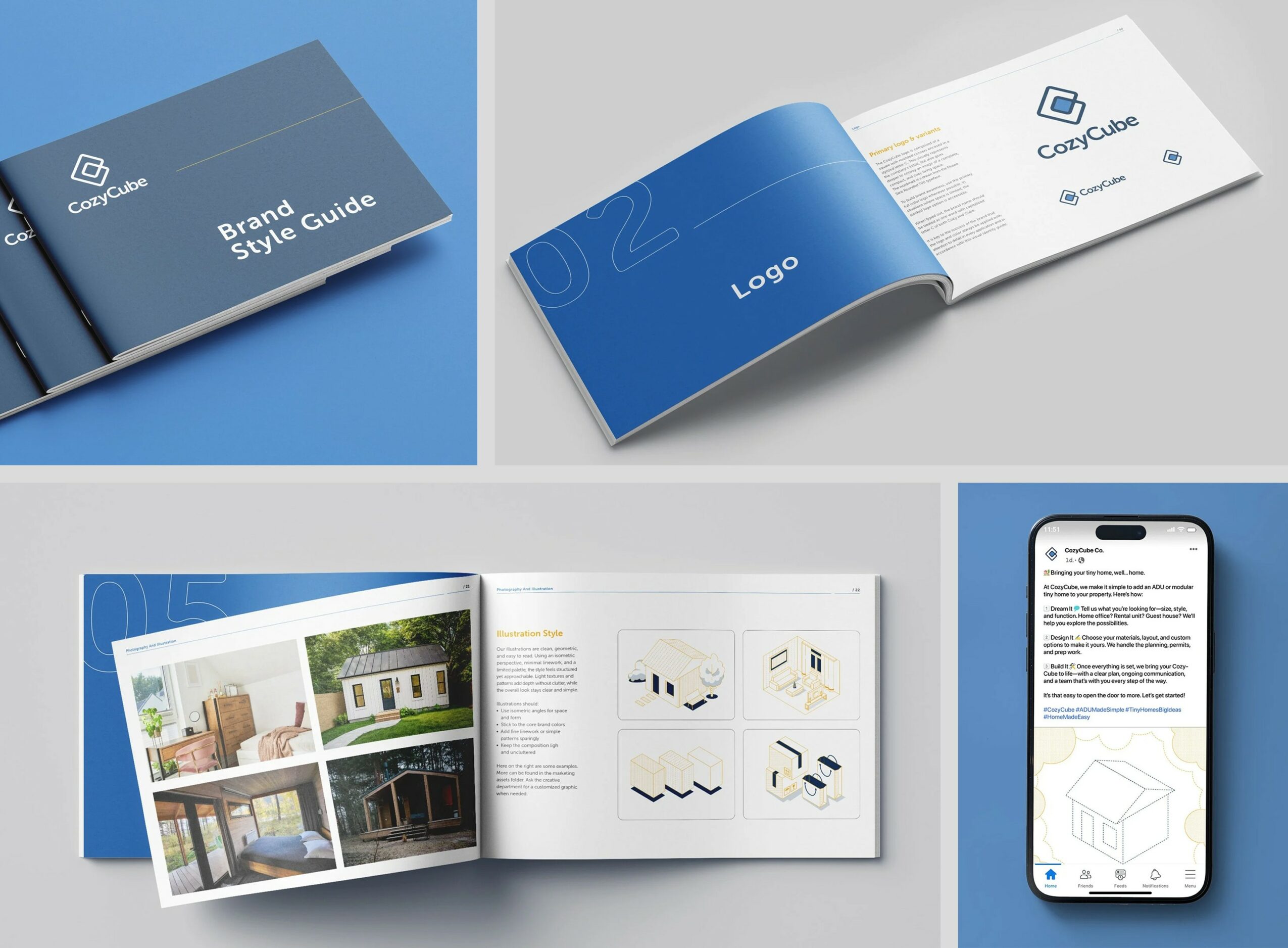
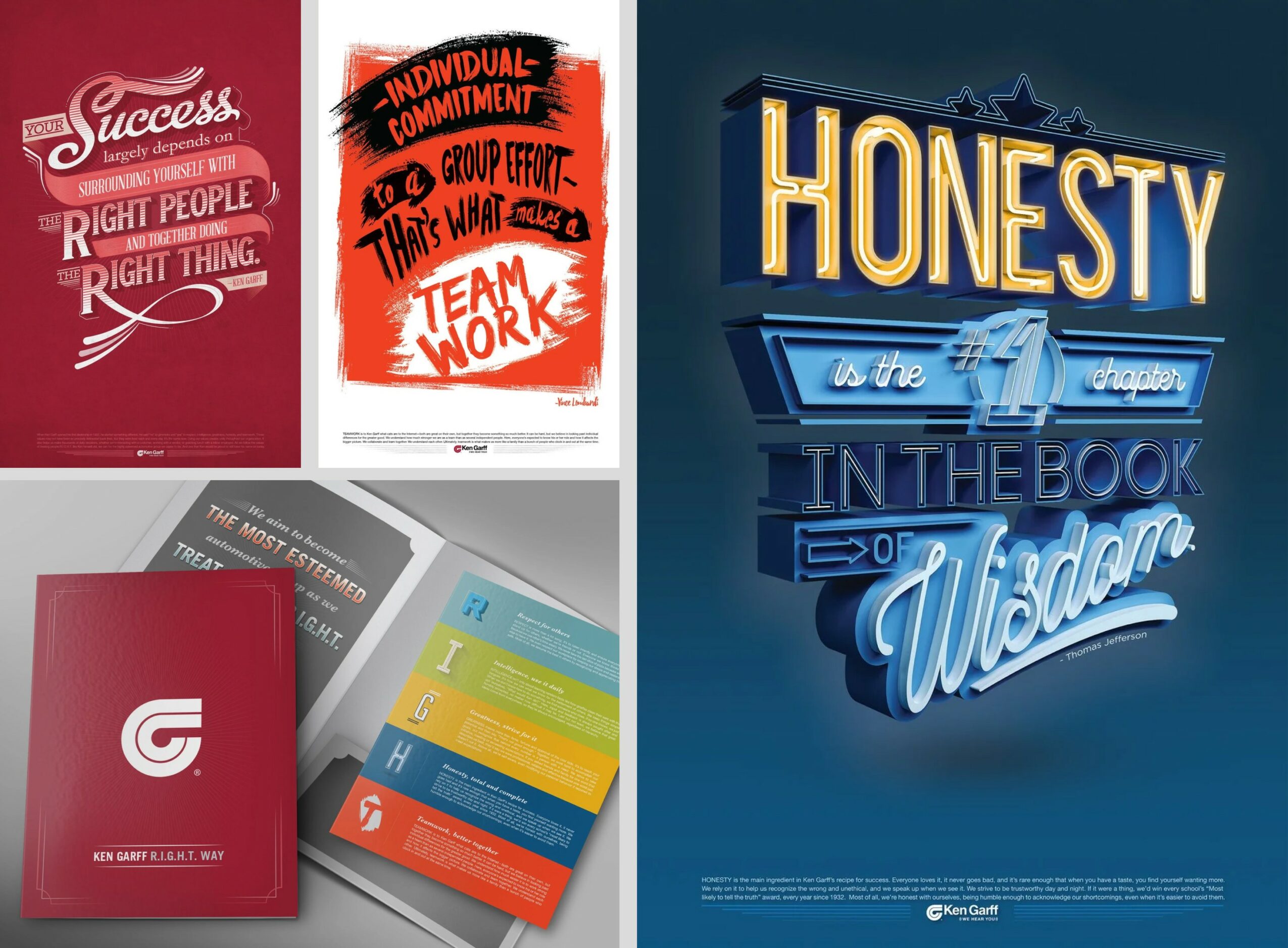
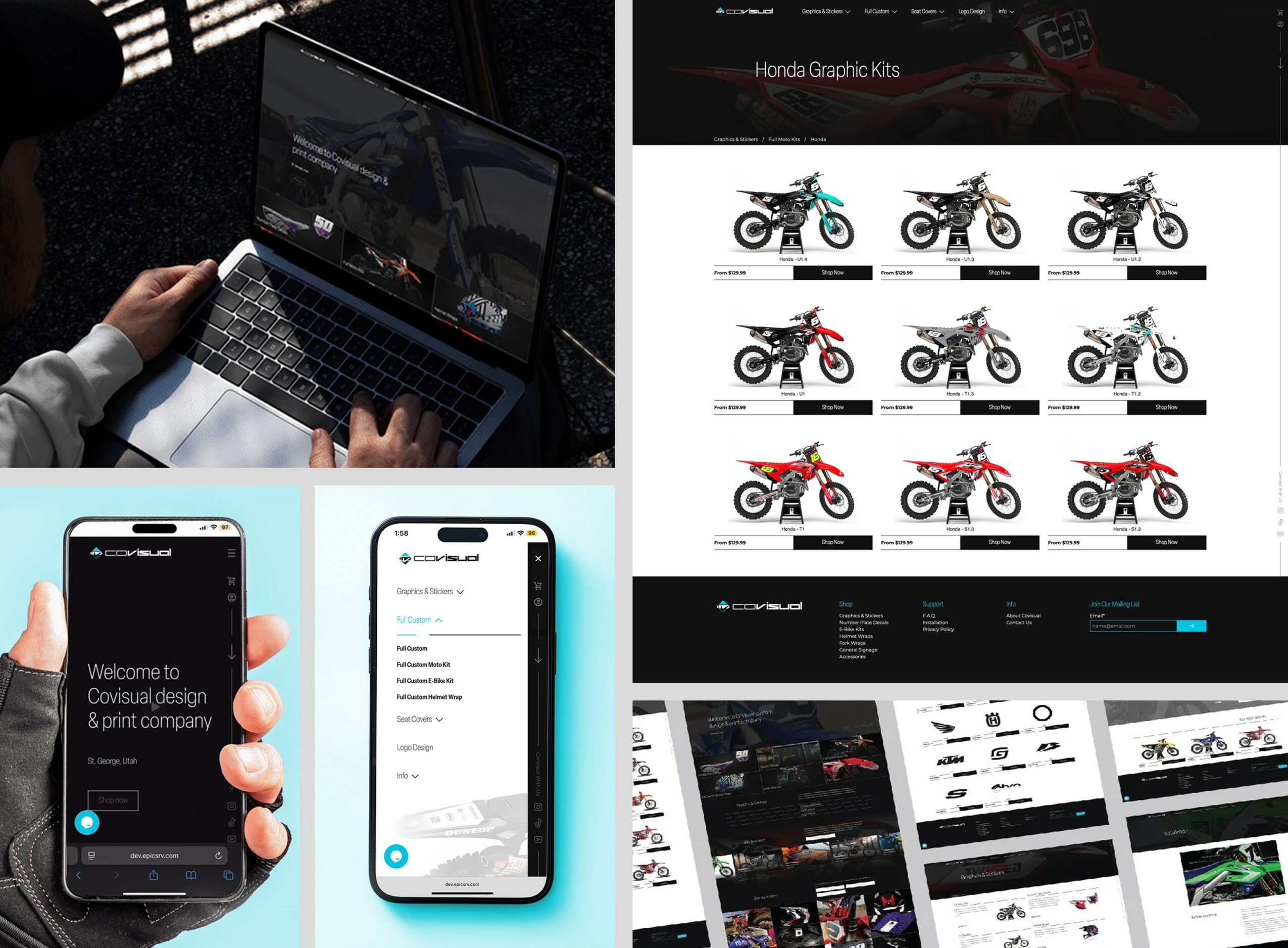
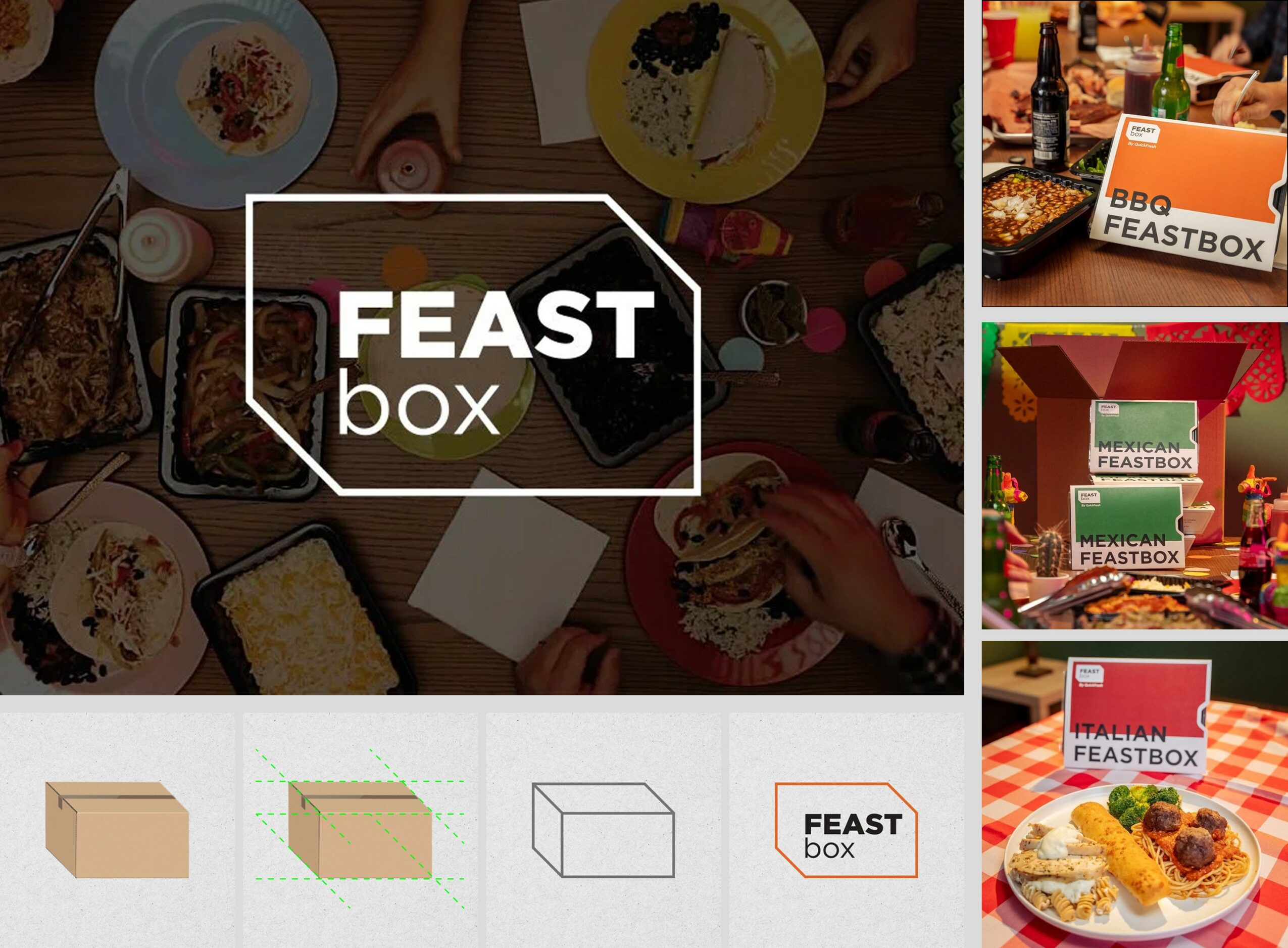
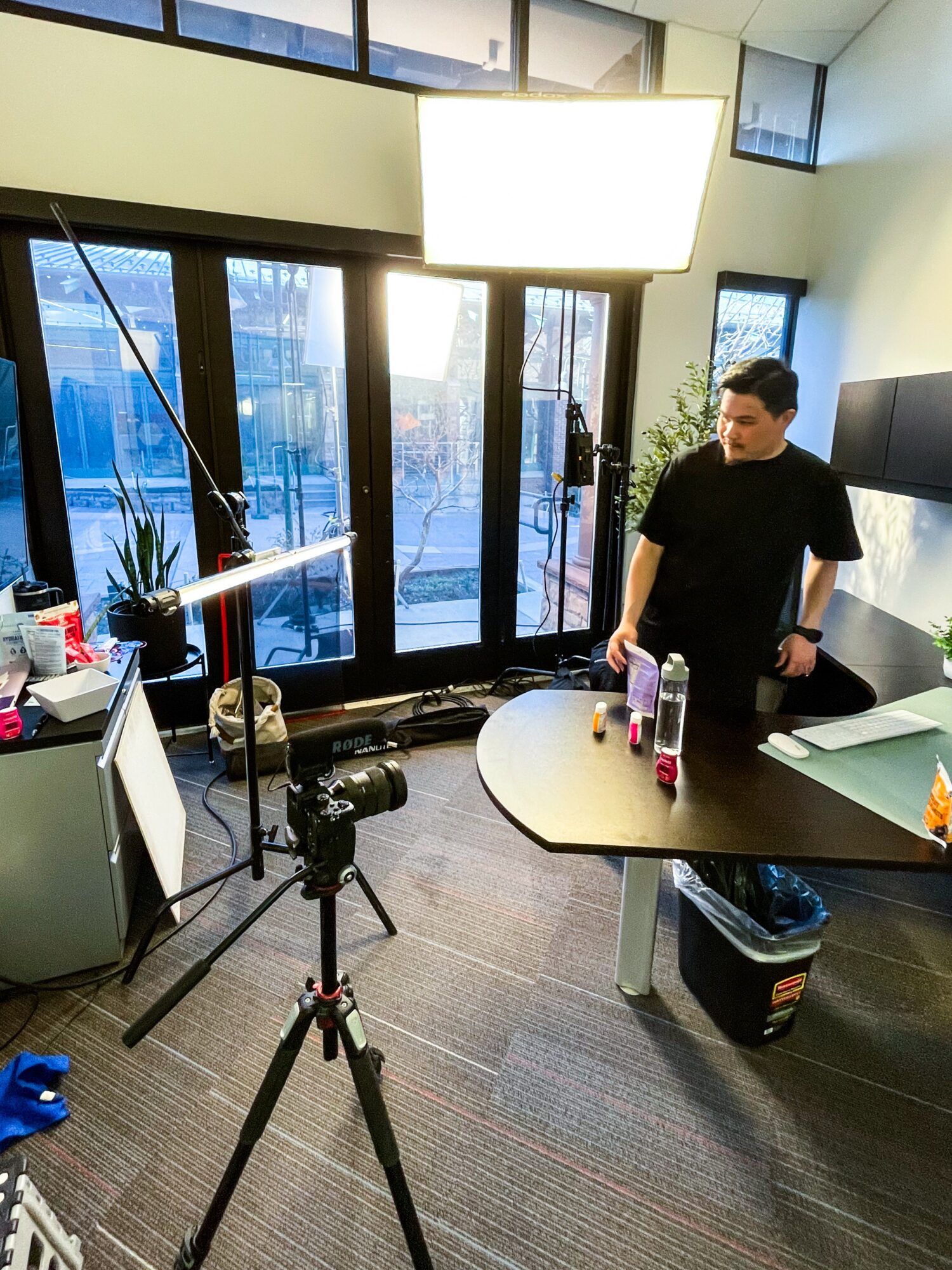
I would describe myself as an Art Director, but my work has always been pretty broad. I’ve worked across brand identity, campaigns, digital, social, web, e-commerce, packaging, and photo and video art direction, you name it. I’ve never really liked being defined by a certain medium or one type of project. What I enjoy most is figuring out what a brand or idea is trying to say, who it needs to connect with, and then finding the clearest and most interesting way to bring that to life.
I think I’m probably at my best when the problem is still a little messy or undefined. I like asking questions, finding the thread that connects everything, and turning that into a creative direction or system that feels cohesive and intentional.
I enjoy balancing function and aesthetics. I care a lot about craft, but I don’t think good design should exist just to look good. It should help make something clearer, more useful, more memorable, or easier for people to connect with.
What I’m most proud of is probably that I’ve been able to stay curious and adaptable without losing the part of design that I originally fell in love with. I’ve worked across very different industries, audiences, and types of problems, but I still care just as much about the idea and the craft as I do about the strategy behind it.
If there’s something that sets me apart, I think it’s that I try to hold both sides of the work at the same time. I know how to create work that connects with people on an emotional level, but I also want it to have a clear purpose and support what the business is actually trying to accomplish.
And I think that balance is becoming even more important as generative AI becomes a bigger part of the creative process. It can help us move faster and make the production side of creative more efficient, but speed alone doesn’t make something meaningful. You still need judgment, empathy, cultural awareness, and a real understanding of the audience to know what is worth making in the first place. That’s the part of the work I’m most interested in.
Any advice for finding a mentor or networking in general?
My advice would probably be not to focus too much on finding the mentor or building the widest network but finding people whose judgment you trust, build real relationships with them, ask direct (but thoughtful) questions, and then use their perspective to help you make your own decisions.
I’ve never really had one formal mentor in my life. For me, mentorship has been much more informal, and I’ve always valued the depth and quality of a connection more than the number of people in my network. Throughout my career, I’ve been fortunate to work with managers and coworkers who I respect deeply, and those are usually the people I turn to when I have professional questions or need another perspective.
One thing I’ve learned is that I don’t necessarily take someone’s advice at face value and apply it directly. I like to listen to where they’re coming from, reflect on how their experience relates to my situation, and then look at the pros and cons. Their advice is shaped by their own path and circumstances, and mine might be different, so I think there’s value in understanding the reasoning behind the advice rather than just following it blindly.
Contact Info:
- Website: https://NamNamNamNam.com
- LinkedIn: https://linkedin.com/in/namtran-creative/