


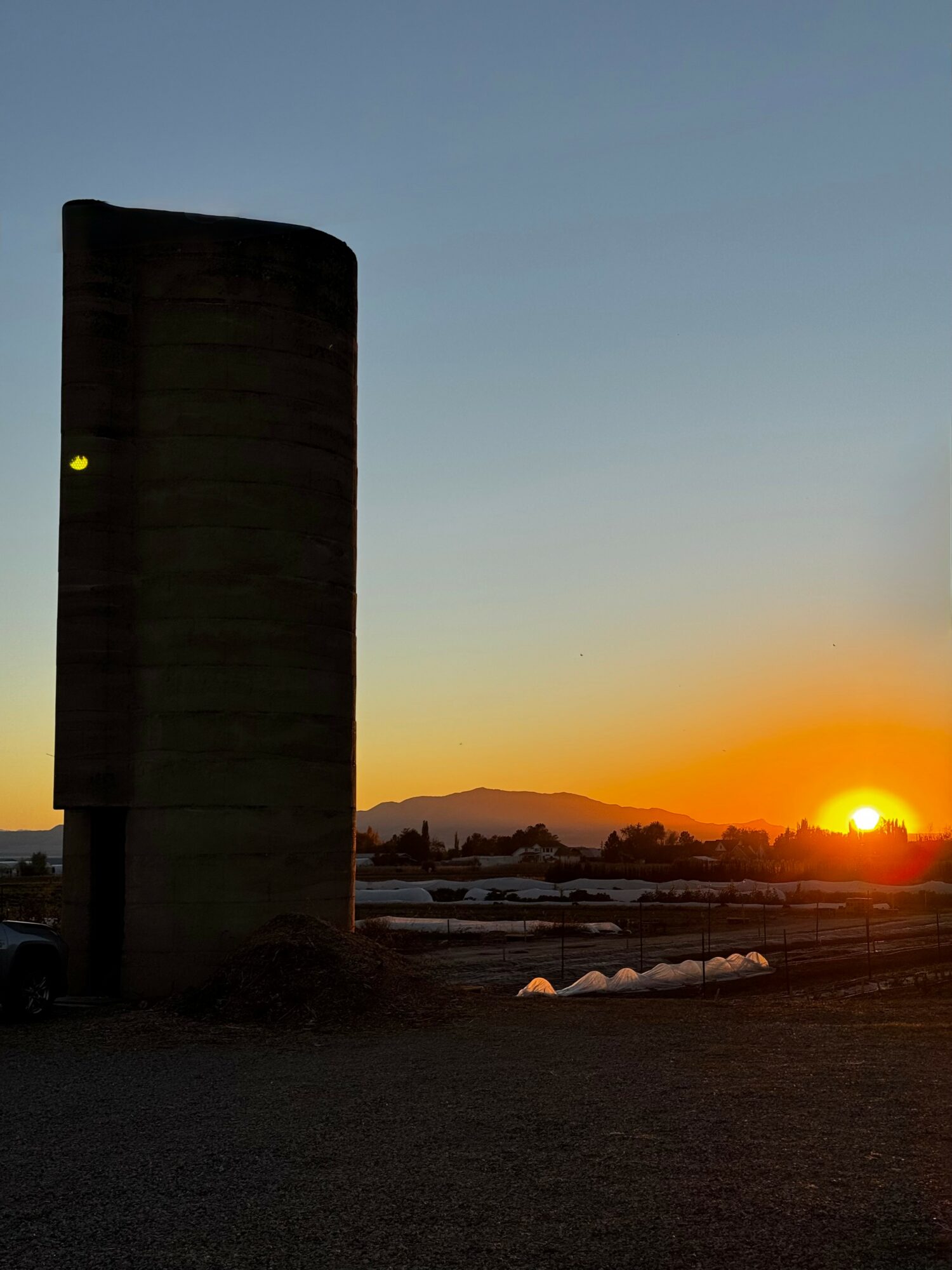
Today we’d like to introduce you to Jaleigh Jensen.
Hi Jaleigh, we’re thrilled to have a chance to learn your story today. So, before we get into specifics, maybe you can briefly walk us through how you got to where you are today?
In “Braiding Sweetgrass” Robin Wall Kimmerer said, “This is really why I made my daughters learn to garden—so they would always have a mother to love them, long after I am gone.”
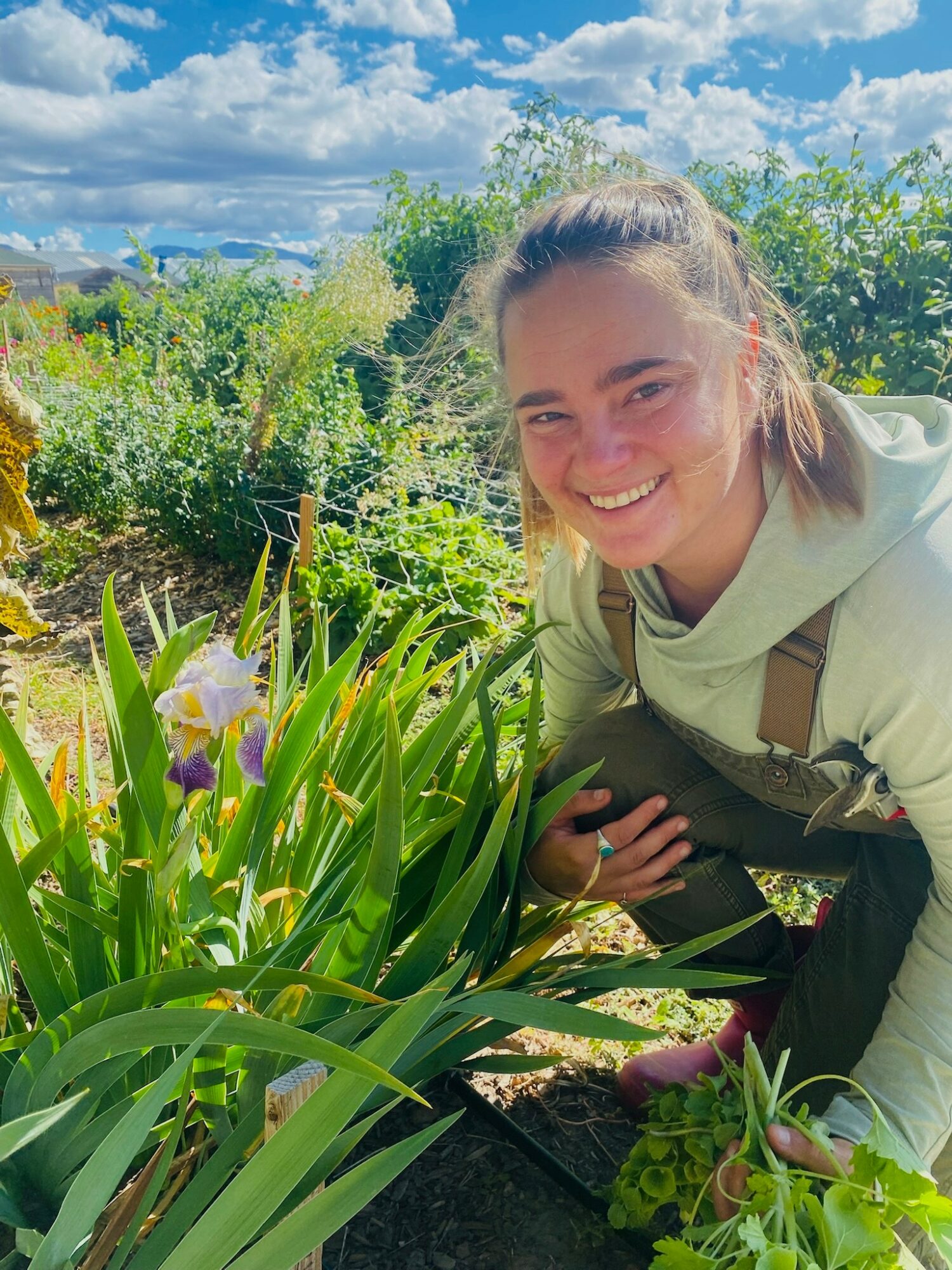
When my parents died three and a half years ago, I started Silo and Seed as a lifeline. I dug up my Mom’s iris bulbs in North Carolina and moved them with me to Utah. In their first year, in a moment I really needed to be reminded of her and hope, they bloomed. And they kept blooming. I grew a farm from them, from her.
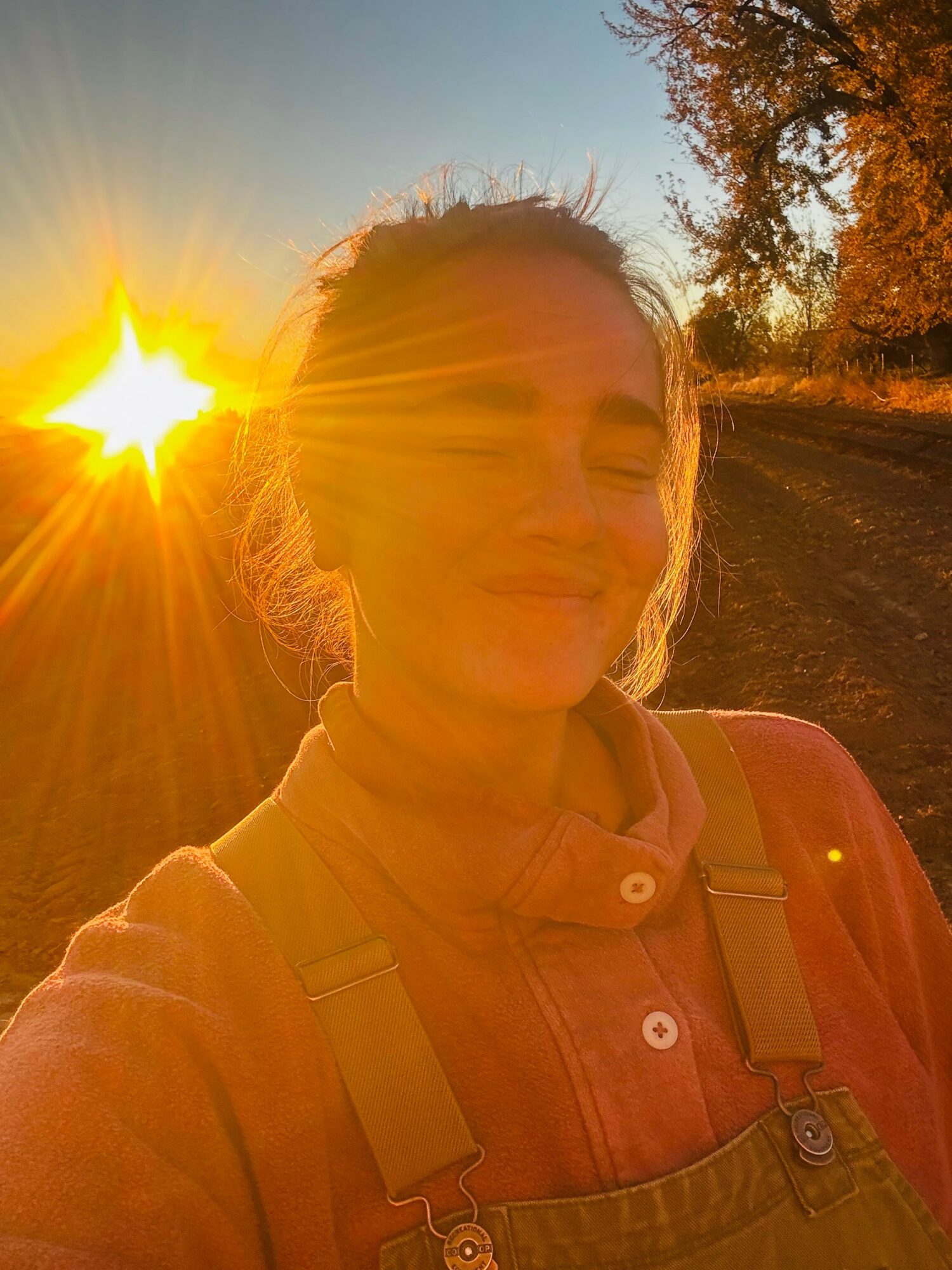
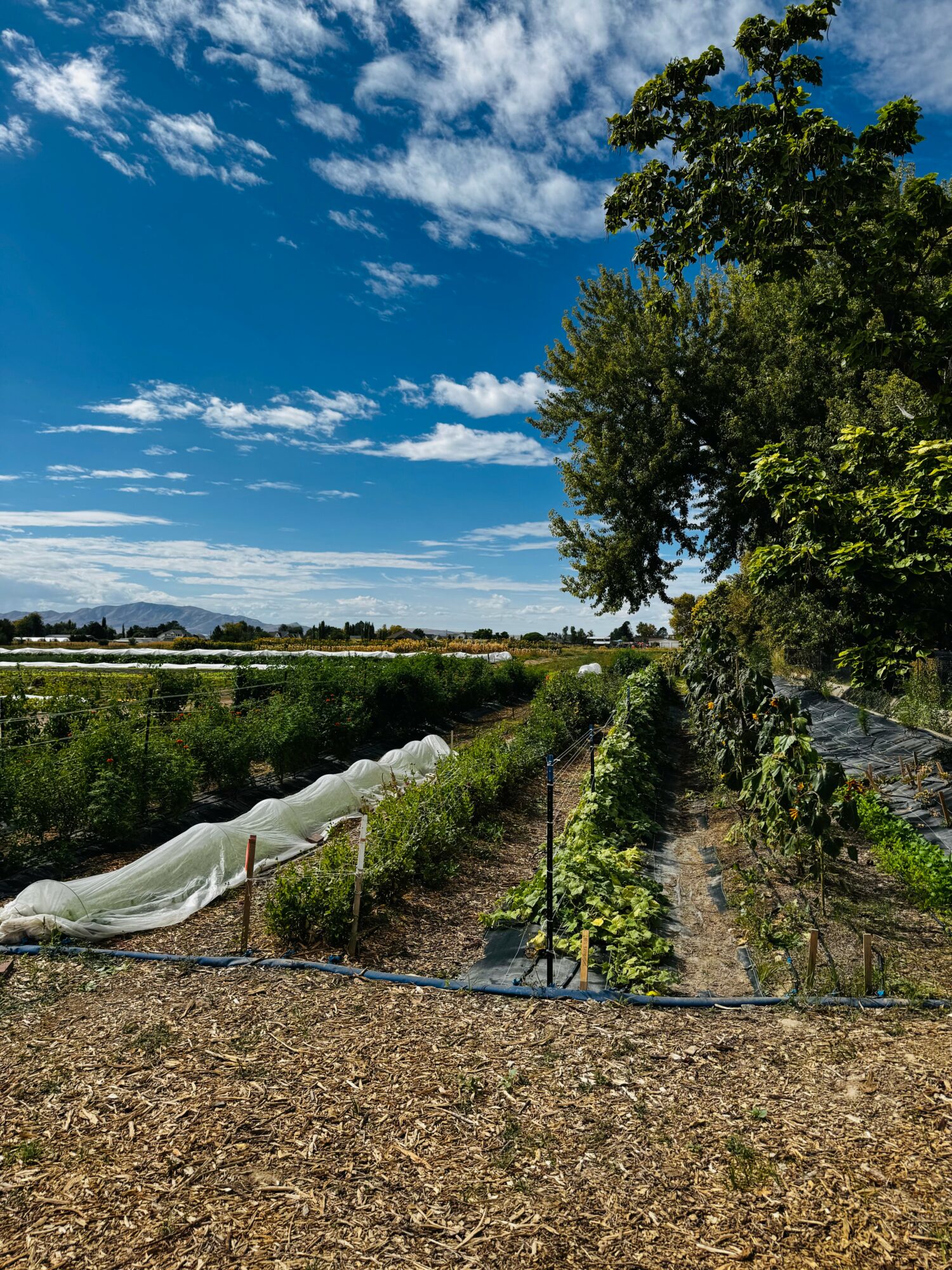
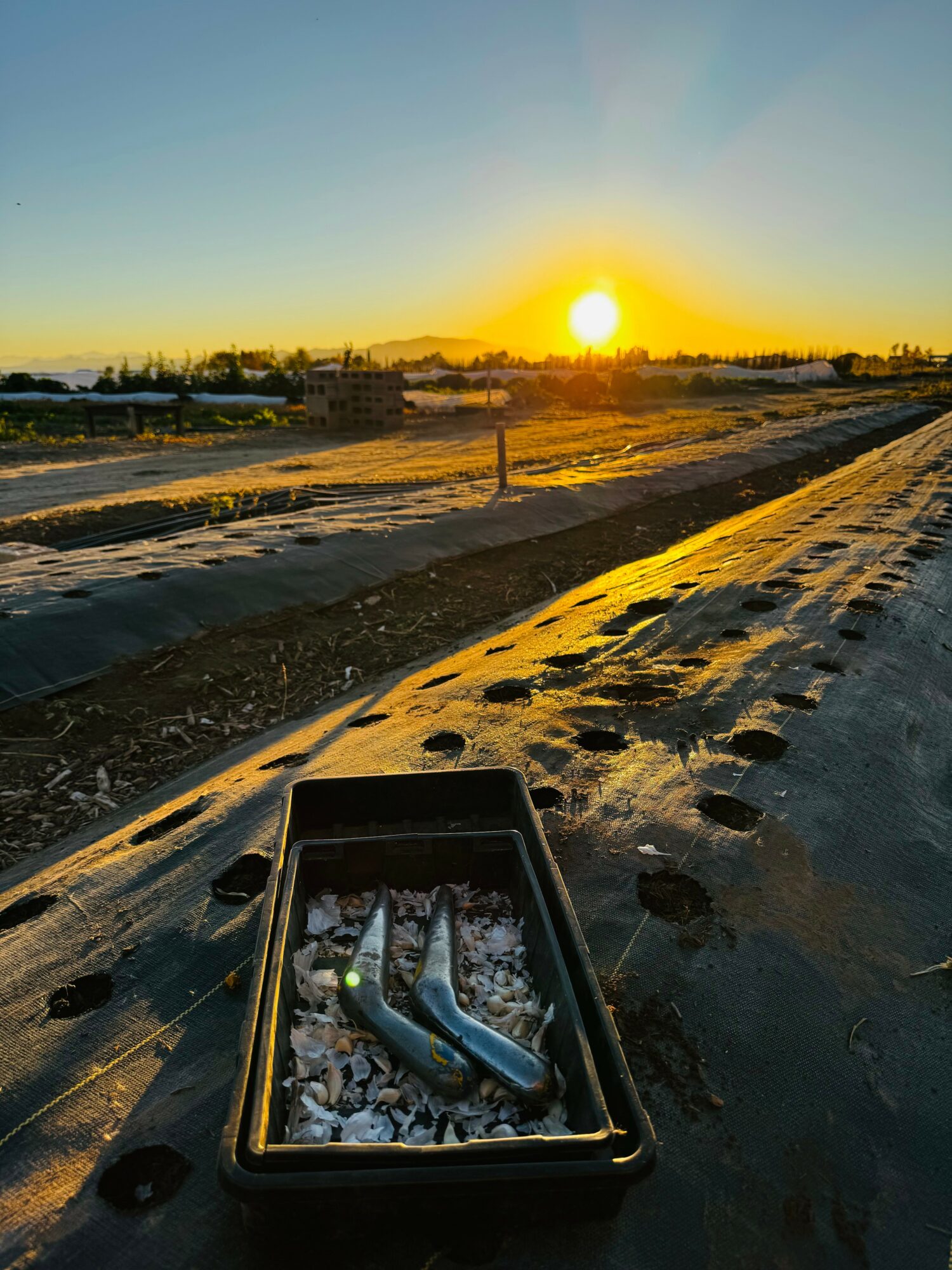
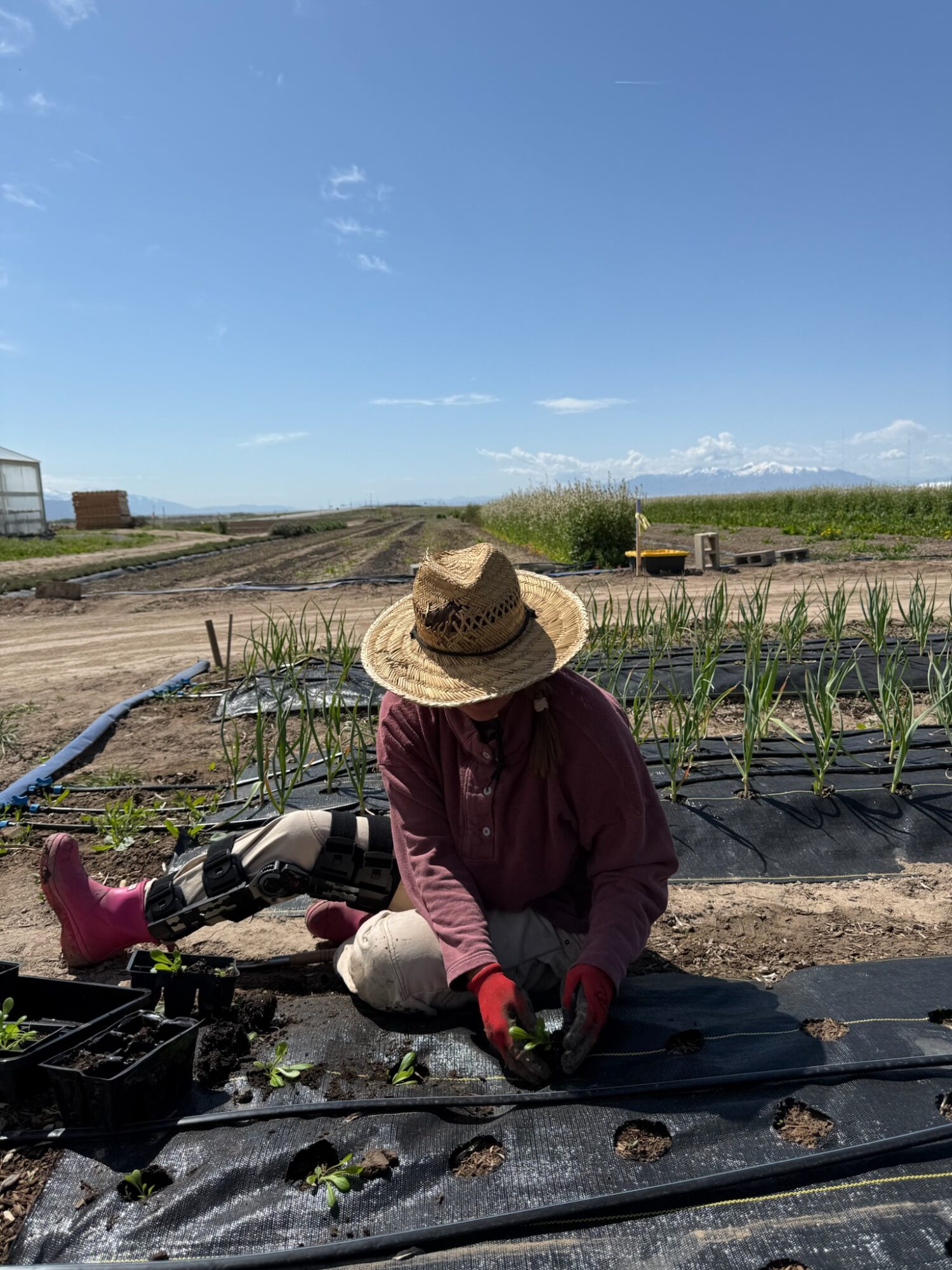
My generation has turned to their inner child as a modality of healing — but I’ve learned how important it is to embrace my inner mother too. Taking care of my little quarter acre has taught me more about taking care of myself than I ever could’ve imagined. Growing regenerative and organic means to create a symbiotic relationship with the land and the communities we serve.
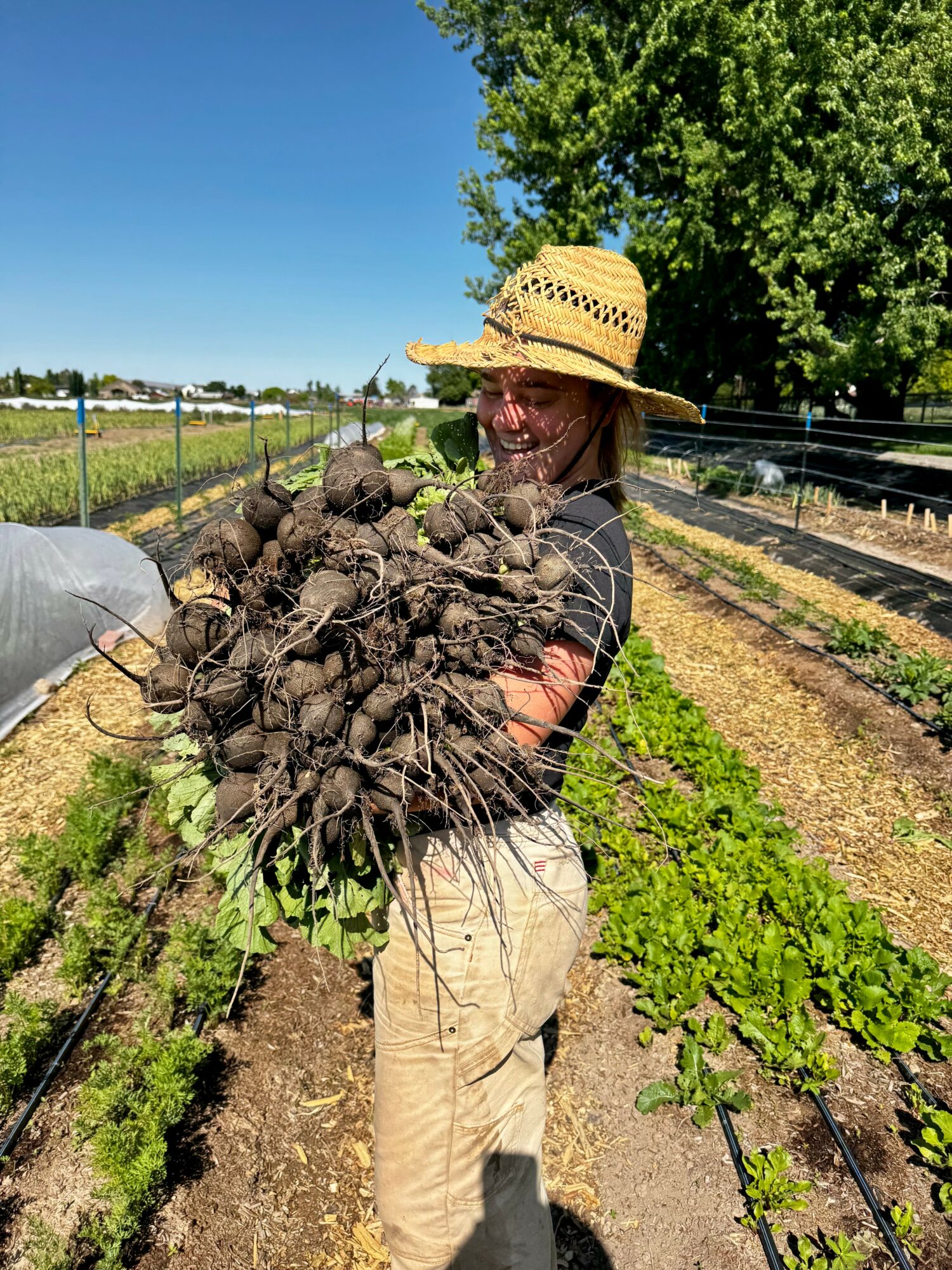
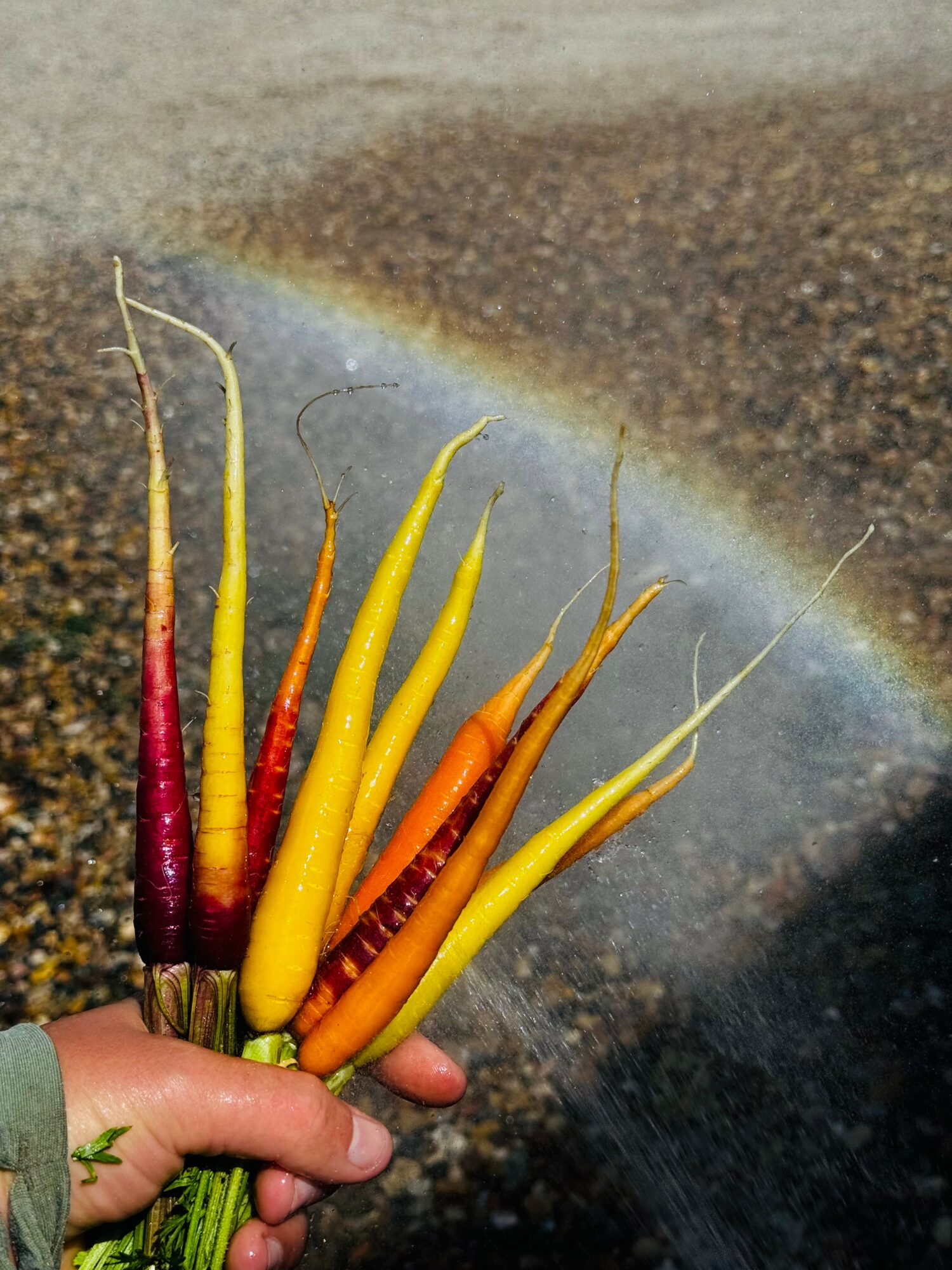
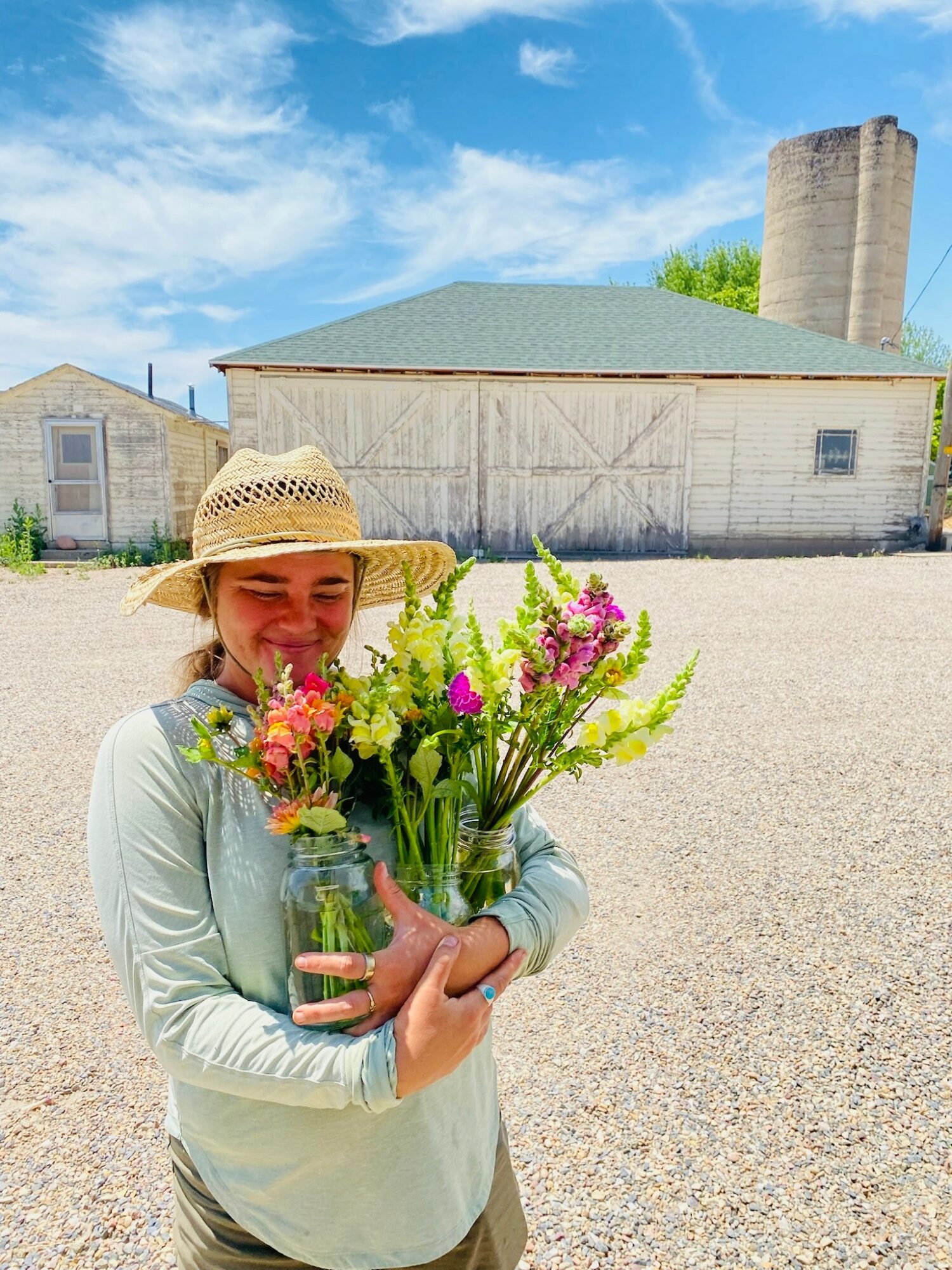
Beyond my Mom’s irises, I grow a wide variety of flowers and vegetables including tulips, ranunculus, anemones, peonies, snapdragons, foxgloves, bells of ireland, amaranthus, sunflowers, zinnias, marigolds, poppies, cosmos, carrots, radishes, turnips, tomatoes, cucumbers, peppers, lettuce, arugula, herbs, and more.
To grow a garden is to grow hope. To believe in a future. To believe we can make things better for the next generation. And what’s a more important time to believe that than now?
Can you talk to us a bit about the challenges and lessons you’ve learned along the way. Looking back would you say it’s been easy or smooth in retrospect?
I’ve learned a lot of lessons along this way (flowers don’t need as much nitrogen as tomatoes, the cheapest compost comes with it’s own load of problems, you can’t wait until the heat of the day to harvest, improving soil health is a life-long process, etc, etc, etc) but the biggest lesson is that growing is the easiest part — it’s the selling that’s the hardest.
We work with some of the best restaurants, florists and markets (Urban Hill, Central 9th Market, Mar Muntanya, Oquirrh, Every Blooming Thing and the Wheeler market, just to name a few) in the greater Salt Lake Valley but we are always looking for new opportunities. We deliver wholesale flowers and veggies while in season on a weekly basis for orders of $100 or more. You can reach out to us directly at siloandseed@gmail.com for seasonal pricing and availability.
Thanks for sharing that. So, maybe next you can tell us a bit more about your work?
I believe that the local curation and design of heirloom flowers and vegetables is what sets me apart from others. There are so few florists in the area that use flowers from local farms, much less ones they actually grow. When flowers are picked the same morning they are delivered, a 2-3 week vase life is often guaranteed (depending on variety). And same with our veggies 🙂
Before we let you go, we’ve got to ask if you have any advice for those who are just starting out?
Just keep going. This is the long haul. If it was easy, everyone would do it. But it will get easier in time.
Pricing:
- Wholesale flowers for weddings and events — minimum $100
- Curated and designed bouquets — $25-50
- Wholesale veggies — minimum $100
- Farm/garden consultations — $50/hour
- Farm events — minimum $250
Contact Info:
- Instagram: @siloandseed
- Email: siloandseed@gmail.com