


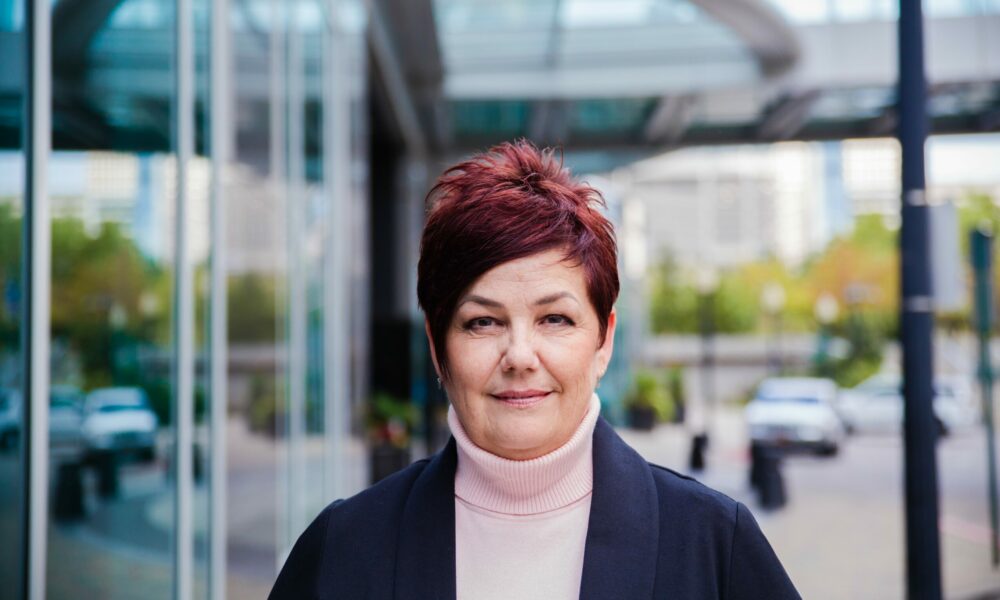
Today we’d like to introduce you to Cheryl Smith.
Hi Cheryl, can you start by introducing yourself? We’d love to learn more about how you got to where you are today.
When my last child was diagnosed with autism, I wasn’t sure what it was, how I could help, or how I would pay for it. Out of desperation, I started on the long road of advocacy, speaking for my son, Carson, who could not speak for himself. Carson’s tuition for kindergarten in an autism center was more than my son’s tuition at the U of U medical school, and Carson would never graduate from autism.
With zero political background, I started calling my legislators to ask for help. My representative at the time came to my house to meet with me, which I know now is very unusual. He opened a bill that would give special needs kids a “scholarship” to attend private school if they couldn’t prosper in public school. The Carson Smith Special Needs Scholarship passed after two years of major time, blood, sweat, and tears, mostly tears tho! At that time there were only two eligible schools, but now there are 49 eligible schools and over 1,000 kids on the scholarship.
At that same time, I co-founded the Autism Council of Utah, a parent-run non-profit to kind of be the umbrella over autism services in the state, to let everyone know what people were doing for autism and where to get resources. We also sponsor special projects like the autism specialty license plate and give grants for autism programs, research, and projects in Utah. We have been able to get other important legislation passed, including building an adolescent center, getting the age cap removed from insurance, and most recently age cap removal from Medicaid for autism services, and mandatory autism and mental health training for law enforcement.
I didn’t want the training to be difficult for agencies to do so I wrote the curriculum and do the training at no cost for those who want me to. It’s fun and the officers appreciate knowing what autism looks like and having some de-escalation techniques. A couple of years ago we opened an adult center for autism and IDD for those who have significant needs. It’s very cool, with lots of things to do and learn, no babysitting, and macaroni necklaces. The more opportunities for independence our kids have, the better chance they have of a good quality of life.
I sit on many committees and boards hoping to help mold the future for inclusiveness and better and more services. I guess that’s my professional story, but my most important story is that I have 8 kids in a combined family, and 21 grandkids. My goal is to create a community that embraces differences, and a safe space for my boy and others like him. Others paid it forward for me, so I feel like I need to do that too. I’m not smarter or better at it, it’s just because I can, that’s all.
We all face challenges, but would you describe it as a relatively smooth road?
The obstacles and challenges with passing legislation used to be educating about what autism is and why we need extra help. I think they get that now, so the challenges now are about finding money. It’s hard to advocate for your kid while others are up there advocating for their kid, who also deserves help. It’s also hard to find support, from others who “get it”. My friend and I started a support group called the Big MAK’s (moms of autistic kids). Our tagline is “more support than a 44DD”, which is a lot of support as you know.
We used to get together for lunches and play dates until Covid hit. It’s mostly a social media thing now where parents can ask questions or complain, or celebrate! There are lots of things to celebrate. My biggest challenge is being the mom and caregiver to a kid (adult) who is loved so dearly but who is so clearly suffering. Navigating the grief, hardship, and heartache of seeing your disabled child struggle is still something I have to work on. Carson is almost 25, he has very limited speech, devastating aggressions, and several physical challenges such as diabetes and seizures. It’s very difficult now that he is an adult to find medical providers and services.
When Carson broke his leg the Dr. told me to “hope for the best” since he wasn’t able to put a cast on him or do the surgery because he wouldn’t be able to do the aftercare. Sometimes it’s overwhelming and hard to stay positive, for all of us! I once heard a man say his biggest wish was to live one day longer than his disabled son. The ultimate dread for me is that no one will love and take care of Carson as we do. So I have to do everything I can to pave the way for that.
Before we let you go, we’ve got to ask if you have any advice for those who are just starting.
Do what you can and don’t stress about the rest, it is what it is no matter how much cookie dough you eat, so enjoy the journey!
At our house we say “laugh or drink”, and because we don’t drink we laugh a lot. I think the worst things that happen to us make the best stories later, and who doesn’t love a good story?
Contact Info:
- Website: www.autismcouncilofutah.org
- Facebook: https://www.facebook.com/autismcouncilofutah.org/